Note-Taking8 min read
How to Study From a Recorded Lecture, Step by Step
A recording is a backup for what you missed, not a second lecture. Here is a method that takes less time than the lecture did and leaves you with questions to review.
Step-by-step guides for the jobs that come up around transcripts, subtitles and recordings.

A recording is a backup for what you missed, not a second lecture. Here is a method that takes less time than the lecture did and leaves you with questions to review.
The answer belongs to your university and often to the lecturer, not to an app or a general rule. Here is what to check and how to ask, plus what permission does not cover.
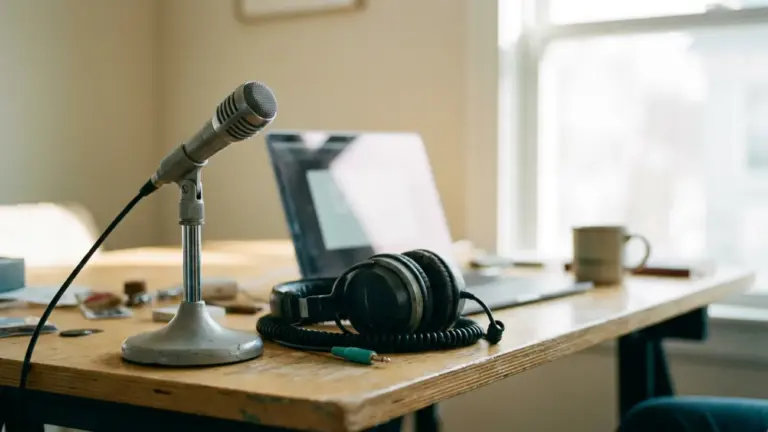
A microphone fails at one of four links in a chain, and the symptom you're seeing tells you exactly which one broke.
A practical guide to choosing a verbatim level, labeling speakers and marking pauses, with real timing estimates and an engine's output checked against a public recording.
The transcript button goes missing for two very different reasons, and only one of them can be fixed by looking harder. Here is how to tell them apart and get the text.
How to get a usable SRT out of a YouTube video, why Studio hands you SubViewer instead, and why someone else's captions are a rights question first.
macOS can extract the audio from a video without installing anything, but it stops short of transcribing it — here is the whole route, including where it breaks.
A practical walkthrough of pulling an exact quotation and its timestamp from a video, checking captions against audio, and formatting it for your citation style.
Captions, subtitles and transcripts are three different deliverables for three different audiences, and most caption tracks fail on quality rather than absence.
Before you caption anything, you have to pick between burned-in subtitles and a separate file - and that one choice decides everything you do afterwards.