Explore how power works through philosophy, geopolitics, and economics, focusing on Kant, money creation, and critical thinking.
Key Takeaways
- Reality is subjective and shaped by human perception and imagination.
- Understanding power requires critical thinking about history, geopolitics, and economics.
- Banks create money through lending, which is a key mechanism of power in modern economies.
- Testing analytical models against real-world outcomes is essential for understanding complex systems.
- Liberation comes from recognizing and understanding how power manipulates information and systems.
Summary
- The video introduces a semester-long course framework focused on understanding how power works.
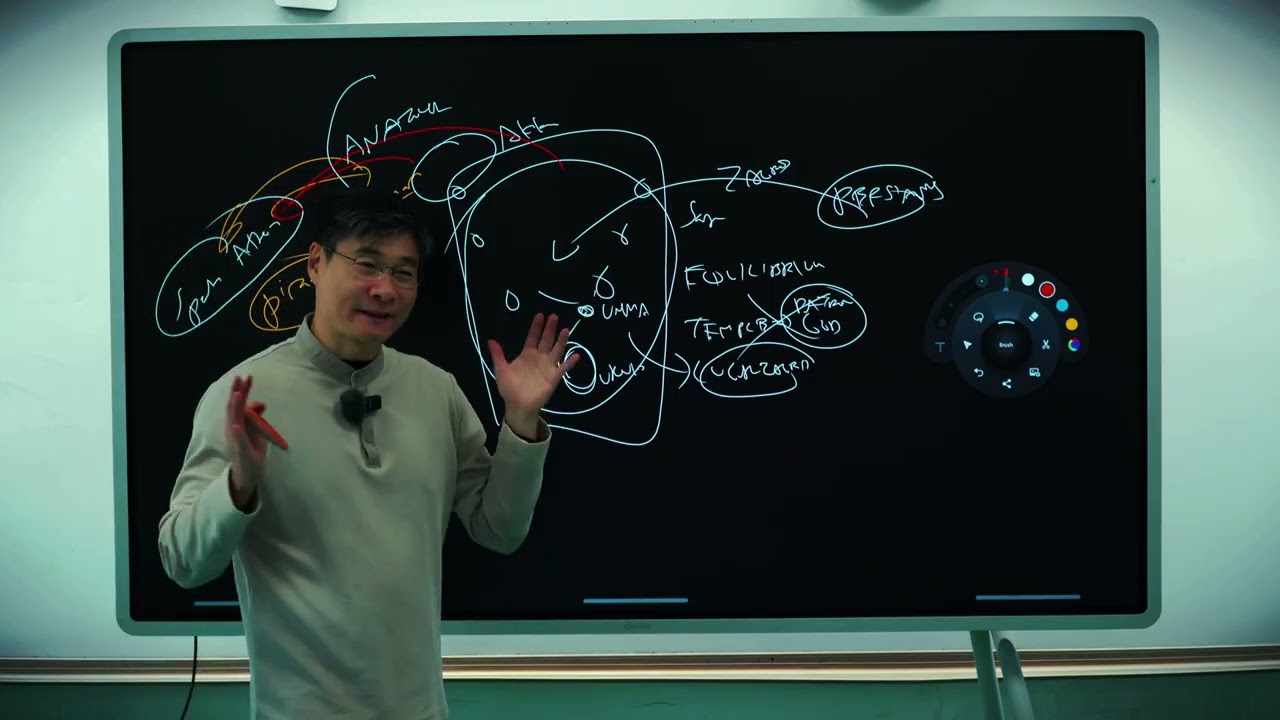
- Immanuel Kant's philosophy is discussed, emphasizing the distinction between noumena (objective reality) and phenomena (perceived reality).
- Reality is framed as a construct of imagination, highlighting the importance of augmenting imagination to see the world clearly.
- The course structure covers past, present, and future to build an analytical model of geopolitics and power.
- Geopolitical conflicts like the wars in Ukraine and the Middle East are analyzed to understand power dynamics.
- The process involves making predictions to test the accuracy of the analytical model, akin to artificial intelligence validation.
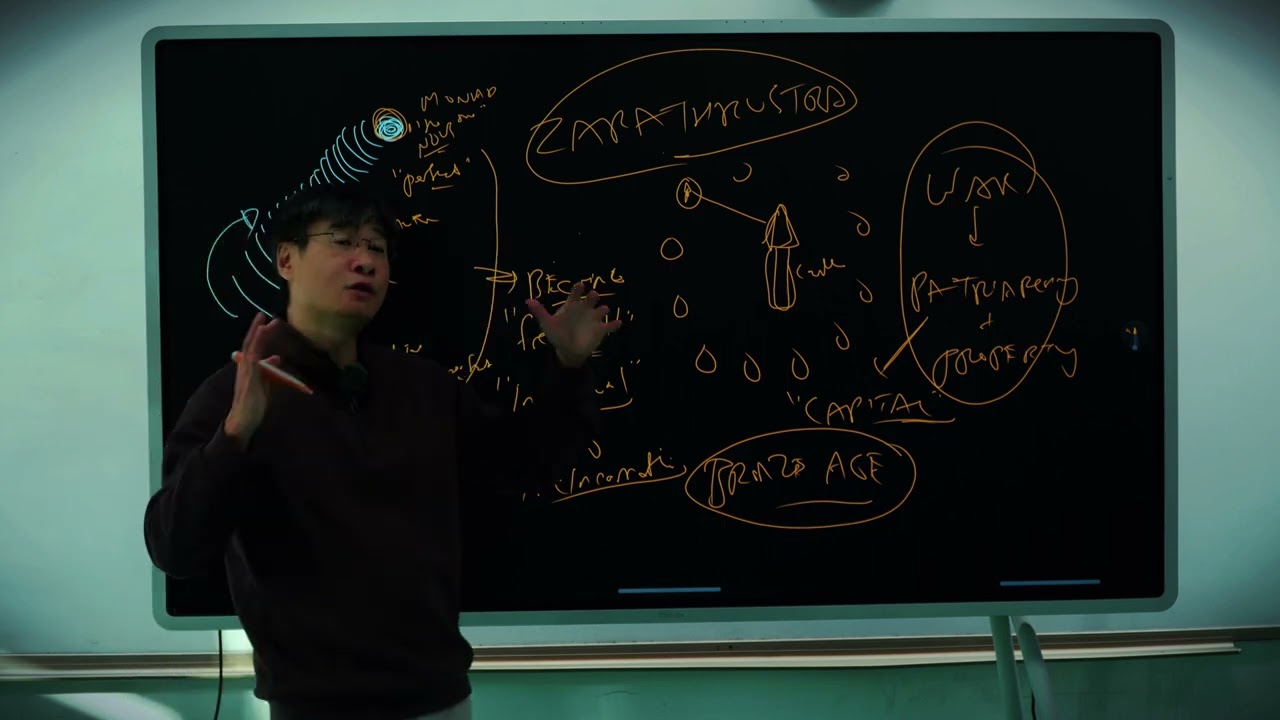
- The video challenges conventional historical narratives, suggesting that mainstream history is manipulated by powerful interests.
- A core question is how power operates, with the goal of achieving personal liberation and freedom through understanding manipulation.
- An example of power is explained through the banking system and fractional reserve lending, illustrating how banks create money.
- Chinese banks are used as a case study to show how money creation supports large-scale infrastructure and economic growth.