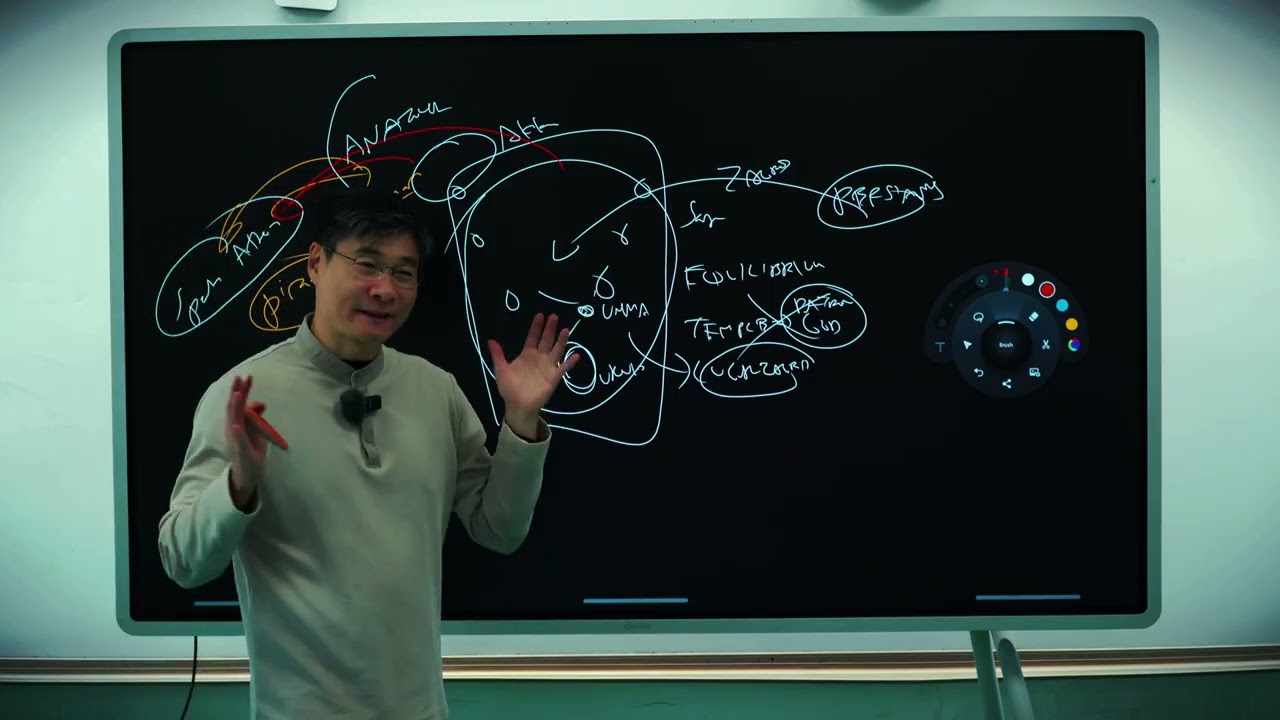
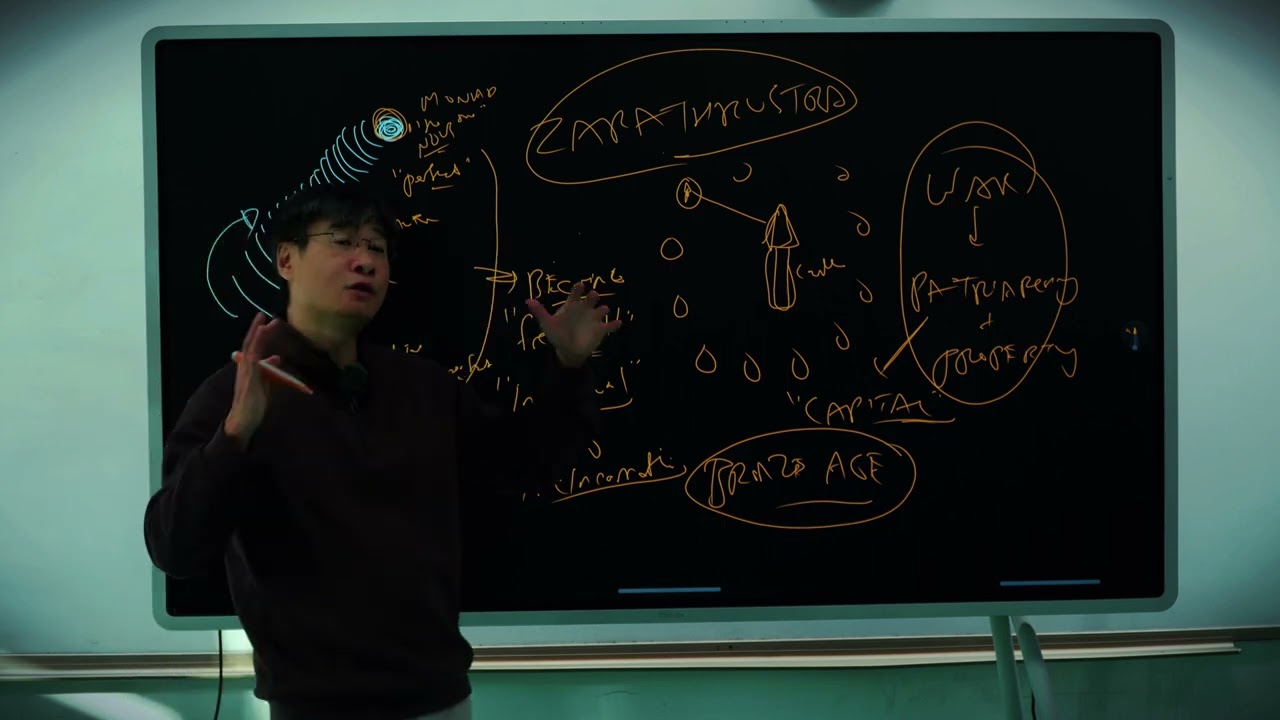
Game Theory #2: Why Schools Suck — Transcript

Game Theory #2 explores why schools fail to teach critical skills and how game theory explains educational shortcomings and potential reforms.

Key Takeaways

  • Schools often fail to teach essential life skills beyond literacy, such as critical thinking and collaboration.
  • The competitive, zero-sum mindset in schools discourages cooperation and creativity.
  • Reforming education requires changing the culture and incentives, not just the curriculum.
  • Lifelong learning is crucial in a fast-changing world, but many schools inadvertently teach students to dislike learning.
  • Game theory provides a useful framework to understand and predict educational system behaviors and reforms.

Summary

  • The video uses game theory to analyze why schools often fail to achieve their core purposes.
  • Core purposes of school include literacy, critical thinking, collaboration, communication, and fostering lifelong learning.
  • Most schools focus on memorization and competition, which undermines creativity and cooperation.
  • Schools often teach students to hate learning, especially highlighted by the example of China.
  • The presenter shares personal experience reforming a school curriculum in 2008 to emphasize reading, critical thinking, and collaboration.
  • Innovations included setting up a seminar system, a coffee house for discussion, and a daily student newspaper.
  • The video critiques the zero-sum competitive culture in schools, such as class ranking and SAT memorization.
  • It stresses the importance of evolving curricula that adapt over time rather than being fixed.
  • The presenter argues that schools should prepare students for constant learning in a rapidly changing world.
  • Game theory helps explain the incentives and cultural dynamics that maintain the current flawed educational system.

Full Transcript — Download SRT & Markdown

00:00
Speaker A
Okay, so welcome back to game theory. As I discussed last class, our goal is to use game theory to analyze global events to understand why they're happening, as well as make certain predictions about how they should develop. But to do that, I first need to train your mind on how to see the world using game theory.
00:16
Speaker A
should develop. But to do that, I first need to train your mind and how to and how to see the world using game theory.
00:24
Speaker A
So last class, in our first class, we discussed an example of the dating game, of why men and women are motivated to behave the way they do when they look for a mate. Today, I want to discuss the issue of school.
00:39
Speaker A
discuss the issue of school. Okay, school. So uh for the first few classes I'm going to use examples from your life that you know pretty well in order to develop the mindset for the game theory.
00:54
Speaker A
Okay, school. So for the first few classes, I'm going to use examples from your life that you know pretty well in order to develop the mindset for game theory.
01:09
Speaker A
Right? Okay. So the goals are basically literacy. All right. which means reading and writing.
01:17
Speaker A
So school is something that you should know very, very well. As you know, the purpose of school is to train you in a way that allows you to be functional in society as well as to be creative.
01:29
Speaker A
Okay. Number two is basically uh what we call the core competent core competencies. Okay, these are skills that you need to be successful in life including the ability ability to think critically to cooperate with others to coll to collaborate to communicate.
01:52
Speaker A
Right? Okay. So the goals are basically literacy.
02:01
Speaker A
So in an age of AI, in age of globalization, school is just a start of the learning process because every 5 years the world changes.
02:13
Speaker A
All right, which means reading and writing.
02:30
Speaker A
that's why you're at the school. Unfortunately, what we know is that most schools, I'm not saying all schools, I'm saying that most schools are pretty bad at these three things. In fact, you can make the argument that most schools not
02:48
Speaker A
This is the primary purpose of school because in order to function in our society, you need to be able to absorb information and convey information.
02:59
Speaker A
Today in most schools you're not required to read books. In fact when you go to university the professors there are so shocked that you don't read books that instead they make you read paragraphs or watch videos. Okay. So in terms of
03:16
Speaker A
Okay. Number two is basically what we call the core competencies.
03:36
Speaker A
People lose focus after about 5 minutes. Okay? So this is one problem. Another problem is school is supposed to teach you creativity, critical thinking skills, collaboration, but it doesn't do that.
03:49
Speaker A
Okay, these are skills that you need to be successful in life, including the ability to think critically, to cooperate with others, to collaborate, to communicate.
04:02
Speaker A
So, class ranking is very important. So, that's kind of odd. Okay. And the last thing, of course, is lifelong learning where school teaches you to hate school and therefore teaches you how to hate learning, especially in China. Okay? Especially in China where
04:22
Speaker A
Okay, you all know this. The last thing is what we call lifelong learning.
04:34
Speaker A
books, you rip out the pages, and you throw it in the sky to to signal your liberation, your liberation. And you're like, I never ever want to read a book again. I never ever want to take a test
04:44
Speaker A
So in an age of AI, in an age of globalization, school is just the start of the learning process because every five years the world changes.
05:02
Speaker A
is why is this the case? And so we're going to use game theory to analyze why this is the case. All right. [snorts] So what I'm going to do now is I'm going to tell you a story about myself. So the
05:20
Speaker A
So you need to be in a constant process, a constant state of learning.
05:37
Speaker A
School build a national program to send kids abroad. Okay. Right. So this 2008 which was a long time ago and back then not not that many students wanted to go abroad. There were really few international schools. So the first
05:50
Speaker A
Okay? So you have to actually love learning and you have to know how to learn for yourself. So these are the three basic purposes of school.
05:57
Speaker A
Okay. I found that students even though they were going abroad maybe about 10% of the students were planning to go abroad. So so that's about 80 students uh each year. That's a lot.
06:10
Speaker A
And that's why you're at school. Unfortunately, what we know is that most schools—I'm not saying all schools, I'm saying that most schools—are pretty bad at these three things. In fact, you can make the argument that most schools not only do not teach you these skills, but they have the opposite effect.
06:25
Speaker A
you take notes and you take tests, you don't communicate, you don't ask questions, you don't debate. Okay, so that's one problem. Another problem is that the students were spending all their time memorizing SAT word list.
06:40
Speaker A
In fact, they make you hate learning.
07:01
Speaker A
modeling United Nations and that's a great activity but everyone was doing it. There was absolutely no differentiation.
07:08
Speaker A
Okay, so let's look at literacy.
07:21
Speaker A
the university and to do well in life. Okay. So I made certain changes to the curriculum and to the school. Okay. So first thing I did was I set up a seminar system.
07:33
Speaker A
Today, in most schools, you're not required to read books. In fact, when you go to university, the professors there are so shocked that you don't read books that instead they make you read paragraphs or watch videos.
07:50
Speaker A
memorization, I had them read books. Students were required to read a lot of books. In fact, I established a 5,000 book English library at the school where students can just go and borrow books and read. I wanted to teach students the
08:06
Speaker A
Okay. So in terms of literacy, around the world, people are losing the capacity to read and to write. And not only that, but people's attention spans have decreased. It's very hard for a professor to give you an hour lecture.
08:19
Speaker A
first is called the coffee house. And the coffee house is is the first coffee house in China in a Chinese high school. There are lots of coffee houses today, but I was the first person to set up a coffee house where students had to
08:35
Speaker A
People lose focus after about five minutes.
08:50
Speaker A
Okay. So, that was a very successful activity. Uh, do you have a question? Yeah.
08:55
Speaker A
Okay? So this is one problem. Another problem is school is supposed to teach you creativity, critical thinking skills, collaboration, but it doesn't do that.
09:07
Speaker A
Okay. Um, 2008 I was the first person to do anything. Okay. Oh, okay. Okay. Just I mean like like similar.
09:15
Speaker A
Look at collaboration. In school, it's a competition where you believe that it's a zero-sum game.
09:26
Speaker A
went away. The other thing I did was something called the daily newspaper. [snorts] And this was the first daily newspaper in China in a high school and probably maybe even around the world where students every day had to report,
09:40
Speaker A
So, for you to get ahead, you need to screw over your classmate.
09:54
Speaker A
successful activities [snorts] and um so I understand game theoriz says okay if you want to make this transition from the old system to new system you also have to establish a new culture to allow these activities to flourish
10:11
Speaker A
So, class ranking is very important.
10:35
Speaker A
[snorts] And so my idea was this. Rather than sub a curriculum that was perfect, it would be a curriculum that would evolve over time. We would learn mistakes together.
10:52
Speaker A
So, that's kind of odd.
11:08
Speaker A
reflect and to be resilient. And I was very open and honest about everything that I was doing. And this in and so this system in a very short amount of time even though it there were a lot of
11:21
Speaker A
Okay. And the last thing, of course, is lifelong learning, where school teaches you to hate school and therefore teaches you how to hate learning, especially in China.
11:33
Speaker A
They went to they went to Wharton Cornell and this program actually school became the most famous program in South China and when our students have the best record of college admissions in South China. Okay.
11:53
Speaker A
Okay? Especially in China, where you work hard until the national entrance examination at age 18.
12:08
Speaker A
They said, "Get out of here." Okay. Second of all, the teachers, the parents, the students were all happy to see me go. They were like, "Get out of here. We never want to see you again." The third thing that
12:24
Speaker A
And then after the examination ends, what do you do? You burn your books.
12:37
Speaker A
again. No one wanted me to work in management again. Okay? So even though I was successful, even though I worked really hard, even though I was innovative, even though I set up really the best study abroad program in all of China, I was the
12:52
Speaker A
That's the great ceremony here in China.
13:07
Speaker A
When I was doing this, the word that everyone used to describe me was not reformer, not visionary, not idealist, not dreamer, but dictator.
13:23
Speaker A
Right after the examination, you take your books, you rip out the pages, and you throw them in the sky to signal your liberation, your liberation.
13:41
Speaker A
Okay, I don't care who you are. I don't care who your parents are. I want you to work hard and learn. And as you can imagine, that pissed off a lot of powerful people because that's not how the game is played in China. Okay? It's
13:58
Speaker A
And you're like, I never ever want to read a book again. I never ever want to take a test again. I never want to learn again.
14:10
Speaker A
Okay. So, um let's go over what happened. All right. [snorts] Okay. So Mike, I understand that there are stakeholders and the stakeholders in game theory are just the players.
14:31
Speaker A
Okay. So around the world, most schools—not all schools, there are some really good schools out there—but most schools are failing in their mission.
15:02
Speaker A
okay? The college are the US colleges where I'm trying to send my students. Okay? So these are the players in the game. And if you want to understand game theory, you need you need to understand the motivations and interests of all the different
15:14
Speaker A
School sucks.
15:27
Speaker A
students wanted like love to learn get into Ivy League and be the best. Okay. So I thought the students what their motivation was to be the best possible person to work hard to love learning to be famous to get an Ivy
15:50
Speaker A
And so the question for us today is why is this the case?
16:10
Speaker A
into the Ivy League right teachers well teachers wanted to do a good job Right?
16:22
Speaker A
And so we're going to use game theory to analyze why this is the case.
16:34
Speaker A
Administrators. Administrators. I really didn't like administrators. So, I just thought they were just they wanted good results. Okay. That's all. Good results.
16:43
Speaker A
All right.
16:57
Speaker A
Um, they wanted, you know, they want technology, okay? They want a strong China. Colleges wanted the best possible potential.
17:13
Speaker A
[snorts] So what I'm going to do now is I'm going to tell you a story about myself.
17:30
Speaker A
Okay, so let's go over again. Let's now do an anal analysis of what they really really want. Okay. And the um easy answer is that in game theory all the players what they're motivated in is by achieving the best possible results by
17:51
Speaker A
So the year is 2008.
18:11
Speaker A
they want to get in the Ivy League, but they didn't want to work hard to get in the Ivy League. They wanted to do as little work as possible. And if it meant they had to uh work hard to get Ivy
18:24
Speaker A
I went to Yale College, okay, in the United States, and I was an English major.
18:36
Speaker A
what's important is for me to control my kid, right? For to make to because only I know how to ensure my kid succeeds.
18:44
Speaker A
I did very well in school.
18:57
Speaker A
hard. I just want to come to school, do what I'm supposed to do, do what is minimally required me to collect my salary and then go home. I don't want to teach my passion because I don't have any passion.
19:08
Speaker A
So I was hired in 2008 to go to Shenzhen in South China and help the school, Shin Middle School, build a national program to send kids abroad.
19:23
Speaker A
the parents who are powerful are happy, I keep my I can keep my job, right? The government is like, you know what? I don't want innovation in this country.
19:33
Speaker A
Okay.
19:43
Speaker A
Okay? So now we understand what happened. All right. All right. So now what I will show you is this. I will show you how a game is constructed. A game is constructed when all the different players agree on the rules and
19:59
Speaker A
Right.
20:13
Speaker A
have control over the game. And if they lose control, well, they call you an they call you the outsider an Okay. All right. So, let's do this again.
20:26
Speaker A
So this was 2008, which was a long time ago, and back then not that many students wanted to go abroad.
20:56
Speaker A
Okay. Another thing that you have to do in game theory that's very important is you have to rank the power of uh power of each player. Uh you have a question.
21:08
Speaker A
There were really few international schools.
21:15
Speaker A
Okay. And the government. Yeah. Another thing that that you have to do in game theory is you have to rank the importance of the players. Okay. So, not all players are equal. So, in this game theory, even though there are
21:29
Speaker A
So the first thing I did was I looked at the situation at the school.
21:48
Speaker A
don't get what they want. Okay? So the most important are the parents. Then you have the teachers. Why? Because the teachers are the ones who are implementing the rules of the game.
21:57
Speaker A
Okay.
22:14
Speaker A
The government doesn't really matter because they don't really care, right? It's one school among thousands. Who cares what the school does as long as it doesn't cause me any problems? The colleges don't care either. You they say they want really passionate students who
22:30
Speaker A
And this, and this, this, this is what I found.
22:41
Speaker A
All right? So, the costs don't really matter. They'll take anyone who's willing to pay.
22:47
Speaker A
Okay.
22:55
Speaker A
And who are these people? Not the best students. These are people from powerful families. Okay? So, this game is rigged, right? They have all this talk about, you know, we want the best motivated students. We want PE students who are
23:07
Speaker A
I found that students, even though they were going abroad, maybe about 10% of the students were planning to go abroad.
23:19
Speaker A
in this game, they don't really matter. Okay. So, now we're going to do is we'll analyze the mentality, the worldview, the interests of each player. Okay. And again once you do that once we figure out where they converge then we know how
23:35
Speaker A
So that's about 80 students each year.
23:52
Speaker A
and to be popular among their friends. Okay that that's just human nature. That's true right? [snorts] Um then you have uh please teachers and parents. Okay, this guy this is really important to understand. You're not in school not to learn. You're in
24:10
Speaker A
That's a lot.
24:23
Speaker A
them. There's a difference. Okay? And grades are a way of showing how well you're pleasing the parents and the teachers.
24:33
Speaker A
[snorts] But the way they were going about the process of studying abroad was problematic.
24:47
Speaker A
Okay. All right. So, am I missing any anything among my students? All right. So, but okay. I'm sure there's more, but but let's just keep on going. Okay. Now, parents, well, the parents, what they want is, of course,
25:03
Speaker A
Okay.
25:18
Speaker A
[snorts] They want their kid to go to the Ivory League and they only the kid the Ivy League provides a good education or their kid will be happy at the Ivy League. They just want to brag to their
25:27
Speaker A
So first of all, all they were doing was taking regular Chinese classes.
25:34
Speaker A
Okay. Um but face also means to treat education as a luxury product. Why do parents send kids to national schools? Not because national schools provide a better education. It's because international schools are more expensive and most importantly international
25:50
Speaker A
[snorts] And you know, in Chinese classes, all you do is you sit in a room of 50 kids and you take notes and you take tests.
26:08
Speaker A
They have all these white faces, white teachers like, "Oh my god, this is a real national school now." You don't care if the what if the teacher actually good at what they're doing. You don't care if the kids are actually learning.
26:19
Speaker A
You don't communicate, you don't ask questions, you don't debate.
26:26
Speaker A
It's that simple. Okay? [snorts] And then of course you want some good outcome. Okay? You want you want a good outcome.
26:35
Speaker A
Okay, so that's one problem.
26:49
Speaker A
really simple because teachers do this job and for them the priority is to do as little work as possible to get by.
27:00
Speaker A
Another problem is that the students were spending all their time memorizing SAT word lists.
27:13
Speaker A
school, okay? So basically just get by, okay? Or the minimum amount of work, okay? You may not you may not believe this, but like when you actually grow up and get a job, you'll do the same thing.
27:30
Speaker A
Okay, they were not reading, they were not writing, they were just memorizing words.
27:34
Speaker A
um administrators they want good outcomes but what their real priority is to protect relationship with parents. Okay, just give parents what they want.
27:49
Speaker A
And the other thing that they did to make their applications look good is Model United Nations.
28:01
Speaker A
okay? They're not trying to build the best school possible. They're not trying to change the world. They're not trying to educate students. They're just trying to get by, do the least amount of work in order to uh get by. Government is okay. They say
28:15
Speaker A
Okay, and that's fine.
28:26
Speaker A
Just stay away from us. We're happy to not bother you. Please don't come bother us. Yeah, that's government. Also, what they want is for students who will also be no problems in the future, right?
28:39
Speaker A
Maybe some of you are doing Model United Nations, and that's a great activity, but everyone was doing it.
28:53
Speaker A
Colleges again just want the money. Okay? That's all they care about. If you're willing to go to American College and pay how much how much is is it nowadays like 50,000 100,000 a year?
29:05
Speaker A
There was absolutely no differentiation.
29:14
Speaker A
All right. Uh yeah. So, you mentioned that earlier like the the the purpose of education are that three things, but now schools don't do that. So what caused the transformation?
29:31
Speaker A
All right.
29:53
Speaker A
there it's economy it's politics it's religion okay and we discuss how societies are born they mature and then they die. Okay. So there's actually another way of understanding this. You can actually use three metrics to understand how societies develop. Okay.
30:13
Speaker A
So I looked at the situation.
30:30
Speaker A
Okay. you are, you believe, you're motivated, you're driven, you work hard all the time. And working hard just doesn't mean like you work 12 hours. It just means like you're focused, you're attentive, right? So, for example, if you're
30:45
Speaker A
I said, no, I mean, you might be able to get into a good American university because, you know, these kids are very smart, but I wanted them to do well at the university and to do well in life.
30:50
Speaker A
You're energetic about it. Okay? Does that make sense? That's energy. Okay? So, um, openness just means that you want to learn, you want to grow, you're willing to admit you made a mistake and improve on yourself. Okay. And the last
31:08
Speaker A
Okay.
31:22
Speaker A
And when you have all three things together, the schools are great. Okay? And so, for example, go to Finland.
31:31
Speaker A
So I made certain changes to the curriculum and to the school.
31:46
Speaker A
that means is you want you have to make sure that every child not just your child but every child has good future has good education. And so what you do is you have your best and brightest become teachers,
31:58
Speaker A
Okay.
32:07
Speaker A
And if you do that, the schools are great. And guess what guys? in China in maybe 1980s, the schools were amazing here. Okay, what we're seeing today is today. But if you go back to the 1980s, the schools
32:23
Speaker A
So the first thing I did was I set up a seminar system.
32:31
Speaker A
They believed that the responsibility to train the young. They took pride and joy in their work and the students enjoyed learning. And guess what? Back in 1980s, kids did less work.
32:46
Speaker A
So rather than in Chinese classes, I invited these American teachers to come and teach seminars like we have at the school, where 10 to 20 kids are in a room and they discuss books that they read together.
32:53
Speaker A
So when a society be starts and begins, you have these three aspects. But over time, what happens is all three decline.
33:05
Speaker A
Okay.
33:23
Speaker A
So, rather than cohesion, you have individualization individual. Okay? Does that make sense? Where everyone's like, you know what? I don't care if other kids are doing well.
33:32
Speaker A
Um, rather than SAT word memorization, I had them read books.
33:44
Speaker A
kid do okay and every other kid gets screwed over. Okay. So, now it's a competition in schools.
33:53
Speaker A
Students were required to read a lot of books.
34:05
Speaker A
You're incompetent." Okay? So, you could be like the best person in the world, but if you make make a mistake, the parents will come and kill you. But if you you but you could be the worst person in the world, but you just hide
34:17
Speaker A
In fact, I established a 5,000-book English library at the school where students can just go and borrow books and read.
34:30
Speaker A
Right? Then you have energy which is like you know what if I do a good job parents will want me to do a better job.
34:39
Speaker A
I wanted to teach students the joy of reading.
34:55
Speaker A
really poor. And no only way to get to to lead a better life is through education. That's why students work hard. If students work hard, teachers are motivated to teach well. And now you having a time when you
35:11
Speaker A
Um, and then in terms of activities, I didn't want students to do Model United Nations anymore because I didn't want kids sitting around just talking.
35:25
Speaker A
Who cares if you do well in school? So you're not motivated. If you're not motivated, indifferent, then as a teacher, why am I going to want to teach? Well, okay. So it's a super structure of society. Okay. Does does that make
35:39
Speaker A
I wanted to let them do things.
36:04
Speaker A
back to this list and what we're seeing is parents just want white faces. Okay, sorry. white faces and they want um successful kids which means good grades.
36:23
Speaker A
Okay.
36:32
Speaker A
And so when you do this convergence this this is what schools look like now.
36:39
Speaker A
So, I set up two new activities.
36:57
Speaker A
get a good grade. All right. Um, some top students, these students are given scholarships and then they're sent to top universities.
37:12
Speaker A
The first is called the coffee house.
37:27
Speaker A
Okay. And this is what it looks like. This this what happens when you take the interests of these different players, you converge them together. And this is what what schools look like today.
37:38
Speaker A
And the coffee house is the first coffee house in China in a Chinese high school.
37:51
Speaker A
Then you have easy grades where everyone gets an A no matter what you do. Um, you have some top students who will get into good school so that um the the school can brag about them. You have lots of
38:03
Speaker A
There are lots of coffee houses today, but I was the first person to set up a coffee house where students had to run a business.
38:19
Speaker A
like I I give you a 20. I give you like an 80 and students complain about me. So now, so I'm stuck giving them like a pass fail, right? So it's not hard for students to get to pass. If you don't
38:30
Speaker A
They had to work as waiters and provide good service to customers.
38:44
Speaker A
Okay? Doesn't make sense. This is why schools suck. And I'm I'm saying they suck not just in China, not just in our schools, but in most places around the world. And it has to do with the superstructure of
39:02
Speaker A
And it was a collaboration effort.
39:18
Speaker A
one way to analyze it is by figuring out what at what point, okay, do the different players converge, right?
39:30
Speaker A
As you can imagine, this is great for the students to learn collaboration, to learn finance, to learn entrepreneurship.
39:51
Speaker A
Okay. Now, what's important for us to understand is that there is actually a lot of room to this convergence point.
40:00
Speaker A
Okay.
40:11
Speaker A
Okay. So my problem is back in 2008 I was like you know what I'm going to set up a new universe my own world. I'll make up the rules.
40:24
Speaker A
So, that was a very successful activity.
40:27
Speaker A
Okay. That's why everyone is like you're an Okay, whatever you do, whatever game you set up has to be within this conversion point in order for players to accept it.
40:39
Speaker A
Uh, do you have a question?
40:54
Speaker A
conver convergence point. Okay, this slow incremental reform. Okay, does that make sense? Okay, any questions before I I conclude guys ask questions?
41:11
Speaker A
Yeah.
41:32
Speaker A
okay. Yeah, that's a really good question. So so thank you for asking. Okay. All right.
41:39
Speaker A
Okay.
42:01
Speaker A
But in game theory, what I want to teach you is that it's because they themselves are playing different games.
42:07
Speaker A
I mean, was that like similar with our moon coffee, like the coffee in the West South store?
42:23
Speaker A
Okay. And depending on on on their identity, they're playing a different game. All right. So, what does family family mean? Family means that you um might have brothers, right? Brothers.
42:39
Speaker A
Okay.
42:46
Speaker A
Well, by having more money, by having better kids, by having a more beautiful wife. Okay, that's a game they're playing, right? Um, but then you have colleagues.
42:58
Speaker A
Um, 2008, I was the first person to do anything.
43:13
Speaker A
is educated is able to become friends with the sons and daughters of your colleagues.
43:20
Speaker A
Okay.
43:34
Speaker A
You're thinking about how to play different games and be successful in other games, right? Because if you if your kid becomes very successful but not in a way that pleases the colleagues, you become you can be thrown out of the
43:51
Speaker A
Oh, okay.
43:59
Speaker A
or basically just exile where you are no longer part of the group. They kick you out as a player.
44:08
Speaker A
Okay.
44:24
Speaker A
them. So so it's a weird psychology. Okay, you're trying to beat them. At the same time, you don't want to piss them off and get thrown out of the game.
44:32
Speaker A
Just, I mean, like, like similar.
44:47
Speaker A
Okay? Because so another way of saying this is a lot of the rebellion against what I was doing as a reformer is I was subverting traditional Chinese values.
45:04
Speaker A
Yeah.
45:22
Speaker A
Okay, does that make sense? All right, so that's parents. Then you have um um right. Okay, but students, right? So students they're trying to play a game where they do well in school because that ensures a good outcome but at the
45:44
Speaker A
[clears throat] All right.
45:52
Speaker A
trying to please your parents right because by pleasing your parents that ensures that you have an easy comfortable [music] life. In fact you could argue that of these three games pleasing your parents is the most important. Then comes um having good
46:08
Speaker A
So the coffee house was an activity I set up which was very successful.
46:20
Speaker A
Okay. Does does that make sense? So game theory it sounds easy but it's very very complicated because we're complicated individuals.
46:31
Speaker A
It's still there today, guys.
46:42
Speaker A
So the way that you behaved in kindergarten is not the way you behave today in high school, it will not be the way you behave when you enter society.
46:49
Speaker A
If you go to middle school, you will see the coffee house still there a long, long time after I went away.
47:05
Speaker A
okay but um we are always changing according to the game and and we are who we are is often determined by the nature of the game. Okay. So you could have come into school wanting to learn, being creative and all
47:27
Speaker A
The other thing I did was something called the daily newspaper.
47:45
Speaker A
actually go back and think about everything that you did in school, the answer is you're responding to a certain incentive or rule of the game.
47:57
Speaker A
[snorts] And this was the first daily newspaper in China in a high school and probably maybe even around the world where students every day had to repo—
48:06
Speaker A
Game theory, it's not about ideas. It's not about ideals. It's not the way things should be. It's the way things are. And the way things are are determined by who players are and the way players behave um is a response to their the game they
48:23
Speaker A
believe they're playing. Okay, does that make sense? Okay, so so thank you. Any more questions?
48:33
Speaker A
Okay, great. So um we will continue this next class. Okay.
Topics:game theoryeducation reformschool systemcritical thinkingcollaborationlifelong learningliteracyChina educationcurriculum innovationstudent motivation

Frequently Asked Questions

Why does the video say most schools fail at teaching critical skills?

The video argues that schools focus too much on memorization and competition, which discourages creativity, collaboration, and critical thinking, essential skills for success.

How does game theory help explain problems in education?

Game theory reveals the incentive structures and cultural dynamics in schools that maintain zero-sum competition and resistance to change, explaining why schools often fail to evolve.

What reforms did the presenter implement in the school he managed?

He introduced a seminar system requiring book reading, created a coffee house for student discussions, and started a daily newspaper to foster collaboration, critical thinking, and communication.

Get More with the Söz AI App

Transcribe recordings, audio files, and YouTube videos — with AI summaries, speaker detection, and unlimited transcriptions.

Or transcribe another YouTube video here →