Skip to content
Get App

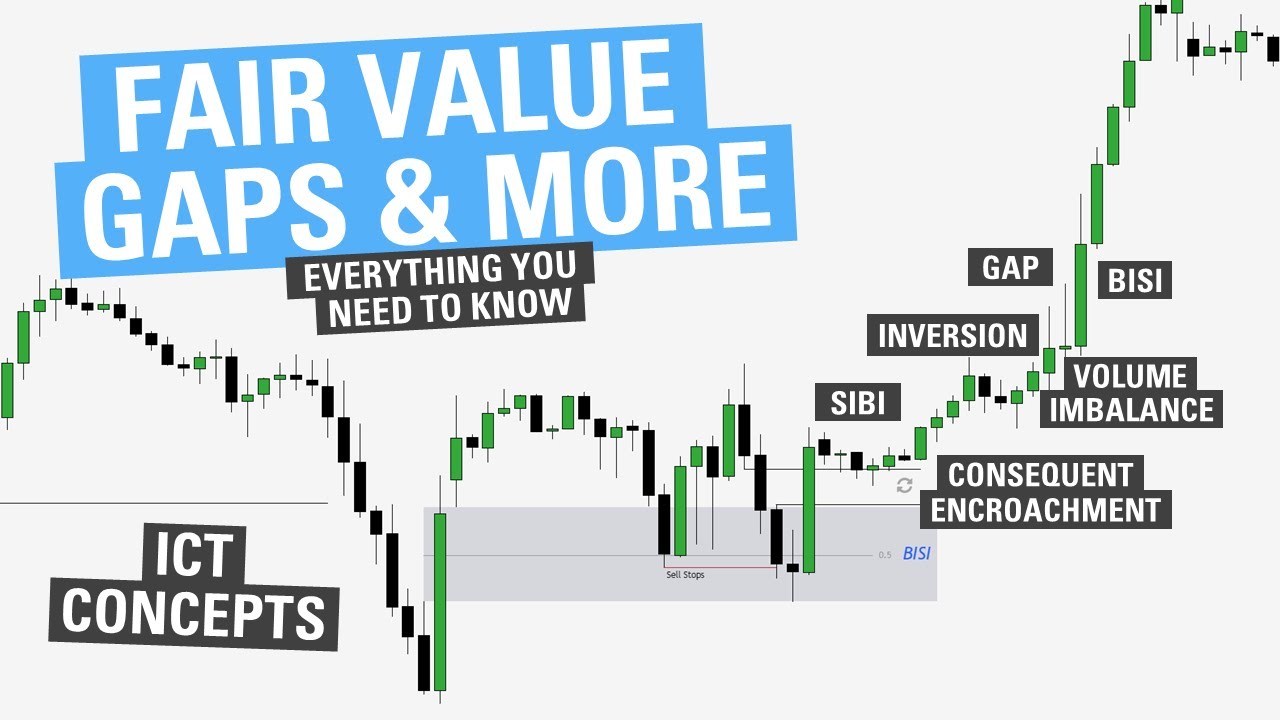
How To Actually Trade Inversion Fair Value Gaps (IFVG)

Learn how to trade inversion fair value gaps (IFVGs) by aligning higher timeframes, identifying liquidity sweeps, and waiting for valid expansion candles before entry.

Key Takeaways

  • Always confirm IFVG setups with higher-timeframe context and swing points, not just the pattern.
  • A valid IFVG needs a liquidity sweep of a prior candle's high or low followed by an inversion with supportive expansion.
  • Wait for a closure through all fair value gaps in a series before committing to a trade.
  • Skip setups that lack a clean sweep, aggressive displacement, or a change in the state of delivery.

What the video covers

  • An inversion fair value gap (IFVG) forms when a fair value gap is swiftly closed through, flipping former resistance into support or vice versa.
  • Most traders fail by ignoring higher timeframes and swing points, trading the pattern in isolation and getting stopped out.
  • A valid setup requires a candle two that sweeps the high or low of candle one, supporting expansion with a small wick.
  • Time frame alignment is key: the sweep should occur at an important higher-timeframe key level.
  • SMT (smart money technique) divergence between candle one and candle two highs adds extra confluence.
  • The EUR/USD 15-minute example shows a rejected inversion lacking a prior high sweep, versus a valid setup after a short-term high above a 4-hour high was swept.
  • When a candle lacks a wick it can serve as drawn liquidity, and a new candle open should be waited for.
  • Multiple adjacent fair value gaps can be treated as one large gap; price should close through all of them to avoid losses.
  • After a large opposing run, expansion typically waits for the next higher timeframe candle before a reversal.
  • Avoid trades when price consolidates without a clean V-shaped reversal, as probability is low.

Answers

Questions about this video

What is an inversion fair value gap?

An inversion fair value gap occurs when a fair value gap is not respected and price swiftly closes over it. This flips the gap's role, so former resistance becomes support or former support becomes resistance.

What is the most common mistake when trading IFVGs?

According to the video, most traders fail to look at higher timeframes and do not understand swing points. They simply trade the pattern, which often leads to getting stopped out.

What makes a valid IFVG setup?

A valid setup needs a candle two that sweeps the high or low of candle one with a small wick supporting expansion, followed by an inversion. SMT divergence between the candles adds extra confluence.

Full Transcript — Download SRT & Markdown

00:11
Speaker A
How's it going, everyone? In this video, we are going to talk about how to trade inversion fair value gaps, or IFVGs.
00:18
Speaker A
Let's get into the PDF. So, the first thing you have to understand is what is a fair value gap. A fair value gap is a three candlestick pattern, 1 2 3, in which the wick of candle one and the
00:29
Speaker A
Let's get into the PDF. So, the first thing you have to understand is what a fair value gap is. A fair value gap is a three-candlestick pattern, 1, 2, 3, in which the wick of candle one and the wick of candle three do not overlap, leaving a gap. So, this is an example of a bearish fair value gap, and this is an example of a bullish fair value gap.
00:38
Speaker A
Now, an inversion fair value gap is when this fair value gap is not respected and swiftly closed over. So, you can see here we have a nice expansion candle closing over that fair value gap, which creates an inversion fair value gap. So,
00:52
Speaker A
Now, an inversion fair value gap is when this fair value gap is not respected and is swiftly closed over. So, you can see here we have a nice expansion candle closing over that fair value gap, which creates an inversion fair value gap. So, now what should have been resistance is now going to become support, and what was once support is now resistance. So, from here, I can anticipate price to continue higher in this bullish trend or lower in this bearish trend.
01:07
Speaker A
Now, what is the mistake that most people make when trading inversion fair value gaps? Is that they fail to look at the higher time frames. They do not understand swing points and they're simply trading a pattern. So, they're
01:18
Speaker A
Now, what is the mistake that most people make when trading inversion fair value gaps? It is that they fail to look at the higher time frames. They do not understand swing points, and they're simply trading a pattern. So, they're looking for some sort of sweep, an inversion, and then they're essentially pattern trading this. So, you can see here, that is what happens. We take out a high, we have an inversion. If you take an entry here, you're going to get stopped out. Now, what would it look like if you looked at the higher time frames?
01:29
Speaker A
stopped out. Now, what would look like if you looked at the higher time frames?
01:33
Speaker A
So, if you use time frame alignment and look at the higher time frame, you can see that if you're going to be trading inversions, you want to be understanding candle two and wick size, but you're trading candle two. So, you want to wait for a candle that supports expansion lower. So, you can see we have candle two here sweeping out the high of candle one. So, that's that important liquidity at a higher time frame key level. We have a small wick, which supports expansion. So, then when we get this inversion, we can anticipate this trend to continue lower. So, what do we need to look for in a valid inversion setup within the fractal model? We need a candle two which supports expansion, which means we need a small wick. So, right here, I will be looking for a sweep of candle one's high or low, a small wick, and then an inversion. Now, if you want extra confluence, look for an SMT between candle one's high and candle two's high. So, let's get into TradingView and go over a few examples of this.
01:43
Speaker A
for a candle that supports expansion lower. So, you can see we have candle two here sweeping out the high of candle one. So, that's that important liquidity at a higher time frame key level. We have a small wick which supports
01:55
Speaker A
So, here we are in our first example. We're on EUR/USD on the 15-minute chart.
02:08
Speaker A
which means we need a small wick. So, right here, I will be looking for a sweep of candle one's high or low, a small wick, and then an inversion. Now, if you want extra confluence, then look for an SMT between candle one's high and
02:21
Speaker A
If you notice, we have a fair value gap right here. So, let's see what happens.
02:26
Speaker A
So, here we are in our first example. We're on EUR/USD on the 15-minute chart.
02:31
Speaker A
You can see we do create an inversion here. So, are we interested in this? No.
02:38
Speaker A
You can see we do create an inversion here. So, are we interested in this? No.
02:43
Speaker A
Why is that? Well, we need to go back to what we learned in the PDF. If we don't have a candle which supports expansion, which this previous one didn't, we're then waiting for a candle two to form.
02:53
Speaker A
So, you can see we want a sweep of this previous high in order to be looking for a short setup, right? So, we have not swept that out. This is just simply a consolidation.
03:04
Speaker A
So, you can see we want a sweep of this previous high in order to be looking for a short setup, right? We have not swept that out. This is just simply a consolidation.
03:09
Speaker A
Let's see. Nope, we do not. So, there is no valid setup here to trade the reversal because we lack the relevant level on this inversion. We never created an inversion here. Now, this candle does not support expansion, but
03:21
Speaker A
Let's see if we can go take out this high. We do. Now, do we create an inversion?
03:32
Speaker A
you can see here. So, do we have an inversion? Well, we don't have a fair value gap until down here. So, let's see if we do get aggressive displacement lower here.
03:44
Speaker A
Let's see. Nope, we do not. So, there is no valid setup here to trade the reversal because we lack the relevant level on this inversion. We never created an inversion here. Now, this candle does not support expansion, but it doesn't have a wick. So, this can be used as drawn liquidity, but we would want to wait for a new candle open. So, here we have a new candle open, and we take out the previous candle's high, as you can see here. So, do we have an inversion? Well, we don't have a fair value gap until down here. So, let's see if we get aggressive displacement lower here.
03:55
Speaker A
can go ahead and mark that out right here. And let's see what happens. And there you can see we have an inversion and a change in the state of delivery, which means it is valid to be looking for a move lower here. You can
04:07
Speaker A
You can see we do not, and we make a new high. So, now you can see we're sweeping out a short-term high above this previous 4-hour high. And what do we have right in here? An inversion. So, we can go ahead and mark that out right here. And let's see what happens. And there you can see we have an inversion and a change in the state of delivery, which means it is valid to be looking for a move lower here. You can see how this inversion has a lot more context. We're above the previous 4-hour high. We have a sweep of a short-term high, a change in the state of delivery, and an inversion, and we have failure swings below, as well as this candle with no wick. So, let's see how this looks. You can see once we open the new candle, we get that continuation lower.
04:21
Speaker A
with no wick. So, let's see how this looks. You can see once we open the new candle, we get that continuation lower.
04:29
Speaker A
So, just to review, we want to make sure we have a sweep of a higher time frame candle and then an inversion. Right? So, you can see we sweep out the previous candle's high, and then we have an inversion. Now, if we have SMT here, that would be an even better confluence, but we do not in this case.
04:38
Speaker A
inversion. Now, if we have SMT here, that would be an even better confluence, but we do not in this case.
04:45
Speaker A
So, let's get into another example. Here we are in our next example. You can see we've had a nice reversal lower, running out these consolidation lows on the left with multiple candles of expansion. We could look to see a new phase of price. Let's see what happens here. If we're going to look for an inversion, what do we want to see? A sweep of this previous low, or SMT, and then an inversion.
04:57
Speaker A
phase of price. Let's see what happens here. If we're going to want to look for an inversion, what do we want to see? A sweep of this previous low or with SMT and then an inversion.
05:08
Speaker A
You can see we do get the sweep of that previous low right here. Now, do we get an inversion? You can see there are multiple fair value gaps here. So, in this case, I want to use all of those fair value gaps and treat them like one big fair value gap. And you can see we do not just close through it. So, this is a case where, when we fail to have a nice V-shaped reversal, this is where I want to avoid price. Even if this were to work out, price is just consolidating here.
05:16
Speaker A
fair value gaps and treat it like one big fair value gap. And you can see we do not go and just close through it. So, this is a case where when we fail to have a nice V-shape reversal, this is where I want
05:28
Speaker A
And many times when price does run higher, it's just running out the highs of that consolidation to then go lower.
05:33
Speaker A
And many times when price does run higher, it's just running out the highs of that consolidation to then go lower.
05:39
Speaker A
So, even if this goes higher, I'm not interested in this type of move because it does not meet the requirements for my model. So, just to review, if I do see this, I'm going to avoid it because it is not high probability for me, and I'd want to see another run of the lows before a move higher. So, here we are in our next example. We are on gold on the 3-minute chart, with the 30-minute candles on the indicator here. Now, what do we notice here? Well, we are in a bearish move, here in a consolidation. So, I'm going to wait for the consolidation lows to be taken out before I look to trade to the highs, as my phases of price videos talk about. Let's wait for these lows to get run out. And there they get run out. So, we could be looking for an inversion to trade this higher, as we have swept out this previous candle's low. Now, what do we notice about this specific example? Do we have a small wick here that supports expansion? We do not, right? We are not opening up around this low, making a small wick, and then looking to trade that higher. It is opening, trading higher first, and then expanding lower. This is a bearish candle. So, if we are going to form a reversal, I'm not expecting it to be an expansion candle.
05:51
Speaker A
probability for me and I'd want to see another run of the lows before a move higher. So, here we are in our next example. We are on gold on the 3-minute chart with the 30-minute candles on the indicator here. Now, what do we notice
06:03
Speaker A
I'm just expecting it to go back towards its opening price and form a reversal candle. So, where would our inversion be? Once again, these two fair value gaps right here, added together. Let's see what happens.
06:14
Speaker A
about. Let's wait for these lows to get ran out. And there they get ran out. So, we could be looking for an inversion to trade this higher as we have swept out this previous candle's low. Now, what do
06:24
Speaker A
And you can see we do get a pretty nice close through that area. Now, this is a case where, yes, on that closure, I could look to trade it, but I might as well just wait for the open of the new higher time frame candle. So, from here, I could look to trade it on the open of the next higher time frame candle, allow my stop loss to reach into that fair value gap, and then look towards the other side of the range for 2R, or I could look for a continuation that follows. So, you can see here, we get another continuation. We reach into an important level, this fair value gap, and then closure over. So, if you want to use, and what I'm talking about here is an inversion in place of a chang
06:37
Speaker A
trading higher first, and then expanding lower. This is a bearish candle. So, if we are going to form a reversal, I'm not expecting it to be an expansion candle.
06:45
Speaker A
I'm just expecting it to go back towards its opening price and form a reversal candle. So, where would our inversion be? Once again, these two fair value gaps right here added together. Let's see what happens.
06:58
Speaker A
And you can see we do get a pretty nice close through that area. Now, this is a case where, yes, on that closure, I could look to trade it, but I might as well just wait for the open of the new
07:07
Speaker A
higher time frame candle. So, from here, I could look to trade it in here on the open of the next higher time frame candle, allow my stop loss to reach into that fair value gap, and then look towards the other side of the range or
07:18
Speaker A
for 2R, or I could look for a continuation that follows. So, you can see here, we get another continuation here. So, you can see we reach into an important level, this fair value gap, and then closure over. So, if
07:31
Speaker A
you want to use, and what I'm talking about here is an inversion in place of a change in the state of delivery, that is something you can do and still look to trade the continuation. Or you can also
07:42
Speaker A
look to trade the reversal. But, the main lesson I want you to pull from this is when we have a large opposing run, generally that expansion's going to wait for the next higher time frame candle.
07:51
Speaker A
Let's see how this plays out. And you can see we do get that move higher and either of those entries would have worked. So, just to review, we have the sweep of the previous low, an inversion. This candle doesn't support
08:03
Speaker A
expansion as it has a large opposing run. So, then generally I want to wait for the open of the next higher time frame candle to either just take an entry or look for a continuation entry.
08:14
Speaker A
Let's go through a whole top-down example here where we will get a daily bias and then align that with a lower time frame fractal model and then use inversions with that. So, here you can see we have multiple days of expansion
08:26
Speaker A
and a consolidation. After 3 days of expansion, I don't want to trade in the same direction. So, I will generally be looking for a reversal. Now, we're going to form a reversal here, where are we going to form that? Off of previous day high. So,
08:40
Speaker A
looking for a previous day high sweep, let's see if we get that on the 4-hour chart here. So, here you can see on the 4-hour chart, we get a nice candle two closure sweeping out a previous high.
08:50
Speaker A
So, we have a candle two closure at a point of interest and a shallow wick supporting expansion lower on the daily candle. So, what would we want to look for? Well, with the 4-hour chart, we can go down to the 15-minute chart to look
09:02
Speaker A
for our fractal model and we can use inversions on the lower time frame here.
09:06
Speaker A
So, here we are on the 15-minute time frame with the 4-hour chart on the right. And what do we notice? If we wanted to look for that reversal on the previous day high, we could have used this inversion right here with this
09:17
Speaker A
small fair value gap. Or we can be looking for a continuation. Now, what would this continuation look like? Well, we can use an inversion as well. So, let's see if we get a continuation in this next candle.
09:28
Speaker A
Well, it's kind of hard to trust it, right? If this sells down, you want to see a consolidation or retracement.
09:33
Speaker A
That's a V-shape reversal. So, ideally we make a new high. This is a consolidation.
09:38
Speaker A
So, what could we anticipate? A new candle two once we get this closure. So, here we get this closure. We have a new high and we make a new high here.
09:48
Speaker A
So, if we're going to remain in respect to this high and trade lower, we'd want to see a reversal here forming a candle two. And then what could we use? An inversion.
09:57
Speaker A
So, marking out those fair value gaps or the series of fair value gaps, using that as our change in the state of delivery.
10:03
Speaker A
Do we get a closure through those levels? And no, we do not, right? So, we save ourselves a loss here because we're waiting for a closure through both of those fair value gaps. And that's why I would use the series of fair value gaps
10:16
Speaker A
and not just one. So, what do we have now? We now have a new high being made.
10:22
Speaker A
So, what do we have? One fair value gap. So, we keep the same idea, right? We're still in respect to around 50% of this higher time frame candle. Let's see if we get an inversion here.
10:34
Speaker A
No, not yet. We'd kind of need it to close in one more candle. There it goes, right? So, the one rule I have is if it rejects it once, that's fine as long as we quickly close back below it. But if
10:44
Speaker A
we continue to fail and form a consolidation, then I want to see a new high. Now, this is okay for me, so we can go ahead and take an entry, and put our stop on that swing point or
10:55
Speaker A
on the high, and then look for 2R or back towards that lower end of the range.
11:01
Speaker A
And you can see we do go ahead and get 2R. We almost get stopped out there, so that is something to be mindful of in terms of stop loss placement. But this is a whole top-down example where if we
11:11
Speaker A
go look at the daily chart one more time, what do we have? We have price with three expansion candles into a point of interest. And then the next day we are forming a reversal because we have a small opposing run. We go down to
11:23
Speaker A
the hourly, look at the structure in here. You can see we have a small opposing run, which is the most important part as this candle supports expansion. A small opposing run, a change in the state of delivery, and then this is a
11:34
Speaker A
continuation lower. Now, I just showed how we used the 4-hour and 15-minute model with this, but you can also use, for instance, the hourly and 5-minute model in here. You can see we have a candle three closure in here, which is
11:47
Speaker A
actually an ideal candle three closure, and you could be looking to short in here. So, you can also take a look at that on the 5-minute chart. And you can see how that works, and you could also use an inversion in there.
11:59
Speaker A
So, with that, I hope you found this video helpful. If you have any questions or comments, please leave them below and I'll look to get to those. But just in review, if you're looking to trade inversions, you want to be doing that in
12:11
Speaker A
a higher time frame expansion candle. So, you want a candle with a small wick.
12:15
Speaker A
If it has a large wick, it's okay to look at it, but generally that expansion happens in candle three. And with that, you want to see a nice V-shape reversal and ideally SMT.
12:26
Speaker A
I hope you guys have a great rest of your day, and I'll see you guys next time. Have a good one.
Topics:inversion fair value gapIFVGfair value gapICT tradingliquidity sweephigher timeframe analysisSMT divergenceEUR/USDgold tradingprice action

Get More with the SozAI App

Transcribe recordings, audio files, and YouTube videos — with AI summaries and speaker detection. 30 minutes free.

Or transcribe another YouTube video here →