Skip to content
Get App

Inversion Fair Value Gaps (IFVG) - ICT Concepts

ICT-style lesson on inversion fair value gaps: how a broken FVG flips role, using the consequent encroachment (50%) for entries, with EURUSD examples.

Key Takeaways

  • An inversion occurs when a fair value gap is closed over, flipping its significance
  • The consequent encroachment (50% level) of an FVG is a key level for entries and bias
  • Inversions can be traded after liquidity sweeps, using internal vs external liquidity as a framework
  • Adjusting entry to the consequent encroachment can improve risk-to-reward to meet entry requirements

What the video covers

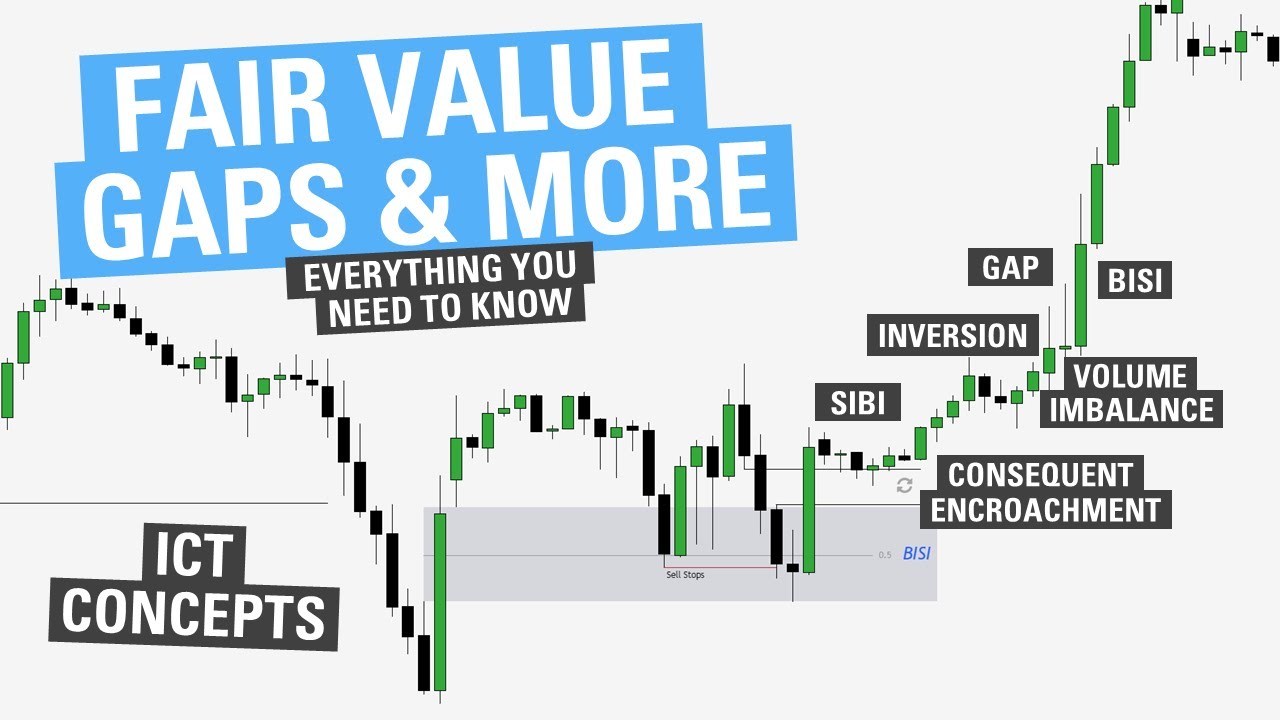
  • Defines a fair value gap (FVG) as a three-candle imbalance pattern
  • Explains an inversion as a fair value gap being closed over or disrespected, flipping its role
  • Introduces the consequent encroachment, the 50% midpoint of a fair value gap, as a key level
  • Explains that price respecting the consequent encroachment suggests continuation, while violation suggests further move in the original direction
  • Walks through a EURUSD example on the 60-minute and 5-minute charts with a sweep of sell-side liquidity
  • Discusses using internal vs external liquidity to frame trades in the opposite direction
  • Shows adjusting entry to the consequent encroachment of an old CSD to improve risk-to-reward
  • Demonstrates a 2-minute chart example of consolidation, manipulation and sell-side liquidity sweeps
  • Covers using inversions within a trend, identifying order blocks and propulsion blocks for retracement entries

Answers

Questions about this video

What is an inversion in fair value gap trading?

An inversion occurs when a fair value gap, such as a bearish FVG (CSD), is closed over or disrespected by subsequent price action. The gap then changes role, and price may retrace into it or continue moving in the new direction.

What is the consequent encroachment?

The consequent encroachment is the 50% midpoint of a fair value gap. If price respects this level, the speaker anticipates a move higher, and if price violates it, a move lower is anticipated.

How can an entry be improved when a 5-minute inversion is used?

If targeting the midpoint of the gap gives only about 1R, the trader can mark the consequent encroachment of the old CSD and enter there instead, improving the risk-to-reward ratio.

Full Transcript — Download SRT & Markdown

00:04
Speaker A
how's it going everyone? This video is going to be over inversions. We'll first hop into a PDF to go over what inversions are. We will then quickly discuss the consequent encroachment of fair value gaps and how it is used before talking about old CSDs and BSLs and how they can be used on the buy side and sell side of the curve. So let's go ahead and get into it.
00:22
Speaker A
talking about old sies and bisses and how they can be used on the buy side and sell side of the curve so let's go ahead and get into it so here we are in the PDF and the PD array we are going to be
00:32
Speaker A
So here we are in the PDF. The PD array we are going to be focused on for this video is a fair value gap. Now, if you don't know what a fair value gap is, I suggest you click the link in the top right corner to watch my video on that. But for a quick reminder, a fair value gap is a three-candlestick pattern in which the first candle's low does not overlap with the third candle's high, or the first candle's high does not overlap with the third candle's low.
00:41
Speaker A
reminder a fair value Gap is a three Candlestick pattern which the first candle's low does not overlap with the third candle's high or when the first candle's high does not overlap with the third candle's low so now that you
00:54
Speaker A
So now that you understand that, what is an inversion? An inversion is when a fair value gap, in this case a CSD or a bearish fair value gap, gets closed over or disrespected. If we continue ahead here, you can see how the next candle closes over this CSD, which creates an inversion. Now, if we extend this out, we can expect price to either retrace into this zone or just move higher. You can see it retraces into this zone, the old fair value gap. It respects the consequent encroachment and then continues higher.
01:07
Speaker A
closes over this civy which creates an inversion now if we extend this out we can expect price to either retrace into this zone or just move higher so you can see it retraces into this zone or the old fair value Gap it respects the
01:21
Speaker A
So what is the consequent encroachment? The consequent encroachment is the 50% level, or the midpoint, of a fair value gap. I can mark this out by taking a Fib from this high to this low and getting 50%. Now, what I want to see with consequent encroachment is, if price comes in and respects this area, then I anticipate it to move higher. If we go back and price comes in and violates this area, then I can anticipate price to move lower, and you can see here how it closes below the fair value gap and creates an inversion.
01:34
Speaker A
and getting 50% now what I want to see with consequent encroachment is if price comes in and respects this area then I anticipate it to move higher now if we go back and price comes in and violates this area then I can anticipate price to
01:49
Speaker A
So let's hop into the charts and find a few examples of inversions. Here we are with our first example. We have EURUSD on the 60-minute chart, and we have an hourly sweep right here. Let's drop down to the 5-minute chart. Here we are on the 5-minute chart. If we're going to be watching for an inversion, we want to see a bullish fair value gap get disrespected. Marking out this bullish fair value gap here, we want to see when price closes below it. You can see we didn't close below it yet, but right here we closed below it, so now we can anticipate price to reach back into this area or continue to sell off toward these lows down here.
02:01
Speaker A
60-minute chart and we have an hourly sweep right here so let's drop down to the 5 minute chart so here we are on the 5minute chart and if we're going to be watching for an inversion we want to see
02:12
Speaker A
There are a few ways to look for an entry here. I can look to just market sell, or I can look for a retest of this inversion, with my stop above an opposing candle, and then target these lows. Let's see how this works out. It gets tagged in, and you can see now fair value gaps are supporting price lower, and there we hit the lows.
02:27
Speaker A
below it so now we can anticipate price to reach back back into this area or continue to sell off to where these lows down here so there are a few ways to look for an entry here I can look to
02:40
Speaker A
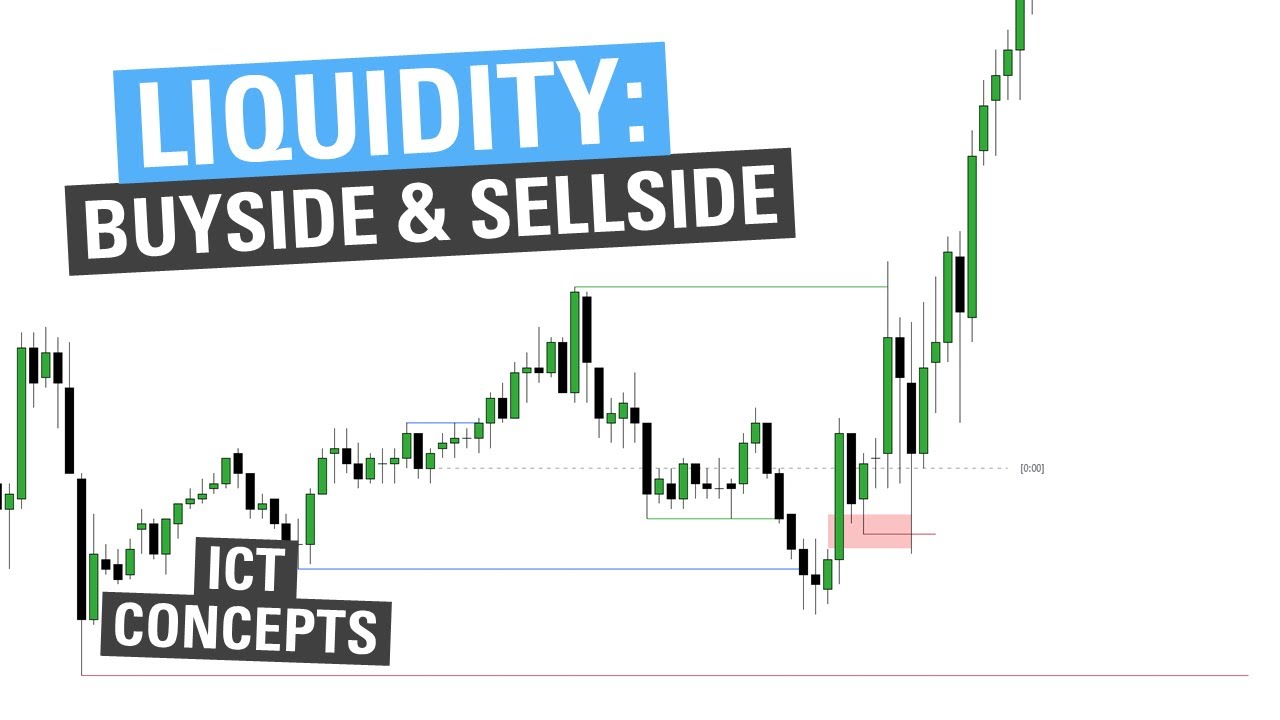
Now let's drop back out to the hourly chart to see what this looks like. We just took these buy stops and then ran to the other side of the range, sweeping this sell-side liquidity. If you watched my previous video on external and internal liquidity, what do you notice? After taking these lows and closing back inside, we swept external liquidity, and what do we have resting right here? Internal liquidity. This gives us a framework to trade in the opposite direction.
02:56
Speaker A
value gaps are supporting price lower and there we hit the lows so now let's drop back out to the hourly chart to see what this looks like so you can see we just took these buy stops and then ran
03:10
Speaker A
So let's drop back down to the 5-minute chart. After we took these lows, we consolidated and created a range. Price tried to move higher, and you can see we retraced into a fair value gap here, and then price closed back lower before making a new low. Now, what do you notice about this new low? We swept sell stops here, and then created a fair value gap. When price trades and closes over this fair value gap, it creates an inversion.
03:25
Speaker A
resting right here internal liquidity so this gives us a framework to trade in the opposite direction so let's drop back down to the 5-minute chart so here we are on the 5-minute chart you can see after we took these
03:39
Speaker A
Now, if I'm looking to take an entry off this inversion with my stop on this low and targeting the midpoint of this fair value gap, that's about 1R, which does not meet my requirements for entry. So how can I adjust my entry? What I can do is mark out the consequent encroachment of this CSD here, and by marking that out, I can look to take an entry at the consequent encroachment of that old CSD, or the inversion. Let's see how this plays out. We hit our entry, get the position out, price respects a fair value gap, and continues into the hourly CSD.
03:53
Speaker A
here and then created a fair value Gap when price trades and closes over this fair value Gap it creates an inversion now if I'm looking to take an entry off this inversion with my stop on this low and targeting the midpoint of this fair
04:07
Speaker A
Let's look back out at the hourly chart to see what this looks like. Just to review what happened: we had buy stops resting above old highs, price traded above those old highs, then closed back inside the range, giving us a narrative to trade lower toward sell-side liquidity. A 5-minute inversion was used as price traded lower after sweeping sell-side liquidity, the sell stops resting below old lows. Price went from external to internal liquidity, and a 5-minute inversion was used once again.
04:19
Speaker A
entry at the consequent encroachment of that old civy or the inversion let's see how this plays out so you can see we hit our entry get this placement out price respects a fair value Gap and continues into the hourly
04:37
Speaker A
Here we are on the 2-minute chart. You can see we get an aggressive move down and then back up. Looking for this to be a retracement, I would want to see follow-through to the upside. However, we do not get that. After sweeping these highs, we can't close outside the range, and we just fall back in. With consolidation, I'll be waiting for manipulation, or for external range liquidity to be hit, so I'm waiting for this low or this high to be taken. You can see price does respect this fair value gap and then trades to sell-side liquidity. Price cannot displace out of the range, and we get another sweep there, and then we have a CSD resting here.
04:49
Speaker A
highs then closed back inside the range giving us a narrative to trade lower to sell side liquidity a 5minute inversion was used as price traded lower here after sweeping sells side liquidity or the sell stops resting below old lows
05:04
Speaker A
If we want this to be an inversion, we want to see a close over it. We are closing over the consequent encroachment, which gives us a hint, but I want to see a close over the CSD for it to become an inversion. Letting another candle play out, we do get that close over. Looking for a return to this CSD, I'll have my stop on this low and then target the other side of the range for partials or full take profit. Price returns into that inversion, and now I want to see it respect that consequent encroachment, and you can see that it does. There we go. We sweep one more time before displacing over, validating this as an order block. Price then respects that and continues higher to make a new high.
05:16
Speaker A
would want to see follow through to the upside however we do not get that after sweeping these highs we can't close outside the range and we just fall back in So with consolidation I'll be waiting for manipulation or I'm waiting for
05:28
Speaker A
We're going to continue with this example and talk about how we can use inversions within a trend. You can see we're trending up here, making a higher high. We'd want to see a higher low put in, and what do we have? We have an order block, and then an order block off that order block, a propulsion block. Let's see what happens if price retraces there. It does, and if you notice what it does when it retraces to this propulsion block, it creates a fair value gap, or a CSD. Now that price closes over it, this is an opportunity to get an entry into the trend. Let's see how this works out. It's pretty choppy, but we do end up making a new high.
05:43
Speaker A
the range and you can see we get another sweep there and then we have a CBI resting here now if we want this to be an inversion we want to see a close over now we are closing over the consequent
05:55
Speaker A
So now we made a higher high. Are we going to make a higher low? We have a fair value gap here, so if we're going to make a higher low, what do we have? We have a CSD. If we trade over this, we can anticipate price to retest it, or at least go higher. We close over that and make a higher high. Now we'd want to see a higher low. You can see we test this inversion and then continue higher. The one I just missed is an inversion here, which, if we close over it, retest it, and continue higher. So if price is trending in one direction, those opposing PD arrays that fail are actually opportunities to get into that trend.
06:08
Speaker A
have my stop on this low and then I'll be looking to Target the other side of the range for partials or full take profit so you can see price returns back into that inversion and here now I want
06:21
Speaker A
Let's go back into the PDF to learn how to use old CSDs and BSLs. Back here in the PDF, we can use old fair value gaps to look for reaccumulation or redistribution. For example, here we are on the sell side of the curve. Here we have the smart money reversal, a change in the state of delivery, the inversion, and the market structure shift.
06:40
Speaker A
make a new high so we are going to continue on with this example and talk about how we can use inversions within Trend so you can see we're trending up here so making a higher high we'd want to see a higher low put in and what do
06:52
Speaker A
we have well we have an order block and then an order block off that order block so a propulsion block so let's see what happens if price retraces there it does and if you notice what does it do when it retraces to this
07:04
Speaker A
propulsion block it creates a fair value Gap or a Cy now that price closes over it this is an opportunity to get an entry into the trend so let's see how this works out you can see it's pretty choppy but
07:19
Speaker A
we do end up making a new high so now we made a higher high are we going to make a higher low well we have a fair value Gap here so if we're going to make a higher low here what do we have we have
07:31
Speaker A
a civy so if we trade over this we can anticipate price to retest it or at least go higher here we close over that make a higher high now we'd want to see a higher low you can see we test this
07:56
Speaker A
inversion and then continue higher and the one I just missed is we have an inversion here if we close over retest it and continue higher so you can see if price is trending in One Directions those opposing PD arrays that fail are
08:11
Speaker A
actually opportunities to get into that Trend let's go ahead and go back into the PDF to learn about how to use old cities and buses so back here in the PDF we can use old fair value gaps to look
08:22
Speaker A
for reaccumulation or redistribution so for example here we are on the cell side of the curve here we have the smart money reversal change in the state of delivery the inversion Market structure shift all of that now we are on the buy
08:36
Speaker A
side of the curve what I can look for is Old Fair Value gaps from the sell side of the curve to support price higher so for example we have an old fair value Gap here that gets traded above and then
08:48
Speaker A
is used as support to trade higher so let's go look at a few examples of this so here we are on gold daily chart we have equal highs resting above us and let's mark out our cppy right here now
08:59
Speaker A
if we're going to to have a smart money reversal I'd like to see a close over this Cy and a close over these down close candles and we get both of those so now I'd like to see a short-term low be put
09:13
Speaker A
in so we do get a shortterm low so now confirming our smart money reversal do we have any old fair value gaps on the cell side of the curve we do so dragging that out when price closes over this
09:26
Speaker A
fair value Gap it can then use it as support to move higher here you can see it reaches back into this old fair value Gap so I'd anticipate it to move higher and there we get a sweep of that
09:43
Speaker A
buy side liquidity I hope this example shows you how you can use old fair value gaps drawn to the other side of the curve so for example an old cby drawn to the buy side of the curve or an old
09:54
Speaker A
bissy drawn to the cell side of the curve and use that for reaccumulation or redistribution tion now if you found this video helpful please consider liking and subscribing and I'll see you guys next week
Topics:inversion fair value gapIFVGconsequent encroachmentICT conceptsfair value gapliquidity sweepCSDBSLorder blockpropulsion block

Get More with the SozAI App

Transcribe recordings, audio files, and YouTube videos — with AI summaries and speaker detection. 30 minutes free.

Or transcribe another YouTube video here →