Skip to content
Get App

ICT Advanced Market Structure Simplified

TTrades explains ICT advanced market structure: short-term, intermediate-term and long-term highs/lows, with live 15m and 1m chart examples of how they form and validate.

Key Takeaways

  • Market structure is built hierarchically: short-term swings combine into intermediate-term swings, which combine into long-term swings.
  • A swing is only validated once a higher or lower swing forms on the opposite side and price trades away.
  • Intermediate-term highs and lows are the key signal for structure shifts in ICT-style analysis.
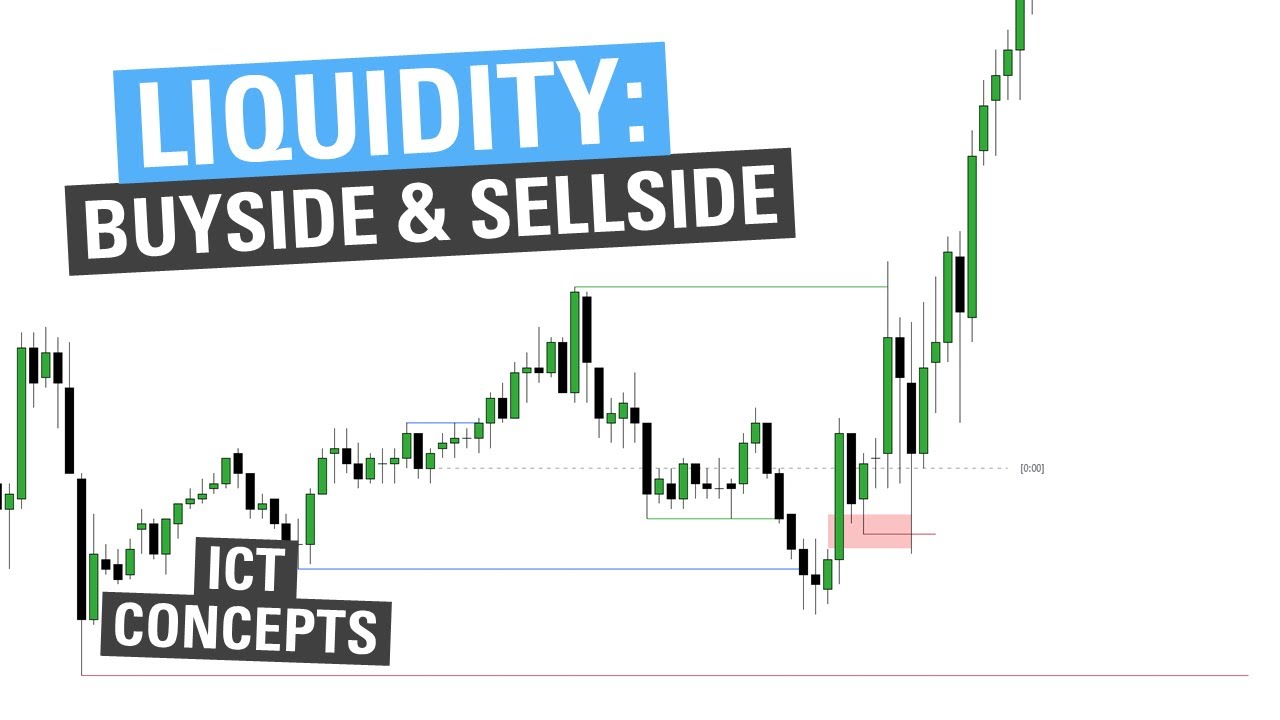
  • Liquidity sweeps and fair value gap rebalancing are primary triggers for identifying intermediate-term swings.

What the video covers

  • Defines short-term highs and lows as swing points with lower highs or higher lows on each side.
  • Explains intermediate-term highs/lows as short-term swings flanked by higher or lower short-term swings on both sides.
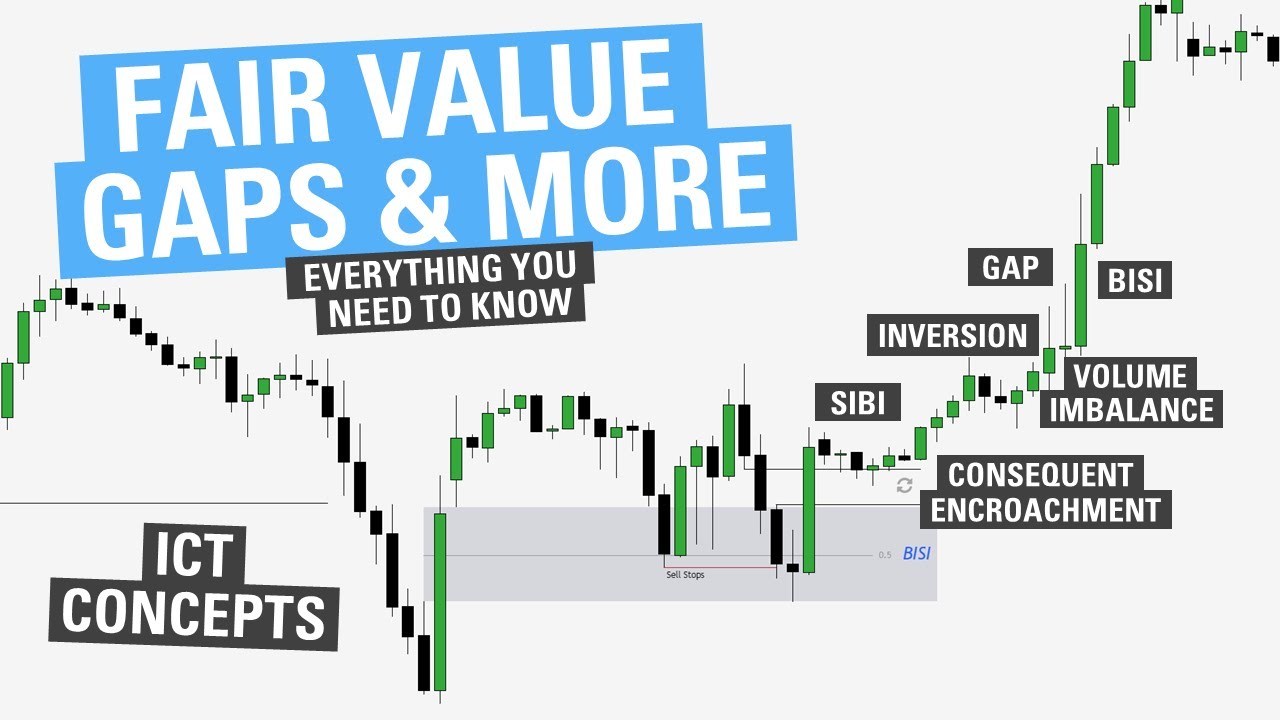
  • Describes rebalanced intermediate-term highs/lows formed when price trades into and away from a fair value gap.
  • Explains long-term highs/lows as swings formed off a higher-timeframe level, validated once an intermediate swing forms on the opposite side.
  • Walks through a 15-minute chart example where price sweeps buy-side liquidity, drops to the 1-minute chart, and tracks the sequence of short-term highs and lows.
  • Shows how a sweep of a short-term high followed by a lower high on the right validates an intermediate-term high.
  • Demonstrates using discount and premium zones to interpret retracements after a sweep of a low.
  • Notes that a market structure shift is often better confirmed by taking out the intermediate-term high rather than a single short-term high.
  • Covers a second example based on a discount fair value gap on the daily chart and how price reacts when entering it.
  • Introduces watching London session up-close candles and short-term highs to frame structure at key levels.

Answers

Questions about this video

What is the difference between a short-term high and an intermediate-term high?

A short-term high is any swing high with a lower high on each side. An intermediate-term high forms when a short-term high has a short-term high on both its left and right, meaning it is confirmed by surrounding structure.

How does a fair value gap create an intermediate-term swing?

When price trades down into a fair value gap and then moves away, the low formed during that rebalance becomes an intermediate-term low. The same logic applies to highs formed when price trades up into a gap and reverses.

Why does the presenter focus on intermediate-term highs for structure shifts?

He prefers waiting for an intermediate-term high to be taken out rather than a single short-term high, since it signals a more meaningful change in structure.

Full Transcript — Download SRT & Markdown

00:04
Speaker A
how's it going everyone? This video is going to be over Advanced Market Structure. Now, if you haven't seen my video on Basic Market Structure, go ahead and check that out first. I'll link it in the description below, as well as at the top right of the screen.
00:22
Speaker A
top right of the screen now before we get started I would like to give a shout out to the mxm trader for his teachings on Advanced Market structure so here we are in the PDF and the first thing you
00:32
Speaker A
Now, before we get started, I would like to give a shout-out to the MXM Trader for his teachings on Advanced Market Structure. So here we are in the PDF, and the first thing you have to understand is what a short-term high and short-term low are. Now, if you haven't seen my video on liquidity, I do explain this, so go ahead and check that out as well. But a short-term low is when we form a swing low, so a low with a higher low on each side of it. A short-term high is a high with a lower high on each side of it.
00:43
Speaker A
low so a low with a higher low on each side of it a short-term high is a high with a lower high on each side of it so understanding this what is an intermediate term high and intermediate term low so looking at this bit of price
00:57
Speaker A
So, understanding this, what is an intermediate-term high and intermediate-term low? Looking at this bit of price action, you can see we have a short-term low here, a short-term low here, a short-term low here, and then we form a short-term low here. So when we have a short-term low with a higher short-term low on the right and left of it, this then becomes an intermediate-term low. Similarly, with bearish structure, when we have a short-term high with a short-term high to its left and to its right, this is then an intermediate-term high.
01:10
Speaker A
then becomes an intermediate term low similarly with bearish structure when we have a short-term high with a short-term High to its left and to its right this is then an intermediate term high now this is the first type of intermediate
01:24
Speaker A
Now, this is the first type of intermediate-term high and low. There's also a rebalanced intermediate-term high and low, and that is when price rebalances a fair value gap. So you can see here, price drops down into a fair value gap and trades away, creating an intermediate-term low. Similarly, here, price trades up into a fair value gap and then away, creating an intermediate-term high.
01:37
Speaker A
term low similarly here price trades up into a fair value Gap and then away creating an intermediate term high now what about long-term highs and lows a long-term low is the low that is formed off the reaction of the higher time
01:50
Speaker A
Now, what about long-term highs and lows? A long-term low is the low that is formed off the reaction of a higher time frame level. For example, here, this would be our long-term low. Now we look to our left and we want to find the intermediate-term low. So we have a short-term low, a short-term low, and then another short-term low. But what is a short-term low with a short-term low on the left and the right? That is an intermediate-term low. Similarly, with a long-term high, it is formed when we get a reaction off of the higher time frame level. When it trades away, looking for an intermediate-term high, we have an intermediate-term high here because we have a short-term high on its left and on its right.
02:02
Speaker A
a short-term low with a short-term low on the left and the right that is an intermediate term low similarly with a long-term High it is formed when we get a reaction off of the higher time frame level when it trades away looking for an
02:15
Speaker A
So let's hop into the charts and go over a few examples of this. Here we are in the charts, and you can see we just swept this high right here, and we have a failure swing resting below right here. We are on a 15-minute chart. We sweep a high, so let's drop down to the one-minute chart. Here we are, down on the one-minute chart, and you can see we have traded into that buy-side liquidity on the 15-minute chart. Now you can see here we create a swing high, so this can be labeled as a short-term high. Now I want to wait and see what happens as we move forward. You can see we form a low. I'm mostly interested in the highs here. Here we have another short-term low right here. Now we are breaking those lows right there, creating a high. Now, if we're going to form and validate this as a long-term high, I'm waiting for a short-term high on the other side. Here we form a short-term high. Now I'm anticipating this to become a long-term high, to remain intact, and for price to trade to these lows.
02:27
Speaker A
you can see we just swept this high right here and we have failure swing resting below right here so we are on a 15minute chart we sweep a high so let's drop down to the one minute chart but
02:38
Speaker A
The next thing I want to look for is a short-term high. Here we form another short-term high. Now, if we're going to form an intermediate-term high, what do we need? We need price to sweep a short-term high and then put in another short-term high on the other side. Let's see if that happens. Now we have another short-term high, and the same thing: if we sweep this high, we can put in an intermediate-term high. So here we get a sweep of this high. This is currently just a short-term high until we get another lower high on the right side of it. Now that we have a short-term high right here, this is then classified as an intermediate-term high.
02:49
Speaker A
short-term high now I want to wait and see what happens as we move forward you can see we form a low I'm mostly interested in the highs here here we have another short-term low right here now we are breaking those lows
03:09
Speaker A
If you notice, we already hit our drawn liquidity, or this low. So now that we've hit these 15-minute lows, let's see if price shifts structure, and then we can mark out the structure going the other way. Let's take a look at these lows. We now have a short-term low right here. Now we are breaking this short-term high. This could be considered our market structure shift or break, but a lot of times I like to look for the intermediate-term high to be taken to signify a shift in structure.
03:29
Speaker A
long-term High remain intact and for price to trade to these lows the next thing I want to look for is a short-term High Here We form another short-term high now if we're going to form an intermediate term High what do we need
03:48
Speaker A
So here you can see we now form another short-term low. This makes this our long-term low. Now I'm waiting to see what happens. We're moving higher. We form a short-term low, and it looks like we are going to, right here. We now have a short-term low. Now, once again, over here, if we want to form an intermediate-term low, I want to see a sweep of a short-term low and then a short-term low on the other side. We get a little sweep here. It's more so just equal lows for me, and there we get a sweep. Now, this is just a short-term low until we put in a short-term low on the other side. Have we put in a short-term low? Not yet. And here we get a short-term low, so now this is an intermediate-term low, and this is a short-term low, and we are reaching for these highs.
04:05
Speaker A
high so here we get a sweep of this high this is currently just a short-term High until we get another lower high on the right side of it now that we have a short-term high right here this is then classified as an
04:23
Speaker A
Now this low gets swept. Why is that? Well, look at discount and premium. We go ahead and mark that out. You can see price wanted to retrace to a discount to then move higher. Now we have another short-term low here. This isn't an intermediate-term low until we put in a short-term low on the right side of it that is higher. Now we're moving up, and here we have a short-term low, so this is now another intermediate-term low.
04:35
Speaker A
take a look at these lows we now have a short-term low right here now we are breaking this short-term high now this could be considered our Market structure shift or break but a lot of times I like to look for the
04:48
Speaker A
Just taking a look at this section of price, you can see our long-term high and our long-term low are formed off of higher time frame PD arrays, or points of interest, once we get a reaction out and put in a short-term low on the right side of it. So you can see the short-term low here, the short-term low here, and then we trade away. That is when we validate our long-term high or long-term low. Then I am searching for an intermediate-term low on the right side of that. You can see here, waiting for an intermediate-term high, we don't get that here. We get the sweep and the intermediate-term high, and that is validated when we get a short-term high right here. Similarly, right here we have a short-term low. It is swept, then we form a short-term low on the other side, validating this as an intermediate-term low. But we also have a swing low right here that is swept, creating another intermediate-term low when this short-term high is formed.
05:11
Speaker A
like we are going to right here we now have a short-term low now once again over here if we want to form an intermediate term low I want to see a sweep of a short-term low and then a
05:24
Speaker A
Let's hop into our next example. Here you can see we have a discount fair value gap resting right here. Now let's see what happens when price trades into that. So now, with the daily chart, I will drop down to the hourly chart, and let's go ahead and mark out this structure. You can see we have a short-term low right here that was then swept, creating another short-term low. If this is going to form a long-term low, we need another short-term low on the right side of it, and there we form another short-term low, making this our long-term low. Now, if we're going to create an intermediate-term low, I want to look for a sweep of a short-term low. Letting this play out, we get a sweep, so this is just a short-term low currently, but I'm anticipating it to become an intermediate-term low as price reacts off this level. Now what I can look for is a short-term low to be formed on the other side to continue higher, and then I'm not anticipating price to reach back to this low. So we reach into this fair value gap and create another short-term low. What does this become? This becomes an intermediate-term low. Now I don't anticipate this intermediate-term low to be violated if we're going to continue to trade higher. You can see we create another little short-term low here. We're trading away here, and we form another short-term low. Now we sweep this short-term low, so let's see if
05:45
Speaker A
side have we put in a short-term low not yet and here we get a short-term low so now this is an intermediate term low and this is a short-term low and we are reaching for these high high now this
06:01
Speaker A
low gets swept now why is that well look at discount and premium we go ahead and Mark that out you can see price wanted to retrace to a discount to then move higher now we have another short-term low here this isn't an intermediate term
06:17
Speaker A
low until we put in a short-term low on the right side of it that is higher now we're moving up and here we have a short-term low so this is now another intermediate term low now just taking a look at this
06:33
Speaker A
section price you can see our long-term high and our long-term low are formed off of higher time frame PD arrays or points of interest once we get a reaction out and put in a short-term low on the right side of it so you can see
06:47
Speaker A
the short-term low here the short-term low here and then trade away that is when we validate our long-term high or long-term low then I am searching for an intermediate term low on the right side of that so you can see here waiting for
07:01
Speaker A
an intermediate term High we don't get that here we get the sweep and the intermediate term high and that is validated when we get a short-term high right here similarly right here we have a short-term low it is swept then we
07:13
Speaker A
form a short-term low on the other side validating this as an intermediate term low but we also have a swing low right here that is swept creating another intermediate term low when this short-term high is formed let's hop into
07:25
Speaker A
our next example here and you can see we have a discount fair value Gap resting right here now let's see what happens when price trades into that so now with the daily chart I will drop down to the
07:36
Speaker A
hourly chart and let's go ahead and Mark out this structure now you can see we have a short-term low right here that was then swept creating another short-term low if this is going to form a long-term low we need another
07:47
Speaker A
short-term low on the right side of it and there we form another short-term low making this our long-term low now if we're going to create an intermediate term low I want to to look for a sweep of a short-term low so letting this play
08:04
Speaker A
out now we get a sweep so this is just a short-term low currently but I'm anticipating it to become an intermediate term low as price reacts off this level so now what I can look for is a short-term low to be formed on
08:17
Speaker A
the other side to continue higher and then not anticipating price to reach back to this low so here we reach into this fair value Gap create another short-term low so then what does this become this becomes an intermediate term low so now
08:34
Speaker A
I don't anticipate this intermediate term low to be violated if we're going to continue to trade higher now you can see we create another little short-term low here we're trading away here we form another short-term low now we sweep this short-term low
09:00
Speaker A
so let's see if we're going to form an intermediate term low so here we sweep now this is just a short-term low until what until we form another short-term low on the right side now we form that short-term low
09:20
Speaker A
this is then confirmed as an intermediate term low and I'd want to not see this low be violated you can see get a bit of consolidation another short-term low in here and we're expanding higher and we have down Clos candles a
09:40
Speaker A
fair value Gap here now looking at this you can see how price came in rebalances this fair value Gap and this is an intermediate term low as well because it rebalances a fair value Gap now we trade a way so I not want to
09:56
Speaker A
see this low be violated and there we start to continue higher so I hope you can see that we have a higher time frame level and when we get a reaction off of it this is what I'm anticipating to become a long-term low
10:12
Speaker A
when we form a short-term low on either side of it that is then a long-term low and then I'm looking for intermediate term lows after we sweep the short-term low I'm anticipating this to become an intermediate term low and that is
10:25
Speaker A
confirmed when we create a short-term low on the right side we then make another short-term low another short-term low waiting for one of these to be swept and you can see this low actually sweeps both of them then when
10:37
Speaker A
we put in a swing low here this is now an intermediate term low I don't anticipate this to be reached unless I am wrong on this assumption we move higher now price trades higher price comes down rebalances a fair value Gap
10:52
Speaker A
creating an intermediate term low and then it trades away let's take a look at this last example here you can see we have a gap that we reach up into during London we sweep our Asia highs and we
11:03
Speaker A
create an up close candle during London so marking that out as our order block let's go down to the 5 minute chart and watch what happens when price retraces into here so as we're moving forward towards the New York session you can see
11:17
Speaker A
we reach back into those up Clos candles from London now here is when I start watching the market structure so I want to look for short-term highs and eventually a long-term High to form at this level so let's see what
11:33
Speaker A
happens here you can see we do form a short-term high now you can see we get another high here another short-term high now if this is going to form a long-term High I want to see a short-term high on the other side of
11:51
Speaker A
it you we do not get that 830 creates another short-term High here now I'd want to see if this is going to be our long-term High to see a short-term high on the right side of it and there we go we do form a
12:10
Speaker A
short-term high right here so this is now what our long-term high so now if I'm looking for an intermediate term High I'm looking for a sweep of a short-term high so marking out this High let's see if we get a
12:25
Speaker A
sweep so we actually form another short-term High here still waiting for a formation of an intermediate term high and there we do sweep this high and we actually sweep this high as well now let's see if this forms a short-term
12:42
Speaker A
High it does so if this is going to form an intermediate term High I want to see a short-term high on the right side of it and there we go we form a short-term High here which makes this an
13:00
Speaker A
intermediate term high and I would not expect price to reach back up here before delivering to the original consolidation or sells side liquidity resting right here and if you notice price from this intermediate term High to this low here BR back up into a
13:17
Speaker A
premium into these up close candles forming a short-term high so ideally price then drops down into sells side liquidity and there we go we drop and hit the lows so this is an example of how you can use Advanced Market
13:33
Speaker A
structure when really this was pretty choppy and otherwise not very clean there aren't really any clean fair value gaps for entries and that's when I'll use some Advanced Market structure to find a short-term High to enter off of I
13:46
Speaker A
hope this video was helpful if you did enjoy it please consider liking and subscribing and I'll see you guys next time have a good one
Topics:ICTmarket structureadvanced market structureintermediate-term highintermediate-term lowfair value gapliquidity sweepsmart money conceptsprice actionTTrades

Get More with the SozAI App

Transcribe recordings, audio files, and YouTube videos — with AI summaries and speaker detection. 30 minutes free.

Or transcribe another YouTube video here →