Explains three scenarios where trading continuations fail (consolidation manipulation, simultaneous range sweeps, and higher-timeframe targets already taken) and how to avoid them using order blocks a
Key Takeaways
- Wait for confirmation of a continuation before entering, especially after a close through a level.
- Consolidations can produce false closes; expect manipulation of the range before the real move.
- Avoid entries when a higher-timeframe target has just been reached, since this often signals a reversal.
- Missing moves is acceptable; disciplined patience protects capital.
What the video covers
- The video identifies why trading continuations often fails and how to correct those errors.
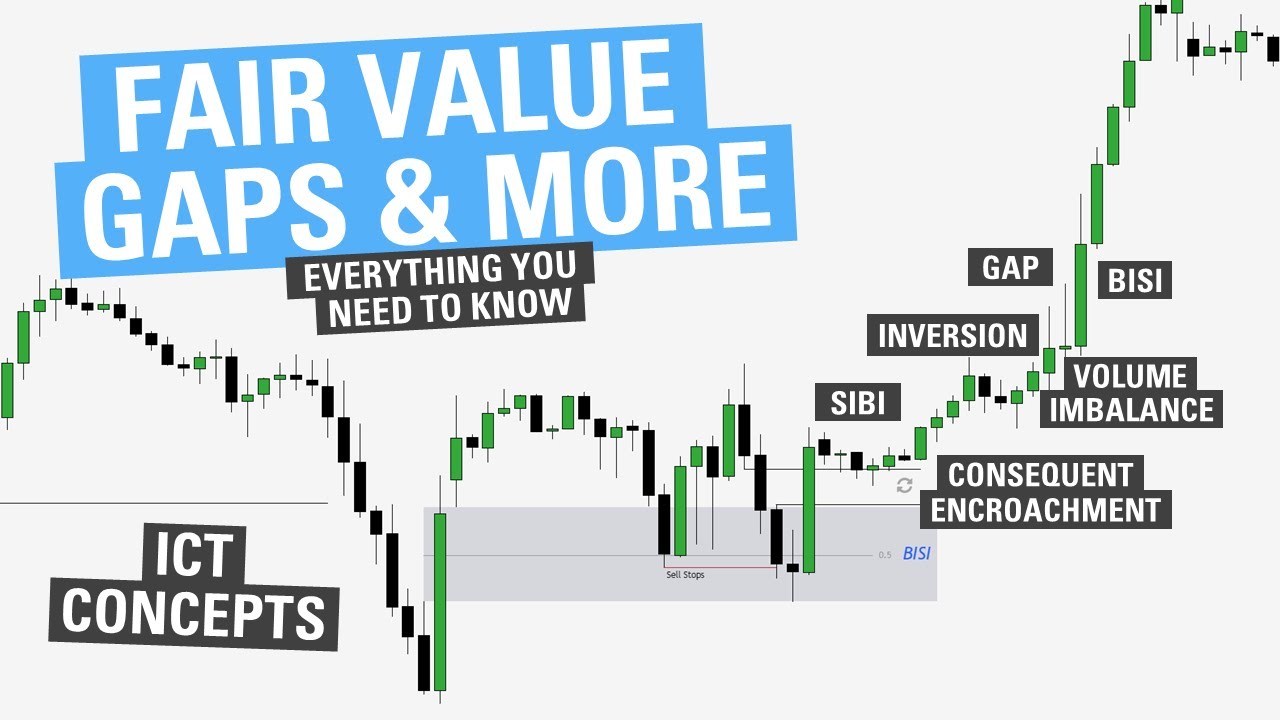
- Ideal continuation: an aggressive V-shaped recovery into a fair value gap or point of interest, closing through a series of opposing candles.
- Failure reason 1: price is forming a consolidation, and a close over a level is actually a manipulation before price trades the other way. The fix is to wait for the next candle to confirm a new continuation or a failure back across the range.
- Failure reason 2: a continuation forms while price simultaneously sweeps highs or short-term targets in a range, often causing a reversal that stops out traders. The fix is to wait for extra confirmation and respect of the fair value gap or opposing candles.
- Failure reason 3: a higher-timeframe target (e.g., previous day's high) has already been taken, signaling a possible new phase or change in delivery; traders should avoid FOMO entries.
- A closure through a high or low should be confirmed by breaking out with a continuation, not just a single close.
- TradingView examples illustrate each scenario with point-of-interest reaches, V-shaped recoveries, and changes in the state of delivery.
- Patience and waiting for an extra candle or two can save traders from losses and help distinguish retracement from reversal.
- Missing some moves is acceptable; the goal is to avoid low-probability entries and live to trade another day.
Full Transcript — Download SRT & Markdown
Speaker A
How's it going everyone? In this video, we are going to talk about why your continuations are failing. We will walk through a few different scenarios of why continuations fail, how to correct those, and what to watch out for. So, let's get into the PDF.
Speaker A
let's get into the PDF. Now the first thing you need to understand when looking for a continuation is what is the ideal scenario that you are looking for. What do you want to see on the charts when seeking an entry? Now
Speaker A
Now, the first thing you need to understand when looking for a continuation is what is the ideal scenario that you are looking for. What do you want to see on the charts when seeking an entry?
Speaker A
and vice versa for the bearish scenario. This aggressive recovery or swift price action through the opening price shows us that price has the intent to move higher. This is a continuation that we can trust to trade higher. Now, let's
Speaker A
Now, ideally, we want to see a nice aggressive V-shaped reversal. So when price reaches into a fair value gap or sweeps out a low, we have a nice V-shaped or quick recovery back up into the range, closing through the series of down-close candles, and vice versa for the bearish scenario. This aggressive recovery or swift price action through the opening price shows us that price has the intent to move higher. This is a continuation that we can trust to trade higher.
Speaker A
consolidation, then price will go ahead and close over that level. But what happens? It fails. Now, why does it fail? Well, when you take a look, this is actually a consolidation. And this closure through which you think is
Speaker A
Now, let's get into the first scenario on why your continuation is failing. When price doesn't get that nice V-shaped recovery and close over the series of down-closed candles, or fails to change the state of delivery, is when price is forming a consolidation. Then price will go ahead and close over that level, but what happens? It fails. Now, why does it fail? Well, when you take a look, this is actually a consolidation, and this closure through, which you think is validating this low, is actually a manipulation of this consolidation range, and then it looks to trade to the other side.
Speaker A
ideal continuation and consolidating when price closes over, we want to wait to see what happens next. Do we have price form a new continuation off of that high or essentially breaking out of the range or does it fail and go back
Speaker A
So, how can we look to avoid this scenario in our trading? Well, when we see that price is failing to form that ideal continuation and consolidating, when price closes over, we want to wait to see what happens next. Do we have price form a new continuation off of that high, or essentially breaking out of the range, or does it fail and go back across the range? So, step one is to wait to see this next candle and how it reacts. Does it form a new continuation, in which case I can trade that higher, or does it fail and go across the range? If it fails and goes across the range, well, then I can look to trade this swing point off of this low, as we are manipulating the lows to go higher.
Speaker A
it fails and goes across the range, well then I can look to trade this swing point off of this low as we are manipulating the lows to go higher. So now that we have covered reason number one, what is reason number two? Reason
Speaker A
So, now that we have covered reason number one, what is reason number two? Reason number two is the continuation forms at the same time that we are taking out highs in a range, or a short-term target is taken. So, here you can see we have a sweep of a low. We have a nice closure through the series of down-closed candles, sweeping out that low, forming a continuation or a protected swing. But at the same time, we are sweeping out the highs. This can, a lot of times, cause price to form a reversal or a new phase of price, and then go run out your stop-loss.
Speaker A
through the series of downclosed candles sweeping out that low forming a continuation or a protected swing. But at the same time we are sweeping out the highs. This can a lot of times cause price to form a reversal or a new phase
Speaker A
So, similarly to scenario number one, or reason number one, what are we going to wait for? We're just going to wait for extra confirmation, another continuation. After taking out this short-term high, do we form a continuation respecting this fair value gap or the opposing candles? Here we do, and we can trade that higher. Here you can see we do not respect those opposing candles, and we run out the low. If I am still bullish, well, then I'm just going to use this as my new point of interest. As this is a consolidation range, we've taken out the highs, we've taken out the lows. Once we form a nice V-shaped recovery in an ideal continuation, then I can look to get on side with it.
Speaker A
continuation respecting this fair value gap or the opposing candles? Here we do, and we can trade that higher. Here you can see we do not respect those opposing candles and we run out the low. If I am still bullish, well then I'm just going
Speaker A
Now, what is reason number three? Reason number three is a higher time frame target has already been taken. So, let's say, for instance, we have previous day's highs lined up here as failure swings. We go ahead and we run into that higher time frame target. There are a lot of people that feel FOMO from missing this move. They go ahead and see a new continuation, and then they look to enter it, and they get stopped out. Now, you have to realize when we hit a higher time frame target, that is when we can form a new phase of price. So, you can see here, not only are we at a higher time frame target, we're forming that continuation while taking out a previous high. And this is actually setting up a bearish change in the state of delivery.
Speaker A
what is reason number three? Reason number three is a higher time frame target has already been taken. So, let's say for instance, we have previous days highs lined up here as failure swings.
Speaker A
So, I simply just want to avoid this scenario. Realize that you are going to miss some moves, and it's not the end of the world. Live to trade another day. So, those are the three different scenarios on why your continuations are failing. Let's get into TradingView and we'll go over a few examples of these.
Speaker A
have to realize when we hit a higher time frame target, that is when we can form a new phase of price. So, you can see here, not only are we at a higher time frame target, we're forming that
Speaker A
So, here we are in TradingView, and let's first look at what an ideal continuation looks like. Now, ideally, we are going to have a point of interest, a reach into that point of interest, a nice V-shaped recovery, and quickly closing over those down-close or up-close candles. So, if you notice here, we have a nice leg up, an expansion, and then we are looking to see if we get a retracement, a reversal, or a consolidation. And here you can see we have a move lower. So, is this a reversal or a retracement? Well, we get told that by this next candle, and this is ideally what you want to see out of a continuation or the formation of a retracement. We have a reach into that fair value gap or that point of interest, and we have a nice V-shaped recovery closing over those down-close candles.
Speaker A
So, I simply just want to avoid this scenario. Realize that you are going to miss some moves and it's not the end of the world. Live to trade another day. So those are the three different scenarios on why your continuations are failing.
Speaker A
What does that do? That then protects this low right here, and we can anticipate if price is going to continue this trend, it should go higher. Now, also, you notice how it has yet to take out this high. If we have price when it takes out a high, we want to see a closure through that high, and we'll talk about that in future scenarios. But as we let this continue, you can see we get a nice retest and expanding higher.
Speaker A
reach into that point of interest, a nice V-shaped recovery, and quickly closing over those down close or up close candles. So, if you notice here, we have a nice leg up, a expansion, and then we are looking to see if we get a
Speaker A
Now, you can see we have expansion. If we expect this low to hold, then what do we need to see hold? Well, we'd want to see this CISD hold or this fair value gap here. Here you can see this is an ideal formation, as we're forming a swing point and also forming a protected swing. So, that's a nice V-shaped recovery, and this is also ideal, as we have not taken out our previous high, and we can get another expansion higher. So, this is ideally what I want to see out of continuations. But, like you guys know, they're not always that perfect, right? They're not always going to have a clean point of interest, a nice clean close over. And we're going to talk about a few scenarios where they aren't that clean.
Speaker A
continuation or the formation of a retracement. We have a reach into that fair value gap or that point of interest and we have a nice V-shaped recovery closing over those down close candles.
Speaker A
So, here we have a nice V-shaped reversal. And if I was looking for a continuation, we have a fair value gap right here. And what would I be looking for? A closure through this down-close candle. Now, I use a singular candle in this case because there's not more than one candle. Let's see if we get a closure through that level. And you can see here we do get that closure through this level. But what do we notice? You see how we didn't get the closure through in a nice V-shape right here, where we don't have a swift price action to close over and continue. This is showing that it is forming a consolidation. When price does go close over this level here, what is it also doing? It's actually just sweeping out the high in the consolidation range to do what? Go and trade lower.
Speaker A
takes out a high, we want to see a closure through that high. And we'll talk about that in future scenarios. But as we let this continue, you can see we get a nice retest and expanding higher.
Speaker A
So, you notice how it's taking out the high, and now we're just in a range, and it can go ahead and trade lower. And that is how we save ourselves from a loss, because instead of looking to try to trade this as a continuation, we identify that it is consolidation, and we can stay sidelined, right? And that's how we save ourselves from these types of losses.
Speaker A
formation as we're forming a swing point and also forming a protected swing. So that's a nice V-shaped recovery. And this is also ideal as we have not taken out our previous high and we can get another expansion higher. So this is
Speaker A
So, let's take a look at this continuation here. We have expansion up, and we retrace into a fair value gap. But where are we looking to determine if we have a continuation? The series of down-closed candles into that important level. Let's see if we get a closure through that level. And you can see we cannot close above this here. So, what is this turning into? This is now turning into a consolidation, in which this isn't a retracement anymore. This is a consolid
Speaker A
They're not always going to have a clean point of interest, a nice clean close over. And we're going to talk about a few scenarios where they aren't that clean. So here we have a nice V-shaped reversal. And if I was looking for a
Speaker A
continuation, we have a fair value gap right here. And what would I be looking for? a closure through this down close candle. Now, I use a singular candle in this case because there's not more than one candle. Let's see if we get a
Speaker A
closure through that level. And you can see here we do get that closure through this level. But what do we notice? You see how we didn't get the closure through in a nice Vshape right here where we don't have a swift price
Speaker A
action to close over and continue. This is showing that it is forming a consolidation. When price does go close over this level here, what is it also doing? It's actually just sweeping out the high in the consolidation range to
Speaker A
do what? Go and trade lower. So, you notice how it's taking out the high and now we're just in a range and it can go ahead and trade lower and that is how we save ourselves from a loss because
Speaker A
instead of looking to try to trade this as a continuation, we identify that it is consolidation and we can stay sidelined, right? And that's how we save ourselves from these type of losses. So, let's take a look at this continuation
Speaker A
here. We have expansion up and we retrace into a fair value gap. But where are we looking to determine if we have a continuation the series of downcloed candles into that important level? Let's see if we get a closure through that
Speaker A
level. And you can see we cannot close above this here. So what is this turning into?
Speaker A
This is now turning into a consolidation in which this isn't a retracement anymore. This is a consolidation and then we'd be focused on the highs and the lows of the range. Instead of anticipating this low to hold, this
Speaker A
becomes an entry point or where you're looking for price to reach into, in which case you can look for an entry or save yourself from a loss. And here you can see now we're just consolidating pretty clearly.
Speaker A
And why would you not anticipate this to be a continuation? Well, we're just inside a range, right? So, this is how it's going to save you from some losses because you're not interested in closures over this level or any closures
Speaker A
over down close candles in here because you identify it as a consolidation instead of looking long. It saves you from a loss and you're not going to get caught in this loss down here. So, this is reason number one and this is an
Speaker A
example of where it just keeps you from taking a loss. But now you know what reason number one looks like and it's forming a consolidation. How do we actually get on side with something like this? And there are two ways. We can
Speaker A
either trade the breakout with a continuation or wait for a new manipulation. So here you can see we have a bullish trend. We have a point of interest. Let's see if we get a continuation in here. And you can see
Speaker A
what do we see? A series of downlosed candles. We can't go close back over that level. That levels used as the point of interest to trade back lower.
Speaker A
Now we have made a new low into a fair value up. We have a new series of downclo candles. Let's see if we get a nice V-shaped reversal back over this one. And you can see how long it's
Speaker A
taking to return up. Two candles down and we have six candles up and we can't even get back to this level. That is not fast or V-shaped. So, let's see what happens. We don't go close over this level. But even if we did close over
Speaker A
this level at that point, what is this? This is just a big consolidation range.
Speaker A
So, if we are bullish, we are no longer looking for this level. We're looking at it as a consolidation. in which case we're using the low as a point of interest looking for a manipulation.
Speaker A
So why would I not care about this manipulation right here in this continuation? That's just internal to the range and you're trading a consolidation. You want to avoid that.
Speaker A
So let's see what happens right here. Even if we got a closure over, would we be interested in that?
Speaker A
No, because it does not reach our point of interest. Now we sweep out the low.
Speaker A
Now we can look to see if we form a continuation. So, what are we wanting to see? A nice V-shaped reversal that recovers and then closes over this.
Speaker A
And you can see how we get a pretty swift closure over. It only takes a couple candles. Now, I prefer 1 2 maybe three. If it takes longer than that, a lot of times it's just taking too long.
Speaker A
So, now we have a reversal. We have a low we can trust. So, that is expected to be a continuation of this higher time frame trend. We could also look for another continuation to form.
Speaker A
And here you can see we run out highs. So this is getting into scenario two where we run out short-term highs. Am I going to want to long at these highs?
Speaker A
No. I'm going to want to wait for a new phase of price and a new continuation to form. What do we have here? We reach into a fair value gap and then we want to see what a nice swift fast closure
Speaker A
through this area, right? because that is going to tell us we've formed a continuation and we can trade higher which there we go and do if we go ahead and follow this let's see what happens here we reach lower is this a
Speaker A
continuation I would consider personally no because we don't reach into a point of interest now if you use correlated assets and we have an SMT here sure you can use that but I would not consider that because we don't have a point of
Speaker A
interest so this is just an example of being patient right when we have that consolidation wait for the manipulation if If we break out through the highs, wait for a continuation to make sure that this is not a reversal to trade it
Speaker A
the other way. So, here we are with another example. You can see we have a nice aggressive move higher and then a consolidation. So, if we see a consolidation and we're looking for a continuation, what do we want to see? We
Speaker A
either want to see a manipulation of the low or a breakout of the high. So, we're not going to trade the breakout unless we have a continuation. Let's see what happens here. We trade into the high. Am I going to trust this? No, because we
Speaker A
could just as easily form a move to the downside and then back up, right? I need to see a continuation or a new swing point form off of these highs. So, what do we have? Price reaching lower reaches
Speaker A
into a point of interest or this swing point. Now, do we get a closure through this level? Let's see. And you can see we do. And you see how that is quick, right? We have a nice move lower,
Speaker A
shallow, and slow. Nice closure over. You can see we are taking out this short-term high. So if I trust this, I could just take an entry like this right on the closure through my stop there. If I don't, as I'm taking out this little
Speaker A
high here, I can see if we get a continuation move, right? If I want more confirmation, you can always demand more. Right? Do we reach into this?
Speaker A
No, we do not. Right? So that does lacking the point of interest here. So this would not be a valid continuation for me. So if I did trust it, I could get on side here. There was no further
Speaker A
continuation for this move to the upside there. But does that make sense on how to trade a consolidation? If I'm trading a consolidation and a breakout, I'm trading the failure to manipulate this level. I can't form a manipulation to
Speaker A
trade the other way. So, I can trade it to the upside. So, in this next example, what do we have? We have some failure swings on the high here. We have a nice V-shaped reversal, right? And then we'd
Speaker A
be looking for continuations. One thing you note is when we have this candle that doesn't form a swing, generally I ignore it. So a lot of times I'm not going to use this lower candle, I'm going to use this as the
Speaker A
continuation. So here you can see I could be looking for a continuation higher. I want to see if we can get a closure over this level here. Let's see what happens. And what do we notice?
Speaker A
This candle not only closes over, it takes out this high as well as all the highs on the left here. So, this is what I'm talking about when I'm saying price is taking out short-term highs. It can be this high, but when it's more
Speaker A
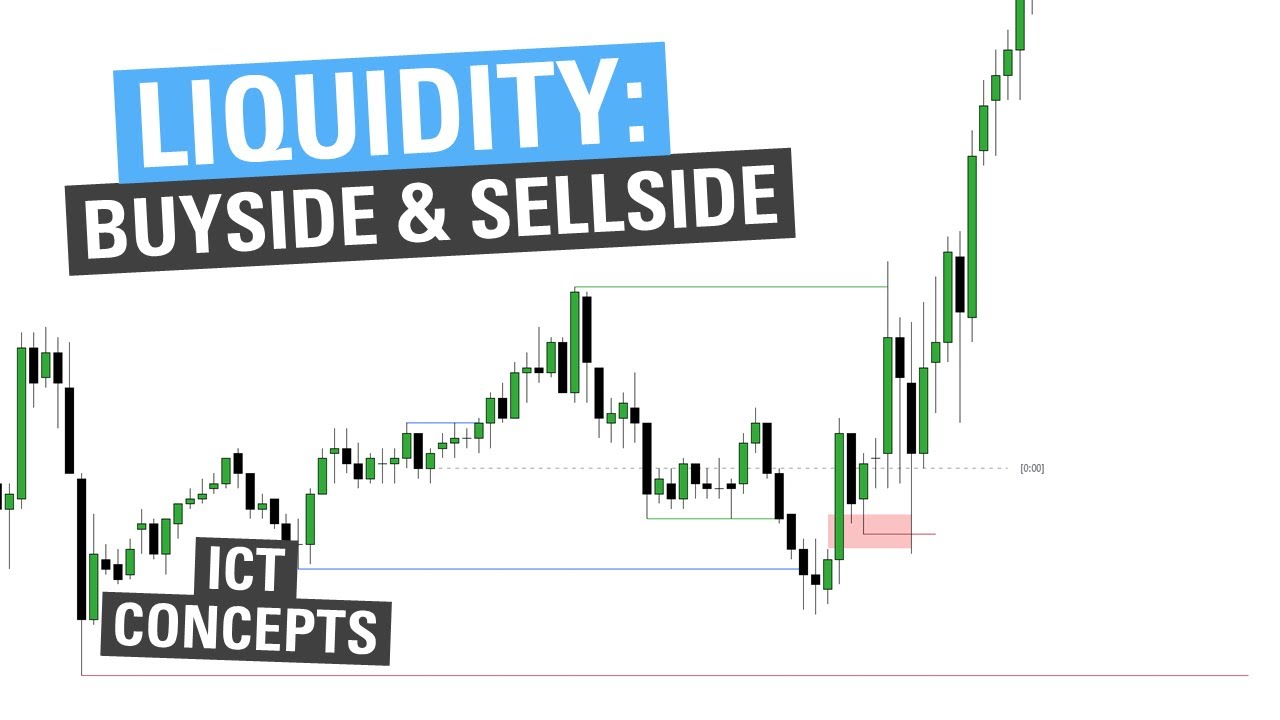
significant highs like buyside liquidity or sellside liquidity, this is when I want to be looking for a continuation.
Speaker A
And the reason for that is if a bearish setup is going to form, this is where a bearish setup will form and a bearish change in the state of delivery. Let's see if we form a continuation.
Speaker A
And what do we notice? We don't. We're forming a bearish change in the state of delivery. And what happens? That's where we get a move lower. So if we go ahead and add my indicator back onto this, right, and we go take a look, you'll
Speaker A
notice this is where it is forming a bearish setup at a point of interest, a bearish swing. So that is why I want to be careful of taking setups when we are over short-term highs or lows because that is a lot of time the manipulation
Speaker A
that forms the higher time frame wicks. So here we are in another example, and what do we have? We have a nice V-shaped reversal here. We took out these highs here. You'd want to see if we form a
Speaker A
continuation. What do we have? A failure to form a continuation here, right? We reach into a fair value up. We can't close over. We sweep out the high. Do you expect this low to get taken out?
Speaker A
Now, what do we form a continuation here, right? To see a move higher. Well, let's see. And what do we notice? We have a very strong closure through, but we also have taken out all these highs here. Now, this doesn't really give me
Speaker A
the best risk-to-reward on a protected swing. So that's another reason to wait. Do we form a continuation or do we come back across the range? Let's give it one more candle and we come back across the range aggressively. So this is a good
Speaker A
example of when we run out short-term highs or the range highs, I want to see are we going to form a continuation to break out or is this the manipulation to trade to the other side of the range. So
Speaker A
in this next example, let's take a look at this price action here. We had a little bit of a range. We had a move lower with a V-shaped recovery. It's not great. This is quite slow, but we do
Speaker A
have the closure over there. So, I could be looking for a continuation. We reach into a fair value gap and we do close over here. Now, if you remember back to the PDF, what are we noticing about this
Speaker A
closure here? Well, that would be scenario two where we're taking out that short-term high at the same time. And I'm not just talking about the candle next to it, right? This is actually a high. So, there's two things you can do
Speaker A
here. one, if you have enough trust, you could take this expecting this low to hold and reach for the highs. Now, what I personally like to do is I like to wait and see. Are we going to get a move
Speaker A
lower that takes me out or are we going to make a swing and trade higher? I don't know which. So, I prefer to let this next price action happen and let me know what is going to occur, right? And
Speaker A
you can see that saves us from a loss there. And now, if you wanted to trade it higher, what would you be waiting for? You know, a nice V-shaped recovery.
Speaker A
and to trade that in the other direction. You can see we're not getting that and this is a consolidation. So, as you can see here, when we run out short-term highs, depending on how strong your bias is and how aggressive
Speaker A
you want to be with entries, many times I wait for another continuation to form.
Speaker A
So, here we are in our next example, and you can see we have a T-spot in here, looking for a continuation lower. Let's see if we can form a continuation. What do we notice here? price reaches up into
Speaker A
the T-spot area and are we going to form a continuation? You can see this is quite a move up. So, we can allow for a few more candles and this is still a V-shaped reversal. But what do we notice
Speaker A
about this closure through we are also taking out this short-term low. So, what could we wait for? Because this is where price could form the bullish setup, right? If we get that, this is why I want to wait. Does that form or do we
Speaker A
form a new continuation? So, let's see. Give it a couple candles. We want to see is this a retracement or a reversal, right? We want to see a retracement or a consolidation for continuation. And let's see, do we get a closure back
Speaker A
through that level? And we do. You can see how that is a nice V-shaped reversal. Two candles up. Takes two candles to come back down. And this is where we could look to get on side if we're trading a continuation. You can
Speaker A
see how we get that expansion lower. So, really pay attention to when we take out short-term highs and lows. Do we form a reaction there or do we get a retracement or a consolidation? In this next example, we're going to blend
Speaker A
solution one and two together. So, you can see we have expansion over these highs. We'd be waiting for a continuation. Do we get that continuation? Well, looking at the series of down close candles, have we closed over it? Yes. But what do we
Speaker A
notice? We notice that it struggled to close over and then it also wicked this high. Not only are we forming a consolidation, but we've also taken out a short-term high. This is a very hard continuation to trust. This is generally
Speaker A
where I want to see a breakout of this high, right? So, a breakout and a new continuation to form or this is the manipulation to run out this low and then trade that back higher. Let's see what happens
Speaker A
here. You can see we run out the low. Do we get this bot back up? Right? We want to see a nice V-shaped reversal. You can also use inversions to see that. You can see we have a nice V-shaped reversal and
Speaker A
that is taking a few candles to close over. But what do we have? We have another continuation inside of that with a nice candle to closure. So the inversion, you can also use inversions as a form of the change in the state of
Speaker A
delivery when you have an extremely large candle range. But that is just an example of blending those two together.
Speaker A
So here we are in our next example and you can see we have a nice change in the state of delivery here respecting this large wick right here. Now I want to see if we get a continuation here. And do we
Speaker A
get that? Yes. And you can see how this is pretty ideal. We reach into a fair value gap. We have a nice quick closure over. So I could be looking for this to make a move higher. As we let this trade
Speaker A
higher, what do we have? We have another little continuation here. And that's pretty ideal. Reaching into a fair value gap. Nice quick closure over and we get a continuation, right? Those are ideal scenarios to see. Now, what do we notice
Speaker A
about this? This is where it's starting to get a bit choppy, right? And it makes sense at the end of a trend. So what do we have? We have a consolidation. So what do we be looking for in a
Speaker A
consolidation? A manipulation, right? And what do we see? Do we have any manipulation? No. But let's say for instance, you were looking at this level as a continuation, right? Because you're saying this is a swing. There's no fair
Speaker A
value gaps, nothing below. This should remain protected. So what would you be looking for? A quick closure over here.
Speaker A
Not only does it take too long to close over this level, but it also takes out our short-term high. So, you can see how both of those reasons that we are looking for to avoid continuations are present. It has a consolidation and it's
Speaker A
also sweeping out. So, when we sweep out like this, if I do want to trade it, sure, that's fine. I need to wait for another continuation. Do we form another continuation here? No, not before sweeping out the low. Now, we sweep out
Speaker A
the low. Do we have a continuation that forms? Well, we want to see if we have a nice closure through that area.
Speaker A
And what do we have? Price is failing to close through that area, which usually means what? It's once again a consolidation. I'd want to see the low ran out or what do we have? We can't close over this level. We can't close
Speaker A
over this level. It's just a consolidation. Let's see if there's anything else that happens. And we run out the low. So, you can see how you can save yourself some losses by just being patient and seeing if you get that ideal
Speaker A
continuation. And this is a good example of this is what ideal continuations look like. And these are what ideal continuations do not look like. Even with this closure here, it's not as ideal because we're at the highs. We're
Speaker A
taking out highs. We want to see another continuation form. So, as we continue this here, you can see we have broken out of this consolidation. So, I want to see if we have this consolidation here.
Speaker A
Are we going to manipulate and trade higher or can we break down? Now, if we want to trade the breakout of a range, so this is reason number one with the consolidation. If we want to trade this breakout to the downside, what do we
Speaker A
need? We need a continuation. Let's see if we can form that. We have price trade higher into a point of interest. Now, if this is going to form, we want to see a nice closure through it. And we have. So
Speaker A
now we have this high. We anticipate to hold. And this is how if you want to trade a breakout of a consolidation or a reversal from a consolidation, that's how you do it. So now we have covered all of reason number one. When we have a
Speaker A
consolidation, if I want to trade it, I'm either going to wait for a manipulation of that consolidation or a breakout to trade it lower. Now, as we look for further continuations here, what are we looking for? Well, we have a
Speaker A
protected high. Is this a retracement or a consolidation? A consolidation. We remain internal. So inside this little consolidation here, what do we want to see? Do we manipulate this side of the range to trade lower while respecting this or do we break out to the upside?
Speaker A
And there you can see we have a nice candle three closure. But have we formed this continuation?
Speaker A
Not yet. So let's see if we do form that. And we do. And here is an example of what we are breaking out. We are forming this continuation, but we're also closing below this. We're taking a short-term low. If we were taking a
Speaker A
short-term low and we still want to trade it lower, that's when we want to wait for another continuation. It's the same scenario as up here. Here is a consolidation. We break out lower. We want to see if we form a continuation.
Speaker A
Here is a consolidation. We break out lower. Do we form a continuation? Well, let's see.
Speaker A
So, here you can see we reach into a fair value gap. We have a nice candle to closure. Let's see if we can form a continuation.
Speaker A
No, we cannot. So what is this doing? By waiting for this continuation, we're not shorting the lows, right? We're not getting caught in this price action, which is actually just a reversal, right? And so if we let this continue,
Speaker A
you know, we could trade this if we wanted to, right? Because this is our protected swing right here, right? It hasn't been taken. This keeps us from taking a loss here. We run out the high and then we trade lower. Once again,
Speaker A
this is a bit more difficult as what are we doing? We are running lower. We're taking out short-term lows. So, I'd want to see a further continuation. And you can see price comes up, retest that level, and then we do continue lower.
Speaker A
But that kind of puts all those examples together, right? If you have a consolidation, you either wait for a manipulation or for a breakout. And when you take out short-term highs or lows and you're still seeking a continuation,
Speaker A
you want to wait for a continuation move off of those levels. Now, let's get into another example. And this is from someone on Twitter that tagged me in their post asking why this continuation failed. So, let's take a look at it. If
Speaker A
you notice here, we do have a nice V-shaped reversal forming this wick. And we do have a point of interest, a fair value gap. So, if we're looking for a continuation here, what do we want to see? We want to see a nice quick move
Speaker A
lower, closing below here, and then continuing lower. Now, if we do take out this low, we ideally want to see a closure below it, and then we can wait for a continuation. So, let's see what happens.
Speaker A
And what do we notice about this? It takes one, two, three candles and we're struggling to close below this level. On the fourth candle, we take out this low.
Speaker A
So instead of really treating this like a continuation, I'm more so viewing it as a consolidation, in which case we run out this low. So it's not that I'm not bearish biased anymore. It's just we have these failure swings here. I want
Speaker A
to see do we form a continuation that I can trust or are we going to fail and trade back against the range. Let's see what happens here. You can see this is candle 3. You can see we do get the
Speaker A
start of a continuation. I don't like that we're leaving these failure swings. But what else do we notice? Even on this retracement back up, we're struggling or failing to close below this level. So there's really no way to trade this for
Speaker A
me. And what do we notice now? Now we take out the low, we manipulate the low and we're trading in the other direction. So now this is bullish to me, right? And you can see we traded a bit
Speaker A
higher. So the one thing to pick out of this, and this is for JD on Twitter who tagged me in his post, is it just takes too long to form this continuation. Once we do get the closure, this is now just
Speaker A
a consolidation and we can't really form a continuation. You can see we never get the closure below this level. So that is why I would personally avoid that price action in there. Now, here we are in our next example, and this is another one
Speaker A
from someone on Twitter that tagged me in it wondering why it failed. So, let's take a look. We do have expansion up and then I would treat this as a retracement. Yes. So, I would be looking for what? A closure through this level.
Speaker A
Do we get that? Yes. And we have a nice and quick move through that level. But what do we notice? We're taking out this high here.
Speaker A
Now, if we add a little more context, I could be looking for a retracement, right? just because we've taken out the high. But now if we go into what my fractal model actually uses, right? I'm waiting for this closure on the higher
Speaker A
time frame. So this could simply be avoided by one, if I'm taking out a high into my entry, I can give it another candle or two to see if we're getting a continuation or if we're coming back across the range. But also within my
Speaker A
fractal model, I am waiting for this next candle. This candle has already expanded and I want to let the next candle form form its wick and then trade it away. So, if we give it another candle here, you can see, do we form a continuation
Speaker A
out of this fair value gap area here? No, we do not. And we fall lower. Now, if I still wanted to trade this, you see now that we have this candle closure, my model will print. And then what do we
Speaker A
have? Well, we're sweeping out a low at a point of interest, right, in a fair value. Yep. So, I could be looking for another continuation up here. But, do we go ahead and get that? Oh, we take out
Speaker A
the low first, right? So now we have a new series of downclosed candles. I'm not looking at this anymore. I'm looking at this one. Do we form a continuation?
Speaker A
We do. And this is a pretty aggressive move. So I could look to get on side with that. Or I could also look for what? Another continuation. Now for me, if I'm going to be trading this, this is
Speaker A
already the continuation of this reversal. I haven't taken out any highs. I can look to get on side with this on the closure through, put my stop on the low, and then look for 2 R. Let's see how that works out.
Speaker A
You see, we almost get stopped out and then we do end up going right now. One thing I want to talk about, this is not ideal structure as well. So, this would be a bit more of an advanced trade based
Speaker A
off higher time frames, but that is how I would approach it. I would be focused on letting the higher time frame wick form. That's where I'm looking for the continuation. If you get one thing from that video, that will probably help you
Speaker A
a lot with your entries. Frame your entries when it is forming the higher time frame wick. you're looking for random continuations. A lot of times that is going to happen to you. Now, in our last example here, we have what
Speaker A
looks to be a pretty ideal continuation, right? We have expansion away, expansion, a retracement into a fair value up, and it is bought right back up and closed over. Let's see if this works out.
Speaker A
And what do we notice? It fails pretty hard. So, what would be the reason for this? Well, let's zoom out to the higher time frames at this level here. You can see on NQ here, we just run out all of
Speaker A
these previous highs. I do not want to be longing after price has already made it expansion. 1 2 three candles of expansion and hitting a significant high. We go back to that on the hourly chart. This is not the area that I want
Speaker A
to be longing price because that is where you can get caught up in the new phase of price. I don't look for continuations after we've already hit a higher time frame objective or had multiple candles of expansion. Now, I
Speaker A
hope this video helps. It's not really going to make a ton of sense until you go and do it for yourself. You need to go into the charts and practice finding continuations that work and those that don't that align with your model. Go
Speaker A
back to your journal and see which trades you could have avoided losses in if you understood these things. But if you did enjoy this video, please give it a like and a subscribe, and I'll see you guys in the next one. Have a good one.
Topics:continuation tradingorder blocksCISDfair value gapchange in state of deliveryconsolidationliquidity sweepsmart money conceptsTradingViewprice action