Explore Ben & Jerry's commitment to 100% fair trade ingredients by 2013 and their dedication to social justice and environmental responsibility.
Ask about this video. Answers come from its transcript only — with the timestamp, so you can check them.
Generated from the transcript and can be wrong — check the timestamp.
Key Takeaways
- Fair trade sourcing supports small farmers and promotes ethical business.
- Mainstream companies can adopt fair trade without increasing consumer costs.
- Social responsibility contributes to long-term business success.
- Personal engagement with producers strengthens commitment to fair trade.
- Ben & Jerry's aims to normalize fair trade across the industry.
What the video covers
- Ben & Jerry's plans to use 100% fair trade ingredients in all their ice creams by the end of 2013.
- The company supports paying fair prices to farmers in developing countries without raising consumer prices.
- Ben & Jerry's aims to demonstrate that fair trade can be successful for mainstream companies.
- They hope to inspire other companies to adopt fair trade practices as a standard.
- The founders have personally visited fair trade cooperatives in the Dominican Republic to connect with farmers.
- Their business philosophy emphasizes social responsibility and community support as keys to success.
- They believe that doing good for others ultimately benefits their business and community.
- The company is also recognized for its environmental initiatives alongside social justice efforts.
- Ben & Jerry's slogan, 'If it's not fun, why do it?' reflects their approach to business and life.
- The interview highlights the emotional and ethical motivations behind choosing fair trade.
Chapters
- 00:00Introduction to Ben & Jerry's Fair Trade Initiative
- 00:16Commitment to 100% Fair Trade by 2013
- 00:30Meeting Ben and Jerry and Their Social Responsibility
- 01:17Details on Fair Trade Benefits and Business Impact
- 02:18Why Choose Fair Trade? Ethical Motivations
- 02:52Personal Visits to Fair Trade Cooperatives
- 03:04The Importance of People in Fair Trade
- 03:18Success Through Doing Good and Community Support
- 03:52Closing Thoughts and Inspirational Message
Full Transcript — Download SRT & Markdown
Speaker A
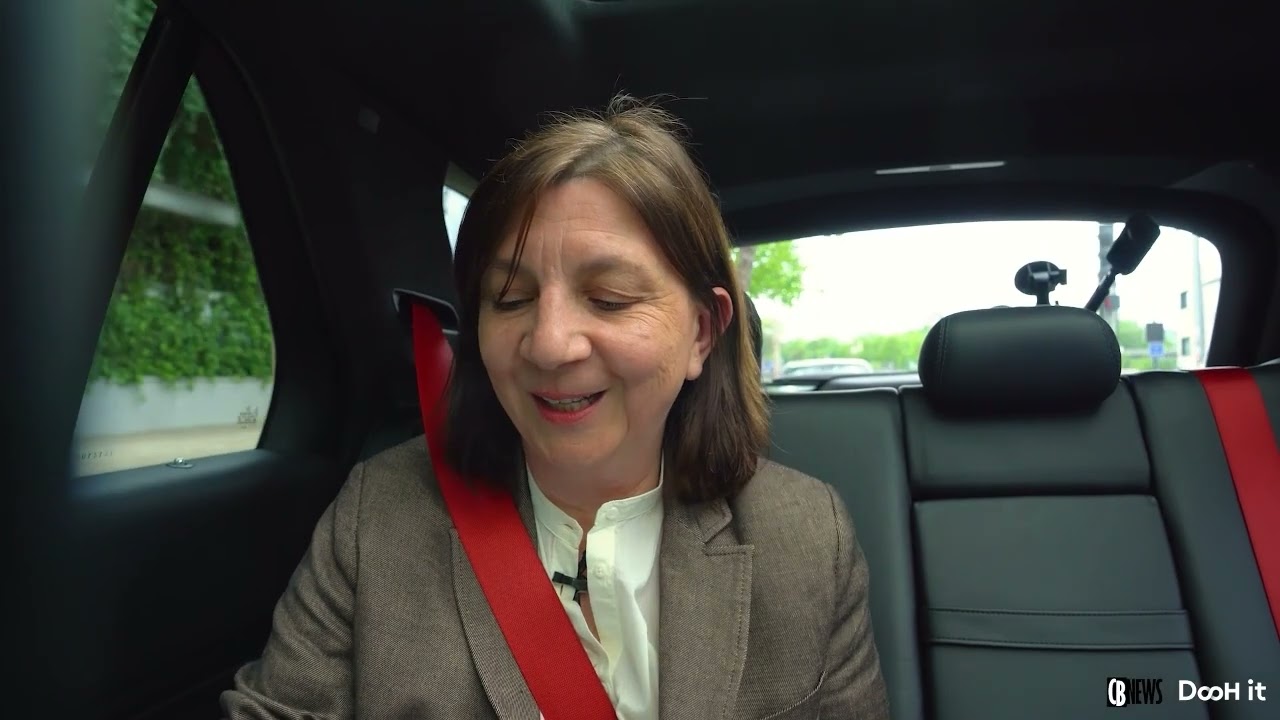
I have got the winning ticket. I am so excited. I am here at Ben and Jerry's headquarters in Vermont to learn about their fair trade initiative. Currently, they have a couple of fair trade products in their ice creams, but by 2013,
Speaker A
they'll be using fair trade for all of their ingredients. How exciting is that? Plus, they are a very much forward-thinking environmental company as well as a social justice company. I can't wait to learn more about it, have some fun, and hopefully meet Ben and
Speaker A
Jerry. So, what a special treat for me today. I am with Ben and Jerry from the world-famous Ben & Jerry's ice cream. Of course, you guys have always been known for your fabulous flavors and innovative concepts, but also
Speaker A
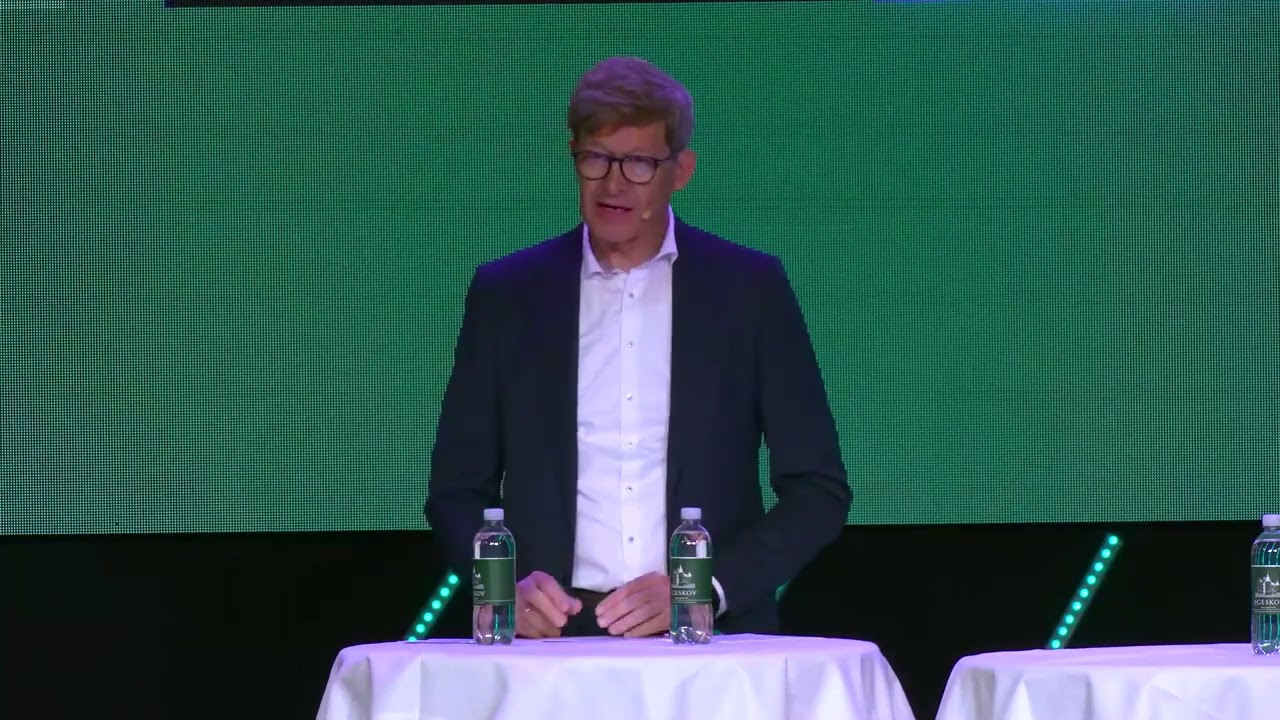
for your social responsibility when it comes to business and your communities. What are you working on right now in those terms? What we're really psyched about is fair trade. The company recently made a commitment to go 100% fair traded by the end of
Speaker A
2013. Farmers in the developing world are going to get paid a decent price for their products. People in the US are going to pay the same price they've always been paying. You know, we'll make slightly less profit,
Speaker A
but we'll still get by. I think what it does is it demonstrates that a mainstream company and product can do fair trade and still be very successful, and we're hoping it's going to convince a lot of other companies to
Speaker A
do the same. We'll be very happy when it is not a point of difference for Ben and Jerry's, when all companies are doing all fair trading. Just curious, why fair trade? Why did this pull on your heartstrings, if you will?
Speaker A
Well, we just became aware that it was an option. You can either buy your ingredients in a way that exploits farmers, small farmers in the developing world, or you can buy your ingredients in a way
Speaker A
that treats them as partners and treats them fairly. And we said, well, exploit or fair, exploit or fair, we'll choose fair. Well, Ben and I have both been down to the Dominican Republic,
Speaker A
where the company sources its cocoa, and I've been to a fair trade cooperative there. You go and you meet the people. I mean, it's one thing to sit in an office and you're looking at your ingredients and you see how much it costs. It's another thing to actually be with the people who are producing it.
Speaker A
And in the end, it's all about people. Do you look back and maybe attribute some of your success to doing good? Since you've always been a leader in social responsibility and community involvement, do you think that was part of your success, as you've
Speaker A
always kind of chosen the fair route? I'm positive that trying to improve the quality of life for people ends up coming back to you. You know, it's a universal law. I mean, it's written in the Bible as you
Speaker A
give, you receive. As you help others, you're helped in return. As your business supports the community, the community supports your business. I mean, it's just the way the world works. You probably can't prove it,
Speaker A
but look how good we've done. Well, I think you've proved it actually. Thank you for inspiring me. You really have on many levels, including your slogan, "If it's not fun, why do it?" I think that's a universal law too, so
Speaker A
I know you'll be inspiring a lot of other companies. Keep up the great work. I can't say thank you enough. Thank you. It's very scary.
Topics:Ben & Jerry'sfair tradesocial justiceenvironmental responsibilityethical sourcingsustainable businesscommunity supportice creamcorporate social responsibilityfair trade cooperative