How a Chinese Unicorn App “Out-Addicts” Netflix — Transcript

Explore how RealShort, a Chinese app, outperforms Netflix by using mobile gaming design patterns to engage users and monetize content.

Key Takeaways

  • Graduated friction from free to paid content improves user conversion by normalizing payment steps.
  • Emotional peak pricing at cliffhangers maximizes willingness to pay.
  • Obscuring real costs through variable pricing and coin systems increases revenue but raises ethical concerns.
  • Mobile gaming mechanics can be effectively adapted for streaming content monetization.
  • Transparency in pricing and spending is crucial for ethical product design.

Summary

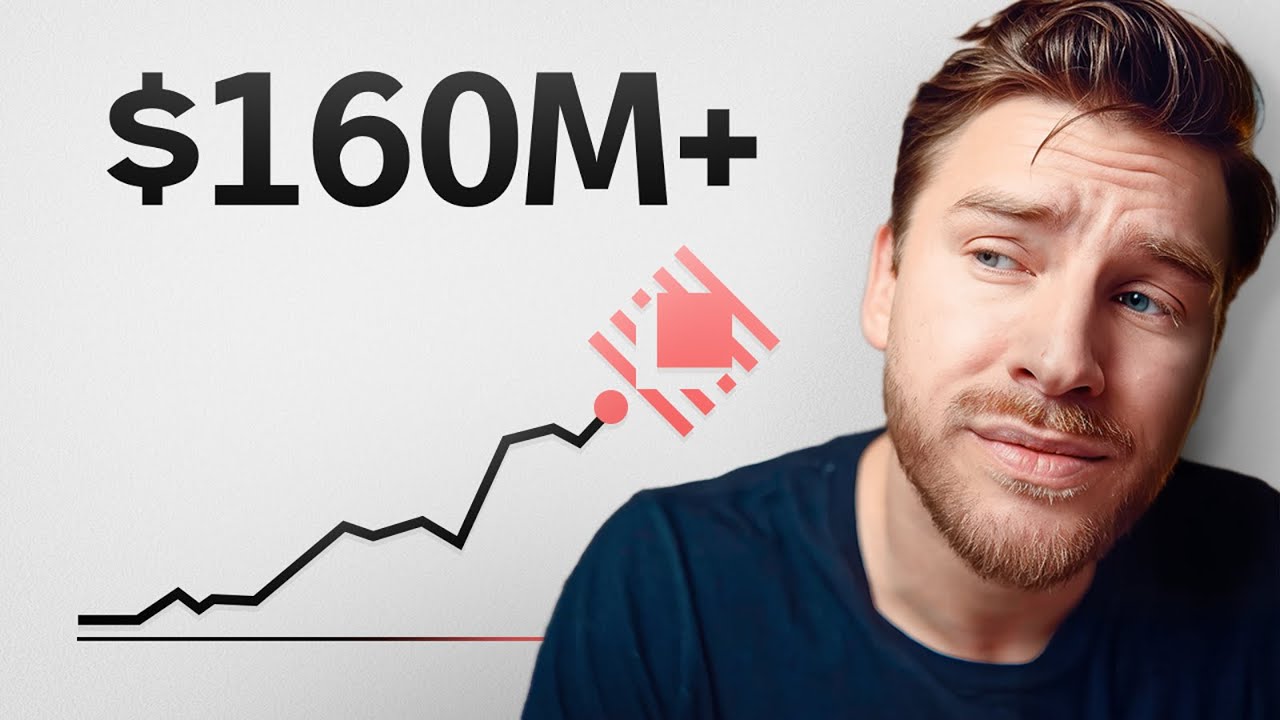
  • RealShort is a Chinese app that holds users longer daily than major streaming services like Netflix.
  • The app produces entire series quickly in repurposed COVID hotels and uses design strategies inspired by Candy Crush.
  • RealShort is more like a mobile game with virtual coin wallets, ad-gated episodes, and cliffhanger paywalls.
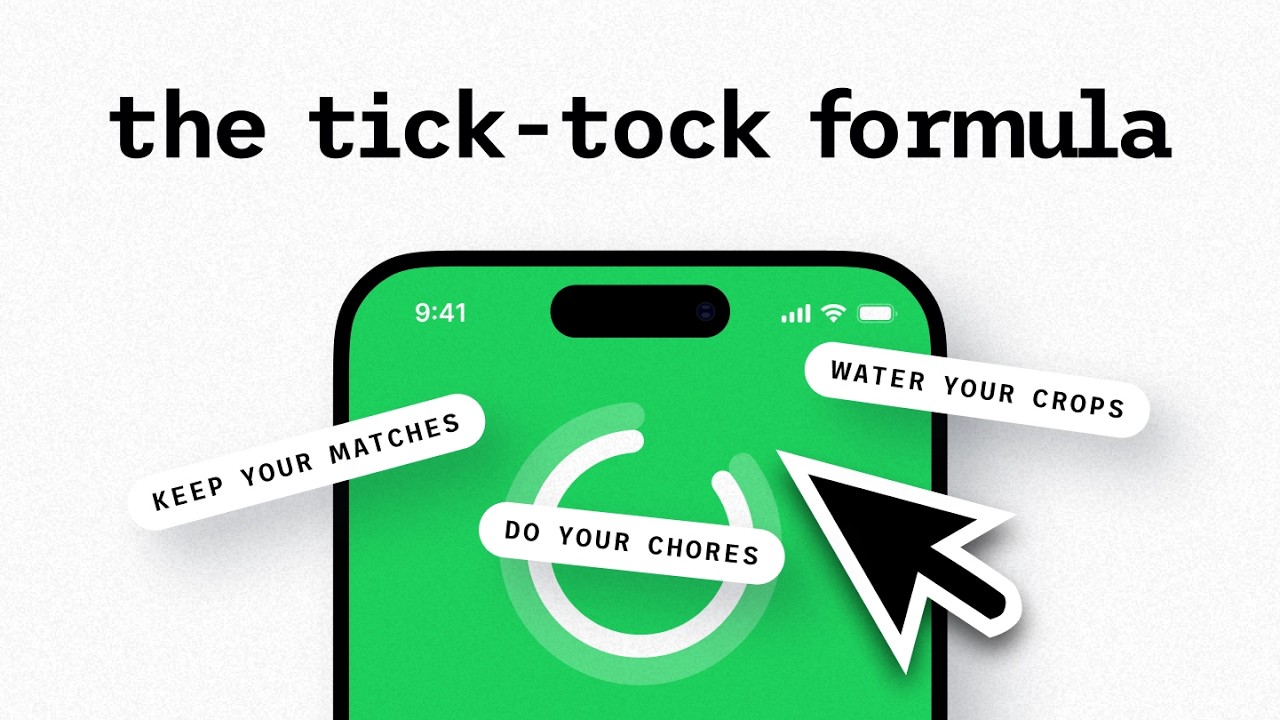
  • The app employs a 'graduated gate' system transitioning users from free to paid content in three stages to reduce friction.
  • Stage one offers episodes 1-5 completely free with no sign-up or ads to prove value.
  • Stage two introduces 30-second ads to unlock episodes 6-8, deliberately making ads annoying to encourage payment.
  • Stage three uses coin paywalls at emotional cliffhanger moments, leveraging peak pricing psychology.
  • RealShort uses variable pricing and awkward coin-to-dollar exchange rates to obscure actual spending, a tactic called the 'anti-calculator.'
  • The app avoids showing running totals of spending, making microtransactions feel trivial though they add up significantly.
  • Ethical considerations are discussed, emphasizing transparency versus aggressive monetization tactics.

Full Transcript — Download SRT & Markdown

00:00
Speaker A
Mobile entertainment just hit a tipping point. There is an app that you have probably never heard of that now holds users longer per day than the world's biggest streaming services. They shoot entire series in four days inside a repurposed COVID hotel in China, and they are beating Netflix using a product design playbook stolen directly from Candy Crush.
00:16
Speaker A
a repurposed COVID hotel in China and they are beating Netflix using a product design playbook stolen directly from Candy Crush. So in this video, I'm going to break down exactly what RealShort built and the three design patterns you
00:33
Speaker A
So, in this video, I'm going to break down exactly what RealShort built and the three design patterns you can steal for your own product. By the way, I'm Tim. I have spent over a decade designing software for companies like Spotify and countless tech startups. So, I obsess over this kind of stuff daily.
00:47
Speaker A
Now, RealShort is not really a streaming app. They're more like a Candy Crush with a plot. I'm talking virtual coin wallets, ad-gated episodes, cliffhanger paywalls, all borrowed from mobile gaming. Funders hear that and think cool, but I don't run a streaming app.
01:05
Speaker A
Now, RealShort is not really a streaming app. They're more like a Candy Crush with a plot. I'm talking virtual coin wallets, ad-gated episodes, cliffhanger paywalls, all borrowed from mobile gaming. Founders hear that and think, "Cool, but I don't run a streaming app."
01:13
Speaker A
And before we dig into the first pattern, if you want help applying any of the stuff I am about to show you to your own product, we open up free design strategy calls monthly at Sipsip. The link is down below. All right, pattern
01:28
Speaker A
That is a mistake because, believe me, these patterns transfer to any product where users get emotionally invested.
01:43
Speaker A
wall partly because the jump feels too sudden even if they like the product. RealShort does something completely different. They designed the transition from free to paid to be almost imperceptible. And they do it across three distinct stages. Stage one,
02:02
Speaker A
And before we dig into the first pattern, if you want help applying any of the stuff I am about to show you to your own product, we open up free design strategy calls monthly at Sipsip. The link is down below. All right, pattern one, something I call the graduated gate.
02:20
Speaker A
you for anything. Stage two, episode six through eight are still free, but now you watch a 30-second ad to unlock each one. And this is where it gets clever. A 30-second ad for 60 seconds of content is not a reasonable trade-off. It is
02:36
Speaker A
Here's how most products handle the free to paid transition. You get a free trial, and then one day you hit a hard paywall. Free then paid. It's binary, and most users bounce at that wall partly because the jump feels too sudden even if they like the product.
02:54
Speaker A
Stage three, from episode nine and onwards, you hit coin paywalls. And it hits at the cliffhanger moments. The protagonist just discovered the betrayal, the twist just landed, and that is the exact moment the app asks for 52 coins. Emotional peak pricing.
03:13
Speaker A
RealShort does something completely different. They designed the transition from free to paid to be almost imperceptible. And they do it across three distinct stages. Stage one, episode one through five are completely free. No friction at all. Content plays instantly. No account creation, no sign up, no email. You just open the app and you're watching within seconds. The product proves its worth before it asks you for anything.
03:29
Speaker A
normalizes the next one. By the time the hard paywall arrives, you have already been through two softer gates. You were paying with attention before you paid with money. Now, this is the principle founders should pay attention to. If
03:45
Speaker A
Stage two, episode six through eight are still free, but now you watch a 30-second ad to unlock each one. And this is where it gets clever. A 30-second ad for 60 seconds of content is not a reasonable trade-off. It is deliberately annoying. You're not learning to tolerate ads, you're learning that the ads are bad enough that paying to skip them feels like an upgrade. The app is training you to want the paid experience by making the free experience just uncomfortable enough.
03:54
Speaker A
Each step normalizes the next one. The graduated gate is how you make the free-to-play transition feel like a natural progression instead of a sudden paywall. But getting users to pay is only half the challenge. Because once they start paying, the next question is,
04:12
Speaker A
Stage three, from episode nine and onwards, you hit coin paywalls. And it hits at the cliffhanger moments. The protagonist just discovered the betrayal, the twist just landed, and that is the exact moment the app asks for 52 coins. Emotional peak pricing.
04:27
Speaker A
Short a lot of money, and it reveals something really important about how pricing psychology actually works. In the end, understanding these mechanics matter whether you use them aggressively or build the ethical version of them.
04:43
Speaker A
But here's the trick, by this point, paying kind of feels like relief. You have already been trained through two stages of escalating friction. The coin paywall is not a barrier anymore. It is the escape from the ads. Each stage normalizes the next one. By the time the hard paywall arrives, you have already been through two softer gates. You were paying with attention before you paid with money.
04:55
Speaker A
Each episode costs between 42 and 66 coins. Not a flat rate, variable pricing, which means you cannot run a mental total as you watch. You would need a spreadsheet to do that. Then look at the coin bundles. 500 coins for 4.99,
05:13
Speaker A
Now, this is the principle founders should pay attention to. If possible, don't go from free to paid in one step. Design graduated friction: attention, then effort, and then money. Each step normalizes the next one. The graduated gate is how you make the free-to-play transition feel like a natural progression instead of a sudden paywall.
05:35
Speaker A
of coins spent on a series. Prices actually increase the deeper you get into a show. And here is where sunk cost kicks in. Sunk cost is the psychological trap where the more you have already invested, whether that's time, money, or
05:51
Speaker A
But getting users to pay is only half the challenge. Because once they start paying, the next question is, do they actually know how much they are spending? Which brings us to pattern two, something I call the anti-calculator.
06:09
Speaker A
a single TV show, but 52 coins, that's nothing. And then, 52 more coins, and 52 more, 80 times. Each individual purchase is too small to feel like a real decision, but they add up to around $40 before you ever see that number. The
06:28
Speaker A
Now, this one is arguably a dark pattern, but I'm going to cover it anyways because it's what makes RealShort a lot of money, and it reveals something really important about how pricing psychology actually works. In the end, understanding these mechanics matter whether you use them aggressively or build the ethical version of them.
06:48
Speaker A
for founders, if you use credits, tokens, or units in your pricing, the exchange rate design and spending visibility matter as much as the concept itself. And this is also where the ethical line matters. The ethical version, of course, is to be transparent
07:07
Speaker A
So, every single element of RealShort's pricing UI is engineered to prevent you from evaluating what you are actually spending. Start with episode pricing.
07:26
Speaker A
That's not deception, that's just how human brains process abstract numbers differently than concrete ones. The question is whether you help users stay informed or actively prevent them from figuring it out. Real Short chose the aggressive path. You don't really have
07:47
Speaker A
Each episode costs between 42 and 66 coins. Not a flat rate, variable pricing, which means you cannot run a mental total as you watch. You would need a spreadsheet to do that. Then look at the coin bundles. 500 coins for 4.99, 1,100 for 9.99. Try doing that mental math while a cliffhanger is unresolved. The exchange rate uses awkward ratios specifically because clean ratios would make real costs more obvious. There is no "you have spent X amount of dollars this month" dashboard, no running total of coins spent on a series. Prices actually increase the deeper you get into a show.
08:07
Speaker A
everything that does not need to be there. Quick note before that. Again, if you would like help with any of this, at Hype Up, we run free strategy sessions focused on design for business growth.
08:22
Speaker A
And here is where sunk cost kicks in. Sunk cost is the psychological trap where the more you have already invested, whether that's time, money, or effort, the harder it becomes to walk away, even when walking away is the rational choice. So, with every episode you unlock, the cost of quitting feels higher, even though the money is already gone.
08:39
Speaker A
watch a trailer, you hit play, you rotate your phone, you might even tap to dismiss the controls. That is at least six decision points between opening the app and actually watching content. Six moments where you might decide, "Actually, never mind." and just close
08:58
Speaker A
Nobody would pay $40 up front for a single TV show, but 52 coins, that's nothing. And then, 52 more coins, and 52 more, 80 times. Each individual purchase is too small to feel like a real decision, but they add up to around $40 before you ever see that number. The short format makes each microtransaction feel trivial, even though they compound to three times a monthly Netflix subscription for a single show.
09:14
Speaker A
episode. That is the primary navigation. It is the only navigation. No progress bar to scrub through. You watch linearly. No skipping. No, "Are you still watching?" interrupt. Not even device rotation. And here's the thing, this is ethically clean. You're not
09:31
Speaker A
This is information architecture designed to remove every single tool for rational spending decisions. Now, the big lesson for founders, if you use credits, tokens, or units in your pricing, the exchange rate design and spending visibility matter as much as the concept itself.
09:54
Speaker A
format. 60-second vertical episodes mean the progress bar isn't crucial. You don't necessarily need an episode list.
10:03
Speaker A
And this is also where the ethical line matters. The ethical version, of course, is to be transparent about running totals. Let users see what they have spent, but understand that currency abstraction itself—OpenAI tokens, Vercel compute units, AWS instance hours—makes usage-based pricing feel lighter than raw dollar amounts.
10:19
Speaker A
moment where the user might stop. Remove the ones that do not add value. Every unnecessary tap, every extra screen, every "Are you sure?" prompt that doesn't protect the user from a real mistake, those aren't just exit ramps.
10:36
Speaker A
That's not deception, that's just how human brains process abstract numbers differently than concrete ones. The question is whether you help users stay informed or actively prevent them from figuring it out. RealShort chose the aggressive path. You don't really have to do that.
10:56
Speaker A
currency abstraction and exchange rate design shape how users perceive spending. And number three, the zero decision player. Map every decision point in your core flow and remove the ones that do not add value. Now, for the last time, at Sips App, we open a few
11:15
Speaker A
So, the anti-calculator is the most psychologically aggressive play in the RealShort playbook. But, there is one more pattern that is just as powerful and entirely clean because the third technique is not about hiding anything. It is about removing everything that does not need to be there.
11:20
Speaker A
Also, if you like this video, you will probably love this one here somewhere, where I break down how Netflix became a $250 billion or using three behavioral design weapons that have nothing to do with Hollywood.
11:36
Speaker A
Quick note before that. Again, if you would like help with any of this, at Hype Up, we run free strategy sessions focused on design for business growth. Link is down below if you want to grab one before they fill up.
Topics:RealShortmobile entertainmentstreaming appproduct designmonetizationgraduated gateemotional peak pricinganti-calculatormobile gamingNetflix competitor

Frequently Asked Questions

What is the 'graduated gate' design pattern used by RealShort?

The graduated gate is a three-stage transition from free to paid content where users first enjoy free episodes, then watch ads to unlock content, and finally pay with virtual coins at cliffhanger moments, making the payment feel natural and less abrupt.

How does RealShort use emotional peak pricing?

RealShort places coin paywalls at cliffhanger moments in the story, leveraging users' emotional investment to encourage them to pay for the next episode, increasing the likelihood of purchase.

What ethical concerns does the video raise about RealShort's monetization?

The video highlights that RealShort obscures actual spending by using variable coin pricing and no running totals, which can mislead users about how much they spend, raising questions about transparency and ethical product design.

Get More with the Söz AI App

Transcribe recordings, audio files, and YouTube videos — with AI summaries, speaker detection, and unlimited transcriptions.

Or transcribe another YouTube video here →