I Studied 500+ Gamified Apps (Here’s What Actually Works) — Transcript

Tim Gabe analyzes 500+ gamified apps, revealing why points, badges, and leaderboards often fail and what truly drives user retention.

Key Takeaways

  • Avoid relying solely on points, badges, and leaderboards; they often fail to sustain engagement.
  • Design gamification that produces real-world positive outcomes, not just engagement theater.
  • Local, winnable competitions and variable rewards outperform global leaderboards and streaks.
  • Intrinsic motivation is best supported by autonomy and relatedness, not just competence signals.
  • Feature overload can reduce effectiveness; focus on meaningful, research-backed mechanics.

Summary

  • Points, badges, and leaderboards (PBL) are the most common but also most documented failures in gamification.
  • Apple Watch’s ring system drives nearly 50% behavior change through completion rather than traditional badges.
  • Strava grew to 180 million users without traditional badges, focusing on local, winnable competitions via segments.
  • LinkedIn retired top voice gold badges due to quality decline caused by badge chasing.
  • The PBL fallacy is treating the scoreboard as the game itself, which fails to motivate long-term engagement.
  • Streaks can cause FOMO and problematic smartphone use, as shown in studies and legal scrutiny.
  • Variable reward magnitude, anticipation of uncertain rewards, is a strong engagement driver.
  • Gamification feature richness follows an S-curve; more features don’t always mean better outcomes.
  • Social and output features increase user activity more than competition alone.
  • Habitica exemplifies deep gamification by turning tasks into quests and habits into character stats.

Full Transcript — Download SRT & Markdown

00:00
Speaker A
I studied hundreds of gamification implementations for mobile apps. And here's the thing. The three elements every app adds first, like points, badges, and leaderboards, are also the three most documented failures in product history.
00:24
Speaker A
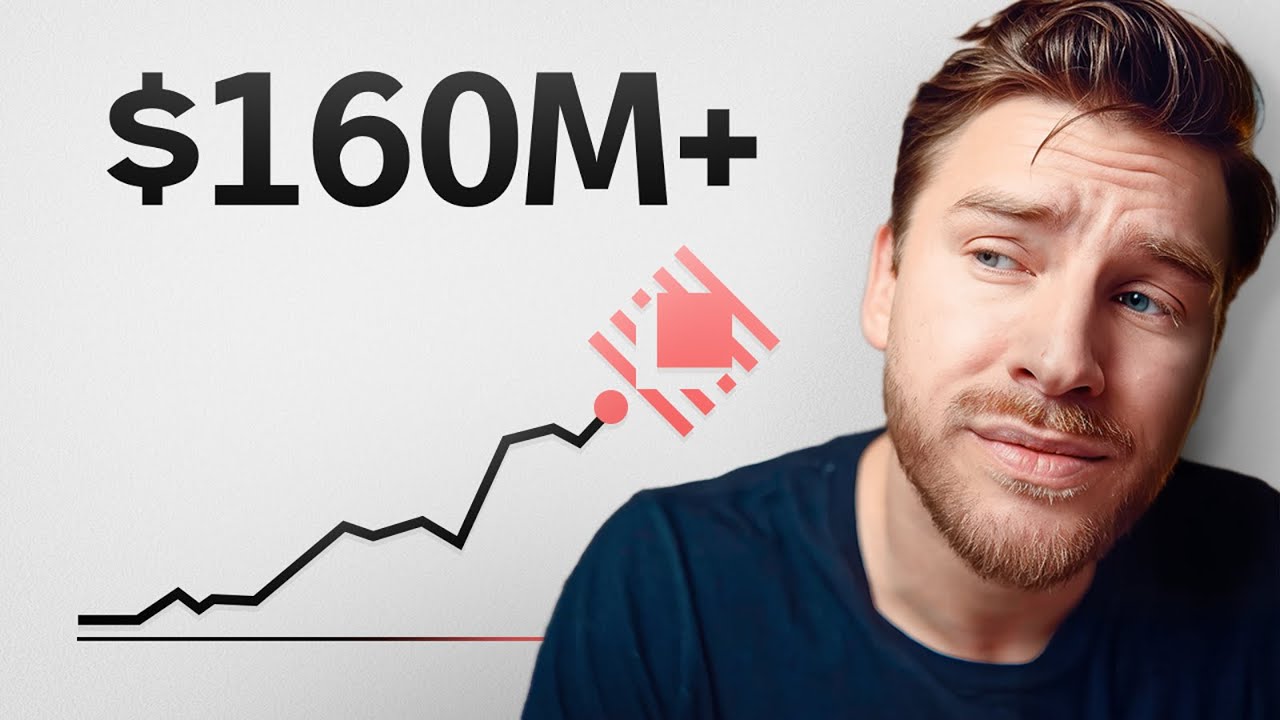
badge in sight. An Apple Watch drove a 49.5% behavior change in 160,000 people purely through completion drive. The Apple one is kind of wild and we'll come back to it because how they did it is probably the most important point out of all of
00:43
Speaker A
Meanwhile, Strava built 180 million users without a traditional badge in sight. An Apple Watch drove a 49.5% behavior change in 160,000 people purely through completion drive.
01:04
Speaker A
decade designing software for companies like Spotify, and I've helped clients reach the top of the US app store, working on exactly these kinds of problems. Now, pattern one is what I call the PBL fallacy. PBL stands for points, badges, and leaderboards. The
01:24
Speaker A
The Apple one is kind of wild, and we'll come back to it because how they did it is probably the most important point out of all of the seven research-backed patterns I'm going to cover in this video.
01:44
Speaker A
quality, chasing the badge instead of sharing expertise. And this isn't new. It's actually history repeating.
01:53
Speaker A
You're going to see what kind of gamification actually works, what's theater, and the specific mechanics the best retaining apps in the world are actually using.
02:11
Speaker A
The gamification OG Yukai Shao put it best. PBL is the scoreboard of a game, not the game itself. You wouldn't walk into a baseball stadium, look at the scoreboard, and feel motivated to play baseball, right? Most apps though build
02:29
Speaker A
By the way, I'm Tim. I've spent over a decade designing software for companies like Spotify, and I've helped clients reach the top of the US app store, working on exactly these kinds of problems.
02:50
Speaker A
That's not a retention metric. That's more like an influence metric. The mechanism doing most of the work is segments. A segment is any userdefined stretch of road or trail. run it and your time gets logged on a leaderboard
03:06
Speaker A
Now, pattern one is what I call the PBL fallacy. PBL stands for points, badges, and leaderboards. The three mechanics every app reaches for first.
03:27
Speaker A
route, the segment outside your office. These competitions are winnable and winnability is the strongest predictor of competitive motivation. A 2022 Science Direct study confirmed this.
03:41
Speaker A
And the reason this leads the video is because of what happened in 2024. LinkedIn quietly retired its community top voice gold badges. Their internal read was that badge-motivated users had been producing quantity over quality, chasing the badge instead of sharing expertise.
03:52
Speaker A
Strava's clubs grew 59% in 2024 alone and the platform handed out 14 billion kudos in 2025. Straa's lesson for founders is direct. Enable users to compete more locally. Engineer the size of the competition rather than inflating empty metrics. And before we keep going
04:14
Speaker A
And this isn't new. It's actually history repeating.
04:27
Speaker A
Now, so far this might suggest the answer is just to add the right kinds of mechanics, more features, but smarter ones. That's where pattern three comes in, and it's the most counterintuitive of the seven, the Scurve problem. A 2025
04:44
Speaker A
Foursquare scrapped mayorships and badges in 2014 after their data showed gamification drove check-ins, but not the discovery behavior the business actually needed. Google News killed its badge system for the same exact reason.
05:02
Speaker A
The empirical proof here is Habitica, probably the most aggressively gamified productivity app ever built. Daily tasks become quests. Habits become character stats. Missing a task damages your HP.
05:20
Speaker A
The gamification OG Yukai Shao put it best. PBL is the scoreboard of a game, not the game itself. You wouldn't walk into a baseball stadium, look at the scoreboard, and feel motivated to play baseball, right?
05:45
Speaker A
badges plus challenges plus leaderboards, the data says you're past the peak of the curve, not climbing it.
05:53
Speaker A
Most apps, though, build the scoreboard and forget to build the game. So, let's look at the counter example. Strava: 180 million registered users and the engagement number that genuinely shocked me.
06:14
Speaker A
this to I can't miss today. The canonical case here is Snapchat. A 2023 Belgium study of almost 2,500 adolescents found that streak frequency correlates with FOMO, problematic smartphone use and reduced social media self-control. In 2024, the Nevada Attorney General filed litigation
06:37
Speaker A
Strava users average one hour of real-world activity for every 2 minutes spent in the app. That's not a retention metric. That's more like an influence metric.
06:59
Speaker A
shipping into space that's now being monitored by regulators. That doesn't mean streaks are universally bad. Of course, Dolingo has run hundreds and hundreds of experiments on theirs, and the version they ship today obviously retains users, but notice how they ship
07:17
Speaker A
The mechanism doing most of the work is segments. A segment is any user-defined stretch of road or trail. Run it and your time gets logged on a leaderboard sorted by age and gender cohort.
07:35
Speaker A
at day 31, what works instead? Pattern five is variable reward magnitude. Anticipation, not loss aversion. The gap between knowing a reward is coming and not knowing how big it is. That's one of the strongest engagement signals in all
07:53
Speaker A
Now, that sounds like a leaderboard, which I just told you is kind of broken, but here's the difference. Strava didn't build one global leaderboard. They built thousands of hyper-local micro competitions.
08:10
Speaker A
be the rare you've been chasing for weeks. Reveal. Cards flip one at a time.
08:16
Speaker A
The hill on your morning route, the segment outside your office. These competitions are winnable, and winnability is the strongest predictor of competitive motivation. A 2022 Science Direct study confirmed this.
08:30
Speaker A
That's why you tap the next pack. Now, compare that to a streak. Streaks run on fear of losing what you built. Variable rewards run on the pull towards what's next. Same surface behavior, opposite emotional engine. One burns out while
08:49
Speaker A
Kudos on Strava, the small social acknowledgement when someone completes a run, increase future run frequency, and the social side has compounded fast.
09:05
Speaker A
the gamification side. So again, if you need help with this kind of stuff for your own product, we run a few free design strategy calls each month. Links down below. Now, the Apple Watch thing I told you was possibly the most important
09:19
Speaker A
Strava's clubs grew 59% in 2024 alone, and the platform handed out 14 billion kudos in 2025.
09:39
Speaker A
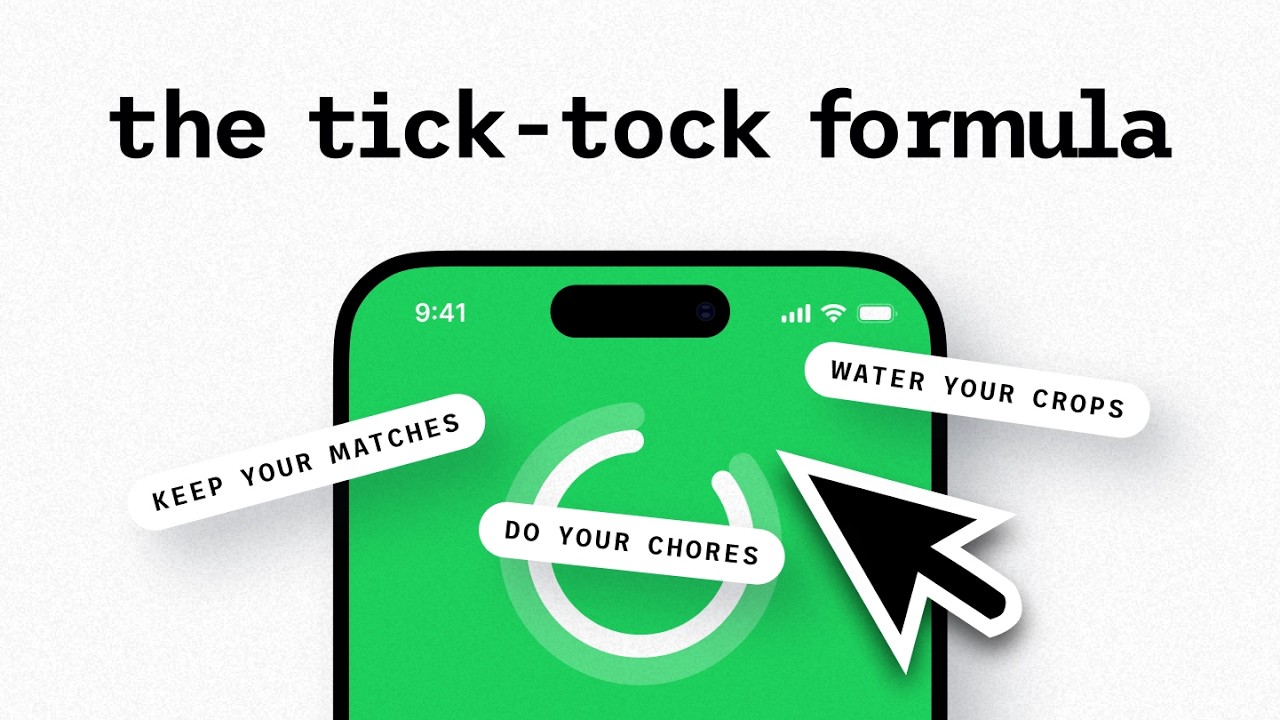
pattern in consumer tech. They've got three rings. Move, exercise, stand. Close all three to complete your day.
09:47
Speaker A
Strava's lesson for founders is direct. Enable users to compete more locally. Engineer the size of the competition rather than inflating empty metrics.
10:06
Speaker A
regularly close rings are 48% less likely to experience poor sleep quality. This is exactly what great gamification design is all about. The mechanic produces realworld positive outcomes, not engagement theater. And here's the part most founders miss. Apple's rings
10:27
Speaker A
And before we keep going here, if you want to chat about how any of these patterns would apply to your app, we open up a few free design strategy calls monthly at ZipSap. You can grab your spot in the link below.
10:43
Speaker A
versus badge theater. The 2024 Springer Nature meta analysis on gamification found something brutal. Gamification reliably improves a user's perception of autonomy and relatedness, but has minimal impact on competence. The one psychological need most tied to long-term intrinsic motivation. Most
11:08
Speaker A
Now, so far this might suggest the answer is just to add the right kinds of mechanics, more features, but smarter ones. That's where pattern three comes in, and it's the most counterintuitive of the seven, the S-curve problem.
11:16
Speaker A
Members who use the social and output features work out 15% more frequently. But the mechanism isn't competition.
11:25
Speaker A
A 2025 peer-reviewed study in Frontiers in Psychology found that gamification feature richness follows an S-shaped curve. Adding features helps engagement up to a point. After that point, more features actually reverse engagement.
11:46
Speaker A
Garmin's training readiness and body battery scores do it in fitness wearables. Build mechanics that signal you got better at the actual thing, not mechanics that signal you open the app a lot. Now, if you found this breakdown helpful at all and you're wondering how
12:05
Speaker A
The empirical proof here is Habitica, probably the most aggressively gamified productivity app ever built. Daily tasks become quests. Habits become character stats. Missing a task damages your HP.
12:16
Speaker A
Also, if you like this video, you'll probably also like this one somewhere around here, where I break down how Spotify, Tinder, and Netflix use psychology to dominate their categories.
12:29
Speaker A
The peer-reviewed study on Habitica found that 100% of participants experienced counterproductive effects. Users got so absorbed in managing the game layer that actual productivity behavior got buried.
Topics:gamificationmobile appsuser retentionpoints badges leaderboardsApple Watch ringsStravavariable rewardsbehavior changeuser engagementproduct design

Frequently Asked Questions

Why are points, badges, and leaderboards considered failures in gamification?

Points, badges, and leaderboards often encourage quantity over quality, leading to superficial engagement rather than meaningful user retention or behavior change.

How does the Apple Watch’s gamification system differ from traditional methods?

Apple Watch uses a completion-driven system with three rings that encourage users to close daily goals, producing measurable behavior change without relying on traditional badges.

What makes Strava’s gamification approach successful?

Strava focuses on local, winnable competitions through user-defined segments and social kudos, fostering real-world activity and sustained engagement rather than global leaderboards.

Get More with the Söz AI App

Transcribe recordings, audio files, and YouTube videos — with AI summaries, speaker detection, and unlimited transcriptions.

Or transcribe another YouTube video here →