Skip to content

GET READY for the Top #1 AMAZING Christian Doctrine You Never Saw Before! | SP. DISP. 1| Dr. Kim

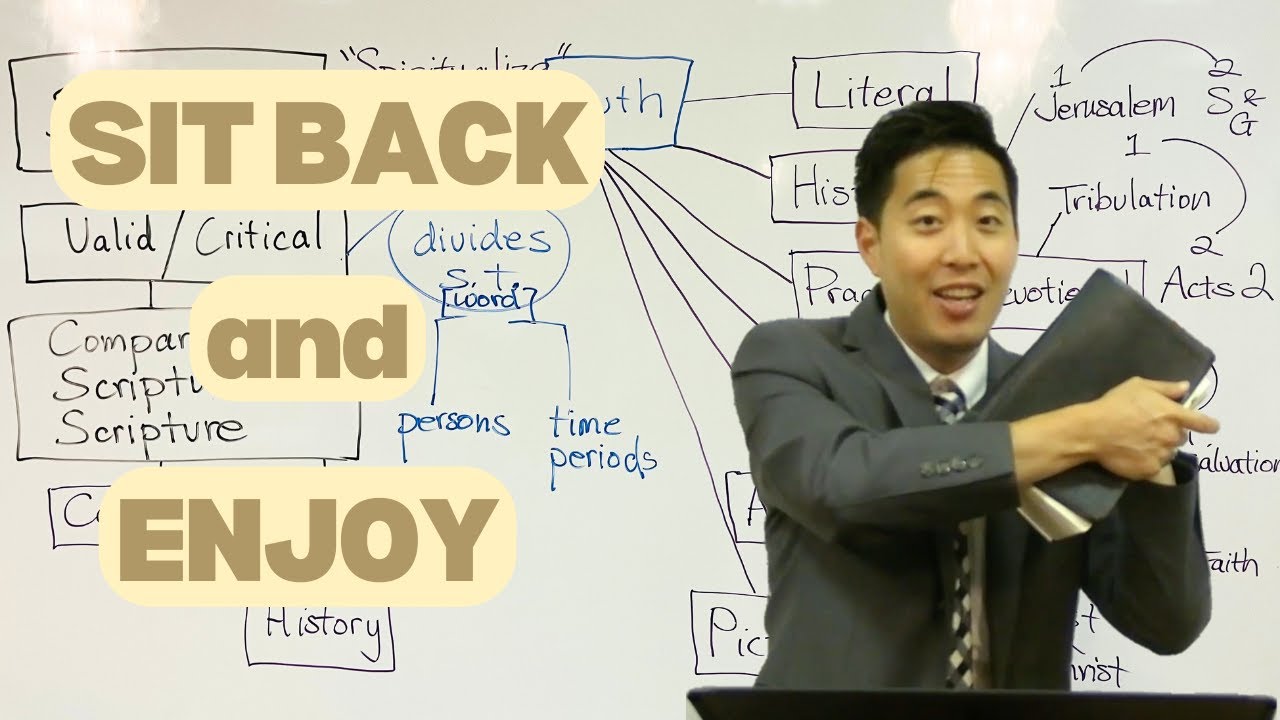
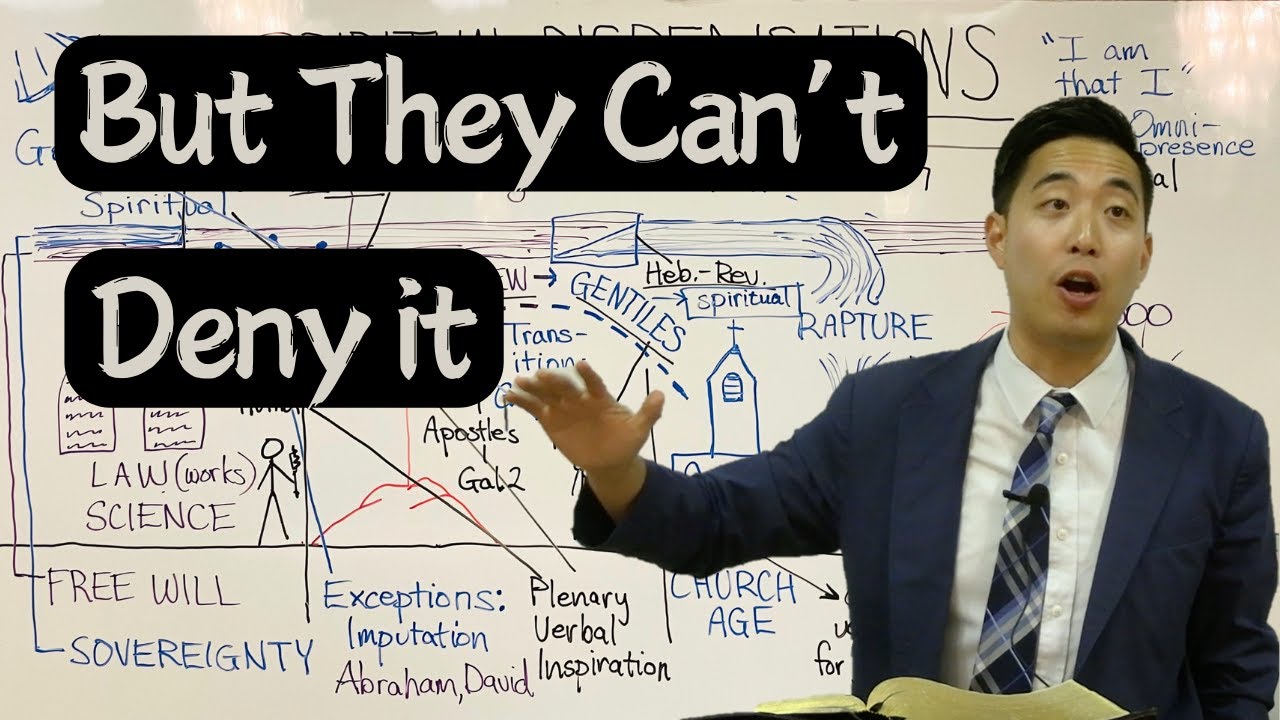
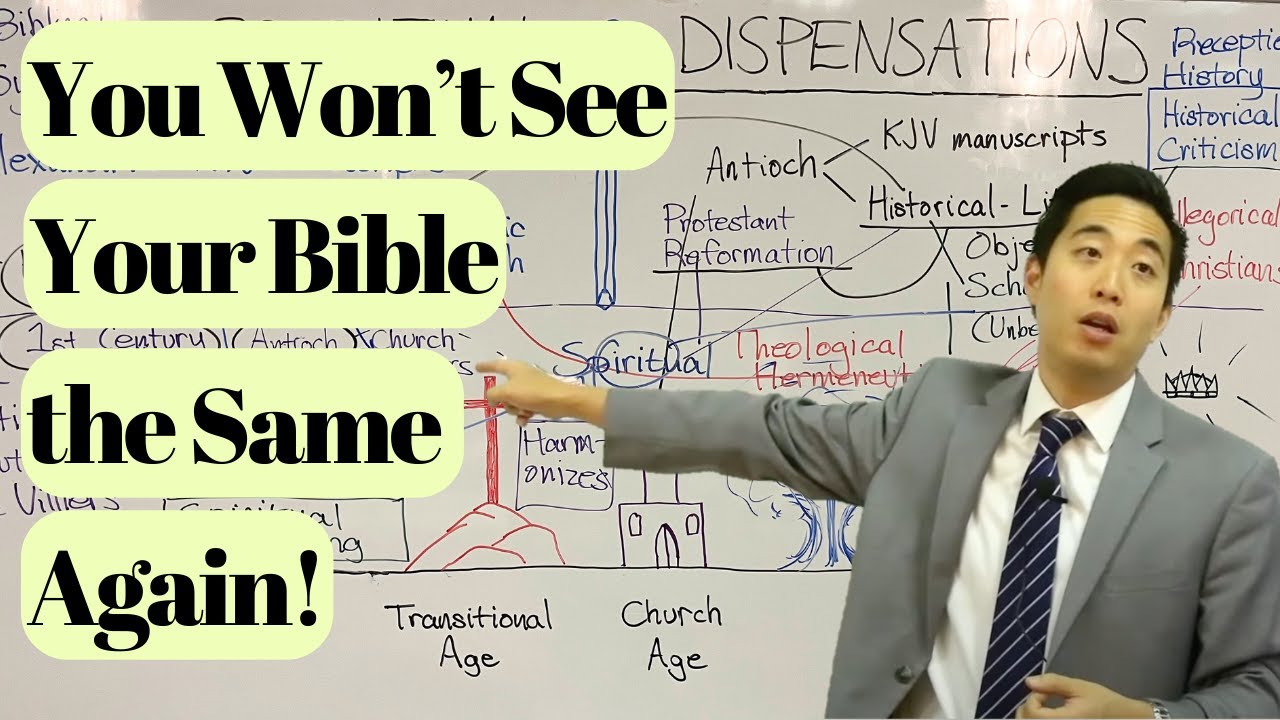
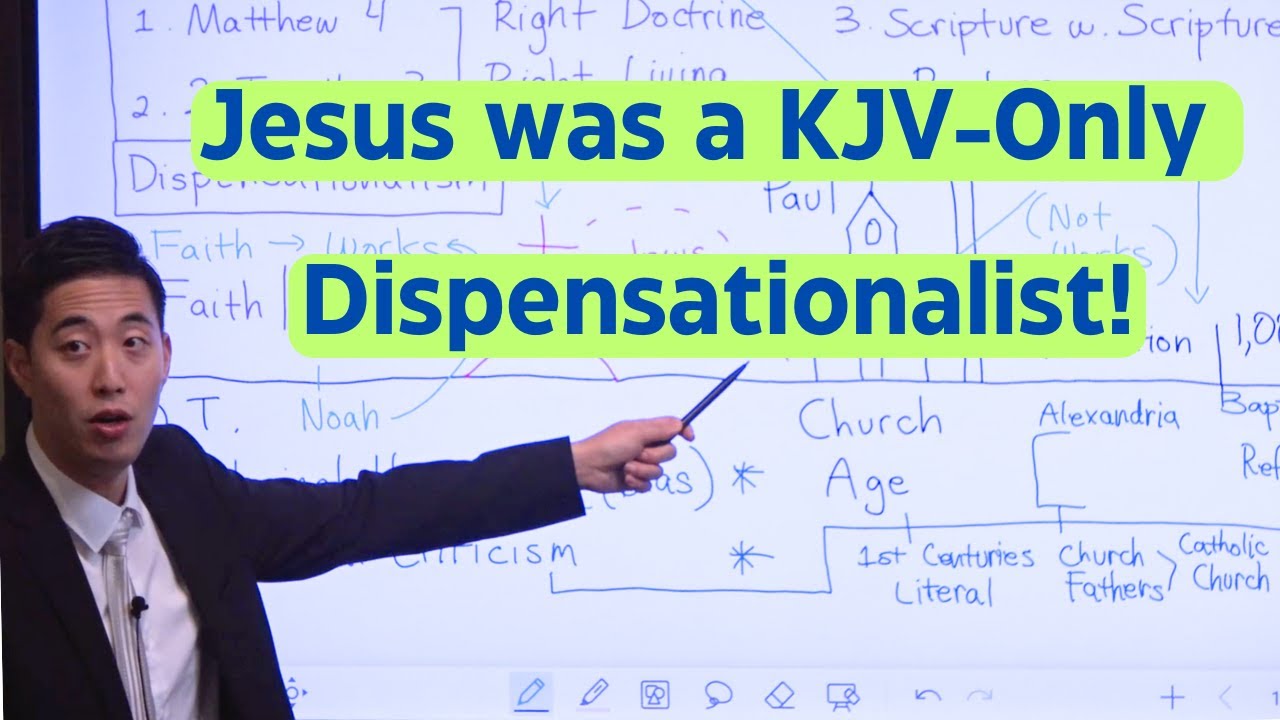
Explore a unique Christian doctrine emphasizing spiritual interpretation of scripture beyond historical context, resolving key theological debates.

Key Takeaways

  • Spiritual interpretation is essential to correctly understanding biblical prophecies and messianic verses.
  • Historical context alone cannot fully explain New Testament use of Old Testament scriptures.
  • The general epistles were likely written to a single audience, not a dual audience of tribulation Jews and church members.
  • Literal and doctrinal interpretations remain foundational, but spiritual insight completes the understanding.
  • This teaching offers a new framework to resolve longstanding theological debates about scripture interpretation.

What the video covers

  • The video introduces a Christian doctrine focusing on spiritual rather than purely historical interpretation of Bible verses.
  • It addresses the debate about New Testament use of Old Testament verses that seem misquoted or misapplied by scholars.
  • The speaker critiques the double application theory of general epistles, arguing for a simpler, unified audience understanding.
  • The doctrine proposes that God's spiritual perspective reveals meanings in scripture beyond the original historical audience.
  • The teaching highlights the Bible's triple application method: historical, doctrinal, and spiritual, emphasizing doctrinal as most important.
  • Spiritual interpretation is often neglected or misused, especially by cults, but is key to understanding prophetic and messianic scriptures.
  • Literal interpretation is affirmed as the primary rule for Bible reading, opposing allegorical or metaphorical distortions.
  • The video promises further lessons with scriptural, academic, and theological evidence to support this doctrine.
  • It challenges common scholarly and theological skepticism about messianic prophecies and epistle audiences.
  • The doctrine aims to clarify and advance Christian understanding by integrating spiritual insight into biblical exegesis.

Answers

Questions about this video

What is the main argument of the video regarding biblical interpretation?

The video argues that biblical passages, especially Old Testament verses used in the New Testament, should be interpreted spiritually rather than solely historically to reveal their true messianic meaning.

Why does the speaker reject the double application theory of the general epistles?

The speaker believes the double application theory is illogical because the epistles were written to a single audience, not separately to tribulation Jews and church members, and that the text should be understood as one unified message.

How does the video define the triple application method of scripture?

The triple application method includes historical, doctrinal, and spiritual interpretations, with doctrinal being the most important for Bible believers and spiritual interpretation providing deeper insight from God's perspective.

Full Transcript — Download SRT & Markdown

00:00
Speaker A
As I start out my teaching, I want to mention that this is something that is not solely from yours truly. This is something that I give a lot of compliments to fellow Bible-believing preachers and teachers who are more apt and equipped and whom the Lord can use better. So, learning from them in all humility, not thinking that I'm the one that knows it all. If you have that kind of a mindset, then by studying what they lay down, the doctrine can become more advanced, more clarified, and even appear new. Now, this is not really new, but it will appear very new. I'm going to be using new wording, so to speak, and then when we turn to the scripture, it's going to look new even though these are old scriptures that you've read through before. But how many have done that with their Bible studies and Bible reading, going through the same old verses but it came out a new way that you didn't think about before? This teaching will solve the problem that is debated among academia, theologians, and churches worldwide. Now, we start out with the very basic. The very basic is that Christians agree that when the apostles were writing out verses, Old Testament verses, that they were verses fulfilling or foretelling about the Messiah, right? However, if you're going to be very honest as an academic scholar and read those verses that the apostles used, it looked like they are misquoting those verses because when you look at those verses, those verses seem to talk about the nation of Israel or to talk about the psalmist David, not Jesus himself. So, a lot of rabbis and Jewish scholars, they debate against Christian scholars and say those verses that New Testament writers have used, those Old Testament verses that the New Testament writers use to say, "Hey, this verse is talking about Jesus the Messiah," and when you look at it by context, it honestly does not look like that. Okay, that's one. Number two, here's a second issue. A second issue is the general epistles. When you look at the general epistles, they are the book of Hebrews through Jude. Now, we've looked at our verse-by-verse Bible study in Hebrews, and if any of you have watched that, you've seen how I put a double application in there. In other words, the book of Hebrews and the general epistles, they are books written to both tribulation Jews and Christian churches. That does not make absolute sense if we're going to be honest. And that's the same type of skepticism that Jewish rabbis have. If you were to read it by context and common sense, you know it doesn't make sense that those Old Testament verses in the New Testament were talking about Jesus the Messiah. It looked like they were being misquoted. Bible-believing dispensationalists who say that general epistles are double application seem to be misquoting them, seem to be misapplying. Here's one that's for tribulation, here's one for church age. That doesn't make sense if we're going to be honest. Why? Because when the person, the author, is writing the epistle, giving it to his readers, you think those readers when they receive it, they're like, "Okay, I know that this is tribulation and then this is church." No, it seems like one. It just seems simply that the author is writing to them. Yes, it's just as simple. So, these are the type of complications that exist in the Bible, but they can be justified. And the reason why they can be justified is because that kind of rationality that people use, and we'll cover it in our next teaching, but that is known as a historical context. All right, simply going by common sense, the people during those past ages, they were writing to people during those time periods. All right, it's just as simple historically. But how we get around this, but the more accurate wording is not getting around it. The more accurate answer is the key to resolve this, the real true proper interpretation is not to historically interpret the passages but to spiritually interpret the passages. What does that mean? Those verses, you can't just look at it at their historical time plane and the historical audience that the authors are writing to. You have to look at those verses spiritually. That's right, spiritually meaning that from God, the Holy Spirit's perspective, because God is a spirit. And when he's quoting these verses, when he has those authors writing it down, what is God seeing in those verses? That's right. It may not be those people that the author is writing to. Then maybe God is seeing that as, "No, I see my Son Jesus the Messiah here when you're writing that." God could be saying, "No, I don't see that as those people during the first centuries, those Christian churches when First John is being written. I see that verse as years later, 2,000 years later, to the tribulation where they will have to do that." See that? Now, that's a very interesting theory, and I'm going to say theory for now. All right, but later on it will be doctrine. This is not theory. This will be doctrine, not just doctrine, but in this lesson, I'm going to give you scriptural evidences. This is doctrine, that's right. Then the next time, I'm going to give you the academic, and then after that the theological, and then I'm going to convince you once and for all that this is the right tool. All right, hey, you want me be in? Okay, let me give one more. Let me give one more introduction here, one more introduction. We know that the Bible has a triple application method. Do any of you know what they are? Go ahead and call it out if you know what they are. What is the triple application methodical? All right, so one is historical. Can anyone call out number two? Spiritual, that's right. So, I'll put that as number three, all right, that way we can make it very special. Okay, and then what's the number two? Doctrinal. Okay, now, don't be shy, and there's, if your answer is wrong, you're wrong. All right, so don't be embarrassed to embarrass yourself. But to you as a Bible believer, what is the most important one that you would think? Doctrinal, right? That's a natural tendency for Bible believers. Would we all agree with that one? So now, if not all of you, most of us would agree that the most important application is doctrinal. That's what we Bible believers use. Now, what is the least important to us Bible believers? You ever thought about that? Historical? Actually, it's spiritual, believe it or not. So, it's spiritual. Do you know why? I'll tell you why. The reason why spiritual is the least, the least thought upon is because many cults use the spiritual application. So, for example, if you look at Revelation 7, Revelation 7 talks about the 12 tribes of Israel that God will use in the tribulation. Now, we believe that that is a real thing that will literally and doctrinally happen. We know doctrinally that this is referring to 12 tribes of Israel. We know that this is literally referring to literal Jews. So historically, as a nation of Israel will be in action at Revelation 7 during the tribulation, we know that. Okay, Bible believers, the first rule that we always do when we read the Bible, the first thing that we do when we read the Bible is literal, right? We always take the Bible literally as it says. The Bible says, "In the beginning God created the heaven and the earth." What does that mean? It means what it says. It's just as simple. Sometime at the beginning, all right? No, in the beginning, there was no time. God created everything. But you get philosophers, theologians, people like William Lane Craig, who are brilliant intellectuals that can give the most ridiculous interpretations because they spiritualize verses. So, when they look at Genesis 1:1, they see it as, "Oh no, it's evolution that created the whole world." Where'd you get that from? No, read it as it says. Intelligent design. God created it himself. Boom, like that. Why can't you just believe it like that? So, scholars tend to allegorize, make the verses metaphorical. They spiritualize the verses. Jehovah's Witnesses, when they look at Revelation 7, they don't see that as 12 literal tribes of Israel. They spiritualize it, and they said, "No, those are spiritual tribes," and that's referring to...
00:15
Speaker A
and equipped and whom the Lord can use better so learning from them in all humility not thinking that I'm the one that knows it all if you have that kind of a mindset then by studying what they lay down then the doctrine can become
00:35
Speaker A
more advanced more clarified and even appear new am now this is not really new but it will appear very new I'm going to be using new wording so to speak and then when we turn to the scripture it's
00:49
Speaker A
going to look new even though these are old scriptures that you've read through before but how many have done that with their Bible studies and Bible reading going through the same old verses but it came out a new way that you didn't think
01:02
Speaker A
about before this teaching will solve the problem that is debated among Academia theologians and churches worldwide now we start out with the very basic the very basic is that Christians agree that when the apostles were writing out verses Old
01:28
Speaker A
Testament verses that that they were verses fulfilling or for telling about the Messiah right however if you're going to be very honest as an academic scholar and read those verses that the apostles used it looked like they are misquoting
01:47
Speaker A
those verses because when you look at those verses those verses seem to talk about the nation of Israel or to talk about the psalmist David not Jesus himself so a lot of rabbis and Jewish Scholars they debate against
02:03
Speaker A
Christian Scholars and say those verses that new testament writers have used uh Those Old Testament verses that the New Testament writers use to say hey this verse is talking about Jesus the Messiah and when you look at it by
02:19
Speaker A
context it honestly does not look like that okay that's one number two here's a second issue a second issue is the general Epistles when you look at the general Epistles they are the book of Hebrews through Jude now we've looked at
02:38
Speaker A
our verse by verse Bible study in Hebrews and if any of you have watched that you've seen how I put a double application in there in other words the book of Hebrews and the general Epistles they are books written to both
02:55
Speaker A
tribulation Jews and Christian churches that does not make absolute sense if we're going to be honest and that's the same type of skepticism that Jewish rabbis have if you were to read it by context and common sense you know it
03:14
Speaker A
doesn't make sense that those Old Testament verses in the New Testament we're talking about Jesus the Messiah it looked like they were being misquoted Bible believing dispensationalists who say that General Epistles are double application seem to be Mis quoting them
03:31
Speaker A
seem to be misapplying here's one that's for tribulation here's one for church age that doesn't make sense if we're going to be honest why because when the person the author is writing the epistle giving it to his readers you think those
03:46
Speaker A
readers when they receive it they're like okay I know that this is tribulation and then this is church no it seems like one it just seems simply that the author is writing to them yes it's just as simple
04:00
Speaker A
so these are the type of complications that exist in the Bible but they can be justified and the reason why they can be justified is because that kind of rationality that people use and we'll cover it in our
04:16
Speaker A
next teaching but that is known uh as a historical context all right simply going by Common Sense the people during those past ages they were writing to people during those those time periods all right it's just as simple
04:35
Speaker A
historically but how we get around this but the more accurate wording is not getting around it the more accurate answer is the the key to resolve this the real true proper interpretation is not to historically interpret the passages but to
04:53
Speaker A
spiritually interpret the passages what does that mean those verses you can't just look at it at their historical time plane and the historical audience that the authors are writing to you have to look at those verses spiritually that's right
05:13
Speaker A
spiritually meaning that from God the holy spirit's perspective because God is a spirit and when he's quoting these verses when he has those authors writing it down what is God seeing in those verses that's right it may not be those
05:31
Speaker A
people that the author is writing to then maybe God seeing that as no I see my son Jesus the Messiah here when you're writing that God could be saying no I don't see that as those people during the first centuries those
05:47
Speaker A
Christian churches when first John is being written I see that verse as years later 2,000 years later to the tribulation where they will have to do that see that now that's a very interesting Theory and I'm going to say theory for now all
06:07
Speaker A
right but later on it will be Doctrine this is not Theory this will be Doctrine not just Doctrine but in this lesson I'm going to give you scriptural evidences this is Doctrine that's right then the next time I'm going to give you the
06:22
Speaker A
academic and then after that the theological and then I'm going to convince you once and for all that this is the right tool all right hey I you want me be in okay let me give one more Let me give
06:37
Speaker A
one more introduction here one more introduction we know that the Bible has a triple application method do any of you know what they are go ahead and call it out if you know what they are what is the triple
06:56
Speaker A
application methodical all right so one is historical can anyone call out number two spiritual that's right so I'll put that as number three all right that way we can make it very special okay and then what's the number two doctrinal
07:15
Speaker A
okay now uh don't be shy and there's uh if if your answer is wrong you're wrong all right so don't be embarrassed to embarrass yourself but to you as a Bible believer what is the most important one that you would
07:31
Speaker A
thinkal doctrinal right that's a natural tendency for Bible Believers would we all agree with that one so now if not all of you most of us would agree that the most important application is doctrinal that's what we Bible Believers
07:48
Speaker A
use now what is the least important to us Bible Believers you ever thought about that historical actually it's spiritual believe it or not so it's spiritual do you know why I'll tell you why the reason why spiritual is the
08:06
Speaker A
least uh the least thought upon is because many Cults use the spiritual application so for example if you look at Revelation 7 Revelation 7 talks about the 12 tribes of Israel that God will use in the tribulation now we believe
08:25
Speaker A
that that is a real thing that will literally and doctrinally happen we know doctrinally that this is referring to 12 tribes of Israel we know that this is literally referring to literal Jews so historically as a nation of
08:43
Speaker A
Israel will be uh in action at Revelation 7 during the tribulation we know that okay Bible Believers the first rule that we always do when we read the Bible the first thing that we do when we read the Bible is literal right we
09:02
Speaker A
always take the Bible literally as it says the Bible says in the beginning God created the Heaven and the Earth what does that mean it means what it says it's just as simple sometime at the beginning all right no in the beginning
09:14
Speaker A
there was no time God created everything but you get philosophers theologians people like William Lan Craig who are brilliant intellectuals that can give the most ridiculous interpret ations because they spiritualize verses so when they look at Genesis 1:1 they
09:35
Speaker A
see it as oh no it's Evolution that created the whole world where'd you get that from no read as it says intelligent design God created it himself boom like that why can't you just believe it like that so Scholars tend to allegorize make
09:54
Speaker A
the verses metaphorical they spiritualize the verses Jehovah Witnesses when they look at Revelation 7 they don't see that as 12 literal tribes of Israel they spiritualize it and they said no those are spiritual tribes and that's referring to the 144,000 us
10:13
Speaker A
Jehovah Witnesses what are you talking about see that spiritual application is the one that we avoid the most why because Cults abuse it the most this is a very uh this is the most famous and most abused interpretation from Cults
10:33
Speaker A
and false churches today is the spiritual this is the one so because of that we avoid it we get scared of it the Bible Believers we're all about right Doctrine right that's why most of you are here because you want the truth
10:54
Speaker A
you want the right Doctrine the truth what's the truth what the truth so then this is the most preferred for Bible Believers this is the one that we go Ding and then this one we avoid like the plague because of that I believe that
11:13
Speaker A
our less concentration on this application made us avoid what we could use to support the doctrinal and the historical and even the spiritual itself I believe that this spiritual application if it was more concentrated upon this thing would be so powerful
11:35
Speaker A
that it would contribute to here let me write this down it would contribute more to understand the historical it would become more powerful it would emphasize more on the doctrinal make it more powerful and even itself the spiritual
11:55
Speaker A
how we'll come to that later on all right so that way it can be incredibly eye openening to you so I argue spiritual application we should concentrate on this more and I believe will be the most important so that is
12:14
Speaker A
just my opinion if I'm wrong I'm wrong however there will be no doubt that what I'm right on is it's more important than what you thought before okay that's what I will prove tonight now first things first is that introduction we know
12:30
Speaker A
triple application now dispensationalism let's go over there okay in dispensationalism what do we know what we know about dispensationalism is this is the number one tool to find right Doctrine we agree with that right the number one tool we
12:48
Speaker A
know that has been incredibly helpful so what is dispensationalism basically dispensationalism uh it teaches that not every verse in the Bible applies to you there are verses that can apply to different groups of people in different time periods understanding that then we do
13:11
Speaker A
know that certain verses for example James chapter 2 it mentions faith without works is dead you are Justified not by faith only but by works that verse does not apply to us but how many churches have abused that verse to say
13:31
Speaker A
that you have to do faith and works for salvation no that is a complete wrong Doctrine because James chapter 1 and James chapter 5 Points out that these are for the 12 tribes of Israel in the tribulation the
13:50
Speaker A
last days so faith and works for salvation then is for tribulation Jews not for you so notice how dispensationalism solved it here's another false verse Acts 2:38 repent and be baptized for the remission of sins and he shall receive the gift of the
14:09
Speaker A
Holy Ghost how many Cults have used that verse to point out that you have to get baptized for your salvation however the answer is simple where we realize and what we do know is that acts 238 was for
14:28
Speaker A
Jews during the times of the before the church age before the Christians God was still dealing with the nation of Israel during the transitional period of acts so that baptism for salvation was for them but then later on Paul the
14:52
Speaker A
Apostle came to the scene and it switched from Jew to Gentile and when Paul was preaching to the Gentiles he didn't say water baptism for salvation he says salvation by faith not by works now God is no longer using the
15:10
Speaker A
nation of Israel today he's only doing it partially or he's doing it tempor uh temporarily but anyway he's going to get back to them permanently but the point is is that we do know God the holy spirit is not moving to Jews to today he
15:24
Speaker A
temporarily cast them aside and went to Gentiles now right for Jews to get saved they need to go to Gentile missionaries Gentiles are the one reaching out to them so that's where we get our right Doctrine from then is from Paul's
15:40
Speaker A
teachings to the Gentiles that's where we get the idea of salvation by faith not by works then every other verse in the Bible that talks about works for your salvation or water baptism then we have to realize they could be at
15:56
Speaker A
different time periods or to the Jews so you have to keep that in mind so that's dispensationalism and that has been incredibly helpful so the two main things within dispensationalism that you'll hear quite often from people is that
16:13
Speaker A
dispensationalism how they do their works is uh how they how it operates they go by two things you have to look at one who is it who is the verse speaking to and when what time period period it's
16:31
Speaker A
in by looking at verses in the Bible that way it helps immensely so James chapter 2 who is this speaking to James 1 12 tribes what time period James 5 last days tribulation hence faith and works for salvation in James 2 is for
16:50
Speaker A
Jews in the tribulation acts 238 uh baptism for salvation who is this speaking to the three verses behind it and in and uh surrounding it points out to the house of Israel uh then what time period it was
17:07
Speaker A
at the time period of Acts before God turned to the Gentiles with the Apostle Paul through his Gospel of salvation by faith see you get your answer that way so dispensationalism is extremely crucial now here's the thing how can you
17:30
Speaker A
go to the right person and the right time period Well it's simple to do that by doing Common Sense we look at historically what time period it is and what group of people but see that common sense when we
17:49
Speaker A
keep looking that way at those verses then what are you going to do for example with the book of Psalm where historically at that time period who the the person is what the time period is is referring to David and
18:03
Speaker A
the nation of Israel but in the middle of that context all of a sudden it talks about Jesus so if you look at it historically that's not going to work how do you get to Jesus then because historically that's David and
18:21
Speaker A
that's the nation of Israel in the book of Psalm how do you jump to Jesus you can only jump to Jesus Through the spirit realm spiritually see So within the words of God if we look at that as historical
18:40
Speaker A
words rather than spiritual words then you're not going to see Jesus in those verses however if God the holy spirit is a spirit and his words are Spirit and the spirit is not bound by time and the Spirit can go whichever
19:00
Speaker A
person whichever time period he wants to God can say whatever he wants so he can give like 10 verses and the Holy Spirit can jump to any time period it wants to and talk to five groups of people if it
19:15
Speaker A
wants to interesting Theory do we have scriptural proofs Shall We Begin all right one by one now all right I've given now the foundations here I argue that spiritually it would make more sense the historical and the doctrinal and the spiritual Parts itself
19:36
Speaker A
and then I've also talked about how spiritual dispensation will help more with who it speak who the verse is speaking to and the time periods the Holy Spirit can jump times can jump people all right now the best place to
19:55
Speaker A
start is Hebrews 4 and Ephesians 6 Hebrews 4 and Ephesians 6 let's first see how we can study this Bible how we study the Bible and this is the problem with secular academic Scholars is that they take the
20:26
Speaker A
historical approach so they're they're right about looking the verse and you know reading it as it says by Common Sense who the who is the verse speaking to and what time period see dispensationalism it agrees with that historical point of view that is just
20:45
Speaker A
common sense that's just reality that is truth however if you stick to that historical point of view that historical application that historical mindset how can you do that with the words of God is the words of God Bound
21:02
Speaker A
by history is the words of God historical words or spiritual that's right words all right so Ephesians chapter 6 notice right here the Bible says in verse SE 17 and take the helmet of salvation and the sword of the what
21:22
Speaker A
which is the what so the word of God is Spirit that's right if the word of God is Spirit your understanding has to be spiritual your application has to be spiritual your hermeneutical study has to be spiritual your perspective your
21:39
Speaker A
looking into it your observation into it your interpretation from it has to be spiritual go to Hebrews 4 Hebrews 4 not only that the Bible even demands that the word of God when it's being applied to you it's a it's a applying to
21:59
Speaker A
you spiritually see the spiritual application in my opinion is the most important and if you disagree that's fine you can at least agree it's more important than what you previously thought it shouldn't be avoided Hebrews chapter 4:2 for the word
22:16
Speaker A
of God is quick that means it's alive and powerful and sharper than any two-edged sword piercing even to the dividing aund of Soul and Spirit and of the joints and Marrow and is a what discerner of the thoughts and intents of
22:31
Speaker A
the heart see that that's spiritual it's doing a spiritual operation you have to understand that book spiritually go to John chapter 6 John chapter 6 when Jesus spoke his words it is very important and Jesus even gave you the
22:57
Speaker A
big clue and hint that you have to realize that the words he's giving to you that they are spirit and that they must be spiritually understood look at John chapter 6 John chapter 6 and then verse 63 it is the spirit that quickeneth just
23:19
Speaker A
like Hebrews 4:12 right the word of God is quick see that's spiritual that's all spiritual it is the spirit that Quicken it the flesh proth nothing okay so you got to be careful of your physical understanding his history is the history
23:38
Speaker A
of man history of physical flesh see that so if you try to understand that Bible through a humanistic perspective through a fleshly perspective through what current uh unbelievers are doing historical perspective see that see that then that's not going to
24:02
Speaker A
work John 6: 63 continues the words that I speak unto you they are what spirit and they are life they are spirit and they are life okay the other one I want you to turn to uh uh John chapter 4 John chapter
24:27
Speaker A
4 is this convincing enough that this book is to be spiritually understood can we agree with that much that when we understand its words we got to understand it spiritually what does understand mean understand means how you're interpreting it how you're
24:47
Speaker A
viewing the verse how you're making up ideas from the verse that's understanding there so how are you understanding those verses how are we basing our arguments our logic our reason how do we understand believe the it's it's spiritual John chapter and that is truth
25:09
Speaker A
that's not made up that's not like Jehovah Witness look anyone can make up uh an interpretation from the verse that's why unbelievers accuse a Christian you can make up anything from the verse well the reason why they accuse that is because Christians aren't
25:23
Speaker A
the one doing spouting that it's nonsensical apostate churches and Cults doing that cuz yes let's agree if you say Revelation 7 that's referring to 144,000 Jehovah Witnesses you made that up man but see they call that spiritual interpretation they called that
25:43
Speaker A
spiritual 12 tribes of Israel in Revelation 7 see what the devil did the devil destroyed this important method of interpretation through his spiritual application to be honest that's yeah it's a spiritual application I agree with that but what kind of spiritual
26:00
Speaker A
application what kind of spirit's behind it it's a bias spirit it's an evil spirit it's a cultic spirit see that so those words of God yes they are spiritually interpreted but that doesn't mean it's all evil or negative what that means is there is
26:21
Speaker A
evil and good so how are you going to interpret that if the holy spirit is the ultimate interpreter and the guide is your spirit going to conjoin with him as he's interpreting that verse to you or is your spirit
26:36
Speaker A
going to follow a different Spirit okay this is not made up like the Jehovah Witnesses when you spiritualize verses no this is truth this is truth method the evidence is John 4 notice right here John chapter 4 verse
26:55
Speaker A
24 so important God is a spirit and they that worship Him must worship Him in what in spirit and in truth see that spirit is in line with truth if you're all about Doctrine Doctrine is H I think we can all agree that simply
27:13
Speaker A
means truth okay it's not cut off right well anyway uh so if you want to understand truth how can you do that without the spiritual application the spiritual Aid see that that's why I believe this is going to be very important because it'll
27:38
Speaker A
make the doctrine more clear it'll make the historical application more clear and everything else it's going to be incredibly I open now that we realize that this is a truth method this is a true interpretation this is not made up by
27:58
Speaker A
gan Kim this is scripturally proven now let's look at a few cases let's graduate bit by bit go to uh Matthew 23 Matthew 23 and I want you to go to Psalm 110 Psalm 110 all right go to the Book of Matthew
28:27
Speaker A
and I apologize it was wasn't 23 it was 22 and Psalm 110 now the psalm is what we struggle and the critics accuse that oh this is not referring to Jesus Christ the Messiah this is referring to somebody else or some special entity or
28:48
Speaker A
Etc it's not referring to Jesus so we're going to look at Matthew 22 all right so look at this verse 41 while the Pharisees were gathered together Jesus asked them saying what think ye of Christ whose son is he they
29:04
Speaker A
say unto him the son of David okay so these are Jews and they're trying to look at a historical perspective of the verse the verse is Psalm 110 verse one all right now keep your hand here okay we need to go back and forth all right
29:18
Speaker A
Psalm 110 verse1 the Lord said unto my Lord sit thou at my right hand until I make thine enemies thy foot stol okay they don't want to say that's referring to Jesus the Jews are trying to look at a
29:33
Speaker A
historical point of view and apply it there's very there's various historical points of view some of them will try to say that's referring to a different type of uh being or person it's referring to uh melkisedek other people will say
29:50
Speaker A
Israel or something like that whatever but for here in verse 42 the Pharisees view it as a literal son of David okay historically sometime from David's line but Jesus believes something is greater than that now look at verse 43 he saith
30:09
Speaker A
unto them how then doth David what wait a minute does that mean then that when you read the psalm next time you have to look in the spiritual plane in the spiritual point of view not physical not fleshly
30:28
Speaker A
because the Pharisees Sadducees were looking at a fleshly physical perspective here this is referring to a literal Humane son of David but no in the spirit it's something more than that in spirit call him what Lord saying the
30:46
Speaker A
Lord said unto my Lord sit thou on my right hand till I make thine enemies thy foot stol if David call him Lord how is he his son very good argument that can't just be some kind of literal human son from David's line not
31:02
Speaker A
just that it's something more than that he's deity Lord that's why verse 46 and no man was able to answer him a word why because in the spiritual plane here it's something different now I want to make sure that this was archived too
31:20
Speaker A
that way they didn't miss out anything any recing it luckily yeah okay then all right this I'm only doing this once in my life lifetime so so now here so what's going on the point is Psalm 110 ver1 can't be read
31:39
Speaker A
historically in a physical Humane perspective Matthew 22 we read from a Humane historical literal perspective in Matthew 22 that Jesus said hey that verse in Psalm 110 should be taken should be looked in in the SP spiritual realm so there's no doubt about it so
32:03
Speaker A
this is convincing evidence that when you look at the Old Testament passages you can't just look at it from a historical physical fleshly plane you better look at it in a spiritual plane too because this is referring to deity
32:18
Speaker A
so then this makes a lot more sense when we go to Isaiah 53 so let's so let's look at Isaiah 53 so let me give convincing arguments why you have to spiritualize verses you can't just look at it from a historical
32:36
Speaker A
perspective that's what unbelievers are doing that's why Orthodox Jews rabbis or different Jews they have a difficult time seeing Christian doctrine in Old Testament verses Christian beliefs in Old Testament verses they think that we're making them up no that's not true
32:53
Speaker A
they're not being made up because we saw in Matthew 22 that Jesus said that this this this is a spiritual argument and those rabbis these are rabbis learned doctors they couldn't argue against that how can God uh God uh say to
33:11
Speaker A
God and then uh at the same time he's David's son there's only one explanation there's only one answer that has to be the Messiah that has to be Jesus Christ the Christian God that's the only explanation but how are you going to
33:28
Speaker A
explain Isaiah 53 so Isaiah 53 is the famous passage we use for the crucifixion of Jesus but if you were to look at it from a Jewish perspective I mean Jesus is not mentioned here and you know if we look
33:44
Speaker A
at Isaiah by context if we go to Isaiah 50 all right it's referring to Israel they'll see it as Isaiah 50 now let's look at verse 6 how do you and I see that Isaiah 50:6 I gave my to
33:58
Speaker A
the smiters and my cheeks to them that plucked off the hair hair I hid not my face from shame and spitting now to Christians that's easy we say Jesus right nonchalantly but you can't do that you got to be honest because look at uh
34:13
Speaker A
if you look at the context right here the context is referring to God's servant when it's referring to God's servant we look at verse four we look at verse uh uh 10 see that who is among you that fearth the Lord
34:33
Speaker A
that obeyeth the voice of his what servant this is referring to Israel they'll argue because of verse one see that verse one and verse two Israel they for the context is Israel forsook God all right so God you know he divorced
34:54
Speaker A
them but then later on when you look at verse 4- 11 God restores Israel he restores the relationship so then because of this context that's why Isaiah 53 when you go over there it's natural to think this is
35:11
Speaker A
referring to God's servant Israel that's what they'll argue but there is a problem here you might say what's the problem the problem is you can't really say that there's no doubt that the Christian view has to be legit
35:26
Speaker A
because what are you uh will will the Jews dare say that they will dare claim verse 11- 12 is that not blasphemy look at 11 and 12 he shall see of the travail of his soul and shall be satisfied is
35:40
Speaker A
that Israel his servant by his knowledge shall my righteous servant justify many see it a servant so that's Israel but look at this the servant what justify many for he shall bear their iniquities how does Israel bear Israel's
35:57
Speaker A
iniquities see verse 12 therefore will I divide him a portion with the great and he shall divide the spoil with the strong because he poured out his soul unto death and he was numbered with the transgressor and he what be the sin of many and made
36:14
Speaker A
intercession for the transgressors would a Jew dare say that's them who can forgive sins but God only that's good Mark 2 Jews realize that's blasphemy that's good Jews recognize that's blasphemy look at Mark 2 no don't say it's the nation of Israel
36:31
Speaker A
or the Jew Mark chapter 2 that's more than that that is a Christ that is a intercessor that is a messiah who intervened took the sins of people that is referring to a savior one who saves his people from their
36:48
Speaker A
sins Jesus that's the name you just don't want to say all right look at Mark chapter 2 notice in verse uh 7 look look what the Jews accused Jesus Mark 2:7 why do this man thus speak blasphemies who can forgive sins
37:08
Speaker A
but what Isaiah 53 Jesus can claim that because he is God so he can forgive sins those Jews didn't like that that's why they accused him of being blasphemy okay now this makes a lot of sense and there's no doubt when you look
37:27
Speaker A
at the Old Testament verses there's no way you can really apply that to Israel or to people that's just a small sample there's just verses that go that doesn't make sense for example when we look at Psalm 110 again it says that you'll be a
37:42
Speaker A
priest Forever After the order of melkisedek I mean that that don't make sense but Hebrews argue that it's going on up in heaven see the spiritual realm see that makes sense so there there's going to be a hard
37:58
Speaker A
way of interpreting this verses if you keep insisting this is some kind of Jewish application historically from long time ago there's no doubt you have to what put the spiritual application there that's evidence the evidence is Matthew 22 we saw earlier Jesus said
38:15
Speaker A
David said in spirit we saw other verses the other verses says Jesus said my words they are Spirit they are alive the Bible says God is a spirit if you're going to worship Him you must in spirit and in truth truth
38:33
Speaker A
Doctrine is aligned it has to be aligned it cannot be separated this is our problem we separate them has to be aligned with truth itself spiritual application all right that's a small sample let's keep looking at more First
38:49
Speaker A
Peter 1 First Peter 1 look look at verse 10 through 12 10- 12 now Peter argues that the salvation that the Old Testament prophets have searched diligently they couldn't understand 1 Peter 1:10 of which salvation that's our Salvation the
39:22
Speaker A
Christian salvation the prophets have inquired and searched diligently who prophesied of the Great that should come unto you so this salvation by grace that was coming to you but when they prophesied about this talk meaning that it will happen in the
39:38
Speaker A
future searching what or what manner of time the spirit of Christ which was in them did signify did you see that did you see that there notice that the spirit of Christ goes to a time period too the Holy Spirit
40:00
Speaker A
can apply to different time periods that spiritual application is important to go to different time periods see that let's keep reading did signified when it testified beforehand the suffering of Christ and the glory that should follow unto whom it was revealed that
40:17
Speaker A
not unto themselves but unto us they did Minister the things which are now reported unto you by them that have preached the gospel unto you so notice that this salvation that the Old Testament uh prophets have prophesied was not for them but to us it was going
40:33
Speaker A
to happen to us why was that able to operate Jump Ahead in the future to us because look at the key AIS here with the what Holy Ghost sent down from heaven there it is that's why God can
40:50
Speaker A
jump that salvation up to the Future time period because of the Holy Spirit involved in that here's another one which things the Angels desire to look into angels are what ministering Spirits if angels are going to understand the Bible they know they have
41:11
Speaker A
to look at it through a spiritual lens and they even they themselves had a difficult time isn't that something why because this is God the Holy Spirit here so if you don't have God the Holy Spirit as your interpreter here if you don't
41:27
Speaker A
have him as the basis for the spiritual application and interpretation how easy it is to give wrong spiritual interpretations like the Cults are doing and that's the most famous interpretation amongst theologians and Christian churches today the wrong type
41:45
Speaker A
of spiritual applications but if you have the Holy Ghost it shouldn't be the least it shouldn't be the shouldn't be the one that's most avoided or the least preferable interpretation if you have the Holy Ghost then this should be the
42:01
Speaker A
most important in my opinion in my opinion all right that's not all I got a lot more evidences this is only scriptural we didn't even go to academic or theological wait for those days when we come all right the most
42:17
Speaker A
convincing Ezekiel 28 let's look at here Ezekiel chapter 28 here's an example why you cannot apply this passage to a historical person in his historical time period now look at dispensationalism working here where you can get double application
42:38
Speaker A
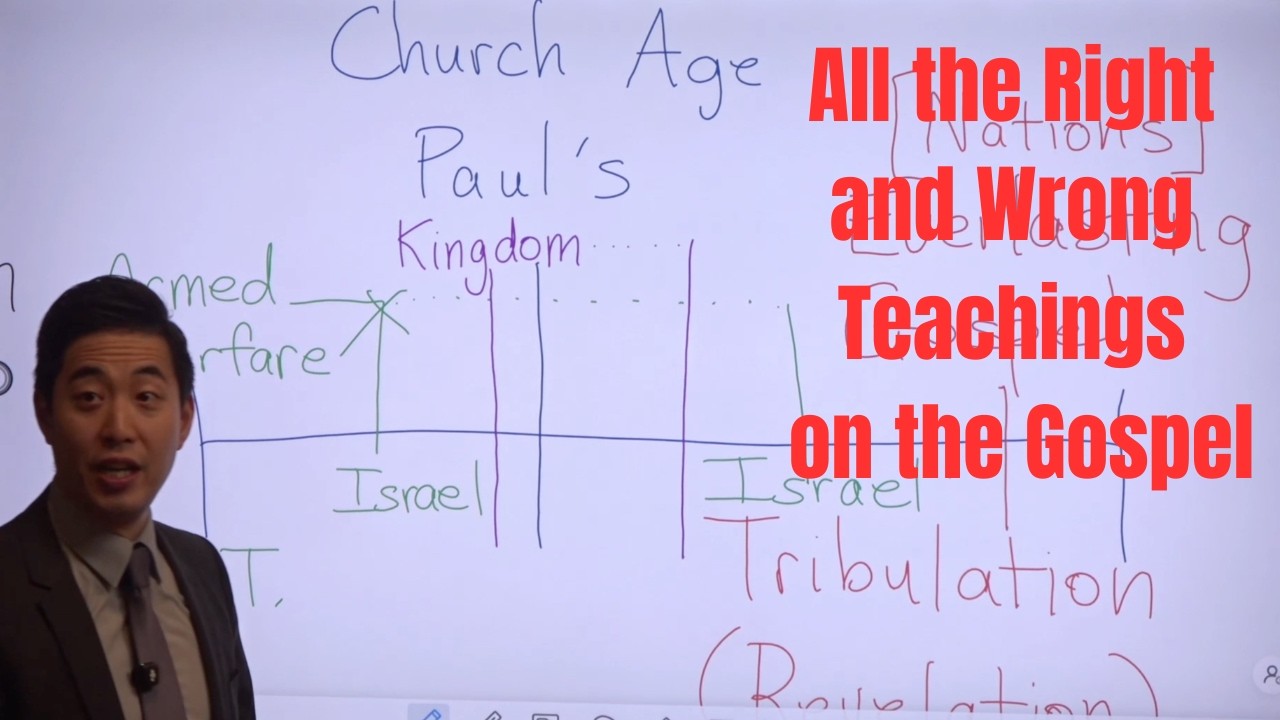
remember I mentioned that to you before what does that mean in other words you can take a verse from the Bible okay so let's take this as a verse all right that way it'll be easier so let's say uh
42:50
Speaker A
chapter 10 then here's verse one here's verse two here's verse three now what did I mention to you before about Messianic prophecies about the general Epistles when you look at the context of this verse [Applause] historically uh let me do a different
43:18
Speaker A
color that way it'll be less confusing okay all right historically when we look at it it might be referring to the nation of Israel right it might be referring to those first century Christians that the general Epistles authors were writing to
43:40
Speaker A
right it could be referring to uh what the Jews argued about the righteous servant it could be referring to David Etc so that's a historical which we agree with that is valid but in the middle of it right which we saw before
43:57
Speaker A
in the middle it could change it could change where the middle let me do blue that way it's less confusing middle it could be all of a sudden spiritual so look at this dispensationalism mentions the time period and group of people absolutely
44:21
Speaker A
correct that's so important and that's historical right that's very historical uh person and time we agree right the these two things that's very helpful can't the spiritual do the same as well obviously why BEC it should be more so
44:44
Speaker A
why BEC if because the holy spirit is not bound by time from God's perspective he could see multiple things going at once before uh we go to Ezekiel 28 let me uh put a bookmark here let me give an
45:02
Speaker A
example okay so I forgot this verse go to Exodus all right this is the verse that I use for to establish dispensationalism go to Exodus this is very important tetragramaton right who God is go to exus chapter 3 do we agree God has not bound my t
45:28
Speaker A
yes yeah nearly everyone okay I even unbelievers know Christians believe in that okay so pretty much everyone can agree God is not bound by time God is omnipresent that means he's he's always there no matter what time period in
45:43
Speaker A
other words everything is present tense to him he has no past tense or future tense why because uh God see this man is human we're frail we're Bound by by time we all die we all have a past we all are
46:01
Speaker A
bound by time periods no you can't jump time plane sorry that's not how it's going to work but God is not bound by that God is everywhere omnipresent so God could be here here here there there all at once do you understand that
46:25
Speaker A
now do you see this he can go to four different groups of people then or four time periods at once if he speaks when he speaks he could be speaking about three different time periods three different groups of
46:42
Speaker A
people why because he's God this is we're getting now to ontological arguments right here you so we're going through even intellectual levels this is indisputable indisputable when God speaks when he does something who he is he is I am that I am
47:06
Speaker A
so when we look at Exodus 3 verse 14 and God said unto Moses I am that I am and he said thus shalt thou say unto the children of Israel I am has sent me unto you I mean a great example is the Book
47:21
Speaker A
of John Jesus said before Abraham was I I am what did that mean he pointed out he always is present even though uh we're talking about back in the past of Abraham to Abraham it's a past but Jesus
47:40
Speaker A
always is God is always is okay now this makes a lot of sense EV pretty much everyone can agree so far that this will make sense now do you understand why when we looked at Psalm earlier that it can go it can jump different
48:05
Speaker A
time periods different groups of people it can talk about Israel the servant but then it can jump to Jesus the Messiah and back to Israel the servant now here's a uh here's another evidence that God talks this way when he talks you
48:19
Speaker A
know he doesn't put boundaries you know like okay this is that time period that group of people like that no he doesn't do that he just talks everything at once why do humans have to divide the verses we're Bound by time we're not I
48:34
Speaker A
am that I am we're not always is so look at uh Ezekiel 28 see Ezekiel 28 now check this out verse one the word of the Lord came unto came again unto me saying son of man say unto the prince of Tyrus thus
48:54
Speaker A
sayith the Lord because thine heart is lifted up and thou has said I am a God I sit in the seat of God in the midst of the Seas yet thou art a man and not God though thou set thine heart as the heart
49:04
Speaker A
of God now this is very easy can we agree that this is who is the Lord speaking to what time period is it in it's in the past God is speaking to a literal uh Prince of Tyrus during the timeline when Tyrus the
49:21
Speaker A
kingdom of Tyrus was still ongoing before its fall when Babylon uh crushed it to to Pieces all right we can all agree with that God is speaking to a human okay we all agree but look at this context here check this out man all
49:36
Speaker A
right see if God switches people and switches time period all of a sudden verse three behold Thou Art wiser than Daniel there is no secret that they can hide from thee uh maybe okay maybe Prince of Tyrus but then it's kind of
49:54
Speaker A
sound a little weird here right where we're thinking it might be a higher entity God is talking to but let's keep reading what are you going to do uh when you read uh verse 13 thou has been in Eden the Garden of
50:14
Speaker A
God okay no l uh no what are you talking about every precious stone was thy covering uh look at verse 14 Thou Art the anointed cherub all right that's very plain okay this ain't a regular Prince of Tyrus now
50:30
Speaker A
okay what's going on we know that's Satan that's pretty plain this is Satan in the garden of God why because and notice the time period has been jumped it's no longer at the time period of the nation of Tyrus before Babylon
50:49
Speaker A
destroyed it now it goes all the way back to the be in the beginning before Genesis 1 how about that talks about Satan's fall so notice different groups of people and different time periods were jumped how can God do that simple you
51:11
Speaker A
you want the answer this is so easy God was speaking to the king of Tyrus historically during the nation uh during the kingdom of Tyrus before Babylon destroyed it but he was also looking in the spirit of that king of Prince of
51:30
Speaker A
Tyrus and he saw Satan in there and he was speaking to Satan too right what does that mean that means when God's talking when he's look talking to a physical time period listen don't miss this out all right when he's
51:47
Speaker A
speaking in a physical time period or to a physical person he seeing something else spiritually and when see something else spiritually that could be a different time period and a different person did that open up Pandora's Box now to a lot of verses when you're going
52:07
Speaker A
to read and study I told you so I didn't make this up this is evidence right here from these verses from these verses this is very evident if you were to read these verses there is no doubt when God is
52:22
Speaker A
speaking to someone historically he's seeing something else in the spiritual playe that is very convincing there now the most easy one if you're still not convinced okay the most easy one is Matthew okay 16 go to Matthew 16 here's the most easy
52:44
Speaker A
one go to Matthew chapter 16 and then verse 23 all right who is Jesus speaking to see well he is speaking to flesh and blood Peter all right but no Jesus saw something else in the spirit and he was speaking to Satan look
53:04
Speaker A
at Matthew 1623 but he turned and said unto not Satan unto who Peter get thee behind me and he called him what Satan and you wonder why in The Book of Psalm God called one person uh David but then
53:22
Speaker A
or the S excuse me uh in the Old Testament when God talks about David then that then it switches to a different identity of a person oh that's made up no that ain't made up this makes absolute perfect sense
53:38
Speaker A
when you put that spiritual plane in there that's a spiritual reality that physical scientists are trying to get into see that that's why they play with uh you know theor uh theoretical physics and they get into that what CERN is
53:55
Speaker A
doing trying to find the beginning of Beginnings what's behind our current Dimension and see all that stuff that's what Mankind's trying to do why because there's a greater reality there compared to the smaller reality we live in and you don't think that this greater
54:13
Speaker A
reality the spiritual plane should not be abided upon should not be used very very important so now we see the spiritual plane it makes absolute sense Exodus 3 God said I am that I am right don't forget John 4 God is a
54:36
Speaker A
what see that if God is I am that I am he sees everything in his point of view present tense but he is also a spirit that's why that Spirit can access to any time period and put it as present
54:53
Speaker A
tense he can put it as hey I'm talking to to this Flesh and Blood person but I can be also talking about a different person too because I'm seeing something else in the spiritual realm all right here's extremely con uh an extremely fun
55:08
Speaker A
one go to Revelation 1 and 2 and I am past the time I I will uh I will uh I'm going to wrap it up that way I can come into part two nicely okay all right Revelation oh
55:26
Speaker A
it's so hard to understand the Book of Revelation a lot of uh there's a heresy called preterism and they say all this stuff happened already in the past in the first centuries no no and no okay if you read Revelation 6 that didn't happen
55:42
Speaker A
in the first century okay there were rocks falling out of the mountain and then the Kings they were scared of Jesus coming down and being present to judge them that didn't happen first century okay there's no doubt that's future time
55:56
Speaker A
period Tri ation okay but anyway Revelation look at this the the stumbling block is Revelation 2 and Revelation 3 all right notice who he's speaking to in Revelation 21 unto the angel of the Church of what Ephesus right okay ah so
56:18
Speaker A
historically he's speaking to a local church all right so the church that's us Christians verse two don't Christians apply that I Know Thy works and thy labor and thy patience and how thou c not bear them which are evil and thou
56:32
Speaker A
has tried them which say they are Apostles and are not and has found them Liars yeah that's why we don't believe the charismatic healing movement because of verse two we Christians apply that oh but we got a problem here what are we
56:45
Speaker A
going to do uh when we look at uh Revelation 2:7 verse 7 he that at the ear let him hear what the spirit saith unto the churches so he speaking to literal churches to him that overcometh will I
57:01
Speaker A
give to eat of the Tree of Life whoopsie I I thought it's believing in Jesus Christ for your salvation but here it says overcoming so we know and you've heard this before this book is called Revelation so common sense that's about
57:21
Speaker A
end times here okay so this is tribulation Doctrine the problem though is he said churches at chapter 2:1 so what's the solution if God can speak to someone historically at their time period and see something else going on in the spiritual realm at a different
57:43
Speaker A
person different time period why can't he do that with Revelation 2 you want the answer he historically he was speaking to local actual churches at that time but in the spirit he saw those tribulation Saints where they're going to have to overcome and work for
58:00
Speaker A
their salvation that's why there's a mingling of the text of Christian church doctrine with tribulation Doctrine and you don't think this spiritual application is important now do you want evidence that there's a spiritual basis for this verse one already told you the
58:20
Speaker A
answer unto the who unto the who not Church of Ephesus angel of the church you want more evidence look at uh John when he's speaking in verse 10 Revelation 1:0 Revelation 1:0 I was what in the spirit on the what this is a totally different
58:43
Speaker A
time period here he's in a spiritual plane he's speaking in the spirit you want more evidence I'll look at this one uh look at uh verse 20 verse 20 Revelation 1 120 The Mystery of the Seven Stars which thou sawest in my
58:59
Speaker A
right hand and the Seven golden candlesticks the Seven Stars are the Angels of the seven churches and the Seven candlesticks which thou sawest are the seven churches okay these seven candlesticks are the seven churches but hey now look at this look at this when
59:22
Speaker A
you jump down to Revelation chapter h uh let's see Revelation 5: 6 Revelation 5: 6 and I beheld and lo in the midst of the throne and of the four beasts and the midst of the elders stood the lamb
59:44
Speaker A
as it had been slain having seven horns and seven eyes which are the what okay look at this seven spirits sent forth into all the Earth why are there seven spirits where did they come from did you read
59:59
Speaker A
the context chapter 2 and three are seven churches and what did God say to each Church hear what the spirit saith unto the churches Church of Ephesus Church of smyna hear what the spirit saith unto the churches Church of thota hear what
60:17
Speaker A
the spirit sayth unto the churches Church of pergamus hear what the spirit saith unto the churches same thing with Sardis same thing with uh Philadelphia and Le why do you think there are seven spirits seven candlesticks are the seven
60:33
Speaker A
churches it's not literally seven seven churches are not literally seven candlesticks but spiritually they are that Candlestick that the Holy Spirit if he's that oil and that light it makes sense so there's a spiritual wording interpretation plane that's being conjoined with that
60:54
Speaker A
historical right churches that time we just scratch the surface wait till we get into the academic and Theological all right that should be more than convincing evidence that this that there these are scriptural proofs for Spiritual application and that helps contribut
61:12
Speaker A
immensely toward dispensational teaching and double application with General Epistles Messianic prophecies Etc father God I pray that tonight's teaching was a blessing to the hearers opened our eyes to the scriptures in Jesus name we pray amen and
Topics:Christian doctrinespiritual interpretationBible studyNew TestamentOld Testament prophecygeneral epistlesbiblical exegesisdispensationalismmessianic prophecyliteral interpretation

Get More with the SozAI App

Transcribe recordings, audio files, and YouTube videos — with AI summaries, speaker detection, and unlimited transcriptions.

Or transcribe another YouTube video here →