Skip to content

Roots of Dispensationalism (Part 3) | Dr. Gene Kim

Dr. Gene Kim explores the foundational principles of dispensationalism, focusing on key distinctions like Jew vs. Church and time period relevance.

Key Takeaways

  • Distinguishing between Jew and Church is fundamental in dispensationalism.
  • Physical national and spiritual distinctions clarify complex doctrines like animal sacrifices in the Millennium.
  • Understanding the context of time periods and groups is essential for correct biblical interpretation.
  • Avoid hyper-dispensationalism and improper division of scripture.
  • Mastery and application of basic principles are crucial for grasping advanced dispensational doctrines.

What the video covers

  • The video teaches root ideologies and rudimentary principles underlying dispensationalism to help both new and advanced learners.
  • Emphasizes the importance of distinguishing between Jews and the Church to correctly interpret doctrines.
  • Explains the difference between physical national workings (Israel) and spiritual workings (Church) with examples like Millennial animal sacrifices.
  • Highlights the need to understand different time periods and groups of people when interpreting Bible verses.
  • Warns against hyper-dispensationalism and misapplication of scripture, especially the misuse of New Testament writings.
  • Encourages majoring in basics and applying rudimentary principles rather than just knowing them.
  • Addresses common confusions about doctrines by applying root methods to complex teachings.
  • Advises caution against grace churches and mid-Acts churches, labeling them as heretical from a dispensational perspective.
  • Stresses the importance of doctrinal application of scripture based on correct group and time period identification.
  • Encourages note-taking and repeated review of basic principles for deeper understanding.

Answers

Questions about this video

What is the main root principle of dispensationalism discussed in this video?

The main root principle discussed is the distinction between the Jew and the Church, which helps explain why doctrines are applied differently to these groups.

Why are animal sacrifices mentioned as being restored in the Millennium?

Animal sacrifices in the Millennium relate to the physical national restoration of Israel, not individual forgiveness, which is already covered by Jesus' sacrifice.

What caution does Dr. Gene Kim give about interpreting scripture?

He cautions against hyper-dispensationalism and misapplying scripture by not considering the correct time period and group, warning especially against grace and mid-Acts churches.

Full Transcript — Download SRT & Markdown

00:00
Speaker A
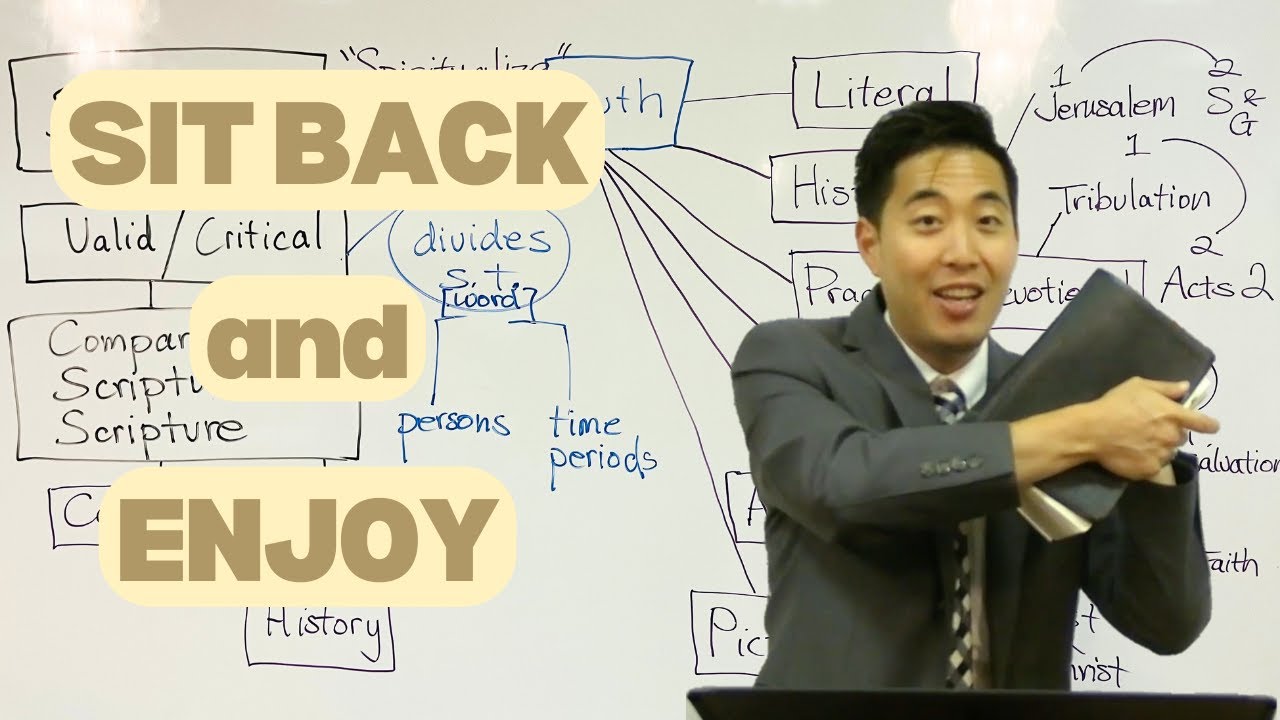
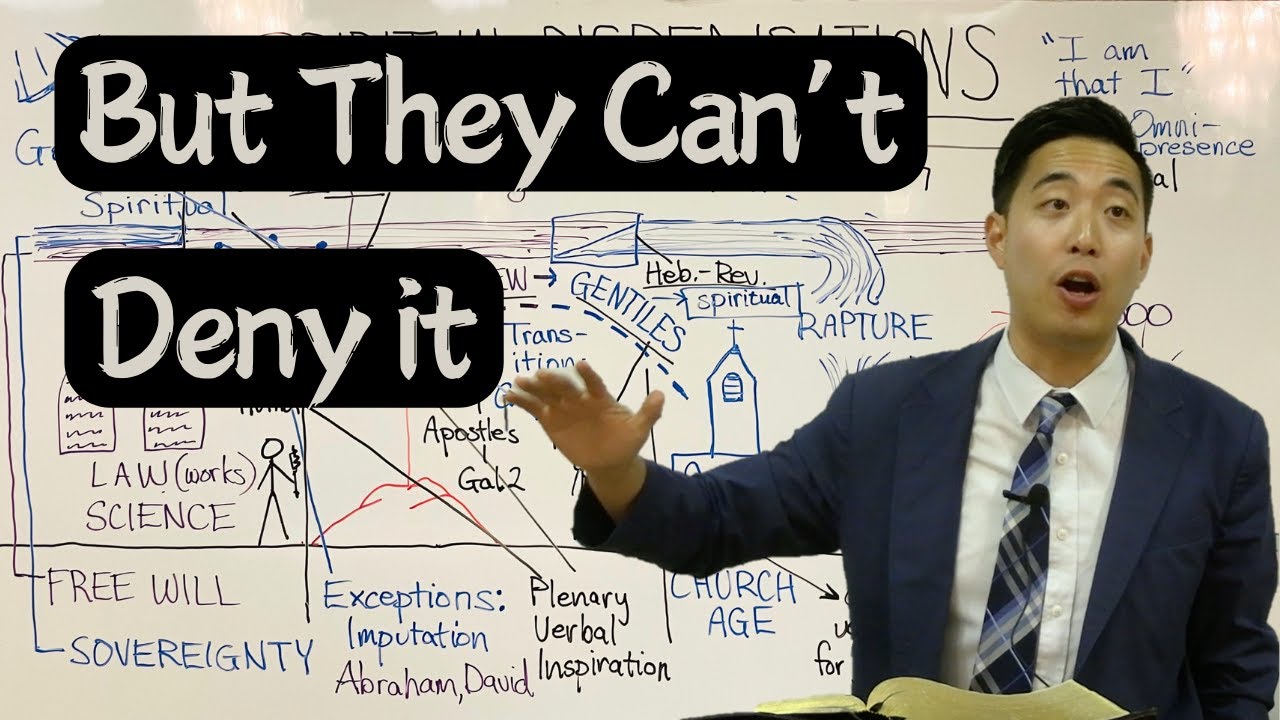
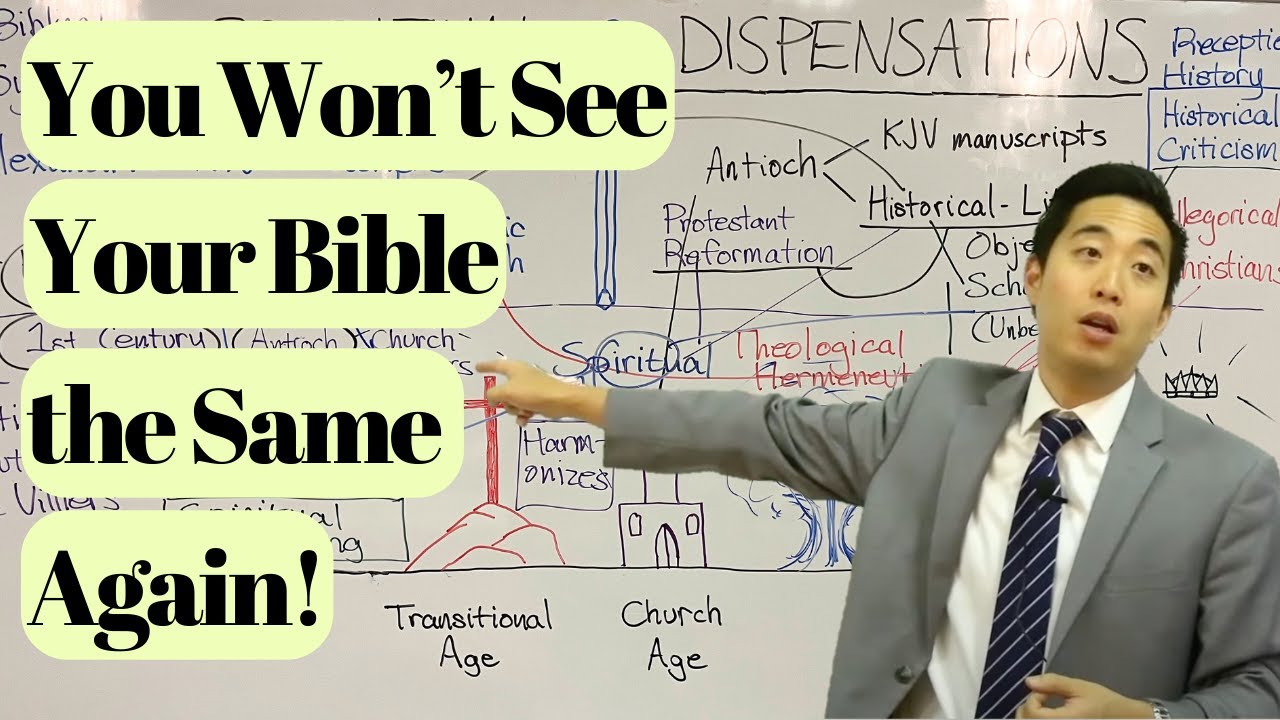
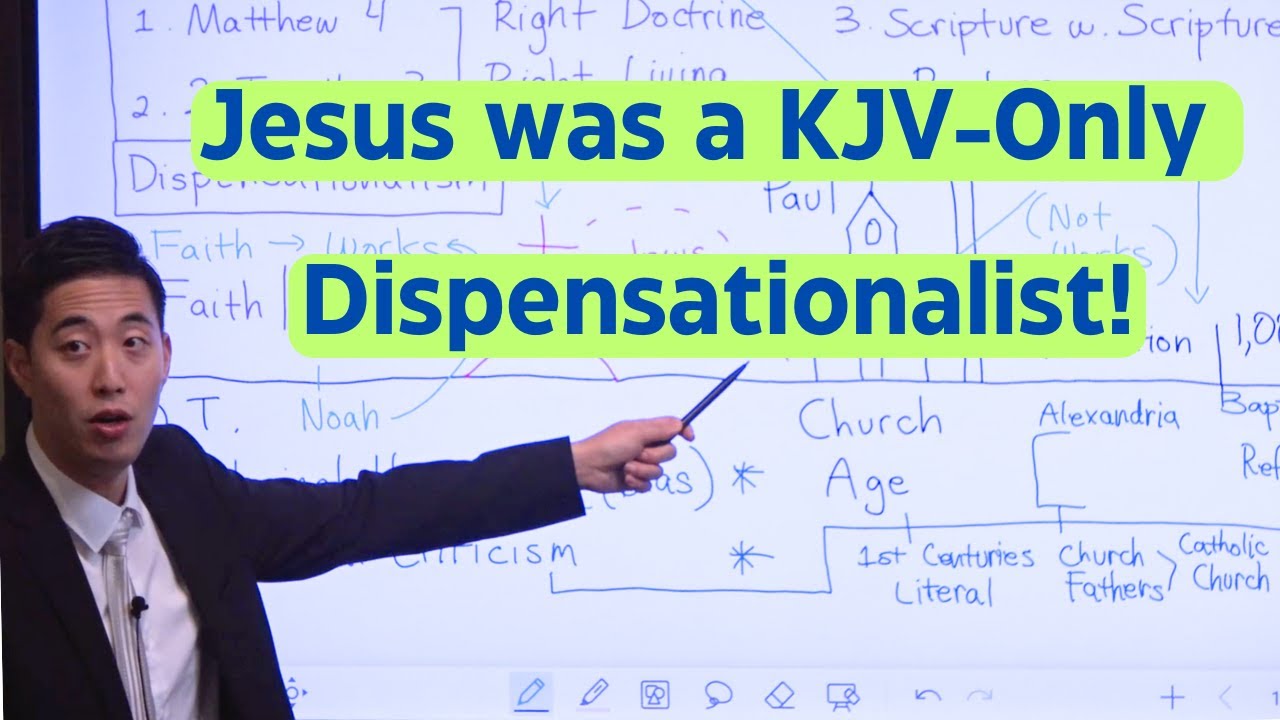
From what you recall, I've been going through the roots of dispensationalism. In other words, what we're trying to do is go through the teachings of dispensationalism and give you root ideologies, some root methods that underlie everything of what we teach in dispensationalism. If you know these methods, what's going to happen is it's going to be like a root that will help you understand all the other complicated doctrines of dispensationalism. Because we're studying root methods, that means we're studying rudimentary principles, rudimentary ideas, rudimentary teachings within dispensationalism. That means it will also be understandable for first-time listeners. There's going to be a good portion that might be over their heads, but if they know at least this rudimentary concept, then when they start to study the deeper concepts later on by themselves, it's going to connect, it's going to click. There were some people who told me who are already advanced in dispensationalism that these rudimentary, these root methods are already helping them with their other advanced doctrines of dispensationalism, which is why I am teaching this lesson to meet up the demographic of both people who are new to this teaching and those who are used or advanced in this teaching. So that's why I am giving lessons on the roots of dispensationalism. And the next part that I'd like to cover is if we go to Second Timothy chapter 3, Second Timothy chapter 3, let's go through, uh, let's review the three root or rudimentary methods and principles of dispensationalism that have been helpful for all of you so far. One, distinguish between the Jew and the church. That is extremely important, right? Even John MacArthur believes in that. That's how basic it is: Jew and church. When you understand this distinction, that makes sense why we divide so many doctrines differently to Jews and differently to Christians. We don't combine verses all together. We don't apply Jewish verses to the Christian church because we understand this basic distinction of Jew and church. Understanding the difference of Jew and church opens up a whole other, whole, uh, it opens up the gateway to a whole other, uh, understanding with other complicated doctrines, understanding the distinction of physical national workings versus spiritual workings. So let me give an example here. All right, now I don't want to go back to the past, but sometimes it bears repetition because sometimes we still don't get it right. So please, some of the things I'm hammering down, if you still didn't click within your minds, write it down. But here's a complicated doctrine: the Bible teaches that in the Millennium, there will be animal sacrifices restored. Now, that seems to be very wrong, wrong because the sacrifice of Jesus Christ should have done away all the animal sacrifices, correct? So then why are animal sacrifices being repeated if we no longer need forgiveness of sins from the blood of animals when we have the blood of Jesus Christ? Again, the root or rudimentary principle of physical national working Jew versus spiritual working church would have helped you. Okay, apply the physical national perspective versus the spiritual perspective. Notice that the confusion lies because you're applying everything to the Christian church, a spiritual perspective. Why do I re- why are we doing animal sacrifices again if I already receive forgiveness of sins by the sacrifice of Jesus Christ? Uh, that's a spiritual application you're making for your sins, for your salvation. All of that is spiritual. But what about the nation of Israel? They're being restored during the Millennium, right? So as a part of their national restoration, the animal sacrifices are done not for the forgiveness of people's sins because that's already been covered by the blood of Christ for every individual. We're talking about a nation here, a nation, the whole restoration of the country of Israel. And because of that, that's why they have to give animal sacrifices for the national forgiveness of sins, not an individual. Every individual sin is being forgiven and cleansed by the blood. That's not what it is. It's animal sacrifices because animal sacrifices is a part of their nation. That's a part of an Israelite practice. It's a covenant between God and Israel. See that? Now notice that would have helped so many Bible believers who are already advanced in dispensationalism if they recalled the basics. But see, we don't really know our basics that well. Philosophers who are known to be very smart, they always harped on knowing the basics. That's how they know complex, uh, knowledge in the future. See, if you want to know complex doctrine in dispensationalism, you need to major in basics, not just know. The problem with Bible believers is that we say that we know, but the thing is it's not just knowing, it's actually applying it. It's actually majoring it that you know how to apply that basic concept. So notice that from knowing a physical national, uh, physical national working of Israel, if we applied that rudimentary principle to a complex doctrine like animal sacrifices being repeated again in the Millennium, that would have helped us a lot. Now, do we understand so far? Okay, so that's why I'm hammering this. You need to know your rudimentary, uh, principles. I never did this before. It was indicated throughout my past teachings, but I didn't really hammer it as much. So this is your chance to write down anything that you miss out. Now, the second rudimentary method that I taught you is to always know the distinction when things are different. That means they're not the same. So you should divide what are the two ways that you can divide it? Look at who the person is and what time period it's in. Usually, when you read verses and they don't seem to make sense to you as a Christian, to your Christian doctrine, then think about the possibility, I'm wondering if it's to a different person or a different time period. And then I showed you in our previous lesson the different time periods, the different groups of people. If you wrote all that down, then it would have been helpful for you in the future if you come across a verse that doesn't seem to apply to a Christian and you're like, okay, maybe will it apply to a different person, different time period? Yeah, so start to do that with those different groups of people, different time periods that I gave to you in our last lesson. Now, remember the danger, however, I shown you the balance of that too. So you got to be very careful. I've shown you the balance that not all the time can you easily divide verses to different groups, to different time periods because there's an extreme or a hyper form of dispensationalism where they actually only apply 12 writings in the New Testament written by Paul to Christian doctrine and every other book in the Bible they don't apply to themselves. Now, that's a hyper form. You want to avoid that. Now, how do we know other verses in other books of the Bible can apply to us? Very simple. If you already know the time period and the group of people, then you know which verses in other books of the Bible can apply to you. So if you find out which verses fit with your group of people, which verses fit with your time period, then any other verse you find in the Bible that fits in that can doctrinally apply to you. And I mean doctrinally, not just practically or devotionally. I mean doctrinally. Now, that's why you have to avoid mid-Acts churches or grace churches. Now, so many people who open their eyes to dispensationalism from our teachings, I just don't understand why they keep falling for grace churches or mid-Acts churches when I warned them a thousand times to avoid them. All right, so if you fall into their heresy, that's on you. That's not my fault. That's your fault. I've warned the people in this church a billion times. The only thing that can click in my mind why you would fall for it is one, you weren't really paying attention, or two, there's a seducing wrong doctrine can seduce you because you're so used to the doctrine of dis-
00:23
Speaker A
dispensationalism if you know these methods what's going to happen it's going to be like a root that will help you understand all the other complicated doctrines of dispensationalism because we're studying root methods that means we're studying rudimentary principles
00:47
Speaker A
rudimentary ideas rudimentary teachings with dispensationalism that means it will also be understandable for firsttime listeners there's going to be a good portion that might be over their heads but if they know at least this rudimentary concept then when they start
01:11
Speaker A
to study the deeper Concepts later on by themselves it's going to connect it's going to click there were some people who told me who are already advanced in dispensationalism that these rudimentary these root methods are already help helping them with their
01:32
Speaker A
other Advanced doctrines of dispensationalism which is why I am teaching this lesson to meet up the demographic of both people who are new to this teaching and those who are used or advanced in this teaching so that's why I am giving lessons on the roots of
01:55
Speaker A
dispensationalism and the next part that I'd like to cover is if we go to Second Timothy chapter 3 second Timothy chapter 3 let's go through uh let's review the three root or rudimentary methods and principles of dispensationalism that
02:19
Speaker A
have been helpful for all of you so far one disting uh distinguish between the Jew and the church that is extremely important right even John MacArthur believes in that that's how basic it is Jew and church when you
02:40
Speaker A
understand this distinction that makes sense it why we divide so many doctrines differently to Jews and differently to Christians we don't combine verses all together we don't apply Jewish verses to the Christian church because we understand this basic dis distinction of
03:00
Speaker A
Jew and church understanding the difference of Jew and church opens up a whole other whole uh it opens up the gateway to a whole other uh understanding with other complicated doctrines understanding the distinction of physical National workings versus spiritual workings so
03:26
Speaker A
let me give an example here all right now I don't want to go back to the past but sometimes it Bears repetition because sometimes we still don't get it right so please some of the things I'm hammering down if you still didn't click
03:43
Speaker A
uh within your minds write it down but here's a complicated Doctrine the Bible teaches that in the Millennium that there will be animal sacrifices restored now that seems to be very wrong wrong because the sacrifice of Jesus Christ should have done away all the
04:05
Speaker A
animal sacrifices correct so then why are animal sacrifices being repeated if we no longer need forgiveness of sins from the blood of animals when we have the blood of Jesus Christ again the root or rudimentary principle of physical National working
04:28
Speaker A
Jew versus spiritual working Church would have helped you okay apply the physical National perspective versus the spiritual perspective notice that the confusion lies because you're applying everything to the Christian Church a spiritual perspective why do I re why are we doing
04:51
Speaker A
animal sacrifices again if I already receive forgiveness of sins by the sacrifice of Jesus Christ uh that's a spiritual application you're making for your sins for your salvation all of that is spiritual but what about the nation of
05:10
Speaker A
Israel they're being restored during the Millennium right so as a part of their National restoration the animal sacrifices are done not for the Forgiveness of people's sins because that's already been covered by the blood of Christ for every individual we're
05:31
Speaker A
talking about a nation here a nation the whole restoration of the country of Israel and because of that that's why they have to give animal sacrifices for the national forgiveness of sins not an individual every individual sins being
05:53
Speaker A
forgiven and cleansed by the blood that's not what it is it's animal sacrifices because animal sacrific es is a part of their Nation that's a part of an Israelite practice it's a covenant between God and Israel see that now notice that would
06:11
Speaker A
have helped so many Bible believers who are already advanced in dispensationalism if they recalled the basics but see we don't really know our Basics that well philosophers who are known to be very smart they always harped on knowing
06:30
Speaker A
the basics that's how they know complex uh knowledge in the future see if you want to know complex Doctrine in dispensationalism you need to major in Basics not just know the problem with Bible Believers is that we say that we
06:47
Speaker A
know but the thing is it's not just knowing it's actually applying it it's actually majoring it that you know how to apply that basic concept so notice that from knowing a physical national uh physical National working of Israel if we
07:08
Speaker A
applied that rudimentary principle to a complex Doctrine like animal sacrifices being repeated again in the Millennium that would have helped us a lot now do we understand so far okay so that's why I'm hammering this you need to know your
07:26
Speaker A
rudimentary uh principles I never did this before it was indicated throughout my past teachings but I didn't really hammer it as much so this is your chance to write down anything that you miss out now the second rudimentary method that I
07:42
Speaker A
taught you is to always know the distinction when things are different that means they're not the same so you should divide what are the two ways that you can divide it look at who the person is and what
08:01
Speaker A
time period it's in usually when you read verses and they don't seem to make sense to you as a Christian to your Christian doctrine then think about the possibility I'm wondering if it's to a different person or a different time
08:18
Speaker A
period and then I showed you in our previous lesson the different time periods the different groups of people if you wrote all that down then it would have been helpful for you in the future if you come across a verse that doesn't
08:33
Speaker A
seem to apply to a Christian and you're like okay maybe will it apply to a different person different time period yeah so start to do that with those different groups of people different time periods that I gave to you in our
08:46
Speaker A
last lesson now remember the danger however I shown you the balance of that too so you got to be very careful I've shown you the balance that not all the time can you easily divide verses to different groups to different time periods because
09:05
Speaker A
there's an extreme or an hyper form of dispensationalism where they actually only apply 12 writings in the New Testament written by Paul to Christian doctrine and every other book in the Bible they don't apply to themselves now that's a hyper form you want to avoid
09:25
Speaker A
that now how do we know other verses in other books of the Bible can apply to us very simple if you already know the time period and the group of people then you know which verses in other books of the
09:40
Speaker A
Bible can apply to you so if you find out which verses fit with your group of people which verses fit with your time period Then any other verse you find in the Bible that fits in that can doctrinally app apply to you and I mean
10:02
Speaker A
doctrinally not just practically or devotionally I mean doctrinally now that's why you have to avoid midax churches or Grace churches now so many people who open their eyes to dispensationalism from our teachings I just don't understand why they keep
10:21
Speaker A
falling for Grace churches or Mida churches when I warned them a thousand times to avoid them all right so if you fall into their heresy that's on you that's not my fault that's your fault I've warned the people in this church a
10:37
Speaker A
billion times the only thing that can click in my mind why you would fall for it is one you weren't really paying attention or two there's a sedu uh wrong Doctrine can seduce you because you're so used to the
10:53
Speaker A
doctrine of dispensationalism rather than right Doctrine now what do I mean by that if you believe in right Doctrine you'll believe in dispensationalism it doesn't mean if you believe in dispensationalism you'll believe in right Doctrine and was that
11:10
Speaker A
way over your heads what do I mean by that what I mean is we don't believe in dispensationalism because it's dispensationalism we believe in right Doctrine and it just so happens dispensationalism fits with right Doctrine that's why we believe in
11:27
Speaker A
that but if you believe in dis ationalism rather than right Doctrine see there's a danger then you can be hyper in dispensationalism duh so you have to be careful of that so don't believe uh in some doctrinal name
11:45
Speaker A
believe in right Doctrine first that's the importance okay now the third root method and rudimentary principle is historical grammatical historical grammatical now what do you mean by that so now there are two methods that I'm going to teach you to make it very
12:09
Speaker A
basic and believe it or not this connects a lot with our Bible version controversy as well this weeds out a lot with Bible Believers and other Christian churches you're going to notice so the two approaches are historical grammatical and the second one is
12:28
Speaker A
allegorical spiritual now this is even speaking from a theological perspective all theologians know about these two basic principles even the Catholic church so I'm speaking to you from an academic standpoint or a theological standpoint okay I've studied their books
12:46
Speaker A
I've even taken their classes so I'm not making stuff up if you think I'm making stuff up then all you have to do is look it up yourself some of these terms okay now what is the distinction between the
12:59
Speaker A
two historical grammatical believes in every word literally every word literally and they also think from the P perspective of that historical time period what did the author intend what was the author's intention what did they have in mind when they were writing down
13:21
Speaker A
the words so they're trying to think from the author's historical point of view and every word that he writes down the allegorical spiritual is more so when you look at the Bible verses you don't interpret them literally what you do is that you uh
13:42
Speaker A
interpret them metaphorically now you notice that that's a very loose form of interpretation and that's very dangerous the reason why that's very dangerous is because basically you can make up whatever doctrine that you want hasn't haven't hasn't there been cult coming up
14:00
Speaker A
with strange weird doctrines because they stretched Bible verses the easiest example is Jehovah's Witnesses pretty much all Christian denominations even the Catholic Church will agree that they're a weird cultic form form of group and they're infamously known for
14:17
Speaker A
taking bible verses to prove their false Doctrine but stretching the verses why because they always uh give a figurative interpretation now where did that come from that came from the alexandrians so a lot of people who don't know church history should know
14:36
Speaker A
church history church history teaches us believe it or not that in the first centuries now this is even recognized by Bart ir and by liberal Scholars okay even they know this even the conservative theologians first centuries you know
14:53
Speaker A
what their form of interpretation was in the Bible literal historical it wasn't allegorical it's not allegorical they won't try to tell you when you look at a verse in the Bible well what this verse really means they don't interpret it
15:11
Speaker A
that way they don't try to dig up uh Hebrew and Greek lexicons or quotations from church fathers and Scholars or uh other historical sources to tell you what the verse really means they don't they weren't doing it that way what they
15:28
Speaker A
did was hey the verse literally says this so it means as it says that's what they interpret it in the first centuries but you notice that today's uh theologians and ministers see there's a lot of pride in them they
15:44
Speaker A
think they're educated so they think that they can interpret the Bible rather letting God interpret the Bible himself if you want the right interpretation from the verse let God speak to you rather than you speaking for God now you notice historical sources Church
16:02
Speaker A
fathers Greek Hebrew lexicons dictionaries those are all manmade knowledge and sources that's not God speaking that's the the you're allowing men speaking all right so you have to be very wary of that now why were alexandrians doing this later on the
16:23
Speaker A
allegorical spiritual interpretation first centuries of the church they always practiced historical grammatical but then the alexandrians came to the scene and they came out later than the first century church and they started to take Bible verses which came from Antioch so the
16:43
Speaker A
King James Bible came from a line of manuscripts which we call the traditional texts and it came from Byzantine which originated from Antioch Syria where the disciples were first called Christians it is known by historical Scholars and church and
17:00
Speaker A
churches that the first century churches were in Antioch and they were in Jerusalem papy manuscripts which is the oldest form of manuscripts they come from Alexandria which is why modern Bible versions go by uh Alexandria manuscripts because they assume they're
17:19
Speaker A
older because they're papy see papy is the oldest form of manuscript but if you look at uh J Elden EP who's from Harvard and a lot of other Scholars they'll teach you that papii was a very common form of manuscript that they use for
17:34
Speaker A
communication and writing letters in Jerusalem and Antioch not just Alexandria so it was spreading out everywhere well why did Alexandria end up with the oldest manuscripts then not not Antioch not Jerusalem it's very simple because alexandrians were known
17:53
Speaker A
for collecting manuscripts so Scholars will tell you Maurice Robinson JL denp and a lot of of other these are Professionals in manuscript evidence okay I'm giving you names and I'm giving you some terms here okay so you can look
18:07
Speaker A
it up yourselves but they believe that the alexandrian manuscripts believe it or not for some people who don't know is that the papy manuscripts do not support the alexandrian or what they call or what they refer to as the B text that
18:26
Speaker A
the modern Bible versions consisted of they actually teach that Papi if you look at them holistically and honestly not pick and choose that support B text it's actually mixed readings they found papy readings that support our traditional text for the
18:44
Speaker A
King James Bible for example there are several examples of that Edward F Hills who's another scholar from Harvard wrote a book called believing Bible study and he even pointed out some papy readings that supported our uh KJV readings that
18:59
Speaker A
the modern Bible versions don't have so if you look at Pap what am I talking blah blah blah okay good all right so I'm saying all this to prove a point okay I'm not saying all this out of
19:12
Speaker A
ignorance okay that's why I gave all these intricate de details I'm sorry all right so I just bored you let's go back okay forget all that okay all right but no so far I didn't make all this up
19:24
Speaker A
right okay so I know okay if you to ask me questions after this I can bore B you to death for 3 hours okay problem is people are not eager for the truth and they don't want to ask or search right
19:37
Speaker A
so unfortunately that's the case but anyway okay so you notice two streams here so far that's the whole bottom line okay but notice that this does have to do with our KJV mentality too a KJV mentality traditional text came from a
19:55
Speaker A
mindset that is not alexandrian and Alexandri manuscript they took these manuscripts and then they inserted their own interpretation now that's undeniable proof because origin who's the king of uh textual criticism during the early church history even admitted that okay
20:15
Speaker A
he even admitted that there's a famous quote from him where he mourned about scribes inserting whatever interpretation they wanted in the text okay and he's from where alexandrian region should speak volumes but anyway okay I digress I digress I digress
20:35
Speaker A
okay so the alexandrians notice that their mentality is to not listen not take the words correctly as it says they use their own knowledge to correct the words they they correct the words of God because they think that
20:55
Speaker A
they're helping out God and they can find out the correct words for God for him okay that's a dangerous mentality when you try to correct the words of God that's why modern Bible versions came out because their job as they keep
21:12
Speaker A
claiming is to restore the originals go back to the originals help out God try to re find the real words of God you already have 400 plus modern versions no you're not helping us okay you're still not there
21:27
Speaker A
yet so you notice right here that they'll NE that they don't believe that they have the perfect words of God they'll always corrected till the day they die now that should be dangerous to you if you live your whole Christian Life
21:44
Speaker A
think about it live your whole Christian Life correcting the word of God can you picture your Christian life being fruitful successful that way see notice that this KJV mentality is not just a knowledge thing this is your everyday living and
22:03
Speaker A
practice okay so man I might split this to part two okay so this uh KJV mentality is something that is tied to the first centuries of the church where we believe every word to be perfect and that's how we're going to live by them
22:26
Speaker A
every word now what what is Doctrine what does doctrine mean Doctrine means a right teaching that you live by Doctrine is your manner of living from a right teaching okay if that's what Doctrine means then don't you think believing
22:47
Speaker A
every word to be perfect is important for you to live by amen now if you don't think so go to Matthew 4 now your hand is say 2 Timothy 3 but go to Matthew 4 if you don't believe every word of God
23:04
Speaker A
to be perfect then how can you live your Christian Life successfully you can't notice that Jesus knew to confront Satan to get Victory against Satan he needs every word of God to be perfect to live by so in other words if you don't have
23:25
Speaker A
every word of God to live by if you don't have that in your life then the devil's going to get you that's how he deceives a lot of people with wrong Doctrine do you understand because I promise you this a lot of
23:41
Speaker A
these people who believe in wrong doctrines there's a good number of them who don't believe every word of God to be perfect okay that is extremely important now notice what makes us KJV here is not because we're KJV listen if God chose
23:58
Speaker A
NIV then we'll do NIV if God chose ESV we'll do ESV I don't care go to the Greek go to the Hebrew whatever what go whatever God picked what the the point is though we want every word of God to
24:13
Speaker A
be perfect now you tell me which Bible fits that bill and don't say original because what is the original then don't say original you made that up what is original is it is it Texas receptus is it elzeer is it stepanus is it Bea is it
24:33
Speaker A
uh westcot and Hort is it caticus vaticanus is it there's a billion there's a billion Greek texts that call themselves Greek texts that claim that they restor The Originals don't give me that Scholars don't even believe they have the originals in their hand
24:52
Speaker A
okay tell me which word of God is perfect you don't have one do you then I'll tell you how you can find every word of God to be perfect to those theologians to those Scholars the word of God that's correct in your mind that
25:09
Speaker A
you pick and you deem to be correct when you read the Bible when you look at other dictionaries or other preachers you listen to Theologian Scholars church history Greek Hebrew interpretations dangerous then your God is you not God
25:26
Speaker A
himself so Matthew chapter 4 and verse 4 the Bible says but he answered and said it is written now this is Jesus speaking man shall not live by bread alone but by what is that what Jesus said Jesus
25:46
Speaker A
demanded every word to live by if you don't have every single word here that you can live by the devil can get you then after all hey if you don't if you doubt me read the context 2 3 4 5 how can
26:06
Speaker A
Jesus successfully confront the devil every word of God how do I know that he quoted scripture every time see Jesus was a Bible believer believing every word to be perfect he wasn't a scholar inserting his own interpretation Now isn't it interesting
26:25
Speaker A
did you notice when Jesus quoted scripture he quoted scripture yeah he didn't insert his own interpretation okay now second Timothy 3 your hands over there notice how you get right Doctrine when you have every word of God that is Spirit in uh
26:48
Speaker A
that is breathed by the spirit notice 2 Timothy 3:16 some scripture is given by inspiration of God did I read that correctly most scripture is given by inspiration of God did I read that correctly did it say all did God means what he says or do we
27:11
Speaker A
have to explain what he really means when we and dig up Church fathers dig up other theologians what he really means by all scripture or does he mean what he says all scripture all scripture is given by inspiration of God what does inspiration
27:30
Speaker A
mean that means Spirit breathing God breathed God breathed so do you believe every word that you have in your scripture do you have everything in the scripture that is God breathe amen that the spirit breathed into if you believe
27:49
Speaker A
in that notice right here what can happen and is profitable For What doctrine do you see how important that is okay what what does this have to do with dispensationalism the KJV mentality the mentality is this if you're going to find right Doctrine and
28:10
Speaker A
you're going to find out a lot of it is dispensational how you find right Doctrine is believing every word to be perfect that's a root method that's why we end up being dispensational but you'll notice a lot of other teachings uh there's a opponent
28:28
Speaker A
onent Camp of dispensationalism which is called covenant theology which is mostly a presbyterian calvinist Branch right here what they believe is they divide three covenants uh to make it simplistic I'll just simply say two but they'll have three covenants right here and they'll
28:45
Speaker A
have what they call a covenant of works and then they'll also have Covenant of redemption and Covenant of Grace dispensationalist however they'll divide it to seven to eight covenants and the reason why is because dispensationalists they see so many
29:01
Speaker A
differences in the Bible so they'll ending so they'll end up dividing the doctrines in the Bible to different time periods different groups of people they won't apply at all to the Christian the Calvinists they'll just simply think from a perspective of Old Testament New
29:20
Speaker A
Testament that's it but it's more than that what they're going to find out is there are differences in the Old Testament and there are differences in the new Testament now I'm not going to get into all of that okay uh because I
29:32
Speaker A
got to get back to the point here okay so the bottom line though I'm giving you all of this I hope that my intricate details are not boring you but giving you a uh better understanding of why this root method is important okay what
29:49
Speaker A
makes us believe in dispensationalism especially a KJV mentality the distinction is that we believe every word of God is perfect so when there are verses in the Bible that seem to be different we don't care if these two
30:06
Speaker A
verses are in the New Testament if these two verses are very different from each other we don't hesitate to divide them to a different group of people different time period however Calvinists will hesitate and they're going to say no this we
30:22
Speaker A
can't do that so if there are two verses in the New Testament that are different we're going going to insist that they apply to us the Christian church that's why you're going to notice the calvinist church they believe in a form of
30:36
Speaker A
replacement theology okay so they believe that the promises given to Israel that now that the church has replaced it all right now not all Calvin Calvinists are that way and believe it or not there's a good number of
30:52
Speaker A
Calvinists who are dispensational because dispensationalism is just so strong in evidence in scriptural evidence but anyway uh the mainstream Calvinists they go by the anti-d dispensational system called covenant theology albeit that's the case so anyway so Calvinists they can't see it
31:14
Speaker A
that way the differences they have to apply every verse to a Christian so then what they'll do then is even though the verses say differently how are they going to apply it to a Christian theological semantics so they call it theological
31:32
Speaker A
hermeneutics so theological hermeneutics uh Pastor is that some term you made up no no believe it or not this is a real term they call it theological hermeneutics I didn't make it up you might as well say dispensational
31:56
Speaker A
hermeneutics and then the theologians accuse me of being biased now notice this is already a biased form of interpretation that you should all avoid like a 10-ft pole what does that mean that means it's uh the interpret the interpretive view
32:13
Speaker A
of theologians okay that's why it's a red flag to you because you can pick and choose theologians okay so that's not a good way to go now theological hermeneutics is a real branch that was formed it was birthed from the
32:31
Speaker A
alexandrians with their allegorical interpretations now the reason why the alexandrians used allegorical is because they were smart guys they were educated so they thought that they can correct the Bible they can find the right meanings or writes uh quotes and they
32:45
Speaker A
can help out God so then that's the reason why origin was so frustrated because there were so many smart scribes thinking that they got the correct interpretation and here's the smartest guy of all origin who accused them all
32:58
Speaker A
of making up their own interpretation so he made up his own interpretation you see that that that's just Wicked okay you don't go by Scholars all right why how do I know that because I studied like the scholars
33:13
Speaker A
it's a NeverEnding cycle okay that's what it is you might as well just admit you're dumb you're stupid and go back to the authority God and everything is safe from there okay now theological hermeneutics it was birthed from that
33:27
Speaker A
that was the dominant system of interpretation from the Catholic church now do you understand why the people were enslaved by the priests and they said only the priests can interpret the Bible rightly because that was birth from alexandrians to church fathers
33:43
Speaker A
which later led to a nickan mindset of church hierarchy then it became priests popes and Bishops because these people can interpret the Bible well but the people what do they know do you understand why the Catholic Church didn't want them to have a Bible for
34:01
Speaker A
them to read and understand because then they can see the Bible for themselves and correct their religious Scholars their religious leaders see that but then what happened Martin Luther came to the scene he argued Solas scriptor he believed in a
34:23
Speaker A
literal form of interpretation and he referred to the church Fathers as Church babies believe it or not so because of that he believed in understanding every word literally because of that mindset it broke the power of the Catholic church
34:43
Speaker A
and the people started to independently think for themselves independently study the scriptures however as you know Martin Luther and John Calvin they were Calvinists and they didn't really break off from the Catholic Church they just simp simply wanted to reform the
34:59
Speaker A
Catholic Church meaning see that they still were tied to a Catholic system in some way they still had that that's the reason why their interpretation of the scripture wasn't like us Baptist us Baptists go all the way back to what we
35:19
Speaker A
call Baptist distinctives we don't have a movement called Baptist okay if you want to go to the term Baptist it would probably go back to I I think his name was John SMI I think that was his name
35:30
Speaker A
where he officially used the term Baptist but then if you go further back the Baptist distinctives it will go back to anabaptist it will go back to wenin it will go back to the vdas and vdas guess what Bible they had in their
35:46
Speaker A
hand that rival the oldest manuscripts of your modern Bible versions of the alexandrians the vdas had the old Latin old Latin was traditional text where King James came from foras were they Bible believers they believed every word of God so much so
36:06
Speaker A
they memorized verses chapters and books of the Bible inquisitors were shocked when they were torturing some of the vdis or weni that can you imagine the conscience of that Inquisitor when he was writing down cuz he had to he wrote
36:23
Speaker A
down that while I was torturing this one VD or this one wall D he quoted the whole book of the Bible right here that's something wow that's our Baptist history this is why we choose Baptist because of our history right
36:41
Speaker A
here of a notice a Bible believing mindset every word of God to be perfect that's how our doctrines are birthed from see that but Luther and Calvin we know them to be Scholars Luther was educated by the Catholic Church so was John Calvin John
36:59
Speaker A
Calvin graduated from the same University guess what with who the one who founded the Jesuit order Ignatius deola they were actually alumni buddies okay for some of you who didn't realize that so because of that we there's a red
37:19
Speaker A
flag with these guys but these guys at least they had the Open Eye mindset to be more Protestant which is why Baptists we are a former Protestant still and the Protestant mindset is what an objective literal interpretation of scripture
37:35
Speaker A
believe it or not even Calvin which was shocking to me uh in his commentary on Romans uh I'm digressing again but I'll just throw out this real quick nugget but John Calvin in his commentary on Romans he believed when he was uh quot
37:50
Speaker A
commenting on the Apostle Paul's writings he believed very strongly not only from a literal perspective of every word but thinking from that historical time period what the author intended to write now why is that a big eye opener
38:10
Speaker A
every word you take to be correct while thinking about that historical time period Calvin realized that we are historical grammatical what is that grammatical every word word are words are important historical the time period what is dispensationalism we believe every word
38:37
Speaker A
to be perfect so if there are differences we're going to divide it to the right historical time period now do you understand why this is very important teaching now yes sir extremely important now I don't care if you're advanced in Bible knowledge I
38:54
Speaker A
know this is new information to you as well so all this uh information I'm giving you it's tied to this rudimentary basic concept that none of us still understand and know about that we need to go back to the basics and that is what
39:13
Speaker A
historical grammatical approach that is the birth of why we choose the King James Bible to be the perfect pure words of God that's why that makes us KJV only secondly it makes us dispensational now do we understand so far okay
39:33
Speaker A
so historical grammatical and allegorical spiritual as a matter of fact because of that uh historical grammatical approach I mentioned to you that our Baptist forefathers we knew more of the scriptures than the Lutheran and the Calvinists later on because what
39:55
Speaker A
you're going to find out is the anab Baptist they debated zwingley they debated uh the Calvinists and uh they gave a hard time to both Catholics and Calvinists and the other Protestants because they knew too much Bible so then the uh Catholic
40:14
Speaker A
church and the Protestant church called them radicals extremists and another word for fundamentalists doesn't that sound like today today's Catholic church and Christian churches accusing us Bible Believers for being extremists fundamentalists Etc uh there's a movie called radicals
40:36
Speaker A
yeah and that's uh that's just a movie sample that shows how both Catholics and even the Protestant or the Christian churches deemed us our movement and our people our forefathers as extremists as radicals why because we just believe the
40:56
Speaker A
Bible too much right but that's our mindset you can't separate our history our Doctrine is from that because of that Great Awakening Revival spread out but then what happened later on is that the liberal Scholars came to the scene and then the
41:16
Speaker A
liberal Scholars started to correct the Bible they started to find contradictions and problem they started to look at the words and find contradictions they started to look at the historical time periods and claimed that there were multiple authors and so
41:32
Speaker A
because of that that's why a liberal form of theology was born so then who's going to save Christianity have no fear the theologians are here they've always rescued our church Catholic church has claimed that their church has always
41:47
Speaker A
been rescued and defended because of the church fathers Catholic church has always claimed that their church has always been defended because of their Scholars their priests and their theologians today Christian Church is no different yes sir thank God for their
42:01
Speaker A
esteemed Scholars and theologians what men learn from history learn never learn from history will you stop looking at at men as the final Authority for Your Heroes and just your hero is the word of God already go back to the Bible okay so
42:20
Speaker A
then the theologians use theological hermeneutics that's when it came out theological hermeneutics they refresh their tools and their memories from church father's writings from the literary uh devices and ways of argument from Christian philosophers and theologians behind them they love Augustine they
42:44
Speaker A
love Thomas aquinus they love all these guys and because of that they were able to defend the Christian fate so thank God we're saved today oh thank you Jesus right well the problem with those theologians that's the reason why they
42:59
Speaker A
have multiple Bible versions so they came up with multiple Bible versions why because when the King James Bible seems to have a contradiction the modern Bible version will correct the reading and they'll say well the reason why you
43:16
Speaker A
liberal Scholars find a contradiction in the Bible is because the KJV translated it incorrectly so the actual correct translation is now notice when they talk like that what they're telling you is the Bible doesn't mean what it says let
43:35
Speaker A
me tell you what it really means what it should really say from their own knowledge right see that that's why their modern Bible version will translate endlessly I promise you this they're not done they're not done all right when will you stop criticizing
43:52
Speaker A
them pre preacher I'll stop criticizing them when they believe every word of God to be perfect all right I'll do that secondly when they stop making new Bibles okay that's a generous offer I never told them to become KJV
44:06
Speaker A
only so those are two generous offers but I know they're not because that's rooted from their history they have so much pride in their knowledge in their education so their Idol is education man's knowledge not God see that that's
44:23
Speaker A
their false idol now in theological hermeneutic that's why that came to the scenery Bart IR who's a famous bible critic and all the scholars recognize him his books are widely uh being published and sold uh you can see him on the History
44:44
Speaker A
Channel several times but Bart IR he is uh of the branch what they call historical criticism historical criticism is a Branch where they study the words in the Bible and then they find criticisms with it they study the historical timelines behind
45:13
Speaker A
the writing of the Bible and they find criticisms with it so that's why Bart ER who's from historical criticism will criticize theological hermeneutics and of course he CRI izes the multiple translations of the Bible he's very big on that he doesn't like
45:32
Speaker A
the multiple translations because he sees this as and he has a very legitimate claim he calls it theological bias now that one is undeniable theological bias as a matter of fact even your famous uh modern Bible translation hero
45:50
Speaker A
Dan Wallace he even admits that there are theological biases within the translation history and the manuscript history yes including the dear old alexandrian text look look read his books I'm not making them up okay all right so that's why Bart irman sees them
46:13
Speaker A
as very dishonest because historical criticism what are they they believe in reading the words honestly as it says and looking from their time period now notice that their interpretation is more honest than the theologians who interpret the verses according to their
46:37
Speaker A
own theological knowledge that they pick and choose you see that's why liberals keep accusing Christians of being biased you blame them for that do you believe in objective literal interpretation or madeup interpretation theological bias inter ration what are you going to
46:58
Speaker A
choose objective literal interpretation notice that their method is correct it's the dispensational approach historical grammatical then what's the distinction the distinction is that we believe every word of God is perfect and that God is not wrong in his
47:25
Speaker A
interpretation these people however attribute everything to man being the author not God see that so it once you make man the author and not God you find contradictions but when you make God the author usually when you find
47:45
Speaker A
contradictions if you think that God is the author then what you're going to do is wait a minute wait a minute yeah if God's the author here and there's a contradiction there must be something else here that I got to study the Bible
48:01
Speaker A
more deeply that I'm missing out do you see that so then when you here's an example okay like I showed you in the last lesson uh James says that we are justified by faith and works Paul says we are justified by faith not by
48:20
Speaker A
works okay here's a contradiction what are we going to do with these two verses an honest person will see a cont contradiction except a theologian an honest unsaved liberal will see a contradiction and an honest Christian who is objective in his
48:39
Speaker A
interpretation will only seek for the truth and he'll see a contradiction only a dishonest biased Theologian and Scholar will not see a contradiction it's a contradiction faith and works for justification Faith No works for justification Paul says one thing James says another there
49:03
Speaker A
is a difference okay come on uh what are you going to do the Theologian says well no no we believe in faith alone not by works but if you really have faith alone for salvation it will really work what
49:17
Speaker A
is that word play hermeneutics theological word play hermeneutic see that it just sounds nice and scholarly but what it's translating means I'll tell you the translation see I use theological hermeneutics okay so it sounded nice okay but let me
49:38
Speaker A
translate to you easy way let's drop the hermeneutic let's drop the educated format all right let me translate simply okay what you the simple translation is we believe in faith alone not by works but if you really have faith alone it
49:57
Speaker A
will have works so what does that mean it's a contradiction it doesn't change that I don't care how much theological semantics you put into that if I put the my theological semantics to it I see contradiction so the point
50:17
Speaker A
is that you don't want to go by theological hermeneutics man-made logic man-made interpretation you want to read it honestly okay so now we read those two verses honestly there are contradictions what's the difference with the historical critic and a
50:36
Speaker A
dispensational uh perspective I see man writing the Bible here and I want to critique it so because of that Paul and James are contradicting each other and James what he was is that he was a more uh traditional branch of Judaism from the
50:55
Speaker A
Jesus cult move movement according to Bart ER and just like the esses were another branch of a judaic cult Christianity or the Jesus movement was another form or a cultic movement of Judaism and that's the reason why James
51:13
Speaker A
taught salvation differently but Paul was more of an extremist so not being a traditional Jewish person he was more anti-jew and thus he wanted to propose Christianity in a more anti-jewish format so then that's why he taught a
51:31
Speaker A
different form of Salvation faith alone not by works now that's what they're seeing from a historical perspective criticizing the Bible but what do we see from our historical perspective where we don't criticize the Bible where we believe God is the author we believe
51:50
Speaker A
that James that he's an apostle to the Jews and because of that his teachings are going to be more Jewish Paul he is not Jewish that's why his writings are more non-jewish and it's going to be more Christian
52:06
Speaker A
Church how do we know that we just keep reading into the Bible more and more so then we go with scripture with scripture and then we find for example Galatians Chapter 2 and in Galatians chap 2 the Bible says that Peter Peter James and
52:27
Speaker A
John that their Ministry is for the Jews Paul was to the Gentiles see that you look at uh the Book of James James says that his writing was addressed to in James 1:1 12 tribes of Israel James said that his time period
52:48
Speaker A
that he was writing was James 5:3 the last days ah so then his writings were to Jews in the tribulation who will undergo the tribulation that's why they have to have faith in works for salvation oh that makes sense because if
53:06
Speaker A
you're going to resist the mark of the beast resist persecution you're going to have to hold on to your faith really strongly and you're going to have to do a lot of Works where you don't deny the name of Jesus Christ and you know you
53:18
Speaker A
can't buy or sell you can't eat you can't live without the mark that's a lot of work oh see how scripture with scripture matter es up uh look at Paul's writing Paul says faith alone not by works does that make sense yes because
53:34
Speaker A
if you read Romans chapter 16 he says he is writing to the church isn't that very simple so notice right here that from our historical perspective listen in matches with Bart's that yes James is more Jewish Paul is
54:01
Speaker A
more non-jewish but because we don't see criticisms we see more of a better a more holistic explanation man because he wants to critique the Bible he wants to find contradictions so he wants to say that the Jesus movement was formed from
54:22
Speaker A
a cult of disciples which then birthed into a more extreme cult from Paul then it birth to a more extreme cult which Constantine and then a more extreme cult the Catholic church and then a more extreme cult which is fundamentalist
54:34
Speaker A
Christians later on basically he wants to teach you that Christianity was born from a cult of a cult of a cult of a cult of a cult okay but us Bible believing Christians we see this as oh no if you just look into the Bible
54:50
Speaker A
more scripture with scripture you'll find that in that there is an explanation historically to the differences of James and Paul now you will notice what I did so far with historical grammatical I've shown you three things I don't know if you all caught
55:14
Speaker A
that all right so I hope that yall aren't getting bored but you are writing notes okay you probably didn't uh write them down but did you notice I already went through the three already amen you want me review
55:27
Speaker A
every word literally what did I do I take James 2 salvation by faith and works Romans 4 salvation by faith not by works I shown you from those two verses every word we take it literally as it says then what do we do we look at
55:47
Speaker A
context I I shown you from the context of the verse you can't just take one verse alone you have to look at the surrounding verses if you look at the surrounding verses of Romans 4 where it says faith alone not by works for
56:02
Speaker A
salvation the surrounding verses will show that it's addressed to the Christian church at the church age the timeline of the church if you look at the surrounding verses of James chapter 2 Faith and works for salvation the surrounding
56:17
Speaker A
verses will show you in James 1 and James 5 Jews in the tribulation you notice also what I did scripture with scripture when you take one word literally you must compare that with other verses in the Bible and other verses in the
56:38
Speaker A
Bible that can support this verse interpretation will show you the right interpretation all right the big mistake is when people look at a verse they don't understand they go to a man-made Source right Greek Hebrew Church Father the theologian and a commentary and blah
56:58
Speaker A
blah blah blah blah blah no no no if you look at a verse it doesn't make sense look at the context and if the context is not sufficient enough then look at other verses in the Bible and when you
57:11
Speaker A
do that it's going to match up from our example of James chapter 2 Faith and works for salvation in Tribulation if you look at other verses in the Bible they match up very easily if you look at Revelation 7 it says 12
57:29
Speaker A
tribes of Israel 12 tribes matching with James 1 addressed to the 12 tribes you look at Revelation 14 and Revelation 12 here are they that keep the Commandments and the faith of Jesus see faith and works in the Book of Revelation for
57:51
Speaker A
tribulation matching perfectly with the Book of James see scripture was scripture is the ultimate interpretation now who won't believe in that teaching those who won't believe in that teaching are those who are stuck in their theological point of view their
58:10
Speaker A
theological Doctrine their theological belief AKA bias do you understand why Bart IR is turned off by the Christians now because all the Christians he knows are the Christian Scholars Christian theologians cuz Bart Erman is a scholar when he studied the scholars he
58:30
Speaker A
realized that they're very dishonest he didn't like that so then that's why he became atheist you know he used to believe every word of God is perfect didn't you know that but then uh his uh Mentor was Bruce
58:46
Speaker A
Meer and Bruce Meer was a famous scholar from Princeton in manuscript evidence and Bart ER he was trying to reconcile contradictions in the Bible and then uh you know what Meer did Meer like a good Christian good Godly
59:02
Speaker A
Christian why don't you just admit that the authors were wrong here why don't you just admit there's a contradiction here good Godly Christian ain't he huh this is a big deal to us see so you notice right here that uh our form of
59:25
Speaker A
interpretation is extremely important why it affects your very own living notice that Meer unintentionally or not he Shipwrecked the entire life of Bart irman and how many Souls Bartman have damned to hell with his arguments now all because of a what not believing
59:46
Speaker A
every word of God to be perfect it was birthed from that but you also notice the importance of a not just just believing every word of God is perfect but a dispensational approach did you notice that dispensational approach is more honest
60:05
Speaker A
all right the ones uh you'd be surprised there are people who believe every word of God to be perfect but they are not dispensational like us regarding dispensational salvations where we see a difference of Salvation with James 2 and Romans 4 now
60:25
Speaker A
those people they're going to have to stretch their theological hermeneutics even more so then while trying to believe every word of God to be perfect because let me tell you something that's very hard to do you really have to play
60:40
Speaker A
hermeneutics to do that while retaining every word of God to be perfect our approach you notice is more honest let's just divide the salvations because when we read it as it says rather than stretching our humanetics into it if we just simply let it read as
60:57
Speaker A
it says it's like that it's that simple okay so we're very dispensational in our approach and KJV in our mentality for a good reason so uh I've already explained to you all of this how this works um I
61:14
Speaker A
think so I have to end it here unfortunately I've given you more of a a historical academic background rather than going through a lot of verses Lord willing uh next Sunday we'll run through an exercise of a lot more verses but I hope that this
61:31
Speaker A
was very important for all of you who are new to this or who are advanced in this where you get a better idea of our root of our Doctrine and our belief where we come from our foundational approach now father I pray that you'll
61:46
Speaker A
dismiss us now with your blessing and bless the fellowship bless uh the preaching and everything that we're about to do today is going to be a great day we have our missions Fair fellowship and I pray that people will have a
62:00
Speaker A
refreshed burden for souls and that uh people will have a new perspective on how we look at things in life in our fellowship around each other and for lost souls around us will you bless the remaining hours in Sunday in Jesus name
62:15
Speaker A
we pray amen
Topics:dispensationalismJew and Church distinctionbiblical interpretationphysical national vs spiritualMillennium animal sacrificestime periods in Biblehyper-dispensationalismgrace churchesmid-Acts churchesDr. Gene Kim

Get More with the SozAI App

Transcribe recordings, audio files, and YouTube videos — with AI summaries, speaker detection, and unlimited transcriptions.

Or transcribe another YouTube video here →