Skip to content

Theologians HATE This Biblical Truth | SP. DISP. 3 | Dr. Gene Kim

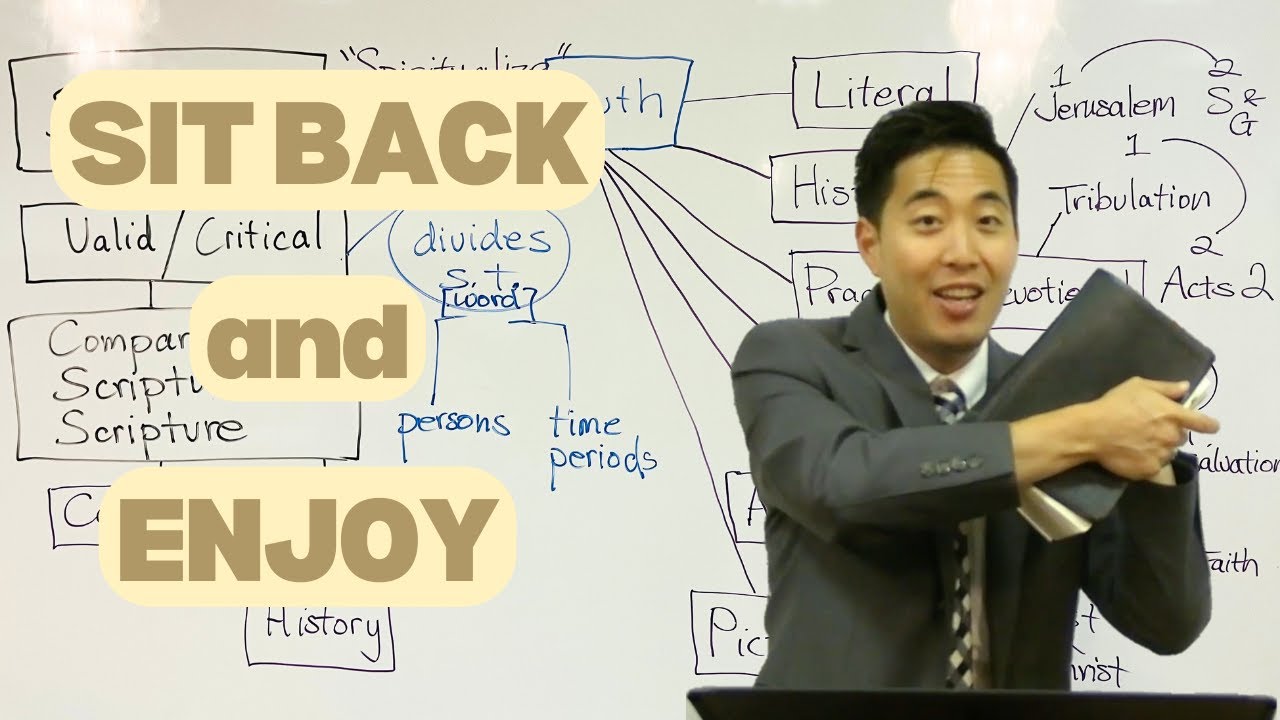
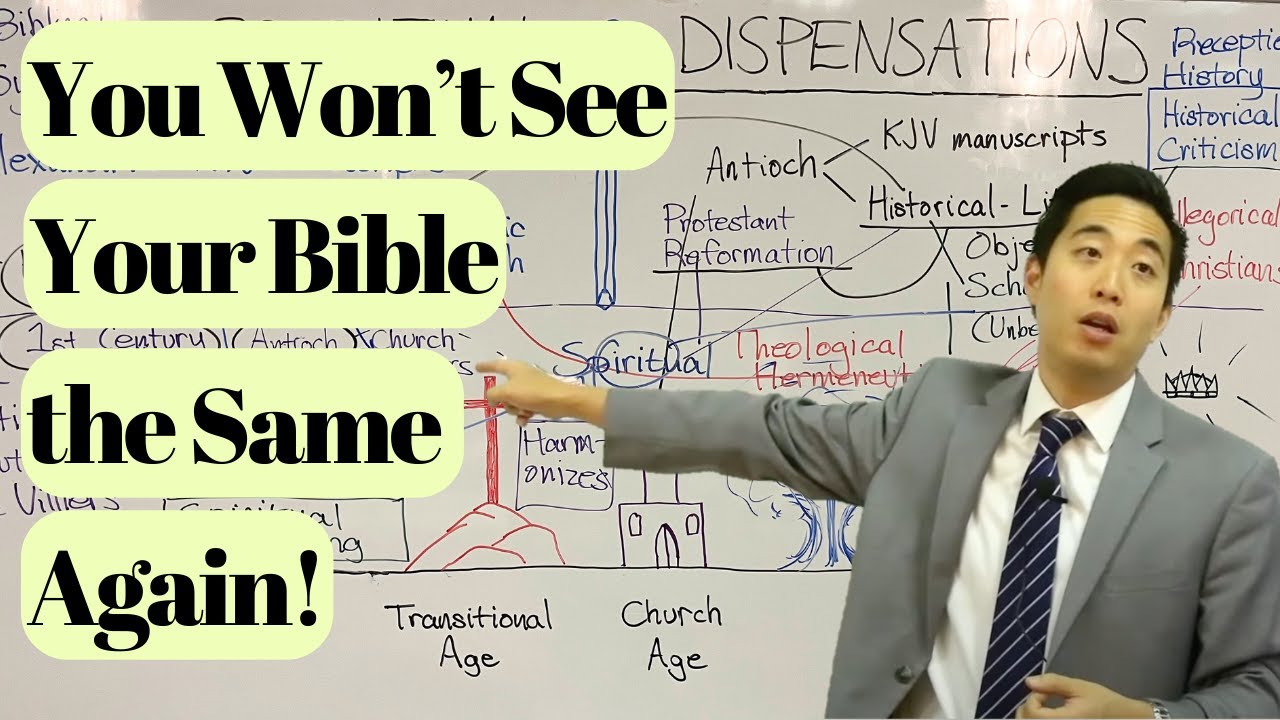
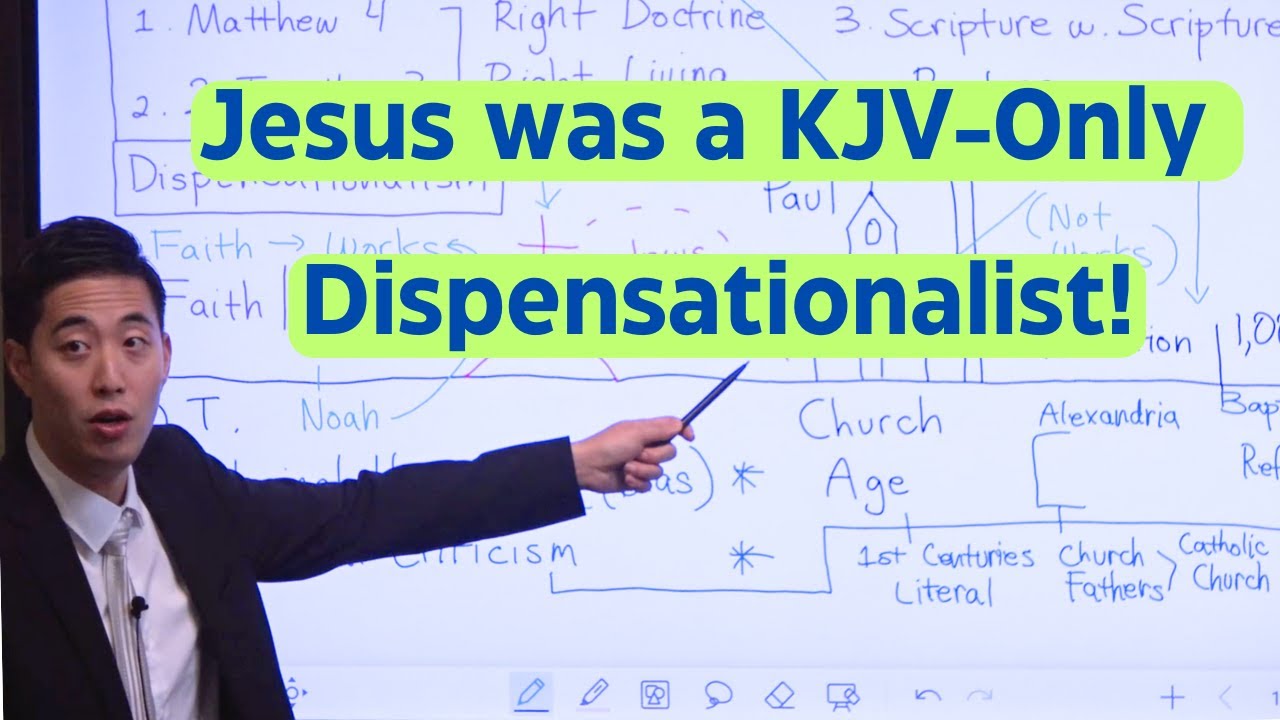
Dr. Gene Kim explores dispensationalism, biblical interpretation methods, and the theology of God's omnipresence in this detailed teaching.

Key Takeaways

  • Biblical interpretation requires understanding historical, doctrinal, and spiritual contexts simultaneously.
  • God's omnipresence means scripture can have multiple applications across time.
  • Plenary verbal inspiration is the accepted theological view on how scripture was inspired.
  • Mid-Acts hyper-dispensationalism is limited by focusing only on historical context.
  • Understanding dispensationalism helps connect key biblical doctrines and teachings.

What the video covers

  • The video explains three applications to properly interpret the word of God, emphasizing dispensationalism.
  • It discusses the concept of double or triple application of scripture, highlighting God's omnipresence and timeless nature.
  • The teaching stresses the importance of understanding historical, doctrinal, and spiritual interpretations together.
  • Dr. Kim references plenary verbal inspiration as the widely accepted method of biblical inspiration among Christians.
  • The video critiques mid-Acts hyper-dispensationalism for focusing only on historical application.
  • It explains how Old Testament prophecies about Christ's crucifixion are written in past tense due to God's timeless perspective.
  • The teaching connects doctrinal beliefs such as imputation of righteousness by faith and the transition from Jewish to Gentile church age.
  • Dr. Kim encourages viewers to watch previous lessons for better understanding and to grasp the full dispensational framework.
  • The video bridges theology, scripture, and common sense to clarify complex biblical interpretations.
  • It highlights the importance of spiritual application to resolve apparent contradictions in scripture.

Answers

Questions about this video

What are the three applications to interpret the Bible according to Dr. Gene Kim?

The three applications are historical, doctrinal, and spiritual interpretations, which together provide a fuller understanding of scripture.

Why does Dr. Kim say some scriptures have double or triple applications?

Because God is omnipresent and not bound by time, scripture can simultaneously have past, present, and future applications.

What is plenary verbal inspiration mentioned in the video?

Plenary verbal inspiration is the theological belief that every word of the Bible is inspired by God through human authors, ensuring divine authority and accuracy.

Full Transcript — Download SRT & Markdown

00:00
Speaker A
Now let us review. There are three applications to properly interpret the word of God, and this becomes more eye-opening in dispensationalism. A lot of people have struggled to find the right interpretation in the scripture, especially when you talk about double application.
00:18
Speaker A
application now if any of you who are watching us online or people here who might forget that you'll have to go back to our previous lessons now those who are watching online we do have a playlist it's call spiritual
00:31
Speaker A
Now, if any of you who are watching us online or people here might forget, you'll have to go back to our previous lessons. Now, those who are watching online, we do have a playlist. It's called Spiritual Dispensationalism.
00:44
Speaker A
this part of the teaching will connect now if you haven't watched those things and these things make sense and start connecting you're still going to miss out a lot because the previous three lessons were a lot that would be helpful
00:57
Speaker A
So it should be easy for you to find if you go to our playlist section and then just click on that, and then you can start from lesson one to lesson two and lesson three. So I strongly urge you to do that. That way, this part of the teaching will connect.
01:17
Speaker A
told you before that for us when we look at those verses there can be a double triple application form and the reason why is because God God is a spirit yeah because God is a spirit as he deals with
01:37
Speaker A
Now, if you haven't watched those things and these things make sense and start connecting, you're still going to miss out a lot because the previous three lessons were a lot that would be helpful.
02:07
Speaker A
supports the Theology of his omnipresence of who he is being omnipresent and the tetragramaton I am that I am he cannot be bound by time now when you look at here this is all bound by time so in our
02:45
Speaker A
So it'd be better to go by sequence first before watching this. If you have undergone those three teachings and you have pretty much, this is going to connect everything and make everything make sense—historical, doctrinal, spiritual—and I strongly believe, like I told you before, that for us, when we look at those verses, there can be a double or triple application form.
03:15
Speaker A
simultaneously with this this can go simultaneously with this this can go simultaneously with this because he is present tense I am that I am so when he's speaking he's speaking could be Pres tense past tense future tense but that
03:33
Speaker A
And the reason why is because God—God is a spirit. Yeah, because God is a spirit, as He deals with mankind here, He's going to deal with them spiritually because He's a spirit.
03:53
Speaker A
crucified at Isaiah 53 and the verse said he was wounded for our transgression he was bruised for our iniquities the chastisement of our peace was upon Him by a stripes we are healed so that is in past tense and Jesus Christ crucifixion
04:16
Speaker A
So when we look at these different timelines here, God, He's seeing everything at once. And the reason why is because He is I am that I am. Being I am that I am supports the theology of His omnipresence of who He is, being omnipresent.
04:33
Speaker A
this proves that when the authors are writing that a lot of times it's not going to go in their timing okay it's going to always be God's timing if an author here is in the Old Testament and he is writing a verse he's
04:58
Speaker A
And the tetragrammaton, I am that I am, He cannot be bound by time. Now, when you look at here, this is all bound by time. So in our perspective, we see divisions of time, but in God there is no division. He can see—so you and I can see this whole timeline, all these multiple timelines at once, see that?
05:17
Speaker A
with so there are several methods of inspiration but this inspiration method that the theologians agree that all Christians agree with pretty much every Christian agrees with is excuse me is plenary verbal inspiration plenary verbal inspiration now meard Ericson you can
05:45
Speaker A
But when we're in there, it's not so. In God's perspective, this can go simultaneously with this, this can go simultaneously with this, this can go simultaneously with this because He is present tense. I am that I am.
06:02
Speaker A
book will also kind of explain the process of inspiration but Millard Ericson he goes deeply in into explaining what theologians agree regarding ver plenary verbal inspiration or the inspiration process in other words God uses a human with his style
06:26
Speaker A
So when He's speaking, He's speaking could be present tense, past tense, future tense, but that doesn't mean it's going to be our past tense, our future tense. We can illustrate with some examples, and I probably gave it at our first part of the discipleship.
07:02
Speaker A
Story of Man human story of human human author when he's writing obviously there's a historical application then but because he's writing for God and God the Holy Spirit every single word they call it plenary verbal in other words every single word is from
07:27
Speaker A
But in the Old Testament, He talked about Jesus Christ being crucified at Isaiah 53, and the verse said, "He was wounded for our transgressions, He was bruised for our iniquities, the chastisement of our peace was upon Him, by His stripes we are healed."
07:57
Speaker A
spiritual application in mind now this connected now the dots with all of our previous lessons haven't it remember there's a historical interpretation there's a spiritual application and there's a doctrinal application now here's the interesting thing all right now this is just Jean
08:17
Speaker A
So that is in past tense, and Jesus Christ's crucifixion already healed their iniquities. It already forgave them of their sins in the Old Testament. So the writer should have wrote future tense: "He will be wounded, He will be bruised, bruised for our transgressions," but He put past tense.
08:39
Speaker A
kept the Sabbath during the Old Testament timeline you were stoned to death that was a doctrine that is doctrinal for old testament old testament Doctrine that's not Christian doctrine right when we talk about the doctrine once saved always saved if you receive
09:00
Speaker A
This proves that when the authors are writing, a lot of times it's not going to go in their timing. Okay? It's going to always be God's timing. If an author here is in the Old Testament and he is writing a verse, he's going to be writing for God.
09:22
Speaker A
doctrine that was believed at that time the spiritual application believe it or not can produce as much Doctrine now why is that uh Dr David Walker he gave a very good point when he was trying to debut uh debunk midax hyper
09:43
Speaker A
So because he's writing for God as he's writing down the verses. Now look at this: when he's writing down the verses, and this is the theology regarding inspiration that they're going to agree with.
09:56
Speaker A
he knows it or not when he was debunking midax hyper dispensationalist he pointed out uh now we're at Hebrews 1 but turn your hand to uh 1 Timothy 3 okay or second Timothy excuse me second Timothy 3 second Timothy chapter 3 and verse 16
10:18
Speaker A
So there are several methods of inspiration, but this inspiration method that the theologians agree that all Christians agree with, pretty much every Christian agrees with, is—excuse me—is plenary verbal inspiration. Plenary verbal inspiration.
10:57
Speaker A
hyper dispensationalist so midx hyper dispensationalist they're only looking at a historical application the dividing so they will assume that General Epistles which are the Hebrews of uh which are Hebrews which are the Epistles from Hebrews to Revelation that those are referring to
11:20
Speaker A
Now, Millard Erickson, you can look at his Christian theology book and he will explain, and you can look at Pensacola Christian College's doctrine books. It's called Bible Doctrines. They teach it at 10th-grade level, believe it or not.
11:43
Speaker A
spoken to those Jews at though at the tribulation time period see historical Christians cannot claim doctrinal application from those verses but what if we were to argue spiritual application if Christians looked at those verses in the general Epistles and you and I have
12:04
Speaker A
And I believe Alva J. McClain's book will also kind of explain the process of inspiration. But Millard Erickson, he goes deeply into explaining what theologians agree regarding plenary verbal inspiration or the inspiration process.
12:20
Speaker A
that can apply to us that we can practice that we can perform for ourselves there is absolutely no doubt about it we saw that plainly in the book of Hebrews for example about having faith looking unto Jesus going through
12:37
Speaker A
In other words, God uses a human with his style, his personality, but He lets the Holy Spirit guide him where every single word is from God, but it will not separate the human part.
12:55
Speaker A
the thing when we look at those verses clearly we can apply that to us doctrinally but if we can't do that historically let's say how about spiritually because aren't there spiritual lessons in there even though it's historically applied to somebody
13:14
Speaker A
Why is that important? The human part is physical. The human part is historical. Why? History is His story or story of man, human story of human. Human author, when he's writing, obviously there's a historical application then.
13:34
Speaker A
go that far but it makes me wonder now if they do believe in chastisement I do know uh in 1 Corinthians 11 it does talk about Christian chastisement there so God certainly chastises Christians so when we look at Hebrews 12 I mean that pretty
13:50
Speaker A
But because he's writing for God and God the Holy Spirit, every single word—they call it plenary verbal. In other words, every single word is from God. Then the spiritual is added there too. Then you get the spiritual application.
14:13
Speaker A
historical will result in Doctrine Doctrine get this is not a standalone application okay let me repeat that again the I think that's where Bible Believers make the mistake when we when Dr utman lays out these three applications they are absolutely
14:34
Speaker A
See, there is no stinking way you separate spiritual application. Spiritual application is ingrained within every word of God, and as you interpret it, you better have a spiritual application in mind.
14:51
Speaker A
sometimes merge or converge or go in within their own boundaries see that if you think do uh what Bible Believers pride in is doctrinal application men acts hyperd dispensationalist they'll pride in doctrinal application but they forget the historical and the spiritual
15:12
Speaker A
Now this connected now the dots with all of our previous lessons, haven't it? Remember, there's a historical interpretation, there's a spiritual application, and there's a doctrinal application.
15:29
Speaker A
will exclaim because from what they're looking at historically it's written to Hebrews right book of Hebrews James written to the 12 tribes of Israel see that so they're looking at it historically what the author is writing historically to his people and then
15:46
Speaker A
Now here's the interesting thing. All right, now this is just Jean Kim's theory, so if it's heresy, it's heresy. Okay? Now what I believe though is that doctrine can come out because of the historical.
16:05
Speaker A
verse works well for Christians as too and I can see that verse could also work well for the church at that time period see that whole another level there whole another level so let's look at 2 Timothy 3:16 this is the most
16:24
Speaker A
Because sometimes when you're learning something historical—for example, the Old Testament Jews, when they kept the Sabbath during the Old Testament timeline, you were stoned to death. That was a doctrine that is doctrinal for Old Testament.
16:44
Speaker A
reprove for correction for instruction in righteousness so notice right here that everything in the Bible is applicable to you now quite often I will say not every verse in the Bible applies to you the Bible applies to everyone throughout all
17:02
Speaker A
Old Testament doctrine, that's not Christian doctrine, right? When we talk about the doctrine "once saved, always saved," if you receive Jesus Christ by faith, you cannot lose it. That's a salvation that cannot be lost. That is a doctrine that historically applied.
17:19
Speaker A
verse being applicable to you is when you take these factors doctrinal reproof correction instruction and righteousness notice here doctrinal Parts historical parts and spiritual Parts here see that with these wordings here you can apply it as a spiritual uh spiritual action
17:44
Speaker A
That was historically spoken by Paul to Gentiles at their timeline. See that? So there's a historical application that shows the doctrine that was believed at that time. The spiritual application, believe it or not, can produce as much doctrine.
18:09
Speaker A
historically in the doctrinal aspect but can't we take a spiritual lesson out of it and yes there's a Doctrine in there there's a Doctrine found in there why because verse 17 that the man of God may be perfect thly furnished
18:28
Speaker A
Now why is that? Dr. David Walker, he gave a very good point when he was trying to debunk mid-Acts hyper-dispensationalists. So he probably doesn't know it, and I'm just interpreting for him, and then at summer camp he can call me a heretic.
18:45
Speaker A
16 have all those applications spiritual doctrinal and historical that's crucial inspiration right verse 16 all scripture is given by inspiration of God this is the process of inspiration how can one separate the historical from the spiritual you can't even academics I
19:11
Speaker A
All right, but I am interpreting for him how I perceive when I read his books, whether he knows it or not. When he was debunking mid-Acts hyper-dispensationalists, he pointed out, "Now we're at Hebrews 1, but turn your hand to 1 Timothy 3."
19:28
Speaker A
of time what I'm going to go through so remember the Academia realm they pride in historical interpretation which is why they try to find contradictions in the Bible but then the Christians because they always used they're always used to spiritualizing verses they
19:45
Speaker A
Okay, or second Timothy, excuse me, second Timothy 3, second Timothy chapter 3 and verse 16. Verse 16, 2 Timothy chapter 3 verse 16. He mentioned that the scriptures, even though it is supposed to have doctrine as priority,
20:11
Speaker A
harmonize verses recognizing the historical Factor as well as the harmonizing with all those verses in a spiritual lens so you might recall that so that that is why we emphasize quite often about Systematic Theology which is one of the branches two branches of
20:35
Speaker A
there is a doctrine that shows godliness, that shows spiritual aspects. That's where we can debunk the mid-Acts hyper-dispensationalists. So mid-Acts hyper-dispensationalists, they're only looking at a historical application, the dividing.
20:56
Speaker A
harmonistic approach part of theological hermeneutics which is a spiritual more of a spiritual method you remember that if you all forgot that then you got lost on what I said but remember those were the terms that we learned in our last
21:10
Speaker A
So they will assume that General Epistles, which are the Hebrews, which are Hebrews, which are the epistles from Hebrews to Revelation, that those are referring to tribulation Jews. That's what they're dividing it at.
21:32
Speaker A
theological perspective that uh matches really well and really explains this theological perspective on what dispensationalism means which is a theological approach it really shows you the real accurate systematic the theological approach which is dispensationalism see that the theologians know and they're Conjuring
21:59
Speaker A
And that is true. We can see tribulation doctrine here. However, they ignore in those verses where you can apply doctrinally to Christians. Hyper-dispensationalists will insist that no, because those verses were spoken to those Jews at the tribulation time period.
22:18
Speaker A
but it prioritizes historical grammatical approach out of all systematic the theological approaches it's dispensationalism and remember Miller J Ericson I told you before he mentioned that when you interpret the Bible you interpret it literally as a word says
22:39
Speaker A
See, historically, Christians cannot claim doctrinal application from those verses. But what if we were to argue spiritual application? If Christians looked at those verses in the General Epistles—and you and I have done that, right?
23:02
Speaker A
verse says but when there's something that's not matching here then we look at a spiritual interpretation we apply it spiritually and that harmonizes the verses and that resolves the contradictions okay all right so we all understand now if some of you are lost
23:27
Speaker A
When you and I look at those verses, there is no doubt verses in there that you and I can claim for doctrine, right? Even though historically, let's assume that's for tribulation Jews, there's no doubt there are verses there
23:38
Speaker A
at your previous notes and then stuff some of the stuff I'll say will connect okay now that's given out um and I've already spent almost half an hour okay so here we go now we understand this spiritual historical will collide now
23:56
Speaker A
that can apply to us that we can practice, that we can perform for our...
24:16
Speaker A
spiritual dealings that is the number one crucial factor that will explain everything in dispensationalism but now let me found that with this lesson what does that mean okay let's go from a theological perspective here why do we have to have
24:37
Speaker A
spiritual physical dealings God is a spirit when he created the universe it is spiritual or physical physical how can God interact and react to the physical Universe unless there's spiritual and physical dealings see that that's why it makes sense you know
25:06
Speaker A
what dispensational is a dispensationalism is it's God's dealing with man so when God the spirit is dealing with man physical Universe there's a spiritual and physical dealing that's colliding that's interacting with each other it is absolutely possible to
25:29
Speaker A
separate that if people think I'm making that up in dispensationalism you just got to go back to epistemology or just basically common sense and think about how can God who is a spirit deal with physical Mankind and physical Universe
25:43
Speaker A
without spiritual and physical dealings come on man that's just common sense that's just basic foundational duh 101 okay everyone so I don't think that anyone would disagree with me on that so this is not something that I'll make up
25:57
Speaker A
to this is is just common sense if we agree with that then why can't we use dispensationalism because dispensationalism is God dealing with man throughout history as we undergo through that then his plan and purpose and his divisions
26:18
Speaker A
that he laid out dealing with mankind will make sense they think that God that because he is unchanging that uh when he makes a rule or gives a command that Christian that Christians of all time period or Saints of all time periods are just
26:36
Speaker A
going to have to go by a system uh-uh that's not how it works why because think about it God knows the different cultures the levels and the personalities and the settings of people and environments throughout all time periods
26:56
Speaker A
that they're all different so when God the Holy Spirit deals with everybody he deals with all of them differently why because he won't give them a burden greater than they can bear that's right he will prep it in a way
27:11
Speaker A
that fits them and what fits for them will not fit for you amen and that is basic 101 Theology and if you disagree with me on that one then why does every Pastor teach that God gives every man
27:26
Speaker A
their own burdens their own callings one that fits you that won't fit me come on man see so let's look at Hebrews 1 now Hebrews 1 look at this this is the historical colliding with the spiritual this is the
27:45
Speaker A
physical colliding with the spiritual Hebrews chapter 1 and this is the verse that some people use for dispensationalism notice in verse one Hebrews 1:1 God Spirit right who at sunry times ah physical time periods and let's be honest not all time
28:08
Speaker A
periods are the same come on don't tell me that today's Church age is Old Testament law they're very different culture even if you don't believe in dispensationalism they're very different cultures very different people very different time periods so God the whole God who is a
28:28
Speaker A
spirit has to deal with different physical time periods so why do you get rid of the differences then common sense all right let's keep reading sunry times and what divers manner see different ways spake in time passed unto the fathers by the prophets
28:52
Speaker A
here's another one go to uh oh uh I forgot first Timothy 6:3 I apologize to prove Doctrine Doctrine can also be spiritual so I forgot to prove that 1 Timothy 6:3 1 Timothy 6:3 so if hyper dispensationalist ignore
29:15
Speaker A
the spiritual lessons that can be learned which is doctrinal then you show them 1 Timothy 6:3 the Bible says if any man Teach otherwise and consent not to Wholesome work words so that's talking about mid acts that's talking about those hypers
29:33
Speaker A
even the words of our Lord Jesus Christ and to the doctrine which is what according to Godliness see that so notice that it is within the spiritual application here but uh if some people deny that there's a lot more you can use
29:53
Speaker A
Titus 2: 7-10 and that verse shows Doctrine showing UNC corruptness gravity sincerity It also says adorning the doctrine of God in all things so that's a spiritual application so there's no doubt that Doctrine is within the lines of
30:15
Speaker A
Spiritual Living another one is 2 Timothy 3:10 2 Timothy 3:10 which says you fully know my Doctrine manner of life purpose Faith longsuffering charity patience okay so Doctrine is a part of Spiritual Living there's no doubt about that if Doctrine is a part of Spiritual
30:34
Speaker A
Living why can't I see spiritual things in other historical passages that are not for my time period and then live my spiritual life from those things that can apply to me spiritually what's wrong with that and cannot and can't that be
30:55
Speaker A
called Doctrine that's good because you got to think about this how do you spiritually live without Doctrine then then your morals or your rules are all relative you're just making things up so you have to have a doctrinal basis
31:14
Speaker A
for those things a lot of Christians don't understand when they say that I look at this verse spiritually you don't realize this but there's a doctrinal basis behind that that's good preacher okay a lot of people don't think about that all right like I told
31:30
Speaker A
you this is the number one lesson that's going to connect the most dots and that'll be extremely helpful so I hope that your ears are still open and then you're still having more light bulb Mo moments if you don't then then I guess
31:43
Speaker A
uh sorry you know this lesson's not for you then then dispensationalism won't mean that much okay but anyway now get this this is going to make a lot of sense with the a lot of our theological arguments and our belief
31:59
Speaker A
okay physical Universe these are the laws of the universe laws of science okay now Adam when he sinned but before he sinned we see the spiritual and physical Realms working in harmony together right Adam was able to walk and talk with God so how can a
32:19
Speaker A
physical human do that with the spiritual being unless these two are in harmony that time but what happened it's called The Fall okay the fall is what changed everything the fall of Man is pervasive from all the way here
32:41
Speaker A
to there this is what broke the spiritual Harmony when it fell Adam spiritually died correct so how can he deal with him spiritually then so he cannot do that he has to deal with him physically hence that's why they had to
33:10
Speaker A
do works of the flesh for salvation by their conscience which is in their physical body does that make any sense so that's why Old Testament salvation there was Works involved there for people to deny works and they haven't been reading
33:30
Speaker A
their Bible so here's an example the Bible says that the works they're doing it's from the flesh so go to Galatians 3 Galatians chapter 3 Galatians chapter 3 and then notice right here that the works are related to the
33:54
Speaker A
flesh it's not related to the spirit okay look at verse two verse two Galatians 3:2 the Bible says this only what I learn of you received ye the Spirit by The Works of the law or by the hearing of what faith now what do you
34:09
Speaker A
think is more spiritual physical law or faith faith is more spiritual isn't it so the spirit operates based on faith not on the works of the law why because it's related to flesh look at verse three are you so foolish having begun in
34:27
Speaker A
the spirit Spirit are you now made perfect by the what flesh y see that so it's physical works is physical the Old Testament that's why they had to have works now did they have faith of course they had faith I mean
34:44
Speaker A
you can't separate Faith but here's the crucial Factor you ready for this whenever God the Holy Spirit dealt spiritually with them wasn't the primary factor physical for a spiritual dealing to work come on for example when Samuel poured a physical anointing oil on Saul
35:06
Speaker A
the Holy Spirit was then able to come upon Saul now that's different from us Christians when we did a spiritual act Faith then the Holy Spirit came down on us see that okay uh another example there's no there's no doubt that
35:28
Speaker A
God did Miracles right and these defied the physical laws of the universe but he did the miracle and these Miracles were visible physical for humans to see that's why Christians are not undergoing healing signs wonders Visions why these are all physical
35:53
Speaker A
fleshly experiences that's good so God doesn't do that he said says we walk by faith not by sight physical that's why he said that as 2 Corinthians chapter 5 that we walk by faith not by sight for Christians but Jews went by sight 1
36:13
Speaker A
Corinthians chapter one says the Jews require a what sign sign see they go Jews are the ones that undergo the healing signs Vision Miracle speaking of tongues and stuff like that these physical manif stations are because of God's physical
36:32
Speaker A
dealings if he were going to operate something spiritually that defied the physical laws of the universe where their physical experiences can see his spiritual acts in play he had to go like I've pretty much explained it so but he
36:51
Speaker A
had to go by physical dealings that's how he did his spiritual dealings he primarily based it off of physical dealings do we understand so far so now we understand why they go by the law why they have to do
37:11
Speaker A
works we know that no one is perfect enough to go to heaven no one says that they are but in the flesh they're considered perfected see that but spiritually in God's eyes they don't qualify for a spiritual Heaven it's 100%
37:27
Speaker A
pure no one's is that perfect no flesh can ever compete with the spirit okay no flesh can compete with the spirit so with their fleshly limitations that's why God put them underneath the Earth because it's a Physical Realm there see
37:45
Speaker A
that so he puts them in a place called Abraham's bosom now for some of you who didn't know that is dispensationalism 101 if you don't know dispensationalism 101 I urge you to uh read my booklet amazing dispensationalism from Genesis
38:01
Speaker A
to Revelation but also my dispensationalism playlist amen that playlist will have everything about that God so but anyway so the the Old Testament Saints they didn't die and go to heaven they went underneath the Earth that's why theologians recognize that
38:17
Speaker A
they call that sheld that's why they recognize that in English it's the English rendition is hell why because in Hell there were different compartments one's a place of Torment another a place of comfort which is Abraham's bosom some people call it
38:34
Speaker A
Paradise did go to hell and the evidence is if you actually look at um was it Ezekiel yeah if you look at Ezekiel talks about Eden which is Paradise itself that went down to the heart of the earth anyway that's a whole
38:49
Speaker A
different teaching that's dispensationalism 101 so I'm not going to do that here what I'm doing now is an advanced dispensationalism okay I'm trying to connect the spiritual and physical so I'm going to just keep concentrating that part okay
39:03
Speaker A
so that makes sense how God dealt with them now here's another thing a lot of people don't understand this will solve the debate with Calvinism now you know what the enemy camp of dispensationalism is it's covenant theology which is a branch from
39:20
Speaker A
Calvinism they're all about God's sovereignty God's sovereignty right now here's the thing this dispensationalism Bridges his sovereignty and Free Will you might say why think about it history is man's story by their deeds their actions they create history that's why I
39:46
Speaker A
keep trying to tell you what men learn from history is that men never learn from history meaning those deeds that those men did in the past we should have learned from and not repeat their pattern yeah that's good preacher what
40:02
Speaker A
they've done in the past we could improve upon what they've done in the past we could de accumulate the knowledge and create something better that's why uh you've all knowah Harari who's so messed up in the head but he
40:16
Speaker A
majors in history the devil gave him some wisdom there and he was able to predict future things why because he majors in history see that history is a very power powerful factor to create or to own the whole world that's why Hitler
40:32
Speaker A
he was able to make good conquests Napoleon Bonaparte as well they studied past records of War different kingdoms and conquerors and conquests so history is very crucial it's the Deeds of man The Works of Man the free will of
40:53
Speaker A
man so the Free Will of man which is undergoing right here God's working and plan is operating the same time and God is Sovereign and God being Sovereign he lets mankind you know what proves his sovereignty more that his
41:17
Speaker A
plan still does not fail no matter what free choice man decides how the historical events play out his plan will still stand why he sees past to Future so as the Free Will of man is undergoing throughout these
41:35
Speaker A
dispensations God's sovereignty is operating here that's dispensationalism if you look at Clarence larin's book the title is dispensationalism God's plan for the ages what's that God's plan sovereignty uh the spiritual applic for the ages physical dealings man do
42:03
Speaker A
that make any sense this is incredibly eye opening it it Bridges it answers every theological problems and issues that's why I'm arguing right here and I'm insisting and this teaching will prove Beyond reasonable sha shadow of a doubt for Christian theology if you
42:22
Speaker A
don't believe in dispensationalism you got wrong Doctrine that's right there is no doubt about it this is part of the this is really scientific too you have to understand why is it scientific because you can't ignore historical criticism you can't ignore historical
42:39
Speaker A
truth what happened at those times and the what they what these authors wrote historically let's be honest I mean what they wrote doesn't historically apply to you okay no matter how how much you play theological hermeneutics to make it
42:55
Speaker A
harmonize with you there's no doubt about that you have to leave history as it is it is a scientific truth if this is a scientific truth science is what physical observation of the universe in other words I insist
43:11
Speaker A
this and I argue and yeah it's just me okay but I think it's just common sense if you to connect the dots is that dispensationalism is a scientific method and a scientific truth you disregard dispensational Doctrine you get rid of
43:28
Speaker A
hard science that's what I insist that's what I insist why because when God deals with mankind he's going to deal with them in their physical Universe he's going to deal with them so he cannot go against the laws of nature laws of nature are
43:51
Speaker A
science it's hard science with the laws of nature at play God cannot contradict that when he deals with them When sin corrupted and affected all of nature yeah guess what that's why there's corruption disease everything going on immorality going around no
44:09
Speaker A
matter how bi how much you insist as atheist on how you biologically involved uh evolved you can't explain explain morals and ethics no matter how hard you try you know why cuz that's a part of your biology but you can't explain how
44:27
Speaker A
those morals derived or evolv there so there is no doubt sin is a part of that immorality is a part of our physical working of your biology but you can't explain that unless you have Bible unless you believe there is a God see so
44:44
Speaker A
that's why I in you have to insert the spiritual there as God is physically dealing with the universe okay now that I said all of that here's the interesting thing God is God he created the laws of nature the laws of science
45:00
Speaker A
right can't the lawgiver change the laws okay in the Old Testament let's go to Romans 4 Romans 4 this is the best chapter to show exceptions okay now we got a problem here because here's the author and let's say it's
45:25
Speaker A
Paul Paul is the author as an author you know what he did he uh took Old Testament verses for church age application so verses about the church age he he used Old Testament verses do you know why he used Old Testament
45:49
Speaker A
verses because he didn't have the New Testament wasn't written out so he only had Old Testament so he had to use Old Testament to prove his Christian Doctrine that's good is he lying he ain't lying so then how do midax hyper
46:05
Speaker A
dispensationalist explain Paul who used Old Testament verses for Christian doctrine they can't explain that they can't explain that do you think that Paul was lying no he's not lying let's so let's go to Romans four good you know what the easy answer
46:31
Speaker A
is Spirit why is that the easy answer because God is a spirit he's the exception to the physical Universe he is the lawgiver of the physical universe and the physical laws of nature he can make exceptions if he
46:48
Speaker A
wants to so his look at this now so see right here the exceptions they go within this physical plane here based on his spirit spiritual power because God is a spirit he has spiritual power he's not bound by the
47:04
Speaker A
laws of the universe only when he deals with mankind then he'll be bound on those things and deals with them but when he prioritizes his spiritual dealing there he can make the exception he can change the law he can override
47:21
Speaker A
the law why because he's the lawgiver of the spiritual and physical realms so think about it Miracles are physical manifestations but they're not from the physical laws of the universe they're from the spiritual power of God so the
47:38
Speaker A
spiritual power of God can override the physical laws it is a law that time to go by works right it's a law of science it's a physical law they had to do works for salvation see that that's a law the
47:55
Speaker A
exception to the the rule exception to the works he could do it based on imputation by faith he does imputation imputation think about it what does imputation mean that means counting someone as righteous by God that's a spiritual act not a physical act so
48:21
Speaker A
Abraham without works of the flesh he was able to be imputed righteousness so look at Romans chapter 4 so Paul he had to prove salvation by faith not by works and he found Old Testament passages to prove it Romans 4:1 what
48:38
Speaker A
shall we say say then that Abraham our father as what pertaining to the flesh hath found for If Abraham were justified by works see that related to the flesh right good pre he ha whereof to Glory but not before God for what sayith the
48:55
Speaker A
scripture Abraham beli God and was what counted unto him for righteousness there's imputation notice Paul uses this verse to prove salvation by grace not by works verse four now to him that worketh is the reward not reckoned of Grace but of
49:13
Speaker A
Deb but to him that worketh not but believeth on him that justifieth the ungodly his faith is counted for righteousness you know who another exception is verse 6 David David so we already see the exception here the exceptions with these humans are
49:33
Speaker A
Abraham and David why because David broke the physical law regarding adultery and murder he was supposed to be killed himself but God made him an exception and he didn't have to die that's why it was called the sure mercies of David God
49:57
Speaker A
forgave him of his sin and transaction without a physical penalty a physical act from the physical law he forgave him what that's spiritual a spiritual Act was in play so when we look at verse six even as David also describe it the
50:14
Speaker A
blessedness of the man unto whom what God imputeth righteousness without works that's all spiritual there amen amen saying blessed are they whose sins are forgiven uh whose iniquities are forgiven and whose sins are covered blessed is the man to whom the Lord will
50:31
Speaker A
not impute sin glory to God hence we see an exception here think about other exceptions Samson committed fornication but the Lord considered him as a hero of the faith at Hebrews chap 11 think about lot he committed incest and then was in
50:48
Speaker A
the worldly living lifestyle of Sodom and Gomorrah but lot he was called a righteous man as second Peter now here's a bigger one okay a good one think about this Jesus even gave exceptions before he died on the
51:08
Speaker A
cross you might say how did he do that for example yeah come on uh there was a woman whose sins were me many and then she was crying at Jesus's feet and the Pharisees said if if Jesus knew what she
51:23
Speaker A
was that she was inde she's really a sinner but Jesus said said that your faith your faith hath saved you he said literally and your sins are forgiven amen how did he do that without the law of Moses there at play because he's God
51:42
Speaker A
am he can give pronounce the spiritual declaration you're forgiven and by your faith spiritual act I can forgive you see that so how do midax hyper dispensationalists debunk that if they insist that no there is no New Testament Christian doctrine found in
52:03
Speaker A
Matthew through John and through the Old Testament buddy then Paul was lying and number two you have not really studied your Bible because there were people who were saved by faith not by works in the Old Testament there are plainly verses
52:19
Speaker A
on that otherwise I would love to hear your explanation how did lot Stay Saved how was Samson how was Samson Stay Saved and how did that woman get her sins forgiven unless Jesus was lying to her before Jesus died on the cross he
52:38
Speaker A
didn't even shed his blood to wash away and forgive the sin and some people are big about the blood the blood the blood that only the blood you know God can do things that's right God can do things on
52:50
Speaker A
his basis on how to save a soul how to forgive a person do I am I dismissing the no the blood is significant and important but I don't like it when you're like a midax hyper dispensational mindset that you
53:03
Speaker A
have an only perspective yeah all right we do we don't deny there was salvation by works with the Old Testament Faith but it wasn't only that way there were exceptions in that time otherwise Paul was lying now let me give you a really
53:18
Speaker A
good one go to Romans 1 and habak two oh yeah that's good come on here's a really good one this pong VES the answer with Paul lying go to habach 2 and Romans 1 habach chapter 2 and Romans
53:39
Speaker A
1 now habach 2 shows you what the just shall live by faith is if you look at habc chapter 2 notice verse 4 that it regard it is related to works when you have Old Testament Faith habach 25 uh
53:55
Speaker A
habc 24 24 behold his soul which is lifted up is not upright in him oh so he's not living uprightly see that that's good works but the just shall live by what his faith his faith his own faith that's uh you notice
54:14
Speaker A
his there that shows human physical see that so the faith must have something physical there which is the works verse 5 yay also because he transgress it by wine he is a proud man neither keep it at home who enlarge his desire as hell
54:29
Speaker A
so notice right here because of these bad works these sins that he's not considered the just shall live by his faith the just shall live by his faith are those who don't do these sins and who is upright but look at what Paul said at
54:45
Speaker A
Romans chapter 1 he contradicted ROM Romans 1 verse 17 Romans 1:17 for therein is the righteousness of God revealed from Faith to Faith not Faith to works but that's what Christian churches are telling you come on that if you have genuine faith
55:06
Speaker A
it will lead to Works no no no faith to Faith that's what Paul said complete salvation as it is written the just shall live by what he dropped his amen why we say Amen right come on we say
55:21
Speaker A
Amen to that one and we'll run the bases on that one amen but if you're if you're going to be an honest critic you liar Paul you minused his and changed the whole meaning you know what the answer to that
55:35
Speaker A
is who is the author that's right who is the author God God is a spirit can make the exception he tells Paul what to write so that spiritual thing is at play where Paul is not lying when he's writing amen
55:57
Speaker A
why because God the holy spirit's the author he can uh do whatever he wants with his words can't you do uh if you write something can't you do what you want as well you have the right God has
56:08
Speaker A
the copyright he can do whatever he wants with his words you don't you don't so notice right here what God did see this what God did was he divided I think it's more uh what he did was the more accurate definition or
56:27
Speaker A
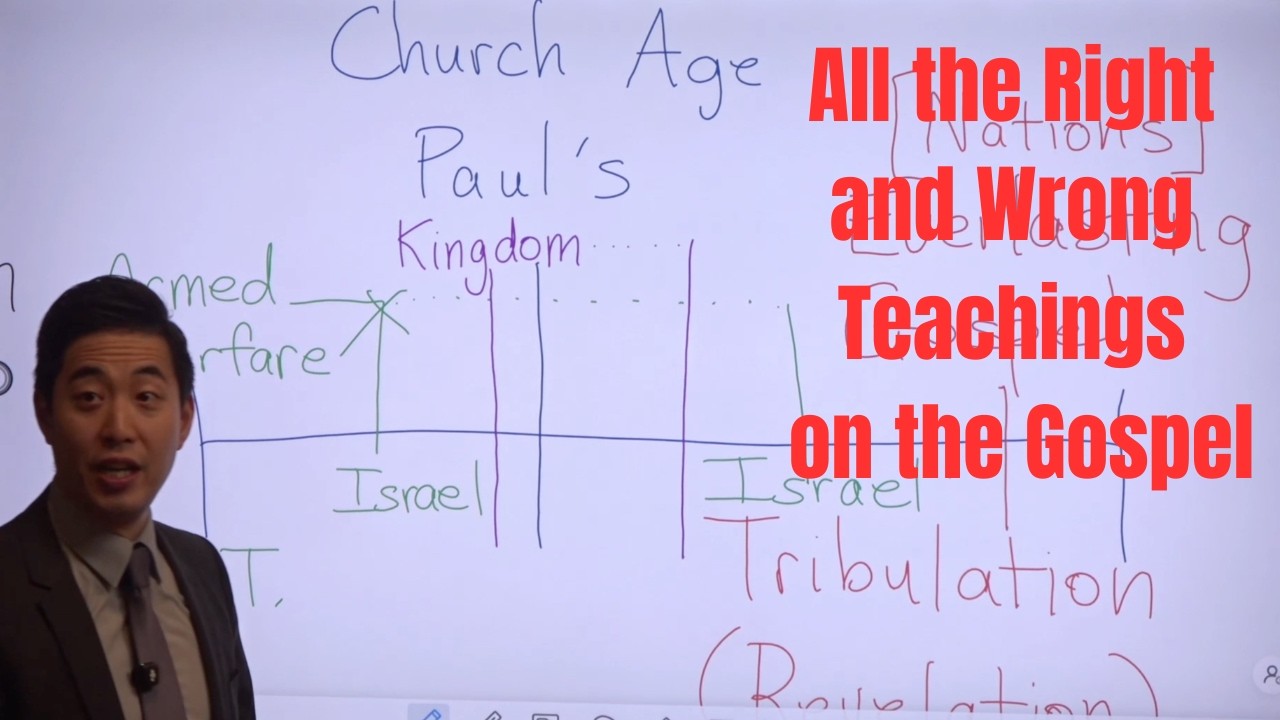
explanation is that he divided it so here is oh boy I'm all over the place okay let me write over here and then explain physical just and physical is purple I think you notice that live by his faith see that all right here's the
56:54
Speaker A
author he's writing it that way Paul is is going to write and God the holy spirit is doing a spiritual division seeing it in a different spiritual plane when he looks at that verse okay I can see Old Testament here but I can
57:09
Speaker A
also see New Testament how this can work and he says okay I divide this to the Old Testament right here and I can see this turning into this that's and that's spiritual but notice this does not ignore the historical the purple's still
57:41
Speaker A
there this thing is there what if Bible Believers start now interpreting verses through God's lenses through God's method did that just open up a lot of things see double application here blue and purple that's the double application let me give one more thing
58:13
Speaker A
yeah okay and then the rest of the part maybe I'll combine it with my other teaching all right don't miss the next teaching the next teaching will be more fun actually that will be the fun one this one's the most eye openening one
58:25
Speaker A
but the other one is the most most fun one okay but anyway let me explain General Epistles that's the big problem General Epistles you've heard me insist and argue that General Epistles that there's double application they are Hebrews through Revelation
58:46
Speaker A
okay so General Epistles including the Book of Revelation now let's discuss historically here okay it's a historical fact you cannot deny God is switching from Jews to Gentiles the apostles they ministered to Jews if you want a verse on that one uh
59:11
Speaker A
it you just have to go to Galatians 2 and in Galatians 2 it shows the apostles minister to the Jews Paul is to the Gentiles so think about it if you're a minister of a certain group of people
59:30
Speaker A
your writing is going to be based on that group yes that's just historically speaking you can't deny that that's why you can't deny that the apostles they had a lot of tribulation Doctrine for Jews there because they were ministering
59:43
Speaker A
to Jews even uh it's amazing when I was at Berkeley there was a Jew teaching Bible class would you believe that and he actually admitted that there's a lot of apocalyptic themes within the apostle writing but then Paul dramatically
59:58
Speaker A
changed everything why because historically Paul is for Gentiles and he's talking about the spiritual church age the doctrine for Christians so see this is all academic stuff that's bridging with Theology and scripture and just common sense Common Sense common
60:16
Speaker A
sense I keep saying that so many times so historically speaking we get that that's why Paul sounds more Christian Apostles are more tribulation Jew but it cannot be denied as well that because Apostles dealt with tribulation Jew and
60:33
Speaker A
Paul was dealing with Christians there were Apostles historically at their time period who continued their writings after Paul their writings their letters were dated later than Paul with Paul's Doctrine going to the Christian Church historically speaking the apostles are
60:54
Speaker A
going to take some of Paul's l and try to apply it in their writings so there's no doubt about that second Peter 3 is one clear example Peter said that Paul's writings are hard to be understood why did he say that because
61:08
Speaker A
that's not his Jewish Forte so he's trying to take Christian elements from there when he does that now there's a mingling of Jewish and Christian doctrine in Apostles writing that's why Hebrews through Revelation is a mingling of Christian and tribulation
61:26
Speaker A
Jew Hebrews to Revelation because of that there's no doubt about it now that's historically speaking but in our Common Sense Minds that doesn't make sense so when a person is receiving the letter how can he distinguish this is
61:40
Speaker A
Christian and this one is tribulation Jew right well let's keep explaining historically speaking now let's go spiritually speaking okay so I explained the historical side that makes sense no doubt right historically speaking the is doing that it just right now doesn't
61:58
Speaker A
make sense to us on how can the audience distinguish the two okay but forget that just know that it's crucial and there's no doubt these two elements historically make sense it's a poing Christian spiritual thing with a Jewish Apostolic
62:15
Speaker A
thing Bart Man is great evidence of that he thinks that the apostles and Jesus they came up with their own brand of Judaism that time but then Paul Chang it to some kind of more spiritual Christian or dramatic thing for Orthodox Christian
62:31
Speaker A
churches today see there's no doubt about that historically so these two elements there's no doubt about it okay we can agree with that historically spiritually it makes sense why God said to the Jews over and over again you keep
62:45
Speaker A
rejecting me I'll turn to the Gentiles but he didn't cut off the Jew immediately he gradually faded away from Jew and turned more to Gentile so you see right here see this it was a gradual thing you notice that
63:03
Speaker A
here see this there's a gradual of Jew which is a physical people right Jews are physical they're God's physical Nation physical people we know that from the Old Testament Christians are they a physical Nation or spiritual Nation spiritual
63:30
Speaker A
as God was turning more to Gentiles the Gentiles were expecting the we accepting the spiritual Nation part not the Jew now if we continue onward so this is physical spiritual mingling you see that uh Jewish Christian doctrine in Hebrews to
63:50
Speaker A
Revelation why because God is transitioning Jew to Gentile that's why he's trans positioning why would he do that why couldn't he be hyper dispensationalist and just put up a clearcut time period where we end the purple here now we start with the blue
64:06
Speaker A
we end the tri the Jew here now we go to the Christian Church the reason why he don't do that is because he doesn't do that with you when God warns you over and over again hey stop that or I'm
64:17
Speaker A
going to use a different person for my glory he gradually Fades from you and gradually turns to the other person so spiritually speaking that makes the most sense as well okay so theologically this just makes all sense now then how do we resolve the question
64:36
Speaker A
about the audience how can the audience know if this part's Christian and this part's historical that will be two lessons later where I will concentrate only on General Epistles and that will be incredibly ie opening this one was
64:53
Speaker A
making sense of the spiritual and the physical l through theological perspectives but did you see how spiritually speaking and historically speaking it makes a lot of sense where you come up with your theological Doctrine okay see Doctrine comes out
65:10
Speaker A
because of the historical spiritual perspectives father God I pray that tonight's teaching was a blessing to the hearers in Jesus name we pray amen amen
Topics:dispensationalismbiblical interpretationplenary verbal inspirationGod's omnipresencedouble applicationOld Testament prophecydoctrinespiritual applicationhyper-dispensationalismDr. Gene Kim

Get More with the SozAI App

Transcribe recordings, audio files, and YouTube videos — with AI summaries, speaker detection, and unlimited transcriptions.

Or transcribe another YouTube video here →