Skip to content
Get App

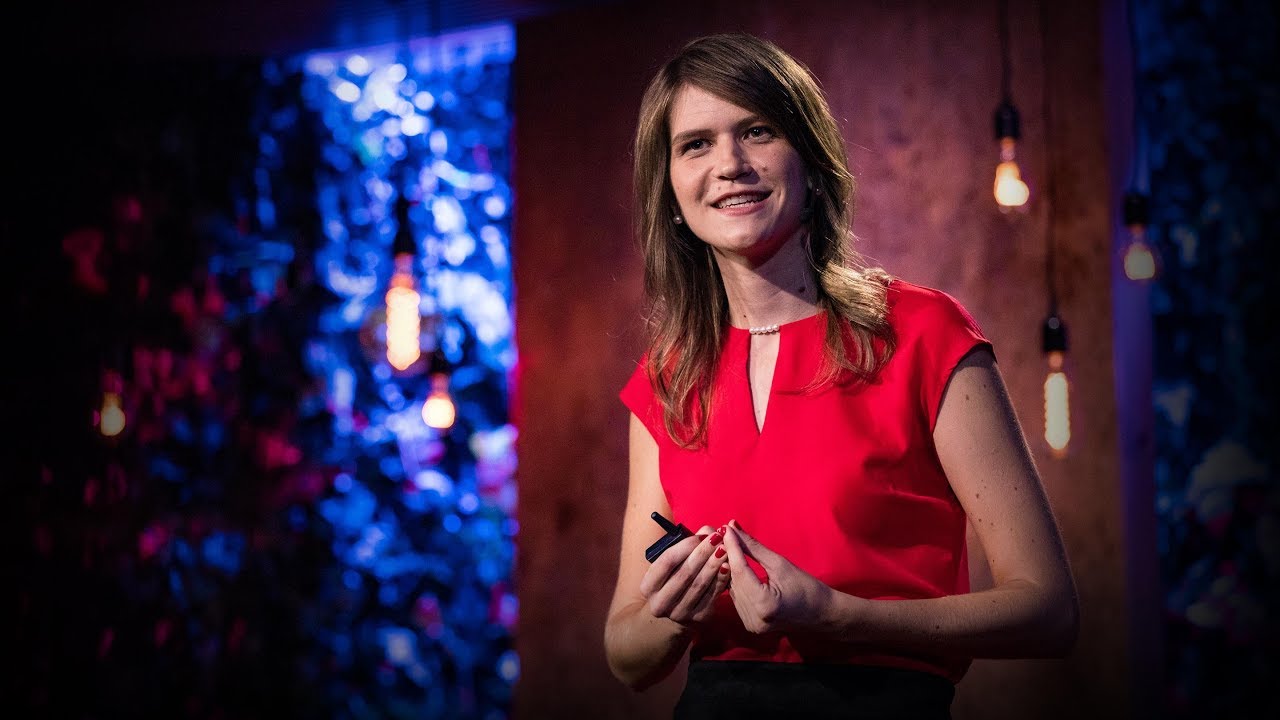
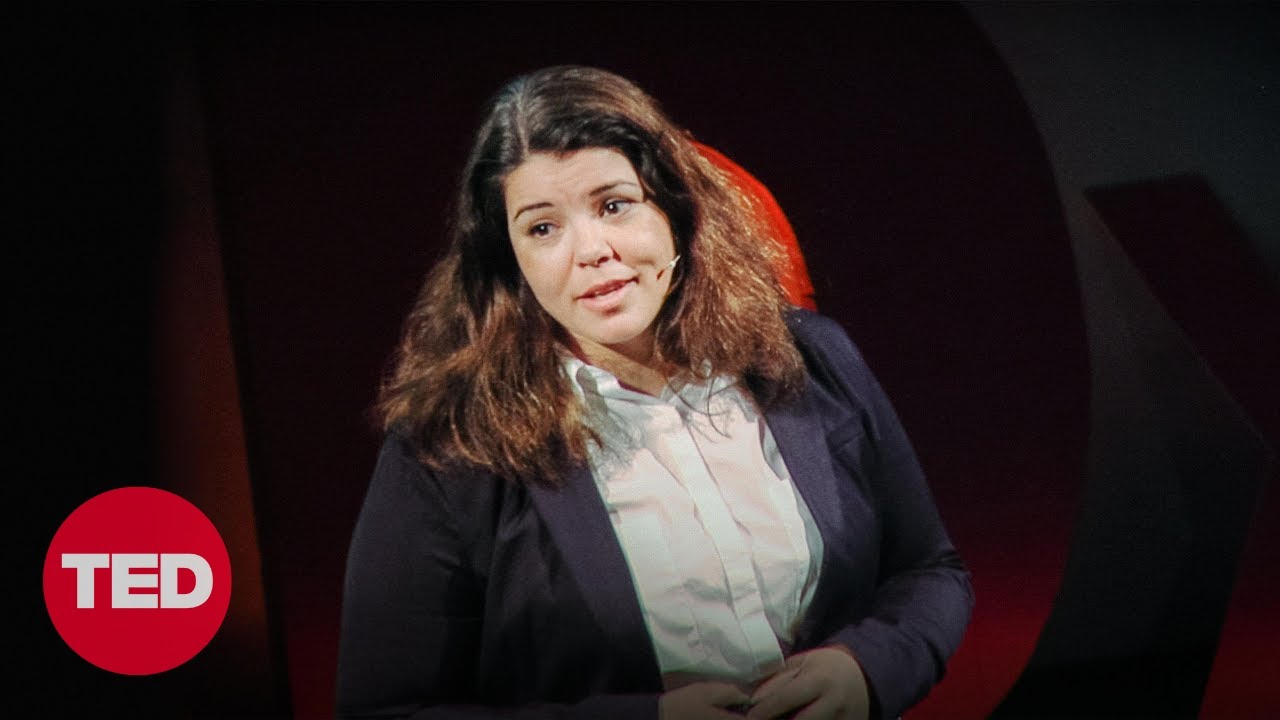
The secret to desire in a long-term relationship | Esther Perel | TED

Esther Perel explores why desire fades in long-term relationships, arguing that security and intimacy can smother eroticism and that desire needs space, novelty, and imagination.

Key Takeaways

  • Desire and love are different and can conflict; closeness alone does not sustain eroticism.
  • Maintaining space, novelty, and seeing a partner anew are key to rekindling desire.
  • Erotic life is cultivated through imagination and playfulness, not just technique.
  • Modern expectations that a partner fulfill every need make desire harder to sustain.

What the video covers

  • Good intimacy does not guarantee good sex; desire often fades even among couples who love each other deeply.
  • Modern couples expect marriage to provide both security and adventure, a contradiction that historically was not expected from marriage.
  • Desire needs space: fire needs air, and closeness without distance can extinguish erotic energy.
  • Surveys across cultures show people feel most drawn to partners when they see them radiant, confident, and absorbed in their own passions.
  • Transgression, novelty, playfulness, and mystery fuel desire, while parenthood and routine often reduce erotic charge.
  • Erotic intelligence is a skill built from imagination, playfulness, curiosity, and mystery rather than a repertoire of techniques.
  • Anxiety, insecurity, low self-worth, and feeling 'dead inside' inhibit desire, while the erotic can serve as an antidote to those states.
  • Romantic ideals of mutuality, responsibility, and protection can stifle desire, which often involves jealousy, power, and dominance themes.
  • The tension between needs for connection and separateness is innate and drives the ongoing dilemma of desire.
  • Couples who sustain desire understand that each partner needs an erotic space of their own and that foreplay begins long before physical contact.

Answers

Questions about this video

Why does good sex often fade in long-term relationships even when couples still love each other?

Perel argues that love and desire are different: love emphasizes security, reliability, and closeness, while desire needs distance, mystery, and novelty. As couples become overly close and predictable, the erotic charge diminishes.

What does Perel mean by 'desire needs space'?

She uses the metaphor that fire needs air. Desire requires a bridge to cross, a sense of separateness and otherness, so that partners can see each other as distinct individuals rather than merged into one routine unit.

What is 'erotic intelligence' according to the talk?

It is the capacity to cultivate eroticism through imagination, playfulness, novelty, curiosity, and mystery. Perel treats sexuality as a language and poetics that couples can develop, rather than a purely biological instinct.

Full Transcript — Download SRT & Markdown

00:00
Speaker A
Translator: Joseph Geni Reviewer: Morton Bast
00:25
Speaker A
And why does good intimacy not guarantee good sex, contrary to popular belief? Or, the next question would be, can we want what we already have? That's the million-dollar question, right? And why is the forbidden so erotic? What is it about transgression that makes desire so potent? And why does sex make babies, and babies spell erotic disaster in couples? (Laughter) It's kind of the fatal erotic blow, isn't it? And when you love, how does it feel? And when you desire, how is it different? These are some of the questions
00:59
Speaker A
So, why does good sex so often fade, even for couples who continue to love each other as much as ever?
01:37
Speaker A
You know, this is the first time in the history of humankind where we are trying to experience sexuality in the long term not because we want 14 children, for which we need to have even more because many of them won't make it, and not because it is exclusively a woman's marital duty. This is the first time that we want sex over time about pleasure and connection that is rooted in desire. So what sustains desire, and why is it so difficult?
02:12
Speaker A
And why does good intimacy not guarantee good sex, contrary to popular belief?
02:53
Speaker A
you get the gist. For journey, for travel. So reconciling our need for security and our need for adventure into one relationship, or what we today like to call a passionate marriage, used to be a contradiction in terms. Marriage was an economic institution in which you were given a partnership for life in terms of children and social status and succession and companionship. But now we want our partner to still give us all these things, but in addition I want you to be my best friend
03:26
Speaker A
Or, the next question would be, can we want what we already have?
03:56
Speaker A
and toys and lingerie are going to save us with that. (Laughter) (Applause) So now we get to the existential reality of the story, right? Because I think, in some way -- and I'll come back to that -- but the crisis of desire is often a crisis of the imagination. So why does good sex so often fade? What is the relationship between love and desire? How do they relate, and how do they conflict? Because therein lies the mystery of eroticism.
04:30
Speaker A
That's the million-dollar question, right?
05:12
Speaker A
In desire, we want a bridge to cross. Or in other words, I sometimes say, fire needs air. Desire needs space. And when it's said like that, it's often quite abstract. But then I took a question with me. And I've gone to more than 20 countries in the last few years with "Mating in Captivity," and I asked people, when do you find yourself most drawn to your partner? Not attracted sexually, per Se, but most drawn. And across culture, across religion, and across gender -- except for one --
05:42
Speaker A
And why is the forbidden so erotic?
06:22
Speaker A
when she is onstage, when he is in his element, when she's doing something she's passionate about, when I see him at a party and other people are really drawn to him, when I see her hold court. Basically, when I look at my partner radiant and confident. Probably the biggest turn-on across the board. Radiant, as in self-sustaining. I look at this person -- by the way, in desire people rarely talk about it, when we are blended into one, five centimeters from each other.
06:52
Speaker A
What is it about transgression that makes desire so potent?
07:24
Speaker A
but it's about looking with new eyes. And so, when I see my partner on his own or her own, doing something in which they are enveloped, I look at this person and I momentarily get a shift in perception, and I stay open to the mysteries that are living right next to me.
07:42
Speaker A
And why does sex make babies, and babies spell erotic disaster in couples? (Laughter)
08:12
Speaker A
because anything that will bring up parenthood will usually decrease the erotic charge. (Laughter) For good reasons, right? And then the third group of answers usually would be: when I'm surprised, when we laugh together, as somebody said to me in the office today, when he's in his tux, so I said, you know, it's either the tux or the cowboy boots. But basically it's when there is novelty. But novelty isn't about new positions. It isn't a repertoire of techniques.
08:43
Speaker A
It's kind of the fatal erotic blow, isn't it?
09:15
Speaker A
Is it a place where you can finally surrender and not have to take responsibility for everything? Is it a place where you can express your infantile wishes? What comes out there? It's a language. It isn't just a behavior. And it's the poetic of that language that I'm interested in, which is why I began to explore this concept of erotic intelligence. You know, animals have sex. It's the pivot, it's biology, it's the natural instinct. We are the only ones who have an erotic life,
09:44
Speaker A
And when you love, how does it feel?
10:16
Speaker A
and everything is happening, at the same time. So when I began to think about eroticism, I began to think about the poetics of sex. And if I look at it as an intelligence, then it's something that you cultivate. What are the ingredients? Imagination playfulness novelty curiosity mystery. But the central agent is really that piece called the imagination. But more importantly, for me to begin to understand who are the couples who have an erotic spark, what sustains desire,
10:49
Speaker A
And when you desire, how is it different?
11:18
Speaker A
could not experience pleasure, could not trust, because when you're vigilant, worried, anxious, and insecure, you can't lift your head to go and take off in space and be playful and safe and imaginative. Those who came back to life were those who understood the erotic as an antidote to death. They knew how to keep themselves alive. And when I began to listen to the sexlessness of the couples that I work with, I sometimes would hear people say, "I want more sex,"
11:48
Speaker A
These are some of the questions that are at the center of my exploration on the nature of erotic desire and its concomitant dilemmas in modern love.
12:18
Speaker A
And people began to say, "I turn myself off when I feel dead inside, when I don't like my body, when I feel old, when I haven't had time for myself, when I haven't had a chance to even check in with you, when I don't perform well at work, when I feel low self esteem, when I don't have a sense of self-worth, when I don't feel like I have a right to want, to take, to receive pleasure." And then I began to ask the reverse question. "I turn myself on when ..."
12:44
Speaker A
So I travel the globe, and what I'm noticing is that everywhere where romanticism has entered, there seems to be a crisis of desire.
13:17
Speaker A
mutuality reciprocity protection, worry, responsibility for the other -- are sometimes the very ingredients that stifle desire. Because desire comes with a host of feelings that are not always such favorites of love: jealousy possessiveness aggression power dominance naughtiness mischief. Basically most of us will get turned on at night by the very same things that we will demonstrate against during the day. You know, the erotic mind is not very politically correct.
13:52
Speaker A
A crisis of desire, as in owning the wanting -- desire as an expression of our individuality, of our free choice, of our preferences, of our identity -- desire that has become a central concept as part of modern love and individualistic societies.
14:23
Speaker A
because this need to reconcile these two sets of needs, we are born with that. Our need for connection, our need for separateness, or our need for security and adventure, or our need for togetherness and for autonomy, and if you think about the little kid who sits on your lap and who is cozily nested here and very secure and comfortable, and at some point all of us need to go out into the world to discover and to explore. That's the beginning of desire,
14:51
Speaker A
You know, this is the first time in the history of humankind where we are trying to experience sexuality in the long term not because we want 14 children, for which we need to have even more because many of them won't make it, and not because it is exclusively a woman's marital duty.
15:26
Speaker A
My partner hasn't taken care of me in so long. What's so good out there? Don't we have everything you need together, you and I?" then there are a few little reactions that all of us can pretty much recognize. Some of us will come back, came back a long time ago, and that little child who comes back is the child who will forgo a part of himself in order not to lose the other. I will lose my freedom in order not to lose connection. And I will learn to love in a certain way
15:57
Speaker A
This is the first time that we want sex over time about pleasure and connection that is rooted in desire.
16:31
Speaker A
Are you going to be angry with me?" And they may be gone, but they're never really away. And those are often the people that will tell you, "In the beginning, it was super hot." Because in the beginning, the growing intimacy wasn't yet so strong that it actually led to the decrease of desire. The more connected I became, the more responsible I felt, the less I was able to let go in your presence. The third child doesn't really come back. So what happens, if you want to sustain desire,
17:03
Speaker A
So what sustains desire, and why is it so difficult?
17:35
Speaker A
They understand that there is an erotic space that belongs to each of them. They also understand that foreplay is not something you do five minutes before the real thing. Foreplay pretty much starts at the end of the previous orgasm. They also understand that an erotic space isn't about, you begin to stroke the other. It's about you create a space where you leave Management Inc., maybe where you leave the Agile program -- (Laughter)
18:02
Speaker A
And at the heart of sustaining desire in a committed relationship, I think, is the reconciliation of two fundamental human needs.
18:31
Speaker A
which is the myth of spontaneity, which is that it's just going to fall from heaven while you're folding the laundry like a deus ex machina, and in fact they understood that whatever is going to just happen in a long-term relationship, already has. Committed sex is premeditated sex. It's willful. It's intentional.
18:52
Speaker A
On the one hand, our need for security, for predictability, for safety, for dependability, for reliability, for permanence.
Topics:desirelong-term relationshipserotic intelligenceintimacysexualitymarriageEsther Perelpassionesprit de sexerelationships

Get More with the SozAI App

Transcribe recordings, audio files, and YouTube videos — with AI summaries and speaker detection. 30 minutes free.

Or transcribe another YouTube video here →