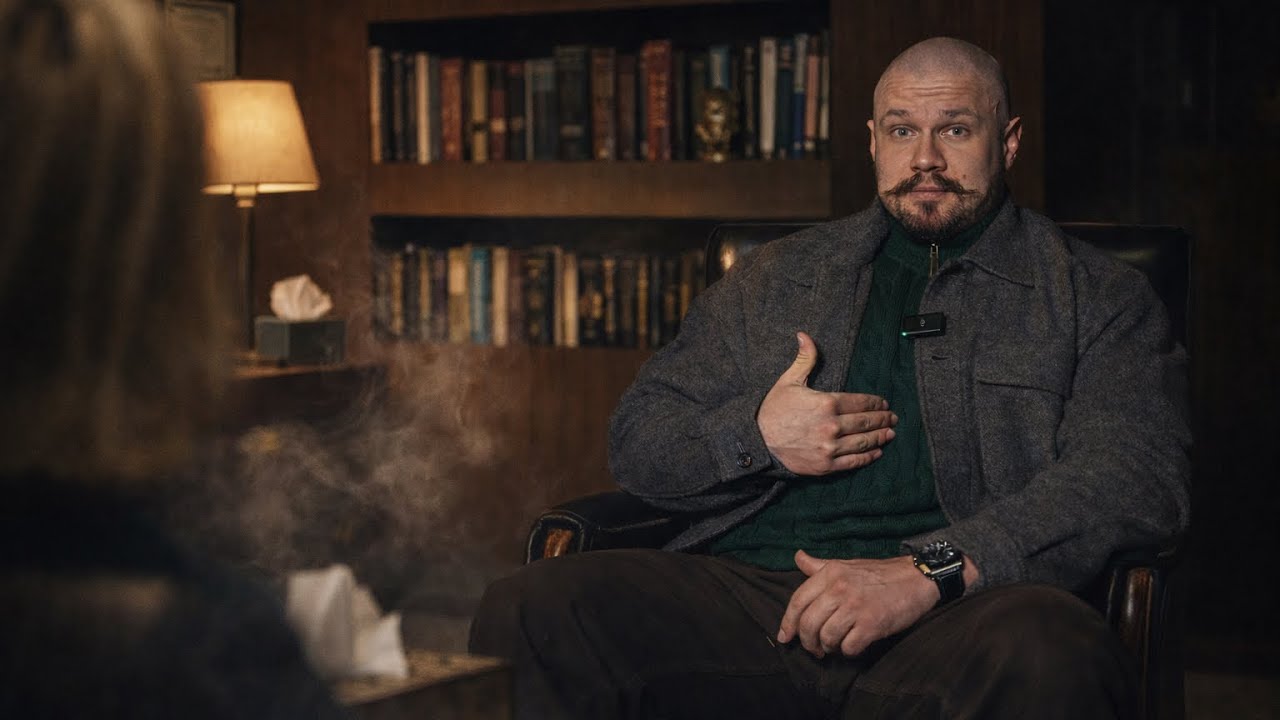
This film by Petr Osipov explores self-cruelty, its origins, and ways to transform it into self-love through understanding and boundary-setting.
Key Takeaways
- Self-cruelty is often unconscious and learned from early life experiences.
- Healing begins with awareness and setting healthy boundaries.
- Self-love includes caring for the body, mind, and emotional needs.
- Addictions are temporary escapes that worsen self-cruelty in the long run.
- Meaningful relationships require effort but should not come at the cost of self-neglect.
Summary
- Self-cruelty is normalized suffering often rooted in childhood and toxic relationships.
- People adapt to pain and may not recognize their own self-destructive behaviors.
- Self-love requires reducing cruelty and increasing care for oneself, including physical and emotional health.
- Addictions and unhealthy coping mechanisms are common ways people seek quick relief from suffering.
- Setting personal boundaries in various life areas is crucial for healing and growth.
- Relationships can be a source of pain or healing, and it’s important to distinguish between challenges to overcome and toxic dynamics to leave.
- Self-cruelty manifests in neglecting one’s body, emotions, and needs, often prioritizing others over oneself.
- Healing involves reconnecting with oneself, recognizing dependencies, and cultivating authentic joy and pleasure.
- The film emphasizes the importance of rootedness in health and self-care as foundations for a fulfilling life.
- Transformation is a gradual process requiring awareness, support, and intentional changes in mindset and behavior.
Chapters
- 00:00Understanding Self-Cruelty and Its Origins
- 02:42Neglecting Self in Relationships and Life
- 05:24Addictions and Their Role in Self-Cruelty
- 08:01Navigating Relationship Challenges and Boundaries
- 10:25Family Dynamics and Emotional Burdens
- 12:41Finding Joy and Self-Care in Daily Life
- 17:21Reconnecting with Childhood and Healing Memories
- 19:15Transformation Through Self-Love and Mindset Change
- 21:07Closing Thoughts and Encouragement for Change