Skip to content
Get App

TTrades Ideal Formation - High Probability Swing Points

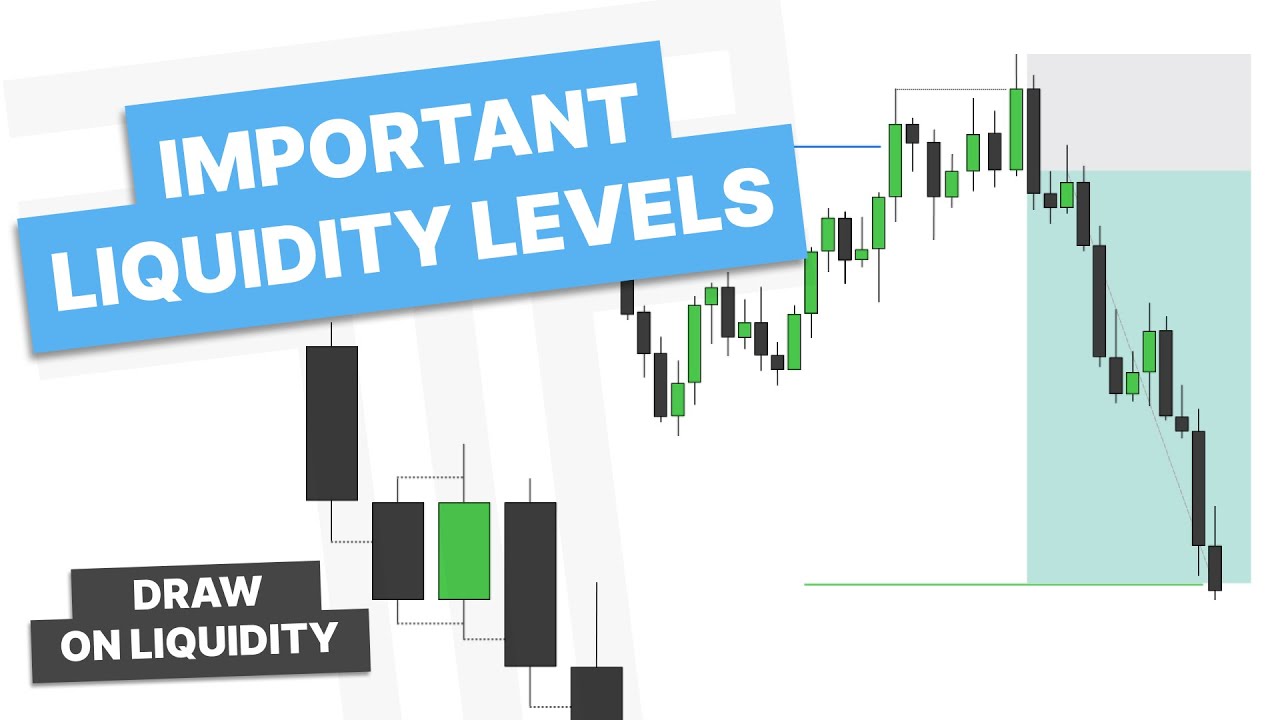
TTrades explains his 'ideal formation' in the fractal model: a candle two or three closure that simultaneously creates a protected swing, with chart examples of bullish and bearish setups.

Key Takeaways

  • An ideal formation requires a candle two or three closure that simultaneously creates a protected swing.
  • A point of interest such as a fair value gap must be present; the formation alone is not a trade signal.
  • The opening price of the opposing candle series and the EQ of the relevant candle are key areas to mark out.
  • Closing merely above a candle's body is not enough; the close must pass through the full opposing candle series.

What the video covers

  • Defines an ideal formation as a candle two or candle three closure that simultaneously creates a protected swing, making the next candle likely to expand away.
  • A protected swing forms when price closes through the series of opposing candles (or the single candle) at a point of interest, such as a fair value gap.
  • Ideal formations still require a point of interest; pattern trading them alone is not sufficient.
  • Key levels to mark include the opening price of the opposing candle series (the change in state of delivery) and the equilibrium (EQ) of candle two or three.
  • Bullish and bearish examples are given, with the bearish case being the mirror image of the bullish one.
  • A closure that merely clears the body of candle one, without closing through the opposing candle series, is not an ideal candle two closure.
  • Less common but valid formations occur when candle three does not fully expand but still closes over the level, creating the protected swing.
  • The video walks through TradingView examples, including a non-ideal case as a counterexample and several ideal cases with shallow wicks respected by the marked levels.
  • Viewers are encouraged to practice identifying ideal versus non-ideal closures on charts.

Answers

Questions about this video

What makes a candle two closure 'ideal' according to this video?

An ideal candle two closure occurs when price closes through the series of opposing candles at a point of interest, which simultaneously creates a protected swing. This combination makes the following candle more likely to expand in the direction of the closure.

Why is closing over candle one's body not enough to be an ideal closure?

The video explains that the close must go through the full series of opposing candles into the point of interest to create a protected swing. Simply clearing candle one's body does not create that protected swing, so the closure is not ideal.

What levels should traders mark out when trading an ideal formation?

Traders should mark the opening price of the opposing candle series (or the single candle if there is only one) and the equilibrium (EQ) of candle two or three. These levels act as support or resistance for the expected move.

Full Transcript — Download SRT & Markdown

00:11
Speaker A
How's it going everyone and welcome back to another video. In this video we are going to talk about my ideal formation.
00:17
Speaker A
This is the ideal structure that I want to see within a candle two or a candle three closure or trading a swing point within my fractal model. So let's get into the PDF.
00:27
Speaker A
So what is an ideal formation? An ideal formation is when we have a candle two or a candle three closure which simultaneously creates a protected swing. So what does that mean? It means upon that candle two or candle three
00:40
Speaker A
closure, we also have the swing point being a protected swing which means it's very ideal for the next candle to trade away or that it shouldn't be invalidated. So what do I mean? Let's take a look at this candle two closure
00:52
Speaker A
right here. We have price sweeping out the previous candles high and then closing back through the series in this case singular up close candle which creates a protected swing right here. So that means we have a protected swing on
01:05
Speaker A
the candle two high as well as a candle two closure which makes it ideal for candle three to expand. And the area I'm going to also want to mark out is that opening price in the series of up close
01:15
Speaker A
candles or if there's only one, the single up close candle. Now it's the same for a candle three closure. Here you can see candle two does not close below candle one's high so it is not a candle two closure.
01:27
Speaker A
Candle three engulfs that and since it is the series, in this case a singular up close candle that it closes below, this is now a protected swing. And now we can mark out that opposing candle or protected swing and look for candle four
01:39
Speaker A
to trade lower. Now over here on the left, this is less ideal as candle two has already expanded but it is still an ideal formation. You can see we have a candle two closure. We close through the series of up close candles creating a
01:53
Speaker A
protected swing on candle two's high and then we can look for candle three to trade lower from there. And the other scenario shown on this chart is we do have a candle two closure. It is not ideal as it does not close through in
02:05
Speaker A
this case a singular up close candle, but candle three does create that protected swing. So within this candle formation, we can still look to trade candle four and we have candle two creating a protected swing. We can look
02:17
Speaker A
to trade this candle four lower. Now, they're going to show up in various different ways, but it is always the same. We have a candle two or a candle three closure which creates also a protected swing simultaneously.
02:31
Speaker A
Now with these ideal formations, it doesn't mean we can just pattern trade them. We still need a point of interest.
02:36
Speaker A
So here you can see price reaches into a fair value gap. It has an ideal formation. Why is that ideal? Well, we have a candle two closure, but it is also creating a protected swing at the same time. So you can see candle two's
02:49
Speaker A
creating a protected swing. We can look for candle three to expand higher from where? That opposing candle opening price as well as the EQ of candle two.
02:58
Speaker A
Similarly, with the bearish scenario, it's the same just opposite. Candle one reaches up into that fair value gap.
03:05
Speaker A
Candle two has an ideal formation and then candle three expands away. Now here's an example of another ideal formation. Here you can see candle two sweeps out a low and on this closure, what does it do? It closes through the
03:18
Speaker A
series of down close candles into an important level creating a protected swing. So you can see how this singular closure creates a candle two closure, but also a protected swing. That is what makes it an ideal formation to trade
03:30
Speaker A
this higher. And similarly, with the bearish scenario, it's the same thing reaches up into a point of interest taking out this old high. Closes below the series of up close candles, that creates a protected swing, also a candle
03:43
Speaker A
two closure, so we can look to trade candle three lower. Once again, where do we want to mark out? We want to mark out the EQ of candle two, but we can also mark out the opening price of the series of opposing
03:54
Speaker A
candles or that protected swing, the change in the state of delivery. Now, here's another example of a less common, but also ideal formation. Is when we have a candle two closure, but it does not reach up to this level here for an
04:07
Speaker A
ideal formation, then candle three doesn't expand completely, but it closes over that level, creating a protected swing. So, now in candle four, we have a valid swing point, candle two closure, candle three closes strong, we can look to trade candle four, but candle three
04:22
Speaker A
is also creating that protected swing. That gives us more confidence and validation of this idea for price to trade higher.
04:29
Speaker A
And once again, it's the same on the bearish scenario, but we reach up into a point of interest, have a candle two closure, we don't reach for the opposing candle level, right, to create a protected swing. The next candle, or
04:40
Speaker A
candle three, does close below candle two's low, also creating a protected swing. Now, we can look to trade candle four lower from here. Once again, what is the area we want to mark out? We can mark out that opposing candle level, the
04:53
Speaker A
opening price in the series of up-close candles. If there's only one candle, then you mark out the singular candle.
04:58
Speaker A
Other than that, you always use the series of candles. And then we can also mark out the EQ of candle three, looking for that to go lower. So, let's go into TradingView and go over a few examples of this.
05:09
Speaker A
So, here we are in our first example, and we are going to go over what is not an ideal candle two closure. Now, I see a lot of people get this wrong, and that is why I'm teaching it now here on
05:19
Speaker A
YouTube, thinking that this is an ideal candle two closure when it is not. So, let's go over that. Here you can see, we do have a point of interest, price is reaching into a fair value gap here, the
05:29
Speaker A
bodies are holding that level, it looks pretty nice. We have a candle two closure. Now, why is this not an ideal candle two closure? A lot of people think because it closes over the body of candle one, that it is an ideal candle
05:43
Speaker A
two closure. But, what did we learn in the PDF? For this to be an ideal candle two closure, price has to make a candle to closure while simultaneously creating a protected swing. Is this a protected swing? No, because we need to close over
05:56
Speaker A
this series of down closed candles into the point of interest. Here is the low in that point of interest. What are the series of candles that went into that level? Right here, these two down closed candles. So, price would have needed to
06:09
Speaker A
close over this level to be an ideal candle to closure. So, it is not. Now that you know what it is not, let's go find some examples of an actual ideal candle two or ideal candle three closure.
06:23
Speaker A
So, here we are in our first real example, and let's go over what an ideal candle two closure looks like or an ideal formation. So, letting this next candle form, what do we notice? We have a point of interest. We have a fair
06:34
Speaker A
value gap here. And we have what? A candle two closure. Now, what makes this ideal?
06:41
Speaker A
This is ideal because within this candle two closure, what do we do? We close over the series of down closed candles into the point of interest, which creates what? A protected swing.
06:52
Speaker A
So, you can see we have a candle two closure, which is simultaneously creating a protected swing. That makes it ideal to be trading this following candle higher. What areas can we mark out? We can mark out this opposing
07:04
Speaker A
candle level as well as the EQ of candle two as I've taught in other videos. And now, if we want to see a shallow wick, so we want to see price open, have a shallow wick supported by these levels
07:14
Speaker A
to trade higher. So, let's see what happens. There you go. You can see how these levels support price, and we trade higher. So, this is an example of an ideal candle two closure because it is a candle two closure that simultaneously
07:27
Speaker A
creates a protected swing. Now, take a moment here and see if you can spot the candle two closure and whether or not it is ideal.
07:36
Speaker A
So, here you can see price is taking out this previous high. And do we have what? A candle two closure. Now we have to ask ourselves, is this ideal or is it not? Right? If it is ideal, it is simultaneously creating
07:48
Speaker A
a protected swing. We find the high, we find the series of candles that made that high. In this case, it's just one.
07:54
Speaker A
Did price close through that level at the same time? It did. So this is an ideal candle to closure. We'd want to see candle three trade lower. From where? Well, we can mark out that opening price as a level as well as the
08:07
Speaker A
EQ from the previous day's range. So we can look for price to make a shallow wick in this area and then trade lower.
08:15
Speaker A
You can see how that area is respected and we trade lower. So that is an ideal formation because the candle closure is simultaneously creating a protected swing.
08:27
Speaker A
So in this next example, you can see price is running out this high and we have formed a nice wick on this candle.
08:33
Speaker A
But is it a candle two or a candle three closure? No. We need to let another candle form. Letting that next candle form, what do we notice? We notice that we have a candle three closure because candle three is closing below the body
08:47
Speaker A
of candle two. But does that make it an ideal formation? No. What forms an ideal formation? Well, candle three would also have to close through the series of candles that made that high. So we find the high, the
08:58
Speaker A
series of candles that made that high. And there we have an ideal formation. So looking at this, how do we mark out this ideal candle three closure? Well, we marked out this level here, right? The opening price in the series of up close
09:10
Speaker A
candles as well as the EQ of this level. So going into this next candle, if we want to see this hold, we want to see price form into wick in this level here to have a shallow wick to trade lower to
09:21
Speaker A
these equal lows below. Here you can see we make a shallow wick and then expand lower. Now let's go down here and take a look at another ideal formation. This one is also a little bit different because what? It doesn't form
09:34
Speaker A
in candle two. So you can see price sweeps out a low. we have a candle two closure. Is that ideal? No, it's not even very bearish, right? But, what does it do? In candle three, we form a continuation, right?
09:47
Speaker A
And close over there. So, that means it's ideal for trading in candle four because we have a valid swing framework or fractal model. Candle three closes forming a protected swing, and we can look to trade candle four higher.
10:01
Speaker A
Now, let's go find an example of an ideal candle two. So, right here, you can see, price sweeps out this little high.
10:08
Speaker A
And what do we notice? We have a candle two closure here. Now, is this ideal?
10:13
Speaker A
Yes, it would be. Why is that? It's ideal because we have price at a point of interest, a candle two closure.
10:20
Speaker A
But, what does this candle two closure do? It closes through the series of up close candles, in this case, it's just one. So, this is an ideal candle two closure because we form a protected swing as well as a candle two closure. So, what
10:35
Speaker A
areas are we going to mark out? The opening price, the EQ, and then we want to see price form its next high in this area making a shallow high to trade lower. And there you can see, we do
10:46
Speaker A
retest that level, and then trade lower. So, that's an example of an ideal candle two closure.
10:52
Speaker A
So, here you can see we are in a bullish trend, and we have a fair value gap right here.
10:58
Speaker A
We have price forming a little consolidation here. So, what would we want to see if we are bullish? Price reach into the fair value gap, and then trade higher. Let's see if we can get a candle closure that aligns with that.
11:10
Speaker A
Here you can see, we have a candle two closure. Price reaches into the fair value gap, and then closes outside of that. Now, is this an ideal candle two closure?
11:19
Speaker A
No, because price didn't close over this down close candle where price reaches into that fair value gap. But, we can still look for an ideal formation in the next candle. So, we could one, look to trade candle three higher. We
11:33
Speaker A
want to see a close over candle two's high and over this candle here creating a protected swing or we can let that candle form and then look to trade the candle four.
11:43
Speaker A
So here you can see price closes over not only candle two's high but also this level which it does what? Creates a protected swing. So now going into candle four for a continuation we have a protected swing and candle two closure,
11:57
Speaker A
candle three closing strong. So this would be a variation of an ideal formation. Right? It is ideal to be trading candle four here because we have everything aligned, candle two closure at a point of interest, a protected swing formed in candle three. So we can
12:11
Speaker A
mark out this level here as well as the EQ of candle three and we can look for this area to support price higher in the following candle.
12:19
Speaker A
So here you can see it does support it higher. That's kind of that area we want to see hold and candle four gets an expansion. So this is an example of an ideal formation but it forms in candle
12:30
Speaker A
three. Right? It's a candle two closure, it becomes ideal after candle three's closure. It's not a candle three closure.
12:38
Speaker A
So here we are for one more example. What do we notice here? We have a nice little V-shape and then a consolidation and price runs out the consolidation low.
12:48
Speaker A
So is this a candle closure we want to trade away from? No because it is not a candle two or a candle three closure.
12:55
Speaker A
Letting another candle form, what do we have? Sweeping out the range low, we have a candle two closure.
13:01
Speaker A
And do we have an ideal formation? Well, where does price have to close to form an ideal formation? The series of down close candles, right? So has price closed over this level? No, not yet. So we have a candle two closure, we could
13:16
Speaker A
still look to trade this higher, right? We have failure swings right here. But is it ideal? No. But what could happen is we could form an ideal formation in candle three to look to trade candle four.
13:28
Speaker A
Letting this candle form, we do what? We do a few things here. We close over this level. We close over candle two's high. We also close over this range high. So, with all of that put together, what could we look for? We
13:41
Speaker A
can mark out the EQ of this previous candle, which aligns pretty well with this opposing candle here. We can look to trade candle four as it is now ideal to trade candle four. Candle four, we get a nice shallow wick, and we trade it
13:55
Speaker A
higher. Now, I hope you found this video helpful and it taught you what an ideal formation is within the fractal model.
14:02
Speaker A
It is a candle closure paired with a protected swing. When those occur simultaneously, it is ideal within my model and my framework to look to the lower time frames for entry. But, with that said, I hope you enjoyed the video,
14:16
Speaker A
and I'll see you guys next time. Have a good one. If you are looking for a way to work more closely with me and get more one-on-one support within your trading, you can click the link below. We have a
14:30
Speaker A
waitlist for our program, so you can join and I will let you know when we have new openings.
Topics:ideal formationfractal modelprotected swingcandle two closurecandle three closurefair value gapswing tradingprice actionTradingViewICT concepts

Get More with the SozAI App

Transcribe recordings, audio files, and YouTube videos — with AI summaries and speaker detection. 30 minutes free.

Or transcribe another YouTube video here →