Skip to content
Get App

Positional Entries - Enter Before The Expansion

TTrades explains positional entries: entering at the open of a higher-timeframe candle after a protected swing forms, stopping above the protected swing, to avoid missing expansions. Examples on AUDUS

Key Takeaways

  • Positional entries aim to capture expansion from the open of a higher-timeframe candle instead of waiting for confirmation.
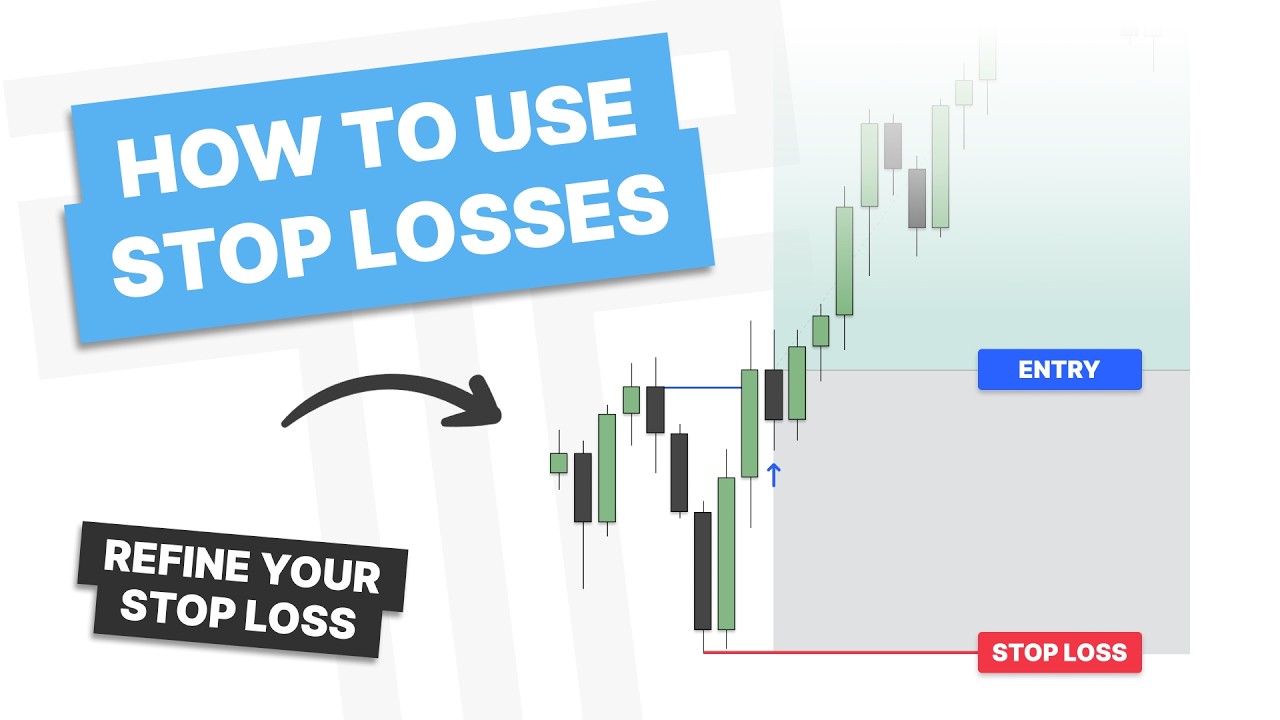
  • Place the stop on the protected swing from the prior candle, above EQ, to define risk.
  • Protected swings aligned with EQ or fair value gaps give the trade a logical invalidation point.
  • Targeting 2R or liquidity levels is the primary profit objective in the examples shown.

What the video covers

  • A positional entry means positioning yourself at the open of an expansion candle before its wick forms, rather than waiting for an intra-candle change in delivery.
  • The fractal model starts by waiting for a higher-timeframe candle closure, then looking for a lower-timeframe change in the state of delivery.
  • A protected swing formed near the close of candle two sets the stop-loss reference for the positional entry.
  • The stop should sit above the equilibrium (EQ) of candle two, in a spot that should be protected if expansion is to occur.
  • Waiting for intra-candle confirmation often causes traders to miss moves that expand immediately at the open.
  • Examples are shown on TradingView, including cases with SMT divergence and PSP confluence supporting the trade direction.
  • Ideal setups keep the protected swing aligned with the EQ or fair value gap area, so price respecting that level keeps the trade valid.
  • Targets are typically 2R or liquidity points marked by the indicator.
  • If risk-to-reward does not make sense, the trader should adjust the entry or stop rather than force the trade.
  • When a new continuation forms, the stop can be moved to the new protected swing to lock in risk management.

Answers

Questions about this video

What is a positional entry according to this video?

A positional entry is taking a trade at the open of a new higher-timeframe candle after a protected swing has formed, anticipating expansion before the wick forms. The stop goes on that protected swing in the prior candle.

Where should the stop loss be placed for a positional entry?

The stop should go on the protected swing in candle two, ideally above the equilibrium of that candle. This positions the stop where price should not reach if the expansion thesis is correct.

Why does the video say traders miss trades when waiting for intra-candle confirmation?

Waiting for an intra-candle change in state of delivery can cause traders to miss moves that expand immediately at the open. The positional entry addresses this by entering early with a defined stop.

Full Transcript — Download SRT & Markdown

00:11
Speaker A
How's it going everyone, and welcome back to another video. In this video, we are going to talk about positional entries, or positioning yourself for an expansion candle prior to the formation of its wick. So, let's get into the video.
00:25
Speaker A
So, what do we know about the fractal model? We first need to wait for a higher time frame candle closure and then we look for a lower time frame change in the state of delivery. Now, we're going to pause for a second, go
00:36
Speaker A
So, what do we know about the fractal model? We first need to wait for a higher time frame candle closure, and then we look for a lower time frame change in the state of delivery. Now, we're going to pause for a second, go into this lower time frame, and notice we already have a change in the state of delivery. Now, for my model, I'm not going to look to trade that until we form a continuation in this higher time frame candle closure.
00:46
Speaker A
What do we notice about this higher time frame candle closure? We have already formed a new protected swing right near the closure of this candle two. So, I can go into candle three with the anticipation that if we're going to have
00:59
Speaker A
What do we notice about this higher time frame candle closure? We have already formed a new protected swing right near the closure of this candle two. So, I can go into candle three with the anticipation that if we're going to have a small wick that supports expansion lower, we shouldn't take out this high. So, what does that mean? I could either wait for an intra-candle change in the state of delivery or a continuation to form this wick, or, how many times have you taken a trade or missed a trade because it just expands right away?
01:12
Speaker A
have you taken a trade or missed a trade because it just expands right away. So, this is my expectation is it could retrace back up into this area or it could just expand lower. But, if I don't want to miss that move in the sake that
01:25
Speaker A
So, this is my expectation: it could retrace back up into this area, or it could just expand lower. But, if I don't want to miss that move in the case that it does just expand right away at the open, I can go ahead and take an entry right at the open, or position myself for that candle three with my stop on a protected swing in candle two. Now, if you notice, the stop on candle two is above the EQ of candle two. I want to see that above the EQ. I want to see it in a spot where it should be protected.
01:36
Speaker A
you notice, the stop on candle two is above the EQ of candle two. I want to see that above the EQ. I want to see it in a spot where it should be protected.
01:45
Speaker A
But, here is the anticipation. This is what a positional entry is. I'm just entering at the open, positioning myself for that expansion under the anticipation that price shouldn't go take out this high if it is going to expand.
01:59
Speaker A
And there we get the expansion. Now, let's say I don't take this positional entry. Are there other entries in here?
02:04
Speaker A
And there we get the expansion. Now, let's say I don't take this positional entry. Are there other entries in here?
02:17
Speaker A
frame candle. This is where I don't want to miss the trade if candle three or that continuation candle is just going to expand right away. So, I will position myself or take an entry at the open, put my stop on that protected
02:29
Speaker A
Sure, we have that intra-candle change in the state of delivery and another continuation lower. But just to review, what is a positional entry? A positional entry is when we have a protected swing going into the open of a new higher time frame candle. This is where I don't want to miss the trade if candle three, or that continuation candle, is just going to expand right away. So, I will position myself or take an entry at the open, put my stop on that protected swing in candle two generally, and then allow the expansion to occur or the wick to form.
02:35
Speaker A
Let's get into TradingView and go over a few examples of this. So, here we are in our first example, and what do we have?
02:41
Speaker A
Let's get into TradingView and go over a few examples of this. So, here we are in our first example, and what do we have?
02:47
Speaker A
Now, what do we notice? Before the open of candle three here, we form a protected swing. Why is that? We reach into this fair value gap, and then we close through the series of up-close candles that made that high. So, going
03:01
Speaker A
We have a candle two closure. Do we have a change in the state of delivery? We do, right here.
03:14
Speaker A
form a wick in here. So, we could go ahead and look to take an entry right on the open of this new higher time frame candle, or put our stop on that protected swing, and then look for our
03:24
Speaker A
Now, what do we notice? Before the open of candle three here, we form a protected swing. Why is that? We reach into this fair value gap, and then we close through the series of up-close candles that made that high. So, going into candle three here, we already have a protected swing that we'd want to see hold if price was going to form a small wick and then expand lower. Ideally, we wouldn't want to see price continue to consolidate to form a wick in here. So, we could go ahead and look to take an entry right on the open of this new higher time frame candle, or put our stop on that protected swing, and then look for our 2R.
03:31
Speaker A
You can see we do form a new continuation, but you don't know if that is going to happen or if it's just going to expand away.
03:38
Speaker A
Now, why are we trading away from this high? There is an SMT on the higher time frame. Let's see what happens here.
03:52
Speaker A
another example. So, here we are in another example. What do you notice? We have We have a 4-hour candle to closure. We want to check do we have a change in the state of delivery? We do. So, you can see my
04:04
Speaker A
You can see we do form a new continuation, but you don't know if that is going to happen or if it's just going to expand away.
04:15
Speaker A
We have went into this fair value gap. We have closed over the series of down closed candles into that fair value gap forming a protected swing in this fair value gap. So, going into the open of this new higher time frame candle, we
04:26
Speaker A
Let's see what happens. And there we go, and we hit our 2R. So, obviously price didn't just expand away, but many times you will lose opportunities if you're always waiting for that intra-candle change in the state of delivery. Let's get into another example.
04:36
Speaker A
We have a protected swing that protects the area that we want to see respected.
04:40
Speaker A
So, here we are in another example. What do you notice? We have a 4-hour candle closure. We want to check: do we have a change in the state of delivery? We do. So, you can see my model will print it out and mark it as a candle closure. But, what do we notice about this candle three? We can look left here. What do we have? We have a new protected swing that has formed. We have went into this fair value gap. We have closed over the series of down-closed candles into that fair value gap, forming a protected swing in this fair value gap. So, going into the open of this new higher time frame candle, we want to see this equilibrium respected, as marked out with this T spot here. If you notice, this protected swing is right below that T spot. That is ideal.
04:52
Speaker A
that could be our positional entry. We are entering at the open of candle three, putting our stop on a protected swing that also covers the area that we want to see respected or that EQ, and then we're going to see if this plays
05:04
Speaker A
We have a protected swing that protects the area that we want to see respected.
05:12
Speaker A
Let's see if we go ahead and hit this TP. We do. So, just to review, this is a really great example of a positional entry.
05:20
Speaker A
So, what could we look for here? We could actually enter at the open of this higher time frame candle, put our stop on that protected swing, and then look for our 2-hour target or these liquidity points marked out by the indicator. So, that could be our positional entry. We are entering at the open of candle three, putting our stop on a protected swing that also covers the area that we want to see respected, or that EQ, and then we're going to see if this plays out. If you notice, we form a new continuation, which is ideal, because then we could move our stop to our new protected swing, or we can just leave it.
05:25
Speaker A
Within that valid fractal model on the lower time frames, we have a protected swing in candle two prior to the open of candle three. We can then look to enter at the open of candle three, putting our stop on that new protected swing as long
05:39
Speaker A
Let's see if we go ahead and hit this TP. We do. So, just to review, this is a really great example of a positional entry. We have a candle closure. We have a CISD. We have a valid fractal model. Within that valid fractal model on the lower time frames, we have a protected swing in candle two prior to the open of candle three. We can then look to enter at the open of candle three, putting our stop on that new protected swing as long as it also respects the EQ, and then look to trade that higher. But, once again, if we do miss that initial entry, we can still use the intra-candle change in the state of delivery or new continuations that form to look to get on side.
05:51
Speaker A
on side. So, here is another example of a positional entry. So, you can see we have a candle to closure here. We have a change in the state of delivery. And what do we notice in here? We have
06:03
Speaker A
So, here is another example of a positional entry. You can see we have a candle closure here. We have a change in the state of delivery. And what do we notice in here? We have protected swings right here prior to the open of the new higher time frame candle. If I'm confident in this bias, that is where I'm looking to take positional entries. I can take an entry on the open of the new higher time frame candle. But, where do I need to put my stop? On a protected swing. Then I could look for 2R and go ahead and let this play out.
06:15
Speaker A
frame candle. But, where do I need to put my stop? On a protected swing. Then I could look for 2R and then go ahead and let this play out.
06:23
Speaker A
Now, if you notice, we could have gotten another secondary entry here, the intra-candle change in the state of delivery. But, the reason for positional entries is that if you don't know whether it's going to form this wick or not, right? It could just expand lower. Obviously, here we have this reaction off the previous day low. We could potentially anticipate a new continuation forming. But, let's see what happens here.
06:35
Speaker A
It could just expand lower. Obviously here, we have this reaction off previous day low. We could potentially anticipate a new continuation forming. But, let's see what happens here.
06:46
Speaker A
And you can see we formed new protected swings, a couple of them actually. And then we get that expansion to 2R. So, the point of a positional entry is you aren't sure if we are going to form an intra-candle change in the state of delivery to form this wick to get on side with. Instead, you have a protected swing that is over the EQ of the previous candle. So, you consider this protected, because if we are going to have a small wick for expansion, we should not reach this point. So, then I can look to take this entry, put my stop on that swing, and let the day play out, expecting it to expand lower.
06:57
Speaker A
intra-candle change in the state of delivery to form this wick to get on side with. But, instead you have a protected swing that is over the EQ of the previous candle. So, you consider this protected because if we are going
07:10
Speaker A
Let's get into another example. So, here we are in another example on AUDUSD on the 15-minute chart. You can see we have an ideal candle closure with an SMT with NZDUSD and a PSP with NZDUSD and DXY. Going into this candle, we are expecting it to move higher. Now, do we have a protected swing?
07:21
Speaker A
into another example. So, here we are in another example on AUDUSD on the 15-minute chart. You can see we have an ideal candle to closure with an SMT with NZDUSD and a PSP with NZDUSD and DXY. Going into this candle,
07:37
Speaker A
we are expecting it to move higher. Now, do we have a protected swing? We do. Is that in respect to the EQ? Yes, we have a lot of room between this EQ where it should be respected and this low. So, we
07:48
Speaker A
wouldn't want to see price go all the way down to this low, right? We'd want to see it respect this area in the fair value gap and go higher. What could we do? We could take an entry on the open
07:58
Speaker A
of that candle, put our stop on the protected swing, and then look for 2R.
08:02
Speaker A
This 2R can still make sense because we are within this range here. But, one thing you do want to consider with protected swings is if the risk to reward does not make sense, you either have to manipulate your entry or your
08:13
Speaker A
stop loss in some way to give better risk to reward. So, let's say for instance, this didn't fit my requirements. I would then maybe look to position my entry on the fair value gap here, and then I can get 2R a bit
08:23
Speaker A
quicker. Right? And so, those are decisions you have to make. But, let's see how this positional entry would work out.
08:31
Speaker A
And you can see we get a nice expansion higher there in this candle three. And this is an example of why positional entries actually are a thing for me within my model. I notice that many times in candle three, if we already had
08:43
Speaker A
a protected swing that has set up, price doesn't need to form another protected swing to expand. It can expand on the open of that new higher time frame candle, and I would miss trades like this. So, this is the way I have
08:54
Speaker A
developed to go ahead and enter trades like this where I may have been missed in the past. Let's get into another example. So, here we are in another example. We are on AUD/USD on the hourly and daily chart. You can see we have a
09:06
Speaker A
nice candle two closure. It doesn't have the best closure. We'd prefer it open for the high, but it does have that V-shape reversal. And if we look on the lower time frames, it's really just expansion and then a consolidation.
09:17
Speaker A
Now, this is a lesson on choosing the protected swings in relation to equilibrium. This is valid for a entry long because it is a candle two closure, and we have a new protected swing. I want to ask you, which one of these
09:30
Speaker A
protected swings make sense? Does it make sense to put my stop loss on this protected swing right here?
09:36
Speaker A
No, because it is not in respect to the equilibrium. If we are looking for this daily candle to form its wick in this T-spot area respecting the EQ, my stop loss just does not make sense there. I'd honestly expect it to get taken out.
09:50
Speaker A
Now, does this stop loss down here make sense? Yes, because this protected swing is in respect to that EQ. Price can respect the EQ and not take me out of this position. So, let's see what happens. Can we get two R out of this?
10:02
Speaker A
And you can see as we let this continue forward, you can see we form a new protected swing, which means I could trail my stop loss anticipating this to be the intraday low. Or if I miss my initial entry, this could be a secondary
10:14
Speaker A
entry. And do we expand higher? We do, and we hit our two R there. So, this is just a lesson in selecting protected swings. Mechanically, yes, this is a protected swing prior to the open of candle three, but does it make sense in
10:28
Speaker A
the context of what the structure looks like and where the equilibrium is located? No. And so, that's why I would want to choose this one.
10:35
Speaker A
Let's get into one final example. So, here we are in our final example on silver on the daily and hourly.
10:42
Speaker A
What do we have? Do we have a candle two closure? No. So, what does my model look for? A candle three closure. Do we have a candle three closure? Yes. Do we have a change in the state of delivery? Yes.
10:54
Speaker A
Now, what am I looking for? What area do I want to see respected in here?
10:59
Speaker A
I want to see the EQ respected, but also these protected swings. Here I have a protected swing, and here I have a protected swing. Now, would I want to put my stop loss all the way at this high? No. Would it make sense to put my
11:10
Speaker A
stop loss at this level here? Let's see. Does this give me enough distance? It doesn't technically cover the EQ, but this is still a large enough area that I'd want to see a wick form in this area and not trade too high up. So, this is
11:23
Speaker A
where I could look to take a positional entry or look for a new continuation to form.
11:29
Speaker A
Here you can see, we do get that expansion lower, and we hit our two R.
11:33
Speaker A
So, this is where it makes sense to use a positional entry. I'm expecting this momentum or this expansion to continue and I'm not looking for a deep retracement. I have a new protected swing going into the open of the higher
11:45
Speaker A
time frame candle. In this case, it's candle four where I can position myself on there, give my stop enough room for this wick to form, and allow expansion to occur.
11:55
Speaker A
Now, I hope this video helped you. If you did find it confusing and you are newer to my model, I would not worry about it. I would not focus on this concept. It is an advanced concept. But, with that, if you did enjoy it, please
12:06
Speaker A
give it a like, subscribe, and I'll see you guys in the next one. Have a good one.
Topics:positional entryfractal modelprotected swingexpansion candlechange in state of deliverySMT divergencefair value gapICT tradingAUDUSDrisk to reward

Get More with the SozAI App

Transcribe recordings, audio files, and YouTube videos — with AI summaries and speaker detection. 30 minutes free.

Or transcribe another YouTube video here →