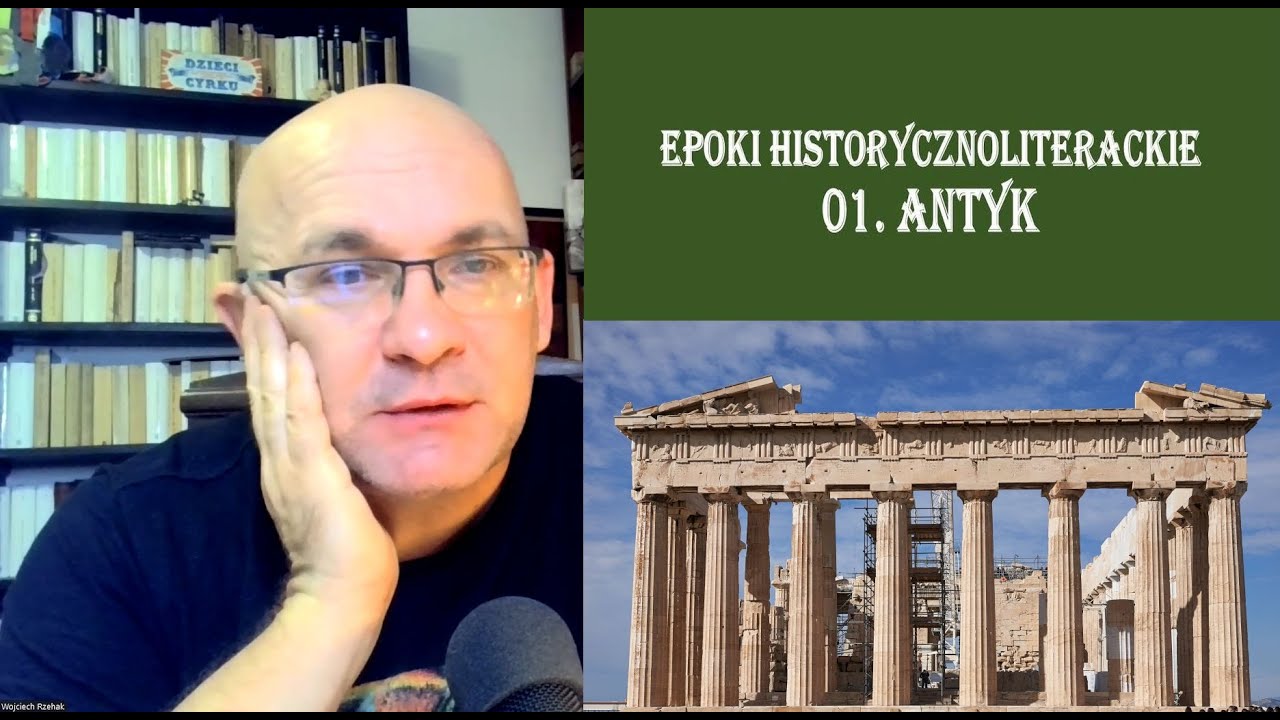
Explore how Pericles transformed Athens into a golden age through democracy, naval power, culture, and visionary leadership.
Ask about this video. Answers come from its transcript only — with the timestamp, so you can check them.
Generated from the transcript and can be wrong — check the timestamp.
Key Takeaways
- Smart, inclusive leadership can transform societies.
- Democracy thrives when participation is accessible to all citizens.
- Strong defense and economic strategies underpin cultural and political success.
- Cultural and intellectual investment creates lasting legacies.
- Ambition can lead to both greatness and conflict.
What the video covers
- Pericles led Athens from a war-torn city-state to a dominant ancient power.
- He expanded democracy by paying citizens to participate in juries and councils.
- Athens' navy was strengthened to protect trade routes and secure tribute.
- Investments in architecture like the Parthenon symbolized Athenian pride and confidence.
- Cultural achievements flourished with figures like Sophocles, Herodotus, Thucydides, and Socrates.
- Pericles promoted Athens as a center of learning and civic participation for all Greeks.
- His funeral oration emphasized bravery, curiosity, and service to the city.
- Despite successes, Athens faced challenges including Spartan opposition and a devastating plague.
- Pericles died early in the Peloponnesian War, leading to Athens' decline without his leadership.
- His legacy teaches the importance of investing in people, inclusive governance, and long-term vision.
Full Transcript — Download SRT & Markdown
Speaker A
Why did Athens soar? Two words: smart leadership.
Speaker A
Let me introduce Pericles, the guy who took a scrappy city-state and turned it into the powerhouse of the ancient world.
Speaker A
When Pericles steps in, Athens has ships, pride, and bruises from the Persian Wars.
Speaker A
He doubles down on what Athens does best: democracy, trade, ideas.
Speaker A
First, democracy.
Speaker A
He pays ordinary citizens to serve on juries and councils, so politics isn't just for the rich anymore.
Speaker A
Suddenly, talent beats inheritance.
Speaker A
That means more voices, better decisions, and buy-in from everyone.
Speaker A
Next, the Navy.
Speaker A
Pericles keeps the fleet fast, funded, and feared.
Speaker A
Those ships protect sea lanes, pull in tribute from allies, and keep the money flowing.
Speaker A
With that cash, he invests at home, big.
Speaker A
Think the Parthenon, marble, math, and mind-blowing detail.
Speaker A
It's not just a temple, it's a billboard for Athenian confidence.
Speaker A
Culture explodes.
Speaker A
Drama, Sophocles, history, Herodotus, Thucydides.
Speaker A
Philosophy.
Speaker A
Socrates starts poking at everything.
Speaker A
Pericles isn't writing the plays, but he's creating the stage where genius shows up.
Speaker A
And his message: Athens is a school for all of Greece.
Speaker A
He says it during the funeral oration.
Speaker A
Part pep talk, part manifesto.
Speaker A
Be brave, be curious, serve the city.
Speaker A
But here's the twist: the same ambition that fuels a golden age also sparks jealousy and war.
Speaker A
Sparta pushes back.
Speaker A
Plague strikes, Pericles dies early in the Peloponnesian War, and Athens stumbles without him.
Speaker A
So why did Athens soar?
Speaker A
Because one leader bet on people, on participation, protection, and possibility.
Speaker A
And turned a city into an idea.
Speaker A
That idea outlived his walls.
Speaker A
If I take one lesson from Pericles, it's this:
Speaker A
Invest in minds.
Speaker A
Build for the long term and invite everyone in.
Speaker A
That's how a moment becomes a legacy.
Topics:PericlesAthensGolden AgeAncient GreeceDemocracyPeloponnesian WarParthenonSophoclesSocratesHistory


![[Full Episode]Nothing Else Compares(English-dubbed)#cdr… — Transcript](https://i.ytimg.com/vi/YYJruShKWz8/maxresdefault.jpg)