Skip to content

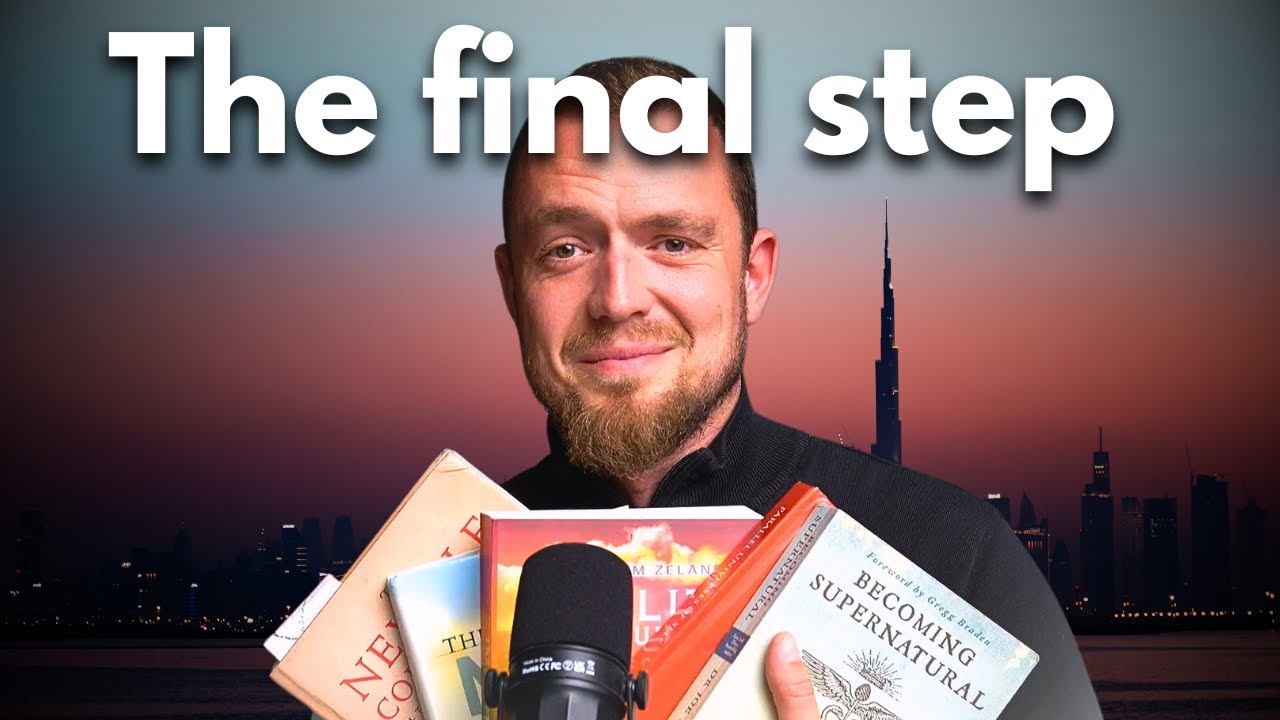
The Day the Empath Stops Caring — Jung’s Final Stage of Awakening

Exploring Jung's final stage of awakening when empaths stop caring, transforming pain into self-sovereignty and conscious love.

Ask about this video. Answers come from its transcript only — with the timestamp, so you can check them.

Generated from the transcript and can be wrong — check the timestamp.

Key Takeaways

  • Empaths' exhaustion stems from absorbing others' emotions and suppressing their own needs.
  • Profound betrayal triggers a psychological transformation, not anger but calm detachment.
  • Stopping caring is not cruelty but a conscious withdrawal to protect inner peace.
  • This stage marks the beginning of self-sovereignty and authentic psychological awakening.
  • Jung's final stage of awakening challenges traditional views on empathy and personal transformation.

What the video covers

  • Empaths absorb and transmute others' emotional pain, often sacrificing their own peace for others' comfort.
  • Jung identified empaths as emotional shock absorbers who rarely complain despite deep exhaustion.
  • Cultural conditioning reinforces empaths' self-abandonment as a virtue tied to caring and maturity.
  • Empaths unconsciously catalog patterns of manipulation and betrayal without weaponizing this knowledge.
  • The breaking point is profound betrayal by loved ones, triggering shadow integration and self-betrayal awareness.
  • Empaths withdraw projections of goodness onto others, gaining clarity and seeing reality without distortion.
  • This awakening leads empaths to stop emotional labor and disengage from dysfunctional systems silently.
  • Others often react with shock and accusations, but empaths maintain calm boundaries and sovereignty.
  • Empaths transform their social circles by removing toxic relationships and attracting authentic connections.
  • Jung described this as the highest psychological development, where empaths learn to fiercely love themselves.

Answers

Questions about this video

What does it mean when an empath stops caring according to Jung?

Jung described this as the final stage of spiritual awakening where empaths stop performing emotional labor and withdraw from dysfunctional systems, gaining clarity and self-sovereignty.

Why do empaths reach a breaking point?

Empaths reach a breaking point due to profound betrayal by loved ones after years of absorbing emotional pain and suppressing their own needs, triggering shadow integration and self-betrayal awareness.

How do others typically react when an empath stops caring?

Others often respond with shock, accusations of selfishness, and confusion because the empath's calm withdrawal disrupts familiar emotional dynamics and boundaries.

Full Transcript — Download SRT & Markdown

00:00
Speaker A
There comes a moment in every empath's life when something inside them goes completely silent. Not broken, not angry, just done. Carl Jung discovered this wasn't depression or emotional exhaustion. He called it the final stage of spiritual awakening.
00:14
Speaker A
And it terrifies everyone who witnesses it because when an empath stops caring, they don't become cruel, they become untouchable, and that changes everything. Jung spent decades studying patients who reach this state.
00:28
Speaker A
What he found challenges everything we think we know about empathy, spirituality, and personal transformation. The moment the empath stops caring isn't the end of their journey. It's the beginning of something far more powerful. Before we understand why empaths stop caring,
00:42
Speaker A
we need to see what brings them to that edge. Jung documented a consistent pattern across his most sensitive patients. These weren't people who occasionally felt things deeply.
00:52
Speaker A
These were individuals whose entire nervous system functioned as an emotional receiver for everyone around them. They walked into rooms and immediately absorbed the psychological atmosphere. Family dinners left them exhausted from managing everyone's unspoken tensions.
01:06
Speaker A
Friendships drained them because they carried both sides of every conflict. Romantic relationships nearly destroyed them because they felt their partner's pain more intensely than their partner did. Jung called these individuals the emotional shock absorbers of their social systems.
01:21
Speaker A
They didn't just empathize with suffering. They absorbed it, processed it, and somehow transmuted it so others could function. Parents dumped their anxiety onto them. Siblings used them as free therapists.
01:34
Speaker A
Partners treated them like emotional support animals who existed solely to manage their moods. And here's what made Jung's observations so disturbing. These empaths never complained. They accepted this role as their purpose. They believed their sensitivity was meant to serve others.
01:49
Speaker A
That their gift obligated them to sacrifice their own peace for everyone else's comfort. They wore their exhaustion like a badge of honor. Proof they were good people who cared enough to suffer. The cultural conditioning ran deep. From childhood, they had been
02:04
Speaker A
praised for being understanding, for making others feel better, for keeping the peace. Every time they suppressed their own needs to accommodate someone else, they received validation.
02:14
Speaker A
Every time they absorbed someone's anger to prevent conflict, they were told they were mature beyond their years. This positive reinforcement created a pattern of self-abandonment that felt like virtue. But Jung noticed something the empaths themselves couldn't see yet. Behind their
02:31
Speaker A
compassionate facade, their psyche was keeping records. Every manipulation, every betrayal, every moment someone took advantage of their kindness. The empath's unconscious mind wasn't just absorbing these experiences randomly. It was cataloging patterns with surgical precision. Consider someone who spent
02:50
Speaker A
15 years managing their family's dysfunction. They knew exactly which words would trigger their mother's guilt trips. They understood the precise emotional sequence their father
03:05
Speaker A
used to avoid accountability. They could predict when siblings would manufacture crises to regain
03:22
Speaker A
attention. They had mapped every psychological game being played around them with the accuracy of a cartographer
03:36
Speaker A
charting familiar territory. But here's what Jung found most remarkable. Despite possessing
03:52
Speaker A
this knowledge, they never weaponized it. Not once. They just kept absorbing, kept caring, kept giving
03:59
Speaker A
until something fundamental inside of them began to crack. Their consciousness had become a detailed archive of everyone
04:15
Speaker A
else's patterns, while their own needs remained buried under layers of service and sacrifice.
04:33
Speaker A
This created what Jung identified as a dangerous psychological split. On the surface, the empath
04:50
Speaker A
appeared functional, even thriving in their role as caretaker. But beneath that
05:02
Speaker A
surface, resentment was accumulating like pressure in a sealed container. Not conscious resentment that could be expressed and released, but unconscious
05:19
Speaker A
resentment that poisoned their sense of self. The breaking point always came from betrayal. Not simple disappointment or minor conflict.
05:33
Speaker A
Profound betrayal from someone the empath had protected, defended, and
05:45
Speaker A
loved unconditionally. Jung documented this trigger point across dozens of cases, identifying it as the
05:52
Speaker A
catalyst that forces shadow integration. The story repeats itself with disturbing consistency. Someone
06:09
Speaker A
discovers their partner's infidelity after years of managing that partner's emotional instability, depression, and anxiety. The adult child learns their parent has been speaking cruelly about them behind their back after decades
06:24
Speaker A
of serving as the family's emotional glue. The friend discovers devastating
06:39
Speaker A
lies after years of carrying secrets and providing unconditional support.
06:52
Speaker A
What made these betrayals so destructive wasn't just the act itself. It was the empath's sudden recognition that they
07:08
Speaker A
had seen the warning signs all along and ignored them. Their intuition
07:23
Speaker A
had screamed the truth for months or years. But they had silenced it. They had chosen to believe the best in someone who was showing them exactly
07:38
Speaker A
who they were. They had betrayed themselves to maintain their fantasy of
07:47
Speaker A
who others could become. This self-
08:00
Speaker A
betrayal cut deeper than the external betrayal. The empath realized they had participated in their own exploitation. They had ignored their inner voice, dismissed their gut feelings,
08:10
Speaker A
and overridden their boundaries to maintain relationships
08:23
Speaker A
that were destroying them. The anger they felt wasn't
08:39
Speaker A
just toward the betrayer. It was toward themselves for allowing it to continue long after they knew better.
08:52
Speaker A
That realization shattered something fundamental. Not their heart, their illusions. Jung
09:07
Speaker A
called this the withdrawal of projections. The empath had been projecting goodness, potential, and innocence onto people who didn't possess
09:23
Speaker A
these qualities. They had been seeing not who people were, but who the empath desperately wanted them to be.
09:39
Speaker A
When those projections finally collapsed, the empath didn't cry or rage or fall apart the way everyone expected.
09:53
Speaker A
Instead, something far more terrifying happened. They became quiet, unnaturally calm. Their eyes
10:08
Speaker A
changed, not with tears, but with clarity. The fog lifted, and for the first time in their lives, they saw reality without the distortion of their desperate hope. If
10:21
Speaker A
this message resonates with you, like the video and comment, "I am done." Jung described this moment as one of the most chilling psychological transformations he had ever witnessed in his clinical practice. The empath stopped performing emotional labor. They stopped managing
10:29
Speaker A
other people's feelings. They stopped explaining, justifying, or apologizing for their own needs. They didn't announce these changes. They didn't make dramatic declarations. They simply stopped participating in the dysfunctional systems they had been holding together. Family members who had
10:36
Speaker A
relied on them to mediate conflicts suddenly found themselves having to face each other directly. Partners who had used them
10:54
Speaker A
as emotional crutches discovered they could no longer provoke the familiar reactions. Friends who had treated them as free therapists
11:07
Speaker A
encountered
11:20
Speaker A
boundaries where endless availability used to be. The empath had withdrawn their energy from the emotional economy that depended on their exploitation. And here's what made this transformation
11:38
Speaker A
so disturbing to others. The empath wasn't angry. Anger would have been familiar,
11:46
Speaker A
manageable, something others co
12:01
Speaker A
drama. Someone who loved from a distance rather than drowning in proximity. Someone who said, "That doesn't work for me without explanation or apology." The family often responded with shock and accusations. How could you be so selfish? What happened to you? You've
12:16
Speaker A
changed. And the empath would simply [music] nod because yes, they had changed. They had finally stopped setting themselves on fire to keep others warm. The most [music] profound shift happened in romantic relationships. Empaths who reached this stage either transformed their
12:30
Speaker A
partnerships completely or ended them without the [music] usual agony. Partners who had relied on the empath's endless forgiveness suddenly faced accountability. Behaviors that had been tolerated for years were no longer acceptable. The empath stopped explaining why certain things hurt them.
12:47
Speaker A
They simply removed themselves from situations that violated their peace. Some partners rose to meet this new version of the empath. [music] They recognized they had been taking advantage of someone extraordinary and chose to become worthy of that person.
13:00
Speaker A
These relationships evolved [music] into something healthier, more balanced, built on mutual respect rather than one-sided emotional labor. Other partners couldn't adapt. They missed the version of the empath who absorbed [music] their dysfunction, managed their emotions, and asked for nothing in
13:15
Speaker A
return. When they tried old manipulation tactics [music] and found them ineffective, they often left, searching for a new empath to [music] exploit. and the awakened empath let them go without the usual pain. Recognizing the departure as [music] protection rather
13:29
Speaker A
than loss, Jung observed that this indifference caused panic in the empath's social circle, not because the empath became mean or vindictive, but because their absence revealed [music] how much dysfunction they had been concealing. Family systems that seemed functional fell apart without the empath
13:45
Speaker A
holding them together. Friendships that seemed [music] deep revealed themselves as parasitic. Workplaces that ran smoothly descended into chaos without the empath's [music] invisible emotional labor. The people who had benefited from the empath's unconscious servitude suddenly [music] understood what they
14:02
Speaker A
had lost. But by then, the empath had moved beyond caring about their realization. [music] This wasn't revenge. This was sovereignty. The empath had finally learned that their gift wasn't meant to be given to everyone, but protected and shared only
14:16
Speaker A
with those who valued it. Jung called this state psychologically invincible. Not because nothing could hurt the empath anymore, but because they had integrated their capacity to feel everything [music] with the wisdom to choose their responses. They could still
14:31
Speaker A
sense others pain, read emotional atmospheres, and perceive unspoken truths. But these perceptions no longer controlled them. They had become the conscious [music] director of their own empathy rather than its unconscious slave. This is where Yung's research revealed something beautiful and
14:48
Speaker A
terrifying. These awakened empaths developed abilities that made them nearly impossible to manipulate. They could identify narcissists within minutes of [music] meeting them. They recognized love bombing, future faking, and gaslighting before these tactics could take root. They sensed [music]
15:04
Speaker A
inauthentic energy and simply didn't engage with it. Their integrated consciousness functioned as an early warning system that protected them automatically. But they didn't use these abilities destructively. They could have weaponized [music] their psychological insight to destroy everyone who had hurt
15:20
Speaker A
them. They possessed [music] intimate knowledge of others vulnerabilities, fears, and weaknesses. Yet, they chose not to [music] retaliate. They simply removed toxic people from their lives and moved forward. This restraint came not from weakness, [music] but from genuine disinterest in revenge. Jung was
15:38
Speaker A
disturbed by this restraint, [music] not because he wanted them to seek revenge, but because he recognized how much power they were choosing not to abuse. [music] These empaths had become psychological masters who understood human nature at levels most people never reach. They
15:54
Speaker A
could manipulate, control, and devastate [music] if they chose. Instead, they used their power to protect their peace and help [music] others who were ready to grow. This selective application of their gifts created what Jung called [music] the empath's mirror effect.
16:09
Speaker A
Their mere presence made inauthentic people uncomfortable. Manipulators felt exposed [music] without the empath saying a word. Energy vampires sensed they couldn't feed and moved [music] on to easier targets. Meanwhile, authentic people felt safe around the awakened empath for the first time. Recognizing
16:26
Speaker A
[music] someone who saw them clearly without judgment. The awakened empath became a living filter. Their consciousness automatically repelled dysfunction [music] and attracted growth. They didn't have to actively vet people anymore. Their integrated [music] presence did it naturally. Those who
16:40
Speaker A
couldn't handle their clarity removed themselves. Those who valued authentic connection [music] moved closer. The empath social circle transformed completely without deliberative effort.
16:50
Speaker A
Jung documented how these empaths rebuilt their lives on completely different foundations. [music] They chose careers that honored their sensitivity rather than exploited it.
16:58
Speaker A
Some became therapists who could hold space without absorbing clients pain. Others became artists who channeled their perception into creation. Many found work that allowed solitude and autonomy, protecting their energy from constant depletion. They created friend groups based on reciprocity rather than
17:15
Speaker A
rescue [music] dynamics. Every relationship became a conscious choice rather than an unconscious obligation. They entered romantic relationships [music] as whole people rather than as fixers or saviors. They chose partners who valued their peace as much as they did. [music] Who understood that love
17:31
Speaker A
doesn't require suffering. Everything changed because they had finally learned to value themselves as much as they valued others. [music] Their homes became sanctuaries instead of open hospitals. Their time became precious instead of infinitely available. Their energy became [music] sacred instead of
17:48
Speaker A
carelessly distributed. They understood that protecting their inner peace [music] wasn't selfish. It was necessary for their survival and essential for their contribution to the world. This is the [music] moment stopping caring about others dysfunction became the moment of
18:03
Speaker A
finally caring [music] for their own soul. The ultimate act of self-love, not narcissism [music] or selfishness, but the recognition that their empathy was a gift that deserved protection, boundaries, and conscious direction.
18:17
Speaker A
They had learned what Yung tried to teach all his patients. You cannot pour from an empty cup. and martyrdom serves no one. Jung understood this transformation [music] as the birth of a sovereign individual, someone who had moved through unconscious empathy,
18:31
Speaker A
through betrayal and breaking, through shadow integration, and emerged as a conscious chooser of their own reality.
18:38
Speaker A
They no longer reacted to others emotional demands. [music] They responded from a place of integrated wholeness. Every action became intentional rather than reactive. The empath who stops caring hasn't lost their humanity. They found their power.
18:52
Speaker A
They haven't become cold. They've become conscious. They haven't stopped loving. They've learned to love themselves with the same fierce devotion they once gave away indiscriminately. This evolution represents the highest form of psychological development Yung identified in his work. This is why Jung
19:08
Speaker A
called it the final stage of spiritual awakening. Not because there's nowhere left to grow, but because the empath has finally integrated the fundamental lesson. Their sensitivity [music] is sacred. Their energy is valuable. Their peace is non-negotiable. And anyone who
19:23
Speaker A
cannot respect these truths has no place in their life. This isn't cruelty. This is clarity. The awakened empath [music] becomes what society desperately needs but rarely deserves. Someone who can feel deeply without losing themselves.
19:38
Speaker A
[music] Someone who can love powerfully without enabling dysfunction. Someone who can see clearly without becoming cynical. They are love with boundaries, [music] compassion with wisdom, kindness with strength, empathy with sovereignty.
19:50
Speaker A
This transformation isn't a loss. It's a victory. Not over others, but over the conditioning that [music] taught empaths their worth came from how much they could sacrifice. The empath who stops caring about maintaining [music] peace in toxic systems has started
20:05
Speaker A
caring about cultivating peace in their own soul. They've rejected the false narrative that [music] goodness requires suffering and that love demands self-abandonment. The moment the empath stops [music] caring isn't at the end of their story. It's the beginning of their
20:20
Speaker A
sovereignty. And that's [music] exactly what the world needs more of. Not empaths who sacrifice themselves endlessly, but empaths who have learned to wield their gifts consciously, powerfully, [music] and selectively.
20:32
Speaker A
Welcome to your awakening. You've earned this transformation through every [music] moment you suffered in silence.
20:38
Speaker A
And now you're finally free.
Topics:empathCarl Jungspiritual awakeningemotional exhaustionshadow integrationemotional laborself-sovereigntybetrayalpsychological transformationpersonal boundaries

Get More with the SozAI App

Transcribe recordings, audio files, and YouTube videos — with AI summaries, speaker detection, and unlimited transcriptions.

Or transcribe another YouTube video here →