Learn to decode your dog's body language with key signs like tail wagging, ear position, and facial expressions to better understand their emotions.
Key Takeaways
- Understanding subtle body language cues helps owners respond appropriately to their dog's emotional state.
- Not all common behaviors like tail wagging or yawning mean what humans typically assume.
- Recognizing signs of fear, stress, or aggression is crucial for safe and responsible dog parenting.
- Affectionate gestures such as pawing or licking strengthen the human-dog bond.
- Behavioral signs can also indicate health issues, prompting timely veterinary attention.
What the video covers
- Dogs communicate their emotions through body language, which owners must learn to interpret for a strong bond.
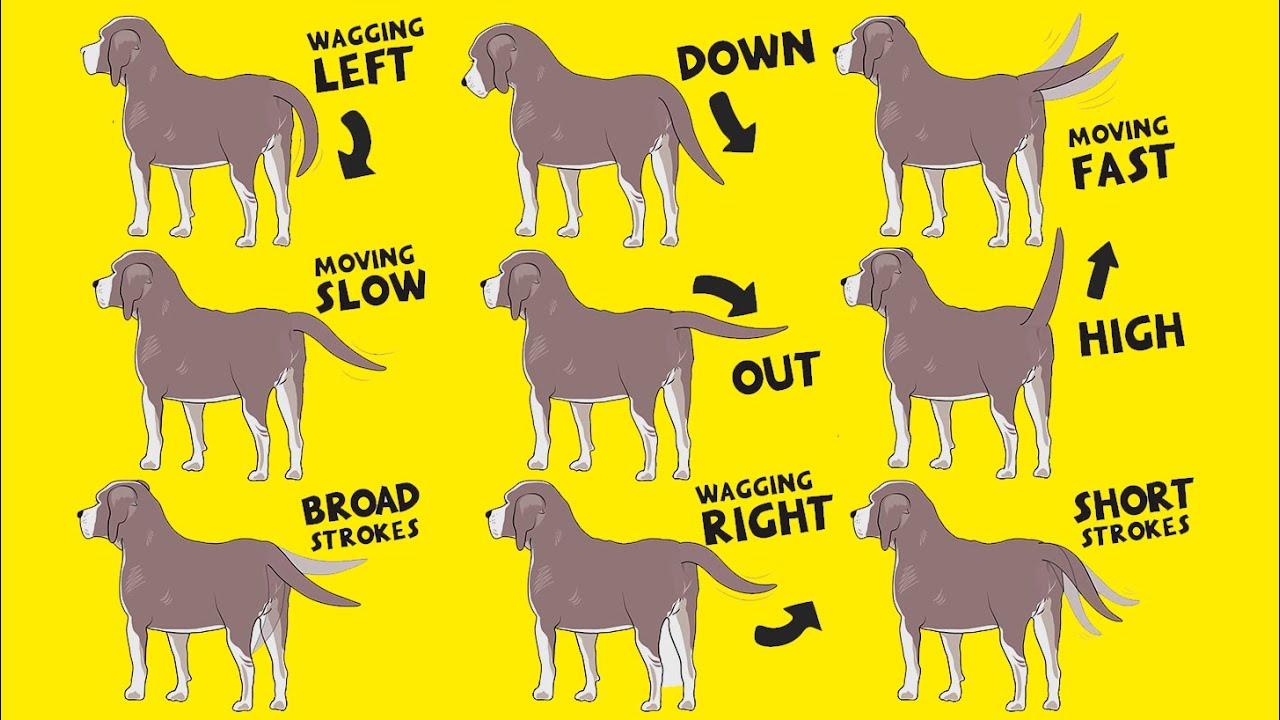
- Tail wagging indicates emotional arousal but not always happiness; position and speed matter.
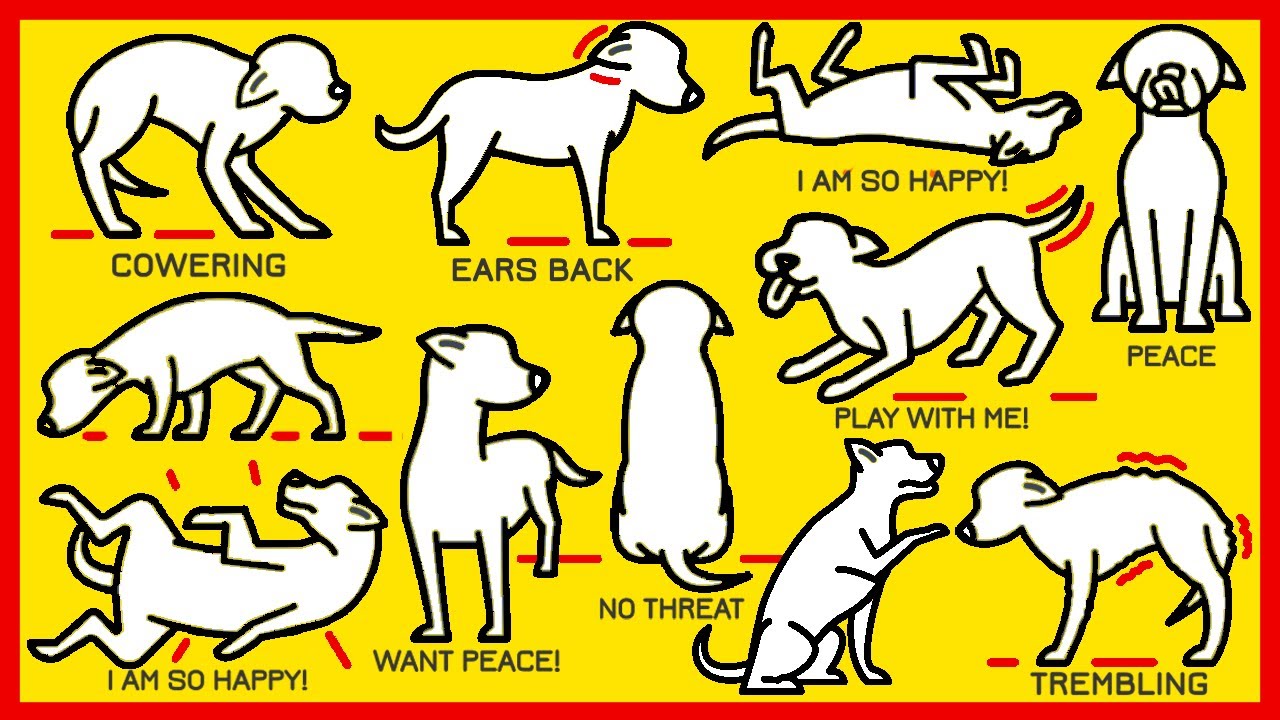
- A tucked tail signals fear or discomfort, while a raised paw often shows uncertainty.
- Dogs use eye contact, squinting, and head tilting to express feelings and focus on sounds.
- Licking and pawing are affectionate behaviors, while avoiding eye contact signals fear or submission.
- Ear positions reveal alertness, friendliness, or fear depending on their orientation.
- Playbow is a clear invitation to play, while trembling usually indicates fear or coldness.
- Exposing the belly can mean trust or submissiveness, sometimes accompanied by appeasement behaviors.
- Dogs use behaviors like sniffing the ground or scratching to ease tension in stressful situations.
- Signs like whale eyes, hard stares, and yawning can indicate stress, anxiety, or aggression.
Full Transcript — Download SRT & Markdown
Speaker A
Understanding a dog's body language is essential for building a strong and trustworthy relationship with your furry friend.
Speaker A
The great thing about dogs is that they will not fake their emotions and they will try to tell you how they are feeling.
Speaker A
It's important that as a dog owner, you learn their communication clues and watch out for any signals to determine your dog's emotional state and overall comfort.
Speaker A
In this video, you'll learn how to interpret canine body language to help you better understand your four-legged friend and to make you a great doggy advocate and responsible dog parent.
Speaker A
Wagging tail.
Speaker A
A dog's tail probably confuses us humans the most, as we seem to be born believing that a dog with a wagging tail is a happy dog.
Speaker A
However, this is not always the case.
Speaker A
All a wagging tail means is that a dog is emotionally aroused.
Speaker A
It could be excitement, but it could be frustration or negative feelings.
Speaker A
To interpret the dog's emotions and intentions, look at the speed and the position of the tail relative to the ground.
Speaker A
Excited dogs hold their tails higher than a neutral position and wag them quickly from side to side.
Speaker A
They often wiggle their hips at the same time.
Speaker A
An uncertain or nervous dog will also wag their tail, but their tail will be slightly lower than a neutral position.
Speaker A
And wagged slower and more steadily.
Speaker A
Always look at the looseness or tightness of the dog's whole body to determine if your dog's tail wagging is out of happiness or nervousness.
Speaker A
A tucked tail.
Speaker A
A tail tucked between the legs is an unmistakable sign that the dog is scared.
Speaker A
Afraid, in pain, or feels uncomfortable.
Speaker A
Dogs often tuck their tail between their legs when they are really afraid of something or someone.
Speaker A
On the other hand, if your pet tucks their tail quite often and there are no obvious reasons for concern, you should take them to a vet.
Speaker A
Putting a paw on you.
Speaker A
If your dog puts their paw on you, it is their way of saying, I love you.
Speaker A
We pet our pups to show our love and affection, by putting their paw on you whilst you are stroking them, they are further extending contact and reciprocating affection.
Speaker A
Avoiding eye contact.
Speaker A
Dogs who are fearful or afraid will often look away, as though they are avoiding something.
Speaker A
You often see this if you scold your dog, or when your dog encounters a dominant or aggressive dog.
Speaker A
Your dog will turn his head away, avoid looking at you or whatever is upsetting them.
Speaker A
Squinting their eyes.
Speaker A
Dogs squint their eyes to indicate peaceful intentions.
Speaker A
If your dog squints their eyes when they look at you, they are expressing their love and desire for your attention.
Speaker A
Dogs squinted eyes also indicate that they are not at all interested in rough play or even a hint of aggression.
Speaker A
On the other hand, if your dog squints a lot, their eyes might be in pain.
Speaker A
In this case, it's best to take them to a vet.
Speaker A
Tilting their head.
Speaker A
For many dogs, head tilting helps them hear better.
Speaker A
Rotating their ears or their entire head can help triangulate the location of the sound so they can hear it more clearly.
Speaker A
Sometimes, dogs tilt their heads to help tip their ears in the direction of your voice, which allows them to focus more clearly on what you've said.
Speaker A
Licking you.
Speaker A
Dogs lick you for lots of reasons.
Speaker A
They may want to show you affection and love.
Speaker A
They may even want to groom you to show that they care about your well-being.
Speaker A
Or, they may simply enjoy the taste of your skin, as you may have the residue of some yummy treat on your skin.
Speaker A
Ears forward.
Speaker A
If the ears are standing straight up, or in the case of dogs with floppy ears, inclined forward.
Speaker A
The dog is paying close attention to something or someone.
Speaker A
The dog is curious and alert and is reacting to something new in their environment.
Speaker A
Ears flattened against the head.
Speaker A
Slightly pulled back ears signal that the dog is feeling friendly.
Speaker A
You often see this when you are stroking your dog.
Speaker A
But ears laid tightly back against the head may indicate fearfulness.
Speaker A
This is often how dogs react to unfamiliar situations or people who they are afraid of.
Speaker A
It has been suggested that this posture protects their ears from injury, as it helps them keep their ears out of the way of any teeth in the vicinity.
Speaker A
Since some dogs have long floppy ears, look at the base of the ear to really understand what your dog is trying to communicate.
Speaker A
Relaxed ears.
Speaker A
When your dog is relaxed, their ears will sit in a neutral position.
Speaker A
Neutral position means that the ears are not pricked forward, drooping down, or pasted to their head.
Speaker A
Whatever the dog's breed, they are just sitting easy.
Speaker A
A raised paw.
Speaker A
A raised paw is when a dog lifts one paw slightly off the ground.
Speaker A
It often indicates that the dog is uncertain about a situation, or perhaps feels a bit insecure.
Speaker A
Playbow.
Speaker A
An easy to read aspect of dog body language is the playbow.
Speaker A
This is when dogs place their chest on the ground with their butt in the air.
Speaker A
This playful gesture is a clear sign that your dog is happy and is trying to initiate play with you or another animal.
Speaker A
Trembling.
Speaker A
Trembling or shivering in response to another person or dog means your dog is scared.
Speaker A
If it's freezing cold outside, bring them indoors to help them stay warm.
Speaker A
Smaller dogs, such as Chihuahuas, may be more prone to shivering than larger breeds due to their lack of body fat and thinner fur.
Speaker A
Constant shivering, on the other hand, could be a sign your dog is in pain or suffering from an illness.
Speaker A
Exposing belly.
Speaker A
More often than not, belly exposing behavior in canines indicates trust and acceptance.
Speaker A
When your dog shows you their belly, it's a sign that they feel safe around you and they are not worried that you'll sink your jaws into their stomach.
Speaker A
But belly exposing behavior can also mean something altogether different.
Speaker A
A dog may use this submissive display as a way to avoid confrontation.
Speaker A
In the wild, our canine's wolf ancestors would adopt this submissive posture to diffuse social tension by showing that they're not a threat.
Speaker A
Your dog may be anxious and is offering peace and a request to go easy on them.
Speaker A
You often see this appeasing behavior in puppies.
Speaker A
At times, the dog may even dribble or squirt small amounts of urine to communicate a submissive status to a person or animal.
Speaker A
Easing tension.
Speaker A
A dog who is in the middle of a challenging or unfamiliar situation may suddenly turn away and start sniffing the ground to politely avoid interaction and calm themselves down.
Speaker A
This is a dog's way to ease tension, as canines often tend to disengage than opt for destructive behavior.
Speaker A
Dogs who are feeling uncertain or anxious about a situation may also randomly begin scratching or licking themselves.
Speaker A
Hunching over.
Speaker A
A hunched over posture in dogs indicates they are fearful and feeling particularly vulnerable.
Speaker A
By hunching over, dogs try to make themselves small, almost wishing to become invisible.
Speaker A
Dogs also hunch over when they are abused, attacked, or scolded.
Speaker A
Whale eyes.
Speaker A
When a dog shows the whites of its eyes, it is known as whale eye.
Speaker A
It's a signal they are feeling anxious or stressed in a situation.
Speaker A
You might see this when a dog is afraid someone will steal his bone or toy.
Speaker A
When a dog is feeling tense or stressed, his eyes may appear rounder than normal.
Speaker A
Hard eyes.
Speaker A
A hard stare where the dog looks intently at something without blinking, especially for a long time, is usually a signal of a threat.
Speaker A
It indicates a negative state of mind, and you'll know it when you see it.
Speaker A
Their body is stiff and their mouth is tight.
Speaker A
The dog might be guarding a bone or feeling aggressive.
Speaker A
The dog is mustering all of its focus for the upcoming fight.
Speaker A
Smiling.
Speaker A
A dog's mouth mimics the emotions human mouth show.
Speaker A
A happy dog will have a soft, relaxed mouth, which may look like a grin.
Speaker A
If a dog has tensed up lips or a tight mouth, that shows tension.
Speaker A
Yawning.
Speaker A
Most people tend to think that a dog who yawns is tired.
Speaker A
But that's not always the case.
Speaker A
In dogs, yawning is also a sign of stress and indicates your dog is feeling nervous.
Speaker A
Puppies do this quite often when they are in a new environment or are surrounded by large dominant canines.
Speaker A
If your pooch yawns after you, it means they are very attached to you.
Speaker A
Recent studies have shown that dogs yawn contagiously, and dogs that are bonded with their owners are more likely to yawn when their special humans do.
Speaker A
Turning their back to you.
Speaker A
When your canine turns their back to you, they are showing you that they are friendly and trust you.
Speaker A
In the animal world, turning their back to someone puts the animal in a vulnerable position.
Speaker A
Your dog is trusting that you won't attack them from behind.
Speaker A
When their back is to you, their teeth are farthest from you, which makes it hard for them to protect themselves.
Speaker A
Shaking off.
Speaker A
When dogs shake off after a bath, the reason is clear.
Speaker A
It's your dog's personal drying system.
Speaker A
If your dog shakes without some kind of irritant such as water, it's a way of relieving tension.
Speaker A
Probably your dog was stressed or met an unpleasant person or animal.
Speaker A
You often see this type of shaking when your pup hops off the vet's examination table.
Speaker A
Zoomies.
Speaker A
Some dogs get very hyperactive when they have been in stressful situations.
Speaker A
They might start running erratically, also known as getting the zoomies, as a way of blowing off that stored up stress.
Speaker A
These dogs may look like they are having a great time, but they are often overwhelmed and trying to diffuse or avoid the situation that is making them feel uncomfortable.
Speaker A
You often see your dog getting the zoomies when they've been confined in a crate for some time, or after a bath.
Speaker A
Nose and lip licking.
Speaker A
Most people tend to think that dogs lick their face to mop up food leftovers.
Speaker A
But that's not always the case.
Speaker A
Licking lips or nose is also a sign of stress in dogs.
Speaker A
Your dog is showing you that they are stressed or feeling nervous.
Speaker A
Raised hackles.
Speaker A
A dog's hackles are the hairs along their backbone.
Speaker A
When a dog's hackles are raised, it is a clear sign that the dog is aroused.
Speaker A
But not necessarily in a negative way.
Speaker A
The dog might be stressed or upset, but may also be excited or intensely interested in something.
Speaker A
Baring teeth.
Speaker A
If a dog shows their teeth, but doesn't bark or snarl, it is often a sign of territory protection.
Speaker A
You will often see this if you try to take food away from a dog who is eating.
Speaker A
Never come close to an unfamiliar dog, or actually any animal while they are eating, because they might think you are going to steal their food.
Speaker A
Whining.
Speaker A
More often than not, dogs whine when they need or want something from you, like some food, or going out for a walk.
Speaker A
Dogs also whine when they need attention, or when they are stressed or scared.
Topics:dog body languagecanine communicationdog emotionstail wagging meaningdog ear signalsdog behavior signsdog stress signalsdog affection cuesdog fear signsreading dogs