Speaker A
How to understand your dog better: communication clues.
Learn to read your dog's body language and emotions through tail, eyes, ears, and behavior cues for better communication.
Transcribe recordings, audio files, and YouTube videos — with AI summaries, speaker detection, and unlimited transcriptions.
Or transcribe another YouTube video here →Free tools: TXT to SRT · SRT Validator · Merge SRT · Subtitle to Text · All tools
 11:03
11:03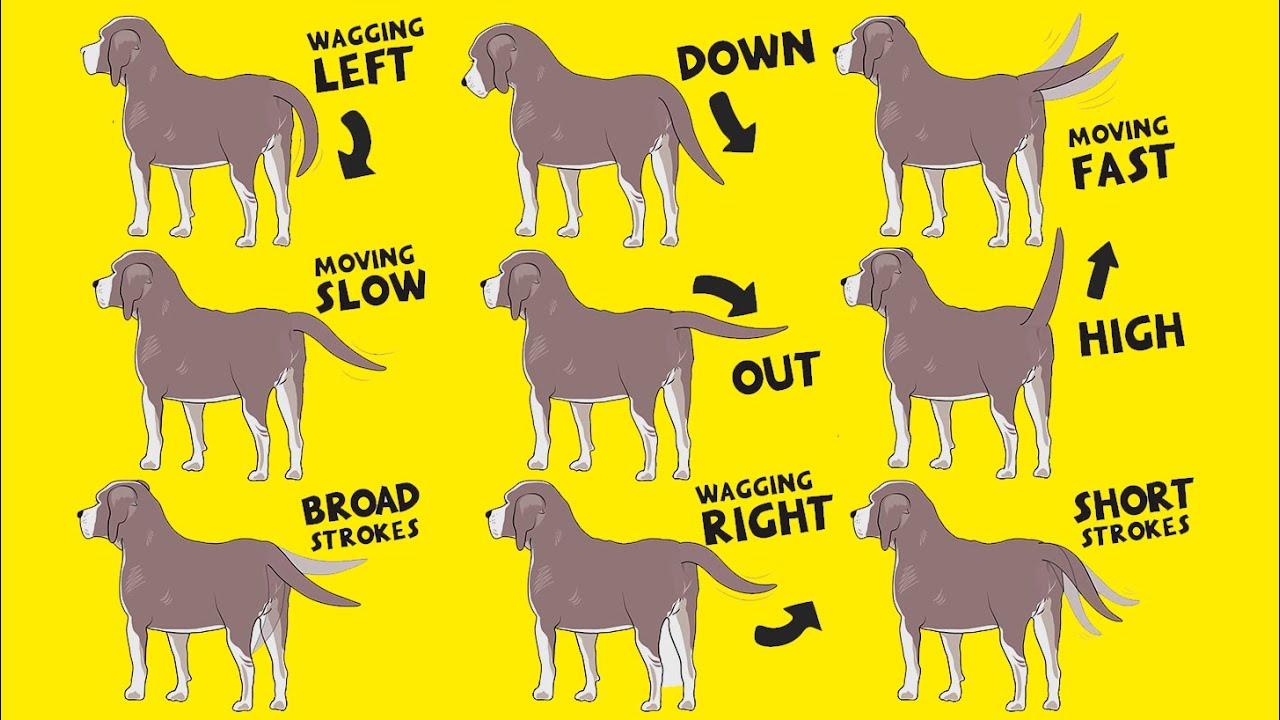 4:09
4:09 8:32
8:32 0:33
0:33 5:54
5:54 51:23
51:23 9:59
9:59 59:52
59:52 0:58
0:58 1:01
1:01 36:53
36:53![[ENG]#솔로지옥5 이들의 연애관이 궁금해? 스킨십 속도 딱! 정해드림 | ELLE KOREA — Transcript](https://i.ytimg.com/vi/5ru7tUw8nsE/maxresdefault.jpg) 22:44
22:44Point your camera
Scan the code to open the download page on iOS or Android. 30 minutes of transcription free, no card.


