Inside China's AI revolution: data centers, renewable energy, and local impacts amid US-China tech rivalry.
Key Takeaways
- China is rapidly building AI infrastructure with a strong focus on renewable energy.
- There is a significant AI technology race between China and the United States.
- Local communities in China experience mixed effects from AI infrastructure projects.
- China's AI push is a source of national pride but also raises concerns about local compensation and benefits.
- The divide between urban technological progress and rural realities remains stark.
What the video covers
- The video explores China's AI revolution from within, focusing on the infrastructure and social impact.
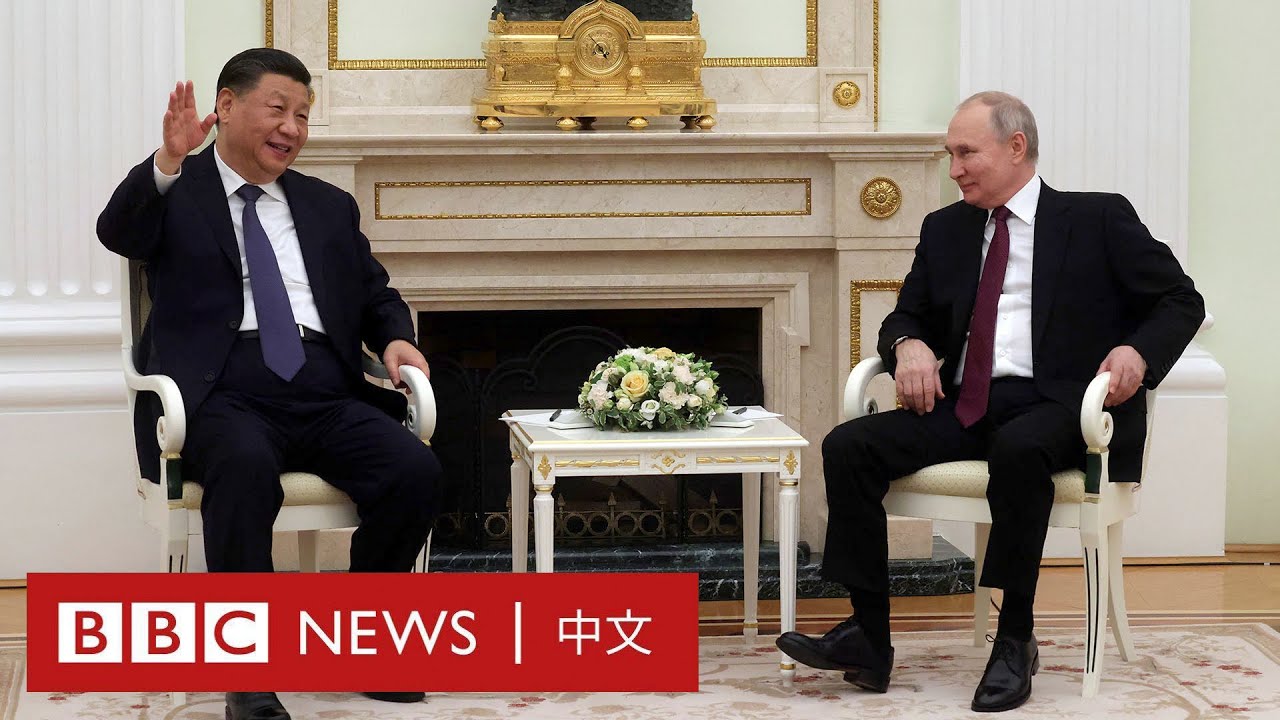
- It highlights the US-China AI tech race, intensified by President Xi Jinping's visit to the White House.
- China is investing heavily in data centers powered by renewable energy, particularly in Inner Mongolia.
- Inner Mongolia offers vast open space and renewable energy sources ideal for data center construction.
- The $75 billion investment in data centers is progressing rapidly, showcasing 'China speed.'
- Local opinions on data centers are mixed, with some seeing job creation and national pride, others citing lack of local benefits and compensation issues.
- Farmers and locals often feel disconnected from AI advancements, with limited direct use or benefit.
- The video contrasts two Chinas: one technologically advanced and future-focused, the other rural and less impacted by AI.
- The discussion includes US political responses to AI safety concerns and the competitive nature of AI development.
- The video provides a nuanced view of China's AI ambitions amid geopolitical tensions.
Full Transcript — Download SRT & Markdown
Speaker A
What does China's AI revolution actually look like on the ground? Artificial intelligence has become one of the most pressing issues between the United States and China, and it's burst onto the agenda for this week's major state visit. Xi Jinping is coming to the White House for the first time in more than a decade. And while there are no doubt a lot of unresolved issues between these two major powers, issues like trade and Taiwan, in recent weeks, it seems like the issue that everyone's been talking about is AI instead. Artificial intelligence is being spoken of so much now. And so today on the show, we look at how the AI debate looks from China's vantage point. From the BBC, I'm Asma Khaled in Washington DC, and welcome to the Global Story on YouTube. Well, Laura Bicker, welcome back to the Global Story. A very friendly face by now, but it's always a pleasure to have you on the show. So, thank you. Lovely to be here. We are speaking with you ahead of President Xi Jinping's visit to the United States. He is going to be meeting with President Trump here in Washington DC, and we'll get into more of the specifics about what they are expected to discuss in this high-stakes meeting. But the visit is coming off the back of, I would say, a frenzied couple of weeks in the world of artificial intelligence. This was sparked, in fact, we did an episode here of the Global Story on this by these comments by a former Anthropic researcher who publicly resigned over safety concerns, saying that essentially warning that AI could potentially kill us all, which sounded very dire. And then, as that went on, we heard from some of the leading big AI tech bosses publicly calling for a slowdown in AI development. The United States also totally rejects any attempt to construct a globalist scheme to control artificial intelligence. And in response to some of those dire alarm bells, we saw President Trump reject those concerns. Whoever wins super intelligent wins. That's the group that wins. And we're leading now over China by a lot and everyone else. And we're going to keep it that way. And it's all happening at this meeting in the context of what I would describe as an AI tech race between China and the United States. And so, Laura, that is where I want to begin with you today with your reporting on the Chinese side of that AI tech race. I know you've been reporting on this. What have you seen? Where have you been ahead of this big summit? So, we decided to head to Inner Mongolia. It's not too far a drive from Beijing. We wanted to see for ourselves the infrastructure going in here in China to support China's push towards artificial intelligence. So let me give you a picture of Inner Mongolia. This is a natural frontier. You're looking at rolling grasslands, and you might remember some of the pictures of herdsmen and nomadic life where they put up the yurts. Part of that still exists. But as you now drive through the winding roads of Inner Mongolia, to the left and right, you see towering wind turbines, you see a sea of solar panels all facing the sun. This is part of China's renewable push. And this is one of the reasons why they have put data centers here. So for data centers, China's thinking is you need two things. You need vast open space, which Inner Mongolia has, and you need this kind of way of powering them. Now, China wants its data centers to be powered more by renewable energy. There's a kind of plan to get at least 80% of them powered by renewables. So, as you drive up, you see more and more of this renewable energy that is being built. And then you come down over the grassland, and you see potato farms, you see sheep herders where you might get some of your Kashmir jumpers. And then rising out of there come these new structures, and they are huge. If you look at an airport, let's put two of those airports together. And it's line after line, layer after layer of what look a little bit like shipping containers, but they're basically data storage. And then not only are you seeing that, you're seeing more being built. So above it, you see these cranes in constant motion. There's sparks from welding going on. There are men climbing up ladders with cement to plaster the outside of these buildings. And when we spoke to workers there, what they were telling us is, you know, there are different phases of development. There is one phase of construction every year. This is the second phase. There are more to come. This has been a $75 billion investment. This is what they call, and what many people here in China call, China speed. Yeah. So, how quickly are these going up? Oh my goodness. So, like a few months beforehand, apparently we were told that some of it was just farmland. So now, you know, you're looking at miles and miles of data centers. And on that trip to Inner Mongolia, Laura, what did you hear from some of the locals? And I asked this knowing full well again that here in the United States, the construction of data centers has become a really hot-button political issue and frankly is one of the few things sometimes you see Republicans and Democrats agree on and their distaste for them. Yeah. I mean, I think that's one of the interesting things. I mean, obviously when it comes to surveys in China, it's quite difficult to know who's been asked and how transparent they are. But when you look at the Stanford AI index, there does seem to be a suggestion that when it comes to both AI and AI data centers, the people here are slightly more favorable. So we wanted to test that on the ground. And certainly, we found a lot of construction workers who say, "Look, I've got work out of this." But when it comes to locals, the opinion was a bit more divided than we'd expected. It doesn't do much good for us locals. They need educated people. They don't need that many workers. For me, I can only do some hard manual labor. Of course, we got a couple of locals who were like, "Look, this is China on top. China's leading the world. China's an infrastructure maniac." Was one quote. So, it's a source of national pride. But off camera, one of the local farmers pulled us aside and told us that a lot of this was propaganda. That they felt that when it came to these data centers, there were no local benefits. There were no jobs for local people. This was being built on farmers' land, and they weren't getting properly compensated. If they demolished the village for a data center, it won't be good. I prefer living by the farmland. We did find farmers who said, "Look, it hasn't changed my life. Either way, we're now both the center of potatoes, corn, herdsmen, and data centers. Of course, the data center brings us benefits. It creates jobs. President Xi is raising living standards for the Chinese people. China is growing. We are now leading the world. This is no longer the China from the 1960s." But he left. I mean, this is a farmer that probably gets paid about 3,000 CLY. So that's about maybe what, $450 a month to farm. So he's got sheep, he's got cows, he's got vast land, and he's driving around in the tractor, and his dog Huaha is behind and running alongside us. I said, you know, is AI a big thing for you? And he went, "What would I use it for?" He said, "There's no way I'd use it." And then I got out his pocket. I said, "Do you have a phone?" He got out his pocket, and he handed me this phone, and it was covered in cracks, absolutely covered in cracks. I said, "Well, do you have Wi-Fi?" He went, "Ah, look, look, look, I've got Wi-Fi." And he brought out his other pocket, and it was a little kind of Wi-Fi device. He says, "Well, otherwise I don't get Wi-Fi." So, you can see, I think one of the things I'm trying to explain to you is there are two Chinas, and you and I have talked about this before. One of this is this China pushing towards a technological future, pushing to be right at t
Speaker A
House for the first time in more than a decade. And while there are no doubt a lot of unresolved issues between these two major powers, issues like trade and Taiwan, in recent weeks, it seems like the issue that everyone's been talking
Speaker A
about is AI instead. Artificial intelligence being spoken of so much now. And so today on the show, we look at how the AI debate looks from China's vantage point. From the BBC, I'm Asma Khaled in Washington DC and welcome to the Global
Speaker A
Story on YouTube. Well, Laura Bicker, welcome back to the Global Story. Uh, a very friendly face by now, but it's always a pleasure to have you on the show. So, thank you.
Speaker A
Lovely to be here. We are speaking with you ahead of President Xi Jinping's visit to the United States. uh he is going to be meeting with President Trump here in Washington DC and we'll get into more of the specifics about what they are
Speaker A
expected to discuss in this high stakes meeting. But the visit is coming off the back of I would say a frenzied couple of weeks in the world of artificial intelligence. Um this was sparked uh in fact we did an episode here of the
Speaker A
global story on this by these comments by a former anthrop that were made by a former anthropic researcher who publicly resigned over safety concerns saying that essentially warning that AI could potentially kill us all which sounded very dire and then a as that went on we
Speaker A
heard from some of the leading big AI tech bosses publicly calling for a slowdown in AI development. The United States also totally rejects any attempt to construct a globalist scheme to control for the artificial intelligence.
Speaker A
And in response to some of those dire alarm bells, we saw President Trump reject those concerns.
Speaker A
Whoever wins, super intelligent, wins. That's the group that wins. And we're leading now over China by a lot and everyone else. And we're going to keep it that way.
Speaker A
And it's all happening this meeting. in the context of this what I would describe as AI tech race between China and the United States. And so Laura, that is where I want to begin with you today with your reporting on the Chinese
Speaker A
side of that AI tech race. Uh I know you've been reporting on this. What have you seen? Where have you been ahead of this big summit? So we decided to head to Inner Mongolia. It's not too far a drive from Beijing. We wanted to
Speaker A
see for ourselves the infrastructure going in here in China to support China's push towards artificial intelligence. So let me give you a picture of Inner Mongolia. This is a natural frontier. You're looking at rolling grasslands and you might
Speaker A
remember you know some of the pictures of herdsmen and you know nomadic life where they put up the yurts. Part of that still exists. But as you now drive through the winding roads of Innongolia, to the left and right, you see towering
Speaker A
wind turbines, you see a sea of solar panels all facing the sun. This is part of China's renewable push. And this is one of the reasons why they have put data centers here. So for data centers, China's thinking is you need two things.
Speaker A
You need vast open space, which Inner Mongolia has, and you need this kind of way of powering them. Now, China wants its data centers to be powered more by renewable energy. There's a kind of plan to get at
Speaker A
least 80% of them powered by renewables. So, as you drive up, you see more and more of this renewable energy that that is being built. And then you come down over the grassland and you see potato farms, you see sheep herders where you
Speaker A
might get some of your Kashmir jumpers. And then rising out of there come these new structures and they are huge.
Speaker A
If you look at an airport, let's put two of those airports together. And it's line after line, layer after layer of what look like a little bit like um shipping containers, but they're basically data storage. And then not
Speaker A
only are you seeing that, you're seeing more being built. So above it, you see these cranes in constant motion. There's sparks from welding going on. There are men climbing up ladders with cement, you know, to plaster the outside of these
Speaker A
buildings. And when we spoke to workers there, what they were telling us is, you know, there are different phases of development.
Speaker A
There is one phase of construction every year. This is the second phase. There are more to come. This has been a $75 billion investment.
Speaker A
This is what they call and what many people here in China call China speed.
Speaker A
Yeah. So, how quickly are these going up? Oh my goodness. So, like a few months beforehand, apparently we were told that some of it was just farmland.
Speaker A
So, now, you know, you're looking at um miles and miles of data centers. And on that trip to Inner Mongolia, Laura, what did you hear from some of the locals?
Speaker A
And I asked this knowing full well again that here in the United States uh the construction of data centers has become a really hot button political issue and frankly is one of the few things sometimes you see Republicans and
Speaker A
Democrats agree on and their distaste for them. Yeah. I mean I think that's one of the interesting things. I mean obviously when it comes to surveys in China it's quite difficult to know who's been asked and how transparent they are. But when
Speaker A
you look at the Stanford AI index, there does seem to be a suggestion that when it comes to both AI and AI data centers, the there are people here are slightly more favorable. So we wanted to test that on the ground. And certainly we
Speaker A
found a lot of construction workers who say, "Look, I've got work out of this." But when it comes to locals, the opinion was a bit more divided than we'd expected.
Speaker A
It doesn't do much good for us locals. They need educated people. They don't need that many workers for me. I can only do some hard manual labor.
Speaker A
Of course, we got a couple of locals who were like, "Look, this this is China on top. China's leading the world. China's an infrastructure maniac." Was one quote. So, it's a source of national pride. But off camera, one of the local
Speaker A
farmers pulled us aside and told us that um a lot of this was propaganda. That they felt um that when it came to these data centers, there were no local benefits. There were no jobs for local people that this was being built on
Speaker A
farmers land and they weren't getting properly compensated. If they demolished the village for a data center, it won't be good. I prefer living by the farmland.
Speaker A
We did find farmers who said, "Look, it hasn't changed my life. Either way, we're now both the center of potatoes, corn, herdsmen, and data centers.
Speaker A
Of course, the data center brings us benefits. It creates jobs. President Xi is raising living standards for the Chinese people. China is growing. We are now leading the world. This is no longer the China from the 1960s.
Speaker A
But he left. I mean, this is a a farmer that probably gets paid. It's about 3,000 CLY. So that's about maybe what $450 a month to farm. So he's got sheep, he's got cows, he's got fast land and he's driving around in the tractor
Speaker A
and his dog Huaha is behind and running alongside us. I said, you know, is AI a big thing for you? And he went, what would I use it for? He said, there's no way I'd use it.
Speaker A
And then I got out his pocket. I said, do you have a phone? He got out his pocket and he handed this phone and it was covered in cracks. absolutely covered in cracks. I said, "Well, do you have Wi-Fi?" He went, "Ah, look, look,
Speaker A
look, I've got Wi-Fi." And he brought out his other pocket. And it was a little um kind of Wi-Fi device. He says, "Well, otherwise I don't get Wi-Fi." So, you can see I think one of the things I'm trying to explain to you is
Speaker A
there are two China, and you and I have talked about this before. One of this is this China pushing towards a technological future, pushing to be right at the leading edge of AI technology, but it's also taking place
Speaker A
in a region and in an area that shows just how far um China has yet to go. And I think it's a reminder as President Xi Jinping arrives heads to the White House and as he heads into these talks,
Speaker A
China's economy is not doing as well as China would hope. And right now there is no sign that artificial intelligence is the thing that will save it for the future. Now, President Xi keeps talking about ways that this will help his
Speaker A
country in the future. Yes, it helps the stature of China. It helps China on the global stage. It gives China a negotiating point to sit across the table from the United States. But when it comes to people on the ground and the
Speaker A
current economy where they need to boost employment, where they need to boost kind of local spending, um those are the kind of things that it doesn't solve right now.
Speaker A
It is striking to hear you talk about um a leader and the government promoting the development of this technology because I certainly hear echoes of that, Laura, here as well. When you look at public opinion surveys, I think it's
Speaker A
over 60% sometimes 70% of Americans oppose the construction of an AI data center in their local community. And yet we see as as I mentioned Donald Trump saying that we need to build these data centers. He seems to believe that it is
Speaker A
a major boost for the United States economy. It's striking to hear both of these leaders, it sounds like, enter these these conversations this week with a real belief that AI is the technology of the future and that they need to do
Speaker A
what they can to build these data centers. But, you know, this isn't all about data centers and infrastructure. I mean, it sounds like in in China there is also a heavy focus on building education and skills as it relates to
Speaker A
AI. I know you've been doing reporting as well on that, Laura, and I'm curious what that looks like. So there are a couple of things. First of all, when it comes to learning code, when it comes to learning about AI, it's integrated into
Speaker A
the school curriculum right from kindergarten. We had been looking fascinated at these robots that play chess. And then one mother said, "Look, you can come to my house for tea. You can watch Timmy play with this robot." And we great. So there we went.
Speaker A
My name is Timmy. I'm 8 years old. And he look he hardly had time to speak to me because he was so engrossed in the game with this robot which talks to him which interacts with him as he places
Speaker A
each of the pieces. And his mom said look it's become one of his friends. AI is the inevitable trend. We need to coexist with it. Children should get to know it as early as possible. My son plays with AI and during the process
Speaker A
he's growing a strong emotional attachment with it and you could see him learn along the way and and he proudly tells me look I'm even up a level um and then goes back to the game and the the
Speaker A
robot helps reset the game and to says well done you played really well there.
Speaker A
So there's a nice bit of encouragement. And then you've got kind of the next layer up. Even within the school curriculum, they're making sure that artificial intelligence, robotics is part of it. And then even if you don't if as an adult, if you don't know
Speaker A
anything about AI, there are AI study centers scattered right across the country. You can go to these AI centers.
Speaker A
You can learn about AI for as much as you like and then take it up further. So we've been speaking to many people within university, university university students who study AI, study biotechnology, study ways of you know bringing artificial intelligence into
Speaker A
the community and you know when it comes to that what China is trying to do is keep its homegrown talent within China.
Speaker A
In the past there was this mass movement you know between two universities. If you were a high level, high achieving student, you maybe wanted to go to Harvard, Yale, you maybe wanted to study in the United States. There's a a
Speaker A
confluence of factors now keeping them in China. One, obviously, the visa situation. They're finding it harder to get into and we we we have spoken to quite a few students who are finding that difficulty. They're finding it really hard to get a visa. And then
Speaker A
there's this kind of well, you know, we will help develop you. Let's what do you need? If you want to do an AI startup, the government will give you a hand. So when it comes to that kind of cushioned
Speaker A
infrastructure to try to propel China forward, not perhaps getting the leading edge now, but in the future, that is what China is trying to do. Also, I think it's worth mentioning here in China, there is the propaganda to push
Speaker A
it forward. So, Chinese state media anytime is a win, whether it's Deep Seek, you know, managing to kind of propel forward and and do better with cheaper uh cheaper technology and less advanced technology than the United States, it's all over the front pages.
Speaker A
And if anybody writes about it in foreign media, it's also put on the front pages. So, there is a feeling that the propaganda is also pushing it forward. Um, so when it comes to China and and and China's message to
Speaker A
its people, that kind of message is one of the reasons why perhaps why when it comes to surveys about artificial intelligence, Chinese people um responded to the Stanford AI index survey far more favorably. So I think you know when it
Speaker A
comes to the risk posed by AI um does does AI you know you do you think that AI poses a risk very very low numbers here in China maybe 20 30% compared to higher numbers maybe 70% in in the US
Speaker A
so it's very very different approaches you know it is interesting to hear you describe this environment of kids learning to code in kindergarten because still the overall attitude Laura you're describing one of which so many people seem to be embracing the benefits of AI
Speaker A
with it sounds like very little concern of the risk. And I wanted to ask you about that. Uh when when in China they hear the alarm bells being run by some of these tech leaders about the dangers of AI and the public calls to slow down
Speaker A
the development. What's the reaction? There is a feeling as soon as you hear these kind of words that China starts to bristle. And the reason China starts to bristle is because it believes and certainly the government believes and
Speaker A
that's one of the reasons why they've pushed back on this that this is a a a way to contain China to constrain its rise when it comes to AI. They you know we heard it from the Ministry of Foreign
Speaker A
Affairs. You're asking us to slow down because you're worried about China's rise. that is the message that they put forward and we hear we started to see um kind of messages and and throughout the newspapers and throughout state media
Speaker A
saying China's approach to AI is for the good of humanity. China's approach to AI is more open and that is because China's approach is open weight models. So basically that means that they write the code and they publish it. They say here
Speaker A
you go here's your code. that allows them to say to the likes of the global south, okay, you've got your American models. They won't show you what code they're using. Here's our code. Do with it what you like, so you can adapt it to
Speaker A
your own country. That means that countries could be adopting Chinese systems. And it also means Chinese apps get more and more used around perhaps large parts of the population. So that's their big selling point. And that's what they start kind of pushing forward
Speaker A
saying, look, China's AI is for everyone. And so you're not hearing any calls from tech CEOs in China that echo what we've heard from some of the American CEOs?
Speaker A
None. Absolutely no evidence that they want to slow down. I think um what you've got to understand that this is very stateled.
Speaker A
I see. Okay. Any tech CEO who raises his head would be in direct opposition to what the government says and direct opposition to Xi Jinping. And that is not something as a tech CEO who needs government support you're you're going
Speaker A
to do. So if we can turn to the specifics of this meeting between Xi Jinping and Donald Trump this week, this summit if I can call it that. Um earlier this month we saw the US Treasury Secretary Scott
Speaker A
Bessent say that there is no day after tomorrow if China wins at this. Uh if they were to pull away from us on AI, he said then nothing else would matter.
Speaker A
That sounded like a really dire warning from the Trump administration about what they feel is at stake here. uh he has since said the treasury secretary that the US is open to discussing AI and shared risks with China. And so that's
Speaker A
the sort of um rhetoric we have been hearing from some within the Trump administration leading up uh to this meeting. I want to ask what you have been hearing from China and what you think Xi Jinping will want from this
Speaker A
meeting specifically as it relates to AI. I think expectations are very low. I think firstly if both sides can agree that there are risks because I think both do agree there are risks then perhaps some kind of notification some
Speaker A
kind of way of making sure they can mitigate those risk but China will want to push to write the rules on AI.
Speaker A
President Xi Jinping went to India a couple of weeks back at the brick summit and there he talked about AI and he talked about the need for a global governance system. Now we don't really know what this framework looks like but
Speaker A
he's hoping to kind of and he has been calling for this since 2018. So he's hoping to push the US on yeah for quite some time push the US on this. Now what we're hearing from the current talks
Speaker A
that are happening is that the US idea is that they have this kind of early warning system kind of notification system. So, say something goes wrong, hopefully not as catastrophic as we've heard about, but say something goes wrong, especially when it comes to
Speaker A
national security, they warn the other. It reminded me, Do you know what it reminded me of? The Cold War.
Speaker A
Cold War phones. The red phones. Yeah. Were they red? I think we always assumed I think we always assumed they were red, but it reminded me of that. It reminded me of Oh, remember when we had the missile crisis and we remember when we
Speaker A
had this? We had to have these hotlines to avoid anything happening. So now we're seeing this kind of call for a notification. Now I might be wrong, but this is this is what I'm hearing right now. The best we can hope for in this
Speaker A
scenario is that both sides agree that there's a risk and something has to be done about it. Acknowledge the problem essentially.
Speaker A
Acknowledge the problem. Say, look, we've got an issue here and perhaps we need to move forward and and find a way to deal with it. The problem is they can't even agree on how to to deal with it at this moment. They may surprise us.
Speaker A
You never know. But part of the problem is those dire warnings contained barbed words at China. So the anthropic CEO, for instance, also described China's rise within AI within AI technology as as a threat to national security. China
Speaker A
will not like to be singled out. Uh it will not like to be told that it is a problem to be dealt with, to be contained. So I think the language has to be careful here. When we talk about
Speaker A
national security, I I want to ask you about something that has been on my mind. I used to cover the White House and I remember during the Biden administration, there were quite stringent restrictions on the export of really advanced chips
Speaker A
to China. These are chips that could be used in the development of artificial intelligence. Those export controls have since been loosened under the Trump administration.
Speaker A
And I have been trying to compute what exactly the Trump administration's approach is to China when it comes to AI because they continuously say that a that China poses this threat to AI that we we collectively the United States
Speaker A
need to win this race. But some would argue that the US has perhaps inadvertently given away the keys to the castle with loosening these these export controls. And I want to understand how that conversation around export controls is viewed in China.
Speaker A
I think there's because some exports controls are still in place. Uh and many of them are so the high-end chips still can't come to China. I think the conversation here is the U United States whoever is in charge is trying to
Speaker A
contain China. It's trying to stop China's rise. And I think part of China's kind of sell to the public and sell to the world is like look not only do we have AI integrated not only have we given you kind of this open
Speaker A
opensource technology um we've done it without the use of you you know high-end US chips you know we're really good at you know making uh robots for instance we're really good at making all sorts of different technology that is where we can actually put the AI
Speaker A
technology into something that might be useful to an you know someone whether it's a a robot that plays chess with your son h or whether that is you know a humanoid robot that will help you do your laundry
Speaker A
I mean like 90% of humanoid robots are now coming from China so if they manage to get the technology right that's where they believe they've got a marketable um technology as opposed to the US that has a technology
Speaker A
That's it's all about different drivers and market driven whereas here it's about look let's make it useful a real life application you're saying a real life application yeah so does China come into these meetings this week wanting to maintain
Speaker A
these looser export controls or or do they want anything tangible when it comes to these chips and I guess the the reverse to this question Laura is does Xi Jinping and does China have something that the US really needs
Speaker A
So let's talk about a number of things here. So first of all, it all comes back down to trade and the truce that was agreed. They basically managed to come to an agreement on trade where China would buy more soybeans from the United
Speaker A
States. And when it came to the US, they would get more access to the likes of rare earths. Not all access, but some access to rare earths. China in return would get access to some of the high-end chips. Not the highest end, but some of
Speaker A
the high-end chips. So, those were some of the bargaining tools that both sides used to finally get an agreement last year. That runs out in November.
Speaker A
So, there is an urgency there to try to get an agreement on trade and that includes getting those high-end chips.
Speaker A
What's the odds of this trade truce being extended? I think the trade truce could be very well be be extended. I mean, I'm just guessing here. I think um in terms of what one wants from the other, I think
Speaker A
what will be top of President Xi Jinping's list? Will it be those high-end chips or will he think he's that's you know he's doing okay on his own or will it be Taiwan? because President Xi will feel that after the
Speaker A
last meeting when President Trump came here um you may remember that conversation on the plane on the way home where there was seems to be a moment where Donald Trump started echoing um President Xi's language on Taiwan and on Taiwan he doesn't want to see a
Speaker A
movement for independence he says look you know we've had it for thousands of years and then at a certain period of time it left and we were going to get it back then they want those arm sales, massive
Speaker A
package of arm sales that's been in the pipeline to Taiwan ended. And the the conversation that has been going from China to the United States very very heavily is that when it comes to Taiwan, one, it is the reddest of red lines. Do
Speaker A
not step on it. And secondly, Donald Trump had said on the plane, we can't afford a war 8,000 miles away in Asia. That is the message that actually is coming from President Xi. He is saying you cannot afford to be
Speaker A
fighting a war. So why would you intervene in an area that's not yours on an island that's not yours? And if you continue to sell these arms, there's going to be trouble. A year ago, Laura, I am not sure that I would have thought
Speaker A
AI would be one of, if not perhaps the most pressing issue that we're hearing about as Xi Jinping and Donald Trump sit down to speak with one another here in person. We talked a lot on this show about the new shifting world order. And
Speaker A
how do you see AI at all shifting the power dynamics between these two? I see it as part of a pattern. I see from China's perspective when it comes to this global power dynamic, as President Xi flies to the United States,
Speaker A
as Donald Trump is there on the tarmac we're hearing to meet him, he will see it as an indication of my country, my leadership is in the spotlight because we have made inroads in artificial intelligence because we've pushed to the
Speaker A
limits of this technology. And so China will see the this conversation as part of a shifting global dynamic where it is now a real key player to be sitting down at the table as equals because I think way back you know perhaps President Xi's
Speaker A
last visit that was not the case. Here we are 10 years later and China is a completely different country really pushing forward and when it comes to this kind of global power dynamic president she will feel yes he's second
Speaker A
right now but how far does this push and his narrative is the east is rising the west is declining and that is how he'll sit down at that table over those talks well on that note thank you Laura for
Speaker A
joining this. We always appreciate your reporting. Thank you for having me. Love to speak to you soon.
Speaker A
That's it for the Global Story on YouTube. Thanks as always for spending some time with us. And if you appreciated our show today, then a reminder that we are also available as an audio podcast. Just search for The
Speaker A
Global Story on BBC.com or wherever you listen to your favorite shows.
Topics:China AI revolutionArtificial intelligence ChinaUS China tech raceData centers ChinaRenewable energy AIInner Mongolia AIXi Jinping US visitAI infrastructureChina technologyAI safety concerns