Skip to content

An Anti War Message with Ben Cohen

Ben Cohen discusses anti-militarism, the Pentagon budget, and the impact of war spending on society and economy.

Ask about this video. Answers come from its transcript only — with the timestamp, so you can check them.

Generated from the transcript and can be wrong — check the timestamp.

Key Takeaways

  • Militarism and excessive defense spending divert critical resources from social needs.
  • War benefits only a small sector of the economy, while harming broader economic health and equality.
  • Peace activism must connect with people's immediate concerns to gain wider support.
  • Corporate responsibility includes rejecting profits from militarism and promoting social justice.
  • A cultural shift is needed to challenge normalized militarism and promote peace.

What the video covers

  • Ben Cohen, co-founder of Ben & Jerry's and Up in Arms, shares his lifelong aversion to militarism.
  • The video critiques the massive U.S. military budget and its opportunity cost for social programs.
  • Discussion on how the arms race benefits a small elite while harming the majority economically and socially.
  • Explores the myth that war is good for business, highlighting that weapons spending is an economic dead end.
  • Highlights the connection between militarism, inequality, and underfunded public services like education and healthcare.
  • Ben Cohen emphasizes starting anti-militarism conversations by addressing everyday concerns like housing and childcare.
  • The video touches on the challenge of making anti-war activism mainstream in American culture.
  • Mentions Ben & Jerry’s corporate ethics and their stance against profiting from war-related industries.
  • Discusses the moral and social implications of militarism through personal anecdotes and historical context.
  • Calls for redirecting military funds to social justice, environmental progress, and community well-being.

Answers

Questions about this video

Who is Ben Cohen and why is he featured in this video?

Ben Cohen is the co-founder of Ben & Jerry's ice cream and the founder of Up in Arms, an organization campaigning against militarism and excessive military spending in the U.S.

What is the main argument against the Pentagon budget presented in the video?

The video argues that the massive Pentagon budget diverts funds from essential social programs like education, healthcare, and housing, benefiting only a small elite while harming the broader society.

How does the video suggest we can make anti-militarism more relatable to the public?

It suggests starting conversations by addressing everyday concerns such as housing affordability, childcare, and school funding, showing how military spending negatively impacts these areas.

Full Transcript — Download SRT & Markdown

00:00
Speaker A
Hi everyone, welcome to If You Were in Charge with me, Sanam Naragi Angelini, and me, Kavita Nandini Ramas.
00:08
Speaker A
Today we are super excited to have Ben Cohen as our guest on the show. Ben is the famous Ben of Ben and Jerry's ice cream, which I think everybody loves.
00:18
Speaker A
Certainly my generation, we were so excited when we started seeing all these chunky things coming out and loved the flavors. But also, he's the founder of Up in Arms, which is a new organization campaigning against militarism in the
00:32
Speaker A
United States and the ballooning Pentagon budget. So, Ben, super excited to have you for this conversation and lots of things for us to talk about for sure, more and more every day.
00:45
Speaker A
Uh, yeah, great to be here with you. Thank you. So, can we just start with going back a little bit? From what I understand, or you know, we've been reading, you started Ben & Jerry's after a $7 or $5 correspondence course on ice cream making. How, when was that?
00:59
Speaker A
It was a $5 course. Jerry and I didn't have much money. We split one between the two of us.
01:06
Speaker A
Ben, I was telling Sanam because I have a husband who went to Hampshire College that it might have been right after you graduated from Hampshire.
01:20
Speaker A
Well, actually, I never went to Hampshire and I never graduated from any
01:36
Speaker A
college.
01:48
Speaker A
Excellent. Even better. I think the president of Hampshire at the time felt that I was qualified to be on the board of Hampshire College, and so I was on the board for a while.
02:01
Speaker A
Well, that's wonderful. That's the Hampshire connection. Well, that's exciting because Sanam and I were wondering whether there was a way to inculcate aversion to militarism at a young age.
02:15
Speaker A
Well, it wasn't at Hampshire, you know, amazingly enough. I mean, I was, I had this aversion to militarism during my elementary school years. I was an early bloomer in that respect. It was amazing.
02:30
Speaker A
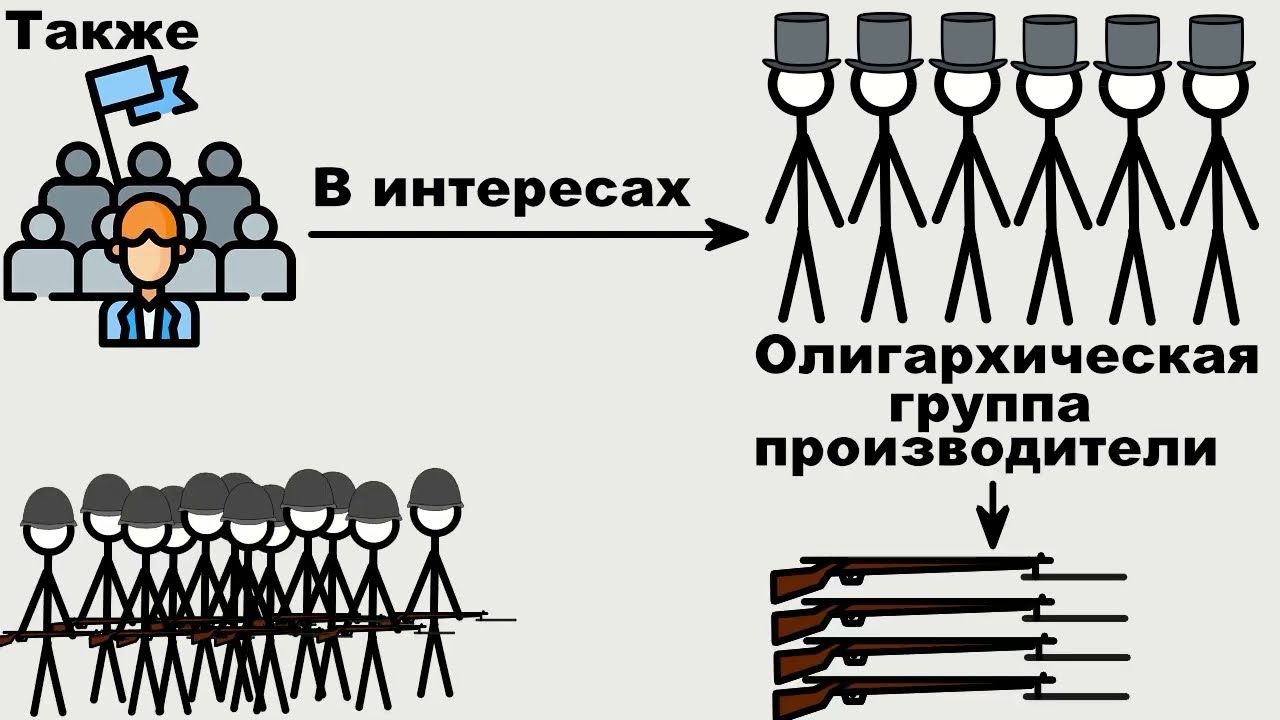
I mean, it was during the Cold War and I just had this image of these two countries, the Soviet Union and the United States, facing each other with these huge piles of shiny new weapons.
02:44
Speaker A
And in back of them was their people that were kind of suffering, you know, not having enough to eat, not having health care, you know, they weren't happy people. And I don't know, you know, what can I say? I was
02:56
Speaker A
called. I had this vision. Here I am. It's so Ben, it's so interesting you say that because right now with this massive arms race and I'm in London, it's, you know, 60 billion pounds that we don't have. We're borrowing it from the next
03:15
Speaker A
for the next generation for more nuclear weapons. And I keep saying to people, but these weapons are only useful if they stay entirely useless. I mean, it's just chunks of metal because if we start using them, we're
03:30
Speaker A
all obliterated. Right.
03:49
Speaker A
Exactly. And you know, I mean, people used to be happy with MAD, mutually assured destruction. And no, now that's not enough. We need to have super MAD mutually assured, you know, not just destroying the world 10 times over, but
04:03
Speaker A
you know, how about a hundred? And that way we can spend, you know, in the US we can spend 1.5 trillion a year of our money that should be used for the benefit of improving the quality of life
04:21
Speaker A
for regular old people. I just can't, it's just kind of unbelievable that these guys get away with that, you know, in a naked blatant corrupt move to line their pockets. It just doesn't make any sense. It's irrational.
04:26
Speaker A
It's immoral. And then when we go to the governments and say, "Hey, we need money for schools. We need money for housing." They say, "Man, we really care about you guys. I'm sorry your kids don't have healthcare or don't have
04:38
Speaker A
enough to eat or don't have daycare, but we just don't have enough money."
04:47
Speaker A
Yeah. Yeah. It, you know, somehow I mean, it's this, they've manufactured this fear, you know. Eisenhower said, you know, people want peace so much that one of these days governments are going to have to get out of their way and let them have it.
05:02
Speaker A
Well, what happens, I think, is that obviously you've gotten me going here.
05:22
Speaker A
Yeah. Yeah. I was going to, so I was going to, you know, one question I guess as you're thinking about it is that, you know, we have been programmed or the mantra is like, oh, well, peace, a war is good for business. And I, and again, for me, I've been doing peace work for 30 years. I'm like, it's only good for certain businesses. For the
05:40
Speaker A
vast majority of other businesses, it's not good for business. It's not good for the ice cream makers and the hoteliers and the, I don't know, you know, gas pump guys. I mean, who the war is good for a very small handful of
05:53
Speaker A
companies, isn't it?
06:07
Speaker A
Yeah, I think that's right. I think there's economic studies that have shown that, you know, when you put money into weapons, it's an economic dead end. The money doesn't keep circulating in the economy and it's not an
06:21
Speaker A
investment. It's spending. I mean, they always try to, you know, paint it as an investment, but an investment would be something like keeping your people healthier, making them more educated, you know, those things, something that would have real returns
06:33
Speaker A
in human capital.
06:51
Speaker A
Yes, correct. And of course it creates way more jobs. Anytime you spend money in anything besides weapons, you create a lot more jobs.
07:06
Speaker A
But perhaps you don't create the kind of absurdly sort of astronomical rewards in the stock market, which is partly what we've been seeing. Just before you joined us, Sanam and I were talking about the growing inequality index and the
07:18
Speaker A
huge disparities between the few people who have and the vast majority of people who don't. And it seems these two things might be related if we keep pouring more money into weapons that don't actually have social benefits for anybody or
07:29
Speaker A
returns on investments, so to speak. Perhaps it's not surprising that fewer and fewer people, that the people who benefit are actually a very small group of people at the top from those sorts of investments.
07:43
Speaker A
Yeah, I think that's exactly right. I mean, it's interesting. You know, every once in a while I think that, you know, what I ought to do is invest some money in weapons manufacturers and use the returns to fight the weapons
07:54
Speaker A
manufacturers. But then I think, well, Jesus, I mean, they've done such incredible stuff. I mean, they're doing all these wars. I mean, they've got to stop soon, you know, that they're not going to keep on doing it,
08:06
Speaker A
but they just keep on doing it.
08:16
Speaker A
Ben, Ben, Ben, you're, it's interesting because you're in the universe of, I mean, you're in the sort of American zeitgeist because of Ben and Jerry and, and you know, in our supermarkets and
08:23
Speaker A
everything and then this other universe of this anti-militarism stuff, which is still kind of niche. You know, there's a bunch of us who talk about these things, but you know, you take it to, I don't
08:38
Speaker A
know, dinner, you know, dinner with friends in, in whatever in DC or in Maryland or people kind of think that we're slightly odd, right, to be so upset about this. How do we bring this conversation to the public to say,
08:48
Speaker A
you know, the money that is being spent now on weapons is money that isn't going for the disabled kids in Virginia or it's not going for research in, you know, green energy or environmental issues. My, I've got kids that are
09:03
Speaker A
working on these issues and all of their friends' PhD programs have been cut back because now we're not interested in, in, in, you know, progress related to the environment. How do we make that connection for the ordinary American? Is
09:17
Speaker A
that something that bothers you at night or do you have other things that are bothering you?
09:32
Speaker A
I think it has bothered me, but I think I've come up with the answer, which is that you need
09:45
Speaker A
to start with what people are concerned about. And what people are concerned about is that they can't afford a house.
10:01
Speaker A
They can't afford child care. Their school budgets are always in the red. The reason why that is is because our government is diverting the money that...
10:24
Speaker A
I became really interested in this space of what do you do differently in uh in the 1990s um I I met a South African woman and she had been in the MK she'd sort of been in the armed entity of the
10:36
Speaker A
of the ANC fighting aparttheid and then afterwards made it to to parliament and she chaired the defense select committee and she said at some point um the arms industry came to her you know in South Africa pre you know during the apartid
10:49
Speaker A
era was spent 25% of their budget on on militarization And she said the nuclear weapons program and had nuclear weapons. Exactly.
10:56
Speaker A
Anyway, and she she said these guys came to her and were like, "We need this many jets and this many submarines and this many, you know, like giving her the shopping list and she turned around and she said, "Well, wait a second. Before
11:06
Speaker A
we buy all this, what are the security threats? What are people saying?" So, she initiated a national defense review where they went and talked to ordinary people and they said, "What makes you feel insecure?" Right? I mean in
11:20
Speaker A
villages and towns and people have said well I don't know the water is dirty because we had a military installation or we don't have street lights or we don't have poverty you know there's poverty and they taken all of that
11:29
Speaker A
consultation and distilled it to make the the next the white paper on national security policy for South Africa afterwards and it lasted about I don't know eight nine years before the weapons industry again came back and there was a change in president
11:43
Speaker A
but I always think you know imagine if we could do that in the US and we actually went to those communities across I know Kentucky and Louisiana and you know California and whatever and just what makes you feel insecure. It
11:53
Speaker A
would be a very different set of issues. It would you know it would be drought.
11:56
Speaker A
It would be as you say child care. It would you know all these kinds of things amidst what you all at IAN what we've been working on for so many years at the global fund for women and other places
12:07
Speaker A
called human security. I think the definition of security as being something that somehow states have to have that countries have to have but we never actually talk about what it means to be secure as a human being. Then you
12:20
Speaker A
recently got arrested or I don't know how recent it was but relatively recently you got arrested in Congress.
12:25
Speaker A
So I want to know all about it because you know it's troublemakers like you who are giving all of us a little bit of hope as well as these wonderful young people who are part of the Mamani campaign here and prior to that all the
12:37
Speaker A
protests on Gaza. So can you tell us a little bit about what it means to you to have been both a business owner and an activist and and why it matters to to do both and why you're still continuing to
12:48
Speaker A
protest. You know as far as I'm concerned it's about love and justice. You know, Cornell West's statement that justice is what love looks like in in public is very meaningful to me. I mean, I mean, that's that's what I believe. And,
13:08
Speaker A
you know, when you're confronted with situations of injustice, you know, you kind of have three choices. You can ignore it, you can complain about it, or you can do something about it. And you know, I feel better doing something
13:25
Speaker A
about it. And you know, one of the things about my country that drives me crazy, and you know, it's it it relates to what we've been talking about the whole time is that, you know, we have these epidemics
13:41
Speaker A
of of lead poisoning in our country. that and and the lead poisoning is from lead in the water pipes and lead in chipping paint that comes off the walls of the apartments that lowincome people uh have no choice but to but to live in.
14:00
Speaker A
Uh you know, lead poisoning uh affects the the brain development of young children and it's you can't remediate it. It's it's it's for life.
14:14
Speaker A
It's lifelong. Uh yeah, you know, there was some public health doctor who said, you know, if you wanted to put something into the environment to keep a gener to keep a generation down for years to come, it would be lead. And
14:36
Speaker A
uh and we know how to fix it. You know, you can replace the pipes and you can remediate. You know, you can get the lead off the walls and you can paint them with stuff that isn't toxic and we
14:52
Speaker A
choose not to do it. I mean, I call that economic violence. We, you know, instead of doing that, we choose to build weapons that we we hope never to use.
15:04
Speaker A
So, there was another outbreak of lead poisoning and I'm reading about that in the paper and and I'm reading about the slaughter in Gaza. You know, I said, you know, everybody's got their breaking point and this is mine and I want to I
15:22
Speaker A
want to write a statement about those choices that, you know, that the US government is not taking care of kids that are getting poisoned by lead and instead is taking the money that could have been used to do that and buying
15:37
Speaker A
bombs to slaughter people in Gaza. And I said, I want to write that statement. I want to chain myself to the White House fence and you know make my statement.
15:45
Speaker A
It's the strongest statement a citizen can make. And you know I have some people that I work with and they said you know chaining yourself to the White House fence is not exactly something you can do these days. And you know sure
15:59
Speaker A
enough I was in DC. I was riding my bicycle and yeah you can't get close to the White House fence. there's another fence in front of the White House fence and you know so there's no man's land in
16:10
Speaker A
the middle which is patrolled by these heavily armed guards and they said you know well what you could do is you could disrupt the hearing and I said what you think that's really going to work and it really worked it was kind of amazing I I
16:25
Speaker A
was I didn't think that it was going to get as much you know media coverage as it did it turned out to be really effective and what happened subsequently after you got arrested?
16:37
Speaker A
Well, they uh you know, I I said uh you know, I was I was working with some people. They said, "We're going to you know, we had a press conference outside the Capitol building and then they said, "We're going to take you into this uh
16:53
Speaker A
hearing and and we're starting to go to the hearing and they're saying, "Well, something went wrong. We can't get you in. So, we're all going back." back and then they said, "Well, well, we found a way in." And you know, went to that
17:04
Speaker A
thing and you know, I said, you know, what am I supposed to do? And they said, "Well, there's other people in there also that are protesting and when they say something, you stand up and say something and you know, and they tell me
17:16
Speaker A
and it and it turns out that it's going to be Health and Human Services, that hearing." And so, come up with something related to Health and Human Services and the slaughter in Gaza, you know. So, I'm trying to think of a a short little
17:30
Speaker A
pathy thing about that. And uh so I came up with, you know, they're giving bombs to Israel and funding it by kicking kids off healthcare in the US. So they I got up, I said that and they led me out and
17:45
Speaker A
uh you know, searched me, you know, handcuffed me. Did they know who you were?
17:52
Speaker A
I don't think so. I mean, maybe at some point, but I don't think so. I mean, I I just wonder, you know, you've got some young guy who's taking, you know, somebody who was probably his father's generation into into the patty wagon and
18:05
Speaker A
then and he's probably eating your ice cream at at night. I mean, it's just it's the there's sort of cognitive dissonance there, right? It must it must be do they do they show respect? Are they, you know, or are they just
18:16
Speaker A
Yeah, they they were they were good folks. They were doing their job. Yeah. Yeah. Yeah. Trained particularly well.
18:24
Speaker A
No. And they're and and actually they're not trained even on things like tasers. I just listened to a whole show in which this former policeman actually talked about the fact who had been an EMS responder for a first responder in
18:36
Speaker A
medical situations saying how he found out that the company that sells tasers to every police department across the country actually has basically lied about the fact that tasers can in fact cause cardiac arrest in people on whom it's used. and how traumatic this has
18:53
Speaker A
been for young policemen who've been told over and over again that tasers can't actually cause that kind of serious injury and then of course have been found that that's actually not the case. So, in that sense, I mean, I'm
19:06
Speaker A
not, you know, I'm not putting up a defense, and I know that often the slogans on our on our um efforts on the on the left are often very abusive to policemen. But I think people who join the police are often, you know,
19:22
Speaker A
working-class people who don't have a lot of other choices. And I think we often mistake the challenges that they also face. So, I'm glad that you were treated well then. That makes me feel that makes me feel Then
19:38
Speaker A
your company, you you guys were giving 7.5% of your pre-tax profit to causes to good causes, charities, etc., you know, right off the bat.
19:52
Speaker A
Now I I sort of think about that on on one corner of my brain and then and then I think about during COVID how we were all using Amazon and and you know so happy that Amazon was delivering things
20:03
Speaker A
to us but Amazon started doing a fundraiser for their for their personnel and it was like you know let's be kind to the Amazon guys and stuff and I just remember thinking why are we as the customers being asked to supplement the
20:16
Speaker A
salaries or the benefits for Amazon workers when Jeff Bezos is sitting there just piling up the zeros. I mean, it's was such a big not paying and not paying the workers a fair wage at all. In fact, they've been
20:28
Speaker A
trying to unionize. You I mean, in that in that universe, I don't know whether you hang out with business people or businessmen or the corporate world, but how do you explain what we're doing and and why companies, you know, why aren't these guys being
20:43
Speaker A
more decent and humane? Like what's happened in the last 20 30 years where it's the accumulation of insane wealth has become some it's almost like a sickness. It's like it's like hoarding or or something. I it it just seems very
21:00
Speaker A
odd that that you know a billion isn't enough, 50 billion isn't enough. We're now looking at a trillion. And it just what would you say to these guys if you could meet with them and and you know just sp spend some time with them around
21:10
Speaker A
the value of doing good in the community alongside making the money that you've made?
21:16
Speaker A
Well, I think that for for a lot of people, you know, business is kind of a game like, you know, a football game or a basketball game and the object is to get as many points as you can. And in
21:31
Speaker A
the business world, points are dollars, and they're just playing the game. They're just trying to get as many as they can. You know, it I I've been thinking lately about the game Monopoly, which we were brought up on as kids. And
21:48
Speaker A
you know what that game teaches you? What it instills upon you when you're an impressionable child is that one person wins and everybody else loses. And you just grow up thinking that that's that's normal. That's okay. That's that's the way the world works. And you
22:10
Speaker A
know, it's interesting that I believe it was a woman who created the game Monopoly and she was actually an anti- capitalist. I mean, she was thinking that the game was going to be used to undercut capitalism. Didn't work out
22:23
Speaker A
that way. So, yeah. So, they're just playing the game and the the object is to score as many points as you can. And and the other thing in terms of business in general and especially publicly held companies, the stock
22:41
Speaker A
market, there's only one measure of success there, you know, and and according to, you know, what what was the traditional business theory that was taught in every business school was that the only legitimate uh function of a corporation
23:01
Speaker A
is to maximize profits. And so that's that's the way they work. Did did you get push back like when when you were saying we we want to do 7.5% to to causes before profit, you know, before before the did you get push? Did
23:16
Speaker A
you have shareholders? Did you get did people did people tell you you're crazy? Huge push back. Lots of people saying we were crazy. You know, when Ben in the early days of Ben and Jerry's, you know, the the ice cream was really good.
23:29
Speaker A
People really liked it. And uh you know even as a onetop homemade ice cream parlor, we were doing as much as we could to be of service to the community.
23:42
Speaker A
So we were donating money to different things, donating ice cream. We were sponsoring community celebrations and and then you know we started selling a whole lot of ice cream. We started distributing to the rest of the New England states and you know we got to a
23:59
Speaker A
point where we needed to you know build build a real ice cream plant. We were working in a little rented facility and we had all these venture capitalists that came to us unsolicited saying you know here we'll give you money to to
24:17
Speaker A
grow your business. and and we said, "Uh, no, we don't want to take your money. We don't want to have our business create more money for people who already have a lot of money. We would like to spread
24:31
Speaker A
the wealth." So, we we decided what we wanted to do is we wanted to sell shares in Ben & Jerry's to Vermoners that we and we held what became the first ever instate Vermont public stock offering.
24:46
Speaker A
So it didn't go over state lines. We were selling shares to our neighbors and therefore we didn't need to go through the whole SEC process.
24:56
Speaker A
There was a lot of people who told us we were crazy when we did that. I mean, you know, we were trying to find lawyers and accountants to help us do the legal part of this instate public stock offering.
25:07
Speaker A
And they all said, "You're crazy. Don't do it. You know, it's never going to work. There aren't that many people who live in Vermont. Those that are there don't have much money." and you want to have this very low minimum buy and if
25:19
Speaker A
you're a public company it's going to cost you more to service those people than you're going to make etc etc but we did it and by the end of the offering one out of every hundred Vermont families bought shares and Ben & Jerry's
25:33
Speaker A
and um you know and then we had a national public stock offering and we wanted to so we needed to use mainstream underwriters and we told them we want to include in in the perspectus that you know 10% of the profits are going to be
25:49
Speaker A
donated to to various uh community organizations and they said oh no you can't do that the streets never going to buy that all that money going out of the company uh you can't use it to grow and uh we we won't be able to sell stock
26:05
Speaker A
like that and uh so they said why don't you do one and a half% you know that's the corporate well that's that's a lot that's more than the corporate average and we said no no no no we can't do that
26:16
Speaker A
and they they eventually came up to 5% we were at 10% and we compromised at 7 and a half interesting and and so does that you know this idea that one in a 100 so so as the company did well all of your
26:33
Speaker A
friends and neighbors everybody benefited right that must be great it worked the way it was supposed to people have come up to me said my kid went to college on the stock that we bought in that offering that that's would you I mean again
26:50
Speaker A
what's the balance between the wealth that you need to have and that sense of fulfillment like you know because again like this idea how when is it enough you know they're all chasing this dragon when is it enough and how else do you make yourself
27:06
Speaker A
actually feel good inside and outside and yeah uh it is really interesting I you know I I talked to, you know, like young people, you know, you know, they're talking about, you know, what, you know, what what what line of work should I go
27:22
Speaker A
into? And, you know, for for a lot of people, that's somewhat determined by how much money can I make in this line of work. And you know I I explained to him that uh doing work that is fulfilling to your
27:40
Speaker A
soul and your spirit is worth a lot of money. I mean the only reason to make money I think is to feel good and is to is to meet your needs and you have have other needs in addition to having money.
27:55
Speaker A
you have a need to I I don't know kind of feel good in inside yourself and and feed your your heart. And so what you do a job that's kind of soulless where you're you're working for the man who's who's paying
28:14
Speaker A
you a lot of money and you're not getting real soul satisfaction out of that. Maybe for that Ben, we needed a different game than Monopoly to teach us about soul satisfaction.
28:29
Speaker A
Yes. An opportunity for you to come up with the new game, Kavita. Yeah. Ah, yeah. Well, good idea. I mean, that's a business.
28:39
Speaker A
There you go. That's a business opportunity. That That's so true. Ben, what is Yeah. Do you want question?
28:46
Speaker A
Oh, no. I was gonna I was going to ask about Ben's recent um Oh, yeah. the Magnum stuff, the Magnum stuff, all of the drama about Magnum and and also Ben, you mentioned Gaza uh in the context of speaking out at the House
29:02
Speaker A
hearing, but could you say a little bit more about that? I think for both San and I, people who have worked on both women's rights and the well-being of families all over the world, I think we were so disheartened to see how this
29:16
Speaker A
terrible tragedy in Gaza was playing out inside the United States. And I think it would be really interesting for us to hear a little bit more about what you felt you were able to do by taking positions because Ben and Jerry's had
29:29
Speaker A
already taken a position on selling ice cream in the settlements, meaning in the West Bank. So that was prior to Gaza and so just just wondering if you can say a little bit more and help our listeners understand how why was it so important
29:43
Speaker A
and and the fact that Ben and Jerry's actually in your agreement with Unilver also fought to have an independent board of directors. I know Anora well and and others of course just if you could say a little bit about that and share with our
29:57
Speaker A
listeners why you made that choice. Sure. Uh, you know, Jerry and I were both opposed to the sale uh in the year 2000 to to Unilver.
30:11
Speaker A
Uh, the because we we we were concerned that the social mission uh would not survive if it was purchased by a company that did not have a similar uh mission.
30:26
Speaker A
and but uh the company was publicly held and there were SEC regulations that required the board to recommend the sale because Unilver was offering so much of a premium above what the stock was was trading at. You know, according to the
30:46
Speaker A
SEC rules, the only thing that matters is dollars. Um so, so we were quite reluctant.
30:54
Speaker A
uh they were, you know, as soon as for a publicly held company, as soon as some company makes an offer, then the company is considered to be quote in play and so then other entities can make offers. And
31:08
Speaker A
so there were several entities that were making offers and uh Unilver uh you know wanted to make the best offer and they came to understand that for Jerry and I it was about the social mission. So we were
31:23
Speaker A
negotiating with them and we were trying to write the social mission into the acquisition agreement. And there was an understanding that you know the social mission needed to evolve and change as the society and culture evolves and changes and as different issues come to
31:44
Speaker A
the four. And the way to be able to do that was to establish this independent board of directors for Ben & Jerry's which has the legal authority over the the social mission of the company. So that's why we we did that.
32:03
Speaker A
And when it came to just just Yeah. And and so so I mean first of all you made the watermelon ice cream right in support of Gaza.
32:11
Speaker A
personally the company did not the company that's not the company and that and that's the reason why we're now trying to free Ben and Jerry's I mean we essentially you know at at one point about two years ago Unilver
32:27
Speaker A
announced that they wanted to sell off their entire ice cream division and there had developed this tremendous conflict between the independent board and unilver which has now become the magnum ice cream company, right?
32:42
Speaker A
Uh first and and it was first about pulling out of the West Bank. You know, Unilver had agreed to do it. I mean, we studied the situation for years. There were visits, all the whole bit. And but then once we actually made that
32:58
Speaker A
decision, Unilver got so much push back from Israel that they reneged on it and and ended up selling the rights to Ben & Jerry's to an Israeli. And so the ice cream is now available in the West Bank
33:12
Speaker A
except just in Hebrew. But uh that that's what started this big conflict. And and since then, you know, Unilver and now Magnum has censored Ben & Jerry's taking positions on a whole range of issues. Free speech, the right
33:30
Speaker A
to protest, Black History Month. And so we said to Unilver, you've announced you're looking to sell the whole thing.
33:37
Speaker A
why don't you just carve out Ben and Jerry's and sell it to this group of socially aligned investors? And they refused to do it. We told them, well, if you're going to refuse, then we're going to go to the public and tell them what's
33:50
Speaker A
going on. And so now we do have this group of socially aligned investors that wants to buy the company, but the Magnum Ice Cream Company doesn't want to sell.
34:00
Speaker A
So, we've been encouraging people who support Ben & Jerry's and the values that it stood for for the last half century really to make their opinion known to the Magnum Ice Cream Company and to help us pressure them to sell Ben
34:17
Speaker A
& Jerry's so that the mission of the company can survive. And do you get, you know, when you made your watermelon ice cream, is that an infringement of copyright? Is that do you get worried about being sued? Is it
34:31
Speaker A
do you are you putting it out under a different label? Could you put it out under Jerry and Ben? I mean is you know is there can you play around with?
34:38
Speaker A
Well well the label we put it out under is Ben's best right. Which you know not Ben and Jerry's. It is Ben. I am the co-founder but you know that they don't have any legal right to tell me not to come out with an ice
34:54
Speaker A
cream under Ben's Best as long as it's not for sale. So not a problem.
34:59
Speaker A
I mean, and you know, Ben and Jerry's could have done it. I mean, it's it's kind of unbelievable. I mean, these these huge corporations that, you know, are not they're not valuesdriven.
35:12
Speaker A
They're they're only driven by dollars and they just want to be in the mushy middle. They they don't want to do anything that's perceived as controversial by anybody. I mean, the reality is that corporations are extremely political. I mean, they
35:35
Speaker A
determine who gets elected based on campaign donations. They determine what laws get passed based on lobbying. And they just do that covertly. They don't really want people to know about it. And the difference is that Ben & Jerry's
35:49
Speaker A
takes public stands uh on what's considered to be political issues. We do it overtly and instead of doing it in our own self-interest, we do it in the general interest of people, the society. Um and in this particular case, I mean it
36:10
Speaker A
just, you know, to think that they that as you say, they take this mushy position, but we're talking genocide. I mean, it's this is not a black and white sort of, you know, it's not mushy. It's very clear what is has been going on in
36:23
Speaker A
in the last couple of years by law. And and to see that yeah, corporations don't have the backbone or not even that, it's like they're actually by by not taking a stand, they're complicit.
36:34
Speaker A
That's correct. They are they are complicit and I I think that the public needs to start uh tell you know needs to start letting them know that they're not going to they're not going to tolerate this complicity. Um
36:52
Speaker A
then could you could you add a little bit to that? you you're Jewish yourself and and I think one of the ways in which this has been cast in the context of the United States has also been really
37:04
Speaker A
unnerving to say the least and and and actually horrifying in terms of hypocrisy which is that somehow to stand with Israel no matter what they do including perpetrating a genocide is the only way to be Jewish in this country
37:19
Speaker A
and the claims of anti-semitism that have been hurled around and affected so many people including the young students from Jewish Voices for Pre for Peace protesting and so many other young students, but also including leaders like yourselves in business and in
37:34
Speaker A
academia. Could you say a little bit about how that has affected you and how you see that in your own from your own personal perspective because we've been talking about what it means as a business decision, but it's also must be
37:47
Speaker A
really hurtful to be hearing these, you know, epithets being thrown around, you know. I mean, in terms of it being hurtful, I don't mind. I mean, you know, if you take a stand for something, you know, people are going to uh be opposed.
38:02
Speaker A
You know, I I always say if if you're taking a stand and everybody already agrees with it, there was no sense to taking the stand to begin with.
38:14
Speaker A
here. Here, you know, yeah, I I was I'm not a religious practicing Jew, but I was brought up as a Jew and learned a lot about the Holocaust. And what I was taught was never again. And now people are actually saying, well, never
38:37
Speaker A
again was only supposed to mean about never again doing it to the Jews. It wasn't about doing it to other people, you know. I don't get it. You know, I mean, I I feel my Jewish heritage, what it taught me was that, you know,
38:53
Speaker A
throughout uh history, Jews have been oppressed and scapegoed and discriminated against. And that makes me feel sympatico with other people that are oppressed and scapegoed and discriminated against. So that my support for for other oppressed people really comes from my Jewish
39:19
Speaker A
heritage and well I mean my Jewish heritage. I mean it's the same as I'm just following Jesus Christ. You know you know what you do to the least of these you do to me. Another good Jew.
39:34
Speaker A
Was that what you got? Another Jesus. No, I said Jesus Christ. Another good Jew.
39:39
Speaker A
Right. Exactly. Right. You know, it was interesting. I happened to be on the Tucker Carlson show and we were wondering about that.
39:46
Speaker A
Yes, we wanted these days. Well, I mean, we were talking about militarism and he agreed with me 100%.
39:57
Speaker A
We didn't talk about anything else, but that was fine. I could I could talk to him about Iran and he'd probably agree. I mean, it it's alignments are are are all sorts of all over the place.
40:07
Speaker A
No, I'm considered to be a what progressive guy, but I mean, the the entity that's been the the best partner that I've had in terms of trying to fight the military-industrial congressional complex is Kato, the libertarian group. Mhm.
40:23
Speaker A
So, I mean, I'm fine working with anybody who agreed, you know, if we can find an area that we agree on, let's work on that area. Let's not work on the other area. But the reason why I brought
40:37
Speaker A
up Tucker was because, you know, at the end of the interview, he's saying, "Well, is there any kind of spiritual practice that you follow?" And I said, "You know, not really, but I love Jesus Christ." And that was the headline in
40:52
Speaker A
the Israeli paper. Cohen says he loves Jesus Christ. I mean, but I mean, I love Jesus Christ more than uh white Christian nationalists do.
41:04
Speaker A
Actually, Ben, you're reminding me of a quote from Gandhi a long time ago. Gandhi said um when they said, "Well, what do you think about Christianity?" And he said, "I think most Christians seem to have forgotten the Christ in
41:16
Speaker A
Christianity." Yeah. Yeah. Exactly right. It's unbelievable to me that it seems like the mainstream of of Christianity in our country is not about being Christlike. I don't know. I'm not sure what it's about. Unfortunately, I you know, I do a lot of work on
41:37
Speaker A
extremism and how you have people kind of elevate one identity and they think that they're supreme over others and and it and it allows them to be discriminatory and violent against each other and and it's like these visceral
41:50
Speaker A
identities and for fa for you know faith ends up being one of those things and I look around and I'm like it's basically extreme you know the extremist Christian evangelicals on one side and then the jihadis you know on the Muslim side and
42:03
Speaker A
then the I don't know extreme you know Hindus and the and I'm like all these extremists are talking to each other and the rest of us are in the middle going what the hell is going on yeah where is
42:12
Speaker A
the core of this because all what does this have to do with spirituality in any way exactly exactly it's all I'm mindful mindful of time and I tend to have a set of questions that we like to ask all our guests on the show so
42:27
Speaker A
we're going to ask you a few of them um so one of them is actually you did son sort of asked this if she said what could you say to all those billionaires but we would we would change it a little
42:39
Speaker A
bit it's as you know it's called if you were in charge so if you were in charge Ben what would you most like to see and also is there a radical idea that you don't think should be radical at all
42:52
Speaker A
well I think that the nations of the world and and the US plays a big role in the nations of the world should be using their power and their expertise and their knowledge to cooperate with each other to build a world that meets the
43:13
Speaker A
needs of more and more people. I mean, the reality is that we've got all the money we need to feed people, to educate people, uh, you know, all over the world. I mean, you know, obviously, yes, in our
43:32
Speaker A
country, in the US or your country, but it, you know, you hear that, you know, there's all these people dying of hunger around the world, starvation. It's a huge problem. There's nothing we can do about it. That's a lie. We can take care
43:47
Speaker A
of all the people that are dying of hunger and starvation. $40 billion a year. Now, you know, you say $40 billion a year and people say, "Oh, man. 40 billion. That's a shitload of money.
43:59
Speaker A
But, you know, the Pentagon budget is now a trillion dollars. Uh, let's see. 10% of a trillion dollars is I was going to say this. People don't even understand the zeros anymore.
44:13
Speaker A
Right. 10% of a trillion dollars is hundred billion dollars. 5% is $50 billion. for less than 5% you could take care of all the people in the world that are dying of hunger and it's not like you have to spend that
44:32
Speaker A
every year. I mean part of that 40 billion is standing up a sustainable food production ability around the rest of the world.
44:42
Speaker A
So if I ran the world, why not? Yes. We'd have ice cream. We'd have ice cream of plenty.
44:49
Speaker A
Yes. Exactly. Ben. So again bringing it sort of you know I I do peace work and we work with such pittance of money in in this universe and and every time you know there's a study they tell us that for
45:03
Speaker A
every dollar spent on peace buildingilding and and peace building includes the internet you know food and livelihoods. It's not just actually ending wars. I mean, the ending wars part and preventing wars is even less, but for every dollar spent in that
45:15
Speaker A
space, it's, you know, $1,800 in defense and and weaponry and and so forth. So, I sometimes want to say to these billionaire guys that if they really want to have a legacy, they should they could bring peace to the world. I mean,
45:28
Speaker A
if if Trump actually wanted to end wars, it's not expensive to end a war. You can it's doable, right? But that conversation is there's no money in it.
45:38
Speaker A
There's no profit in it. But they could do other things. I mean, he wants to build his buildings or, you know, the defense industry doesn't make profit. Everybody else does, surely.
45:49
Speaker A
Yeah. So, that's your radical idea and that's what you'd do if you were in charge. And I know Sam has a couple of others, but we also do want to take a second before we wrap up to also ask you to reflect on
45:59
Speaker A
what's happening in the US right now. It's been such a hard time. So, before we end on our positive notes, Sonum, maybe just Yeah. First of all, in terms of, you know, I'm going to just the key question that I that we want to put out
46:14
Speaker A
there is what gives you hope right now that there's people that are outraged, that are resisting, that are out in the streets. I mean, actually, the people in Minneapolis give me a lot of hope. the people that are standing up
46:33
Speaker A
to the thugs, the goon squad, the ICE militarized masked thugs that are taking over that city. I mean, how do you how can our country say, "Oh, that that country is over there is bad. They're authoritarian. They have secret police.
46:50
Speaker A
They're snatching people off the streets. They're shooting innocent people." When that's what's going on in our country. So, yeah, the the people in Minneapolis that are that are standing up, that are that are on the front lines, that are putting their bodies on
47:04
Speaker A
the line, that gives me hope. And, you know, I I know that the majority of people in the United States are opposed to many of these actions. I mean I mean the guy the ones who voted for him even the 70
47:21
Speaker A
million that voted for you know more I think there's a growing percentage I I mean I'm aware that most of the people who voted for Trump are still big Trump supporters but I think I think there's some that are quite
47:35
Speaker A
opposed to a bunch of the stuff he did. you know, the majority of the population, including Trump supporters, believes that uh presidents should have to follow court orders.
47:47
Speaker A
You know, the majority of people in the country feel like we should not pardon the January 6th insurrectionists.
47:56
Speaker A
So, you know, I mean, I I I guess uh call me a cockeyed optimist, but you know, I have faith that the majority of of the American people are good, caring people. And, you know, a lot of them are just totally
48:16
Speaker A
shut out of the political process. They've given up on it. And I don't blame them. But I believe that the majority are decent and care about other people.
48:27
Speaker A
You I have a big question to ask you about ice cream. Actually, all right. I can probably answer that one.
48:35
Speaker A
I have to give you some context. So, I grew up in Iran. I'm Iranian by background and my cousins and I would spend hours in the kitchen mixing, you know, vanilla and chocolate on our own cookies and and you name it. Like, we
48:47
Speaker A
were sort of concocting this stuff as kids. So when when we got exposed to Ben and Jerry's um and you know when when when you guys went pub or sort of in supermarkets everywhere it was almost as if like our dream idea had been the
49:00
Speaker A
dream idea of these other guys and and you guys had you know turned it into company but is there anything from in the business of ice cream making this idea of you know mixing things together and I don't know keeping it cold but
49:12
Speaker A
also having it mushy that when you think about it in terms of dealing with the world or dealing with you know people people from different sort of perspectives having to come together to create something better. It's kind of
49:23
Speaker A
transformative what you do with ice cream. Is there some some analogy or metaphor that we can draw from the concept of ice cream making to actually creating something better for the world?
49:33
Speaker A
Have you ever thought about it like that? Well, I don't know. You know, flavors, you know, don't not all of them come that quickly. You know, I I used to talk about channeling flavors from the collective flavor unconscious and not
49:50
Speaker A
usually overnight. So, you're asking, is there an ice cream metaphor, an ice cream analogy for the world quickly? You know, my my my debate club training was do not make on the spot analogies. You get in trouble. So, I'm going to have to think
50:09
Speaker A
about that one. But I'm sure there is. Yeah, that's great. And and we, you know, we when you were asking for flavors, Kavata and I were talking and I was like, the Persian version? We need a Ben & Jerry's
50:20
Speaker A
Persian ice cream. That that would be with rose and cardamom. That's right. Oh, I like that. You know, I did once make an ice cream with rose and cardaman for a friend of mine who was getting married to a woman named Rosemary. So, I
50:35
Speaker A
I made a Rosen cardaman ice cream, but it was not for public consumption. It was good flavor, though.
50:42
Speaker A
Well, ours ours comes with pistachios, frozen little blobs of cream, and saffron as well. So, so we'll have to take you to to Persian ice cream place.
50:53
Speaker A
Yeah, I'd like that. I like the Persian version. That's a good name.
Topics:Ben CohenBen and Jerry'santi-militarismPentagon budgetpeace activismmilitary spendingeconomic inequalitysocial justicewar and economyUp in Arms

Get More with the SozAI App

Transcribe recordings, audio files, and YouTube videos — with AI summaries, speaker detection, and unlimited transcriptions.

Or transcribe another YouTube video here →