US and China discuss AI cooperation and diplomacy amid summit and state visits, focusing on trust, reciprocity, and media coverage differences.
Key Takeaways
- Both countries are exploring cooperation on AI safety and terminology, including the concept of superintelligence.
- Reciprocity and equal diplomatic treatment are central to US-China relations at this level.
- Trust-building is crucial for effective AI collaboration between the US and China.
- Media coverage varies significantly between the US and China, reflecting different priorities and access.
- The summit was more about symbolism and political equality than immediate commercial outcomes.
What the video covers
- The video covers US-China diplomatic interactions around AI at a recent summit and state visits.
- Stephen Engle and Shannon Kingston analyze differences in US and Chinese official statements and media coverage.
- China accepts the term 'superintelligence' for AI and expresses willingness to cooperate with the US on AI safety.
- President Xi Jinping chose not to speak at the UN, emphasizing reciprocity and equal treatment in diplomatic exchanges.
- Discussions include setting up a working group for AI information sharing and the importance of building trust.
- The US media focused more on controversies and bans, while Chinese media highlighted the state dinner and summit.
- The summit aimed to portray Xi Jinping as an equal to the US leadership.
- There was limited commercial presence at the state dinner, indicating a focus on political rather than business ties.
- The video highlights the importance of what is omitted in official readouts as well as what is stated.
- The ongoing US-China relationship is framed as complex, with early-stage cooperation on AI but significant challenges ahead.
Chapters
- 00:00Introduction and overview of US-China summit and state dinner
- 01:24Diplomatic reciprocity and President Xi's UN decision
- 02:42AI cooperation and terminology between US and China
- 04:12Media coverage differences and their implications
- 04:42Significance of the Chinese visit to Washington
- 06:14Commercial presence and political symbolism at the summit
- 07:06Summary of US-China diplomatic dynamics and future outlook
Full Transcript — Download SRT & Markdown
Speaker A
Stephen Engle, Bloomberg News chief North Asia correspondent, covered the summit, and Shannon Kingston is ABC's new State Department reporter, and she was here all week covering the UN. Stephen, I want to start with you because in diplomatic worlds, one of the things everybody looks for is the readouts from these meetings. So you had the Trump-Xi meetings. You had a big state dinner. Had all this fanfare. Talk to us about what you saw that was different from what the US put out about it, what China put out about it, and what was missing because sometimes what is omitted is almost as important as what's put in the text.
Speaker A
readouts from these meetings. So you had the the Trump Xi meetings. You had a big state dinner. Had all this fanfare. Talk to us about what you saw that was different from what The US put out about it, what China put out about it, and what
Speaker A
Yeah. I think some of the comments on AI that they're absolutely willing to, one, accept the terminology that Donald Trump is going to be using for AI, and that's superintelligence, and also thinks that they should be working together. That is in a bit of a contrast as far as the safety side of AI. China coming out saying they attached the importance of the US imposition on AI and respects the use of superintelligence. China seeks to strengthen communication, deepen discussions, and reach consensus as these technologies develop. And, again, Xi Jinping at this summit was a little bit more verbose about AI and the need to jointly, and they have the capability and the responsibility to put up these guardrails. Well, Donald Trump obviously has talked about some of those bigger goals about protecting mankind and the threat of AI and slowing down the pace of development of superintelligence as a bit of a hoax. So, we'll have to see. Han Zhang speaking now. We understand he's going to be talking quite a bit about AI, so we'll be looking for some headlines. Han Zhang, sort of taking Xi Jinping's place at the podium there at the UN. He is the vice president, but he's also the guy who greeted Donald Trump at the Beijing Airport in May. He's the vice president, former Politburo Standing Committee member. So he's not on the highest rate, you know, super powerful, Politburo Standing Committee of the seven most powerful men in China, but still with the title of vice president. So we'll have to hear what he has to say.
Speaker A
Yeah. I think some of the comments on AI that they're absolutely willing to, one, accept the terminology that Donald Trump is gonna be using for AI, and that's superintelligence, and also thinks that they should be working together. That is in a bit of a contrast as
Speaker A
He's basically standing in instead of Xi Jinping there at the UN General Assembly. Monitoring the terminal for headlines, as we continue this conversation. Shannon, let me turn to you, and I'm curious how you see these two events in complement. So we had the president of the United States making the journey to New York and delivering a speech. We don't have the Chinese president doing that. What did it say to you having these happen in tandem? And indeed, there is this conversation that's been taking place in New York about AI, but it does seem like the locus of it, the focus of it, what was seen as most important was the conversation that presumably took place in and around the White House, in Washington.
Speaker A
summit was a little bit more verbose about AI and the need to jointly, and they have the capability and the responsibility to put up these guardrails. Well, Donald Trump obviously has talked about some of those bigger goals about protecting mankind and the threat of AI and
Speaker A
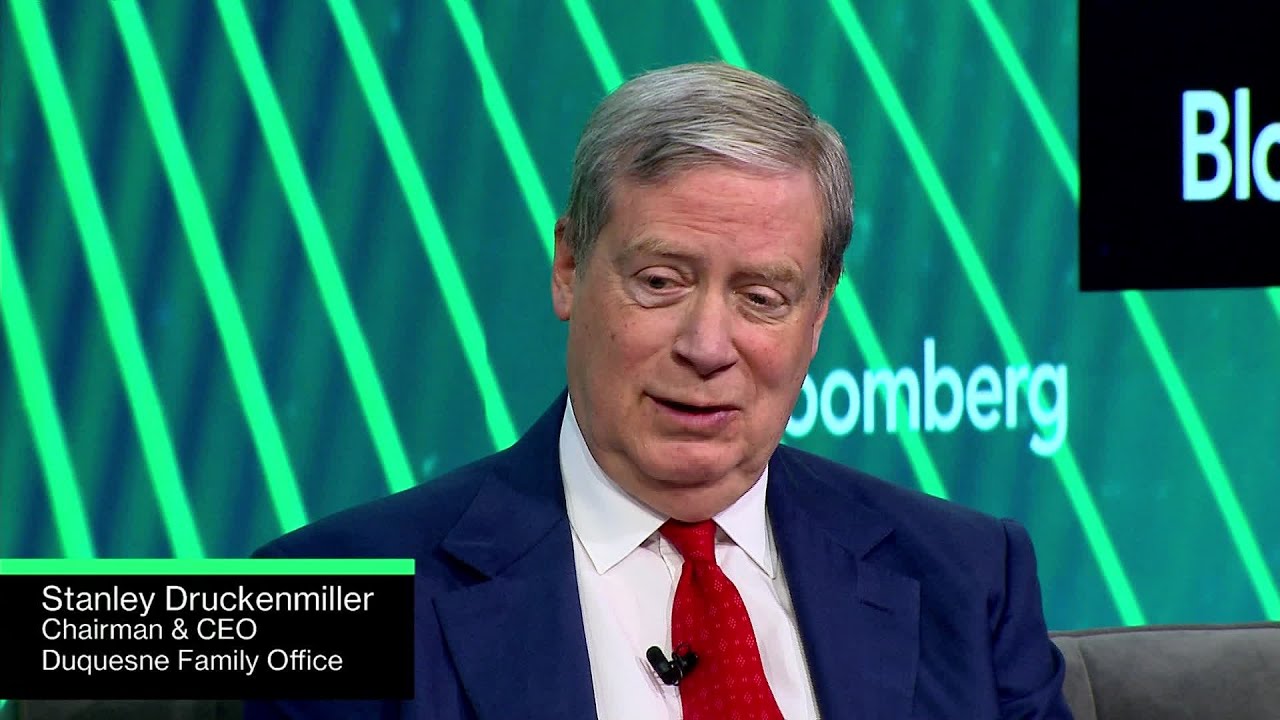
Yeah. That's right. And when it comes to this very consequential relationship between the US and China, Christine was absolutely right. What goes on said is just as important. So when we look at President Xi's decision not to speak before the UN, there's a little more there than meets the eye because there has been an almost obsessive focus by both countries on reciprocity, making sure the terms are exactly equal. So when President Trump went to Beijing earlier this year, that was just an out and back trip. They made sure of that. And so when President Xi came to the US now, they didn't want to create the perception or allow for the image that, hey, you know, he was just stopping by in Washington while he was already there for the United Nations. They wanted to really put a different spotlight on this. So these conversations on AI or superintelligence, you know, unclear to me if that term is going to take off yet. A lot of it has been, you know, very nascent early stages between the US and China. They're talking about setting up a working group, you know, talking about information sharing. But what is going to be just as important as getting those systems up and running is establishing trust. So the criticism that the state visit was maybe all pomp and circumstance, not enough substance, there is still, you know, a feeling from a lot of experts and officials in this space that building the relationship is really, you know, not a waste of time because that trust is going to be, oh, you know, what really defines the moment at the end of the day. And, Stephen, when you're looking at what Shannon was just talking about, this desire to have these two on equal footing, have the trips be perceived as equal durations, equal importance, there was an interesting dynamic playing out with the media coverage of this because President Trump was having a spat with one of or several, actually, of the US TV pool members and some of the reporters, and that impacted who could get in to cover the state dinner. And I was reading that this was covered much more heavily with the imagery in Chinese state media, and it, you know, it was all over the front pages of the communist main newspaper there in Beijing. And, you know, it was a little less spectacular here in the US, partially because of access issues and then partially because there was also a lot going on with the UN. But I'm wondering how those trips were received on both sides of the world.
Speaker A
Jinping's place at the podium there at the UN. He is the vice president, but he's also the guy who who greeted Donald Trump at the Beijing Airport in May. He's the vice president, former, Politburo standing committee member. So he's not on the highest rate, you know,
Speaker A
Yeah. If you look at the media coverage, it is interesting because I was there on the North Lawn of the White House on two consecutive days, including the days of the summit. And I was listening to a lot of the domestic US coverage, and it was predominantly about the ban, and then the solidarity of the other, you know, towards CNN, Politico, and MSNBC now, and maybe not as much detail about the summit itself. I found that striking coming from Asia where we cover the details, obviously, of the geopolitical relationship in quite great detail on policy and commercial ties. But that being said, the fact that there weren't a lot of Chinese corporation or executives in that dinner made it a little maybe less important on the commercial side. But I agree with Shannon completely that the Chinese side, the business or the government officials that were there and the focus of this summit was clearly on showing Xi Jinping as being an equal to the United States and being treated as an equal as well. So that was probably the main goal of this fairly short visit, but I think they ticked all the boxes. And I talked to a number of the CGTN reporters. They had a large contingent. That's the international arm of China Central Television state media. They had a pretty big contingent here as well as two camera crews last weekend outside the JPMorgan Chase headquarters where Huly Feng and Scott Bessent met for trade advanced talks to kind of lay the deliverables for the summit on Thursday. They have a big contingent here.
Speaker A
He's basically standing in instead of Xi Jinping there at the UN general assembly. Monitoring the terminal for headlines, as we continue this conversation. Shannon, let me turn to you, and I'm curious how you see these two events in complement. So we had the president
Speaker A
Steve, let me pick up on that. And I want to ask you just about President Xi's motivations in coming to the US, and there was a piece that the Simpson Center, a think tank, put out showing the decline in President Xi's travel in recent years, certainly since the COVID pandemic. I am curious why that is the case, what the speculation is that he's not traveling as much. Perhaps it's just that world leaders are traveling to China more than they had been before. But what does it say that he's made the effort to come here? Indeed, there's going to be this trip that President Trump is going to take to China before this meeting of the G20 in Doral in Florida.
Speaker A
but it does seem like the the locus of it, the focus of it, what was seen as most important was the conversation that presumably took place in and around the White House, in Washington.
Speaker A
How, from a Chinese lens, how important was this trip making this pilgrimage to Washington?
Speaker A
than meets the eye because there has been an almost obsessive, like, focus by both countries on reciprocity, making sure the terms are exactly equal. So when president Trump went to Beijing earlier this year, that was just an out and back trip. They made sure of that.
Speaker A
Was that for Shannon Rea? Guess if I could.
Speaker A
different spotlight on this. So these conversations on AI or superintelligence, you know, unclear to me if that term is going to take off yet. A lot of it has been, you know, very nascent early stages between The US and China. They're talking about setting up a
Speaker A
Yeah. Go ahead.
Speaker A
a feeling from a lot of experts and officials in this space that building the relationship is really, you know, not a waste of time because that trust is going to be, oh, you know, what really defines the moment at the end of the day. And, Stephen,
Speaker A
Sorry. Sorry. I'll pick up on that. I think this was incredibly important, and he did also have some diplomatic outreach in the weeks leading up to this. I think he'd been to India as well as another trip. I think the US-China...
Speaker A
one of or several, actually, of The US TV pool members and some of the reporters, and that impacted who could get in to cover the state dinner. And I was reading that this was covered much more heavily with the imagery in Chinese state media, and it,
Speaker A
you know, it was all over the front pages of of the communist main newspaper there in Beijing. And, you know, it was a little a little less spectacular here in The US, partially because of access issues and then partially because there was also a lot going
Speaker A
on, with the UN. But I'm wondering how those trips were received on both sides of the world.
Speaker A
Yeah. If you look at the media coverage, it is interesting because I was there on the North Lawn of the White House on two consecutive days, including the days of the summit. And I was listening to a lot of the domestic US coverage, and it was
Speaker A
predominantly about the ban, and then the solidarity of the other, you know, towards CNN, Politico, and MS net now, and and maybe not as much detail about the summit itself. I found that striking coming from Asia where we cover the details, obviously, of the geopolitical relationship
Speaker A
in quite great detail on policy and commercial ties. But that being said, the fact that there wasn't a lot of Chinese, corporation or executives in that dinner, made it little maybe less important on the commercial side. But I agree with Shannon completely that the Chinese side,
Speaker A
the business or the the government officials that were there and the focus of this summit was clearly on showing Xi Jinping as being an equal to The United States and being treated as an equal as well. So that was probably the main goal of this fairly
Speaker A
short visit, but I think they ticked all the boxes. And I talked to a number of the CGTN reporters. They had a large contingent. That's the international arm of China Central Television state media. They had a pretty big, contingent here as well as two camera crews
Speaker A
on last weekend at outside the, JPMorgan Chase headquarters where Huly Feng and Scott Bessent met for trade advanced talks to kinda lay the deliverables, for the summit on Thursday. They have a big contingent here.
Speaker A
Steve, let me pick up on that. And I wanna ask you just about president Xi's motivations in coming to to The US, and there was a piece that the Simpson Center, a think tank, put out showing the decline in president Xi's travel in in recent years,
Speaker A
certainly since the the COVID pandemic. I I'm curious why that is the case, what the speculation is that he's not traveling as much. Perhaps it's just that world leaders are traveling to China more than they had been before. But what does it say that he's made
Speaker A
the effort to come here? Indeed, there's gonna be this trip that president Trump is gonna take to China before, this meeting of the g twenty in in Doral in in Florida.
Speaker A
How how did the from a Chinese lens, how important was this trip making this pilgrimage to Washington?
Speaker A
Was that for Shannon Rea? Guess If I could. Yeah. Go ahead. Sorry. Sorry. I'll pick up on that. I I think this was incredibly important, and he did also have some diplomatic outreach in the weeks leading up to this. I
Speaker A
think he'd be went to India as well as as another trip. I think The US China relationship for optics and strategy is critical, absolutely critical. And I was looking at the China Daily a couple of days ago on actually, the day of the summit, the international
Speaker A
version of the China Daily newspaper, the English version of state media, the first seven pages of the newspaper were all about this US China summit. That tells you how much importance they put in this trip. And, again, the Xi Jinping readout that you asked me, previously,
Speaker A
they essentially say that Xi sees a brighter China US future. So it's it's extremely important to the Chinese to be seen on equal footing. And if they can get an AI dialogue where the two leaders, if you will, as they refer to themselves in this burgeoning
Speaker A
technology, if they could be having a dialogue on equal footing, that would be a victory.
Speaker A
Shannon, as we talk about how important it is optically diplomatically for these leaders to make the effort to go travel to these places, it does seem startling to me that this week, we saw quite a few big names skipping the UN. Obviously, we talked about Xi.
Speaker A
Putin was not here. German chancellor is facing a very contentious, election battle back home. He opted out. Maloney was not here. Mahmoud Abbas did not come. How significant is that in a time when the UN is struggling to kind of find its place and as geopolitical
Speaker A
plates kinda shift? Well, say with Mahmoud Abbas, he wasn't, of course, allowed to come for the second year straight. The Trump administration denied to give Palestinian authority officials visas to come to the UN, breaking with tradition there. So that was one exception. But for everybody else, you're absolutely right.
Speaker A
There were different agendas at play. They had, you know, other things to do, and this comes at a time where a lot of people who did come, a lot of world leaders who did take the time to travel to New York, give a speech before the
Speaker A
UN, they used it to criticize the body, say that it is, you know, ineffectual, that it has fallen from its mission, its core mission statement, you know, being able to bring countries together and broker peace. Because, you know, even with this high level week happening, we
Speaker A
know that the real work typically happens behind the scenes, these sideline meetings. We saw it with the Iran and US talks that happened earlier on in the week, where this is all, you know, a matter of convenience that all these countries are there. So the UN,
Speaker A
the next secretary general is definitely going to have a challenge to face to, you know, restore the body to it's something that can be trusted by, you know, not just most countries, but basically every single country as an effective platform.
Speaker A
Shannon, what's your perspective on the way that this administration views the the UN right now?
Speaker A
So it says something that the president came and spoke. He didn't unbrave the the UN in the way that he has, in the past. He has somebody as his ambassador to the UN, Mike Waltz, who seems to be very engaged with the reforms that you've been
Speaker A
talking about here just just a moment ago. Do they see things proceeding apace? Do they have kind of a radical vision of what the UN looks like going forward? Talk about that in the context of, again, this leadership transition that's underway, at the the group of
Speaker A
nations here in New York. Yeah. There's two different stories here. Right? Because the Trump administration will still be hotly critical of the United Nations. They've made it very clear that there are certain, branches of it that they don't agree with. Think it's, you know, anti Israeli. They think it goes counter
Speaker A
to, you know, the America first ethos of the Trump administration. So they definitely have plenty of issues, but they do also still see it as a useful tool. Sometimes it's all about messaging you know, for the most part, but we're also seeing an increased amount of
Speaker A
contributions flowing from The US to the UN even though, you know, president Trump said when he came in that this was going to be a very different relationship, that he was no longer going to be footing the bill for so much of what the UN does.
Speaker A
So, really, in the behind the scenes story is a little bit different there. There is still an interest in keeping a lot of what the UN does up and running, and that does require both money and political buy in that we are seeing from the White
Speaker A
House. Shannon, I've also got a lot of issues, but, you know, on we go functioning as as well as we can.
Speaker A
Effort is either way here. Yes. Is ongoing. Stephen, I wanna ask you also about we've talked about different approaches to policy, diplomacy, AI. One of the other things that I don't think it's talked about enough is is soft power and how as The US has stepped back from
Speaker A
soft power approaches to diplomacy and influence of the world, China has really embraced it and kind of stepped into some of those chasms created from The US pullback. I think about, foreign aid. I I think about, you know, outreach to to fledgling, governments, and we've also
Speaker A
got the pandas. So, we've only got about a minute left, but talk about panda and soft power and and why this is something the Chinese continue to use.
Speaker A
Well well, I was born in 1966, and I remember when Ling Ling and Shing Shing came to America in 1972. I was a six year old kid in school, and it was, you know, a pretty significant thing. What's a panda? Right? And it was neat to
Speaker A
have those two two, you know, pandas come from China. So that I remember it vividly.
Speaker A
I also remember when the moon landing and the the TV would be rolled, into the classroom. So I'm aging myself right now, but it was significant back then. And I know you maybe have panda fatigue Yeah. Panda diplomacy fatigue, but it is a gesture of Chinese
Speaker A
soft power for sure. The only nation that really has them. So I I think it's it's maybe inconsequential in the bigger picture, but it is the soft power and a gracious, gift from the Chinese lending, I should say.
Speaker A
I will try to be, more bullish on the on the panel. It's part of that reform agenda that I mentioned a moment ago.
Speaker A
Stephen Engle, our chief North Asia correspondent, and Shannon Kingston joining us from ABC News. She's our diplomatic correspondent. Thank you both so much.
Speaker A
Great to talk to both of them.
Topics:US-China relationsartificial intelligenceAI cooperationsuperintelligencediplomatic summitXi JinpingDonald Trumpmedia coveragestate dinnertrust building


![[YTP] PragerU: Into the Pragerverse — Transcript](https://i.ytimg.com/vi/l4YETvaitSM/maxresdefault.jpg)