Skip to content
Get App

Am I Triggered Or Am I Right? How To Tell The Difference

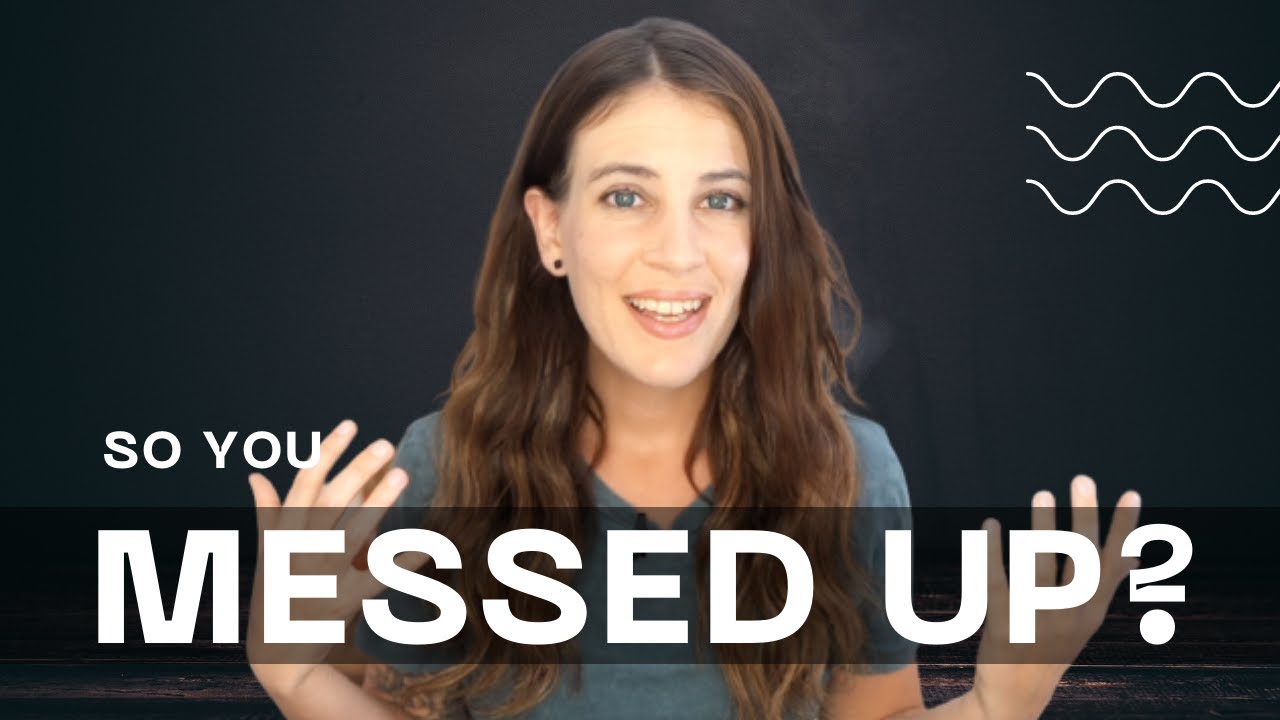
Heidi Priebe explains how to tell whether a reaction is a trigger or a justified response to real injustice, using mindfulness steps to separate present facts from past wounds.

Key Takeaways

  • Being triggered and being right are not mutually exclusive; triggers often arise in genuinely unjust situations.
  • Separating present facts from past memories allows a reaction proportionate to the current situation.
  • Pausing and acknowledging both realities is the first step toward a secure response.
  • Self-awareness of bodily trigger signals and regulated responses build over time through practice.

What the video covers

  • Opens with a disclaimer that she is not a licensed trauma therapist and the video is not clinical advice on handling PTSD-level triggers.
  • Argues that people often fall into all-or-nothing thinking, believing a reaction is either purely triggered or fully justified.
  • Explains that both can be true: triggered reactions often occur in situations where real injustice is happening.
  • Describes how bringing past memories and stories into a present situation can make a reaction far larger than the moment warrants, causing a justified concern to be dismissed.
  • Step one: acknowledge that both things can be true and that it is not an either/or situation.
  • Step two: separate what objectively happened in the last few minutes from the broader story or past memories being layered on top.
  • Encourages learning to recognize what being triggered feels like in the body, which varies by person.
  • Notes that triggered responses often appear as creating distance (withdrawal, shutdown) or creating immediacy (urgent demands), and that a more regulated response can be cultivated over time.
  • Emphasizes stating needs clearly and decisively with boundaries, and seeking understanding of the other person's perspective to de-escalate.
  • Frames the goal as building self-trust and getting needs met without making situations worse.

Answers

Questions about this video

Does this video replace professional therapy for PTSD triggers?

No. The speaker explicitly states she is not a licensed trauma therapist and that the video addresses smaller-scale trigger reactions through mindfulness, not clinical PTSD or C-PTSD treatment. She recommends working with a professional for intense triggers.

How can I tell if I'm triggered or actually being treated unfairly?

The video suggests recognizing that both can be true, then objectively identifying what was said or done in the last few minutes versus which past memories or stories you are layering onto the situation.

Why does being triggered sometimes make my legitimate complaint get ignored?

When a reaction is much larger than the situation warrants because of past wounds, others may dismiss it as irrational, and the valid underlying grievance never gets properly addressed.

Full Transcript — Download SRT & Markdown

00:00
Speaker A
hey guys i'm heidi preeb before you get started on this video i just wanted to hop in as i was editing it i didn't feel 100 right about this video because i never gave a disclaimer at the beginning
00:10
Speaker A
which i am now editing in at this point to let you know that i am not a licensed trauma therapist this is not professional or clinical advice around handling triggers so there's a lot of different things that we tend to use the
00:22
Speaker A
word trigger to reference so sometimes we use the word trigger to reference a ptsd or cptsd reaction which can be very intense very overwhelming for the nervous system and for a lot of people specifically if you have not had
00:36
Speaker A
trauma-informed care in the past it can be really difficult to try to implement in the moment solutions for dealing with those triggers and i want to emphasize that if that's something you're struggling really intensively with this video might not be the video that's
00:49
Speaker A
going to help you with that particular problem this video is just going to be about cultivating mindfulness whenever you can and wherever you can around your smaller scale trigger responses this is not meant to be professional mental health advice it's more using the word
01:02
Speaker A
trigger to describe the kind of smaller scale almost more pop culture definition of the word trigger which might actually be more reminiscent of having an extremely strong emotional reaction to something that isn't entirely present but again i just want to make that clear
01:16
Speaker A
because there can be a very giant sliding scale between what triggers mean to different people so it could be a slightly exaggerated response for one person and it could be a complete amygdala hijack for the next person if
01:28
Speaker A
you struggle immensely with triggers i really recommend you get the help of a professional therapist or counselor who can help you work through those my therapist has actually very recently helped me work through my single biggest trigger that i literally thought i would
01:40
Speaker A
have for the rest of my life and so i know firsthand that that can be extremely important work to engage in and i just want to make clear that that's not what this video is this video is about mindfulness around triggers
01:49
Speaker A
only okay now we will properly get started hey guys heidi preeb here so today's video is one that i have been joking i'm gonna make for a while but i decided to actually sit down and make because i
02:02
Speaker A
think that there is a very specific and particular thing that often keeps us from choosing secure responses in moments of heightened emotion which is the inability to distinguish when we are triggered versus when we are accurately picking up on something that is
02:18
Speaker A
happening in our environment that is unfair and that we ought to react to with anger or with pushback or by asserting our need for boundaries right so i think that a lot of us myself included often have this kind of black
02:30
Speaker A
and white thinking where it's like okay either i am completely wrong and the other person is completely right and my reaction is pure 100 trigger response or i am completely justified i am correct about my need to be offended and upset
02:45
Speaker A
and therefore whatever i say next is also completely justified and i think that this absolutely false dichotomy we create accounts for why so many of us who are well-versed in attachment theory in triggers who have a lot of
02:59
Speaker A
self-awareness around what comes up for us and what situations still get stuck in this trap time and time again of going no this time it's not a trigger response this time i'm perfectly justified in standing up for and
03:12
Speaker A
fighting for myself and i am here to clarify that it can be both and that is the problem there can be situations in which and i would argue more often than not the situations in which we get triggered are situations where true
03:28
Speaker A
injustice is happening where we truly ought to stand up for ourselves where assertiveness and drawing boundaries are actually needed but because we can have that kind of all or nothing thinking where we think either i'm triggered therefore i'm being irrational about the
03:42
Speaker A
entire situation or if there's a true reason to be upset i must not be triggered i must be completely justified in everything that i'm feeling we can fail to see the nuance that would allow us to actually resolve situations where
03:56
Speaker A
we truly ought to stand up for ourselves and defend ourselves properly because when we have a true offense that happens something that we truly ought not to stand for but there's a trigger response that happens on top of that often our
04:09
Speaker A
reactions are so over the top that they get written off completely so for example let's say someone is speaking to me unkindly and maybe my body gets a bit defensive and i'm like ooh i'm on alert all of a sudden right but let's say also
04:21
Speaker A
i'm having all of these memories all of these flashbacks flooding my brain of other times i've been spoken to unkindly i'm telling myself a very strong and very intense story about what it means that that person is speaking to me
04:33
Speaker A
unkindly and so now i'm reacting not just to what they've said but i'm reacting to every person who has ever spoken to me unkindly and all of the emotional intensity that i've ever felt about all of that and so my reaction to
04:44
Speaker A
them might actually be 10 times stronger and 10 times more offensive than the way that they spoke to me and now i'm the one giving a very over the top response and so i get written off as a rational
04:56
Speaker A
and as a result the very justified feelings that i had of not being spoken to kindly never get properly addressed because i buried the proper response beneath the mountain of trigger response and so what this video is about is not
05:10
Speaker A
at all dismissing the way we feel and not standing up for ourselves it's about recognizing in which situations getting triggered actually keeps us from standing up for ourselves and defending ourselves in the way that we ought to because we don't have an appropriately
05:24
Speaker A
sized reaction to the situation at hand and if we want to have appropriately sized reactions we have to get really good at differentiating what about this situation is upsetting me versus what am i bringing into this situation from the
05:38
Speaker A
past that doesn't belong here and this is something that is incredibly difficult to do it takes a very long time to practice before it starts happening automatically but the sooner that we can start making those distinctions at the least mentally the
05:51
Speaker A
more we can begin practicing moment by moment when we get triggered and when those things come up so when you find yourself in those moments where you're like i am really angry and i think that this time i'm right this time i'm
06:01
Speaker A
justified this time i'm not triggered i am right step one is to stop and acknowledge both things can be true you can be right you can be in an unfair situation you can deserve to stand up for yourself and you can also be
06:16
Speaker A
triggered okay two things can be true and usually when you're triggered it's because you're encountering some injustice right so it's actually highly likely in those moments that both things are at least a little bit true so the first thing to
06:30
Speaker A
remind yourself of is this is not an either or situation it's very possible that i'm both facing injustice and also triggered sometimes that's all we can do for the day sometimes that is just our cue to check out of the situation and
06:43
Speaker A
return to it at a different time and i completely and totally respect anyone who chooses that option when they're triggered but if you can and if you've been practicing this for a while and you're able to make that mindful distinction
06:54
Speaker A
you can move on to the next step which is intentionally separating out what is from the past and what is present so a good way to do this is to think very carefully about exactly what just happened objectively and try to
07:08
Speaker A
understand what let's say in the last five minutes was said or done that you specifically take issue with versus what is the greater story that you're fitting that action into so things that happen in real time can be resolved in real
07:22
Speaker A
time things that happen in real time that we put into a story in our heads about who we are what a certain person thinks of us etc etc etc cannot be resolved in real time because they don't exist in the moment they exist in our
07:34
Speaker A
minds so step two is about getting really really clear on what actually happened in the last two to five minutes that i'm upset about versus which memories am i drawing on or which stories am i fitting this into that are
07:48
Speaker A
causing me to have a trigger response most individual one by one things that happen in life can be dealt with fairly calmly and presently if we're able to stay emotionally present but the big overwhelming things the giant stories we
08:03
Speaker A
tell ourselves about our self-worth and our value and how other people treat us and the past traumas and past challenges and past histories we've dealt with those things cannot be dealt with in one singular moment right so often if the
08:15
Speaker A
problem feels so giant that only a humongous explosion could possibly fix it and possibly get our points across there's a good chance that there's a lot of accumulated energy there right that you're fitting this moment into a series of moments that have happened
08:30
Speaker A
over the course of your life that cannot possibly be resolved simply and in this exact situation and that's again a good indication that part of what you're dealing with is a trigger so step three though this could also be step one
08:43
Speaker A
honestly is getting very aware of what a trigger feels like in your body and this will be different for absolutely everybody depending on what your triggers are and i want to i probably should have made this clear earlier but
08:54
Speaker A
i want to distinguish between let's say a ptsd trigger which might be so physiologically overwhelming that you do not even remotely have the wherewithal to stay present during it and something like a complex ptsd trigger which is more about the emotional overwhelm that
09:09
Speaker A
you're feeling in the moment and those can be a little bit easier to deal with and to reason with in the moment but it depends on your history on the amount of help you've gotten through therapy at this point etc etc so there are a lot of
09:21
Speaker A
things that can influence whether or not you're able to do any of this work but what you want to do even in retrospect if you're able to is to just recognize when i'm triggered how do i feel in my
09:31
Speaker A
body for some people it feels like my body's on fire and i have so much energy and i can't get it out of me and for other people it feels like i need to instantly get away from the situation
09:41
Speaker A
there's no way i can interact i'm frozen i can't respond okay so recognizing what it feels like when we're triggered and we can do this in retrospect by looking at times that we know we've been triggered in the past and recognizing
09:53
Speaker A
what physiologically came up for us in those moments will help us to pinpoint in the present whether or not that's what's happening so it can even help you to write down some thoughts that you tend to have when you're triggered right
10:04
Speaker A
like for me i feel like i am right i know i'm right i've never been this right before and no matter what the other person says the only thing that matters is that i show how right i am
10:13
Speaker A
or this person is completely irrational nothing they're saying makes sense i have absolutely no need to engage with this person and i do not owe them even a second more of my time right both of those are triggered thoughts because
10:26
Speaker A
when we are not triggered we tend to think more rationally and in a more balanced way so we can have thoughts like i believe i'm right but there also seems to be a really big discrepancy in the way that we're seeing the situation
10:37
Speaker A
so maybe i need to gain some additional understanding of the other person's side of things so that i can respond in a way that brings us to a place of peace rather than continuing to escalate the tensions or this situation is straight
10:49
Speaker A
up not healthy for me so i'm going to set some really clear yet compassionate boundaries and go take the time and space i need to recoup but often when we're in a triggered state things feel either 10 times more or 10 times less
11:02
Speaker A
immediate than they truly are so it might feel like if i don't resolve this conflict right now i'm going to absolutely die there is no way out of this conflict other than to get all of my feelings out there absolutely right
11:13
Speaker A
now and to not wait even another second to address it that's often a triggered thought right most conflicts can wait a little bit until both people calm down and can approach things from a more centered place and the opposite is also
11:27
Speaker A
true if there is something that can be resolved in the moment but we're feeling like i never want to see this person again i want to completely disengage from this i want to give no timeline for when i'll come back to this conversation
11:39
Speaker A
i need unlimited open-ended alone time that's often also a triggered response so are you either creating distance from a situation that could be dealt with in the moment or are you creating immediacy in a situation that could actually be
11:53
Speaker A
dealt with with a little bit of time and space either way those thoughts are good indications that maybe you're experiencing a trigger right because again most things can wait and also most things can be worked through so if
12:04
Speaker A
you're feeling either like this absolutely cannot wait or this absolutely cannot be worked through there is a high likelihood that a trigger is present for you and i'm not suggesting that if you're let's say super triggered into avoidance mode and
12:16
Speaker A
you really cannot stay present with warmth and empathy that you stop and deal with the situation right away not at all i'm also not suggesting that if you are in super anxiety mode that you completely disregard all of your
12:27
Speaker A
feelings and tell yourself this doesn't need to get dealt with also not at all what i'm suggesting and this is the final stage of the process is that you leave choosing an appropriate response up to a future version of yourself who
12:40
Speaker A
is more regulated and this requires building self-trust over a long period of time right so when you are able to be mindful in the moments that you're triggered watch them pass and then eventually notice yourself returning to a more regulated state whether that
12:55
Speaker A
takes 10 minutes 10 hours 10 days you eventually begin to learn there is a version of me that exists underneath all of my triggers all of my trauma all of my wounding and that version of me knows how to make calm and rational decisions
13:11
Speaker A
and in those moments of trigger if you can recognize you're triggered all you have to do the only thing you have to do is trust your future self to work this out and recognize that now is not the
13:23
Speaker A
time to be making major decisions to be resolving major conflicts or to be sorting through major emotions that are currently burning at a thousand degrees inside of your body right trust that your emotions matter that your experience matters that the
13:37
Speaker A
feelings you are feeling in this moment matter and you will address them but you will not address them in this triggered state because it will not go well right so if someone is truly disrespecting you and you feel
13:50
Speaker A
overwhelmingly angry and you recognize that that anger is not just about the situation you're in but that you're also bringing a lot of past wounding into the current situation the kindest and most compassionate and most secure thing you
14:03
Speaker A
can do for yourself is recognize yes my feelings of offense matter yes i'm picking up on something real here and i'm not being treated properly but i am not in the proper condition to state my case in a way that is effective right
14:17
Speaker A
now so i'm going to take some space from it and i'm going to come back to it and i'm going to let my future wise self deal with this situation and then your future y self actually does have to come
14:29
Speaker A
back and deal with the situation or else you will lose your own trust in that process right but the beautiful thing about all of this is that at the end of the day your issues get dealt with the
14:38
Speaker A
pain that you feel in the moments where you're hurt and triggered gets acknowledged it just doesn't get acknowledged in a way that makes it worse than it needs to be because when we respond from a triggered place we're
14:48
Speaker A
often not responding from a place that other people can find connection points within right and in order to resolve situations we need to be able to state our case clearly decisively with proper boundaries in place and without needing
15:02
Speaker A
the other person's approval and with our own self-respect alive and in check so all of this is to say that the question that so many of us get stuck on time and time and time again is am i triggered or
15:14
Speaker A
is this finally the situation in which i am just perceiving things correctly i am right about everything and i deserve to go off on this other person and i think that often the answer is yes you're right about something you're perceiving
15:27
Speaker A
some true injustice and also you are triggered and if you can learn to hold both of those things to be true in your mind in the moment that a trigger goes off you're going to set yourself up for
15:38
Speaker A
a much better future where you're able to actually address things in a way that people listen to so that when injustices come up they don't go unacknowledged because people just write you off based on the fiery over-the-top response that
15:50
Speaker A
you have to them or the lack of response that you have to them so this is in the long run about learning to actually get those needs met and get those difficult situations confronted and dealt with without making it worse or losing your
16:03
Speaker A
own self-respect in the process all right that's all i have to say for today on this topic but let me know in the comments any thoughts feelings aha moments that you're having as you move through the process of unpacking your
16:13
Speaker A
own trigger responses and figuring out which challenges get in the way for you when it comes to communication under stress as always i love you guys i hope you're taking care of yourselves and each other and i will see you back here
16:24
Speaker A
again really soon [Music] you
Topics:triggersmindfulnessboundariesemotional regulationattachmenttrauma-informedassertivenessself-awarenessHeidi Priebesecure responses

Get More with the SozAI App

Transcribe recordings, audio files, and YouTube videos — with AI summaries and speaker detection. 30 minutes free.

Or transcribe another YouTube video here →