Skip to content
Get App

Cultivating The Ability To Tolerate Emotional Discomfort

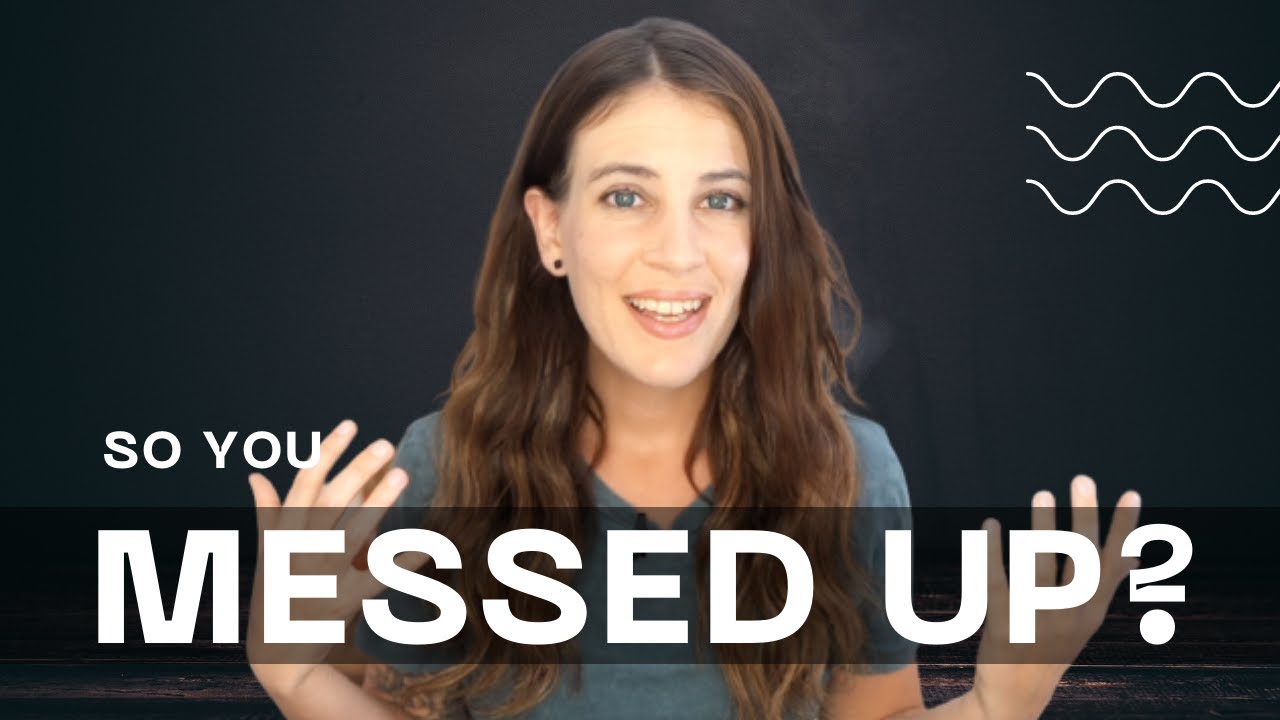
Heidi Priebe outlines five traits for tolerating emotional discomfort in relationships: a secure sense of self, emotional regulation, humility, accountability, and healthy self-esteem.

Key Takeaways

  • Secure relationships are about handling conflict well, not avoiding it.
  • A strong, independent sense of self reduces the threat felt during disagreement.
  • Emotional regulation skills allow you to stay present and empathic during difficult conversations.
  • Humility and accountability are essential for relationships that deepen over time.
  • Developing these traits is an ongoing, lifelong process.

What the video covers

  • The video is framed around attachment healing and the ability to stay regulated during conflict and difficult conversations.
  • Insecure attachment styles (anxious, avoidant, fearful-avoidant) often cause conflict to feel like a threat to the relationship itself, triggering fight-or-flight responses.
  • Secure relationships are defined not by an absence of conflict but by partners who stay calm, regulated, and present during emotional discomfort.
  • Trait 1: A strong, pervasive sense of self independent of others' approval, so identity isn't threatened by disagreement.
  • Trait 2: Emotional regulation, including recognizing triggers, taking breaks, and responding from the adult self rather than the dysregulated child self.
  • Trait 3: Humility, meaning accepting that you may be wrong, open to others' views, and able to admit mistakes without needing to be right.
  • Trait 4: Accountability, which the speaker argues society has largely abandoned, especially as relationships move outside community contexts.
  • Trait 5: Healthy self-esteem, a stable quality that enables humility and vulnerability, distinguished from narcissistic self-esteem that depends on never being wrong.
  • These qualities are developed gradually over a lifelong process and serve as guideposts for self-assessment.
  • The speaker emphasizes that environmental forces, not only individual psychology or biology, can work against developing these traits.

Answers

Questions about this video

What is the main argument of the video?

The speaker argues that the key to healthy relationships is not avoiding conflict but cultivating the ability to tolerate emotional discomfort. She identifies five traits that make this possible, which can be developed over time through attachment healing.

Why do insecurely attached people struggle with conflict?

According to the speaker, insecure attachment styles lead people to perceive conflict as a threat to the relationship itself, which triggers fight-or-flight responses. This makes it hard to resolve issues calmly and can lead to defensiveness or attacking others.

How does healthy self-esteem differ from narcissism in this context?

The speaker describes healthy self-esteem as a stable quality that allows humility, vulnerability, and accepting mistakes. Narcissistic self-esteem, by contrast, depends on believing one never does anything wrong, which prevents growth and repair in relationships.

Full Transcript — Download SRT & Markdown

00:00
Speaker A
hey guys heidi preeb here today i wanted to talk about something that i was having a lot of thoughts about recently because i feel like as i have been going through kind of an attachment healing journey and changing quite significantly
00:14
Speaker A
the way that i show up in different relationships especially when it comes to new friendships i'm forming old relationships that are close that i'm kind of renegotiating the boundaries of i have noticed that there is one trait in a person that really defines their
00:31
Speaker A
ability to have healthy relationships and that trait is the ability to tolerate discomfort so i think that so many of us particularly those of us who are insecurely attached whether that means we are avoidant fearful avoidant or anxiously attached have a very intense
00:48
Speaker A
fear that conflict means the end of a relationship and our relationship to conflict itself will be very dependent upon our attachment styles but all insecure styles tend to get emotionally disregulated by conflict and as soon as our systems are in that kind of
01:04
Speaker A
fight-or-flight mode it gets really difficult to resolve absolutely any interpersonal situation right as soon as we feel like i'm being attacked in some capacity our most overwhelming instinct is self-protection and this goes for anyone of any attachment style our
01:18
Speaker A
attachment styles just dictate how we're likely to respond when we feel threatened but i really think that what characterizes secure relationships is not the fact that there's never conflict it's not that there is never situations that really need to be sat down and
01:33
Speaker A
worked through it's that secure people know how to keep themselves calm regulated and present during emotional discomfort and i've been thinking a lot lately about what goes into that quality or trait so how do you become a person
01:48
Speaker A
who's comfortable sitting through emotional discomfort and having difficult conversations where you're vulnerable with another person but you're not expecting them to fix the way you're feeling where you can admit when you've been wrong where you can listen to someone say something that might feel
02:02
Speaker A
a little bit threatening for you on an ego level and not react in a defensive way what is it that allows us to develop this quality so i sat down today and wrote out a list of five things that i
02:14
Speaker A
think really help when we're trying to make ourselves into people who can tolerate emotional discomfort and i think that as anyone moves through an attachment healing journey you are going to naturally start cultivating these qualities as you move more towards
02:28
Speaker A
secure but for the sake of giving ourselves a little bit of a goal-oriented process and just having some guideposts to measure ourselves against and figure out how well we're doing at these things and where more work might need to be done i wanted to
02:42
Speaker A
talk about what those qualities are and what often gets in the way of us cultivating them because sometimes there are significant environmental forces working against us here it's not just our own minds in biology so the first thing that i think we really need to be
02:57
Speaker A
able to do to tolerate emotional discomfort is have a strong and pervasive sense of ourselves and who we are so if we go into an interaction whether it's with a romantic partner or a friend or a boss or anyone and we are
03:10
Speaker A
feeling like the way i feel about myself is dependent upon this interaction going well it's going to be really hard for us to tolerate any discomfort because that discomfort is going to disregulate us on an identity level right and when our
03:25
Speaker A
identities are being threatened that feels very very scary to our emotional system so that's when we kind of go into fight or flight mode because all of a sudden we're like oh i have to prove that i'm a certain way i have to prove
03:35
Speaker A
that i'm right i have to prove that i wasn't doing something bad or else the way that i think about myself is going to be fundamentally shifted and that is very dangerous territory to be in we have to be secure enough in who we are
03:49
Speaker A
and who we know ourselves to be in order to have difficult conversations in which we might be misunderstood and still be able to keep ourselves okay within those situations and this is a big thing to do like cultivating a secure sense of self
04:04
Speaker A
is a lifelong journey for most of us right and it's not like you're ever going to get 100 of the way there but we should always be striving to improve the way that we relate to ourselves so in
04:14
Speaker A
order to have conversations that are only about the thing we're talking about and that do not have all of this deeper subtext we have to have a secure and pervasive idea of who we are outside of relationships right so who we are on our
04:29
Speaker A
own who we don't need confirmation from other people to believe that we are and if we can go into situations with that security in ourselves and in our own characters we won't need to panic if people are disagreeing with us we can
04:43
Speaker A
stay calm because we know who we are and if someone else isn't seeing that in a given moment that's okay that's their stuff right that's not us the way someone else wants to think about us is their own business it doesn't really
04:54
Speaker A
have that much to do with us right we are only responsible for how we show up and so if we have personal integrity it gets a lot easier to allow for temporary periods of being misunderstood in relationships which leads me to trait
05:08
Speaker A
number two emotional regulation so when we are having difficult uncomfortable conversations with people if we have strategies for keeping ourselves physiologically calm through those conversations it's going to be a lot easier to truly take in someone else's point of view because again as
05:28
Speaker A
soon as we're in fight or flight mode we're not thinking about other people we are just thinking about our own survival and this is often what leads us to become incredibly defensive in conversations to attack other people because we just feel so wired and it
05:41
Speaker A
feels like a conflict is necessary if we know how to keep ourselves calm keep ourselves centered and notice things like when we're triggered and need to take a break from the conversation we're going to have a much better chance at
05:55
Speaker A
being able to tolerate discomfort right because the level of discomfort will rarely if ever become unbearable if we know how to keep ourselves emotionally centered and stable we then are able to both hold space for other people's vulnerability as well as share ourselves
06:11
Speaker A
in a more vulnerable way because we're not expecting something in return from it and that ability to emotionally regulate ourselves in difficult conversations is truly a lifelong journey like i have been working very intensively on this skill for years now
06:26
Speaker A
and really it's only at this point in my life that i'm truly noticing i'm able to do it well it's very very difficult when you're insecurely attached to not take things personally and to be able to stay centered in yourself when someone else
06:38
Speaker A
is dysregulated but being able to do that is going to be monumental to having and moving through difficult conversations with people right if you just expect yourself to never get triggered good luck you will get triggered you will get upset you will
06:53
Speaker A
get defensive but if you can catch yourself doing those things bring yourself back to a calm centered place and then respond from your adult self not your dysregulated child self it's going to be a lot easier to navigate conversations that feel
07:07
Speaker A
uncomfortable trait 3 is humility if you go into relationships expecting to never have your thoughts or ideas threatened to never be wrong and to never have to change your thinking or admit to someone else that you made a mistake you are
07:22
Speaker A
probably not going to have any relationship that lasts longer than a couple of months at best right or you're at least not going to have any deep emotionally penetrative relationships right because the best relationships are the relationships that
07:37
Speaker A
allow us to lovingly challenge the things that we know and that allow us to see the world through someone else's eyes and to allow a relationship to change us in that way we have to have humility we have to have enough respect
07:50
Speaker A
for someone else's humanity to go if we have a difference of opinion it's possible likely even that there's something i'm missing right there's more information that i could get from this person that i could be curious about and that i could
08:03
Speaker A
approach with an open mind that might help me understand their point of view better and in order to approach that with a truly open mind i have to be willing to consider the idea that i might be wrong about something or i
08:15
Speaker A
might be misunderstanding something or that there's some nuance or gray area between the two opinions that we hold that are opposite but if we need to think of ourselves as right at all times it's gonna be really hard to have long
08:27
Speaker A
lasting relationships and a really important part of this is also being able to accept that we don't always do the right thing sometimes we don't have all the information that we need so we make our best educated decision and that
08:39
Speaker A
educated decision hurts someone else and if we're not willing to acknowledge that sometimes we hurt people sometimes we mess up sometimes we don't get it all right it's gonna be really hard to form a healthy relationship with anyone right
08:52
Speaker A
and this is something that i see so many people really struggling with these days and in large part i think that this is a product of the way we interact on the internet like we have cancel culture where if you make one mistake you are
09:05
Speaker A
not shown any empathy or compassion people aren't encouraging each other to learn and grow there is this almost joy that we take in other people being wrong and if we take that joy in other people's wrongness it invites other
09:18
Speaker A
people to take that same joy when we get something wrong when we show up with patience and empathy and a genuine desire to help people navigate the difficulties that they're going through in terms of worldview shifts we open
09:31
Speaker A
ourselves up to relationships where mutual growth is encouraged right but if we spend all of our time judging other people and believing that we know best and our morals are always superior we are only going to end up in
09:43
Speaker A
relationships with other people who spend their time doing the same and then the second we're out of line they're going to be the first people to cancel us so we need to be approaching our relationships with humility allowing
09:53
Speaker A
people the grace to mess up and grow and expecting that we also will need that grace from other people nobody gets it right 100 of the time nobody not even close to 100 of the time right and we
10:05
Speaker A
have to expect that of ourselves and of other people if we want to have any sort of long-term lasting relationship because expecting perfection from either ourselves or others is going to set us up for very quick very drastic
10:19
Speaker A
disappointment in any relationship trait number four is one that i think as a society we have largely abandoned and it's a huge problem and that trait is accountability now the reason i think we are less accountable to the mistakes
10:32
Speaker A
that we make to the ways that we hurt other people is because we no longer live in communities the way that we once did right so if we have the majority of our interactions happening online if we have relationships that are very
10:45
Speaker A
disconnected from the other relationships in our lives there isn't always a strong incentive for us to show up and be humble and admit when we've done something wrong because if we feel shame and we have the option to just
10:56
Speaker A
hide ourselves away ghost the person that we feel uncomfortable around and never deal with that problem that's honestly what a lot of people are going to do right it's kind of human nature and the reason that we used to not be
11:07
Speaker A
able to do this is because we used to live in more closer knit communities where people would know if you did something wrong so you were held accountable to righting your wrongs to having difficult conversations with people to maintain your relationship and
11:20
Speaker A
to showing up and learning the skills you needed to learn to repair relationships but we no longer have that same sense of accountability because a lot of our relationships happen outside the context of community and i think that that is a very big problem holding
11:34
Speaker A
ourselves accountable to having uncomfortable conversations and figuring out where we need to compromise and negotiate in order to get both people's needs met is the glue that holds relationships together and sometimes we need the opinions of other people to
11:47
Speaker A
hold us accountable to doing that work right so i think there's a lot that can be said for the value of having community and the value of fostering community because sometimes it is that sense of belonging that we want to
11:58
Speaker A
maintain that pushes us to confront our shame deal with it internally so that we can have the difficult conversations we need to have where we maybe admit that we're wrong where we apologize to people where we take the time to see someone
12:11
Speaker A
else's point of view that end up developing those long-term relationships so i think that as much as possible it's actually a really good thing to be putting ourselves in situations where we will be held accountable by the people
12:22
Speaker A
who love us to do the right thing and to show up in a compassionate way when it comes to the relationships that matter to us and the last trait that i think goes into this ability to tolerate emotional discomfort is just having a
12:33
Speaker A
healthy sense of self-esteem and this is very related to trait number one which is having that pervasive sense of self but if you are a shame bound person which is a trait that a lot of psychologists use to describe someone
12:46
Speaker A
who essentially at their core thinks that there is something deeply wrong with them that they are a mistake and if you are insecurely attached it's highly likely that you are a shame-bound person so when we believe that about ourselves
12:59
Speaker A
even if we have a strong ego we do not have a strong sense of self-esteem a strong sense of self-esteem is when you can look at yourself and go i'm a good well-meaning person but i make mistakes i don't always get it right and i don't
13:15
Speaker A
need to get it right 100 of the time in order to feel good about myself i just have to be committed to showing up in a continuously better way once i know better i do better right people who have a strong sense of
13:27
Speaker A
self-esteem don't have a strong sense of self-esteem because they believe that they never do anything wrong that's what it means to have a strong sense of narcissism self-esteem is a stable quality that allows you to practice humility to share yourself vulnerably to
13:41
Speaker A
open yourself up to the possibility that you were wrong or that you hurt someone and to know that at the end of the day that does not make you a bad person it just makes you human and humans make
13:51
Speaker A
mistakes and if those five qualities are ones that you can deeply embody or that at the least you can work towards cultivating in yourself you're going to find that your ability to tolerate emotional discomfort is going to skyrocket and your ability to tolerate
14:07
Speaker A
emotional discomfort is going to be massively helpful when it comes to maintaining long-term healthy relationships of any form so as always i'm super curious about where you guys are at in the process of all of this so let me know in the comments which of
14:22
Speaker A
these traits really spoke to you which ones you're working on or what else you think has been helpful for you in cultivating that strong sense of self-esteem and that ability to tolerate emotional discomfort within your relationships alright until next time i
14:35
Speaker A
love you guys i hope you're taking care of yourselves and as always i will see you back here again really soon [Music] you
Topics:attachment healingemotional regulationtolerating discomfortsecure attachmenthealthy relationshipshumilityaccountabilityself-esteemconflict resolutionHeidi Priebe

Get More with the SozAI App

Transcribe recordings, audio files, and YouTube videos — with AI summaries and speaker detection. 30 minutes free.

Or transcribe another YouTube video here →