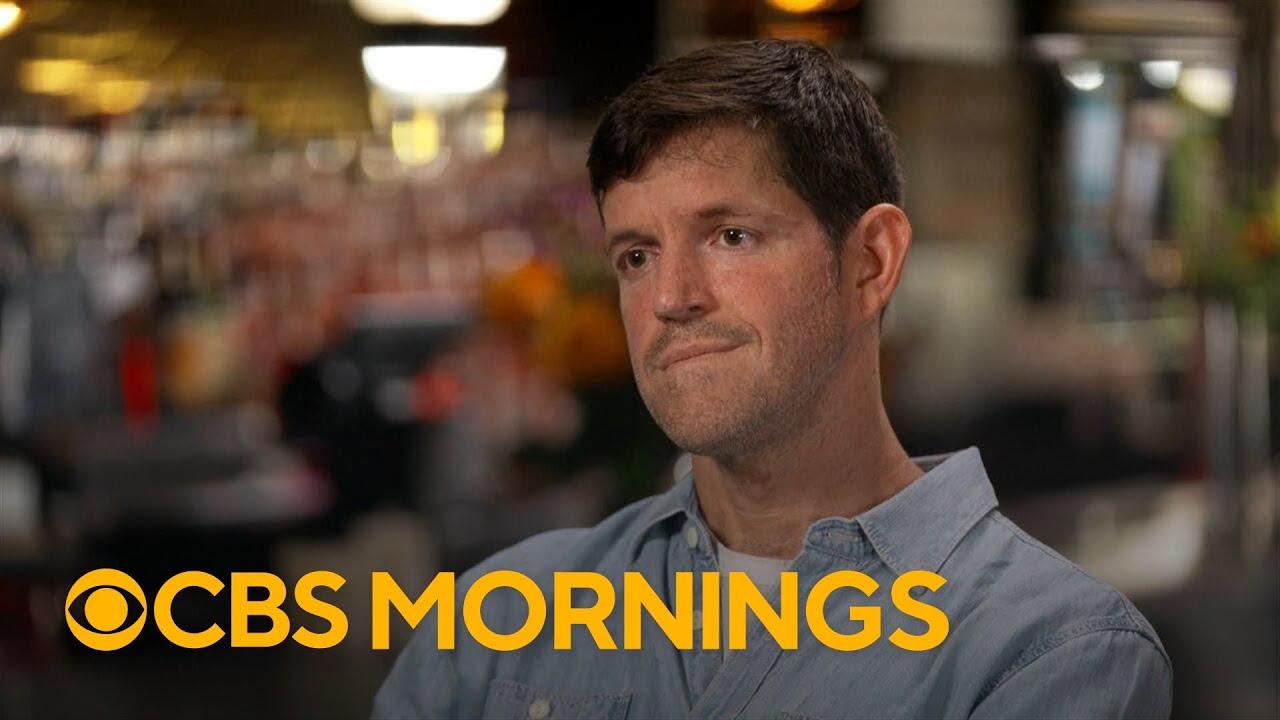
CBS Mornings interviews Theranos whistleblower Tyler Schultz about the Elizabeth Holmes documentary 'The Vow'... no, 'You Can See Everything' by Nathan Fielder, discussing her fraud and continued deni
Key Takeaways
- Elizabeth Holmes knowingly deceived investors and the public about Theranos technology
- The documentary's framing creates misleading doubt about the device's capabilities
- Theranos caused real harm to patients through inaccurate test results
- Whistleblowers faced intense pressure but the patient-safety stakes justified speaking out
What the video covers
- CBS Mornings host introduces Nathan Fielder's documentary about Elizabeth Holmes, which opened strongly at the box office, earning about $15 million
- Holmes was sentenced to more than 11 years after being convicted of defrauding investors of hundreds of millions of dollars with false claims about Theranos blood-testing technology
- Former Theranos insider Tyler Schultz, who blew the whistle in 2015, says the Holmes shown in the film seems vulnerable and broken, unlike the commanding figure he knew
- Schultz argues Holmes knew she was lying, citing a web of deceptions such as false revenue claims to investors and refusal to show audited financials
- Schultz criticizes the documentary for relitigating the word 'could' around the device on display rather than the device actually used on patients
- Schultz explains the device shown is a future version (Theranos 2.0) never completed or used on patients, while the actual device was rudimentary and inaccurate
- Schultz discusses the sympathy the film seeks for Holmes, comparing it to a magic trick and describing her as a victim in an abusive relationship
- Schultz describes real patient harm, including false HIV and cancer diagnoses and false potassium warnings, which motivated his whistleblowing despite pressure and threats
- The interview portrays the documentary as a tool that leaves audiences with doubt about Holmes's culpability
Chapters
- 00:00Opening Reflections on Holmes
- 00:29Holmes's Conviction and Fraud Background
- 00:56Introducing Whistleblower Tyler Schultz
- 01:10Holmes's Demeanor in the Documentary
- 01:48Evidence Holmes Knew She Was Lying
- 02:37Critique of the Documentary's Device Scene
- 04:00Sympathy for Holmes and the Ice Pick Metaphor
- 05:30Whistleblowing and Patient Harm
Full Transcript — Download SRT & Markdown
Speaker A
Where did things get lost? Like, how are you where you are right now? I I wish I knew, you know? I I don't know. [music] I don't I don't feel like I understand that.
Speaker A
That's Elizabeth Holmes and director Nathan Fielder in the documentary everyone is talking about. It's called You Can See Everything. Can you? It made $15 million at the box office this weekend. The second highest opening for a documentary ever. It gives an inside
Speaker A
look at the Theronosel's founder. Just days before she went to prison, Holmes, as you may recall, was sentenced to more than 11 years after being convicted of defrauding investors of hundreds of millions of dollars. She falsely claimed her technology could perform hundreds of
Speaker A
comprehensive medical tests with a pin prick of blood. First on CBS Mornings, we're joined by a former Theronos insider who saw it up close and personal. His name is Tyler Schultz. He blew the whistle on the company back in
Speaker A
2015 exposing its false business practices and joins us first on CBS this morning. Really glad to have you back, Tyler. So happy to be here.
Speaker A
I know you've seen the documentary. Does the woman that you see in that dock resemble the person that you knew?
Speaker A
Not at all. In fact, I was I was pretty shocked. Like the the Elizabeth that I knew completely commanded a room. Even if that room was full of Secretary of State, Secretary of Defense, generals, senators, she would own a room. She had
Speaker A
so much confidence and the woman that I saw on screen looked frankly like a like a broken woman. I it was almost unrecognizable.
Speaker A
She was very vulnerable at times, very weak. And she says she still insists that she did nothing wrong. Does that surprise you?
Speaker A
I mean, knowing Elizabeth, no, it does not surprise me that she said that, but it is a um completely untrue statement.
Speaker A
There is no way that she did nothing wrong. Do you think But do you think she knows that? Because some people say she really believes this. Do you think she knows that she did something wrong?
Speaker A
She knows that she did something wrong. Why do you say that? She knows that she was lying because she created this whole web of lies that you would not have needed to create if you actually believed the lies. So like one
Speaker A
example would be like the SEC found instances where she told prospective investors that the revenue the previous year was $und00 million when in reality it was $100,000 and she refused to show those investors audited financial statements. So if you
Speaker A
actually believe the $und00 million revenue, why would you then hide the financial statements? Right. It's so great to have you here because in 2015 while you were working at Theronos, you were one of the first to blow the
Speaker A
whistle on what was going on there. As you watched this movie, documentary, whatever you want to call it, one of the things that we see is the machine again.
Speaker A
[laughter] Is that the machine you remember? Yeah. So, that was u for me like the most frustrating part of the film. I actually started like talking at the screen. I went I almost like jumped out [laughter] of my seat to like scream at
Speaker A
Nathan through the screen. My wife like grabbed my arm to to make sure I stayed in my seat. But there's this scene where they like they barely re relitigate Theronos at all. And when they do, they do so just enough to make sure that
Speaker A
there's doubt in the audience's mind about whether she was, you know, maybe telling the truth or not.
Speaker A
And as part of this, she brings out the Theronos device and she lays it across the table in all of its components. So, you know, you can see everything. And um they start litigating the word. She says, "This is the the device that could
Speaker A
test that could run any test." And they spend all this time relitigating the word could. What does could mean?
Speaker A
But my problem was that that was not the device that I worked with 12 hours a day. That was not the device that we hid from regulators. That was not the device that failed quality controls. That was not the device that we used to knowingly
Speaker A
give patients incorrect medical information. And she completely misled him down this completely different rabbit hole. And that new that device you think is this new device that they're trying to brand as like Theronos 2 Theronos 2.0, right? That they're
Speaker A
going to try and redo this whole thing again. That they want to come back. Yes, they are. So the device you put on the kitchen table was not the Theronos 2.0.
Speaker A
That was a future version of Theronos 1.0 that was never completed and never used on patients. Got it. And so that device is not the reason she went to prison. The reason she went to prison was that the device that we actually
Speaker A
used that was actually built was far more rudimentary, wildly inaccurate, was not a standalone platform, could only test for one thing at a time, not the could do any, you know, not the could do any test. That ambiguity was removed
Speaker A
from the device that was actually built. Um, what do you say to people that who watch us and say, "We need to save Elizabeth or she's a changed person." Yeah. Yeah. And I think that was the goal that Elizabeth had was for you to
Speaker A
come away from the movie having sympathy for her. And it's tough to not have sympathy for her. Actually, when you watch the mother of two young children.
Speaker A
Yeah. She's the mother of two young children. It's very painful watching her, you know, leave them and go to prison. But in the film, Nathan has this amazing um metaphor. I don't know if this is a bit of a spoiler or not, but he says
Speaker A
David Blaine does this magic trick where he puts an ice pick through his hand and it is not a trick.
Speaker A
He is actually putting the ice pick through his hand. And this is what Elizabeth is doing. She is not playing a victim. She is an actual victim and we are watching her in an actual abusive relationship on screen which is
Speaker A
why um other characters in the documentary have real actual sympathy for her including Nathan including when you blew the whistle though and I was I was I so admired you because so many people said hey shut shut up you
Speaker A
don't know what you're talking about you were threatened you were harassed why were you so sure and you didn't back down even your own grandfather was saying Tyler because it was so obvious like you like once you start working with the actual
Speaker A
ther device, it was so obvious that this [clears throat] thing could not do the things that Elizabeth was claiming. But even worse than that is that we were using it on real patients and those real patients were absolutely getting harmed.
Speaker A
We told people that they had HIV when they did not. We told people they had cancer when they did not. We told expecting mothers that they had lost their unborn child when they had not.
Speaker A
And that's we told people that their potassium levels were so high that they should immediately go to the hospital because they should be dead and upon retesting they were completely fine. So I knew that we were hurting people and I just
Speaker A
there was no way that I could keep my mouth shut about it. Well kudos to you Tyler Schultz and thank you for being here.
Speaker A
Yeah. Thanks for having me.
Topics:TheranosElizabeth HolmesTyler SchultzNathan FielderwhistleblowerfrauddocumentaryCBS Morningsmedical technology scandal