Skip to content
Get App

15 Habits Destroying Your Skin (You’re Definitely Doing These.)

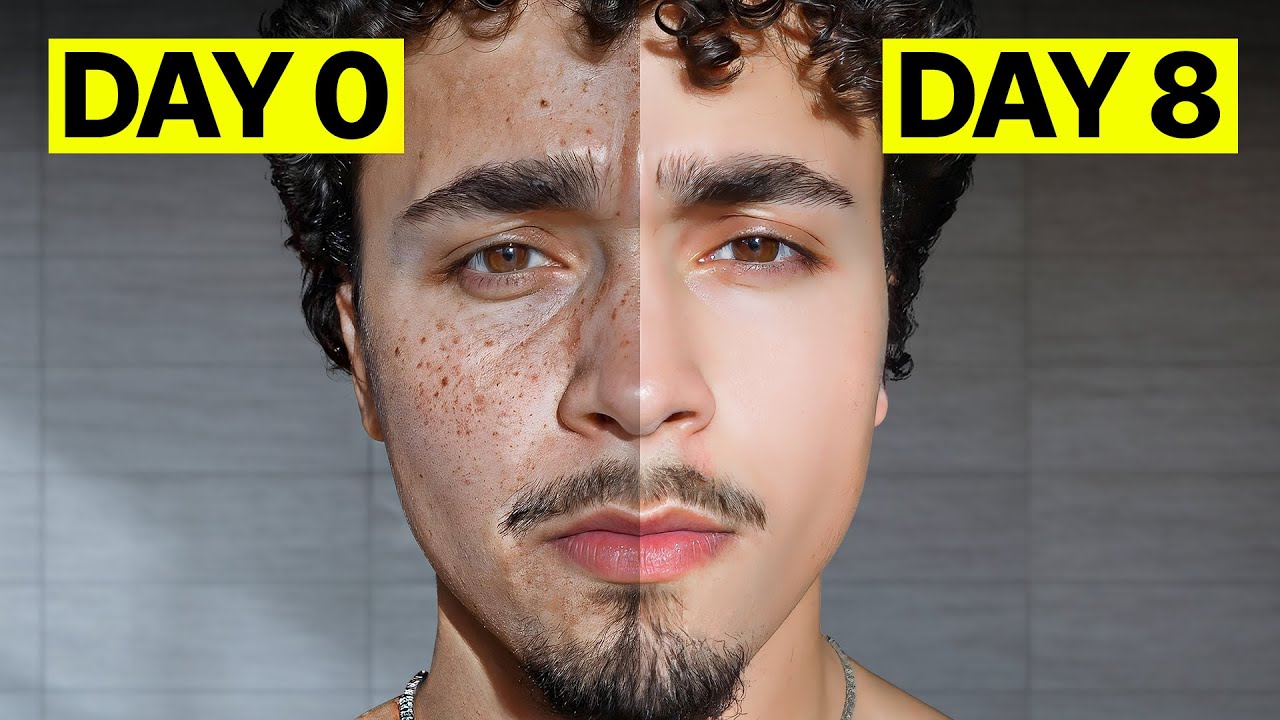
Korean skincare creator Peter Yeo shares 15 everyday habits that damage skin, from washing face without washing hands to over-exfoliating and skipping sleep.

Key Takeaways

  • Stop harmful habits such as over-cleansing, over-exfoliating, and using hot water before adding new products.
  • Gentle, consistent handling of the skin barrier is more important than aggressive treatments.
  • Sleep, hydration, hygiene, and diet significantly influence skin condition alongside topical products.

What the video covers

  • Removing harmful habits is often more effective than adding more products to a skincare routine.
  • Always wash hands with hand soap before washing the face, since facial cleansers are not designed for hands.
  • Avoid strong water pressure and hot water on the face; use lukewarm water and gentle rinsing.
  • Use gentle, mildly acidic cleansers and avoid aggressive scrubbing or unnecessary double cleansing.
  • Wash face towels regularly or use disposable ones to prevent bacterial growth and breakouts.
  • Apply skincare products while skin is still slightly damp, and allow each layer about 30 seconds to 1 minute to settle.
  • Exfoliate only occasionally (around once a month for most people), since dead skin cells protect the skin barrier.
  • Wash hair in the evening or wash pillowcases regularly to avoid transferring dirt, oil, and bacteria onto the face.
  • Test new products carefully, since active ingredients like niacinamide, retinol, and panthenol can irritate some skin.
  • Never pop pimples, which causes inflammation and scarring; keep moisturizing even in summer and prioritize adequate sleep and diet.

Answers

Questions about this video

Why should you wash your hands before washing your face?

Hands collect bacteria, dirt, and contaminants throughout the day. Facial cleansers are formulated for the face and may not fully remove these from hands, so washing hands with hand soap first prevents spreading them onto the skin.

How often should you exfoliate according to the video?

The video recommends exfoliating only occasionally, around once a month for most people. Dead skin cells help protect and retain moisture, so over-exfoliating can leave skin vulnerable and irritated.

Why does the video say to apply products quickly after cleansing?

Skin loses moisture quickly after washing, especially as water evaporates. Applying toner, essence, or other products while the skin is still slightly damp helps prevent it from feeling dry and tight.

Full Transcript — Download SRT & Markdown

00:00
Speaker A
Have you ever looked in the mirror and thought, "Why has my skin been looking so bad lately?" My skin used to be pretty terrible, too. I wanted to get better, so I tried everything. I bought supplements, copied whatever influencers
00:11
Speaker A
were advertising, and even looked into dermatology treatments. But almost none of it worked because back then, I didn't understand something really important.
00:19
Speaker A
If you want better skin, removing the bad things you're already doing is often much more important than adding more good things to your routine. Trust me, this is something you need to realize while you're still as young as possible.
00:30
Speaker A
What's up, guys? I'm Peter from Korea. I make videos to show you what real K-beauty actually looks like. Today, I'm going to share 15 habits that may be secretly destroying your skin without you even realizing it. These are things
00:42
Speaker A
I learned after spending the last 2 years trying to figure out how to fix my own skin. And I promise, just correcting these habits can dramatically improve your skin. So, make sure you stick with me until the end. Number one, I used to
00:53
Speaker A
wash my face without washing my hands first. I thought like, "Well, facial cleansers cleans things anyway, so it'll probably wash up all the dirt and bacteria on my hands, too." But once I realized that hand soap and facial
01:06
Speaker A
cleanser are completely different products, I understood how stupid that was. Throughout the day, our hands touch all kind of things and become covered with bacteria, dirt, and other contaminants. If you start washing your face without washing your hands, you're
01:19
Speaker A
basically spreading all of that directly onto your skin. Facial cleanser is designed for your face, not your hands.
01:25
Speaker A
It focuses on removing oil, sunscreen, and build-up from facial skin and becomes strongly disinfected and cleansing agents could also strip your skin barrier. Facial cleansers are usually formulated with gentler ingredients. That means they may not properly remove all the bacteria and
01:40
Speaker A
contaminants sitting on your hands. So, before you wash your face, always wash your hands thoroughly with hand soap first. Number two, I usually wash my face while showering after I get home in the evening. And I used to point the
01:51
Speaker A
shower head directly at my face and let the water blast my skin. Honestly, when the water hits your face straight on, it feels like kind of massage. It feels really refreshing. But shower pressure is much stronger than you think. The
02:02
Speaker A
skin on your body is relatively thin, but the skin on your face is thin and delicate. Strong water pressure can be extremely irritating. So when you wash your face, either turn the pressure very low, or even better, don't spray it
02:13
Speaker A
directly onto your face at all. Catch the water in your hand and gently rinse your face that way. Water temperature matters, too. Especially you girls. A lot of you love taking really hot shower, right? But hot water can make
02:24
Speaker A
the moisture in your skin evaporate more easily and also irritate your skin. So whenever possible, wash with lukewarm water. No matter how much you love hot showers, at least wash your face with lukewarm water. Number three, always use
02:35
Speaker A
gentle, mildly acidic cleanser. Our skin is naturally slightly acidic because that helps protect it from harmful bacteria. But if you scrub your face with alkaline cleanser, you can disrupt your skin barrier and make your skin much more vulnerable to irritation. I
02:49
Speaker A
used to love that squeaky clean, tight feeling after wash my face. So I always chose strong cleansers. But what I didn't realize was that I wasn't just removing dirt. I was stripping away my skin barrier and damaging my skin at the
03:01
Speaker A
same time. Try to avoid double cleansing unless you actually need it. And if you're wearing makeup, instead of using a harsh cleansing oil, you can add a gentle cleansing milk before your regular cleanser. Also, never scrub your face aggressively. Work the cleanser
03:14
Speaker A
into a proper lather in your hands first and gently roll it over your face like you're giving yourself a gentle massage.
03:20
Speaker A
Treat your skin like you're touching a baby's face. The reason cleanser creates foam is that the bubbles have reduced friction between the hands and your skin. They work like a cushion. If you skip the foam and aggressively rub your
03:30
Speaker A
face with your bare hands, you're creating unnecessary irritation. Number four, you also need to keep the towel you use after cleansing clean. Towels are often damp and they usually sit in warm, humid bathroom. That makes them perfect environment for bacteria to
03:44
Speaker A
grow. I used to be too lazy to wash my towel, so I reused the same one two or three times. Not long after that, I started getting breakouts on my face. So after using a face towel once, wash it
03:54
Speaker A
properly. It's also a good idea to occasionally disinfect your towels by boiling them in hot water. And if that sounds like too much work, there are these disposable facial towels you can use once and throw away. Number five,
04:05
Speaker A
after cleansing, the water on your face begins to evaporate, and as that moisture disappears, it can leave your skin feeling even drier. That's why you should apply skin care quickly while your skin is still slightly damp. It doesn't matter whether it's toner,
04:18
Speaker A
essence, or an ampoule. Apply something as soon as possible. Right after cleansing is when your skin can start feeling dry the fastest. Some of you dry your hair before putting anything on your face. Your skin is already losing
04:29
Speaker A
moisture, and then you blast it with hot air from a hair dryer. Of course, it's going to feel tight, rough, and dry.
04:35
Speaker A
There's another mistake people make when applying products. Some of you apply toner, immediately put on an ampoule, and then immediately cover it with cream. When you layer products that quickly, they don't get enough time to settle into your skin. The different
04:47
Speaker A
formulas can mix together, sit on the surface, and start moving around. Products with thicker textures or poor spreadability can even clump up and peel. When that happens, the product doesn't apply properly, and the ingredients may not work as intended.
05:00
Speaker A
After applying each product, give it about 30 seconds to 1 minute to settle before moving on to the next step.
05:05
Speaker A
Number six, I once heard that dead skin cells make your skin rough and clog your pores. So, I started exfoliating with a scrub two or three times a week. The result was a complete disaster. Dead skin cells are not automatically bad.
05:18
Speaker A
They also help trap moisture in your skin and protect it from external irritants. They're basically part of your skin's protective shield. If you remove too much of that layer too often, your skin becomes much more vulnerable and easily irritated. And most physical
05:32
Speaker A
exfoliators contain rough, grainy particles, which create even more friction and irritation while you're using them. So, exfoliate occasionally and pay attention to the condition of your skin. For most people, doing it around once a month is enough. Number
05:45
Speaker A
Number I always used to wash my hair in the morning. For women with long hair, this might not be as noticeable, but men usually have shorter hair and the roots tend to stick up more strongly. So, when we wake up, our hair can be standing
05:57
Speaker A
every direction like a bird's nest. That's why I used to wash it every morning and style it again from scratch.
06:02
Speaker A
But, think about this. After walking around outside all day, your hair becomes covered in dust, pollution, bacteria, oil, sweat, and dead skin. If you lie down and go to sleep with your hair like that, all of it transfer onto
06:15
Speaker A
your pillow. And eventually, it ends up on the skin of your face, too. That's why it's better to wash your hair in the evening before bed. And if you absolutely have to wash it in the morning, I honestly think it's better to
06:25
Speaker A
wash it and once again in the morning. Of course, washing your hair too often can irritate your scalp, but that's still better than sleeping for 8 hours with dirty hair pressed against your skin. For the same reason, you should
06:37
Speaker A
wash your pillowcase regularly. Even if you wash your hair before bed, your face and scalp still produce a lot of oil and sweat while you're sleeping. A perfect environment for bacteria and even mites.
06:47
Speaker A
And while you move around in your sleep and rub the face against the pillow, all of that can transfer back onto your skin. So, wash your pillowcase at least once a week. Number eight, these days, celebrities, influencers, and TikTokers
06:59
Speaker A
are constantly recommending and advertising skin care products. And I see so many people buying those products without thinking twice. I'm not saying every product they promote is automatically bad, but everyone has a completely different skin type. We also
07:13
Speaker A
have different levels of sensitivity and different allergic reactions. So, blindly buying something just because another person recommended it can be risky. At the very least, you should learn how to check what ingredients are in the product, how much of those
07:26
Speaker A
ingredients it contains, and whether the formula is suitable for your skin. And yes, that also applies to the product I recommend. Active ingredients like niacinamide, retinol, and panthenol can irritate some people's skin. When you try a product you've never used before,
07:40
Speaker A
start with a lower concentration, test how your skin reacts, and only increase the concentration gradually if your skin tolerates it well. Number nine, there was a time when I became completely obsessed with sheet masks. I used one every single night. One night I'd use a
07:55
Speaker A
calming mask, the next night a hydrating mask, then a brightening mask. I believe they would work better than regular skin care products. And honestly, putting a cold sheet mask on your face just feels really good. But sheet masks soak the
08:08
Speaker A
surface of your skin and make it feel temporarily hydrated. If you oversaturate your skin like that every day, it may become more sensitive. And as the mask begins to dry, moisture can move out of your skin and into the
08:19
Speaker A
sheet, leaving your skin feeling even drier. Using a sheet mask every day can actually be worse than not using one at all. So, use sheet masks occasionally.
08:27
Speaker A
Once or twice a week, especially when your skin feels tired and irritated, is more than enough. Always remember that too much of a good thing can still be bad. Number 10, this is another extremely common mistake, not wearing
08:39
Speaker A
sunscreen on cloudy days. People assume that they can't see the sun, the clouds must be blocking UV rays. I used to think the same way. Applying sunscreen felt annoying, so whenever it was cloudy and rainy, I would leave the house
08:51
Speaker A
without it. But that's a terrible habit. Clouds don't block UV radiation as effectively as most people think. In some conditions, sunlight can also scatter between clouds and increase the amount of UV exposure reaching the ground. So, even when it's cloudy, apply
09:05
Speaker A
sunscreen before going outside. I already explained sunscreen in detail in my previous video, so check that one out if you want full breakdown. Number 11, I used to get acne all the time. And anytime I saw a pimple, I would squeeze
09:17
Speaker A
it with my fingers. I couldn't stand sitting it on my face. And honestly, watching the yellow pus come out gave me the weirdest sense of satisfaction.
09:24
Speaker A
Looking back now, that was insane. Those pimples eventually turned into scars, and removing the scars took far more time and effort than treating the original acne would have. The skin around the pimple is already inflamed, sensitive, and vulnerable. If you
09:37
Speaker A
squeeze it with dirty hands, you increase the risk of infection, and the intense pressure from your finger and fingernails creates even more damage.
09:45
Speaker A
Proper extractions involves disinfecting the area, create a very small opening with a sterile medical lancet, and applying controlled pressure and sterile cotton swabs. But, if you don't know how to do this safely, it's much better to visit a dermatologist or qualified
09:59
Speaker A
professional and have it extracted properly. I'll make a separate video how to manage acne in more detail. But, until then, do not squeeze your pimples with your bare hands. Number 12, it's the middle of summer in Korea right now,
10:11
Speaker A
and the weather is incredibly hot and humid. My body naturally runs hot, and I sweat a lot, so I struggle with summer heat more than most people. Because of that, I used to hate putting anything on my face during summer. Everything felt
10:23
Speaker A
sticky, heavy, and uncomfortable. So, I stopped applying moisturizer. But, when I did that, the inside of my skin felt even more dehydrated, and my face started producing even more oil. So, if you neglect hydration just because it's summer, your skin may compensate by
10:37
Speaker A
producing even more oil. Oil helps prevent the moisture in your skin from evaporating. That excess oil will clog your pores and cause more breakouts.
10:46
Speaker A
Even during summer, use a lightweight moisturizing cream or essence to keep your skin properly hydrated. Winter creates the opposite problem. Sometimes, no matter how many products you apply, your skin still feels dry and tight. In my case, it's the real problem is the
11:00
Speaker A
humidity inside your home. During winter, we turn on heaters to stay warm, but heaters make the indoor air extremely dry. It creates warm, dry air, pulls moisture out of your skin almost like you're standing in the middle of
11:11
Speaker A
desert. Skin is extremely vulnerable to dry environments, so you need to maintain proper indoor humidity during winter. Use a humidifier, or at the very least, hang a wet towel somewhere in the room. That may help your skin more than
11:23
Speaker A
applying another expensive cream. Number 14, this is one of the things I regret the most, not getting enough sleep. I used to sleep for only five or six hours, And my sleeping pattern was completely inconsistent. I went to bed
11:36
Speaker A
at different times and woke up different times every day. And because of that, my skin became irritated and broke out very easily. Your skin repairs and restores itself while you sleep. You can apply the most expensive products in the
11:47
Speaker A
world, but if you don't give your skin enough time to recover, none of it is going to matter. Even if you ignore anything in this video, at least make sure you're getting enough sleep. It's basically the most powerful free
11:58
Speaker A
dermatology treatment you can give yourself. Number 15, along with sleep, one of the most important factors is your diet. I used to eat instant meals and processed food all the time, and my skin kept getting worse. But when I
12:10
Speaker A
reduced those foods and started eating more meat and vegetables, my skin improved dramatically. The food we eat can affect our skin much more than people realize. There are also food allergy tests available these days, and you may want to consider getting tested
12:24
Speaker A
if you suspect a particular food is causing problems. If you have tried everything else and your skin still isn't improving, a food allergy or sensitivity could potentially be part of the problem. Correcting your sleep and eating habits alone can make your skin
12:37
Speaker A
look much better than before. So, today I shared 15 skin damaging habits you should quit while you're still young.
12:43
Speaker A
And I'm sure some of you recognized a few habits you've already started regretting while watching this video.
12:48
Speaker A
Like I always say, if you want better skin, stop focusing on only adding more products and treatments. Improving the bad habits you already have is much more important. Start putting the things I shared today into practice right now,
13:00
Speaker A
one by one. you have any other questions, leave them in the comments. So, thanks for watching today's video, and I'll see you in the next one. And you.
13:11
Speaker A
[music]
Topics:skincare habitsK-beautyskin barriergentle cleansingexfoliationskincare mistakesacne preventionskin hydrationsleep and skinskincare routine

Get More with the SozAI App

Transcribe recordings, audio files, and YouTube videos — with AI summaries and speaker detection. 30 minutes free.

Or transcribe another YouTube video here →