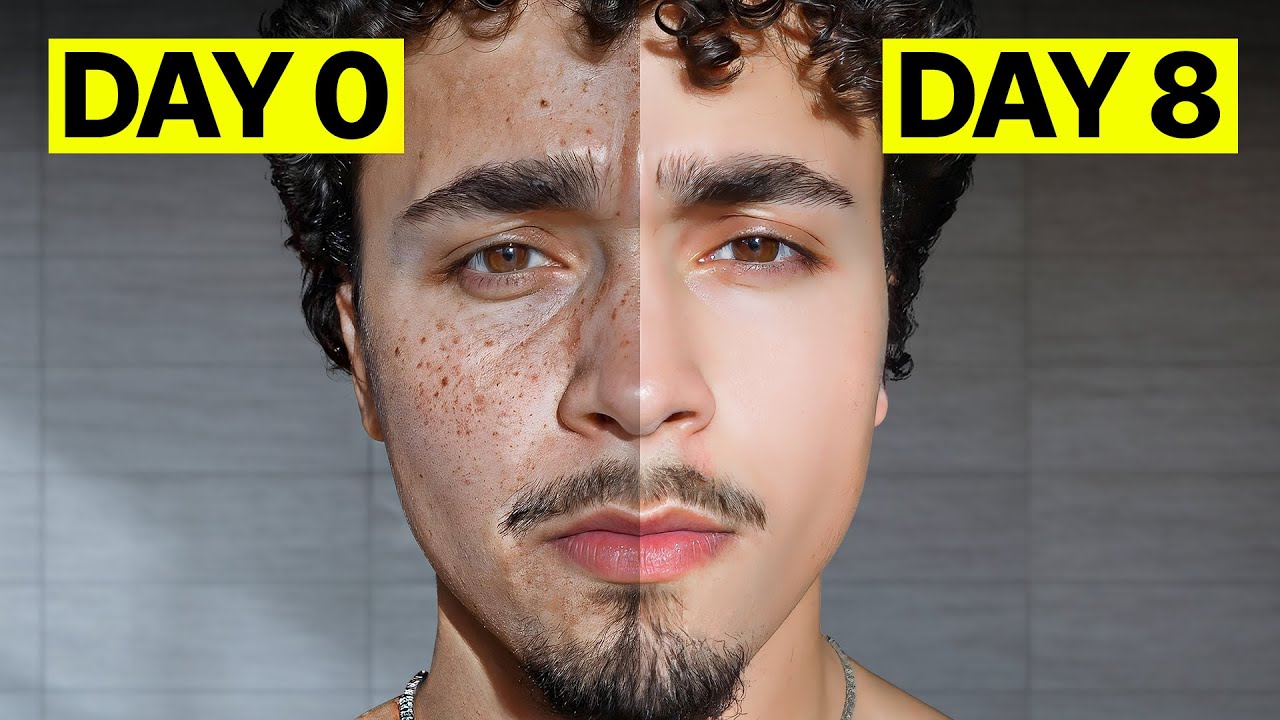
Dr. Anil Rajani shares a glass skin routine: treat skin concerns first, then cleanse, apply hyaluronic acid serum on damp skin, and seal with a barrier moisturizer.
Key Takeaways
- Glass skin depends on a smooth, even surface, so treating texture, redness, and brown spots comes first.
- Hydration works best by applying serum to damp skin and then locking it in with a barrier moisturizer.
- A lipid-based, non-drying cleanser is preferred for this routine instead of exfoliating acids.
- Sun protection and resurfacing treatments are foundational to achieving the look.
What the video covers
- Glass skin is a clear, smooth, even-looking complexion, popular in many cultures, especially overseas.
- Light reflects irregularly off rough skin, brown spots, or fine lines, so smoothing the surface is key to the glass look.
- Before a routine, resurfacing treatments such as microneedling, chemical peels, and fractionated RF can smooth skin and reduce brown spots.
- IPL is suggested for redness and also helps brown spots, though it does not improve surface texture as well as fractionated RF.
- Avoid excessive sun exposure as a basic protective step.
- Step one: cleanse with a non-drying lipid-based cleanser rather than a salicylic acid cleanser.
- Keep the skin moist after cleansing: pat dry only lightly rather than removing all water.
- Step two: apply a hyaluronic acid or vitamin C serum while skin is still damp, since hyaluronic acid draws water into the skin.
- Step three: seal in moisture with a barrier moisturizer, such as one containing ceramides or a blend of nourishing oils like grapeseed, sunflower, jojoba, and vitamin E.
- The presenter promotes his own products and a ceramides video, and invites viewers to share their own glass skin tip.
Full Transcript — Download SRT & Markdown
Speaker A
The ultimate glass skin tip: skincare routines are important. A lot of people like the look of what they call glass skin.
Speaker A
That's a clear, sometimes shiny look. You can reduce it to a light sheen, but glass skin is in for many cultures, especially overseas.
Speaker A
Before we get to my tip, if you like these videos, please subscribe to the channel.
Speaker A
And turn the notification bell blue by clicking the like button. Now, I have a tip for you today.
Speaker A
I'm going to take you through a couple of products that you can use to get that ultimate finish.
Speaker A
Look, when I say finish, it's because I learned many years ago, it's what the stars do.
Speaker A
What Hollywood does: anyone on camera just before going on camera. And I'm not talking about the makeup part.
Speaker A
But skincare to reduce the fine lines, to help with light reflection, and to give that perfectly smooth surface. Because when light reflects off something, if it's irregular, even a brown spot, rough skin, anything that reflects the light back irregularly will look non-glass skin.
Speaker A
It will look irregular. It will look non-uniform. So the number one tip, before the skincare tip, I'm going to tell you:
Speaker A
Take care of your skin. Avoid too much sun exposure. You want to resurface a little bit, whatever that means for you.
Speaker A
Microneedling, chemical peels. I like fractionated RF, those types of things. That helps smooth the skin and reduce brown spots.
Speaker A
Redness, IPL would be another good one. When I'm thinking about redness, I go to IPL, but IPL also helps with brown spots.
Speaker A
It just doesn't help with the surface. Fractionated RF would be better. So let's say you've taken care of those issues.
Speaker A
The skin's fairly uniform. Now you can go to the final glass skin care tip, and here's what it is.
Speaker A
The first step: cleanse the face with a non-drying cleanser. It wouldn't be a salicylic in this case, but more towards a lipid cleanser.
Speaker A
I have one on my site. The MTI one comes to mind. It doesn't have to be a fancy cleanser for this step, but cleanse the face. The key point I'm mentioning is this:
Speaker A
I want you to keep it moist. So don't get all the water off. You can pat it dry a little bit, but your first step after cleansing has to be the application of a serum.
Speaker A
There are a couple of choices here. Hyaluronic acid serum or vitamin C serum is a good choice. Highly ironic, because there's moisture on the skin.
Speaker A
Hyaluronic acid draws water, but it needs a barrier thereafter to hold the moisture in. Thus, it makes sense to use a hyaluronic acid serum.
Speaker A
And now, here is the key step to the ultimate glass skin. After that, you need to put a barrier moisturizer on.
Speaker A
So I think there are two good options. Number one is for those who like ceramides. I did a video on ceramides.
Speaker A
Ceramides are a class of fatty acids called lipids, and they're often found in moisturizers to help the protective barrier.
Speaker A
I prefer my Ultra Moisture product. It's a blend of oils, such as grapeseed oil, sunflower oil, jojoba oil, vitamin E, and many nourishing antioxidants.
Speaker A
But I think either of those two are good. There are no ceramides in my Ultra Moisture.
Speaker A
So it'd be like a ceramide. I'll put a couple in the link below, but they both hold moisture, they both reduce the appearance of fine lines, and they're both fairly inexpensive, and those products will last you a long time.
Speaker A
So by cleansing the skin, keeping it moist, using a hyaluronic acid serum, and then your final finishing cream, something like the two I mentioned gives you that perfectly finished glass skin.
Speaker A
Look, I want to know from you: what's your number one tip for beautiful glass skin?
Speaker A
Stay tuned here. Keep your skin and body beautiful, healthy, and vibrant.
Topics:glass skinskincare routinehyaluronic acidceramidesbarrier moisturizerfractionated RFIPLskin hydrationDr. Anil Rajaniglowing skin