Skip to content
Get App

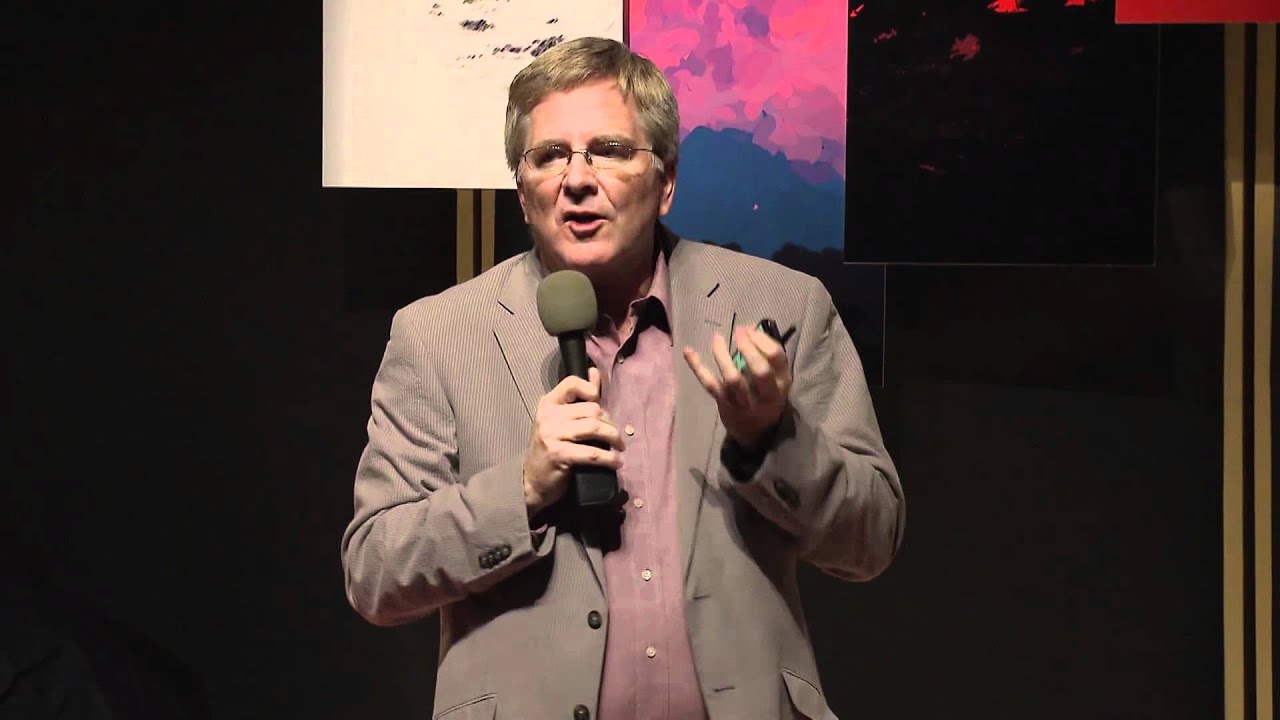
Rebel At Work: Carmen Medina at TEDxRosslyn

Former CIA officer Carmen Medina shares practical advice for being an effective 'Rebel at work' who drives change from inside bureaucratic organizations.

Key Takeaways

  • Effective internal change requires understanding the bureaucracy as well as its insiders do.
  • Build alliances and a following before revealing your agenda to the organization.
  • Connect with people emotionally and be for something positive rather than merely opposing the status quo.
  • Expect discomfort and conflict as signs that your ideas matter, and manage cynicism to avoid burnout.

What the video covers

  • Medina, a 32-year CIA veteran, defines herself as a heretic at work and co-founded the 'Rebel Alliance' of like-minded insiders, later sharing lessons via the Rebels at Work website with Lois Kelly.
  • Discomfort inside an organization signals that you are acting true to your convictions; the advice is to learn to love that feeling rather than just tolerate it.
  • Master the bureaucratic landscape by befriending a 'bureaucratic black belt' and, early in your career, taking roles like chief of staff to learn how the system really works.
  • Don't go it alone: find allies and distinguish a real Rebel (who has followers) from a loner or troublemaker.
  • Don't simply break rules; change them, and be for something rather than just against the status quo.
  • People who love the status quo must be engaged emotionally; your idea should feel like an appealing new relationship to them rather than a lecture.
  • Avoid boring people with policy talk, take breaks from your ideas, and stay connected through emotional values.
  • Don't go all in early: working groups often do no work, and revealing all your intentions too soon alerts passive-aggressive opponents.
  • Avoid the cynical 'dark side'; identify your personal give-up line and expect most successful Rebels to pass through a negative period.
  • Change cannot emerge fully formed; the status quo itself accreted over time, so change must be built incrementally, and important ideas will generate conflict.

Answers

Questions about this video

What does Carmen Medina mean by a 'bureaucratic black belt'?

She means an insider who deeply understands how the bureaucracy works, including where resources and power are hidden. Medina advises befriending such a person so you can navigate the system and make your change agenda succeed.

How can you tell a true Rebel from a troublemaker?

According to Medina, a real Rebel has followers because colleagues recognize sincere intent, while a loner is more likely to be a troublemaker. She also notes that people in an organization can usually tell who is bluffing and who means well.

Why should Rebels avoid breaking rules, and what should they do instead?

Breaking rules invites the bureaucracy to hunt you down before you can accomplish anything. Medina advises changing the rules and standing for something positive rather than merely rebelling against the status quo.

Full Transcript — Download SRT & Markdown

00:05
Speaker A
thank you so I'm here to talk to you about being Rebels at work now uh kind of a different topic from a lot of the topics you've heard earlier where people have been Imagining the future what I want to talk about is today living today
00:19
Speaker A
how the heck do you actually make the future and particularly you know it's kind of easy to make the future when you're on your own you're entrepreneur and you're outside but how do you make your organization have a different
00:33
Speaker A
future when you're inside the organization and trying to advance a different point of view so I was a heretic at work at CIA for 32 years so given that definition how many of you think of yourselves as Rebels at work
00:49
Speaker A
you get a little sense of the crowd excellent now why should you listen to me all right well I already told you that uh pretty much the last 20 years of my agency career I considered myself a heretic eventually I found other people
01:03
Speaker A
in the agency who held similar views and we formed what I uh called The Rebel Alliance and since I've left the agency I've been speaking on this topic and we actually have a website Rebels at work with my colleague Lois Kelly who were
01:18
Speaker A
trying to accumulate all the lessons learned about being an effective Rebel at work so that people don't make all the mistakes I made in my career but before we go to the detail details let me share some uh truthiness with you
01:35
Speaker A
okay um there's a worldwide conspiracy for the preservation of mediocrity and we are all unwitting members of that conspiracy uh a second universal law is that there is nothing so weak as an idea whose time has not yet come I've learned
01:56
Speaker A
this over and over again in my career now you will learn that timing is a very important part of being a successful Rebel at work now I didn't actually you know join the agency discovering you know realizing that I was a rebel at
02:11
Speaker A
work and I don't go to job interviews and tell people I'm a rebel at work I uh first time I actually knew that I was a rebel at work I it was about 20 years ago I was at a conference this woman
02:22
Speaker A
from DuPont came to talk to me she'd heard me talk about sort of my ideas about the vision of the agency and she says Carmen you are a heretic in your organization I steep back because no one had ever said that to me and because
02:36
Speaker A
you're a heretic you are always going to be uncomfortable in your organization and this is what she told me that was really important she said you me know I think of her to this day as a guardian angel she says you are going to have to
02:51
Speaker A
learn to feel okay with that feeling of discomfort and it's not enough to learn to feel okay you're going to have to learn to love that feeling of discomfort because when you feel that dis feeling of discomfort in your organization that means that
03:07
Speaker A
you're actually acting and behaving true to your convictions so now for my first piece of advice and I realize the way this is set you may not all see it so it says Master the bureaucratic landscape and befriend the bureaucratic black belt
03:22
Speaker A
what are you telling me Carmen okay I know most Rebels at work don't want to have anything to do with bureaucracy they see the bureaucrats as uh their enemy but really what you need to do to Be an Effective Rebel at work to really
03:35
Speaker A
make change happen in the future happen is you have to learn how the bureaucracy works almost as well as they know how it works and one of the best ways to do that is to befriend a bu bureaucratic
03:48
Speaker A
black belt now this is tough advice and a lot of you won't be able to do this I certainly wasn't but one of the things you need to do if you can particularly if you're early in your career you need to take a job like a
04:02
Speaker A
chief of staff or an executive officer all organizations call it different something different where you actually go inside you become a mole you learn how the right you learn how the bureaucracy works if you're in the government you learn where all the uh
04:18
Speaker A
end of your money is squirreled away and then when you get out you will really be much more effective at making your change agenda uh a reality now the next one is is don't do it by yourself find
04:32
Speaker A
allies the first time I spoke about this topic after I retired from the agency Philadelphia chamber of commer businessman in the room says boy I really believe what you're saying I'd like to pick out these Rebels at work
04:45
Speaker A
and help them but how do I know if I'm picking a rebel or a troublemaker and I went right I went wow what a good question you know what a good question is some something that makes you kind of
04:56
Speaker A
think harder about what you believe and ever since then I've been thinking about what makes a good rebel or a bad Rebel and in fact we have some material on that on on Rebels at work but what I
05:08
Speaker A
told him then the only thing I could think of was you know a real Rebel has followers because people in the organization right they know the ones who are bullshitting and they know the ones who really mean well and so if it's
05:23
Speaker A
a loner more likely if he's a loner more likely to be a troublemaker if she you know she has followers more likely to be a a real Rebel all right here's my uh that one's all the way at the bottom
05:36
Speaker A
don't break rules change rules now I know you get self-righteous you're in a bureaucracy the rules are stupid right the good thing about bureaucracies is they make so many rules they have trouble keeping track of them but still
05:50
Speaker A
the rules are stupid and you decide just to break them right but I know from my time at the CIA that the bureaucracy will hunt you down down if you break rules like that before you get a chance
06:04
Speaker A
to accomplish anything special so um be uh don't you know have an agenda stand for something don't you know don't just break rules which gets uh to my next point be for something not just against the status quo so let me tell
06:24
Speaker A
you a secret that a lot of rebels at work don't understand many people love the status quo you know you think they support the status quo because they're stupid right but they actually support the status quo because they love it
06:39
Speaker A
what's a good example of that academics academics love the university system and even though we all know that this system is right for a change they continue to support it my apologies to the academics in the room so if you you know to deal
06:53
Speaker A
with this the other thing about the people who love the status quo they understand it's false right if you really love someone you understand their faults and they figured out how to how to make the status quo sing for them so
07:06
Speaker A
if you are going to be an effective change agent you have to deal with the people who love the status quo at the emotional level and your change idea has to come across like another man or another woman to them you want to have
07:18
Speaker A
encourage them to have an affair with your idea because that's the only way they're going to move away from that love for the status quo I don't know I I have about 11 of these and I think we're about halfway
07:32
Speaker A
through so don't this say don't talk at people don't froth at the mouth mouth like I'm like I'm doing now don't bore people with your ideas I see this a lot in organizations the people with the change agenda who want to make the
07:47
Speaker A
future happen they become so boring they're obsessed with it they become policy wonks they stop talking about emotional issues you know how you know this is happening to you people will stop having lunch with you right right you're sitting at the table and people
08:03
Speaker A
just keep walking so um you know take a vacation from your ideas every once once in a while and always remember to connect with people in terms of their emotional values the next one don't go all in the first time
08:21
Speaker A
management puts together a working group to look for the way forward now I learned in my government career the definition of a working group which is a group that does no work this so cheap isn't it all right so
08:37
Speaker A
I joined those working groups early on and here I was I was full of ideas I told them everything I believed in what's likely to happen if it's the first time the organization has done it is nine months later the organization
08:51
Speaker A
pulls the plug and there you are naked that's the day you were born when I was part of that first working group I actually there was a click something there was a a woman on this group another member a bureaucratic black belt
09:06
Speaker A
I later realized who told me Carmen you have a bright career at the agency and you need to stop telling people exactly what you think or you're going to ruin it and I was like stunned you know I
09:18
Speaker A
thought the whole purpose of me being in the organization was to offer them my very best ideas but you need to have a strategy about this and definitely the first time it happens be very cautious If You're a Star Wars fan it's like an
09:32
Speaker A
admiral akar moment you know the reptilian creature in uh whatever that third one is called uh and he goes it's a trap it's a trap right well that's what that first attempt at real changes in the organization you're working for
09:49
Speaker A
all right now that we're speaking of Star Wars you got to avoid the dark side and this is pretty self-explanatory don't become cynical and negative you need to learn what your own give up line is so your give up line is you're a
10:05
Speaker A
rebel at work you're trying to make things happen and you go like I would do you would run into frustrations and I would go I don't care anymore and I hear myself say that I don't care anymore I
10:15
Speaker A
don't care anymore you need to hear that give up line when you say it at that moment you need to take some rest and relaxation right and you just have to not succumb to that cynical and negative uh emotions because what happens to
10:30
Speaker A
Rebels at work you know if you're a corporate person and you make a mistake that's they'll probably promote you but if you're right but if you're a rebel at work and you step over the line just once you know what it's probably over
10:43
Speaker A
for you but the good thing is most successful Rebels oops H what did I do most successful Rebels live through the cynical and negative period and get to the other side of it uh and in fact I think it's a necessary learning
11:05
Speaker A
experience all right next one avoid the Athena trap okay possibly time for audience participation everybody knows who Athena is right right say it no say Who Athena is the goddess of wisdom you guys are silly anyway right the godess of wisdom okay
11:27
Speaker A
how many of you know how she how her origin myth how was she born fully formed out of Zeus's head in full armor okay now what do why do I think that's a trap right when you propose your idea for something new the
11:44
Speaker A
first thing the master bureaucratic black belt is going to ask you is well how will this exactly work on November 11th 2015 when XY andz happen and what are you going to do if you're foolish you're going to try to answer the
11:58
Speaker A
question but but change cannot arise emerge fully formed on day one right that the status quo arise fully formed on day one one wonders no the status quo has accreted over time right nobody presented us with a blueprint for the status quo but if
12:17
Speaker A
you're a change agent that's what they expect of you to be able to lay out everything you must avoid that trap you must answer that question by saying how was the status quo formed no great thing is created suddenly no dumb thing
12:33
Speaker A
either do things in the right order all right what I mean by that is that you know at one point in my agency career I actually uh got to be higher up it's I know it's strange and you don't believe it and and I of course
12:52
Speaker A
I said to I told everyone this is my vision this is what I think analysis should be and I gave those talks before I had any idea of what I was actually going to do by giving that Visionary
13:04
Speaker A
talk first what had I done I had alerted all the passive aggressives in the organization right as to what my intentions were before I had befriended the bureaucratic black belts and before I had assembled a group of allies so you
13:19
Speaker A
know in in the military they talk uh they use the phrase preparing the battlefield for this idea so think about the order that you're going to do things sequence correctly and be very disciplined about it now this one here
13:35
Speaker A
accepting the inevitability of conflict is really important you don't want to invite conflict right but you don't want to avoid it either you need to be prepared to meet it headon um a lot of organizations you've heard this say oh
13:52
Speaker A
we make decisions by consensus what a bunch of crap consens right okay consensus is a way to avoid making a decision if you if you talk talk talk talk talk until everybody can agree to the lowest common denominator
14:08
Speaker A
what have you done you've avoided making a decision if your idea is important you're going to it's going to engender conflict and I actually the reverse is true if it doesn't in gender conflict it's not important and you have to be
14:21
Speaker A
willing to calculate how you're going to handle what I would call crunchy meetings and meet conflict headon don't waste your opportunities uh you're going to get a chance to give a talk and I've been in situations where someone's proposing a
14:38
Speaker A
change initiative and they're not really prepared they haven't done their homework and in fact they've organized their briefing in such a way as to avoid bringing up the question that they don't want to have to answer and I used to
14:52
Speaker A
view those kinds of briefings when I was you know in a senior position as kind of a tasty afternoon snack right where I would trap up into the corner and then ask the question so if you're uh a change initiative a change agent
15:08
Speaker A
you're going to get an opportunity don't waste it do your homework understand how the bureaucracy works and then work effectively I have one last I'm done I have one last uh mistake I want to share with you and
15:23
Speaker A
that is you know once you're smart and you get your ducks in order and you know what you believe in and you have a conviction for it the worst mistake is if you fail to speak up about what you believe now did
15:36
Speaker A
you write them all down good I'm done thank you very much
Topics:rebels at workorganizational changebureaucracyintrapreneurshipleadershipchange agentsCIATEDxstatus quoworkplace strategy

Get More with the SozAI App

Transcribe recordings, audio files, and YouTube videos — with AI summaries and speaker detection. 30 minutes free.

Or transcribe another YouTube video here →