Skip to content
Get App

How the Ottoman Army Began

Explores the origins of the Ottoman army: Kayı Turcoman nomadic warfare, Seljuk influences, Osman Gazi's independence, and early victories over the Byzantines.

Key Takeaways

  • The early Ottoman army grew from Turcoman nomadic horse-archer traditions combined with experience gained under the Seljuks and Byzantines.
  • Political fragmentation after Mongol and Byzantine decline created opportunities for Osman Gazi to establish an independent beylik.
  • Military success relied on plunder distribution, which attracted followers, and on guild and brotherhood networks that consolidated conquests.
  • The Yaya, Müsellem, and timar systems represented the state's early steps toward a more centralized and professional military.

What the video covers

  • Introduces the Ottoman military as a force that marched across Europe, Asia, and Africa for over six centuries.
  • Describes early Turkic nomadic warfare emphasizing mobility and light cavalry, as used by the Göktürks, Bulgars, Pechenegs, and Cumans.
  • Explains how nomadic groups like the Seljuks adopted settled military systems, including slave armies, heavy infantry, and frontier forces.
  • Details the Kayı tribe's arrival in Bithynia under Ertuğrul Gazi after the Mongol invasions, and their settlement near Söğüt-Domanic by the Seljuks.
  • Outlines the political chaos in Anatolia after Mongol rule collapsed and the Byzantine military weakened following the 1261 recapture of Constantinople.
  • Covers Osman Gazi's declaration of independence in 1299 and the army's growth from about 400 men to around 5,000 by the Battle of Bapheus in 1302.
  • Challenges the misconception that early Ottoman soldiers were unskilled tribal cavalry, noting many were experienced mercenaries or veterans.
  • Describes the role of Ahi artisan guilds and Sufi-linked brotherhoods in producing weapons, providing infantry, and consolidating conquered towns.
  • Discusses the Yaya and Müsellem infantry corps and their limitations in siege warfare.
  • Introduces the timar land-grant system that organized Ottoman cavalry and provincial military structure.

Answers

Questions about this video

Who was the founder of the Ottoman state according to this video?

The video identifies Osman Gazi as the leader who declared independence from the Seljuks around 1299 and established the Ottoman Beylik. He led the Kayı tribe that had earlier been led by Ertuğrul Gazi.

Why does the video say early Ottoman soldiers were not simple tribal cavalry?

The video argues many Ottoman mounted archers were seasoned veterans who had served under the Seljuks, Islamic powers, and even the Byzantines as mercenaries. Their experience contributed to their tactical and technical skill.

What was the role of the Ahi guilds in the early Ottoman state?

The Ahi guilds produced weapons and military gear, provided light infantry, and established branches in conquered towns. They also organized socioeconomic life, law and order, and local defense.

Full Transcript — Download SRT & Markdown

00:06
Speaker A
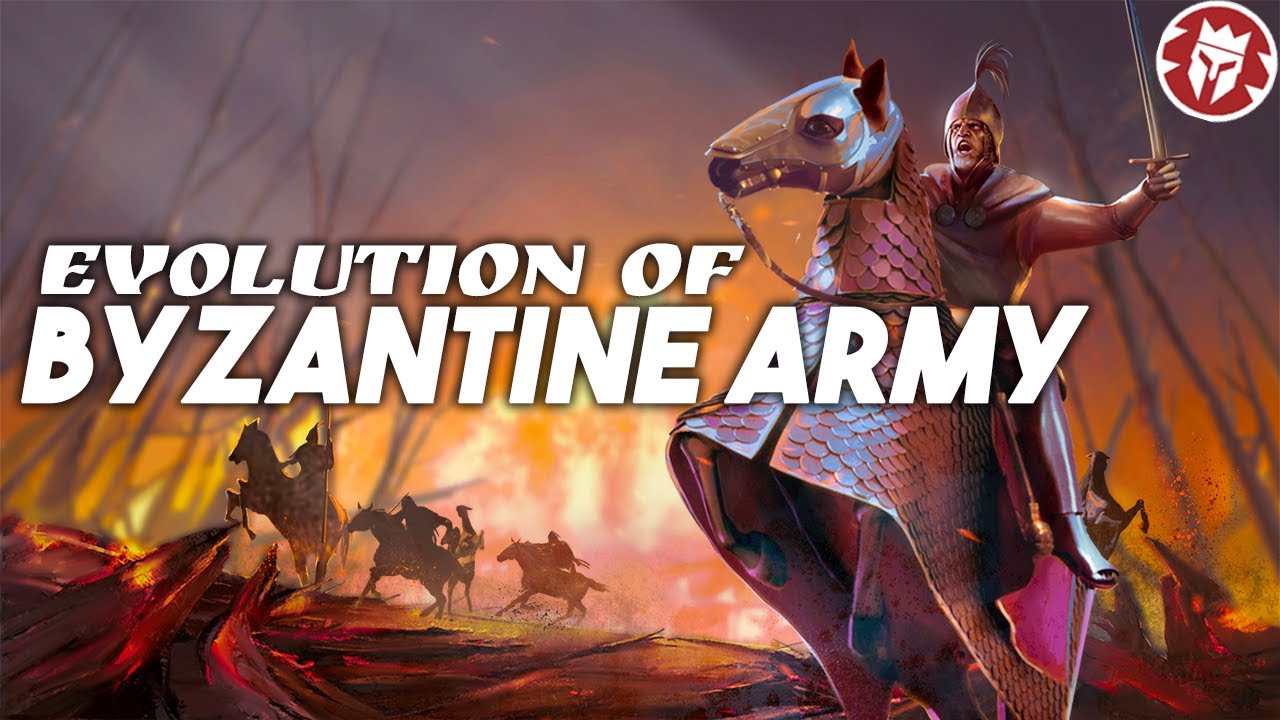
Throughout history, few military powers have shaped the world as profoundly as the mighty Ottoman Empire. For over six centuries, its armies marched across Europe, Asia, and Africa, from the gates of Vienna to the Zagros Mountains of Iran. From the age of nomadic
00:22
Speaker A
horsemen and swords to airplanes and machine guns, the armies of the House of Osman were among the most well-known and feared military forces in the world. Today, in our new series on the history and evolution of the Ottoman military, we will explore the humble origins
00:37
Speaker A
of its army in the grassy fields of Bithynia and its first victories against the Byzantines.
00:48
Speaker A
Early Army of the Kayı Tribe: Like many Turkic peoples throughout history, the early Ottomans initially developed as a primarily warrior-nomadic society. In its earliest form, the Turkic tribes of Central Asia used conventional nomadic tactics of warfare, emphasizing mobility and light cavalry. For many centuries, the Turkic peoples employed
01:43
Speaker A
such tactics against settled peoples from China to Eastern Europe with great success. From the mighty Göktürks to the lethal Bulgars and the rampaging Pechenegs and Cuman-Kipchaks, Western and Eastern monarchs alike trembled in fear behind the safety of stone walls as such nomadic groups raided their
02:00
Speaker A
lands. However, over time, these nomadic groups adopted the military systems of the settled peoples they conquered and integrated with, thereby abandoning their ancestral traditions.
02:11
Speaker A
An early example of such a shift can be seen with the Seljuk Turks of the eleventh century, who had encountered both the Islamic and Byzantine worlds during their conquests of the Middle East.
02:21
Speaker A
As a result, the Seljuks adopted a military made up of slave-based armies, heavy infantry, and frontier forces composed of nomadic border guards. The early Ottomans of the fourteenth century would follow in the steps of their Seljuk ancestors. According to their own chronicles from later
02:38
Speaker A
centuries, the founders of what would become the Ottoman Empire arrived in Bithynia's marcherlands with the second significant wave of Turcoman migration into Anatolia in the thirteenth century, following the Mongol invasion of the Middle East. Led by a certain Ertuğrul Gazi,
02:53
Speaker A
the proto-Ottoman state of the Kayı Tribe laid the early groundwork for an army that would remain active for over six centuries. The tribe was a nomadic pastoralist Turcoman group, but its tribal structure and connections were probably very loose due to the general settlement policy of
03:09
Speaker A
their Seljuk overlords. To protect law and order and establish centralized control, the Seljuks divided large tribes or clans of former tribal federations into smaller groups. They settled them across their lands, ensuring that no single tribe would grow powerful enough to challenge
03:25
Speaker A
them. The Kayı Tribe was settled in the region surrounding the towns of Söğüt-Domanic on the edges of Bithynia near the border with Byzantium. Probably during this brief period, they remained nominally under the control of the Chobanid beys, who were the official governors-general,
03:40
Speaker A
known as ‘Beylerbeyi,’ of northwest Anatolia for the Seljuk state. The Seljuk sultans of Konya ruled their realm through appointed local governors-generals and dozens of semi-autonomous chiefdoms, whose tribal leaders were known as ‘Uç Bey’ or marcher-lords. Subsequently, Ertuğrul and his Kayı tribesmen became minor warriors under the greater Seljuk umbrella.
04:02
Speaker A
However, several developments and drastic changes helped this obscure tribal group become a viable political entity in the centuries that followed. The Mongol onslaught and victory over the Middle Eastern Islamic states, including the Seljuks, uprooted the Central Asian Turkic tribes and
04:17
Speaker A
forced them to migrate westward in several waves, while also destroying the effective government control that had been imposed on them. Between the establishment of direct Mongol Ilkhanid rule over Anatolia in 1243 and the rebellion of Mongol commander Sülemis in 1298,
04:34
Speaker A
the border regions increasingly came under the control of independent Turcoman leaders. These leaders frequently attacked and raided Byzantine territory, establishing their own autonomous beyliks and occasionally clashing with one another. In 1300, Mongol troops finally defeated Sülemis, but in the process, they also lost the limited control they had over the border
04:54
Speaker A
regions of Anatolia. Additionally, the Byzantine military system weakened and collapsed after the recapture of Constantinople in 1261, as attention and financial resources shifted to the city and the empire's European possessions, leaving Anatolia neglected. It was in this violent and
05:13
Speaker A
unstable world that Ertuğrul's successors would take advantage of to create the Ottoman military. Early Army of Osman Gazi: With the overthrow and killing of the Chobanid Bey in 1292, the Kayı Tribe lost its liege lord. Seven years later, its leader, Osman
05:28
Speaker A
Gazi, declared independence from the Seljuks of Konya. Establishing itself as the Ottoman Beylik, the new state now found itself in control of its own destiny. In the century after they arrived in Anatolia, the Ottomans grew their army from 400 men at the Battle of Yassıçemen in 1230 to around
05:46
Speaker A
5,000 at their first field battle victory over the Byzantines at the Battle of Bapheus in 1302.
05:53
Speaker A
A common misconception that military enthusiasts often hold about early Ottoman history is that early Ottoman soldiers were simple tribal Turcoman cavalry lacking tactical or technical skills. Contrary to that assumption, Ottoman mounted archers were seasoned veterans who participated in numerous campaigns under the Seljuks and possibly other Islamic powers.
06:15
Speaker A
Moreover, many served as mercenaries and had previously served in the Byzantine army, as seen in Alexios Philanthropenos’s failed Anatolian rebellion in 1295. Acting as allies or mercenaries alongside soldiers from other Turcoman states helped them enhance their military expertise.
06:33
Speaker A
In their triumph over the Byzantines in 1302, the Ottomans fielded a light cavalry army with limited infantry reserves. The cavalry consisted of nomadic horse-archers from tribal backgrounds and volunteers. They fought using traditional steppe tactics of their ancestors: gathering intelligence
06:51
Speaker A
on the enemy, selecting the battlefield, engaging in vanguard actions, and creating surprise at every level. They harassed enemies with successive cavalry charges and showers of arrows, employed ambushes and feigned retreats to disrupt enemy formations, and ultimately surrounded and
07:07
Speaker A
destroyed the disorganized, fleeing enemy. After winning his first victory over the Byzantines, all of Osman’s neighbours were in a state of turmoil and chaos. Between 1303 and 1306, the Catalan mercenary Company hired by the Byzantines inflicted heavy losses on the Turkic
07:24
Speaker A
beyliks of Western Anatolia before turning on its paymasters and inflicting further losses on them.
07:30
Speaker A
In the meantime, the unscathed Ottomans were gaining victory after victory in Bithynia, which saw the charismatic Osman gain many subordinates and Turcoman warriors to his cause from Anatolia. After each victory, he provided his followers with more and more spoils of war,
07:46
Speaker A
and thus his forces continued to grow larger. War was not the only contributing factor to the growth of the Ottoman army. Another crucial pillar strengthening the state was the presence of strong artisans’ guilds and urban brotherhoods with links to the Islamic Sufi order, like the Ahis guild.
08:04
Speaker A
These guilds served as socioeconomic, religious, and political organizations and functioned as paramilitary groups. The Ahis produced weapons and military gear, and provided light infantry; however, their primary role was consolidating the Ottomans’ territorial gains by establishing branches in occupied towns. After conquest and settlement, they quickly organized socioeconomic
08:26
Speaker A
life, established law and order, and formed defence units against potential enemies. To Osman’s good fortune, the leader of the local Ahis religious order, Sheikh Edebali, was also his dear friend and trusted mentor. In an attempt to secure an official alliance
08:42
Speaker A
with the influential religious order, the Ottoman ruler had married Edebali’s daughter, Rabia Bala Hatun. According to later Ottoman chronicles, one night, while Osman was staying at Edebali's home, he had a dream in which a large tree sprouted from the earth, covering the entire sky with
08:58
Speaker A
its leaves and branches. The following morning, he discussed his vision with his father-in-law, the Islamic preacher told him that it symbolized God's ordaining him and his successors to rule a worldly empire stretching around the earth. The tale of ‘Osman's Dream’
09:13
Speaker A
would become a significant foundational story for the House of Osman in later centuries, serving to justify Ottoman successes as divinely ordained during the fifteenth and sixteenth centuries.
09:24
Speaker A
It is clear that ongoing conflicts between the Byzantines and the Ottomans had a religious aspect. Both sides utilized religion to justify and legitimize their goals and warfare, but they were also pragmatic enough to rely on each other's renegades and mercenaries, and to develop systems
09:41
Speaker A
of coexistence and cooperation. But overall, official Ottoman attitudes to Christians and Jews were primarily sympathetic. It is important to remember that Osman Gazi's military actions in the region were not simply a conflict between Muslims and Christians, as many Byzantine peasants
09:58
Speaker A
enlisted into Ottoman service. As the central authority of the Byzantine Court weakened in its Anatolian provinces, more and more local Byzantine governors and Christians began making individual deals with the rising Turkic powers in the region. This was done to maintain their socioeconomic and
10:15
Speaker A
military status in their local settlements, as Turkic power was on the rise. One such local governor was Michael Kosses of Chirmenkia. Becoming one of Osman’s dearest companions, Michael Kosses served the Ottomans for many years as a regional diplomat and informant. Sometime
10:32
Speaker A
between 1304 and 1313, he converted to Islam, adopting the name Köse Mihal. The descendants of Köse Mihal, later known as ‘Mihaloğulları,’ would go on to serve the Ottoman state as marcher lords all the way up to the eighteenth century. Although Islam justified military expansion
10:49
Speaker A
and raids, Ottoman warriors, also known as ‘Gazis’ or holy warriors, were not strictly religious fighters but rather raiders called ‘Akıncıs.’ Their raids against the Byzantines were carried out without a detailed master plan or strategy, but followed a general
11:04
Speaker A
pattern. The Turcoman marcher lords tended to assign particular regions to their subordinate tribes or groups for ongoing raids after establishing a strong base of operations.
11:14
Speaker A
This decentralized system of command and control was highly effective against Byzantium’s weak defences in Anatolia. These constant, unpredictable attacks by various chieftains played a crucial role in the collapse of the Byzantine presence in Anatolia by the 1300s.
11:30
Speaker A
Unfortunately, this decentralized approach to conquest also caused many issues for the Turkic beyliks in the region. Sometimes, subordinate leaders became uncontrollable after gaining strength and carving out their own territories. A good example of this problem was the weakening
11:45
Speaker A
of the Germiyanid Beylik. By the end of the thirteenth century, the Germiyanids had become the strongest beylik in western Anatolia. Its commanders successfully took control of all the Aegean coastlands and inland areas, each operating independently from one another. Then,
12:01
Speaker A
instead of remaining loyal to their Germiyanid lords, they declared independence and founded the beyliks of the Karasids, Saruhanids, Aydınids, and Mentese. While the leaders of large tribal groups went to great lengths to stay independent of their Seljuk overlords, they were equally unsuccessful
12:17
Speaker A
in controlling the ambitions of their subordinate commanders and tribal leaders. The Ottomans managed this decentralization successfully and kept commanders under tight control by beginning the transformation of tribal-nomadic warriors into a standing army earlier than the other beyliks.
12:33
Speaker A
Bithynia's geography and environment influenced the Ottoman military. It supported farming and semi-nomadic lifestyles but wasn't suitable for full nomadism, as pastoral lands couldn't sustain large armies or large numbers of horses. Many followers were settled or semi-nomadic, and religious scholars and former Seljuk officials brought sedentary traditions. Their coexistence
12:56
Speaker A
with Byzantine villages affected newcomers, leading to more Turcoman warriors settling, which in turn transformed lifestyles and altered military and political structures. This is evident in the Ottoman army’s transition from large horseback warbands to specialized infantry and cavalry units, each with distinct roles in battle. Creation of the Yaya and Müsellem Corps:
13:15
Speaker A
The early Ottoman military displayed typical weaknesses of a nomadic army. It was not a permanent standing force, but a collection of autonomous military groups that relied on tribal warriors and volunteers. Although capable of defeating local Byzantine governors and even
13:31
Speaker A
the emperor's army, as at the Battle of Pelekanon in 1329, it had difficulty capturing fortified positions and castles by direct assault. This was primarily due to the lack of effective infantry and siege equipment. The rapid capture of castles in Bithynia and later in Thrace depended on
13:48
Speaker A
bribes, surprise attacks, and natural disasters, most famously seen in the fall of Gallipoli in 1354. When these methods failed, the Ottomans used blockades and starving castles with an influx of refugees, gradually draining resources until surrender. This slow and costly process was
14:06
Speaker A
especially challenging for large, well-stocked towns. Bursa, Nicaea, and Nicomedia held out for 9, 3, and 4 long years, respectively, before falling, resulting in widespread destruction and long recovery periods for these cities. The early Ottoman army's infantry was primarily composed of volunteers from the countryside, lacking a formal command structure,
14:28
Speaker A
and occasionally included some Ahi warriors. However, by the time of Osman’s son and successor, Orhan Gazi, the state had grown to the point of needing to establish a standing army. According to Ottoman chronicles, Grand Vizier Alaeddin Pasha proposed establishing infantry units in 1325,
14:45
Speaker A
which would also serve as the sultan's personal force, known collectively as the ‘Hassa.’ Soon after, a branching infantry corps was created as a means to centralize the state’s army away from the independent-minded gazi commanders. Called the ‘Yaya corps,’ many of its recruits
15:00
Speaker A
came from Muslim and Christian villagers eager for regular incomes from the state and tax exemptions; however, most continued to work on their farms during peacetime. Members of the corps brought their own personal weapons and equipment during times of mobilization, such as swords, axes,
15:16
Speaker A
and bows. While serving as royal guards to the sultan and his family, they wore high white bonnets called ‘Ak Börk’ which were distinctive than the red bonnets worn by the Ahi warriors. Although it was the first attempt in Ottoman history to create a centralized army,
15:32
Speaker A
the Yaya corps failed to become specialized units with tactical and technical capabilities on the battlefield due to its semi-professional status, and thus lost its prestige over time.
15:43
Speaker A
Although even as the Yayas lost their significance in the military hierarchy, their numbers continued to grow. Wealthier individuals who could afford horses formed a new cavalry corps called the ‘Müsellems.’ By the 1360s, the Yaya and Müsellem corps were
15:57
Speaker A
reorganized into fixed-size auxiliary forces, each approximately 20,000 strong. They no longer received salaries but were granted tax exemptions instead. Their status became hereditary, with physically capable elder sons succeeding their fathers over the course of the decades.
16:15
Speaker A
Their primary role was now to support the main Ottoman army during military campaigns by performing tasks such as transporting supplies, building roads and bridges, and safeguarding supply convoys and baggage trains. While the Yaya corps did not fully meet the Ottoman military's
16:30
Speaker A
expectations as an infantry force, it served as a practical support and auxiliary force. This also highlights a key trait of the early Ottoman army that gave it an advantage over other Turkic powers of Anatolia and the Christian powers of the Balkans: adaptability and open-mindedness.
16:47
Speaker A
Creation of the Timar System: Although the Yaya and Müsellem corps failed to provide the new natal Ottoman state with a professional standing unit, its leaders now turned to reorganize its already active Turoman cavalry. However, there were three main problems with
17:00
Speaker A
attempts to centralize the army under the sultan's authority. The first was that such Turocman units lacked a cohesive command and control system, as they were loyal only to their immediate leaders and focused more on material gains through raiding than on the central state's objectives. The second
17:17
Speaker A
was that leaders of these units tended to create independent personal domains in newly conquered territories, thereby eroding the central state's power over time. The third was that over time, nomadic Turkoman units would often lose martial fervour and military qualities as they assimilated
17:33
Speaker A
themselves into sedentary life alongside their families in newly conquered lands. To overcome these challenges, Ottoman leaders gradually introduced reforms to control and transform the Turcoman cavalry within their domains. The principal outcome of these measures was a specially tailored Seljuk ‘Iqta system.’ This was a system of land tenure
17:53
Speaker A
and taxation that allowed military officers to collect taxes from assigned land in exchange for their military service. This system had been fundamental to the Seljuk administration of old, enabling it to manage vast territories by granting local leaders control over land and its revenues,
18:10
Speaker A
ensuring their loyalty while providing soldiers and funding for the state. Nearly all the Turkic beyliks in Anatolia sought to develop their own Iqta systems during the fourteenth century; however, by the 1350s, all momentum had shifted in favour of the House of Osman.
18:26
Speaker A
Following the first Ottoman conquests in Europe, the new timar system emerged. These new lands, which remained the sultan's legal property, were divided according to their tax value, called ‘timar,’ and were given to the Turcoman warriors and their leaders,
18:40
Speaker A
who were rebranded as ‘Timarli Sipahi.’ The state granted such lands to individual soldiers who demonstrated high merit and made significant contributions during military campaigns, but, more importantly, these soldiers controlled only the land's tax revenue, not the land itself,
18:56
Speaker A
similar to the Byzantine ‘pronoia system’ of old. Furthermore, it was a temporary land allocation, not a permanent one, allowing the state to revoke it if the Sipahi was unable to provide military service. The Sipahi was required to participate in military campaigns with his horse, weapons,
19:13
Speaker A
and other equipment, and, based on the value of the land, he might also have to supply some armoured retainers called ‘Cebeli’. Depending on his success in battle, he could increase his timar by gaining additional land, but if he failed to perform his duties properly or fled from battle,
19:29
Speaker A
he would lose all his rights and face punishment. The conquest of new lands in Europe led to the distribution of more and more timars by the sultan, and thus a large number of Turcomans from Anatolia flocked into the ranks of the Ottoman army. This snowballing effect would have
19:44
Speaker A
dire results for the Turkic beyliks of Anatolia, which now saw their power base shrink over the decades as they had no room to expand their domains. Although its final form would not be finalized until the fifteenth century, the Timarli Sipahi would prove to be the core of the Ottoman
19:59
Speaker A
provincial army for many centuries to come. With the creation of the Yaya and Müsellem corps, as well as the new provincial Timarli Sipahi corps, the Ottoman state had taken its first steps in establishing a military that would one day strike fear into the hearts of its
20:14
Speaker A
enemies. However, the question of a professional standing army controlled directly by the sultan was yet to be addressed, but such an answer was just around the corner. In the next episode of our series on the history and evolution of the Ottoman military, we will examine the sultan’s
20:29
Speaker A
new personal household troops and the formation of the renowned elite Janissary corps. To make sure you don’t miss that, double check that you are subscribed and have pressed the bell button to see it. Please consider liking, subscribing, commenting, and sharing - it helps immensely.
20:44
Speaker A
Our patrons and YouTube members can watch more than 200+ exclusive videos - join their ranks via the link in the description or by pressing the join button under the video to watch these weekly videos, learn about our schedule, get early access to our videos, access our private Discord,
20:59
Speaker A
and much more. This is the Kings and Generals channel, and we will catch you on the next one.
Topics:Ottoman armyKayı tribeOsman GaziSeljuk TurksByzantine EmpireBapheustimar systemAhi guildTurcoman cavalryYaya and Müsellem

Get More with the SozAI App

Transcribe recordings, audio files, and YouTube videos — with AI summaries and speaker detection. 30 minutes free.

Or transcribe another YouTube video here →