Skip to content
Get App

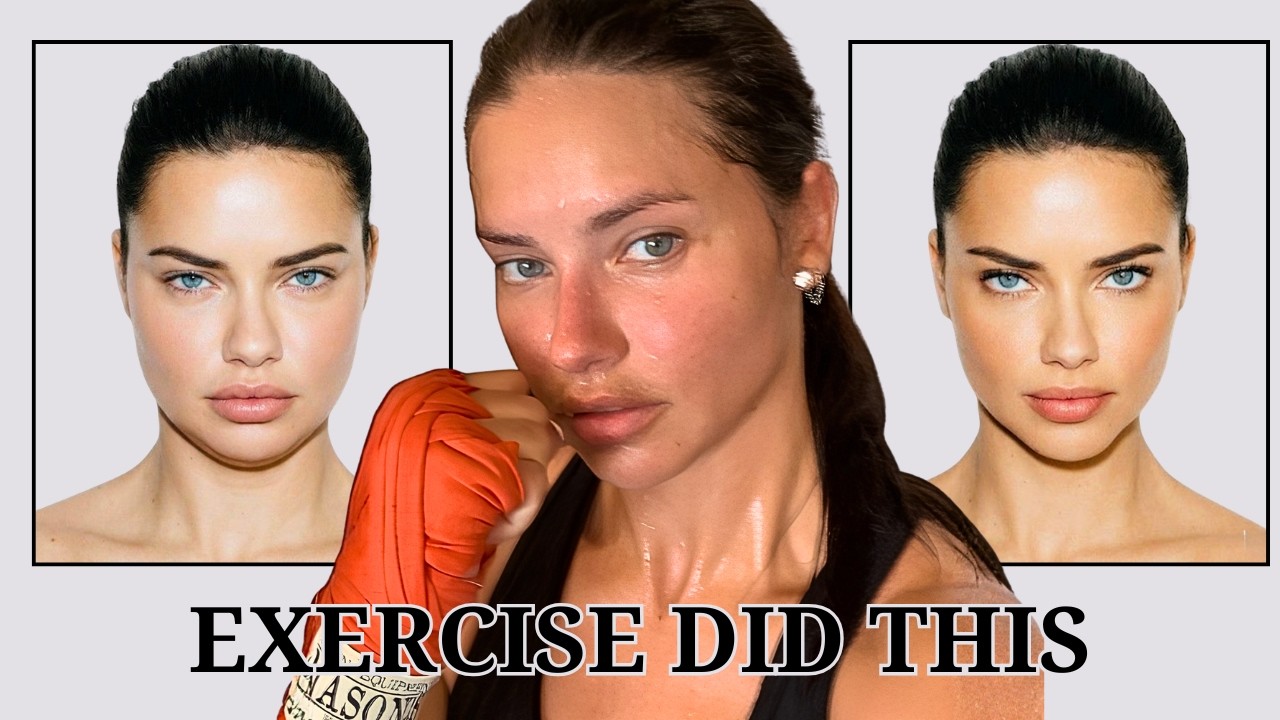
Foods That Literally Change Your Face Shape

Learn how diet affects your face: fix morning puffiness with potassium, leafy greens and omega-3s, and boost skin glow with carotenoid- and vitamin C-rich foods.

Key Takeaways

  • Diet can produce short-term changes in facial puffiness, often within days, by managing inflammation and water retention.
  • Carotenoid- and vitamin C-rich foods are presented as ways to achieve a healthier, brighter skin tone without sun exposure.
  • Many specific timelines and study claims in the video are presented without verifiable sources and should be treated with caution.

What the video covers

  • Lifestyle choices, including diet, influence facial appearance alongside genetics.
  • Inflammation from sugar, alcohol, processed foods and salt makes blood vessels leaky, causing facial puffiness, especially noticeable on the face.
  • After alcohol, potassium-rich foods (banana, avocado, coconut water) plus water and lemon may reduce morning puffiness within 24-48 hours.
  • After sugar, leafy greens or berries may counteract inflammation and dullness.
  • After high-sodium meals, natural diuretics like green tea, cucumber, watermelon and celery may help depuff within 12-24 hours.
  • For dairy sensitivity, probiotic foods (sauerkraut, kimchi) or ginger tea may reduce gut-related puffiness and redness.
  • Omega-3 foods (salmon, walnuts, chia seeds) are presented as reducing swelling-related proteins over 3-7 days.
  • Carotenoids from orange and red produce deposit in skin, producing a warm, golden or rosy glow over several weeks.
  • Vitamin C-rich foods are presented as inhibiting melanin production to brighten and even skin tone over 4-6 weeks.
  • The transcript claims carotenoid glow is rated more attractive than UV tanning and avoids sun damage, though claims about specific study findings are presented without citations.

Answers

Questions about this video

How quickly can diet reduce facial puffiness according to the video?

The video suggests that puffiness from alcohol or salt may improve within 12 to 48 hours with specific foods like potassium-rich items, green tea, or cucumber. Omega-3 changes are described as taking 3 to 7 days to show visible results.

Which foods does the video recommend for a golden glow versus a brighter skin tone?

For a golden, warm glow, the video recommends sweet potatoes, carrots, butternut squash and pumpkin. For a brighter or lighter tone, it recommends vitamin C-rich foods such as bell peppers, kiwi, strawberries and citrus.

Does the video claim that eating carotenoids is better than tanning?

Yes, the video claims studies found a carotenoid glow was rated more attractive than a sun tan and avoids UV damage. These study claims are not cited in the excerpt, so their reliability cannot be verified from the transcript alone.

Full Transcript — Download SRT & Markdown

00:00
Speaker A
I remember this very interesting conversation I had with a guy who had a little bit of a beer belly, and he was telling me how he actually did have abs, but it was just under all of his fat.
00:12
Speaker A
And you know what? You're right. Under all my inflammation and puffiness, I actually have the face of a runway model also. But all jokes aside, there might actually be some truth to this that can help us understand why people say you are what you eat.
00:26
Speaker A
Your face isn't just purely genetics. Inflammation can make you look puffier. A lack of sleep makes you look tired. Dating the wrong person that stresses you out and drains you will make you uglier.
00:40
Speaker A
All of this is to say that our lifestyle choices do influence how we look, and so if we want to look better, one way to start is to eat better.
00:54
Speaker A
Welcome to our Globe channel. I spent days researching how food actually changes your face, and I've compiled everything I learned into easy categories for you to take and apply to your concerns and or goals.
01:10
Speaker A
That said, today we will be exploring foods that can literally change your face, starting with our first category, inflammation and water retention, which is the category where you can see fastest results, usually within a week.
01:24
Speaker A
If you wake up and your face looks puffy and swollen, and you know that you did not get slapped around the night before and you're not having an allergic reaction, then this is most likely your answer.
01:38
Speaker A
When you eat certain foods that trigger inflammation, like sugar, alcohol, and processed foods, for example, maybe you had a girls' night out or you had a movie marathon and was binge eating chocolate, chips, cakes, and instant ramen, what happens is that that inflammation makes your blood vessels leaky.
01:54
Speaker A
So fluids escape into your facial tissue, and your face tends to show this more than anywhere else in comparison to the rest of your body, because the tissue on your face is quite thin and you've got a lot of blood vessels there.
02:06
Speaker A
And so in the next morning when you wake up and it looks like your face gained 10 pounds overnight, it isn't fat, it's fluid, and it's swelling, and it's hiding your actual bone structure.
02:24
Speaker A
Studies show that this is measurable and fixable fast, and so this is how to counteract it.
02:32
Speaker A
If you had alcohol last night, try eating potassium-rich food like banana, avocado, or coconut water, and drink lots of water with a little bit of lemon.
02:46
Speaker A
And here's why. Everyone tells you that drinking alcohol makes you dehydrated, and so the potassium helps your body release the water that it's hoarding.
03:00
Speaker A
The lemon helps support liver detox. If you do this, you will have less morning puffiness, and your jawline comes back within 24 to 48 hours.
03:08
Speaker A
If you ate a lot of sugar or dessert, eat leafy greens or berries within the next meal.
03:22
Speaker A
The antioxidants counteract the inflammatory response that sugar usually triggers, and so this will prevent the next-day puffy face, and it will help keep the skin from looking dull.
03:36
Speaker A
If you had really salty food or a meal that was really high in sodium, like takeout, chips, or a fast food meal, drink green tea, eat cucumber, watermelon, celery.
03:54
Speaker A
These are natural diuretics that help flush excess sodium and water. If you do this, your face will depuff within 12 to 24 hours, especially noticeable in the morning.
04:07
Speaker A
If you had dairy and you're sensitive to it, because we all know someone who is lactose intolerant but wants to act like they are not, and so if that is you, try eating probiotic foods like sauerkraut, kimchi, or drink some ginger tea, because that helps calm gut inflammation that's showing up on your face.
04:21
Speaker A
It will help reduce puffiness and redness within 24 to 48 hours.
04:30
Speaker A
For general puffiness, maybe it's something that you have an issue with chronically, try adding omega-3s like salmon, walnuts, or chia seeds into your diet, because these are anti-inflammatory at the cellular level.
04:44
Speaker A
They reduce the proteins that actually cause swelling, and so within 3 to 7 days, if you integrate more omega-3s into your diet, you will start seeing a noticeable difference on your face, because it will look more sculpted and defined.
04:59
Speaker A
The next category is skin tone and brightness, and in this category, you can usually see results within 2 to 6 weeks.
05:14
Speaker A
What you eat literally changes the color and brightness of your skin, not through tanning, not through bleaching, but through something called carotenoid deposition, and studies show that you can usually see the results of this in 2 to 3 weeks.
05:29
Speaker A
Let me explain. Carotenoids are plant pigments. They're what makes carrots orange and tomatoes red.
05:48
Speaker A
And so when you eat them, your body stores them in your skin, and they turn into this golden, warm glow.
05:58
Speaker A
Research shows that people who eat more carotenoid-rich foods have a measurably different skin tone. It's more radiant, it has a warmer undertone, and it's overall brighter, in this natural, sun-kissed type of glow.
06:12
Speaker A
And here's the interesting part. Studies actually found that this glow is rated as more attractive than a tan from sun exposure, especially by Western beauty standards.
06:28
Speaker A
Now, there's also the brightness and lightening aspects, because in East Asian beauty culture, paler and brighter skin is generally more desired.
06:43
Speaker A
What you eat can affect this also. Certain foods promote skin lightening and brightness, while others can make your skin appear darker, warmer, or more pigmented.
07:00
Speaker A
And so depending on what your goal is, you might want to prioritize or avoid certain types of foods, but we'll cover both categories.
07:13
Speaker A
For golden, warm undertones, you want to eat more sweet potatoes, carrots, butternut squash, and pumpkin, at least one serving daily.
07:29
Speaker A
These are loaded with beta-carotene, which gets deposited into your skin and creates that golden glow that you will see within 3 to 4 weeks.
07:43
Speaker A
If you want a brighter and lighter skin tone, then you want to eat a lot of vitamin C-rich foods like bell peppers, kiwi, strawberries, and a lot of citrus.
07:56
Speaker A
And you want to have at least two to three servings daily, because vitamin C inhibits melanin production, which is what makes your skin darker and is the reason why your skin gets tanner when you expose it to the sun.
08:12
Speaker A
On top of this, it also has skin-lightening effects, and within 4 to 6 weeks, you will see a visibly brighter and more even skin tone.
08:27
Speaker A
For a rosier, healthier-looking complexion, you want to include tomatoes, watermelon, grapefruit, and papaya in your diet, around one serving daily.
08:42
Speaker A
This is another type of carotenoid, specifically the red one called lycopene, that gives you that rosy, healthy blush. You will see more color in your cheeks within two to four weeks.
08:55
Speaker A
You may also want to incorporate beets, pomegranate, and various berries into your diet, around one serving daily also.
09:08
Speaker A
These foods help improve circulation, which can also directly help give you that natural blush.
09:25
Speaker A
And so, to summarize, here's a quick hack on how you can choose based on your goal.
09:40
Speaker A
If you want a warmer or a more golden glow, incorporate more orange vegetables like carrots, sweet potatoes, and squash.
09:52
Speaker A
If you want a brighter or lighter skin tone, then you want to incorporate more vitamin C foods like citrus, berries, kiwis, and fermented foods.
10:08
Speaker A
Studies actually compared these head-to-head. The carotenoid glow from eating vegetables was rated as healthier-looking and more attractive than a tan from UV exposure, like if you go to the beach and sunbathe.
10:19
Speaker A
Plus, sun tanning damages your skin and causes aging, and so carotenoids can help give you that glow without any of that damage.
10:32
Speaker A
It's literally the better option, backed by science.
10:41
Speaker A
And last but not least, we have our fourth category, which is collagen production, or you can literally dub it the Botox diet, because collagen is what actually gives your skin its structure and firmness.
Topics:foods for facereduce facial puffinesscarotenoids skin glowvitamin C skin brighteninganti-inflammatory dietnatural glowbloating facecollagen dietskincare nutritionbeauty foods

Get More with the SozAI App

Transcribe recordings, audio files, and YouTube videos — with AI summaries and speaker detection. 30 minutes free.

Or transcribe another YouTube video here →