Skip to content
Get App

Cortisol Face: What It Is & How to Fix It

Explains what 'cortisol face' really is: rare Cushing's syndrome vs. common stress-related puffiness, and how sleep, recovery and lifestyle can improve it.

Key Takeaways

  • True cortisol face (Cushing's) is rare; most viral cases are stress-related puffiness and inflammation.
  • Chronic stress keeps the body in survival mode, causing fluid retention, collagen loss and inflammation.
  • Prioritizing sleep and recovery is more effective than expensive routines or supplements.

What the video covers

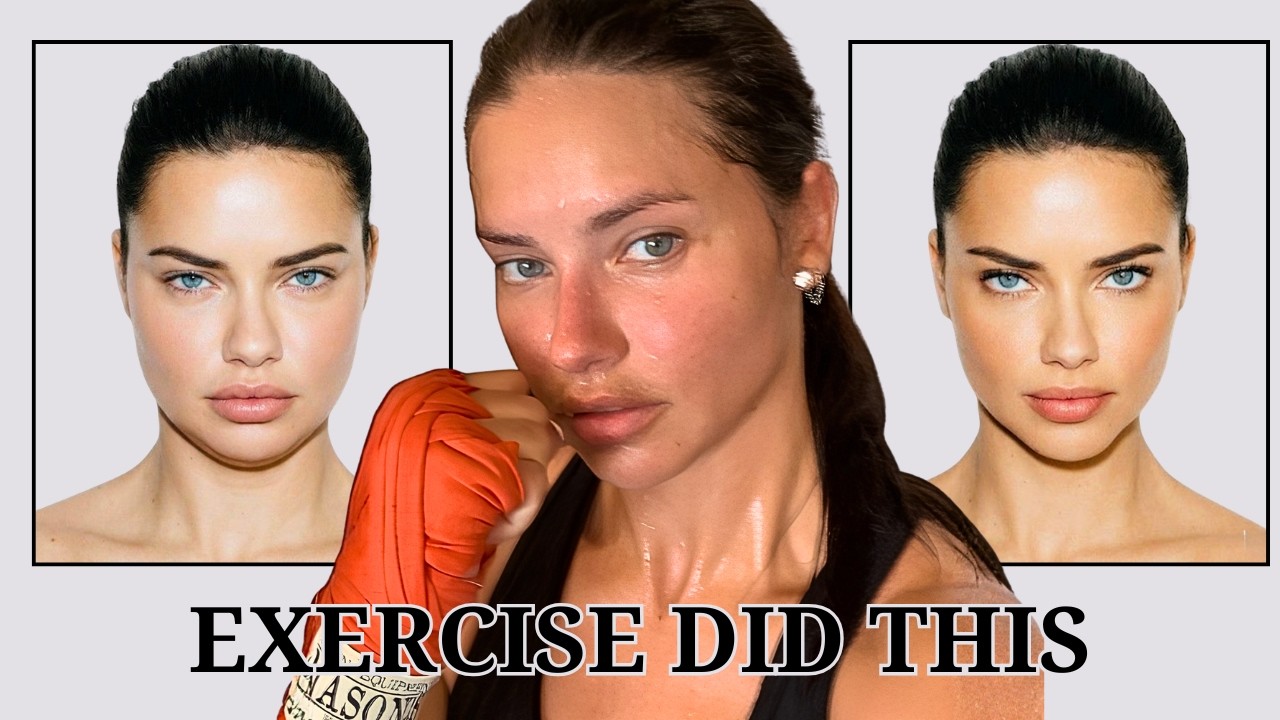
  • Cortisol face is trending on TikTok, with many people self-diagnosing puffy faces and buying expensive routines and supplements.
  • True cortisol face tied to Cushing's syndrome is medically rare; most people experience stress-related puffiness, inflammation and poor recovery.
  • Cortisol is a necessary hormone; short-term stress can be beneficial, but chronic stress prevents the body from entering a recovery window.
  • Chronic stress causes fluid retention, collagen breakdown, increased inflammation, sleep disruption and facial/jaw muscle tension.
  • Stress-related appearance changes can be subtle but real, including dull skin, under-eye puffiness and breakouts.
  • Sleep is the most important recovery tool; poor sleep elevates cortisol, slows skin repair and worsens puffiness.
  • Cited research links poor sleep with increased skin aging signs and slower skin barrier recovery.
  • Practical sleep improvements include consistent sleep times, less late-night scrolling, reduced bright light before bed and a cool, dark room.
  • The creator argues prevention and recovery matter more than elaborate morning routines or ice rollers.
  • The overall message: the face reflects body health, so supportive habits can improve appearance.

Answers

Questions about this video

Is cortisol face a real medical condition?

The video explains that true cortisol face linked to Cushing's syndrome is very rare. Most people experiencing puffiness and dullness are dealing with stress-related effects rather than a diagnosable condition.

How does stress make your face look puffy?

Chronic stress keeps the body in survival mode, which leads to fluid retention, increased inflammation and poor recovery. Muscle tension and disrupted sleep can also make the face look swollen or tired.

What is the best way to reduce stress-related facial puffiness?

The speaker recommends prioritizing sleep and recovery over expensive routines or supplements. Consistent sleep times, less screen time before bed and a cool, dark bedroom are suggested as practical steps.

Full Transcript — Download SRT & Markdown

00:00
Speaker A
Cortisol face is blowing up on TikTok right now. Everyone's diagnosing themselves, panicking about their puffy faces, doing ice baths, stacking supplements, and completely rebuilding their routines.
00:18
Speaker A
And honestly, I was that everyone also.
00:37
Speaker A
So naturally, I went down a rabbit hole researching this topic, reading studies, listening to doctors and dermatologists and stress experts, trying to figure out what was actually real.
00:56
Speaker A
And what I discovered is that true "cortisol face," the actual medical condition associated with Cushing's syndrome, is actually very rare.
01:13
Speaker A
What most people are experiencing is stress-related puffiness, inflammation, poor recovery, fluid retention, and lifestyle overload.
01:23
Speaker A
And yes, that part is real.
01:39
Speaker A
We've talked a lot about how lifestyle affects appearance, how your sleep changes your face, how posture changes your face, and how diet changes your face.
01:52
Speaker A
So it makes complete sense that chronic stress can affect your appearance.
02:00
Speaker A
Also, it might not be the dramatic "moon face" that everyone is showing online, but the subtle changes are still real and still significant nonetheless.
02:11
Speaker A
You wake up puffy, your face looks dull, you have jaw tension, and you're breaking out from all of the stress.
02:28
Speaker A
And so all of this is to say that your face isn't necessarily betraying you, it's your body trying to communicate with you.
02:44
Speaker A
Welcome back to our Globe channel.
02:59
Speaker A
Today, we're breaking down what cortisol face actually is, how to tell if your puffiness, your inflammation, or whatever your concern is, is actually stress-related.
03:17
Speaker A
And more importantly, how to fix it through lifestyle changes so that you're not just panicking.
03:32
Speaker A
Because contrary to what the internet tells you, you probably do not need a 15-step morning routine, expensive supplements, and a freezer full of ice rollers.
03:46
Speaker A
You most likely need recovery.
04:04
Speaker A
And the good news is that your body is incredibly adaptable, which means if stress can affect your appearance, supportive habits can improve it also.
04:20
Speaker A
Let's get right into it, starting with understanding what's actually happening in your body.
04:35
Speaker A
Because before we talk about solutions, it always helps to understand what cortisol actually does.
04:50
Speaker A
Cortisol is your primary stress hormone produced by the adrenal glands.
05:05
Speaker A
When you're stressed, your body releases cortisol to help you handle the situation.
05:21
Speaker A
According to the Endocrine Society, cortisol helps regulate energy, metabolism, inflammation, blood sugar, and sleep-wake cycles.
05:36
Speaker A
So, cortisol itself is not bad.
05:54
Speaker A
You need cortisol to function normally.
06:10
Speaker A
In fact, some stress is actually beneficial.
06:29
Speaker A
For example, when you work out, that stress on your body triggers recovery and you build muscle.
06:44
Speaker A
Or microneedling, where you intentionally stress your skin and the healing response creates better skin.
07:01
Speaker A
The problem happens when stress becomes chronic and your body never gets a recovery window.
07:14
Speaker A
That's why overtraining is a thing, and that's why you don't microneedle every single day.
07:29
Speaker A
And when that happens, when your stress becomes too chronic, your system gets stuck in survival mode and it stops prioritizing restoration.
07:47
Speaker A
The first step of survival is always hoarding resources.
08:03
Speaker A
Your body will begin to hoard water that it thinks it needs, which creates fluid retention, which can cause facial puffiness.
08:19
Speaker A
It can also break down collagen because your body thinks that it needs immediate energy.
08:30
Speaker A
And collagen is a structural protein that keeps your skin firm and elastic, but it's not immediately necessary for survival.
08:47
Speaker A
So, your body breaks down collagen to get the amino acids that it needs for more critical functions that it thinks it will need.
09:01
Speaker A
But when collagen breaks down, your skin loses elasticity and firmness, and this is why people say stress ages you.
09:19
Speaker A
It can also increase inflammation.
09:35
Speaker A
This is counterintuitive because cortisol is actually anti-inflammatory in the short term, but chronic high cortisol dysregulates your immune system until it shifts towards pro-inflammatory responses, and that results in acne flare-ups, red irritated skin, and worsening of conditions like eczema and rosacea.
09:54
Speaker A
It also disrupts sleep.
10:13
Speaker A
Chronic cortisol suppresses melatonin at night, so you can't sleep well, and because your skin does most of its repair during sleep, without quality sleep, your skin looks dull and you look exhausted.
10:32
Speaker A
It also creates muscle tension.
10:50
Speaker A
In survival mode, your body keeps muscles tense so that it's ready to fight or flee.
11:06
Speaker A
Your facial muscles stay contracted, your jaw muscles clench, which is why a lot of people grind their teeth when stressed, and your neck and shoulder muscles tighten.
11:21
Speaker A
Over time, that overdeveloped tension can deepen facial lines, and it can affect posture to the point where it impacts your overall appearance.
11:40
Speaker A
Your overall appearance is a reflection of how well you're taking care of your body, and your body is responsive, which means when your conditions improve, your body responds positively too, and that's when the real glow-up begins.
11:47
Speaker A
Beauty sleep isn't just a saying, it's quite real.
11:57
Speaker A
There's science and biology behind it.
12:13
Speaker A
And so, let's start with one of the biggest beauty disruptors that almost nobody takes seriously enough, sleep deprivation.
12:20
Speaker A
You deprioritize rest for a thousand and one reasons, an exam that you have to study for, work that you have to catch up on, or even binge-watching a show.
12:33
Speaker A
But sleep isn't just rest.
12:42
Speaker A
Sleep is when your body repairs itself.
12:59
Speaker A
According to sleep researcher Dr. Matthew Walker, author of "Why We Sleep," sleep is the most effective thing we can do to reset our brain and body health each day.
13:18
Speaker A
And yes, that includes your face and your overall appearance.
13:31
Speaker A
When you consistently under-sleep, cortisol levels stay elevated longer than they should, and at the same time inflammation increases, skin repair slows down, fluid retention worsens, and under-eye puffiness becomes significantly more noticeable.
13:43
Speaker A
This is why after stressful nights or an extended period of poor sleep, your face suddenly looks swollen, your skin looks dull, you look tired, and your complexion seems more textured, even if your skincare routine stayed exactly the same.
13:59
Speaker A
A study published in Clinical and Experimental Dermatology found that poor sleepers showed increased signs of skin aging, slower skin barrier recovery, and lower satisfaction with their overall appearance, which just proves how everything is connected and how beauty sleep is quite real.
14:08
Speaker A
And honestly, most people can feel this intuitively.
14:21
Speaker A
You've probably experienced this.
14:39
Speaker A
Mornings where your face looks inflamed for no reason.
14:52
Speaker A
A lot of times, your body simply hasn't recovered properly.
15:06
Speaker A
And so, instead of obsessing over depuffing hacks in the morning, focus on optimizing your sleep first.
15:23
Speaker A
Prevention over treatment.
15:34
Speaker A
Your sleep schedule doesn't have to be perfect or crazy, just realistically better, which means reducing late-night scrolling, sleeping at more consistent times, lowering bright light exposure before bed, avoiding overstimulation late at night, or just keeping your room slightly cooler and darker if possible, because your nervous system cannot fully relax if your brain thinks it's still in productivity mode at midnight.
Topics:cortisol facestress puffinesscortisolCushing's syndromebeauty sleepskin inflammationrecoveryskincare lifestylefacial puffinesssleep and skin

Get More with the SozAI App

Transcribe recordings, audio files, and YouTube videos — with AI summaries and speaker detection. 30 minutes free.

Or transcribe another YouTube video here →