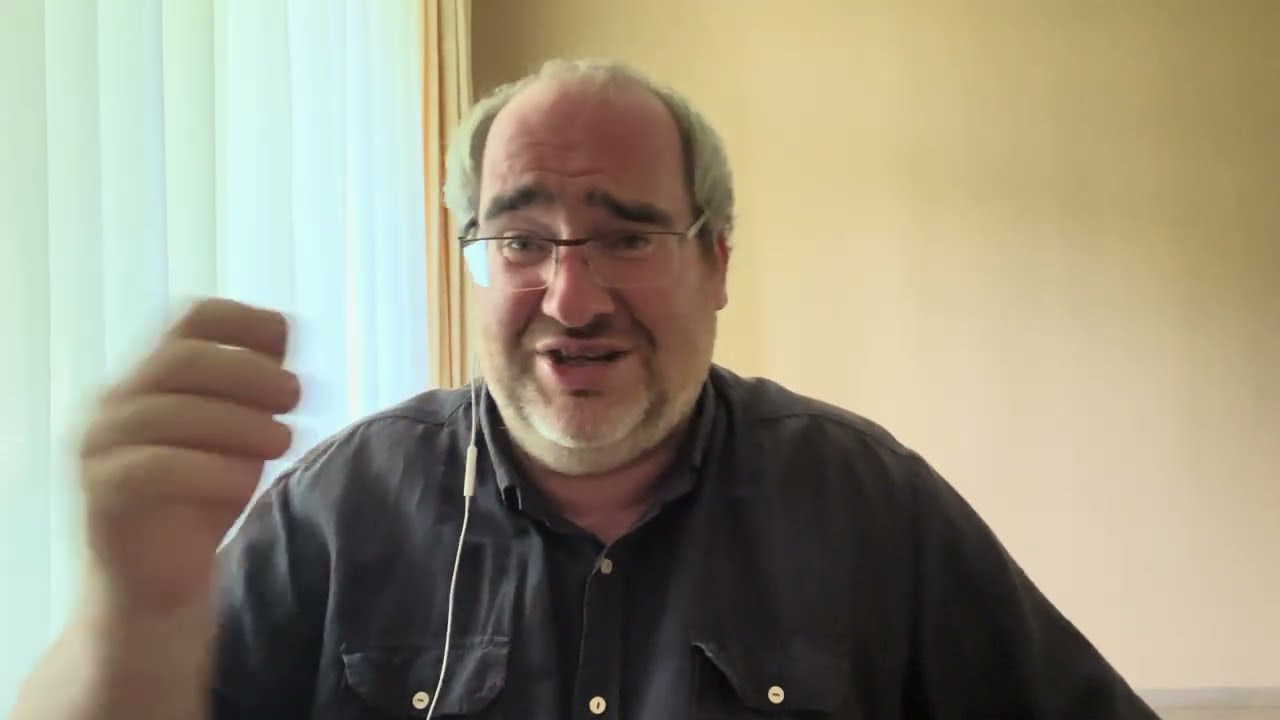
Ben and Jerry’s Co-Founder Takes on America’s War Machi… — Transcript

Ben Cohen discusses his activism against war, military spending, and corporate control of Ben & Jerry's in a Current Affairs interview.

Key Takeaways

  • US military spending is disproportionately large and diverts funds from critical social programs.
  • The US drives global arms races, provoking responses from other countries.
  • Activism, including corporate activism, is essential to challenge militarism and corporate control.
  • Dwight Eisenhower's warnings remain relevant in understanding the military-industrial complex.
  • Redirecting national resources from war to social welfare would benefit society and national spirit.

Summary

  • Ben Cohen, co-founder of Ben & Jerry's, has been deeply involved in activism on war, peace, social justice, and climate change.
  • He criticizes the excessive US military budget as theft from social needs like education, housing, and healthcare.
  • Cohen highlights the arms race driven by the US, noting that other countries respond to US military buildup.
  • He references Dwight Eisenhower's warnings about the military-industrial complex and its impact on society's spirit and resources.
  • Cohen founded the Eisenhower Media Network, composed of former military and security experts advocating for reduced military spending.
  • He discusses his efforts to free Ben & Jerry's from corporate control to allow political activism, including creating a flavor supporting Palestine.
  • Cohen has been arrested multiple times for his activism, which he views as a badge of honor.
  • He critiques political rhetoric that claims social programs are unaffordable while military spending continually increases.
  • The interview touches on the spiritual and ethical dimensions of business and activism.
  • Cohen emphasizes the need to redirect resources from war to improving quality of life for all people.

Full Transcript — Download SRT & Markdown

00:00
Speaker A
Welcome to Current Affairs, and my name is Nathan Robinson. I am the editor-in-chief of Current Affairs magazine. I am delighted to be joined today by Ben Cohen. He is the co-founder, along with Jerry Greenfield, of the Ben & Jerry's ice cream company, but he has also been involved throughout his life with a number of major activist efforts on issues of war, peace, social justice, anti-racism, climate change. He has worked on campaign finance reform. He founded Business Leaders for Sensible Priorities. He now works on the Up and Arms Campaign. He's been involved with the People's Power Initiative, the Eisenhower Media Network, the Stamp Stampede Campaign for campaign finance reform, the Pierre Sprey Award for journalism he helped establish. He was a national co-chair of Bernie Sanders' 2020 presidential campaign. He has been arrested multiple times in the course of his activism, which we here at Current Affairs consider a badge of honor.
00:17
Speaker A
He is currently working on a campaign to free Ben & Jerry's from its corporate overlords, and he is the author of the book Above the Law, How Qualified Immunity Protects Violent Police, available from OR Books, which features an introduction by the legendary Killer Mike. Ben Cohen, welcome to Current Affairs. Wow. My God, that is a legendary introduction right there.
00:37
Speaker A
Well, did I hit everything? I mean, as I was doing the—Boy, I'll tell you, you didn't leave anything out. You know, listening to that makes me realize that yes, I am 75 years old, and [laughter] I was not doing it all at once. It was in series. Well, some of it is all at once. Yeah, anyhow.
00:56
Speaker A
Been a lot. There's been a lot of work over the years, and I want to talk about it. I want to start by asking you, you know, you were an ice cream man by trade, but you have been involved, you know, one of the very common threads that runs through the work that you've—the extracurricular work you have done outside the ice cream business—has been issues of war and peace. And, you know, you have, you know, recently people might have seen the conflict with Ben & Jerry's over creating a flavor for Palestine, and your independent creation of a flavor for Palestine. You have, as I said, been arrested. People might have seen you in front of the White House chainsawing a mock-up of the Pentagon filled with dollar bills. So, let me start by asking you, why have issues of war and peace been so central to the work you've done?
01:10
Speaker A
You know, I think it really resonated for me when I saw this quote from Cornel West saying that justice is what love looks like in public. That's where it's coming from for me. I mean, I just see people, myself, I'm one of them, as wanting to have a decent life, wanting to have a good life for themselves and for people like them. And I believe people hate war. People have no desire to kill other mothers, fathers, sons and daughters, sisters and brothers, families just like them in other countries that they have nothing against. And the thing that drives me crazy about it is that it just sucks up so much money and so much energy and so much of our spirit.
01:29
Speaker A
And nobody expressed that better than General and President Dwight Eisenhower, where he talked about, you know, every bomber that we make, every aircraft carrier that we make signifies, in the final sentence, a theft from those who hunger and have no food, who are cold and have no clothes. You know, it's just incredible to me that there's no limit to the amount of money that the government decides to spend on the Pentagon, and yet when people come to Congress, mothers and fathers come to Congress and say, "Hey, we need more money for our schools. I can't afford child care. I can't afford housing." You know, the Congress people, they look at them, and they're just so sympathetic, and they say, "Oh, I really care about your kids," and "Oh, that's just horrible, but there just isn't any money." And it is a crock of [expletive]. It's [expletive]. It's a lie.
01:39
Speaker A
We, you know, if we could just spend the money on taking care of people instead of preparing to kill literally tens of millions of them, there'd be all the money we need.
01:56
Speaker A
Trump, you know, he decides that, oh yeah, we can't afford anything else, but I think I can squeeze out another 500 billion. I think I can find half a trillion dollars that we didn't know we had, AND I KNOW EXACTLY WHAT TO DO with it. Let's build more weapons. It's true that even given, I mean, you have been an activist on pointing out the colossal, ludicrous size of the military budget for so long, and now the consensus among the Republicans is it's not big enough. We need to go even higher. We need to have, you know, our military is, you know, you hear, "I'm totally unprepared." We need to add tens or hundreds of billions dollars more. I mean, it's going in precisely the opposite direction. And as you point out, you know, the phrase that is heard when someone like Bernie Sanders proposes Medicare for All is, "How are you going to pay for that?" That's the kind of infamous question. "How are you going to pay for that?" What you pointed out there with this is so interesting is that, you know, when people hear you say this, and when people hear me introduce you as a peace activist, the line that is used is, "Well, not realistic. Doesn't understand defense. Doesn't understand, you know, that in the real world we need these things to protect ourselves." But what you pointed to there was the words of Eisenhower, which I come back to, which is so important, because nobody understood defense better than Eisenhower. And I take it this is one reason why the Eisenhower Media Network is named after him, because, you know, there you have someone who had a better grasp of issues of war and peace than perhaps anyone else in history. And he comes out at the end of his presidency with this remarkable speech saying that, you know, you cited this idea that it is not just waste, but theft. And I think that is such a crucial distinction. It's not like just setting the money on fire. And what it's even worse than that, because we are taking things from people that they could have if we spent this money differently.
02:02
Speaker A
Yeah, and there's another effect that he also talked about, which was the effect that it has on our spirit, on our soul as a nation, that we're using people's energy, people's life force to build these weapons instead of using that energy, that life force to improve the quality of life for people.
02:15
Speaker A
And so, yeah, I mean, I helped to found the Eisenhower Media Network because we need people who have the credentials to support what, you know, this argument. And the Eisenhower Media Network is all former high and mid-level military and national security experts that are all backing this up. I mean, it's easy to see. I mean, if you just look at how much other countries are spending on their militaries. You know, just parenthetically, now just the budget of ICE is bigger than the military budgets of most countries. But, you know, the country who spends the next most besides the US currently is China. And we spend three times more than they're spending already. So, you know, the argument that we need these expenditures to protect ourselves is absurd. One of the points that I think is worth emphasizing here is that even when people see stories in the press like, for example, right now, China is working on building up its nuclear arsenal, right? And they may think, well, the United States has to respond to increasing elsewhere. But one of the points that's incredibly important is that they are responding to us, that we cr...
02:28
Speaker A
know, you have, you know, recently people might have seen uh the conflict with Ben & Jerry's over creating a flavor for uh Palestine, um and your independent creation of a flavor for Palestine. Um you have, as I said, uh uh
02:43
Speaker A
been uh arrested. People might have seen you uh in front of the White House uh chainsawing a mock-up of the Pentagon filled with dollar bills. So, let me ask you start by asking you, why has why have issues
02:57
Speaker A
of war and peace been been so central to the work you've done? You know, I think uh it really resonated for me when uh I saw this quote from uh Cornel West saying that uh justice is what love looks like in public. Um
03:19
Speaker A
that's uh that's where it's coming from for me. I mean, I I just see uh people, myself, I'm one of them, as wanting to have a decent life, wanting to have a good life for themselves and for people like them. And
03:44
Speaker A
uh and I believe people hate uh war. Uh people have no desire to kill other mothers, fathers, sons and daughters, sisters and brothers, families just like them in other countries that they have nothing against. Uh and the thing that drives me crazy about
04:12
Speaker A
it is that it just sucks up so much money and so much energy and so much of our spirit.
04:24
Speaker A
Uh and nobody expressed that better than General and President uh Dwight Eisenhower. Uh where he talked about, you know, every bomber that we make, every aircraft carrier that it that we make signifies, in the final sentence, a theft from those
04:51
Speaker A
who hunger and have no food, who are cold and have no clothes. Uh you know, it's it's it's just incredible to me that you know, there's no limit to the amount of money that uh the government decides to spend on the
05:12
Speaker A
Pentagon, and yet when people come to Congress, mothers and fathers come to Congress and say, "Hey, we need more money for our schools.
05:24
Speaker A
Uh I can't afford uh child care. Uh I can't afford housing. Uh you know, the Congress people, they they they look at them, and they're they're just so sympathetic, and they say, "Oh, I I really care about your
05:41
Speaker A
kids." and "Oh, that's just horrible, but there just isn't any money." And it is a crock of [ __ ] It's [ __ ] It's it's a lie.
05:54
Speaker A
We I you know, if we could just spend the money on taking care of people instead of preparing to kill literally tens of millions of them, the there'd be all the money we need.
06:10
Speaker A
Trump, you know, you know, he decides that uh you know, oh uh yeah, we can't afford anything else, but I think I can squeeze out another 500 billion. I think I can find half a trillion dollars that we
06:28
Speaker A
didn't know we had, AND I KNOW EXACTLY WHAT TO DO with it. Let's build more weapons. It's true that uh even given, I mean, you have been an activist on uh you know, pointing out the colossal, ludicrous size of the military budget
06:47
Speaker A
for so long, and now um the consensus among the Republicans is it's not big enough. Um we need to go even we need to get even higher. We need to have uh you know, our military is, you know, you you hear I'm totally
07:02
Speaker A
unprepared. We need to add add tens or hundreds of billions dollars more. I mean, it's going in precisely the opposite direction. And as you point out, you know, the phrase that is heard when someone like Bernie Sanders proposes Medicare for all is, "How are
07:16
Speaker A
you going to pay for that?" That's the kind of infamous question. "How are you going to pay for that?" What what you pointed out there with this is so interesting is that, you know, when people hear you say this, and when
07:27
Speaker A
people hear me introduce you as a peace activist, um they the line that is used is, "Well, not realistic. Doesn't understand defense.
07:36
Speaker A
Doesn't understand, you know, that in the real world we need these things to protect ourselves." But what you pointed to there was the words of Eisenhower, which I come back to, which is so important, because nobody understood defense better than Eisenhower. And I I
07:51
Speaker A
take it this is one reason why, you know, the Eisenhower Media Network is named after him, because, you know, there you have someone who had a better grasp of issues of war and peace than perhaps anyone else in history. And he
08:04
Speaker A
comes out at the end of his presidency with this remarkable speech saying that, you know, you cited this idea that it is it is not just waste, but theft. And I think that is such a crucial distinction. It's not like just setting
08:19
Speaker A
the money on fire. And what uh it's even worse than that, because we are taking things from people that they could have if we spent this money differently.
08:30
Speaker A
Yeah, and and there and there's another effect that he also talked about was the effect that it has on our spirit, as on our soul uh as a nation, that we're using people's energy, people's life force uh to
08:49
Speaker A
to build these weapons instead of using that energy, that life force to improve the quality of life for people.
09:00
Speaker A
And so, yeah, I mean, I helped to to found the Eisenhower Media Network because we need people who have the credentials to support what you know, this argument. And the Eisenhower Media Network is all former uh high and
09:21
Speaker A
mid-level uh military and national security experts that are all backing this up. I mean, it it's easy to see. I mean, if if you just look at uh how much other countries are spending on their militaries. Uh you know, just
09:41
Speaker A
parenthetically, uh now just the budget of ICE is bigger than the military budgets of most countries. But uh you know, the the country who spends the next most besides the US, currently is is China. And we spend three times more than they're
10:04
Speaker A
spending already. Uh so it you know, the argument that we need these expenditures to protect ourselves is absurd. One of the points that I think is worth emphasizing here is that even when people see stories in the press like
10:28
Speaker A
for example, right now, China is working on building up its nuclear arsenal, right? And they may think, well, the United States has to respond to increasing elsewhere. But one of the points that's incredibly important is that they are responding to us, that we
10:47
Speaker A
create the threats that we then feel menaced by through what we are doing. By menacing the world with our vast nuclear arsenal, we invite a response. And it was very interesting to me, going back to the 1990s and the group that you've
11:04
Speaker A
founded called Business Leaders for Sensible Priorities, where you took out a full-page ad in the New York Times called Hey, Let's Scare the Russians, as I understand. And you pointed out that US policy was making conflict with Russia more likely. You know, at the
11:25
Speaker A
time there were those that were warning that the expansion of NATO, the failure to try diplomacy with Russia was risking this spiraling geopolitical conflict, that in this post-Cold War moment, it was really, really important to take advantage of
11:40
Speaker A
that to build a lasting peace. And you and some others were warning that our own policy was going to lead to this kind of catastrophic escalation and a renewal of arms races and and mistrust.
11:57
Speaker A
Um and I believe you would say that that partially kind of came to fruition in the current conflict over Ukraine. So, it's important to see that we're not just It's not just that we spend more than other countries, but also that you
12:13
Speaker A
know, our vast nuclear arsenal and our insistence upon keeping it creates a response from other countries that we then feel that it necessitates another response from us. Yeah, I I think that's exactly right. Uh the the US drives the arms race and the
12:32
Speaker A
other countries are just trying to catch up. The other countries are just trying to not get invaded or bombed by by the US. Um and yes, it is very true that uh the war in Ukraine was a direct result
12:51
Speaker A
of NATO expansion. Uh you know, at the end of the Cold War uh you know, the the the US agreed not to expand NATO and then they continued to do it in several tranches.
13:11
Speaker A
Russia, you know, uh objected in the strongest possible diplomatic language. And uh and they did this and and they and you know, the war in Ukraine was because uh they were about to accept Ukraine into NATO, which essentially totally
13:33
Speaker A
surrounds Russia or, you know, at least one border with Russia with uh nuclear weapons uh that are aimed right at Russia. You know uh if the situation were reversed uh the US would be apoplectic. I mean, you know, what? If if some other country
13:56
Speaker A
put a bunch of nuclear weapons on the Mexican border aimed at the US Well Cuban missile crisis. What do you think the US would do? It was Cuba You know, the Cuban missile crisis. That's what it was. Yeah, so we know exactly what would
14:09
Speaker A
happen. It was a we'd threaten to blow up the world. [laughter] Yeah. Yeah, I I mean, the reality was that the whole purpose of NATO was to defend Europe from the Warsaw Pact.
14:26
Speaker A
When the Soviet Union dissolved there was no longer a Warsaw Pact. Uh there was no purpose for NATO to to continue. And as a matter of fact, there were you know, there were talks about you know, ending NATO. And uh what ended
14:47
Speaker A
up happening was that a bunch of weapons manufacturers got together and formed the Committee to Expand NATO and showered Congress with lobbying, campaign contributions, all the the whole works and all, you know, and then you know, the discussion was,
15:08
Speaker A
okay, let's let's expand NATO. You mentioned there the role of lobbyists and the and the weapons industry. I I read an interview with you where you mentioned at a very early age, you know, we're talking about why why this issue being very struck by
15:27
Speaker A
the lyrics of Bob Dylan's Masters of War. Um you know, who talked about the the men who hide behind walls, hide behind desks. You know, he said he he he sees through their their masks. He says, you know, you've never uh they're nothing
15:42
Speaker A
but build but build build to destroy and they play with the world. And I think it's very important to understand that, you know, in our glorious capitalist system, there are companies that make their profits by making ice cream. Um
15:56
Speaker A
and there are companies that make their profits by making bombs. And the incentives um if you are a company that makes ice cream, you might say there's a dangerous incentive to make people fat, but you might also say that
16:12
Speaker A
the incentives are fairly aligned with giving people something that they find delicious and brings them happiness. But if you are a a weapons company, I mean, the incentives are so uh I mean, terrifying there, which is to say that unless there is continued
16:30
Speaker A
conflict and the threat of continued conflict, you cannot prosper. And you have an obligation to your shareholders to prosper. So, you essentially have an obligation. I mean, under the Milton Friedman theory that the the the only social responsibility of a corporation
16:46
Speaker A
is to maximize its profits. You have a social responsibility to foment future violence, fear, and and war. And and what a dangerous type of industry that is to have for profit. Yeah.
17:00
Speaker A
You you you got it exactly right, Nathan. And uh the weapons industry provides two lobbyists for every member of Congress.
17:13
Speaker A
Um it yes, they are driving the legislation and uh they're driving uh who gets elected.
17:24
Speaker A
Um and you know, and they keep on saying, well, you know, it's jobs, you know, you know, we provide jobs. That's our social responsibility. And you know, but the reality is that the amount for the for a given amount of
17:41
Speaker A
money spent by the government, you could create a heck of a lot more jobs in most any other area than producing weapons.
17:50
Speaker A
[snorts] Uh building houses, uh teachers, uh nurses you name it. I want to talk about lack of accountability briefly because, you know, uh you mentioned the Eisenhower Media Network. We had the wonderful Dennis Fritz of Eisenhower on the
18:06
Speaker A
program to talk about his book on the Iraq War. One of the striking things reading that is, you know, he really documents how deceptive and mendacious the Bush administration was. Nobody held accountable, right? No no prosecutions.
18:20
Speaker A
Uh Donald Rumsfeld and Colin Powell went and lived out their lives in in in peace and happiness. Um and you've also I I think there's a related point in that you've discussed um you wrote a whole book about
18:35
Speaker A
qualified immunity. That is a case in which police abuses of power are not held accountable, right? You're writing about how even in the worst cases of injustice, I mean, cases of basically police murders, um no one is held accountable. These
18:51
Speaker A
these institutions that create the worst violence in our world today um can do so in part because we have eliminated any mechanism that we might have for making sure that those who commit murder, those who plan murder are
19:11
Speaker A
eventually subject to the same kind of penalties that you would be if you committed murder in civilian life. Yeah.
19:18
Speaker A
I think that's absolutely right. Uh they have immunity. Uh you know, a legal decision, a precedent that's been set. And uh for uh for the police um and now they're, you know the boss of ICE is claiming it for ICE.
19:41
Speaker A
Uh all all all a police person needs to say uh if they want to get off is uh I feared for my life.
19:52
Speaker A
And they just say those words and like magic, you know, it it could be well, the guy was reaching for his cell phone.
20:00
Speaker A
I feared for my life. He looked at me with wild eyes. I feared for my life. Yes, I and you've you recently, you know, made you mentioned ICE there. I mean, I I think that that shows that the issue that you were
20:14
Speaker A
writing about, you know, when you did this book a few years ago about qualified immunity. I mean, we're really now seeing the fruition of this because these ICE agents are just acting with total impunity and everyone is sort of
20:30
Speaker A
wondering, you know, how are we possibly going to hold these people accountable when they just commit murder in front of our eyes on on streaming video. And the the answer is, you know, we've kind of eliminated the the legal
20:44
Speaker A
procedures that would be necessary to ensure that we don't have a force of uh you know, totally lawless armed thugs running amok in our country.
20:58
Speaker A
Yeah, that's what we got and they're masked and unidentified and arrogant. Um yeah. Well, you've been doing what you can to draw attention to some of these issues. Oh, I actually what there was one more thing I wanted to ask you about
21:13
Speaker A
before we move move on to the Ben and Jerry to Ben and Jerry's, which was I was hoping you could tell us about uh because we were talking about the military budget and you know, how outlandish it is and the number of
21:25
Speaker A
nuclear weapons the United States has and the effect of that on global stability. You have before talked about I think the the BB demonstration and the Oreo demonstration. And I wondered if you could describe those for us because I
21:39
Speaker A
think they're very vivid ways of of driving these home for people. Well, they're certainly better as actual demonstrations but in terms of trying to describe it, you know, the BB one is actually an audio demonstration, which will have sometime in the future we'll
21:56
Speaker A
have to actually do it on radio. It works on works on a podcast, but um the BB demonstration is that what I say is I'm going to show you the size of the of our current nuclear arsenal.
22:14
Speaker A
What I'm going to do is I'm going to drop some BBs into this bucket.
22:20
Speaker A
And I drop one BB. And I say that represents the nuclear bomb that blew up Hiroshima.
22:31
Speaker A
Uh now I'm going to drop in 25 BBs. That's enough to blow up every major city on Earth.
22:43
Speaker A
And and then I say, now I'm going to drop in the amount of BBs that represents our total nuclear arsenal.
22:54
Speaker A
And it's 10,000 BBs. And it makes a heck of a racket for a pretty long period of time. And it is absurd.
23:07
Speaker A
You know, conservatively speaking, you know, people I work with, they say our current nuclear arsenal is is enough to blow up the entire Earth 10 times over.
23:21
Speaker A
You know, Trump says we can it'll blow up the entire Earth 100 times over.
23:27
Speaker A
And then he says uh but I'm going to spend another $2 trillion on creating a whole new generation of nuclear weapons.
23:44
Speaker A
Uh it you know, it defies rationality or or logic and it's just totally And I want the NOBEL PEACE PRIZE.
23:56
Speaker A
[laughter] WELL, I THINK WHAT HE said recently is I didn't get the Nobel Peace Prize, so I'm going to stop going for it. I'm going to be the war president. [laughter] You know, the the problem when you hear
24:09
Speaker A
about these huge numbers is that you hear about them in isolation and you don't you don't have any conception of how much they are and how much they are in relation to the rest of it. So, when they're dealing with the
24:27
Speaker A
the federal budget you know, they deal with it, you know, one department at a time and you hear, oh, they're planning on spending, you know, I don't know, 10 billion on the Department of Education. They're thinking of spending 20 billion on
24:44
Speaker A
housing or whatever. Uh you know, 30 billion on health care. And but you don't hear about it together. You hear about it one at a time and then you hear, and they're going to spend 800 billion on on the Department of War.
25:01
Speaker A
Uh and so what this what this Oreo demonstration does is we say that each Oreo represents $20 billion and you know, there's like one or two Oreos spent for anything else that we do.
25:21
Speaker A
Uh and then you get to the the Pentagon and there's 40 or now 50 Oreos. And then what I demonstrate is that, you know, you take a few Oreos off the top of that big Pentagon stack and what do you know?
25:37
Speaker A
You can fully fund our schools. You can make it so that housing is is affordable for people. You can make it so you can get you know, child care at a rate that's not going to break you. And and then on
25:52
Speaker A
the other side you know, so we take those Oreos off and then you know, we say, well, what about these adversaries, these these countries that also have military budgets?
26:06
Speaker A
Is isn't that going to make us vulnerable to them? And then we show how you know, the country who spends the next most is is China, which spends 300 billion. And you know, the amount of money that we still have is like three
26:23
Speaker A
times what they're spending. And you know, and then you get to countries like Iran. I mean, they're spending like you know, half an Oreo.
26:35
Speaker A
It's it's absurd. But it's mostly immoral. You know, I mean, I I think that the the answer is is in the spiritual realm. You know, I mean I'm I'm a Jew. And even I know this is not what Jesus would do.
26:58
Speaker A
Uh I saw a headline that said Ben Cohen says he loves Jesus or something.
27:05
Speaker A
Yeah, yeah, yeah. That was that was from an interview I did with Tucker Carlson uh where we agreed on everything. We only talked about the Pentagon and militarism. We agreed on everything. And at the end he says, well, do you have
27:23
Speaker A
some kind of spiritual path that you follow? I say not really, but I love Jesus Christ. And and that was the that the Israeli newspaper took as the headline.
27:36
Speaker A
Yes. Ben Ben Cohen converts. New new recruit. [laughter] I mean, Jesus was a Jew, man.
27:45
Speaker A
They ought to they ought to [laughter] you know, own them. I like them calling it the Department of War, but I I feel like I'm all for it because it's at least honest.
27:55
Speaker A
Totally. It's the most it's the only honest thing he's done and yeah, I I appreciate it cuz people should know that that's what it's about. It's not about defense.
28:05
Speaker A
THE PRETENSE, RIGHT? [laughter] RIGHT. GREAT. Let's not pretend. So, I I just want to as we close here, I mean, I I want to get to your current fight against the the owners of the the company you founded. I mean, first I
28:22
Speaker A
I want to ask you you know, I discussed the usual capitalist model the company exists to maximize profits for its shareholders. That's why it exists and it must do anything according to the Friedman doctrine that contributes to the increase in benefits
28:42
Speaker A
for those shareholders. [snorts] Now, you know, you are an entrepreneur. I mean, obviously you Ben and Jerry's was a business, but you from the start did everything you could to you know, to try and have a model that
29:00
Speaker A
that departs from that that has that incorporates a social mission into Ben and Jerry's. So, let me first ask you, you know, what what did it mean up until what is being done now, you know, what historically has it meant for Ben and
29:14
Speaker A
Jerry's to have a social mission embedded into its work along with the making and selling of ice cream?
29:23
Speaker A
Well, you know, originally Jerry and I were not planning on becoming businessmen. We were planning on becoming shop owners and we opened up a little homemade ice cream shop and that's all it was going to be.
29:36
Speaker A
And [snorts] then as the business grew and we realized that we were becoming businessmen uh that was not a pleasant realization.
29:49
Speaker A
Because [laughter] because [snorts] we realized that business tends to have a negative impact on communities.
30:02
Speaker A
It tends to exploit workers. You know, it despoils the environment. And you know, that wasn't what we wanted to do. And our immediate reaction was to sell the business. And then I ended up talking to this uh a guy I had gotten to know kind of a
30:22
Speaker A
an eccentric restaurant tour. And I was telling him we were going to sell the business. And he said, "Ben, how could you possibly do that? The business is your baby. It has so much potential." I said, "Maurice, you know
30:36
Speaker A
what business does? It destroys, you know, the society." And he said, "Well, if if that if you don't think that's the way business should be done, why don't you just do it different?" And that hadn't really occurred to me. And so we
30:51
Speaker A
decided to see if it was true that that business is essentially a neutral tool like a hammer. And you can use it to either destroy things or to build things up.
31:05
Speaker A
And so we conducted, you know, so we set out to use our business as a force for progressive social change. And we It hadn't really been done before. We We thought the odds were that we were going to fail.
31:22
Speaker A
Uh but we didn't. Uh you know, it turns out that there's a spiritual aspect to business just as there is to the lives of individuals.
31:35
Speaker A
And as your business supports the community the community supports your business. Uh you know, most people are buying stuff from corporations in spite of the values of the corporations.
31:51
Speaker A
And when they have a chance to buy something from a corporation whose values they agree with they love it.
32:02
Speaker A
And it forms the deepest possible relationship that you can with your customers, which is a relationship based on shared values.
32:13
Speaker A
And uh so what you know, it used to be in terms of what we called the social mission at Ben & Jerry's that there was a feeling that, you know, if we you know, put money and time and
32:26
Speaker A
resources into uh improving the quality of life for people, that was that was going to take away from money and time and resources we could put into increasing profitability. And what we discovered was that you can find ways of doing business that uh are
32:46
Speaker A
profitable and improve the quality of life for people. And that's what Ben & Jerry's has been doing. And people people seem to really like it.
32:58
Speaker A
It was interesting seeing that, you know, there's been all these news stories about how under pressure from the rights, many companies are abandoning their commitments to diversity, equity, and inclusion programs. And then on the other hand Ben & Jerry's went entirely
33:13
Speaker A
in the other direction and said, "We're We're doubling down on diversity, equity, and inclusion. And uh and fighting white supremacy is an important principle of Ben & Jerry's." Um and uh you know, it's it's kind of refreshing to see you know, the statements from the
33:30
Speaker A
company that are, you know, that act that are that are not responding in a very cowardly way to whatever pressures the the market is putting on corporate America at any given time. You know, uh famously, you know, the the company
33:47
Speaker A
stopped uh selling ice cream in the occupied Palestinian territories. But you have had uh a great deal of struggle, especially recently, in maintaining that unique model of a company that embodies progressive values.
34:05
Speaker A
Um it has been I mean, I know there was a fight during the effort to stop selling in the occupied Palestinian territories. And there was a fight when you tried to introduce a flavor for Gaza. And And now, you know, the owner, the
34:23
Speaker A
Magnum, which owns the the company as I understand it, is really pulling out all the stops to really end that model forever by eliminating the structure that keeps Ben & Jerry's independent.
34:37
Speaker A
That's how That's how I understand it. But perhaps you could explain to me what the what the current free Ben & Jerry's struggle is about.
34:44
Speaker A
Yeah. Thanks, Nathan. That That was a pretty good description of it. Uh Ownership recently transferred.
34:51
Speaker A
Unilever was the owner, and they spun off their uh ice cream division into its own publicly held company uh the Magnum Corporation.
35:03
Speaker A
And as soon as that happened, the Magnum Corporation set about uh dismantling the Ben & Jerry's independent board of directors, which is a legally uh constituted entity uh that exists in perpetuity.
35:23
Speaker A
And uh that that entity has responsibility over the the social mission of the company uh over the quality of the product, uh use of the trademark, etc.
35:37
Speaker A
Uh and you know, the Magnum Corporation didn't want to deal with that. Uh They wanted, you know, they own 100 brands around the world.
35:49
Speaker A
Uh None of them have an independent board. They don't have to deal with any any get any approvals from anything. And they decided, "We want to get rid of this independent board." First, they tried character assassination on uh
36:06
Speaker A
on the on the chair of the board. Uh published a public statement in in a in a legal document saying that uh she's quote not fit to serve. Uh and and then uh they expected the rest of the board members to to therefore uh
36:27
Speaker A
you know, depose her. And instead, the rest of the board members supported her. Uh so the next thing they did was they said, "Well, we are retroactively uh instituting uh term limits.
36:39
Speaker A
Uh and all of these guys have served there too long. So they're all We're We're going to kick them all out." Uh and they're no longer uh meeting with the board. They're They're ignoring the board. They're They're trying to
36:54
Speaker A
dismantle the board, uh which is illegal. And uh so Jerry and I you know, you know, we've been familiar with the situation for a long time. And and came to the conclusion that there's no way that the social mission of Ben &
37:12
Speaker A
Jerry's will survive under the ownership of uh the Magnum Corporation. So uh we we kind of put out a call for socially aligned investors to uh buy the company.
37:28
Speaker A
Uh those investors have made themselves known to us. Uh and they're ready to do it. But uh the Magnum Ice Cream Company refuses to sell.
37:39
Speaker A
So that's why we have started the free Ben & Jerry's campaign. That's freebenandjerrys.com. #freebenandjerrys.
37:49
Speaker A
And uh to pressure uh the Magnum Corporation to to do the right thing. And you know, just in terms of financially speaking, which as you say is the only thing they care about uh from an investor's point of view
38:06
Speaker A
what they're doing is they've they've raised money and gotten investments based on the power of Ben & Jerry's brand at the same time that they are destroying the brand. And so it's a shitty investment.
38:22
Speaker A
one of the remarkable features of what is happening. If we try to sort of understand how corporate America works.
38:31
Speaker A
I mean, I mentioned, you know, I I I gave that simplistic model, the the Friedman model, the profit maximization.
38:37
Speaker A
But this isn't quite that because if you cared about you know, getting the best out of Ben & Jerry's financially, um it wouldn't make sense to, you know, drive away the very the the customers, people who have come to love Ben &
38:53
Speaker A
Jerry's because of that social mission. It's It's very odd, you know, that they're they're willing to um basically, like turn the brand toxic, all right? I you know, drive away Ben & Jerry from Ben & Jerry's. Drive away, you know, the the the customers.
39:10
Speaker A
You know, really hurt the brand itself um for the sake of crushing that independence and ensuring that the company doesn't is not able to do anything um political. I mean, how do you understand like why they're doing what
39:28
Speaker A
they're doing? Cuz it doesn't really make sense from a purely financial perspective. I think uh first of all, you know, they they don't understand it. Uh they don't have it in their heart in their soul and uh they
39:47
Speaker A
look like like most every other corporation around they don't want controversy. They don't want to take stands on controversial issues.
40:01
Speaker A
And they don't like getting uh pushback from uh people in high places or low places that don't agree with the stand that that's being taken.
40:16
Speaker A
And I think they think that uh if they that that this Ben & Jerry's brand that they own which is one of the top three brands that they own uh you know if it goes and creates this controversy it's going to rub off on the
40:33
Speaker A
rest of the Magnum on the rest of their brands. And um you know the other the other part of it is that they they don't understand how to do it. They you know all their other brands the way
40:51
Speaker A
they run them is that well we want we want more people to buy stuff. Okay let's hire some ad agency to come up with some ads and let's hire a PR agency to you know push it.
41:07
Speaker A
And it's not about values. They don't understand the concept of a values led led business. The you know I mean the the normal business mode is you hire an ad agency they make up a story that people like it's cute it's
41:25
Speaker A
funny it's emotional and so they like it and they're more likely to buy your stuff.
41:31
Speaker A
That's the what that's what they want to do. That's what they know how to do.
41:34
Speaker A
But the the people who do love your ice cream maybe wondering uh should they stop eating it? I've seen people No they should not stop eating it. I mean Are you asking them to boycott Ben & Jerry's?
41:50
Speaker A
I am not asking them not to buy Ben & Jerry's. I mean Ben & Jerry's is the victim here. It's it's essentially under occupation.
42:01
Speaker A
Uh and we want to rescue Ben & Jerry's from the occupation. Uh you know there's there's a bunch of other brands that that the Magnum company owns. You know if you don't want to buy them that that works.
42:20
Speaker A
Uh but uh Right we we don't want to hurt our employees and we want the country we want the company to be strong for when eventually enough people put enough pressure on Magnum and they do agree to sell it uh
42:42
Speaker A
we want it to be a you know a company that's strong. It is remarkable how you know that this story just shows just how strong the pressure is away from doing anything like you know having a company that stands in solidarity with
43:02
Speaker A
Gaza as it's being bombed. I mean you did everything you could when you sold the company to insulate it legally from this kind of pressure. I mean that's the whole point of having this independent board. Yeah and and you
43:15
Speaker A
know I just want to be clear that it was a public company we were forced to sell it by SEC rules.
43:23
Speaker A
Jerry and I were highly opposed to the sale. So go on. But you know you know it's trying to ensure that this that this very kind of situation couldn't happen but they I mean they've really gone to war with
43:37
Speaker A
the company with everything as you say I mean they're doing things that are plainly in violation of the legal agreements that were made but it doesn't seem to doesn't seem to matter.
43:48
Speaker A
I mean Yeah and you know there is litigation. I mean there is there is a lawsuit and we'll see what happens but you know I mean those things they take a long time to wind their way through the courts and
44:02
Speaker A
it's not going to solve the problem. We we need to find an owner that actually supports the social mission. That's not going to be forced into it. Well we understand that you may have wanted to enjoy the Florida sunshine. You're
44:17
Speaker A
currently coming to us from Florida but you find yourself enmeshed in a battles over issues of of war and peace and social justice.
44:29
Speaker A
You last I I believe you got arrested for the last time only last year at the at one of Robert Kennedy's Robert Kennedy's hearing before the the Senate where you tried to draw attention to the the crisis in Gaza and were forcibly
44:45
Speaker A
dragged out so we certainly appreciate your lifetime of trying to go beyond making ice cream in order and making the world a more fair and just place. Ben Cohen thank you so much for joining us here on Current Affairs today.
45:01
Speaker A
[snorts] Nathan it's been great talking with you. Thank you for allowing me to rattle on for a bit. Anytime Thanks for watching. Just as a reminder there's lots more great Current Affairs material coming out on this channel all
45:18
Speaker A
the time if you subscribe and if you go to currentaffairs.org you can check out all of our excellent online articles and our wonderful print editions. Subscribe to the print edition today it's full of all kinds of incredible essays and art and little
45:37
Speaker A
amusing surprises including fake ads there are no real ads in Current Affairs. Go to currentaffairs.org/subscribe today to get the print edition and use the special code for our video viewers that's 15 off and you'll get 15% off of
45:54
Speaker A
your first year's subscription.
Topics:Ben CohenBen & Jerry'smilitary spendingwar and peaceactivismEisenhower Media Networkcorporate controlsocial justicearms racecampaign finance reform

Frequently Asked Questions

Why does Ben Cohen focus on issues of war and peace in his activism?

Ben Cohen believes war wastes resources and spirit that could improve people's lives. He emphasizes that people generally hate war and that military spending steals from social needs like food, housing, and education.

What is the Eisenhower Media Network and why was it founded?

The Eisenhower Media Network is a group of former military and national security experts who support reducing military spending and advocate for peace, inspired by Dwight Eisenhower's warnings about the military-industrial complex.

What is Ben Cohen's current campaign related to Ben & Jerry's?

Ben Cohen is working to free Ben & Jerry's from corporate control to restore its independence and ability to engage in political activism, including supporting causes like Palestine through product initiatives.

Get More with the Söz AI App

Transcribe recordings, audio files, and YouTube videos — with AI summaries, speaker detection, and unlimited transcriptions.

Or transcribe another YouTube video here →