Skip to content

US strikes 5 Iranian tankers near Kharg Island

US strikes 5 Iranian tankers near Kharg Island in retaliation for missile attacks on US Navy; US bases in Middle East face increased risks.

Key Takeaways

  • US military strikes on Iranian tankers are direct retaliation for missile attacks on US Navy ships.
  • US bases in the Middle East are increasingly vulnerable and may see a reduction in presence.
  • Iranian missile and drone capabilities are evolving, possibly with foreign assistance.
  • Kharg Island remains a critical strategic point in the Iran-US conflict.
  • The situation risks escalating with potential retaliatory strikes and increased regional instability.

What the video covers

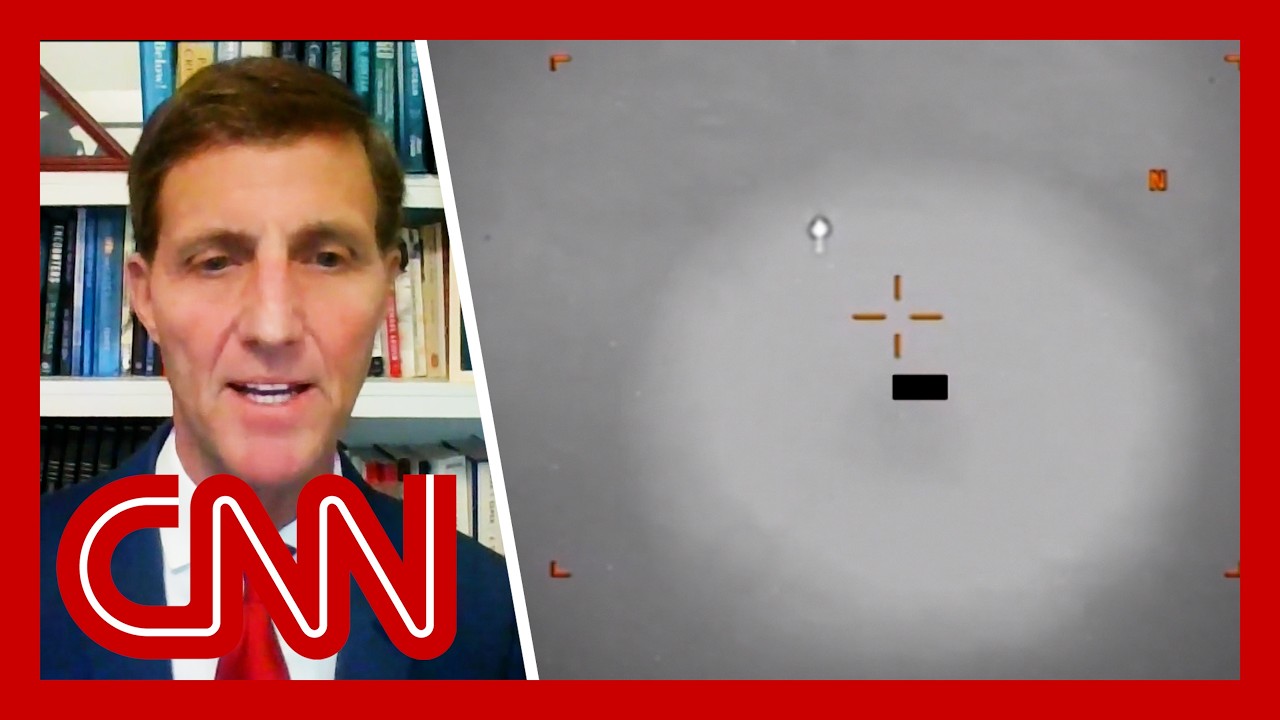
  • US military conducted strikes on five Iranian oil tankers near Kharg Island in response to Iranian ballistic missile attacks on a US Navy ship.
  • Iranian officials warned that US bases in the Middle East would be targeted if Iranian oil tankers were attacked.
  • US bases in the Middle East have suffered significant damage, leading to discussions about reducing US military presence in the region.
  • Retired generals highlighted vulnerabilities in US air defenses, especially against drone and missile swarms.
  • High-value US military assets like aircraft carriers and AWACS aircraft are unlikely to remain in the Gulf due to increased risks.
  • Kharg Island is a strategic oil loading terminal, accounting for about 90% of Iran's oil exports.
  • There are concerns Iran may be receiving technical assistance from state actors like China or Russia for missile technology.
  • The US strikes serve as a warning to Iran to deter further attacks on US naval assets and infrastructure.
  • The conflict is escalating with potential retaliatory threats against ships in the region, raising fears of further violence.
  • The US administration faces challenges in strategy due to Iran's unpredictability and domestic opposition to the ongoing conflict.

Answers

Questions about this video

Why did the US strike Iranian oil tankers near Kharg Island?

The US struck five Iranian oil tankers in retaliation for Iran firing ballistic missiles at a US Navy ship, signaling a strong response to Iranian aggression.

What is the strategic importance of Kharg Island?

Kharg Island is the main loading terminal for about 90% of Iran's oil exports, making it a critical point in the region's oil supply and a key flashpoint in the conflict.

How vulnerable are US military bases in the Middle East currently?

US military bases in the Middle East are increasingly vulnerable due to damage sustained in the conflict and challenges in defending against drone and missile attacks, prompting discussions about reducing US presence.

Full Transcript — Download SRT & Markdown

00:00
Speaker A
Breaking news. We have just obtained new video of US strikes on five Iranian oil tankers in retaliation for Iran firing ballistic missiles at a US Navy ship. The video comes as a top Iranian military official warns that US bases in the Middle East will be targeted if Iran's oil tankers are attacked. And those US bases are now incredibly vulnerable and diminished because of the Iran war. Tonight, CNN reports that US officials are in fact discussing reducing America's military presence in the Middle East if and when the conflict ends, in part because US bases have suffered substantial damage in the war. And by the way, getting rid of those bases, to be clear, is a key Iranian demand of any peace deal. Out front now, retired Army Major General Randy Manor. And I appreciate your time, General. So, you know, we are learning tonight about this major series of strikes, Iranians targeting US bases in Jordan. And we can see a lot of missiles in the sky, whether that's clusters or because of interceptions, right? There's a lot in the sky there. How at risk are US troops right now? There is considerable risk to US forces in the Middle East. We still have not been able to modify our techniques of intercepting large numbers of drones. Many of those situations you're seeing in that video imply a large, again a large number of not missiles necessarily high-speed missiles but rather some types of drones that are propelled because they're obviously by rocket because they are lighting up the sky. So our troops are at risk because we've not adapted to this new form of warfare the way the Ukrainians have. So the US now is, you know, the response is they're striking Iranian oil tankers. You've got this base retaliation from Iran and this reduction in military presence, right, that we're reporting is being discussed that's happening because of a reality which is that while there has not been much transparency from the United States, there has been significant damage to US bases. Right. And include CIA presence near some of those bases. So, retired Army General David Petraeus recently said something, you know, incredibly blunt and quite shocking really. I mean, he was willing to say this about the US military. Let me play it. It's using that as enormous leverage. Both the ability to hold our bases, although we have moved a lot of the assets that used to be in the eastern Gulf States, those bases are no longer viable. It's the last line there, General. I just wanted to give you a chance to respond to the assets in the eastern Gulf States. I mean, we're talking, you know, Bahrain, Kuwait, UAE, right? You're talking about all of those, those massive bases, right? Massive bases, fifth fleet. General Petraeus is saying those bases are no longer viable. I think, I don't mean to correct the general. I believe that it is something where we don't have the kind of air defense we need to be able to cover all of the bases we have there, especially the high-value targets, for example. You're not going to see any large ships docking in Bahrain anymore. It's just too lucrative a target, too expensive for the United States if it was to lose it. Remember that we have over a brigade's worth of armored vehicles. Hundreds and hundreds of tanks and armored personnel carriers in Kuwait right now. It took a long time to get them there. It would take a long time to get them out and we will not abandon those. We need to protect those assets on the ground. So, I think what we're going to see perhaps quite frankly is an adjustment of the assets we keep in the Middle East because we have to tighten our defenses until we modify the way that we counter these drone attacks. And that means large, high-value targets like an AWACS aircraft or like an aircraft carrier, you're not going to see them in the Gulf in that area anymore. In contrast, other ones where you cannot move large amounts of armored vehicles, we've got to figure out a way to protect them. The US military, we are told, targeted multiple Iranian tankers near Car Island earlier today. That's a key piece of land in the Persian Gulf. CNN national security analyst Alex Blitz joins us now. Alex, so a US official tells us that this is in response to attempted missile attacks on a US Navy warship by the Iranians. What are you hearing? So that is what I'm hearing as well. And this is the second such attempted attack. One over the weekend and then one that was undisclosed as of yesterday. And there's some concerns that the Iranians may be getting some outside technical assistance from a state actor such as either China or Russia in that these missiles, these new missiles as they're calling it, could be using electrical optical seekers in which case they would still need to have general direction of the ships. But that's an advancement that they hadn't previously seen. This is now strike number two in the last couple days. And so the US, I think, was sending a clear message back to the Iranians that they're not going to get away with it. Car Island has been a consistent flash point. At one point, President Trump weighed even putting US troops on the ground there. Remind us why Car Island is so important. Exactly. So, it is incredibly important. If we look at the imagery that's now up on screen, you'll see Car Island is all the way up at the top of the Arabian Gulf there, the Persian Gulf as you'll see. And that's the loading station for about 90% of the oil from Iran that comes out of there. So the idea was behind seizing it, if you know, US forces were to seize the terminals there themselves, the Iranians wouldn't want to blow up their ability to actually get oil out and the US would then kind of negotiate over its release. At least that was the concept being discussed or floated. And the president's tweeted multiple times or at least his Truth Social post that he would, you know, blow it up potentially in retaliation for things happening. He released an AI-generated image of Car Island suggesting that it could be hit. And I think it was a warning to the Iranians following two attempted attacks on ships, US naval ships we just talked about. And then to back that up, he now hit the tankers around the island. I think to further that message to the Iranians that if they keep this up, Car Island is next. But now we're hearing they have just warned ships in the region around Kuwait and other places that they could be struck in response to this latest US attack. So this could actually now see an escalatory pattern of violence coming shortly. Do White House officials believe the US has this under control? Do they worry about escalation? Well, it's certainly hard to come up with a strategy when you can't trust your enemy and your enemy is unpredictable. And as you noted, these strikes are in response, in retaliation for Iranian attempted strikes at a US Navy carrier. And this comes just days after Vice President JD Vance said that he didn't believe that you could call what was happening in Iran a war, citing specifically that there was no fire being traded. Now that had been shortly after we had seen an exchange of fire and now of course we are seeing this again and we have to remember that the White House wants this as far away from them as possible. They understand that there's not going to be an end to the war, but they are trying to get out of these military operations, which they have intelligence that shows isn't really helpful when it comes to Iranians getting to the negotiating table. But on top of that, it is a reminder to the American people when these attacks go on that they are still in a war with Iran. And this war is deeply unpopular with Americans across the board. So there the strategy has been and has been tried by this administration continues to be tri
00:15
Speaker A
oil tankers are attacked. And those US bases are now incredibly vulnerable and diminished because of the Iran war. Tonight, CNN reports that US officials are in fact discussing reducing America's military presence in the Middle East if and when the conflict ends in part because
00:31
Speaker A
US bases have suffered substantial damage in the war. And by the way, getting rid of those bases, to be clear, is a key Iranian demand of any peace deal. Out front now, retired Army Major General Randy Manor. And I appreciate your time, General. So, you know, we we are learning tonight about uh
00:48
Speaker A
this major series of strikes, Iranians targeting US bases in Jordan. Uh and we can see a lot of missiles in the sky, whether that's clusters or because of interceptions, right? There's there's a lot in the sky there. How at risk are US troops right now? There is considerable risk
01:09
Speaker A
to US forces in the Middle East. We still have not been able to modify our techniques of intercepting large numbers of drones. Many of those situations you're seeing in that video imply large again a large number of not missiles necessarily high-speed missiles but rather
01:26
Speaker A
uh some types of drones that are propelled because they're ob by rocket obviously because they are they're lighting up the sky. So our troops are at risk because we've not adapted to this new form of warfare the way the Ukrainians have. So the US now is, you know, the response is they're striking
01:44
Speaker A
Iranian oil tankers. You've got these this base retaliation from Iran and and this reduction in military presence, right, that that we're reporting is being discussed that's happening because of a reality which is that while there has not been much transparency from the United States,
02:00
Speaker A
there has been significant damage to US bases. Right. And include and and CIA presence near some of those bases. So, retired Army General David Petraeus recently said something, you know, incredibly blunt and quite s shocking really. I mean, he did he was willing to say this uh about
02:17
Speaker A
the US military. Let me play it. It's using that as enormous leverage. both the ability to hold our bases, although we have moved a lot of the assets that used to be in the eastern Gulf States, uh those bases are no longer viable. It's the last that line there, General. I just wanted to
02:38
Speaker A
give you a chance to respond to the assets in the eastern Gulf States. I mean, we're talking, you know, Bahrain, Kuwait, UAE, right? You're talking about all of those those in massive bases, right?
02:49
Speaker A
Massive bases, fifth fleet. General Petraeus is saying those bases are no longer viable. I think I don't mean to correct the general. I believe that it is something where we don't have the kind of air defense we need to be able to cover all of the bases we have there, especially the high-value
03:08
Speaker A
targets, for example. You're not going to see any large ships docking in Bahrain anymore. It's just too lucrative a target, too expensive for the United States if it was to lose it. Remember that we have over a brigades worth of armored vehicles. Hundreds and hundreds of tanks and
03:26
Speaker A
armored per personnel carriers in Kuwait right now. It took a long time to get them there. It would take a long time to get them out and we will not abandon those. We need to protect those assets on the ground. So, I think what we're going to see perhaps quite frankly is an adjustment of
03:43
Speaker A
the assets we keep in the Middle East because we have to tighten our defenses until we modify the way that we counter these drone attacks. And that means large val highv value targets like an Awax aircraft or like a aircraft carrier, you're not going to see them in the Gulf in that area
04:02
Speaker A
anymore. In contrast, other ones where you cannot move large amounts of armored vehicles, we've got to figure out a way to protect them. The US military, we are told, targeted multiple Iranian tankers near Carg Island earlier today. That's a key piece of land in the Persian Gulf. CNN
04:20
Speaker A
national security analyst Alex Blitz joins us now. Alex, so a US official tells us that this is in response to attempted missile attacks on a US Navy warship by the Iranians. What are you hearing? So that is what I'm hearing as well. And this is the second such attempted attack. One over the weekend
04:38
Speaker A
and then one that was undisclosed as of yesterday. And there's some concerns that the Iranians may be getting some outside technical assistance from a state actor such as either China or Russia in that these missiles, these new missiles as they're calling it could be using electrical optical
04:50
Speaker A
seekers in which case they would still need to have general direction of the ships. But uh that's an advancement that they hadn't previously seen. Uh this is now strike number two in the last couple days. And so the US, I think, was sending a clear message back to the Iranians that they're
05:02
Speaker A
not going to get away with it. Car Island has been a consistent flash point. At one point, President Trump weighed even putting US troops on the ground there. Remind us why Car Island is so important.
05:15
Speaker A
Exactly. So, it is incredibly important. If we look at the imagery that's now up on screen, you'll see Car Island is all the way up at the top of the Arabian Gulf there, the Persian Gulf as as you'll see. And that's the loading station for about 90% of the oil from Iran that comes out
05:27
Speaker A
of there. So the idea was behind seizing it, if you know, US forces were to seize the the terminals there themselves, the Iranians wouldn't want to blow up their ability to actually get oil out and the US would then kind of negotiate over its release. At least that was the concept being
05:39
Speaker A
discussed or floated. And the president's tweeted multiple times or at least his true social post that he would, you know, blow it up potentially in retaliation for things happening.
05:47
Speaker A
He released an image of AI generated image of Car Island suggesting that it could be hit. Uh, and I think it was a warning to the Iranians following two attempted attacks on ships that we US naval ships we just talked about. And then to back that up, he now hit the tankers around the
06:01
Speaker A
island. I think to further that message to the Iranians that if they keep this up, Car Island is next. But now we're hearing have just warned ships in the region uh around Kuwait and other places that they could be struck uh in response to this latest US attack. So this could actually
06:15
Speaker A
now see an escalatory pattern of violence coming shortly. M do White House officials believe the US has this under control? Do do they worry about escalation? Well, it's certainly hard to come up with a strategy when you can't trust your enemy and your enemy is unpredictable. And as you noted,
06:33
Speaker A
these strikes are in response in retaliation for you. Iranian attempted strikes at a US naval navy carrier. A and this comes just days after Vice President JD Vance said that he didn't believe that you could call what was happening in the in Iran a war citing specifically that there was no
06:53
Speaker A
fire being traded. Now that had been shortly after we had seen an exchange of fire and now of course we are seeing this again and we have to remember that the White House wants this as far away from them as possible. They understand that there's not going to be an end to the war,
07:07
Speaker A
but they are trying to get out of these military operations, which they have intelligence that shows isn't really helpful when it comes to Iranians getting to the negotiating table.
07:16
Speaker A
But on top of that, it is a reminder to the American people when these attacks go on that they are still in a war with Iran. And this war is deeply unpopular with Americans across the board.
07:29
Speaker A
So there the strategy has been and has been tried uh by this administration continues to be tried by this administration is one of economic strangulation of Iran. But they obviously at the same time cannot let any kind of attacks on US ships or any ships that are
07:46
Speaker A
passing through the straight of Hormuz or as it was a week and a half ago the Iranians trying to lay mines in the straight of Hormuz. uh they can't let that happen without any kind of retaliation and it doesn't seem as though Iran is going to stop anytime soon. So it does appear that there's
08:04
Speaker A
going to be a back and forth continuously. As long as Iran is going to strike ships, as long as Iran is going to play dirty in the straight of Hormuz by laying these mines that the United States President Trump says they've cleared, we have no indication that Iran is going to stop anytime
Topics:US strikesIranian tankersKharg IslandMiddle East conflictIran ballistic missilesUS Navymilitary bases vulnerabilitydrone warfareIran-US tensionsregional escalation

Get More with the SozAI App

Transcribe recordings, audio files, and YouTube videos — with AI summaries, speaker detection, and unlimited transcriptions.

Or transcribe another YouTube video here →