Nick Saraev explores strategies to reduce token usage in Fable AI, saving up to 50%+ on costs without sacrificing quality.
Key Takeaways
- Token reduction methods can cut usage by 30-50% or more without quality loss.
- RTK is highly effective in minimizing redundant internal tool call data.
- Semantic compression improves prompt and memory efficiency by removing superfluous language.
- Using databases like SQLite for logs avoids costly full-text reads.
- Sampling large files instead of full reads prevents excessive token consumption.
Summary
- Nick spent over $2,400 on Fable tokens to test optimal token reduction strategies.
- Introduces RTK (Rust Token Killer) which minifies tool inputs/outputs, reducing token usage by up to 99% in some cases.
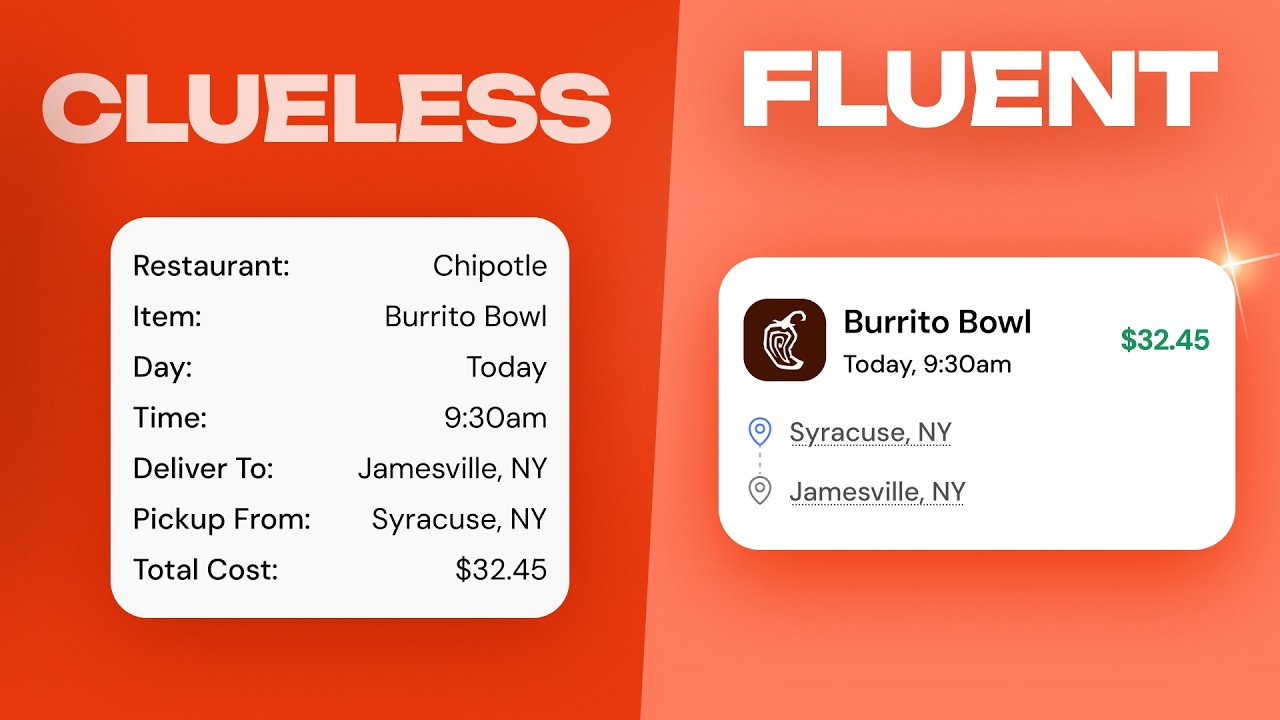
- Explains semantic compression to rewrite sentences with maximum information density, cutting token counts significantly.
- Demonstrates logs to SQLite method to efficiently query large log files without reading them fully.
- Discusses blocking huge reads by sampling large files instead of reading them entirely to save tokens.
- Highlights that these methods maintain output quality while drastically reducing token consumption.
- Mentions that Claude's adaptive thinking mode tends to use more tokens than necessary.
- Offers free access to token reduction tools and demos in the video description.
- Encourages viewers to engage with comments and questions about token optimization.
- Provides practical demos for each technique to illustrate real-world application.
Chapters
- 00:00Introduction and Spending Overview
- 01:00RTK (Rust Token Killer) Token Reduction Demo
- 02:55RTK Efficiency and Token Savings
- 03:55Semantic Compression Demo and Results
- 04:55Logs to SQLite for Efficient Log Queries
- 05:48Blocking Huge Reads Strategy
- 06:42Additional Notes on Token Efficiency and Model Behavior
- 14:30Conclusion and Viewer Engagement