Skip to content
Get App

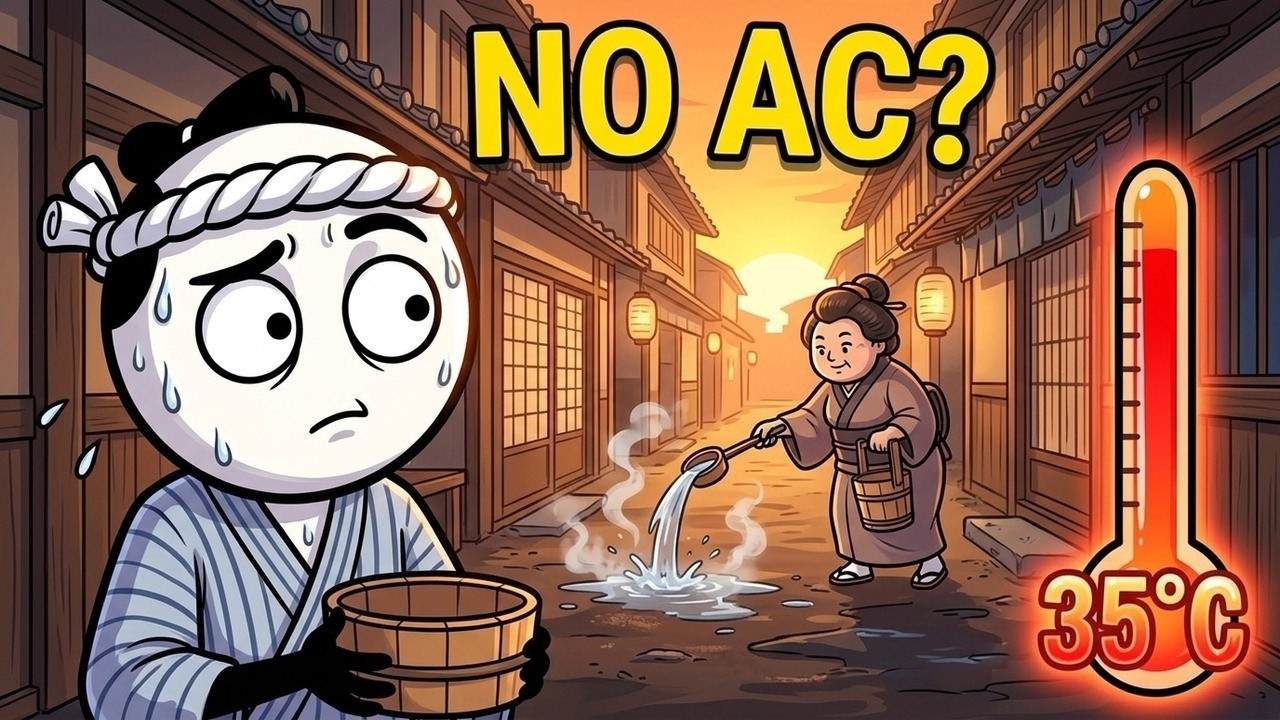
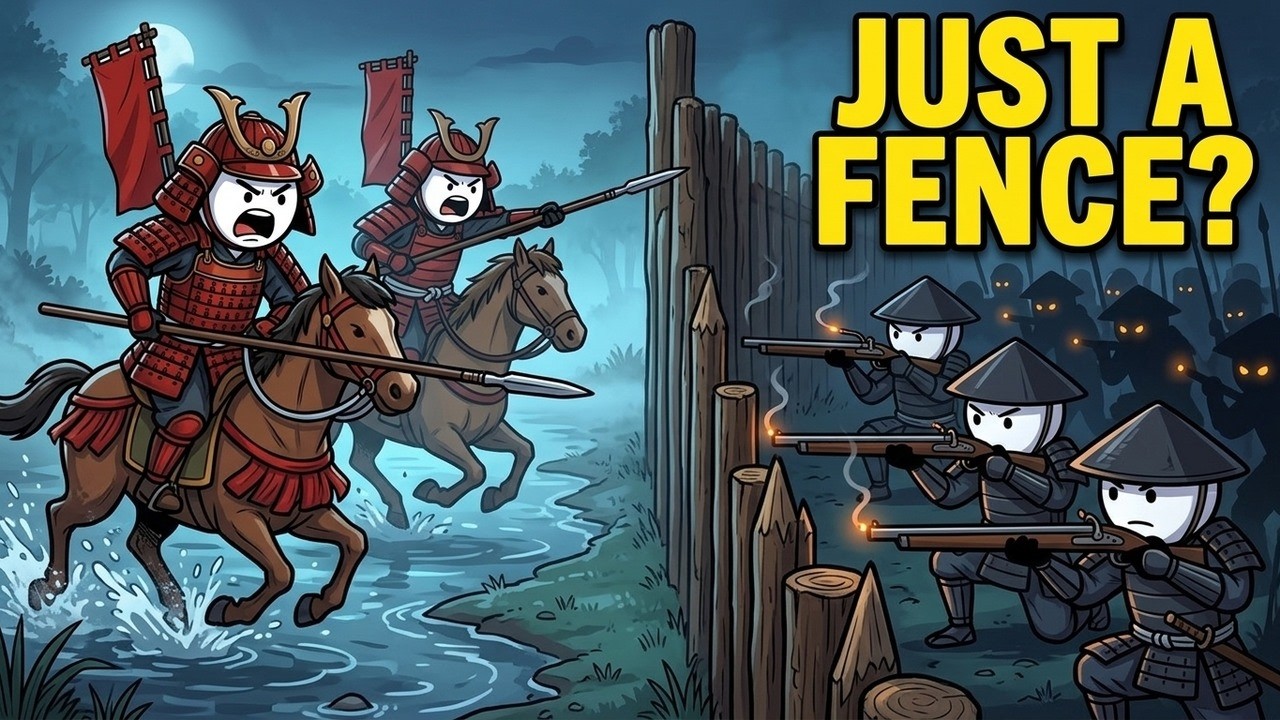
What Did Samurai Actually Do All Day?

A narrated day in the life of an imagined Edo-period samurai retainer, covering money worries, clerical duties, firefighting, practice, and the realities behind the warrior image.

Key Takeaways

  • Samurai in the Edo period were largely administrators and government servants, not active warriors.
  • Peace under the Tokugawa shogunate shifted samurai life toward paperwork, ceremony, and financial strain.
  • Samurai income and debt were complex, often mediated by brokers and lenders.
  • Martial training persisted as an expectation of readiness even during peacetime.

What the video covers

  • Follows an imagined modest samurai retainer through a single day in Edo-period Japan under the Tokugawa shogunate.
  • Explains how samurai income reached households, including rice stipends, rice brokers (fudasashi), and loans against future income.
  • Shows that samurai served as administrators and clerks as well as warriors, with records and paperwork central to government work.
  • Cites historical sources such as a 1836 merchant house code, an 1814 guide to shogunate offices, and an 1864 attendance register.
  • Describes firefighting in Edo, including the tactic of pulling down buildings to create firebreaks, carried out by daimyo and shogunate units and townspeople's brigades.
  • Notes the 1615 laws for military households requiring literary study alongside archery and horsemanship.
  • Mentions 18th-century development of bamboo swords and protective gear, a step toward modern kendo.
  • Highlights the gap between the warrior ideal and everyday concerns such as debt, status display, and office routine.
  • Emphasizes that peace did not eliminate the need for readiness or responsibility.

Answers

Questions about this video

Is the samurai in this video a real historical person?

No. The narrator explicitly describes him as an imagined modest retainer with clerical duties. His day draws on documented samurai activities and historical sources rather than a specific individual.

How did samurai in Edo get their income?

According to the transcript, some retainers received income from land while others received allowances from government rice stores. Rice brokers called fudasashi handled receiving and selling that rice, and they also made loans against future income.

Did samurai still train in martial arts during the peaceful Edo period?

Yes. The transcript cites 1615 laws for military households that required literary study alongside archery and horsemanship. It also notes that 18th-century bamboo swords and protective equipment helped develop contact practice that led toward modern kendo.

Full Transcript — Download SRT & Markdown

00:00
Speaker A
You are a samurai. You have two swords, a family name to protect, and somewhere you need to be this morning.
00:07
Speaker A
Unfortunately, before you can leave, there is a household problem. Money. You count what is available. Count it again.
00:15
Speaker A
Your social position has not improved the total. There is no enemy at the gate and no battle to win today.
00:22
Speaker A
So, what exactly are you being paid to do? By the end of this day, the swords may be the least surprising thing about you.
00:30
Speaker A
We are in Edo, the city that would become Tokyo in the early 1800s. The Tokugawa shogunate has ruled since 1603.
00:38
Speaker A
Japan still has unrest and conflict, but the constant campaigning of earlier warrior generations has given way to a long period of relative peace.
00:47
Speaker A
Our guide through it is an imagined modest retainer with clerical duties. His day draws on documented samurai activities with a few detours into other lives. He is not a great lord. That will become painfully clear when we get to
01:00
Speaker A
the shopping. First, get dressed. For this morning, leave the battlefield armor out of the picture. You are going to work.
01:08
Speaker A
The pair of swords helps announce your status, and the fittings can say something about your taste and resources. They are objects people notice.
01:16
Speaker A
Imagine straightening your clothing, checking that everything looks respectable, and then looking back at the household accounts.
01:22
Speaker A
From the street, you will look like a member of the warrior class. From inside the house, you are the person who still has to make the money last.
01:30
Speaker A
The trouble begins with how income reaches a samurai household. Arrangements differ. Some of the shogun's retainers draw income from land. Others receive allowances from government rice stores.
01:41
Speaker A
For the latter, rice brokers called fudasashi can handle receiving and selling that rice, because an allowance and spending money are not quite the same thing.
01:51
Speaker A
Picture the transformation. Rice in a storehouse, a transaction, money you can use. By the time you reach the shop, the important question is not how impressive your stipend sounds, it is what you actually have left. Those brokers also
02:05
Speaker A
make loans against future income, which brings us to a possible solution for our short-of-money retainer. Borrow now and repay later. Excellent. The household can breathe again.
02:16
Speaker A
Except, part of the next payment is already spoken for. Merchants may rank below warriors in the social ideal, but wealth does not arrange itself so politely. Imagine sitting opposite a lender trying to look dignified while he considers the
02:30
Speaker A
numbers. The swords are visible. So is the debt. One of those interests him considerably more than the other.
02:38
Speaker A
For our imagined household, borrowing keeps the day moving. It has not made anything cheaper. Before leaving, you work out what can wait and what cannot.
02:47
Speaker A
The attractive purchase can wait. The necessary one is coming home with you. Remember that decision, because later the city will give you plenty of opportunities to regret being sensible.
02:58
Speaker A
For now, there is another claim on your time. Your income belongs to a world of service and obligations. You cannot spend the whole morning admiring the fact that you have it. So, you head to work. Someone has to keep records, pass
03:11
Speaker A
on instructions, and deal with the business of government. In the Edo period, samurai fill administrative roles as well as military ones. A merchant house code from 1836 describes their place in precisely that combination, martial study and government service. That is what the
03:27
Speaker A
role is supposed to include. The familiar image gives us the trained warrior. This morning, we are following the part of the job that requires someone to sit down and read carefully.
03:37
Speaker A
Your exact duties depend on the position you hold. A surviving guide from 1814 sets out shogunate offices, their responsibilities, and routes of promotion. This is a career with distinctions to understand. You might be assigned clerical work. Another retainer
03:52
Speaker A
might have guard duties. Put yourself at our clerk's desk. There is a document in front of you, a superior who expects something from it, and no amount of heroic posture that will make an unclear instruction understandable. You pick up
04:04
Speaker A
the brush. This is going to take actual concentration. Imagine noticing an error just before you finish. A detail needs checking. The document goes back in front of you. You can almost hear the heroic soundtrack giving up. But, this
04:19
Speaker A
is where literacy matters. Records and instructions have consequences beyond the room where they are written. The person receiving the document needs it to work, not to look dramatic. So, you check it. There may be no glorious story to tell afterward. There may simply be
04:34
Speaker A
one less problem for the next person to sort out. If this still sounds suspiciously familiar, Japan's National Archives has something for you. A shogunate clerk writes to his colleagues because he is still ill and cannot come to work. He asks them to tell his
04:48
Speaker A
superior and explains that there is no urgent business waiting. A real letter. Behind the warrior reputation is a man handling his absence from the office.
04:57
Speaker A
You can picture the difficult part, being ill enough to stay home while still having to think about work. Even the samurai past has managed to bring paperwork into the bedroom. And much later, in 1864, an attendance register records the officials responsible for
05:12
Speaker A
keeping and maintaining the shogun's swords. Attendance, illness, extra duty. Even the swords have a staffing problem.
05:20
Speaker A
This is what the warrior image tends to leave out. The equipment, offices, and people needed to maintain the institution around the weapon. Our clerk gets through his morning inside that larger world, but change his appointment and the danger changes, too. Across Edo,
05:36
Speaker A
there are duties where a quiet day can end very suddenly. Imagine smoke rising beyond the roofs. For a moment, leave our clerk at his desk and follow the people whose job is to respond. Edo has firefighting organizations attached to
05:50
Speaker A
daimyo households and permanent units under shogunate retainers, alongside separate townspeople's brigades. Military government includes responsibility for emergencies. The fire does not care about anyone's family name. It gives everyone nearby a practical problem. Stop it spreading.
06:07
Speaker A
And one of the ways to do that can look to somebody watching like making the situation much worse. They pull down buildings. Buildings that may not yet be burning. Removing them creates a break in the fuel available to the flames. Now
06:21
Speaker A
picture the scene from the street. People working to destroy a structure because leaving it standing could help destroy much more. There is no opponent to challenge and no single dramatic blow that ends the danger. The task depends on people acting together. Suddenly, the
06:36
Speaker A
morning spent on orderly administration seems rather appealing. Peace means there is no battle today. It does not mean there is nothing to protect. Back to our retainer. Given a day full of documents, you might think the military training could quietly disappear. But
06:51
Speaker A
the expectation remains. The laws for military households issued in 1615 call for literary study alongside martial practice, including archery and horsemanship. Their point is that peace is no excuse to forget readiness. That does not tell us how diligently every
07:08
Speaker A
man practices. It tells us what he is meant to take seriously. So, when our imagined day's duties allow, the brush goes down and practice begins. The scene does not have to involve two men trying to injure each other with sharp steel.
07:22
Speaker A
During the 18th century, bamboo swords and protective equipment helped develop contact practice with less danger. This is part of the history leading toward modern kendo.
07:32
Speaker A
Imagine our retainer facing a partner in a practice space. He has spent the morning exercising his judgment. Now his feet need to contribute. He moves forward, commits too early, and discovers that the other man has noticed. There goes the impressive
07:46
Speaker A
entrance. Try again. This time, watch the distance. Your partner is still not where you would prefer him to be. The exercise is wonderfully indifferent to the dignity you brought into the room. Your family name cannot place your feet for you. You
08:00
Speaker A
need repetition, attention, and the willingness to discover the same mistake more than once. And notice the change. A weapon that announces your position outside becomes something you actually have to learn to handle inside. Looking like a warrior was the easy part. And
08:16
Speaker A
when practice ends, you are not necessarily finished learning. Literacy, documents, cultural knowledge, these also belong to an educated warrior's world. Imagine handing our retainer a difficult passage to read just when he was hoping the demanding part of the day
08:30
Speaker A
was over. He understands the words. Does he understand what they mean here? Can he explain the point clearly? The uncomfortable thing about education is that it keeps finding ways to make a capable feel like a beginner. There is
08:44
Speaker A
no scabbard you can put that problem back into. A mummy leads. Poetry, painting, theater, and tea can bring prestige as well as enjoyment. To see why that matters, imagine being excellent at one skill and then entering a room where
08:57
Speaker A
everyone values another. You cannot win this conversation by demonstrating a sword cut. You have to listen, understand the references, and know how to behave. A modest retainer is not automatically spending every afternoon in a magnificent garden. But the wider
09:12
Speaker A
warrior world has more than one way to judge a man, and he does not get to choose all of them. At this point, our samurai may be looking suspiciously well-behaved. Service, practice, study.
09:24
Speaker A
So, let us interrupt him with somebody real. Katsu Kokichi. His autobiography describes running away, fighting, and supplementing a small stipend, including by dealing in swords. This is one man's account of himself, not a portrait of every samurai, but it puts a crack in
09:40
Speaker A
the image of a class made entirely of disciplined serene men. Some people faced a shortage of money and a set of expectations, then made decisions nobody would put in the official instructions.
09:51
Speaker A
Keep that distinction in mind as our retainer returns to the city. The ideal tells him what sort of person he ought to be. His remaining money tells him what he can buy. And now the street presents a far more approachable form of
10:03
Speaker A
temptation than a dramatic moral crisis. Something he wants and does not need. He stops, looks, mentally spends the money.
10:13
Speaker A
For a few pleasant seconds, the purchase is entirely possible. Then the household list returns to his thoughts. He has already promised himself he will be sensible today. Samurai did shop. The Bank of Japan's Currency Museum describes visitors to Edo buying
10:28
Speaker A
everyday goods, purchasing things requested by people back home, and eating out. Think of the change in perspective. A journey to the political center of the country can also be a chance to get something for somebody who stayed behind. Imagine carrying an
10:41
Speaker A
important responsibility for your lord and a much smaller request from your family. Completing the first will not necessarily get you out of explaining why you forgot the second. Our retainer chooses the necessary purchase and leaves the tempting one behind. A small
10:55
Speaker A
victory, unlikely to inspire a monument, but it changes the end of his day. He can go home with what was needed instead of with an explanation. That is the scale at which much of ordinary life happens. The morning's decision about
11:08
Speaker A
money has followed him through the city. He still has the same swords and the same status. What he wants now is somewhere to put down what he is carrying and a little time with the people inside. And those people have
11:20
Speaker A
lives that do not pause until a warrior comes home. For a real glimpse, look at a diary from the Ono family in shogunate service. In 1757, a childbirth becomes the focus of the record. Who comes to help, How mother and baby are doing?
11:34
Speaker A
Relatives arriving. For a moment, the important questions in this household have nothing to do with a weapon. Is she all right? Is the child all right? Who can help? A family record brings the whole story closer to the ground.
11:47
Speaker A
Illness could pull service and family in different directions, too. The archives document leave to care for seriously ill relatives, including a case from 1868 at the very end of the shogunate.
11:58
Speaker A
Permission to step away from duty could matter enormously to the people at home. Our imagined day has been uneventful by comparison. Yet, even here, arriving home is not the same as becoming free of obligations. There are other people to
12:11
Speaker A
answer to. They just have different reasons for wanting your attention. At least he gets to come home. Another retainer's service might take him a long way from it.
12:21
Speaker A
To see that day, leave our clerk and join the entourage of a daimyo, a regional lord.
12:26
Speaker A
Under the system of alternate attendance, daimyo spend alternating periods in Edo and their domains. They do not travel alone. That means a samurai can find himself setting out on a long journey with weapons and companions, looking very much like a man
12:40
Speaker A
going to war, while actually helping his lord get to the place he is required to be.
12:46
Speaker A
A hand scroll from around 1700 shows one such procession with hundreds [snorts] of attendants, weapons, ceremonial objects, and belongings.
12:54
Speaker A
The lord travels in a palanquin. It is an impressive image of organized power. Now, imagine moving from the position of the artist to the position of somebody carrying the luggage.
13:05
Speaker A
The grand procession immediately becomes a series of practical questions. Is everything with us? Are we keeping up?
13:11
Speaker A
What has to be carried to the next stop? The view is considerably less majestic when much of it is the person in front of you.
13:18
Speaker A
There is a reason for all this movement beyond ceremony. Requiring lords to spend time in Edo, with their families remaining there during their absences, helps the shogunate keep them under control.
13:29
Speaker A
From above, it is a political arrangement. From inside the entourage, it means the road has to be covered whether you feel like traveling or not.
13:37
Speaker A
The retainer's day is being shaped by a decision far above him. You can carry two swords and still have very little say over where you will be sleeping next. Back in our clerk's home, the uneventful evening starts to look rather
13:49
Speaker A
good. He has dealt with work, found time to practice, resisted a purchase, and brought home what was needed. Nobody has challenged him to a duel. For once, nobody has required him to travel, either.
14:01
Speaker A
He puts his things down. The day has produced no heroic victory, but several small tasks are finished.
14:07
Speaker A
That is an answer to the question we started with. What happens to a warrior when the battle does not come?
14:14
Speaker A
Quite a lot, as it turns out. The men who inherited a warrior's place in society also had a government to run, duties to perform, and military skills they were expected to maintain. Their rank brought privileges, but it did not
14:26
Speaker A
give every household the same resources or every man the same job. To understand our retainer, you need all three things we met this morning. The swords that mark his position, the work that fills his appointment, and the income that has
14:39
Speaker A
to support his household. Following only the weapons would have missed almost everything he did today. And tomorrow?
14:46
Speaker A
Perhaps another ordinary day. Unless, like the man whose letter survived, he wakes up ill and has to let his colleagues know he cannot come in.
14:54
Speaker A
After all the legends, we are left with somebody trying to meet his obligations, keep a household going, and get through the week. The swords make him look distant. That little letter makes him feel remarkably close. Subscribe to Past
15:07
Speaker A
in Ink for more of the everyday lives behind history.
Topics:samuraiEdo periodTokugawa shogunateJapanese historydaily lifesamurai economybushi administrationkendo historyEdo firefightinghistory education

Get More with the SozAI App

Transcribe recordings, audio files, and YouTube videos — with AI summaries and speaker detection. 30 minutes free.

Or transcribe another YouTube video here →