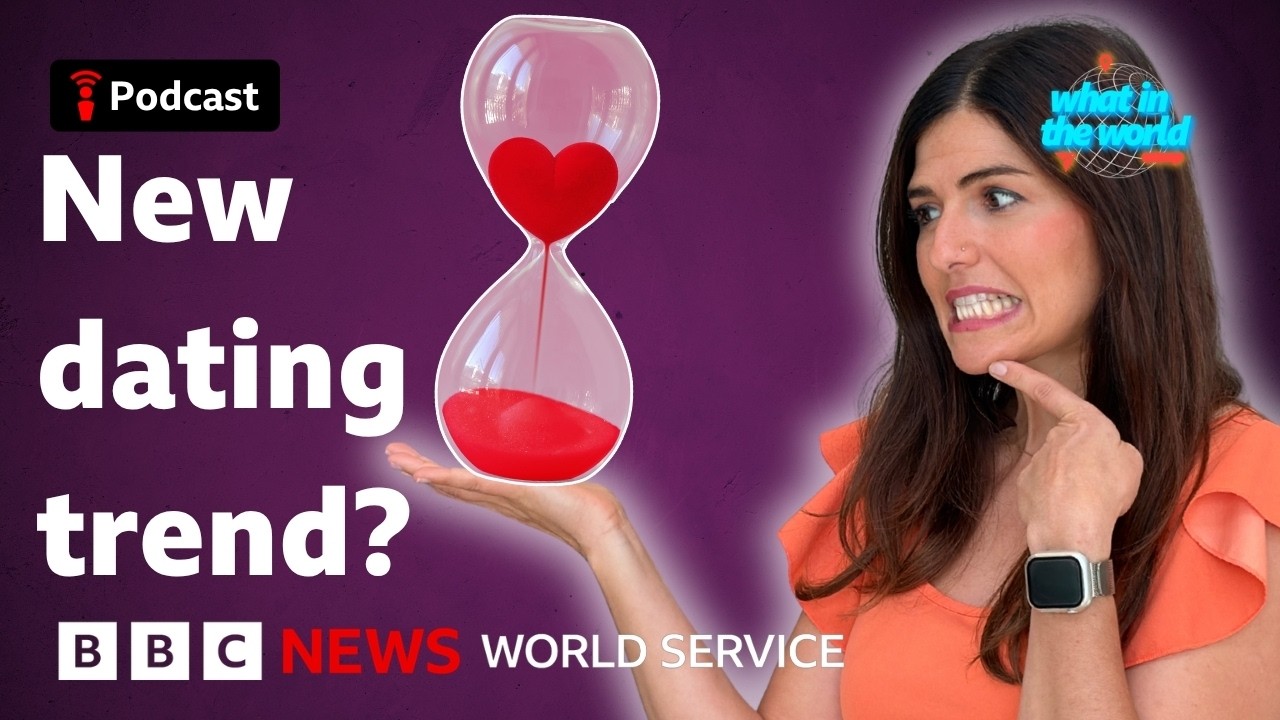
Exploring the whimsymaxxing trend, its origins, evolution, and the environmental concerns around rhinestone embellishments popularized by social media.
Key Takeaways
- Whimsymaxxing started as a way to add magic and joy to everyday life through simple, natural acts.
- The trend has shifted towards a more commercialized and wasteful form involving rhinestones and flashy decorations.
- This shift raises environmental concerns about microplastic waste and performative consumption.
- There is a growing movement to reclaim whimsy as an accessible, low-cost, and meaningful lifestyle choice.
- Mindful engagement with trends is encouraged to avoid overconsumption and environmental harm.
What the video covers
- Whimsymaxxing is part of the larger maxing trend, involving adding playful, whimsical touches to everyday life.
- The trend originates from the desire to bring childlike magic and romanticism into ordinary daily experiences.
- Early whimsy focused on natural, accessible, and low-cost ways to add joy, like noticing small beauties in nature.
- Recently, the trend has evolved to include excessive use of rhinestones and bright decorations, influenced by celebrities like Kylie Jenner.
- This new rhinestone-focused whimsy has sparked backlash due to its performative nature and environmental impact.
- Concerns include waste culture, microplastic pollution, and the disposability of decorative items used for social media photos.
- De-influencers criticize the commercialization of whimsy, warning against turning it into a consumerist aesthetic.
- There is a call to return to the original spirit of whimsy—playfulness and curiosity without overconsumption.
- The podcast discusses the irony of online trends promoting offline activities and encourages mindful participation.
- The episode concludes with reflections on the true meaning of whimsy as an internal sparkle rather than external decoration.
Chapters
- 00:00Introduction to Whimsymaxxing and the Maxing Trend
- 00:31Clarifying the Meaning of Whimsical
- 00:53Origins of the Whimsy Trend
- 01:28Personal Reflections on Whimsy
- 02:09Childlike Magic and Nostalgia in Whimsy
- 02:50Evolution of the Whimsy Trend on Social Media
- 03:31The Rhinestone Whimsy Trend and Celebrity Influence
- 04:06Environmental Concerns and Performative Consumption
- 05:18De-influencer Perspective on Whimsy and Consumerism
- 08:01Encouraging Mindful Participation and Closing Remarks
Full Transcript — Download SRT & Markdown
Speaker A
Whimsymaxxing is everywhere because maxing itself is a huge trend. I'm adding little sprinkles to my coffee, flowers to my food.
Speaker A
I'm making birthday fairy crowns. We are maxing everything. It's not like a to-do list, a checklist that you can go and just buy all these things and poof, you're whimsy.
Speaker A
Videos of whimsy are all over our socials. Floaty skirts, dancing around in meadows, putting sprinkles on your breakfast cereals.
Speaker A
But the trend has evolved and not everyone's happy about it. I hate the whimsy trend because I know none of you guys are really whimsical.
Speaker A
And also, yeah, because you're not even using the word right. It's not like, oh, how to be more whimsy? No, it's whimsical, number one.
Speaker A
So what happened to whimsy and when did it become so wasteful? I'm Hannah. This is What in the World from the BBC World Service.
Speaker A
And I've got Mollie Perella, who is from the What in the World team here with me in the studio. Hey, Mollie. Hey, Hannah.
Speaker A
So, Mollie, how did the whimsy trend start? Essentially, it comes from the word whimsical.
Speaker A
Right. So people trying to add a little bit more whimsicalness into their day, aka make their day more whimsy.
Speaker A
So it basically comes from people trying to bring the magic into their normal lives, whether that be kind of noticing the small things around them like the way the sun hits in their lounge in the morning,
Speaker A
reading a nice book outside in the sun, you know, when it's been warm. Anything that's like, quite just a normal thing, they're just romanticising it, essentially. That's what it is.
Speaker A
And we've been hearing from a couple of whimsical content creators, Karis and Elizabeth, about what being whimsy means to them.
Speaker A
I feel like I've always gravitated toward the word whimsical. It's helped me rediscover that childlike magic that I feel so many of us lose in our 20s and transition into adulthood.
Speaker A
And now I'm adding little sprinkles to my coffee, flowers to my food. I'm making birthday fairy crowns and romanticising my very ordinary life that I don't think is actually ordinary at all.
Speaker A
I think whimsy and living whimsically just makes the world feel more beautiful. You start noticing the moon in daytime, or a pretty rock on your way home from work, or the first leaves to fall at the start of autumn,
Speaker A
and suddenly there are tiny things to delight in everywhere around you all the time.
Speaker A
Yes, they both kind of talk about the same idea there that, like being whimsy, is like remembering all your childlike things that you sort of discard when you get like a little bit older and you might be, like, embarrassed about it.
Speaker A
And I guess the whole trend is embracing those things and really enjoying what you used to love, even if that's like, you know, collecting all your favourite little old trinkets and having a little shelf of them, just like my sunflower.
Speaker A
Cute! That's my whimsy. So this trend that was all about, you know, beauty and magic, it's actually evolved into something else.
Speaker A
And that's been getting quite a bit of a backlash. Yeah. So what, as you say, started like really like natural things like trees being outside the sunlight.
Speaker A
It's kind of like, you know, evolved and when you, when you search whimsy on Instagram or socials and stuff, now you'll find like a real different two different themes.
Speaker A
You'll see that nice outdoors nature side of whimsy jarring with this like really bright, colourful theme of rhinestones.
Speaker A
I've been looking at the whimsy trend on Google Trends to kind of track it, and from last September, it was kind of at a normal, like a normal interest rate. This July, it just suddenly peaked at sort of around the beginning of the month.
Speaker A
And lots of people online is saying this coincides with Kylie Jenner posting her own version of whimsy, which is this rhinestone version.
Speaker A
And she had, um, decorated a cake with rhinestones. The first thing I thought was, wow, I hope those are edible.
Speaker A
Because those are going to be a pain to pick off. And I didn't really think twice about it but then all of a sudden I started seeing more and more rhinestones everywhere.
Speaker A
They were on single use coffee cups. They were in scrapbooks and people were putting them on their pets on single use face masks, like literally on themselves.
Speaker A
And then I really didn't sit right with me because I thought it was really starting to get very excessive and also very performative.
Speaker A
It's very clear who is just partaking in this trend to take an Instagram photo, and then they're immediately going to rip off the face mask or rip the gems off their skin or their pet and just discard of them.
Speaker A
And it's literally just done for this photo. And I really don't think it comes from a bad place.
Speaker A
Like, I think it's just people seeing that Kylie Jenner had done this thing for a birthday cake, and they think it's really fun and they want to participate in it as well.
Speaker A
But I don't think that they realise the implications and the impacts of the micro trend that they're participating in.
Speaker A
And so there's a bit of concern about this kind of morphing into waste culture and actually not really thinking about the things you're sticking this stuff on where this plastic is going to end up.
Speaker A
And obviously there's been loads of concern and chat about on the environment in this sense for quite a long time.
Speaker A
And it's something we've also been talking to Karris and Elizabeth about as well. I think Whimsymaxxing is so fascinating because it takes something that once was an attitude and turns it into something that you can optimise.
Speaker A
I certainly don't think there's anything wrong with buying something because it brings you joy, but I do think it's worth pausing when whimsy starts to feel like something we need to purchase or achieve or perform.
Speaker A
I've had girls come to me and say, 'How do I make life more whimsical?
Speaker A
I'm so overwhelmed I don't know where to start.' It should not be overwhelming at all.
Speaker A
I do hope that it doesn't become another aesthetic that we feel we need to buy into, and then eventually just move on from.
Speaker A
Now, someone who has been posting about this is Emma. She's Ordinary Em on socials and she describes herself as a de-influencer.
Speaker A
Hey, Emma. Hello. How are you? Good. Thank you so much. Thanks for being here.
Speaker A
But really quickly, can you just describe what a de-influencer is? Basically, in the most ironic sense, I am an influencer, but I'm trying to influence against the current influencer culture, which is what we see to be just overconsumption at this point
Speaker A
in time of just selling stuff, loads of trends, people just hopping on them quite mindlessly.
Speaker A
So I'm just trying to get people to have a think before they mindlessly follow the influencers they love online.
Speaker A
And what do you make of whimsy? I love the original take on whimsy, which I think we saw last year, towards the end of last year, which was the accessible curiosity, playfulness that we could add to our lives.
Speaker A
But if we're talking about the current social media climate with whimsy, I hate it. Emma, tell us why you hate it.
Speaker A
Like, what is your take on this new wave of whimsy that we're seeing? It's I think with so many things on social media, we have these really lovely trends come forward, like the analogue trend, which we can maybe get into later,
Speaker A
and they are normally really accessible. They're things that cost little money that are really trying to help us.
Speaker A
And that's what whimsy was when it started. And it's kind of been co-opted by capitalism, as most things do.
Speaker A
And we try to then sell whimsy. And that's what we're seeing now is whimsy can be bought.
Speaker A
We can Amazon link it and buy things that are whimsy to add whimsy to your life, which is the complete opposite thing of whimsy.
Speaker A
I think a lot of people have used this opportunity to be like, oh, well, here are actual ways to add whimsy to your life that cost nothing or costs very little, that don't do damage to the environment.
Speaker A
So we are seeing a rise in that style of content again. So this original content that was being posted about at the end of last year is comin
Speaker A
But I do think largely lots of people are looking at whimsymaxing and seeing the gemstones and being turned off from it, which is really unfortunate.
Speaker A
What does de-influencing whimsy look like then? What are you kind of telling your followers and explaining to them?
Speaker A
So de-influencing whimsy is saying, why are you feeling this urge to hop on this trend?
Speaker A
Can we think about that? Take a second, and what are other ways that are less detrimental to your mental health, less detrimental to the environment, cost less.
Speaker A
Save you money, that you can add whimsy and still maybe scratch that itch that got you wanting to be involved in the first place.
Speaker A
I talk about needing to add friction a lot of the time, and in this.
Speaker A
This is a great case in where we don't have enough friction that stops us from seeing a trend, not critically thinking about it at all.
Speaker A
And then it's, you know, you can Amazon delivery this next day and it's at your doorstep and you can participate in this thing really quickly instead of like, having time to think actually walking to the shop yourself, you'll probably think about like, do I really need this?
Speaker A
Another part of the irony of this whole whimsymaxxing is, whimsy shouldn't look like the same thing for everyone.
Speaker A
It's not likely to do list a checklist that you can go and just buy all these things and poof, you whimsy.
Speaker A
It's like, what can you do in your life that is so unique to you that adds curiosity, playfulness, and like an element of fun every day.
Speaker A
Can you give us examples of other trends you've seen this sort of thing happen to?
Speaker A
Or like how a trend sort of slowly dies and goes away? I guess. I think the one of the another trend, I mean, this happens with everything we've seen it happen with like runfluencers, who in the beginning, running influencers, are posting about their marathon training.
Speaker A
They're really inspiring people, showing people the realities of things, and then slowly it just snowballs into well, you can't really make money off of just sharing your journey.
Speaker A
A lot of the time. But another ironic one is the analogue trend that kind of was happening in the beginning of this year.
Speaker A
How everyone was going analogue in 2026. And a lot of people said, this is just going to be an online trend, like no one is actually going to get off their phones.
Speaker A
And lots of people are making analogue bags, which was just collecting a bunch of things that help you be offline, like a Sudoku, a crossword, knitting, colouring in book and putting them somewhere that it's all accessible for you instead of scrolling. Right.
Speaker A
And then people started linking analogue bags that you could actually buy. Like, you know, quick, fast fashion brands have put together, jumped on the train, used the word analogue, it's trending and they're not selling us something which we actually don't need to buy at all in the first place.
Speaker A
And it slowly died after people were kind of getting fatigued of being told which is the most trendy colouring in book, which colouring in markers you should have.
Speaker A
Which type of offline activity was the most viral next. It's ironic, right, that people are creating these bags and posting about these bags and posting about ways to not be online, but they're posting it all online. It's also the irony of my job,
Speaker A
I think, like I want to come online to get people offline. Emma, thank you so much for speaking to us.
Speaker A
Thanks Emma. So welcome. Thank you so much for having me. So it seems to happen all the time. Something starts organically, like the analogue trend, like whimsy, and then suddenly it gets picked up by the internet, goes viral,
Speaker A
and then all of these brands up on it. Yeah, exactly. And it's not obviously, this isn't the first time we've seen brands jumping in on trends and stuff, but I guess from from everything we've heard today and what everyone's been saying to us, it's about just
Speaker A
like taking a little pause before you jump on, you know, that thing you see Kylie Jenner sticking like stickers all over her coffee cup?
Speaker A
That doesn't necessarily mean you have to do that and actually think about where that coffee cup is going, where those stickers are going.
Speaker A
Maybe stick them somewhere permanent instead, like that, they're going to last, and you can actually enjoy their shine for a long amount of time, which is kind of what Karris and Elizabeth have been saying to us as well.
Speaker A
Whimsy doesn't require consumption, it requires imagination. And I think that's the part that's slowly starting to die with the rise of rhinestones, the rise of whimsymaxxing.
Speaker A
It's cheesy, but rhinestones only sparkle on the outside. Whimsy sparkles from within. There you go. It doesn't get more whimsy than that, does it?
Speaker A
It does. And that's what you call whimsy. Definitely. Well. Thank you, Karris. Thank you, Elizabeth, and thank you Mollie.
Speaker A
And before we go. Shout out to all of you who left us comments on our episode on Tradwives.
Speaker A
Fatima said, let's normalise whatever women want to do, whether they become working mothers, stay at home mothers, or remain unmarried as long as it brings them happiness and fulfilment.
Speaker A
Well, thank you for that, Fatima, and do keep your comments coming. But for now I'm Hannah. This is What in the World from the BBC World Service. And we'll see you next time.
Topics:whimsymaxxingwhimsy trendrhinestonessocial media trendsenvironmental impactwaste culturede-influencerchildlike magicBBC World ServiceWhat in the World podcast