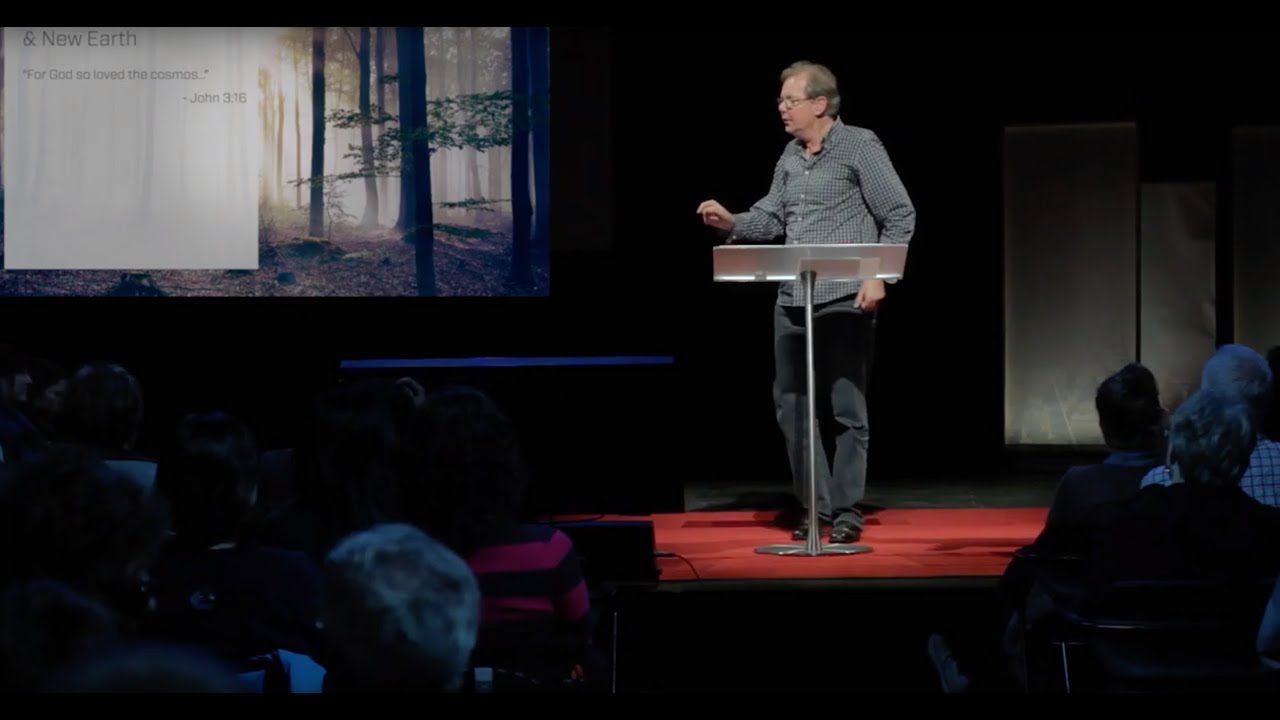
Explore how the gospel reframes every aspect of life, empowering Christians as ambassadors in culture and society through faith and mission.
Key Takeaways
- Christian identity calls believers to live as ambassadors representing God's kingdom in all areas of life.
- The mission of God is to reconcile and unite all creation under Christ’s lordship.
- Effective ambassadorial life requires community, mission clarity, cultural understanding, and diplomatic engagement.
- Scripture is a practical guide for living out faith in everyday cultural contexts.
- The church as an embassy nurtures and equips believers for their missional calling.
What the video covers
- The life, death, and resurrection of Jesus Christ reframes all human culture with hope and meaning.
- Many Christians struggle to see how faith shapes everyday life beyond Sunday worship.
- The church functions as an embassy, gathering and sending ambassadors to represent God's kingdom.
- Ambassadors must establish community, understand their mission, learn local culture, and engage in diplomacy.
- The biblical story, especially from Daniel and the exile, illustrates faithful ambassadorial living.
- God’s mission is to reconcile all things under Christ’s lordship, bringing peace and restoration.
- The Bible provides practical wisdom for living rightly in various spheres like business, education, and healthcare.
- Understanding and engaging culture with love and scripture is essential for effective Christian witness.
- Ambassadorial life involves prayer, cultural insight, and faithful service as ministers of reconciliation.
- The local church embodies the kingdom of God, projecting its ethos through love, hospitality, and grace.
Chapters
- 00:00Introduction: Jesus Christ Reframes Culture
- 03:17The Church as Embassy and Missional Community
- 05:55Biblical Examples of Ambassadorial Faithfulness
- 08:41God’s Mission and the Biblical Story of Reconciliation
- 11:25Applying Scripture to Everyday Life and Culture
- 13:58Learning the Language and Customs of Culture
- 20:51Prayer, Cultural Insight, and Ambassadorial Action
Full Transcript — Download SRT & Markdown
Speaker A
[Music] The life, death, and resurrection of Jesus Christ reframes everything, bringing hope, life, and meaning to every part of human culture. And yet many of us can't see how our faith shapes much of everyday life and experience Sunday to Sunday, the in-between days. Where was Jesus? I didn't think about the whole of who I am. What was I passionate about? Or how God uniquely made me? What are God's purposes for us? What does it mean to be made in the image of God?
Speaker A
How do we live in the world but not of the world? God wants to make us more ourselves. He is holding all things together, and he is reconciling all things to himself. We're exploring, how does the biblical story reframe our story? We live out of our stories, so be located in the story, the biblical story in which God reveals himself, his character, and his life. [Music] You, we're exploring how does the gospel reframe every aspect of our lives.
Speaker A
Experience. The church is full of gifted people who are scattered throughout society. Imagine if all these people rediscovered their confidence in the gospel to be a blessing in the world today. In the last episode, the church was described as an embassy that gathers and sends ambassadors into the world so that Christians could be salt and light where God has placed them. How do we do this? How do we create change in the situations that God has placed us? What's involved in doing the work of
Speaker A
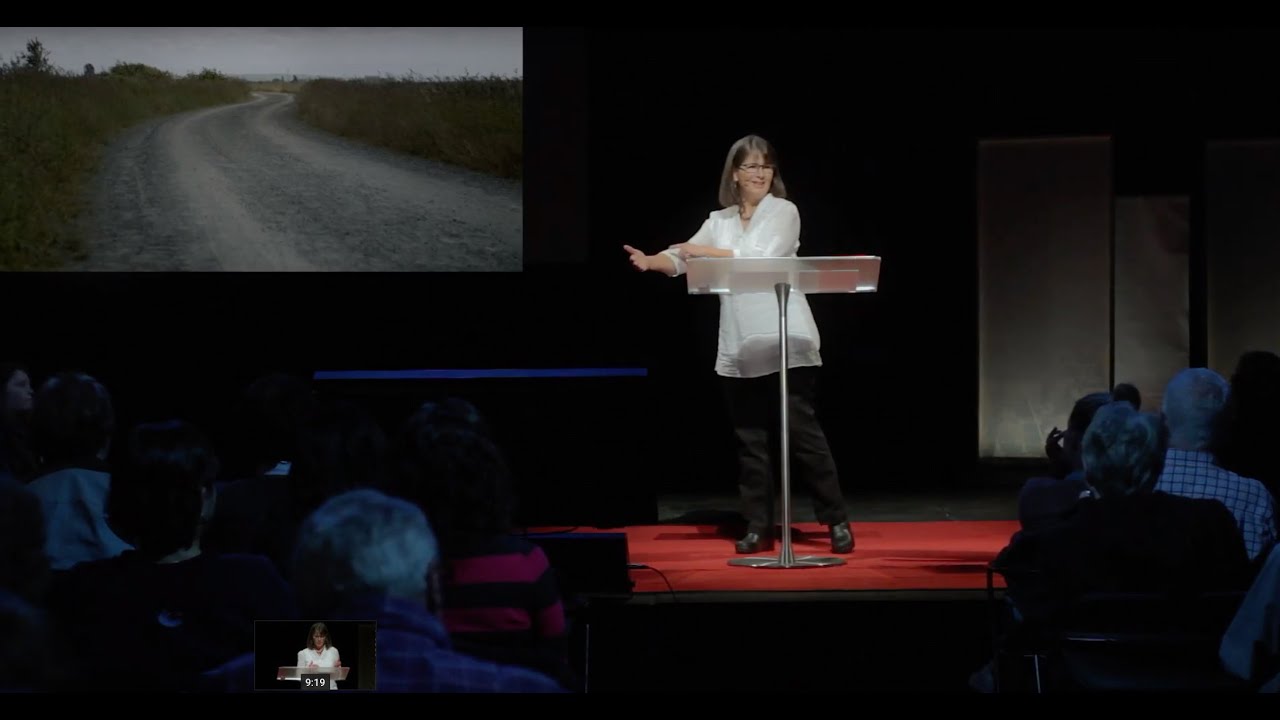
ambassadors? In this episode, we'll rejoin Paul Williams to explore these questions and discover how three people are living out their faith as ambassadors. [Music] This is what the Lord Almighty, the God of Israel, says to all those I carried
Speaker A
into exile from Jerusalem to Babylon: Seek the peace and prosperity of the city to which I have carried you into exile. Pray to the Lord for it, because if it prospers, you too will prosper. In the previous session, we focused on
Speaker A
the importance of the new identity that we're given as Christians, an identity that helps us shift from experiencing the world as aliens, unwilling captives in a foreign land, to functioning as ambassadors, those who are sent on purpose to represent their home country.
Speaker A
And we also saw the importance of the embassy, the gathered community that nurtures and resources our identity as citizens of God's kingdom and ambassadors of his gospel of reconciliation. Fundamentally, this is what the church is. And finally, we
Speaker A
emphasized the local church is the embassy of the kingdom of God in a given place. We talked about the church as a community that in its essential life together projects the culture and ethos of the kingdom of God to those around. In
Speaker A
our love for one another, our welcome, hospitality, our generosity and grace, outsiders should encounter a foretaste of the kingdom itself, a real sense that God is present amongst us. If the church community functions as it should, it's automatically missional just by existing.
Speaker A
But as important as all this is, Jesus also commanded us to go into all the world, do the work of diplomacy, be ministers of reconciliation, be agents of Shalom. Certainly, we need the resources from the embassy to do that, but how do
Speaker A
we do it? How do we live as ambassadors today? In this session, I want to help us answer this question by setting out four dimensions of ambassadorial life illustrated from the story of Daniel and the Jewish exile in Babylon. We've
Speaker A
already discussed the first dimension: the importance of establishing an ambassadorial community and the power of the Spirit wherever we are, whatever work we're doing, whether we control the entire organization or just a tiny little desk. Nevertheless, we declare that
Speaker A
the kingdom of God is here, that God is making his home here because we're here. Secondly, it's obviously crucial that we know the mission. Ambassadors need to know what they're there to do, what they're meant to say. Thirdly, ambassadors
Speaker A
need to learn the language and customs of the local culture so they can communicate effectively. Finally, we're then ready to do the work of diplomacy as a diplomatic community, as ambassadors of the kingdom of God. We certainly need to know what God's
Speaker A
mission is, his purpose in the world. You'll recall the Old Testament story of Daniel from our last session. He and his friends sustained their identity as God's representatives in the pagan empire of Babylon. Daniel certainly had an understanding of God's kingdom
Speaker A
purposes over time. You remember he's the one who has this vision of Christ's everlasting kingdom recorded in Daniel chapter 2. He's confident that God is king in Babylon just as much as he was king in Jerusalem. And Daniel's faithful
Speaker A
service leads to some incredible testimonies to God's kingship from the mouths of pagan kings. Nebuchadnezzar ends up praising and glorifying the king of heaven because, quote, "Everything he does is right, and all his ways are just." Later, King Darius
Speaker A
commands that everyone worship the God of Daniel, for he is the living God. He endures forever. His kingdom will not be destroyed. His dominion will never end. Darius continues, "He rescues and he saves. He performs signs and wonders in the
Speaker A
heavens and the earth, and he's rescued Daniel from the power of the lions." Notable testimony from a pagan king. In the New Testament, we find a summary of God's mission in Ephesians chapter 1, verses 9 and 10: God made known to us the mystery
Speaker A
of his will according to his good pleasure, which he purposed in Christ to be put into effect when the times have reached their fulfillment. Here it comes. This is the purpose, the mystery: to bring all things in heaven and on earth
Speaker A
together under one head, even Christ. God's mission is to unite everything in all creation under the lordship of Jesus Christ. Understanding God's purposes in the world unlocks the whole story of the Bible. It's all about everything being reconciled to God, everything that's been
Speaker A
alienated and damaged by the fall, human beings, our relationship with each other, creation itself, all being restored to right relationship again so that there's peace, Shalom, the abundance of life that Jesus said he came to give us. Knowing
Speaker A
the missional shape of the biblical story then helps us reorient the world around us. When confronted with difficult questions, Jesus began by asking, what was it like in the beginning, in creation? We can ask this question of every sphere of
Speaker A
life we're involved in. The Bible helps us see what it means to be human, the way God intended. What does it mean to be human in business or in scientific inquiry? What's education for? How does it help us
Speaker A
toward God's goal for humanity? How has healthcare, farming, art, marketing, technology been affected? Either for what might redemption look like in those spheres? Once we understand the key to that arc of the biblical story, we can retell the story of all
Speaker A
these little spheres within it. Scripture is surprisingly helpful to us in answering these questions, but I suggest often we neglect it. We're simply not taught how to interpret the Bible in the context of ordinary life. The Old Testament, for instance, is not a set of
Speaker A
instructions for us as Christians. That's true, but neither is it merely a collection of illustrations for what we find in the New Testament. The Old Testament, you'll remember, is what Jesus refers to as scripture. According to 2 Timothy 3:16, all scripture is
Speaker A
instructive. It can teach us the wisdom of God's ways, and scripture's incredibly practical in showing us what righteousness, right relatedness, reconciliation might look like in concrete terms. And it does it in a great case study, the case study of the very
Speaker A
fallen society of Israel. The Old Testament assumes questions like this: How do you love your neighbor in the way you build your house? We have any construction folk here? How do you love your neighbor in the way you build your
Speaker A
house? And it answers it: You put a parapet around the roof so people don't fall off. You think about people's health and safety. What about this one? How do we relate rightly with the poor who live around our farming community? Answer: Don't harvest the gleanings of the crops. Leave them for the poor to harvest. Leave
Speaker A
instructive it can teach us the wisdom of God's ways and scriptures incredibly practical in showing us what righteousness right relatedness reconciliation might look like in concrete terms and it does it in a great case study the case study of the very
Speaker A
fallen society of Israel the Old Testament assumes questions like this how do you love your neighbor in the way you build your house we have any construction folk here how do you love your neighbor in the way you build your
Speaker A
house and it answers it you put a parapet around the roof so people don't fall off you think about people's health and safety what about this one how do we relate rightly with the poor who live around our farming community answer
Speaker A
don't harvest the gleanings of the crops leave them for the poor to harvest leave some tasks undone so the poor can have the dignity of working for themselves and earning a living we don't have that many poor people hanging around farming
Speaker A
communities today but what might happen if Christian business owners reflected on the wisdom of this text the psalmist prays for wisdom and discernment to apply the scripture to all of life 17th century there's a character called Comenius he's
Speaker A
a Moravian Christian and he was an educationalist he immersed his imagination in the scripture and he noticed how God put humanity in the Garden of Eden to learn about creation by beholding it by enjoying it and he asked himself a question what
Speaker A
would it be like if children could be educated like that what if the early experience of Adam and Eve became a metaphor for learning what if I thought about education the way God seems to have been thinking about the the first
Speaker A
humans in that garden the result was what we know of as kindergarden a garden of learning for children who knows what insights we might have if as Christian engineers health care workers finance ears car sales persons we read the
Speaker A
scriptures prayed for discernment and asked God how can we seek the welfare of the city in which you have placed us George Sankar is a teacher in Charlottesville Virginia throughout his career in public and private schools he's wrestled with the purpose of
Speaker A
education I think one of the tensions in our culture thing is we have adopted an instrumental view of education that views education as a means to an end that is really tied to the good life as having the house the car the stuff the
Speaker A
comforts whether it's public or private Saul about how does education promote the economy it isn't about teaching it isn't about forming students it's about getting them through the system I would contrast that with what I would say is a more holistic view of Education
Speaker A
if the core is a sense of wisdom it's beautiful when you go to the first Kings 429 and it mentions that Solomon's wisdom is rooted in his understanding the order of God's creation so to study math and literature in
Speaker A
history and science and the fine arts just and to see how they overlap to see how studying this subject ties to this subject this is really about cultivating wisdom as students how do we teach Christianly what does it
Speaker A
mean to be a Christian teacher and it means embodying Christ in their classroom okay that sounds great what do you mean by that you're helping students renew rate the purpose of studying this subject that's more than just an
Speaker A
instrumental end so we're teaching Spanish for example a Spanish class most of the textbooks you look at are going to look at Spanish language to the through the lens of tourists so the example that are given are all about
Speaker A
traveling some country buying things shopping and seeing certain sights and I'm asking us to reframe that why do we learn Spanish and let's look at our examples through the lens of hospitality rather than through tourism so the first
Speaker A
thing I'm in the Spanish class why should we take Spanish mostly kids answer well let me help me with SATs or down south I can you Spanish and fit in better those are those are those are all legitimate points but I think we should
Speaker A
take Spanish because right here in Charlottesville we have a large Hispanic community and God has called us to hospitality to love our neighbors and the only way that we can love these Hispanic neighbors well as to speak their language that's why we
Speaker A
take Spanish you can do this in multiple contexts the example I just shared about you know why should we learn Spanish you can use that in any setting without using the name of Christ I worked in an urban charter
Speaker A
school a charter school is a public school that is funded by the state but parents have the choice to go to it so here I'm trying to in many ways in my mind bring common grace to a secular
Speaker A
setting I can't promote the gospel directly at a public school but I can build practices in the school we're not allowed to pray before meals but I did make sure that we put tablecloths on the table students sat down they were not allowed to eat
Speaker A
until everyone their tables sat and they sang a song together as a group so I had to think through very carefully what are ways that I can bring a sense of humanity of course you can know the mission as
Speaker A
well as you like but if you're an ambassador in a foreign country it won't help you much unless you learn to speak the local language understand its culture and its customs Daniel and his friends are exemplars to us in this
Speaker A
regard they're forced to learn the language and literature of the Babylonians but rather than to it be grudgingly or half-heartedly they do it with excellence moreover we're told that God gifted them with knowledge and understanding of what they were studying
Speaker A
and enabled Daniel to interpret visions and dreams and as a result the pagan king found them 10 times better than all the magicians and enchanters in his kingdom the exiles ended up better than the locals at understanding the culture
Speaker A
in which they were strangers this needs to be our attitude and expectation I suggest we may not be placed in a royal court but wherever God has placed us let's give ourselves to learning the language and customs of that place
Speaker A
understanding its culture and values its hopes and its dreams that might mean the culture and language of social media drug addicts a law firm teenage children such understanding may provide the very points of contact that God will use to
Speaker A
communicate his mission through us often we're quite lazy about this in contrast to the excellence modeled by Daniel we wrongly think perhaps that the gifting of the Holy Spirit is an alternative to hard work when it's actually complimentary or we make the fatal
Speaker A
mistake of imagining that if we're not living overseas we don't have any language learning to do moving from England to North America I quickly realized the mistake that assumption you see all mission is cross-cultural the gospel is always and
Speaker A
everywhere foreign to the culture that bears it we need to learn to read the languages and cultures that shape our society the language of science and sexuality capitalism and environmentalism individualism and multiculturalism and the church should be a place that helps us do this in the
Speaker A
gathered community we can be encouraged to discern the gifts that God has given us and then helped to develop them we can be taught not only to read Scripture but also to read our contemporary context in the light of that scripture
Speaker A
reading well requires attention we like to speed read many of my students love to speed read and indeed I was taught how to gut a book of its argument and I can I can tell you the argument of a
Speaker A
large book very fast in probably just a few minutes but that's not attentive reading and we'll never really understand that way that's superficial it's good to show off with but it's not good if you want to really understand if
Speaker A
you want to understand someone you take time to listen you ask questions you to try to discern the meaning behind what's being communicated and you check your understanding by reflecting it back just as taking time to understand a person is
Speaker A
an act of love taking time to read scripture well reflects our love for God so it's love for our culture that needs to be the primary motivation for our efforts to understand it not a misplaced desire for mastery and control knowledge
Speaker A
and understand does give power but our role as an ambassadorial community is to use that power to bless to help our culture understand itself to affirm what's good in it to give voice to its dreams in its hopes while also resisting what is evil
Speaker A
in it if we can give ourselves to doing this we'll be able to engage effectively in our society in our workplaces in our neighborhoods without always sounding like we're angry and judgmental [Music] Jennifer Wiseman is a senior astrophysicist working on projects
Speaker A
involving large-scale Space Telescope's thinking about science today whether the person is a scientist or not we live in a world where science is held as a very high authority so science has looked to to answer all kinds of questions now
Speaker A
including about our origins and about our behavior sometimes science is discussed in the media or even in the classroom as having eradicated the the rationale for religion or for religious faith it's it's held up almost as a religion of its own and in that sense of
Speaker A
course the Christian pulls back from this because we know that science is not God science is not even or shouldn't be a religious belief it is a tool to help us understand nature for me there has never been any sense that study of the
Speaker A
natural world through science so should somehow be in discord with love of God and with faith in God if we believe that God is responsible for everything then there's no need to be afraid of what we might find through scientific study we
Speaker A
need not be intimidated by true science because when science is operating properly it's helping us understand truths about nature it's helping us understand how our bodies work it's helping us understand how to treat medical problems it's helping us
Speaker A
understand how to take care of our environment better it's helping us understand the universe where we live what more joy could there be then studying God's handiwork as a Christian in this environment I what I have found most necessary is is a
Speaker A
dedication to doing good work to be the very best professional that I can be and that's a continual process of learning and maturing even failing but but trying to be doing good work and colleagues notice that over time and appreciate
Speaker A
that as a Christian working in a plural environment where I have scientific colleagues from all sorts of cultural backgrounds all sorts of religious faiths or no faith how does that work as a Christian for me it's been very
Speaker A
interesting I I I like the idea that science can be a unifying factor in astronomy I particularly like the idea that I can work with my colleagues to study a different a particular aspect of nature and we can all be excited and
Speaker A
curious about what we're learning about and even come to the same scientific conclusions but perhaps we have varying philosophical conclusions or when I look for example at very distant galaxies and you can see how galaxies have changed and matured over time develop house tars
Speaker A
have produced heavier elements over time like carbon and oxygen things we need for life I see that and I I say wow praise God God has used the most amazing factories if you will stars to produce these heavier elements that we now need
Speaker A
for life [Music] I wonder do you feel ready to be an ambassador for Christ where he's placed you there's no hierarchy of vocations in God's kingdom every Christian is ultimately sent as a missionary an ambassador of Christ to some part of
Speaker A
God's world so are we ready are we prepared being rooted in our identity in Christ formed by the spiritual rhythms of the gathered community understanding God's purposes in the world having applied ourselves to develop our god-given gifts read our culture well
Speaker A
we've done all these things perhaps we think we're ready for action remember Jesus told those disciples gathered with great excitement at the realization he was alive resurrected from the dead not to go but to wait they were to wait till they'd receive the
Speaker A
empowering of the Holy Spirit Daniels witness meant that he was known by the Babylonians as I quote one who has the spirit of the holy gods in him would it be great to have that kind of reputation Paul exhorts us in Galatians chapter 5
Speaker A
to keep in step with the spirit this involves humility and attentiveness Jesus himself says that he only does what he sees the father doing we have to learn to look for what God's already doing in the context were in amongst the
Speaker A
people we work with a great prayer to pray God help me see what you're doing already God's there before you are he's gone ahead of you similarly Jesus says he speaks only what the father's speaking this is the domain of the
Speaker A
prophetic a prophet is not primarily someone who have you what number to put on the lottery a profit is primarily an intermediary who speaks a message on God's behalf to say that the church is an ambassadorial community is also to
Speaker A
say that it's a prophetic community a community of God's messengers prophets see and named things the way God sees and names them prophets often speak a metaphor to help us reimagine what something is or could be let's think of a few examples the
Speaker A
Prophet Amos saw the oppression of the people in Israel and he saw it as a prophet the way God saw it this is what he says they trampled on the heads of the poor as on the dust of the ground
Speaker A
they treat the poor like dirt it's an incredibly graphic picture it cuts to the core of how God sees their behavior powerful prophetic use of metaphor to name something to reveal what it really is so metaphors can be negative and they
Speaker A
can be positive but they can reveal something really important about what's happening what metaphors govern your sphere of society your place of work and influence for example our work in the economy is governed by the metaphor of competition it's a metaphor in which
Speaker A
success means winning do you think that when Jesus talks to you as a businessperson at the great white throne judgment that we'll all face that he's going to say did you win scripture sees economic activity differently through the metaphor of care
Speaker A
cultivation a metaphor in which success means treating people and creation well cultivating fruitful life in them both you see how changing the metaphor that defines something can open up all kinds of creative possibilities and avenues for ambassadorial word add a deep
Speaker A
desirability to say what does it mean to do this in a distinctively Christian way in a way that demonstrates the love of Christ demonstrates how we actually do business and treat each other in the workplace in a different way perhaps
Speaker A
then business have previously done rightand vision it don't flow runs an automobile business in North Carolina he started as a technician in his father's business and gradually built a company that runs several car dealerships our company for instance pluralistic and so
Speaker A
the industry all evidence clearly PO listing so the first thing for me it was to say I need to enter into this world learn the language learning the aspect of them along the way there are a lot of
Speaker A
different ways to do business and capitalism the market has a lot of room in space what you have to do is say what it defines you what has to be at the very core of what we're about be fun
Speaker A
from the book of Proverbs for instance that we are called to it never to advantage ourselves to the disadvantage of another their organizations institutions would be life-giving so when you looked at transactions negotiations we realized that most highly educated the most aggressive
Speaker A
typically males typically white were the ones who pay the least because they were very aggressive in the negotiation they said that can't be the determining factor about how we do business because that's not consistent with the Gospels approach to how everyone's treated in
Speaker A
society and so what we did was so we've got to change that and how to create transparency and how to create a pricing mechanism and how we sold cars so that your ability to negotiate did not determine what kind of price you paid we
Speaker A
limits on profitability that we put in place even if the customer would be willing to pay more we don't want to use our knowledge to be able to take advantage of another's ignorance in a specific transaction the dominant point
Speaker A
of business is profit maximization and the point of view of it is that if it's legal within the boundaries of the marketplace that I'm free to do it and so we started from a whole different point of view and said that everything
Speaker A
we have to be do has to be for the well-being of our customers the well-being are the members of our organization and the well-being of our communities and that profit was not a purpose for us profit is like in a
Speaker A
company is like blood a human being I've never met anyone healthy gets up in the morning and says I live for my blood but you can't live without blood so in our case our purpose is not defined by
Speaker A
our profit but we must be profitable we think about the common good or cities in the sense that our businesses draw upon the capital created by previous generations and so are we going to be a consumer of the capital created by
Speaker A
previous generations or it going to be replenishes of that so we want to be the kind of company and in a sense that community wish exists if we weren't here doing diplomacy like this requires great wisdom and a willingness to be led by
Speaker A
the Holy Spirit in the detail of our lives this ambassadorial life calls us to pray through our daily schedule our work projects our plans just as we would naturally pray through the details of an elite evangelistic crusade it invites us
Speaker A
to attend to what God is doing around us how God sees what's happening a much of this is very ordinary Daniel lived and worked in Babylon for most of his life his exhilarating and at times scary experiences were not the norm you don't
Speaker A
notice this when you read the book but because it's action-packed chapter after chapter but these events and experiences are stretched across decades and decades of faithfulness faithfulness that opened up the possibility for God to use him in his relationships with at least four
Speaker A
Gentile kings from what we know three of these ended up acknowledging God's kingship and rule and the last Cirus was described by the prophet Isaiah as God's anointed king literally Messiah to restore the Exile to Jerusalem an incredible fruit of Daniels faithful
Speaker A
witness over time in that context now ambassadorial living gives us a vision a vision of Christian community that's rich exciting supportive empowered and embracing of all of us in every sphere of life God wants to be among us to
Speaker A
empower and directors for his mission in the world and if we'll say yes to his leading if we'll live dependently on his Holy Spirit if will seek to follow Jesus Christ into all the world as his witnesses I believe we will see
Speaker A
God's kingdom coming just like Daniel will see God's name honored we'll see relationships put right and creation redeemed [Music] we've learned that Christians and all walks of life and at every level of society can be ambassadors it seems each
Speaker A
of us has a sphere of influence and can use that to encourage the good and seek to change those things that are broken during diplomacy on behalf of God's kingdom we can do things differently come up with new ideas and models to bring
Speaker A
flourishing to communities individuals and society as our lives a reframe by God he invites us to reframe the world around us it's an exciting vision how will you be an ambassador today [Music] you [Music]
Topics:Christian faithgospel missionambassadorschurch as embassybiblical storycultural engagementKingdom of Godfaith in cultureregent collegeReFrame series