Skip to content
Get App

ReFrame Episode 8 - Strangers & Exiles

Explore how the biblical story reframes our lives, challenges cultural isolation, and calls Christians to live as ambassadors in a diverse world.

Key Takeaways

  • Knowing the biblical story is crucial to living out faith authentically in a complex world.
  • Christian isolation from broader culture limits the church’s impact and witness.
  • Engagement with culture requires balancing transformation and distinctiveness.
  • The church must embrace its role as ambassadors of reconciliation and peace.
  • Faithful living in exile involves being a blessing and exercising spiritual authority in society.

What the video covers

  • The life, death, and resurrection of Jesus Christ reframes human culture, offering hope and meaning beyond Sunday worship.
  • Many Christians struggle to see how faith shapes everyday life and their unique God-given purpose.
  • The biblical story is essential for understanding identity and resisting cultural conformity or withdrawal.
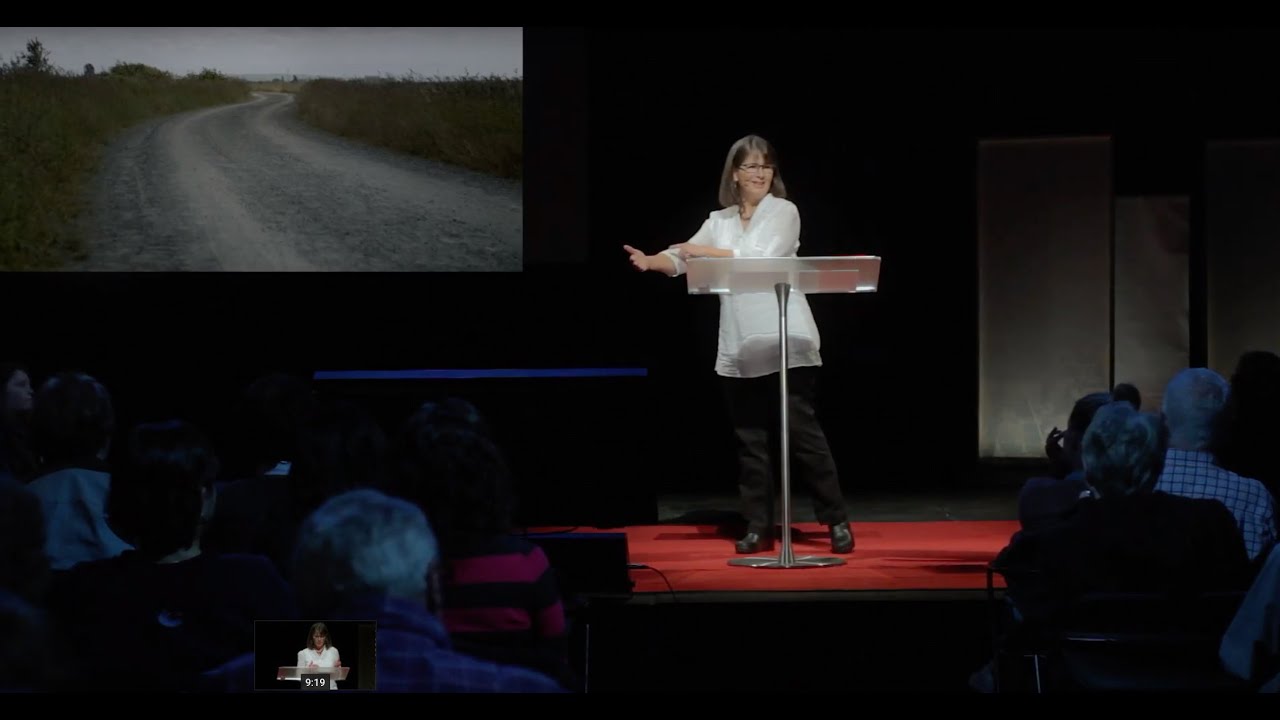
  • Fran Vanderpol shares insights on the isolation of Christian communities and the challenge to engage with diverse, multicultural cities like Abbotsford.
  • The early church faced internal and external pressures, including heresy and Roman hostility, paralleling modern challenges.
  • Christians face the tension between assimilating to culture and retreating into comfortable Christian enclaves.
  • Jesus’ model calls for transformative engagement with sinners and the world, not withdrawal.
  • The story of Daniel exemplifies faithful witness and influence in exile within a pagan culture.
  • Christians are called to be agents of peace, blessing, and spiritual authority in their communities.
  • The local church plays a central role in God's purposes, needing to understand and live out its cultural mandate.

Answers

Questions about this video

How does the video describe the role of the biblical story in a Christian's life?

The video emphasizes that knowing the biblical story is essential for Christians to understand their identity and purpose, helping them resist being shaped solely by cultural narratives.

What challenges does the video highlight about Christian engagement with culture?

It discusses the risks of both assimilating too much into culture, losing distinctiveness, and withdrawing into isolated Christian communities, urging a balanced approach of transformative engagement.

What example does the video use to illustrate faithful living in a non-Christian culture?

The video uses the biblical story of Daniel, who lived faithfully in exile in Babylon, as a model for Christians to be agents of peace and blessing while maintaining their distinct identity.

Full Transcript — Download SRT & Markdown

00:14
Speaker A
The life, death, and resurrection of Jesus Christ reframes everything, bringing hope, life, and meaning to every part of human culture. And yet many of us can't see how our faith shapes much of everyday life and experience Sunday to Sunday, the in-between days. Where was Jesus? I didn't think about the whole of who I am, what I was passionate about, or how God uniquely made me. What is God's purpose for us? What does it mean to be made in the image of God? How do we live in the world but not of the world? God wants to make us more ourselves. He is holding all things together, and he is reconciling all things to himself. We're exploring how the biblical story reframes our story. We live out of our stories, so be located in the story, the biblical story in which God reveals himself, his character, and his life.
00:31
Speaker A
in-between days where was Jesus I didn't think about the whole of who I am what was I passionate about or how God uniquely made me what did God's purpose is for us what does it mean to be made in the image of
00:46
Speaker A
At the beginning of Reframe, we asked the question: how do we live out the gospel in every aspect of our lives in the modern world? To answer that question, we use the metaphor of a journey and the story of the two disciples on the road to Emmaus. Jesus drew alongside them and retold them the story and opened their eyes. We can only know who we are and what we are to do if we know what story we're in. If Christians don't know the biblical story, we can easily be shaped by the stories of our culture and the patterns of the world.
01:03
Speaker A
story we live out of our stories so be located in the story the biblical story in which God reveals himself his character in his life [Music] at the beginning of reframe we asked the question how do we live out the gospel
01:56
Speaker A
Over the last five episodes, we've been exploring the big chapters of the biblical story. This is the story that reframes our vision of God, ourselves, and God's purposes for the world. So if this is the big story, how do we live it out? How do we engage the world in our generation? In Episode Two, we talked about the risk of being shaped by the culture, but there's another equally dangerous risk: withdrawing from culture altogether.
02:10
Speaker A
eyes we can only know who we are and what we are to do if we know what story were in if Christians don't know the biblical story we can easily be shaped by the stories of our culture and the
02:22
Speaker A
We've always lived within our church community very much, especially for myself because I was teaching in the Christian schools and then at home with my family. And then when I started to work in the business and got to know other people there, you branch out more, but you're still thinking along the line of Christians, right? You find other Christian businesspeople and other Christians. You find the Christians in your neighborhood or wherever you are, and that's who you build relationships with.
02:37
Speaker A
we live it out how do we engage the world in our generation in Episode two we talked about the risk of being shaped by the culture but there's another equally dangerous risk withdrawing from culture altogether we've always lived within our church
02:57
Speaker A
Fran Vanderpol and her husband Peter have lived in Abbotsford, Canada, for over thirty years. Like most cities today, Abbotsford is increasingly diverse and multicultural. We have three Sikh temples in our city. We also have Hindu temples, have Muslims, and all kinds of different people here, which makes it really an interesting city because we have over a hundred churches within our population of 135,000 people. So that's significant. A few years back, we were also known as the murder capital, which wasn't a very nice name. In 2007-2008, when there were a lot of gang wars going on, I think everyone was just really shocked to see so many of our young people dying needlessly.
03:13
Speaker A
more but you're still thinking along the line of Christians right you find other Christian businesspeople and other Christian you find the Christians in your neighborhood or whatever wherever you are and that's who you build relationships with Fran Vanderpol and
03:31
Speaker A
Fran began to feel uneasy about the isolation of her Christian community. I went to this prayer breakfast, and the mayor put out a challenge, and he said, "You know, Abbotsford, we have many, many churches here, and we're the most generous city in Canada, and yet we have many people out on our streets. We have many people living in poverty. There's so much that needs to be done, but you churches are keeping your money within your walls, and you're doing your own programs, and you're doing them very well, but don't forget about the rest of us here in the city." And that really hit home to me because I was thinking, yes, we build our own little community, and we don't even really think about the others.
03:50
Speaker A
which makes it really a really interesting city because we have over a hundred churches within our population of 135,000 people so that's significant a few years back were also known as the murder capital which wasn't a very nice
04:05
Speaker A
I never really stopped to ask the question, how is God working in your world? What is he opening up for you? I actually have a painting hanging on the wall there, then one of these big Gothic cathedrals in Europe and crowds of people in the shadows admiring the architecture. And then there's one window where the light is shining in, and there is an old man and a young child that are actually going up to look out the window. And I love that painting because I think it's so symbolic of how we live. We're living within the walls of our cathedrals.
04:23
Speaker A
this prayer breakfast and the mayor put out a challenge and he said you know Abbotsford we have many many churches here and where are the most generous city in Canada and yet we have many people out on our streets we have many
04:40
Speaker A
We've seen the danger of being conformed to the world and of living behind the walls of our cathedral. How do we live the story out? This is the question we'll be exploring in this episode.
04:56
Speaker A
city and that really hit home to me because I was thinking yes we build our own little community and we don't even really think about the others I never really stopped to ask the question how is God working in your world what is the
05:14
Speaker A
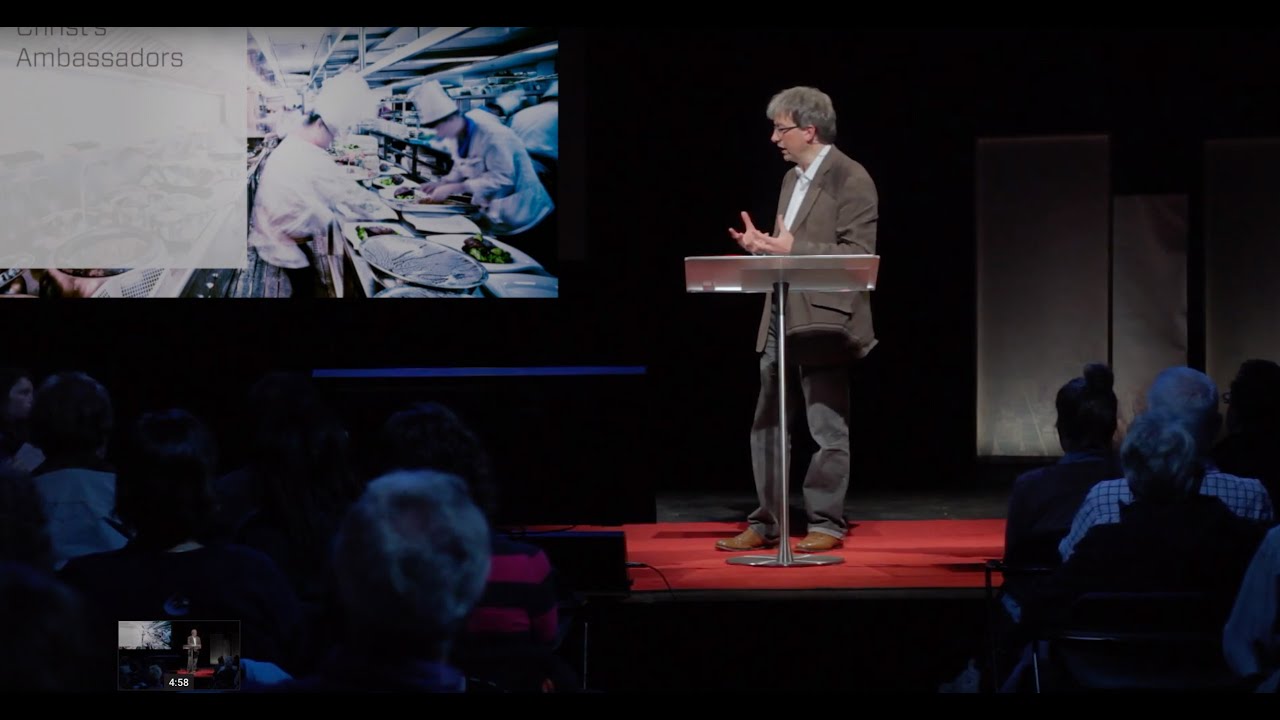
Therefore, if anyone is in Christ, the new creation has come. The old is gone, the new is here. All this is from God, who reconciled us to himself through Christ and gave us the ministry of reconciliation. That God was reconciling the world to himself in Christ, not counting people's sins against them, and he's committed to us the message of reconciliation. We are therefore Christ's ambassadors, as though God were making his appeal through us.
05:28
Speaker A
is shining in and there is an old man and a young child that are actually going up to look out the window and I I love that painting because I think it's so symbolic of how we live we we're
05:45
Speaker A
We began this course with two disciples on the road to Emmaus, two disciples whose hearts burned and whose eyes were opened. And in this session, I'm going to begin by taking us forward in time from that moment. Jesus has appeared to all the disciples. He ascended, and now some years later, the disciples find themselves plunged into a different world. The embryonic church is under internal pressure. A wide variety of multicultural congregations create a really complex church environment. Heresy is knocking at the door. To make matters worse, the Roman authorities are both disdainful and increasingly violent towards the Christians.
06:12
Speaker A
therefore if anyone is in Christ the new creation is come the old is gone the new is here all this is from God who reconciled us to himself through Christ and gave us the Ministry of reconciliation that God was reconciling
06:28
Speaker A
This is an arc of human experience with which we're familiar, isn't it? Many of us come to faith, our hearts burning, everything changed as we see Jesus. But then, as we try to work out our faith in life, we encounter difficulties. Fellow Christians let us down. We feel misunderstood by the church. We're confused by theological debate and the division of faith from secular life. Perhaps we're wounded by the impact of false doctrine, false teachers. We find that many people around us despise Christianity. We're under pressure in our workplaces. We struggle to see what role our faith has to play. There may be some of us who even lose our jobs or fail to get a job because of our beliefs.
06:50
Speaker A
Emmaus two disciples whose hearts burned and whose eyes were opened and in this session I'm going to begin by taking us forward in time from that moment Jesus has appeared to all the disciples he descended and now some years later the
07:10
Speaker A
So the excitement of our encounter with the resurrected Jesus fades away. We feel alienated, misfits, strangers in our culture. And faced with that alienation, frustration, and disappointment, we become vulnerable to those two temptations we talked about in the very first session: the temptation to assimilate, to become indistinguishable from the surrounding culture, to take on its values and assumptions, effectively give up on this very difficult identity of being Jesus followers; or the temptation to withdraw, retreat into a comfortable Christian ghetto, removed from the challenges of the world, hoping somehow to hold the sin of the world at bay as if it's not inside us, also often reacting with anger and resentment at every step our society makes away from the world of the Bible.
07:36
Speaker A
disdainful and increasingly violent towards the Christians this is an arc of human experience with which we're familiar isn't it many of us come to faith our heart's burning everything changed as we see Jesus but then as we try to work out our faith in life we
08:02
Speaker A
But neither of these options will enable us to be faithful witnesses of Jesus. Neither will help us be a blessing to the world, a foretaste of his kingdom. But how do we avoid them? How do we live in the context of so much pressure on our identity as Christ's followers?
08:29
Speaker A
around us despise Christianity we're under pressure in our workplaces we struggle to see what role our faith has to play there may be some of us even lose our jobs or fail to get a job because of our beliefs so the excitement
08:51
Speaker A
Fortunately, this experience of alienation is something that the New Testament writers understand very well. Jesus himself told us to expect it. "In this world, you'll have trouble," Jesus tells us. "Take heart, I've overcome the world."
09:16
Speaker A
to assimilate to become indistinguishable from the surrounding culture to take on its values and assumptions effectively give up on this very difficult identity of being Jesus followers or the temptation to withdraw retreat into a comfortable Christian ghetto removed from the challenges of
09:42
Speaker A
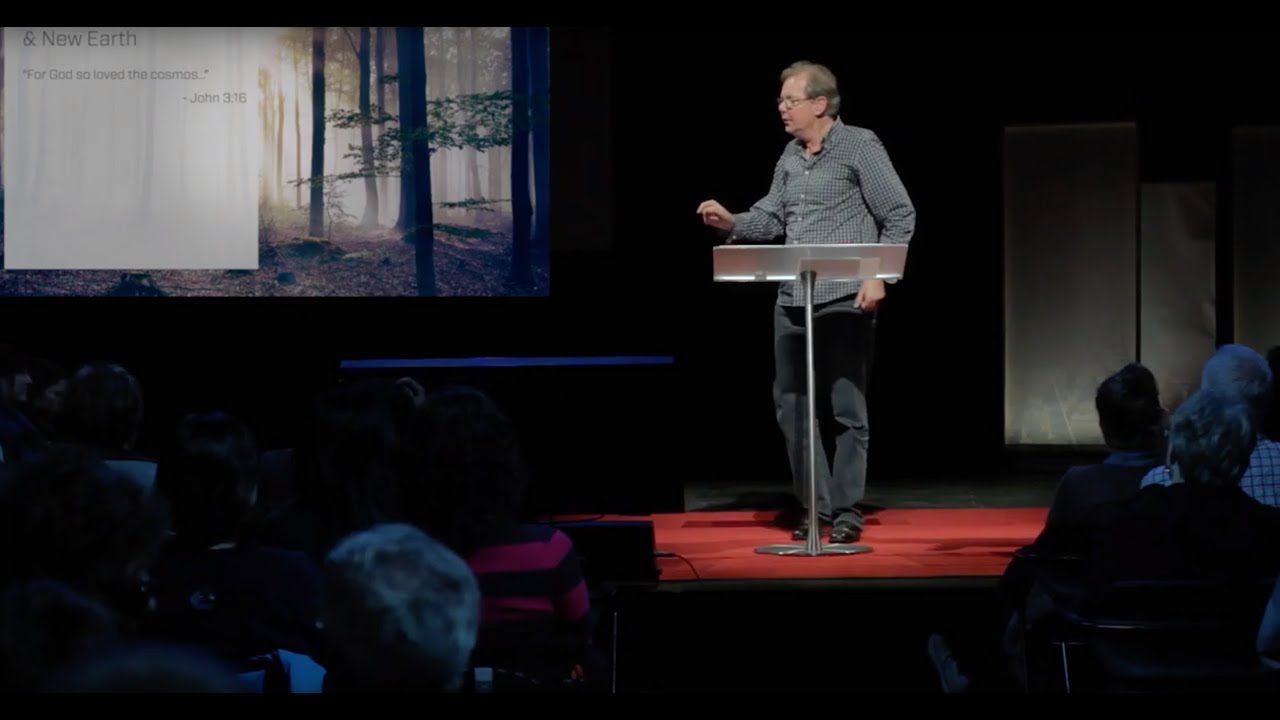
He continues. The Apostle Peter puts it like this in his first letter: Peter, an apostle of Jesus Christ, to God's elect, exiled, scattered throughout the provinces of Pontus, Galatia, Los Angeles, New York, London, Shanghai, Sydney, Nairobi, Santiago. And then he goes on in Chapter Two: "Dear friends, I urge you, as strangers and exiles, abstain from sinful desires which war against your soul. Live such good lives among the pagans that though they accuse you of doing wrong, they may see your good deeds and glorify God on the day he visits us."
10:00
Speaker A
us to be faithful witnesses of Jesus neither will help us be a blessing to the world a foretaste of his kingdom but how do we avoid them how do we live in the context of so much pressure on our
10:17
Speaker A
Peter understands that the church is in exile, scattered amongst the pagans. It's in e...
10:41
Speaker A
he continues the Apostle Peter puts it like this in his first letter Peter an apostle of Jesus Christ to God's elect exiled scattered throughout the provinces of Pontus Galatia Los Angeles New York London Shanghai Sydney Nairobi Santiago and then he goes on in Chapter
11:16
Speaker A
two dear friends I urge you as strangers and exiles abstain from sinful desires which war against your soul live such good lives among the pagans that though they accuse you of doing wrong they may see your good deeds and glorify God on
11:40
Speaker A
the day he visits us Peter understands that the church is in exile scattered amongst the pagans it's in exile from its true home from the fullness of the kingdom that it yearns to see the Apostle Paul adds to this picture in
11:58
Speaker A
Chapter one of his letter to the Philippians whatever happens he says as citizens of heaven live in a manner worthy of the gospel of Christ we have this sense of exile not simply because we're scattered amongst the world but
12:17
Speaker A
also because our true citizenship is in heaven we're not primarily British American Chinese Korean Kiwi Kenyan Brazilian nor are we primarily pastors businesspeople professionals homemakers farmers or factory workers no we're fundamentally citizens of the kingdom of God our ultimate allegiance is to Jesus
12:48
Speaker A
Christ and this makes us foreigners and strangers in a world that's turned its back on God but notice that neither of these New Testament writers leave it at that they're not content simply to explain and validate the feeling of Exile
13:08
Speaker A
amongst believers as important as that it is rather both of them go on to urge the church that this very sense of exile is a reason for doing good for blessing the world as God's image bearers for being agents of reconciliation promoting
13:27
Speaker A
right relatedness with God each other and creation you see there are two very different ways of being a foreigner in a strange land you can be a foreigner and understand yourself as an alien you can resent all the differences between the
13:48
Speaker A
culture you're in and the one where you belong you can feel permanently isolated trapped almost like a captive in a foreign land alternatively you can be an ambassador and our Basset is still a foreigner they still might miss home but
14:09
Speaker A
they're not resentful they don't feel trapped they know they're living in a strange land on purpose they've been sent there they have a job to do and they can expect all the help from their home country that they need this is the
14:27
Speaker A
image that the Apostle Paul uses to reframe the experience of exile into a core to enter into God's mission in the world in 2 Corinthians chapter 5 he writes God has committed to us the message of reconciliation we are
14:46
Speaker A
therefore Christ's ambassadors as though God we're making his appeal through us this is the ministry and posture of the church in the world to function as Christ's ambassadors to make God's appeal to the world this commissioning to be ambassador's restores the original
15:14
Speaker A
commission given to human beings in the Garden of Eden to be God's Regents in the world those who represent the authority of another and to be God's priests in the world those who mediate relationships who engage in diplomacy
15:34
Speaker A
what a huge contrast to the experience of being an alien even though both are strangers in a foreign land part of engaging with the whole world is us thing let's true maturity is not just about retreat it's about engagement a
15:59
Speaker A
Jesus model is a completely radical approach to holiness Jesus spends time with sinners and it's not that he's compromised they are transformed we are supposed to be transforming if Christians retreat from the world of business or the world of
16:13
Speaker A
art or the world of politics and those vacuums are filled and they're filled by things that are not necessarily gonna bring glory to God or transform our culture for the good glory of the gospel and is that we are supposed to be salt
16:27
Speaker A
and light bringing transformation and change Jesus does two things with his initial band of disciples that I think say a lot about how we should participate in our pluralistic world he calls them and he sends them I think this rhythm of calling and
16:48
Speaker A
gathering and sending and scattering is the model for Christian discipleship and influence if we're just scattered we will become assimilated inevitably to the culture around us it's too powerful and and all-encompassing if we're just gathered we will become
17:05
Speaker A
irrelevant and and invisible actually to the culture around us so if we're to be ambassadors of Christ in the world we've got to be gathered so that were formed in His image but then we have to go out
17:16
Speaker A
not alone but not just gathered and huddle together I think time has arrived when we need to see all of us as people of God sent out for mission in our particular columns for example a journalist is a very influential person
17:34
Speaker A
why to the right of the papers shapes the thinking of the world and if they cannot be there when they are Christians all their people are religious with their faith there then it's very easy to miss it in the world and cause problems
17:51
Speaker A
when if you are a farmer you do it as if you are tilling the ground because God has assigned you that rock if you are a member of parliament you you a debate in the parliament and the bills that you pass should reflect those
18:10
Speaker A
values in your vocation as a Christian [Music] so I wonder which is closer to your experience of exile living as an alien living as an ambassador if you're anything like me the honest answer is probably a mixture of the two
18:37
Speaker A
but happen things change how can we live more fully as Christ's ambassadors today to help answer that question I want us to take a look at the biblical story of Daniel Daniel was a Jew in exile in Babylon forced to work for a pagan
18:57
Speaker A
empire never feel like you're forced to work in a pagan culture that was Daniel's experience think about the situation from Daniels perspective for a minute he'd been trained and schooled to serve God in the sacred city of Jerusalem after Nebuchadnezzar's armies
19:22
Speaker A
have reduced his career prospects to rubble he's taken captive transported to Babylon told to serve this pagan King how easy it would have been for him to give up on his identity assimilate into Babylonian culture he had to learn the
19:46
Speaker A
Babylonian language he had to learn all about the Babylonian gods he had to master their astrology he was told to eat their food he was called by a Babylonian name he was forcefully enculturated at the same time his fellow
20:07
Speaker A
Jews down at the river by the waters of Babylon are weeping and wailing about the fall of Jerusalem they are struggling with the temptation to withdraw they're full of anger they want God to smash the Babylonian babies against the rocks
20:34
Speaker A
what did they make of Daniel and his friends do you think this picture I suggest is full of analogies to our own time often isn't it when we are scattered throughout society working in our various occupations that we find a
20:53
Speaker A
temptation to assimilate the strongest isn't it when we're gathered together comforted by one another telling the stories of Zion that we're most tempted to withdraw from the world and I think we can face both of these temptations simultaneously find that the church
21:18
Speaker A
scattered and the church gathered are increasingly at odds and suspicious of one another so how can the model of ambassador help us what can we learn from Daniel and the Jewish exile about ambassadorship perhaps the most obvious thing that we associate with an
21:39
Speaker A
ambassador is the embassy a community of diplomats organized to support the diplomatic mission of the home country in a foreign land now a few years back I was in Washington DC I decided to go and visit the British Embassy there I've
22:04
Speaker A
been living in North America for a while and to be honest with you I was feeling a bit homesick you feel sorry for me it was it was incredibly heartening to arrive at the embassy and find a large statue of
22:18
Speaker A
Winston Churchill beneath his outstretched foot there's a line along the sidewalk or the pavement depending on where you learnt your English and on Churchill's side of the line with the words United Kingdom and on the other side it read United States here was a
22:42
Speaker A
real piece of home inside the deck or the furnishings were elegant welcoming classically English at least to my mind designed for comfort conversation conviviality you could totally imagine a cup of tea and cucumber sandwiches at four o'clock on
23:05
Speaker A
the veranda before settling some important matter of state or perhaps getting your passport renewed but alas this was not to be my experience the embassy was closed to visitors and I left somewhat forlorn now setting up an embassy is primarily about creating a
23:28
Speaker A
place of community that nurtures resources and communicates the identity of the home country it's a kind of home from home and this is what we find God telling the Jewish exile to do in Babylon Jeremiah 29 contains a
23:48
Speaker A
copy of a letter from the Prophet Jeremiah to the exile in it God rebukes the false prophets who were cursing the Babylonians and prophesying imminent judgment on them when we are in that place of withdrawal just as when we're
24:08
Speaker A
in that place of temptation to assimilate there will be prophetic voices calling us further into the temptation God tells the people not to listen to them instead of withdrawing in resentment and anger God tells them to settle down make home be fruitful in
24:30
Speaker A
exile moreover there to seek the peace and welfare of the city to which I've carried you says the Lord pray to the Lord for it isn't that phenomenal what an incredible attitude that God is calling forth from them they've just seen their homeland
24:56
Speaker A
there entire future from their perspective decimated by this empire they've been taken captive and now they're being told to bless it not to adopt a posture of imprisonment but rather one where God's life can still flow through them God's
25:23
Speaker A
kingdom can still come through them yes there's a promise that God will eventually gather the exiled home but for now they're to do what Israel was always meant to do be a blessing to the nation's be agents of peace and
25:40
Speaker A
reconciliation similarly we find Daniel from the outset of the story with his friends Shadrach Meshach and Abednego he doesn't function alone but rather together he in his friends form a prayer group a support group a place of community in which the culture and ethos
26:05
Speaker A
of their faith in Israel's God can be sustained amidst the pressures of life in Babylon it's a place where they maintain communication with their true home in prayer a place from which they acknowledge and declare God's ultimate sovereignty and a place where they
26:26
Speaker A
receive from God the resources of wisdom and strength that they need to do his work Daniel had thought he would serve God in the sacred city of Jerusalem but he knows that God is still king in Babylon even if Jerusalem's in ruins he can
26:47
Speaker A
stand in his identity as God's servant because he's confident in God's character and power this is no local deity this is the god of the whole earth are we confident that God is as much king in our workplace our home
27:05
Speaker A
our community as he is in the church is there a line of Christ's sovereignty running around the outside of everything we do an influence do we trust God out there in the world as much as we trust him in here in the church it's so we'll
27:30
Speaker A
be able to do what Daniel and his friends did even though they were obviously alien captives they hold to their identity as God's ambassadors God's servants messengers in the babylonian court and ultimately they see god's deliverance and transforming power
27:50
Speaker A
in remarkable ways in their own very pagan workplace the primary embassy for us as christians today is of course the local church the new testament word for church is ecclesia it's a word borrowed by the new testament writers from the
28:14
Speaker A
realm of politics and government it refers to a gathering of citizens to form a political council just as Caesar might call together an ecclesia to make decisions God has called together a gathering of citizens of his kingdom to
28:33
Speaker A
exercise spiritual authority the local church is absolutely at the center of God's purposes in the world like other embassies today the British Embassy in Washington is the sovereign territory of the United Kingdom it's a place that nurtures and resources the British
28:56
Speaker A
diplomatic mission to the United States but it's also a place that in its very character and ethos projects and communicates something of the values and culture of the United Kingdom the church is meant to be the same not English
29:15
Speaker A
but kingdom of God when people come into our myths they should encounter something of the culture of the kingdom of God something that gives them a foretaste of heaven welcome hospitality friendship are central to this unlike the British
29:35
Speaker A
Embassy in Washington the church is not supposed to be closed to visitors let me put that another way the church is not simply a place where we talk prepare strategize about mission it's an embodiment of God's mission New
29:59
Speaker A
Testament scholar Tom Wright puts it like this the task of the church is to live as resurrection people in between Easter and the final day as a sign of the first and a foretaste of the second I was given the opportunity here in New
30:23
Speaker A
York to help a church create an entire program to help equip its people to be ambassadors for Christ very few people working in finance knew someone else who worked in finance or doctor knew another doctor who who was a
30:40
Speaker A
Christian and so we got groups together as they started to be able to challenge each other on idols how they had sort of brought in the storyline of a secular profession as opposed to a Christian storyline so only with talking to
30:59
Speaker A
another person in your field can you really start to challenge each other on those kinds of things when we're working with each professional group at Redeemer we ask each of them to say what do you think was God's purpose
31:19
Speaker A
for your profession what was the purpose of your healthcare profession what was the purpose of the education profession if God cares about all those things he has a purpose for it in the world and only after you've gotten a good sense of
31:37
Speaker A
the purpose of it can you say then what's broken where have we really lost our way and how can you then be part of redeeming I think we as pastors really value or affirm the integrity of what other people are doing Monday through
31:59
Speaker A
Saturday I really do believe that the whole world is God's kingdom and I feel like I should put my money where my mouth is so spent three years working for Apple computer after seminary and their days I'd make 90 phone calls or be
32:10
Speaker A
on the phone four or five six hours a day trying to create deals true you're trying to you're facing rejection again and again again it's really healthy now to have been a pastor knowing what that's like I have a much better
32:20
Speaker A
appreciation on a Sunday morning for what people are going to do I fully believe that what you go to do is as important as what I go to do that the difference about what I do is gifting not hierarchy of value
32:32
Speaker A
so it and I I spent a lot of time going to people to have lunches with them so they know where they are is where the churches [Music] to me that the Sermon on the Mount is very instructive because waters crisis
32:49
Speaker A
you have heard it said but I tell you that should be our approach there's what society says what everybody does the common practice but Christ is always telling us no matter what your calling you could be insurer in insurance in
33:01
Speaker A
banking a farmer you could be making furniture you could be an IT there's always in your particular sector and calling away in which crisis but I tell you so it's raising it to a higher level and saying this however is how I want
33:14
Speaker A
you to reframe and render and reengage the role of the Apostles the prophets the teachers the evangelists is to equip God's people for works of service and I can I tell people when you come to serve as an usher at our church what you're
33:29
Speaker A
really learning is hard to be a servant leader what you're really learning is the attitude in the mind of Christ that you will then take out to your workplace God isn't definitely doing something in this part of the world because the
33:39
Speaker A
church is growing fast and people have real faith I think the danger then I see is that if the church doesn't understand its cultural mandate in that way yeah then it becomes a passing wave so what's the use of the church what is the use of
33:52
Speaker A
these Christians if their culture is just as corrupt as any other country if if the poor are just doesn't looked after us in eternity there's one important way in which the church is not at all like modern embassies every local expression of the
34:21
Speaker A
church all over the world is also the residence of the king of kings every individual believer is a temple of the holy spirit if I'd managed to get into the British Embassy that day in Washington there's not much chance I'd
34:41
Speaker A
have met Her Majesty Queen Elizabeth the second but if someone wanders into our local church community or engages us in our work places and neighborhoods they can encounter the Living Lord Jesus Christ coming together humbly under his lordship is how we sustain our identity
35:06
Speaker A
under pressure in all the multiple places that we've been scattered by God for mission in the world it's also how we're resource for mission amongst the gathered community of the local church and it's how we're empowered to love one
35:21
Speaker A
another work together so that God's presence truly is made manifest in our lives in conclusion let me ask where are you experiencing exile are you part of a church community that nurtures your identity in Christ and communicates the
35:46
Speaker A
culture of God's kingdom where is God placed you as an ambassador five years ago Fran Vander pol was challenged as a Christian to engage her community at a critical time in its history when we were the murder capital
36:08
Speaker A
in that dark time in our history when was often high school students that were being murdered and so the school board started to realize that we needed to do way more as far as building good character within our within our children
36:26
Speaker A
but they couldn't do it on their own it needed to be a whole community Fran joined with others to start up a community initiative called the city of character the city of character initiative is designed to unite the city
36:40
Speaker A
with a common language which is our language of character and to get each of us constantly thinking about what good character looks like in whatever we're doing whether it's our personal lives or how we run our business or how we live
36:55
Speaker A
in our classrooms we debated on what good character really looked like in our city and we ended up with six words that we all agreed to that's respect responsibility integrity empathy courage and service so that's become our language we try and work grassroots by
37:16
Speaker A
providing maybe materials or ideas inspiration there are a number of schools of character and it's actually just fascinating to watch the kids take off with this because they really get it biggest thing that I have learned in this is that if we're going to get
37:33
Speaker A
outside of our walls the first thing we need to do is change our vocabulary because when we use church language we're not heard by the people then that shuts them down and I really had to struggle with that because my first
37:50
Speaker A
guilt feeling was are you denying Christ by not actually using his name but then I thought we all want to have have strong families have a safe community to live in and we all have the same problems in the same issues in the
38:07
Speaker A
same hopes and dreams the Genesis we are created in God's image that God placed his image within each person and now I don't look at them as someone to bring to God but I look at thatmy someone where God is already working and we can
38:25
Speaker A
join together with that [Music] in this episode we've been exploring how we can live out our faith today without being shaped by culture but also without withdrawing from culture so where is God placed you how can you be an ambassador
38:46
Speaker A
for him in the next episode we'll be looking at how to do more of this ambassadorial work reframing the situations in which God has placed us [Music]
Topics:Jesus Christbiblical storyChristian faithcultural engagementchurch communityreconciliationexilemulticulturalismChristian identityRegent College

Get More with the SozAI App

Transcribe recordings, audio files, and YouTube videos — with AI summaries and speaker detection. 30 minutes free.

Or transcribe another YouTube video here →