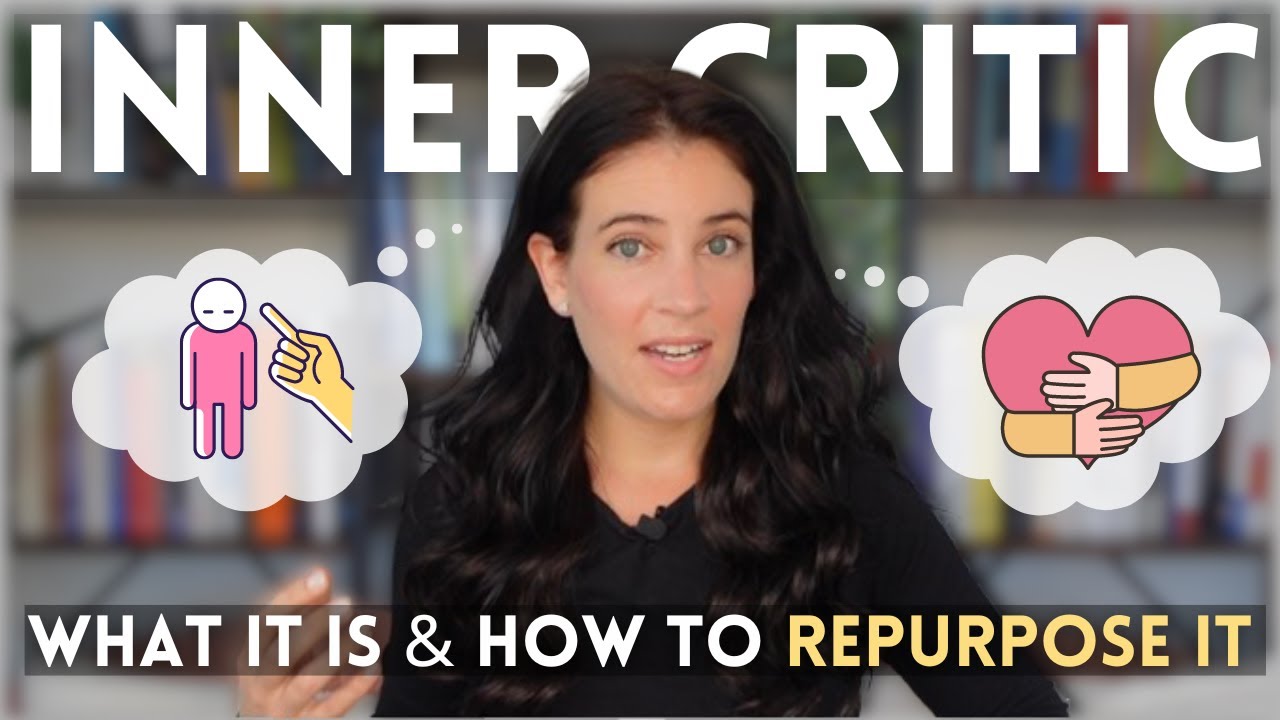
Heidi Priebe explains why structure and discipline matter for inner child work, arguing children flourish with healthy limits and offering five self-reflection questions.
Key Takeaways
- Healthy structure and discipline help the inner child relax, feel safe, and become creative
- Automating practical needs frees mental energy for joy and creativity
- Reparenting means building conditions where you feel safe enough to be playful and take risks
- Balance between authoritarian and neglectful inner parenting produces realistic, sustainable change
What the video covers
- The video is part of a self-esteem series and focuses on the role of structure and discipline in inner child and reparenting work
- The inner child is defined as the pure, emotional part of the self beneath layers of social conditioning and trauma
- Many inner child resources emphasize joy, spontaneity and playfulness, but Priebe argues structure is a more direct path to them
- Children who are happiest typically have parents who provide healthy, individualized structure matched to their needs
- Authoritarian households impose structure that serves parental feelings rather than the child's growth, leading adults to see structure as a dirty word
- Children naturally rebel against meaningless structure but feel safe and take more risks when limits feel protective
- Question one asks how anxious versus energized you feel daily, linking unmet practical needs to chronic anxiety in the inner child
- Question two examines how grounded you feel when making decisions, tied to knowing your authentic priorities
- Question three looks at boundaries and relationships, warning against both walls of resentment and overly porous connections
- The video recommends compromise between authoritarian and neglectful inner parenting styles rather than extreme goals and burnout
Chapters
- 00:00Introduction to Structure and the Inner Child
- 01:55Defining the Inner Child and Healthy Structure
- 03:52Authoritarian Households and Adult Views of Structure
- 05:51Reparenting as Creating Conditions for Safety
- 07:58Question One: Anxiety Versus Energy
- 10:45Question Two: Grounding in Decision Making
- 13:30Question Three: Boundaries and Relationships
- 16:15Question Four: Balancing Competing Needs
- 19:00Question Five and Reflection Practices
Full Transcript — Download SRT & Markdown
Speaker A
hey guys I'm Heidi PRI welcome back to my Channel or welcome if you're new here this month on this channel we are talking about self-esteem and today in particular I want to talk about the role that structure and discipline plays when
Speaker A
it comes to inner child or reparenting work now if you don't know what the term inner child means I do have a video Linked In the description of this one that goes over what that term means but essentially I'm going to encourage us to
Speaker A
just think of our inner children as the part of ourselves that exists beneath all the layers of social conditioning that just reacts in a very pure instant and emotional way to everything that is happening inside of our lives and
Speaker A
essentially the idea is that the more layers of attachment wounding or trauma or whatever it is we have on top of those basic authentic emotional reactions the less in touch with our inner children were going to be now when
Speaker A
I see people approaching inner child work whether this is workshops to talk about reparenting or blogs whatever the resource is what I see getting really heavily focused on is the role of getting in touch with joy spontaneity and playfulness and while all of those
Speaker A
qualities are absolutely wonderful qualities to access inside of ourselves I think that we aren't always going about it in the most direct way when you look at children and when you look at which children are the happiest and the
Speaker A
least distressed it's often the the children whose parents are holding a healthy amount of structure for them so parents who know their child well enough to understand what kind of structure and discipline that child needs in order to
Speaker A
feel as though they can kind of let go a little bit and just enjoy their lives and be creative and grow and learn things and the children who you see struggling the most are often children whose needs are being the most neglected
Speaker A
so children whose needs for safety security and structure are not being met in their home environment or children whose needs for structure and security are being met in a way that does not take into account what their actual
Speaker A
needs are so this might be the case when children come from a more authoritarian household where the rules of the house are not actually structured around the child's flourishing they're structured around the parents feelings which might be very stifling for the child's
Speaker A
emotional expression so children who come from more authoritarian households tend to grow into adults that look at structure as a dirty word because because the structure that was imposed upon them when they were children may have felt meaningless like it did not
Speaker A
actually help them to relax and enjoy their lives and Learn and Grow which is what it's a child's job to do it actually kept them very oppressed and it made them have to chronically monitor their behavior to make sure they weren't
Speaker A
making a mistake so in this sense children from homes like that were not actually given adquate structure because they were not given the structure that was needed for their own growth and development and that's what we're going to talk about today children including
Speaker A
the inner children that live inside of all of us need meaningful discipline and structure in order to let go and relax into their lives and be creative and so if we want to allow our inner children to access that energy consistently we
Speaker A
have to get to know those kids figure out what their needs are and then start showing up for ourselves in a way that provides containment for those children and they will naturally come out and do the rest of the work so the way I look
Speaker A
at reparenting is not through the lens of how do I very consciously and deliberately engage in more Play It's how do I create the conditions for myself where I feel naturally safe to be playful and creative in my everyday life
Speaker A
how do I make sure that I am meeting enough of my own needs and that I trust myself enough to continue Meeting those needs to allow s to relax into the experience of living and take the highs and lows of life as they naturally come
Speaker A
so we're going to go over a list of questions you can ask yourself to start getting an idea of where you may or may not be giving your own inner child the structure that they need to thrive and I
Speaker A
just want to reiterate one more time all children naturally rebel against structure that they find to be meaningless whether that Rebellion means acting out or shutting down internally but when children understand in their bodies when they have a felt sense that
Speaker A
the limits being placed on me are keeping me safe they flourish they might throw temper tantrums along the way but ultimately they experience a deep sense of safety that allows them to take many more risks in the world so what we're
Speaker A
going to talk about as this video goes on is how to cultivate that sense of safety for your inner child as an adult so that you can get more comfortable feeling secure enough to take more risks in your life so here are five questions
Speaker A
you can ask yourself to figure out where your relationship with your inner child is currently at question one on a daily basis how anxious and overwhelmed do you feel versus how energized and creative do you feel when we are not tending to
Speaker A
our own practical and emotional needs in a consistent way our inner children become overwhelmed with anxi iety because they know I don't have a parent looking out for me so if we are neglecting any major area of what keeps
Speaker A
us safe and healthy in the world our inner children are going to become overwhelmed with anxiety versus if they know that we are able to take care of ourselves and that we are going to do so even when it's not particularly fun our
Speaker A
inner children can relax and the mental real estate that normally gets dedicated to them panicking and ruminating over how they're going to get their needs met can get spent on creative thinking think about a 4-year-old or a 7-year-old trying to figure out how
Speaker A
they're going to pay rent stay healthy get a job these are not the jobs that should be going to our inner children but when we neglect the adult part of ourselves the part of our mind that knows how to take care of us we start
Speaker A
trying to solve those problems from an emotional place and from an emotional Place those problems feel like anxiety and distress so what we want to do here and we're going to talk more about this after we go through the rest of the
Speaker A
questions is figure out how we can keep certain systems running in the background of Our Lives that are getting our needs met and get clear with ourselves on how much time and energy am I going to devote to those systems every
Speaker A
single day in order to free up my mind for the rest of the time that I'm awake to think about other things that are not stress inducing so there's this quote about doing Hard Exercise that I cannot find the contribution for right now but
Speaker A
I remember going something along the lines of I can have one hard hour a day and 23 Easy hours or I can have 24 hard hours and the idea here is that getting the hard things done in life and
Speaker A
attending to our practical needs doesn't always feel great while we're doing it but it allows us the mental ease to enjoy the rest of our lives without having to fixate and ruminate on how we're going to get our needs met second
Speaker A
question to ask yourself to start examining your relationship with your inner child how grounded do I feel when making decisions so when we know our inner Children Well when we've actually taken the time to get to know who we
Speaker A
authentically are under those layers of conditioning and what is really important to us in life a natural set of priorities comes to the surface of our awareness and having a natural set of priorities that are authentic to us
Speaker A
allows making decisions to come fairly easily it doesn't mean we're going to love every decision it doesn't mean we're always going to choose perfectly or that every decision is going to feel effortless but when we are not in touch
Speaker A
with our inner children when we are basing most of our decisions around how we want to be perceived by other people or around what we think we should do with our lives often what happens is we feel really stressed anytime we have to
Speaker A
make a decision large or small because in some way we are at war with ourselves and the way to end that at war with the self is to spend a lot of time actually getting to know your inner child so that
Speaker A
they trust you to make wise decisions remember this is the difference between the child who is thriving because their parents are able to set rules and limitations that allow them to feel safe versus the children who are crippled
Speaker A
under the pressure of adhering to rules that don't make any sense for them and that are actually there to serve their parent when we make decisions based on what we think the rest of the world wants from us or based on how we want to
Speaker A
be perceived we are being abusive authoritarian parents to our own inner children and when we make decisions based on what our inner child wants in a given moment and nothing else we are being neglectful parents who are not
Speaker A
giving our children an adequate amount of structure and discipline to be a healthy and secure parent means to deeply understand both the wants and the needs of our children and create enough structure through the decisions that we make on a daily basis for ourselves to
Speaker A
allow our inner children to thrive and get some of what they want but most of what they need so if decisions are something you really struggle with ask yourself am I more of an authoritarian parent or a neglectful one or do I
Speaker A
flip-flop between the two do I go authoritarian and try to adhere to all of these rules and things I think I should do and then ricochet back over to the other side and for a while give myself everything I want as soon as I
Speaker A
want it and in both cases what's often being missed out on is who you authentically are what your actual needs are in life and your actual desires and you can start building a life around those things instead of ricocheting back
Speaker A
and forth between those two extremes but we're going to talk about that a little bit more after the next questions third question you might want to ask yourself to start getting an idea of how that relationship with your inner child is
Speaker A
going on average how much resentment do you feel towards the other people in your life versus how much do you feel as though you are present and accepting of the people in your life when we are not showing up as responsible parents for
Speaker A
our inner children what our inner children start naturally doing is looking around to see hey who in my life looks like a responsible adult who might be able to meet my needs and then we start getting attached to other people
Speaker A
expecting them to do the parenting of our inner children for us the problem is that this is nobody else's job so by and large people are not going to be willing to take on that job for us and we're
Speaker A
going to start resenting them for not providing us with the structure and discipline we're craving the reason we're going to go to resentment rather than anger is because anger is an emotion that leads to setting boundaries and if we set boundaries now we've just
Speaker A
put up a fence between ourselves and the other person and how are they going to meet our needs from the other side of that fence so we keep them close but we experience chronic resentment towards them resentment is usually a sign of
Speaker A
enmeshment we feel like we can't say what we want to say or we can't ask for what we want to ask for either because we're terrified of boundaries or because we are dependent upon them for meeting our needs usually it's some degree of
Speaker A
both and often the problem here is that the need needs we are looking to other people to fulfill are actually needs we need to be meeting for our inner children and so experiencing chronic resentment might be a sign that we
Speaker A
aren't fully showing up for ourselves and then we're projecting the need to be taken care of onto other people and expecting them to do it for us fourth question you might want to ask yourself to figure out where your relationship
Speaker A
with your inner child is at is how patient versus how panicked am I about getting my needs met so something I see quite a bit on the internet when I go perusing through different forums and Facebook groups that talk about
Speaker A
attachment healing in particular is this kind of gutteral panic around having unmet needs and I think that once again when our inner children are running the show and they know that they have neglectful parents anytime a need comes
Speaker A
up they're going to panic versus if you have a child with healthy and secure parents they can have the odd need come up and they understand that for most people life is kind of a constant fluctuation of meeting different needs
Speaker A
at different times so maybe for a while you really need to focus on your career at the expense of your Social well-being but if you have a healthy inner parent who you know sees you and understands you and knows what your overall needs
Speaker A
are it feels a lot more comfortable to put certain needs on the back burner for a period of time in order to meet more pressing ones because you know that your Healthy parent is keeping track of which needs are going under met and that
Speaker A
they're going to make sure those things get taken care of in the future so when we trust ourselves to both understand our own needs as well as find roots for getting them met it's not a panic-inducing sensation to for a period
Speaker A
of time have a need go unmet but again if our inner children are running the show and they don't trust our inner parent to meet their needs they're going to start desperately grasping at whatever they can find to get their
Speaker A
needs or wants which they often can't distinguish be between satisfied so again we're going to talk more about the antidote to this but we just want to get an awareness to start of which of these things we might be struggling more or
Speaker A
less with and the fifth and last question I recommend asking yourself is the question how much does shame and embarrassment hold me back from pursuing the things that I want out of my life and this is a really subtle but
Speaker A
important question to ask yourself because what it gets at is where does your or child have genuine skill deficits that they need your help developing around often when our children feel a lot of shame or embarrassment so they're having thoughts
Speaker A
like oh I really want to start dating but I don't really know how to relate to other people in a way that feels natural to me I only really know how to date from a social mass or maybe your inner
Speaker A
child really wants to do more body based stuff more movement more sport more activity but they feel really awkward and uncomfortable in their body or maybe in general you just want to feel more competent and capable of going after
Speaker A
what you want in life but your inner child has this fear that you're not smart enough to figure any of that out on your own and these are areas where if we just tell our children you're fine you're totally skilled in those areas
Speaker A
just go for it we're actually just kind of gaslighting ourselves because we often do have very real skill deficits that what we actually need to do in order to feel confident is to take the time to patiently and compassionately
Speaker A
develop Grace in the areas where we currently feel awkward sometimes it works to fake it till you make it but other times it really doesn't other times we really do have to sit down with ourselves and figure out in a stepbystep
Speaker A
way how am I going to develop this skill that I currently don't have but that feels important to me just sending our inner child out into the world to blindly fail at things without any sense of structure is it's not very good
Speaker A
parenting If the child inside of us really feels awkward around other people maybe it's worth investing some time and resource into slowly learning social skills maybe if our inner child feels really embarrassed about their appearance it's worth looking at am I
Speaker A
actually taking care of my hygiene needs my health needs do I know what clothes look good on me and what I feel really confident wearing this is the process of respecting the Dignity of our inner children AO the Dignity of ourselves
Speaker A
getting angry at ourselves for lacking skills that we were never adequately taught or that at the time we were taught them we were too traumatized or too dissociated to really take them on does not get us anywhere healthy
Speaker A
reparenting work means being willing to go back over some of the lessons that we kind of missed the first time around and figuring out how we can cater those lessons to the people we now know ourselves to be and to the more
Speaker A
vulnerable and CAU ious parts of ourselves that might need a little bit of extra structure around those areas maybe my inner child has this desire to go out dancing but they feel really awkward in their body so they only want
Speaker A
to go out dancing when they're really drunk and maybe a loving thing for my inner parent to do is rather than force that child to put down the alcohol if that's starting to feel like a problem and just go do the thing that feels
Speaker A
super uncomfortable maybe it's about investing in a program or an instructor who can actually teach my inner child to feel comfortable and attuned to the music so that eventually through practice and skill building they can do this thing that they want to do without
Speaker A
feeling embarrassed or needing to dissociate while doing it so this is embodiment work that happens from the ground up and what I want to go over now really quickly is just some of the antidotes or ways you might want to
Speaker A
start working on any of the things we just talked about if your answer to any of those five questions was was not the answer that you would have hoped so if you find that your inner child is chronically anxious and they don't have
Speaker A
a lot of mental space to relax and be playful creative and spontaneous in your life what you're going to want to do is make sure that you're spending some time figuring out what are your inner child's biggest stressors which areas of your
Speaker A
life on a practical level are you consistently not attending to in a way that your inner child is taking the stress and anxiety on about so are you taking care of your own security needs your own health needs your own hygiene
Speaker A
needs your own mental health needs and which things can you start putting into your life that you trust yourself to be consistent enough with in order for your inner child to relax a bit so often what this looks like is taking a step back
Speaker A
from both that authoritarian inner parent and that neglectful inner parent and finding the realistic compromise so instead of going I need to Triple my income this year and then getting really stressed out and falling back and burning out for 6 months and then
Speaker A
starting to feel stress over your security needs can you figure out a bare minimum amount of work that you need to do every month or a bare minimum budget you need to stick to to give yourself just enough freedom to not panic all of
Speaker A
the time so this is about dropping the idealism and telling yourself I have to make sure that no matter what even on the worst months when I'm feeling the most burnt out and unmotivated here is the bare minimum I will commit to doing
Speaker A
and it has to be something you actually trust yourself to do here is the bare minimum of how I will care for my health even when I'm feeling exhausted here is the bare minimum amount of socializing I will do to make sure that I don't become
Speaker A
completely isolated and withdrawn here is the bare minimum amount of work I will do in order to make sure that I can keep paying my bills without extreme overwhelm setting out these bare minimum rules for yourself that you and your inner child
Speaker A
agree upon allows your inner child to relax especially after they have seen you employ these bare minimum rules during periods where otherwise you may have let responsibility slide this can help you build back a sense of trust with your inner child because they're
Speaker A
going to start to see you behave in a practical and realistic way but also in a way that is not writing off their needs the next thing we want to make sure we're devoting some serious time to is
Speaker A
getting to know our inner children so getting to know who we authentically are beneath all of those layers of social conditioning what do we actually love and want to do with our lives versus what are we doing because we feel like
Speaker A
we should do it those are the forms of discipline that once again our inner child is going to naturally rebel against so if we want to tackle that second issue of struggling strling to make decisions we need to make sure that
Speaker A
we are investing enough into our relationship with our inner child that we're understanding why we're giving them rules in the first place if we are working jobs that we do not actually enjoy working but that we think it's
Speaker A
good for our social status for us to work our inner children are going to start feeling either depressed or anxious or they're going to start dragging their heels every day when we go into work versus if we're choosing
Speaker A
the work that we do from a place of genuine love so we're doing something that most of the time our inner child actually really enjoys and feels curious about they're going to be willing to rise to the occasion for us more often
Speaker A
so the ways we can tell that we're making decisions from that inner child is that often our bodies feel energized and excited and like they want to move towards the decisions we're making versus decisions that we make from a
Speaker A
place of feeling like they're what we should do tend to feel really constricting they tend to make us feel lethargic or anxious in our energy and it might start feeling really hard to motivate ourselves even though in theory
Speaker A
we're picking what we think we want so the body does not lie here one of the most valuable things you might ever be able to do for yourself is get in touch with what feels like a yes in your body
Speaker A
versus what feels like a no in your body and this is something that you're going to have Tok back to time and time again again over the entire course of your life I still frequently have experiences where I make a decision that I think I
Speaker A
authentically want but my body starts reacting with no energy I start feeling lethargic or anxious and I have to end up getting honest with myself and going you know what I think my ego really wants that decision it really wants to
Speaker A
work that job or date that person or whatever it is but my authentic self the part of me that actually Wants What It Wants no matter what anyone else has to say about it does not want that thing
Speaker A
and then when I let that thing go it's like all of my energy and creativity and vitality comes rushing back to me that's how we know that we are making a decision from an embodied place from the energy of authentic yes rather than this
Speaker A
kind of stuck cognitive energy of what we think we should be doing the next thing we want to look at if we struggle with trying to get our needs met through other people is building self trust so I
Speaker A
do have a video on self-abandonment so what happens when we Outsource our needs to other people and then another video on rebuilding self trust after a lifetime of self-abandonment both of which I will link in the description of
Speaker A
this one and I highly recommend either checking those out next or pausing this video and watching them now if this is something that you really identify yourself struggling with but in general what we want to be clear on here is that
Speaker A
we don't ever want to be interpersonally getting our needs met at the expense of our self-respect and integrity anytime we do that tradeoff we do something we're uncomfortable with so that someone else will take care of us in some way
Speaker A
that we are neglecting to take care of ourselves we lose a little bit more of our self-respect and our self-trust and those are two things that are crucial for building a strong relationship between our inner parent and our inner
Speaker A
child so we want to really spend some time on this one and do some repair work if we find that this is an area where really struggling with when you can look at yourself in the mirror the way you
Speaker A
would look at a partner who you believe to be totally competent and go I trust you completely I believe you are capable of meeting my needs and I believe that you will the relationship that you have with yourself goes to a totally new
Speaker A
level I believe that's one of the deepest forms of self- Lov we can have is self trust the belief that we will stay on the page with ourselves and show up to meet our own needs even during the
Speaker A
periods where it feels the hardest to do that which leads us into that fourth Point how calm versus how patient are you in meeting your own needs when we have a clear idea of what our values are so when we've really taken the time to
Speaker A
not only get to know ourselves but also observe ourselves moving through life and notice the times when for example we picked something that we thought we wanted and then realized we didn't want that we were mistaken if we can make
Speaker A
sure that we're tracking in that through doing frequent reflection on the choices that we've made what's going to happen is we develop better and better discernment so we start to understand what's most important to us in life not
Speaker A
through virtue of what we're cognitively imagining to be most important to us but by actually looking at the past and recognizing which situations most naturally brought out my aliveness and my creativity versus which situations did I find draining and deadening We
Speaker A
Gather really useful information on making better future decisions so this is something we can do ongoing reflection about but it's also something we can devote very intentional time to so a practice I used at one point that I
Speaker A
found very helpful was just sitting down and writing out periods of my life where I felt the most energized on the same page with myself like I wasn't experiencing intense inner conflict and then looking at what the common threads
Speaker A
were between those experiences even if they were only a couple of days long at a time even if they were only an hour long at a time just starting to trace through our history and starting to find patterns around what energizes versus
Speaker A
depletes us can be a really great place to start when it comes to getting to know our inner children and what values they hold and when we have a life that is structured around our genuine values and priorities once again we're not
Speaker A
going to panic as much if we have a certain need going unmet for a short period of time we're going to trust ourselves to stay true to our values and attend to that need later on when it's appropriate for us to do so so in the
Speaker A
interm we can stay relaxed and once again allow our inner child to keep approaching our lives with that creative spontaneity and joy and the last thing we want to stay aware of once again to help our children build the appropriate
Speaker A
skills that they actually want and need in order to navigate the world as the most authentic version of themselves we have to look at which values does my child hold or which desires do they have that are maybe shame Bound for me so if
Speaker A
for example I think it's really shallow to focus on appearance because maybe I internalized at a young age that only vain people care about what they look like I might have this inner child who's now really sad if I'm not treating
Speaker A
myself with dignity when it comes to how I present myself or maybe I feel really uncomfortable in social situations because I've internalized that being strong and Silent is the right way to be and being upbeat or extroverted is the
Speaker A
wrong way to be but maybe my inner child is really craving deeper connection and they need us to help them learn how to connect with other people in a way that actually feels authentic to them and not like they are just paring what other
Speaker A
people are doing in a way that does not feel authentic to them so all of this work all of these questions that we ask ourselves and all of the answers that we start to find for them allow us to gain
Speaker A
a deeper sense of who we are and how we ought to be structuring our time and spending our money and making plans for the future based on the people we actually are at our core so this is not
Speaker A
about imposing senseless structure and discipline on ourselves it's about setting up the conditions for our lives that take the pressure off of us enough that our inner children can actually come out to play so giving our children enough structure that they trust us and
Speaker A
are able to come fully to life through the attuned parenting that we are giving them all right that's all I have to say for today on this topic but as always let me know in the comments any thoughts
Speaker A
feelings questions you have coming up as you go through this video I love you guys I hope you're taking care of yourselves and your inner children and each other and I will see you back here again really [Music]
Speaker A
soon
Topics:inner childreparentingstructure and disciplineself-esteemboundariesdecision makingself-parentingemotional safetyHeidi Priebe