Skip to content
Get App

C-PTSD and UNLEARNING Helplessness: Why You Numb Out & How To Reclaim Emotional Agency

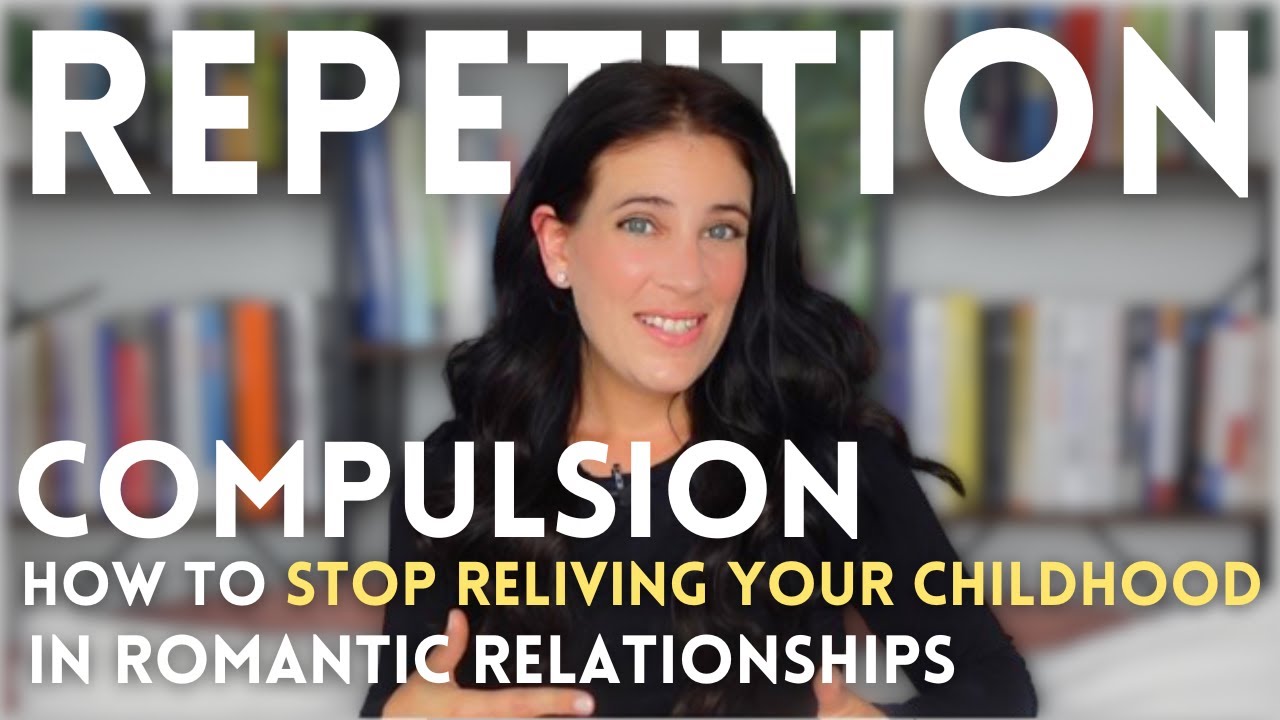
Heidi Priebe explains how emotional neglect and shame in childhood teach learned helplessness, leading adults to numb feelings, and how to reclaim emotional agency.

Key Takeaways

  • Emotional neglect or shaming in childhood can produce complex PTSD symptoms and learned helplessness around feelings.
  • Numbing out is an adaptive response that can become maladaptive in adulthood.
  • Learned helplessness can cause people to miss available options even when circumstances have changed.
  • Reconnecting with emotions gradually and within safe environments is key to healing and reclaiming agency.

What the video covers

  • Introduces learned helplessness as it relates to complex PTSD, toxic shame, and fearful or disorganized attachment.
  • Explains that when children's emotions are shamed, rejected, punished, or ignored, they develop a false persona that suppresses instinctual feelings to gain agency.
  • Notes that such adaptations were once useful in childhood but can become maladaptive in adulthood.
  • Argues that bodily instincts such as anger, grief, and fear do not disappear when ignored and can drive numbing behaviors.
  • Describes common numbing strategies: substance use, rigid compulsions, and rumination loops.
  • Recounts the 1960s learned helplessness dog experiment (inescapable shocks, then escapable shocks) and applies it to humans.
  • Suggests that adults with such wounding may fail to notice available options in intolerable situations and default to disconnecting and enduring.
  • Discusses how emotions were never meant to be nuisances and that deeper layers beneath compulsions may hold joy, lust, and excitement.
  • Recommends building awareness cognitively first, then gradually reconnecting with feelings, and seeking environments where emotional expression is safe.
  • Offers practices such as circling, self-compassion around exhaustion, and creating authentic expression, including the speaker's own healing through YouTube.

Answers

Questions about this video

What is learned helplessness according to this video?

Learned helplessness is the belief, formed in childhood through uncontrollable or emotionally invalidated experiences, that one cannot influence one's circumstances. Heidi Priebe links it to the dog shock experiment and explains that it leads adults to endure situations rather than look for options.

Why do people numb out their emotions according to the speaker?

Children who learn that their feelings are unwelcome often conclude they must suppress emotions to gain agency. Over time, feelings that interfere with goals are numbed through substances, compulsions, or rumination, even though the body's instincts persist.

How can someone begin reclaiming emotional agency?

The speaker recommends first building cognitive awareness that emotions are not shameful, then slowly reconnecting with feelings in safe, emotionally welcoming environments. Practices such as circling and self-compassion are suggested as useful steps.

Full Transcript — Download SRT & Markdown

00:00
Speaker A
Hey guys, I'm Heidi Prib. Welcome back to my channel or welcome if you're new here. This month on this channel, we've been talking about resilience. And today in particular, I want to talk about the concept of learned helplessness as it
00:14
Speaker A
pertains to complex PTSD, toxic shame, or in a lot of cases, fearful or disorganized attachment. So basically what all of these constructs have in common is that in a lot of these cases certain parts of the personality specifically the feeling parts of the
00:32
Speaker A
personality. So the parts of ourselves that operate on instinct basically develop the idea that they are not welcome outside of the body. So this is what happens when at a young age our emotional inner worlds are repeatedly shamed, rejected, punished or in some
00:51
Speaker A
cases triggering to the people around us andor met with abuse when they get expressed. And when this happens to us, essentially what we learn is that if I want to have agency in the world, so if I want to enjoy a sense of independence
01:07
Speaker A
and autonomy and respect and the ability to get what I want out of my environment, I have to develop a false persona that leaves out some or all of my core instincts and emotions. And at the time when we developed this idea,
01:23
Speaker A
it's generally one that's quite adaptive because once again, children grow up just naturally expressing their feelings and needs, this is what our bodies are designed to do. and in a healthy and secure caregiving environment. It's not that parents fold to their children's
01:39
Speaker A
every need or wish, but they're able to help their children make sense of those needs and those emotions as they're arising without shaming them or giving the children the idea that they're wrong for having those feelings. But what
01:53
Speaker A
happens in those caregiving environments where emotional expression, whether that's all emotions or just certain ones, are either shamed, rejected, punished, or completely ignored. So you can develop complex PTSD symptoms simply from having emotional neglect as a child and not having a lot of mirroring around
02:13
Speaker A
your emotions. And in any of these cases, what we internalize as children is generally that if we want to make an impact on our environment in any way, so if we want to get what is needed from our environment, we have to operate from
02:27
Speaker A
a false self that keeps either certain or all of our emotions repressed. So as we grow up, we might think, yeah, I can have autonomy and agency in the world. I can act in a way that gets me what I
02:40
Speaker A
want out of life, but I cannot use my feelings to guide that process. I have to start living predominantly from my head. And we generally get pretty good at reasoning out what is likely to keep us safe without having to actually
02:56
Speaker A
consult how we're feeling. Now, the problem is that our body's instincts do not just disappear when we stop paying attention to them. Our bodies still get angry when we feel disrespected. They still feel grief when we lose something.
03:10
Speaker A
They still experience paralysis and fear when we're in a stressful situation. But if we've learned that these signals our bodies give us not only are unimportant, but actually impede upon our ability to get what we want out of life, we're kind of left
03:25
Speaker A
with one option, which is to numb our feelings out. Because otherwise, those feelings are likely to get in the way of a lot of the stuff that we want to get done in the world. And so if we have
03:37
Speaker A
that sense of learned helplessness around our feelings, of giving up on them as reliable sources of information or useful things to communicate to the world, we have to find ways to disconnect from them internally so that we are not chronically distracted by
03:52
Speaker A
them. So this can look like managing our physical state through substances. Whether those substances are legal or illegal, there are many ways to numb out that do not necessarily require us to break the law. This can look like
04:04
Speaker A
developing really rigid behavioral patterns or compulsions that give us temporary relief from the feeling states that we don't want to be in. This can look like getting endlessly stuck in thought loops or rumination loops inside of our minds because we are chronically
04:18
Speaker A
trying to understand something that actually requires our emotions to make sense of. And there are many more ways that we can numb out our feeling state.
04:28
Speaker A
But what we want to pay attention to here is the fact that well this may genuinely have been adaptive for us early on in life. We often have no idea if we grow up with toxic shame or other
04:41
Speaker A
forms of CPTTSD like wounding that as adults the very thing which was once maladaptive for us which was being aware of and acting based on instinct is now in fact potentially quite adaptive. We just haven't thought to reconnect with
04:56
Speaker A
ourselves in that way. So this is where we are going to explicitly look at the concept of learned helplessness. The concept of learned helplessness originated from this experiment that was done in the '60s using three different groups of dogs where basically one group
05:11
Speaker A
of dogs was placed in a room where they were administered electrical shocks that they had no control over. So they were unable to predict when the shocks would happen and they were unable to do anything to stop the shocks. Another
05:24
Speaker A
group of dogs was placed in a room with no shocks administered. And another group of dogs was placed in a room where they were able to escape the shocks. So they would get shocked, but they could press a panel with their nose that would
05:36
Speaker A
stop the shocks. Then they took all three groups of dogs and put them in the same situation. And in this situation, they were administered shocks that were escapable. So they could change the situation and stop receiving shocks. The
05:50
Speaker A
group of dogs that never received any shocks, they got out of the situations quite quickly. Same goes for the dogs who were administered shocks in the first part of the experiment but had the option to escape them or make them stop.
06:01
Speaker A
They had already learned there is a way to get out of unpleasant situations. And then that last group of dogs, the ones who had in the initial condition been administered shocks that they could not predict or escape, didn't even try to
06:15
Speaker A
get out of the environment they were put in in that second part of the experiment when shocks that were escapable were administered to them because their brain had internalized when you get shocked, you have no autonomy and cannot escape
06:28
Speaker A
from this. So don't even try. And this concept got coined as learned helplessness. Even in situations where they actually were no longer helpless, the dogs had no idea how to go searching for opportunities to help themselves because their brains had internalized
06:45
Speaker A
that there is nothing they can do to control their circumstances. And this phenomenon is absolutely transferable to human beings. When we learn as children that our actual authentic selves do not have control over our situations and the only way to survive our situations is to
07:02
Speaker A
adapt, what happens is we find ways internally again through numbing out and shutting down to adapt tolerable situations. Just like the dogs in that experiment learned to simply endure shocks in the first part of that experiment because they didn't see
07:20
Speaker A
another option. So when we adopt that pattern of feeling pain or distress and assuming there is nothing we can do other than finding a way to detach from it and endure it, what happens is that as adults, when we find ourselves in
07:35
Speaker A
other situations, whether that's at work, in relationships, whatever it is that are intolerable for the average person, for some of us with certain types of wounding, our minds do not clock those situations as intolerable.
07:49
Speaker A
They simply clock it as time to disconnect from myself and endure. When in reality, we might be that dog who is now in the second part of the experiment where there are way more options to us available than simply shut down and
08:04
Speaker A
endure a bad situation. But we haven't learned to do that contexting to look around and ask ourselves, are more options available here? Because again, our entire nervous system is wired to believe that there are not. And so where
08:18
Speaker A
this becomes really important is when as adults we find ourselves in positions where actually reconnecting to our instincts and listening to the wisdom of our emotions is incredibly important for designing our lives. But we just go on assuming that information is pointless
08:35
Speaker A
and so we don't tune into it. And we tend to develop a lot of problems as a result of that. Because emotions are not designed to be nuisances or things that come up for us that only lead to
08:48
Speaker A
disconnection. Our feelings are actually meant to serve as internal compasses that guide us through life in strategic ways. So our feelings are there to help us understand what our nos are and where our boundaries need to be set as well as
09:02
Speaker A
what our yeses are and what we want to move towards in life. So that's what we're going to start talking about now.
09:08
Speaker A
how to unlearn the helplessness that our feeling self has internalized and start giving that part of ourselves a way to express itself and make direct contact with the outside world. Now, if this feels terrifying for you, don't worry.
09:23
Speaker A
We're going to talk about why this process does not have to be as excruciatingly shameful as your system might immediately fear that it's going to be. So when we have something like toxic shame, complex PTSD, disorganized attachment, anything that essentially
09:38
Speaker A
causes us to develop a persona that operates to cover up our raw emotions, essentially our self-concept looks like this. We have the strategic top layer of functioning, the version of ourselves that we show to the world. It's who we
09:51
Speaker A
want people to think of us as. So when someone calls our name into their mind, we're pretty much always hoping really hard that this is the version of us they're thinking of. And this is our false or adapted persona that leaves out
10:05
Speaker A
a lot of who we actually are. Now, the layer underneath this is generally the layer that those of us with toxic shame assume is the real us. This layer might include things like our compulsive habits, our addictions, our obsessive
10:20
Speaker A
thought patterns, maybe things like lirance. And all of these things are actually not the core of who we are.
10:27
Speaker A
Though we might really deeply fear that that's true if we have toxic shame. What all of these things are are basically the net that catches our raw emotional expression and traps it when we don't allow it to come out. So if we have
10:41
Speaker A
something like a feeling of joy arising in us and we have learned that is not okay to express, right? I cannot go up to someone and express joy and happiness about being in connection with them.
10:51
Speaker A
That would get me rejected. Then what happens is our brain still has to do something with that feeling. So it might channel it into something like a fantasy world where now maybe you have all of these imaginary connections with people
11:03
Speaker A
who exist in your real life, but you're too afraid to actually go up and share your feelings with them. And so now you're kind of stuck in this fantasy world that exists as a layer on top of reality. And you might have shame around
11:16
Speaker A
that because you might feel on some level, oo, it's really creepy that I go to work and interact with this person really nicely and then go home and imagine us getting married off the coast of France in a hot air balloon every
11:27
Speaker A
night. But that lirant state, that fantasy world, that is actually not the core of who you are. That is a defense your body has learned against the direct expression of something like joy or lust or excitement. In the same vein, let's
11:42
Speaker A
say something like anger starts rising up in your system and you have learned it is not okay. It is not safe to express anger. Then we have to look at okay what numbs out anger if not direct expression. The answer to that is very
11:56
Speaker A
often habits like overeing or drinking or obsessive ruminating thoughts. All of those things can kind of catch the anger so that it doesn't have the chance to leave our bodies which we have implicitly learned we cannot allow to
12:10
Speaker A
happen. And so this entire second layer which is generally the cause of deep unabiding shame in people who have toxic shame is actually not the core of who you are. It is simply what your body and your system is doing to try to avoid who
12:27
Speaker A
you actually are from escaping. And who you actually are is simply a human being with a body that is constantly giving you information in the form of instincts and emotional responses. And the first step in unlearning helplessness when it
12:43
Speaker A
comes to connecting the authentic self directly to the world is to get clear on the fact that that is all you are is a human being with a body that has feelings and instincts just like everybody else. The only difference is
12:58
Speaker A
that you did not learn how to directly and cleanly express those instincts and find proper expression for them in the world outside of your body. So you did not learn to get angry and actually just express your anger clearly and directly
13:13
Speaker A
and set your boundaries. You did not learn to just feel joy or the desire to be in connection with someone and to just appreciate that and spend time basking in the warmth of connection. Or maybe you never learn that when you lose
13:27
Speaker A
something, it's a natural response for the body to exist in a state of slowness and grief until the feeling passes.
13:35
Speaker A
Something that we learn when we learn to connect with our feelings and express them directly as children is that all feelings just kind of pass with time once we are congruent about them and we let them out and have them be witnessed
13:48
Speaker A
and seen by other people. And so step one in reclaiming our agency and our autonomy if we have lost it at a very young age is essentially just to identify that to be clear with ourselves that all our feelings are is sensations
14:03
Speaker A
that are happening in the body. And all of these neurotic habits and thought patterns that we think are the core of who we are are actually just our bodies being unable to directly express what arises naturally inside of us by virtue
14:16
Speaker A
of living. So the only thing we are at our core is a human being who has feelings like everybody else, but who did not have a way of expressing them congruently and directly early on. So who developed a whole bunch of secondary
14:29
Speaker A
coping mechanisms to regulate around the feelings that we could not express. But there is a way to learn the skill of congruence and direct expression. And when we do that, that second layer naturally stops feeling as relevant or
14:43
Speaker A
important to us. over time it starts melting away. And so the question here is once we become aware, at least on a cognitive level, we don't have to feel it all the way through yet, that there is nothing inherently shameful about our
14:56
Speaker A
body having emotions and instincts, then our task becomes learning to in small ways honor those feelings and instincts instead of subconsciously repressing them and shutting them down. And this takes a really long time in a lot of cases to even develop the awareness to
15:14
Speaker A
notice what our raw momentto- moment emotions are. But if we can try to at least once a day as someone with CPTTSD or toxic shame notice something we are feeling on the raw sensate level. So something like I'm feeling really tense.
15:32
Speaker A
Maybe that means I'm uncomfortable in this situation. If we can try once a day to just notice at least a sensation we are having that is occurring purely at that level of raw instinct or emotion and name it. We are
15:49
Speaker A
already on our way to developing more awareness about who we are which is the first step in eventually being able to live as the person that we are. So this is the process of just letting ourselves know my feelings are real. There is
16:03
Speaker A
nothing wrong with them and they just exist. They don't have to be right or wrong. I can just notice them. And then once we're able to start noticing our feelings a little bit more each day, we want to see if we can start practicing
16:17
Speaker A
acting on them directly in small ways. So this could be something as simple as noticing when we feel tired and instead of going into our self-shaming program that goes, "You shouldn't be tired. You should be back at work. The most
16:30
Speaker A
successful people are all working 60 hours a week. If you can give yourself 10 minutes to relax, to lie in bed, to honor that sense of exhaustion, and to admit to yourself that it's probably signaling something real about your
16:45
Speaker A
body's needs. That is now giving your body the signal that feelings and needs are not only real, but they are things that can be responded to, which is likely what you didn't get growing up.
16:57
Speaker A
So again, we can do this really slowly over a long period. Once a day, if you can find some emotion or some need that wants to be honored and interact directly with it, you're going to be on your way to developing more emotional
17:12
Speaker A
autonomy. And again, this can all be so small. It can be something like checking in with your body when making plans and noticing if you actually don't want to do a plan that's being proposed to you and then kindly declining the offer
17:27
Speaker A
rather than saying yes because you feel like you should. It's about making those little choices that keep us from living predominantly from our heads. And there's nothing wrong with using our rationality and using the brilliant things that our brains provide us with.
17:41
Speaker A
But what we're working on here is giving our feelings autonomy also so that eventually we have our feelings and our brains working together to give us the best possible solutions that we are capable of coming up with. So every day
17:54
Speaker A
can you find some small way to connect with notice and honor some feeling that you're having? This is the step where all of the rest of the work is going to start flowing out of. And as we go down
18:06
Speaker A
this path, what we want to be doing is seeking out more and more environments where emotional expression is safe and welcome. And at this phase, we generally do want to be controlling for our environments a little bit. So if there
18:20
Speaker A
are certain environments where we know the people in those environments are going to be rejecting or shaming if we start expressing our emotions, this is not where we want to practice this. We want to give ourselves the opportunity
18:31
Speaker A
to have corrective experiences of expressing our feelings. So that might mean doing something like finding a therapist or a coach that you can start expressing some of your more authentic feelings to and notice what happens to not have them be punished or rejected.
18:48
Speaker A
When I was in this phase for a period of a couple years, I would go to one or two 12step groups a week. So either codependents anonymous or adult children of alcoholic and dysfunctional families anonymous. And I would just practice
19:01
Speaker A
saying my feelings in a two-minute chair and just noticing what it was like to sit in a room and share my feelings where the response was absolutely nothing because you are not allowed to directly respond to what people share in
19:14
Speaker A
12step meetings. And this was actually a very healing experience for me who felt a lot of fear at the prospect of expressing what I was feeling. To just share something about my week or my emotional processing and have people
19:28
Speaker A
just kind of sit in front of me calmly while I did it with absolutely no negative retribution really helped something rewire in my system. It helped me to start see my own emotions and experiences as neutral, just something
19:41
Speaker A
that absolutely everybody has. Other things that personally help me at this step, but again, you're going to want to cater this to yourself, are things like practicing circling, which is an interpersonal meditation practice where essentially you're letting people know
19:55
Speaker A
about what sensations are coming up in your body and what thoughts you're having or what emotions you're experiencing in real time. Something like that really helps train this muscle in an environment that is explicitly designed for people to reveal their
20:10
Speaker A
inner worlds. But the point is, we want to be finding small places where we can express ourselves with either very little chance that we will be rejected or ideally environments that are specifically designed to be non-rejecting like therapy or support
20:24
Speaker A
groups. Showing up to these environments time and time again and expressing our emotions as they authentically are time and time again gives our body proof of something new, which is that we actually can express ourselves directly to the
20:40
Speaker A
world and at the least not suffer major consequence. And the more our bodies start to log that, the more confidence our emotional selves build that they are welcome in the world. And the cool thing about this is that as you're going
20:54
Speaker A
through this process, you're exposing yourself, your actual self, the one that exists in your instincts and your body to other people who can potentially mirror things back to you. And so you're now engaged in the process of figuring
21:08
Speaker A
out who you are at your core, which may never have been available to you growing up. And the more you learn about that person, the more you'll also naturally find ways where that person fits into the world as your authentic self. I've
21:21
Speaker A
said this on here before, but a humongous part of my own healing from toxic shame was actually starting a YouTube channel and being able to talk directly to other people about what was authentically on my mind and happening
21:34
Speaker A
in my body and learning that that can actually be helpful for other people. It can actually be a way of connecting with others over shared experiences. So, this can actually be something that draws me into connection rather than keeps me
21:48
Speaker A
isolated. But if I had never started challenging the assumption that nobody wanted to hear what was inside my brain or going on in my body in small deliberate ways, I could never have found the ways in which my life could
22:01
Speaker A
actually be transformed by listening to the wisdom of my emotions. Now the other reason why we really start figuring out who we are through this process is because our emotions are telling us all of the time who we are. We just aren't
22:15
Speaker A
always listening to them. So before I got into all of this work, I was really big into intellectual approaches to selfidentification. So I loved systems like MyersBriggs and the ENOG and essentially any tool for self-exloration that would give me a cognitive model of
22:31
Speaker A
myself that did not require me to actually tune into my feelings. And I don't have anything against those systems, just to be clear.
22:39
Speaker A
I think anything that helps people understand themselves in new ways is generally a positive thing. But it was really cool to me to learn that all along my whole life, there had always been a part of me that naturally knew,
22:53
Speaker A
for example, where my boundaries lay. That part of me was my anger. And it had been with me my whole life trying to give me information about what my boundaries were, what it meant to respect myself, and what I was not okay
23:06
Speaker A
with. So, there were times in my life where I felt like I was completely lacking selfrespect. But that's not true. My body has always respected me.
23:15
Speaker A
It has always known where my nose are and where my boundaries lie. I just have not always listened to my feelings and taken them seriously. But there has been a woman who respects me inside of me from the day that I was born. There has
23:29
Speaker A
also been a woman who knows how to grieve and who registers when something is lost. And that feeling of sadness has existed in my body my entire life. I just haven't listened to it. There has always been a woman inside of me who
23:43
Speaker A
knows what I want and what excites me and what propels me forward in life. I just have not always listened to those yes responses. Though to be fair for myself, that was not a particularly shame bound one. But for a lot of
23:56
Speaker A
people, it is. For a lot of people, the experience of joy and being drawn into things is actually something that their system naturally tries to shut down. And so the more that we learn about who we are through direct engagement with and
24:10
Speaker A
expression of our emotions, the more we can find the places in life where we actually fit. The relationships where we do not have to numb out all of our anger to stay in them. The jobs where we do
24:23
Speaker A
not feel deadened inside showing up to them. the lifestyles that celebrate the types of people we actually are that provide us with ongoing energy and ongoing no signals from the body. Yes, this know that is what our body is
24:40
Speaker A
chronically telling us. And when we learn to live in alignment with that and make the decisions of our lives based on that, things like depression, anxiety, addictions, and compulsions are all things that we naturally start seeing less of. But this brings us to our last point
24:59
Speaker A
that I also think is really important to drive home because I am all about not idealizing the healing process in and of itself. No matter how much of this healing work that you do, if you grew up with this patterning, there are probably
25:11
Speaker A
going to be times where you notice I'm numbing out a lot again. Even if for a while I was doing a really good job of living in alignment with my body and my instincts, but instead of shaming ourselves for those habits or those
25:24
Speaker A
thought patterns or whatever it is that we tend to fall into, we can actually now use them as information. So, we can look at periods where suddenly we're abusing food or substances again or suddenly we're stuck in a lot of
25:38
Speaker A
neurotic thought patterns again. We can use that as information, our body signaling to us that there is some strong emotion here that we have not yet found a way to be in direct contact with and find right expression for. And so
25:55
Speaker A
again, instead of shaming ourselves for these patterns that arise, we can use them to our advantage. They can be a giant X that marks the spot of some emotion that is begging for our attention. And then we can finally give
26:10
Speaker A
it to it. And so even that dreaded second layer of parts of ourselves that we think are so intolerable can also be something that we learn to appreciate and make use of because it's like a signal going off that we are not fully
26:25
Speaker A
connected to what's happening in our bodies and we need to find a way to tune back into that and notice what our bodies are trying to tell us. And again, this is a long process that happens in starts and stops and rituals and habits
26:39
Speaker A
that we develop on route of being able to check in with ourselves in small ways until we can live more and more in alignment with the version of ourselves that is naturally attuned to who we are and what we want out of our
26:54
Speaker A
relationships and our lives. All right, I'm going to leave this at that for today, but as always, any questions, any comments, anything that's come up for you as you've gone through this video, please leave it in the comment section below. I love you guys.
27:09
Speaker A
I hope you're taking care of yourselves and each other, and I will see you back here again really soon.
27:18
Speaker A
[Music]
Topics:C-PTSDlearned helplessnesstoxic shameemotional numbingattachmentemotional agencytrauma healingemotional neglectHeidi Prieberesilience

Get More with the SozAI App

Transcribe recordings, audio files, and YouTube videos — with AI summaries and speaker detection. 30 minutes free.

Or transcribe another YouTube video here →