Skip to content
Get App

В Молдову за один день

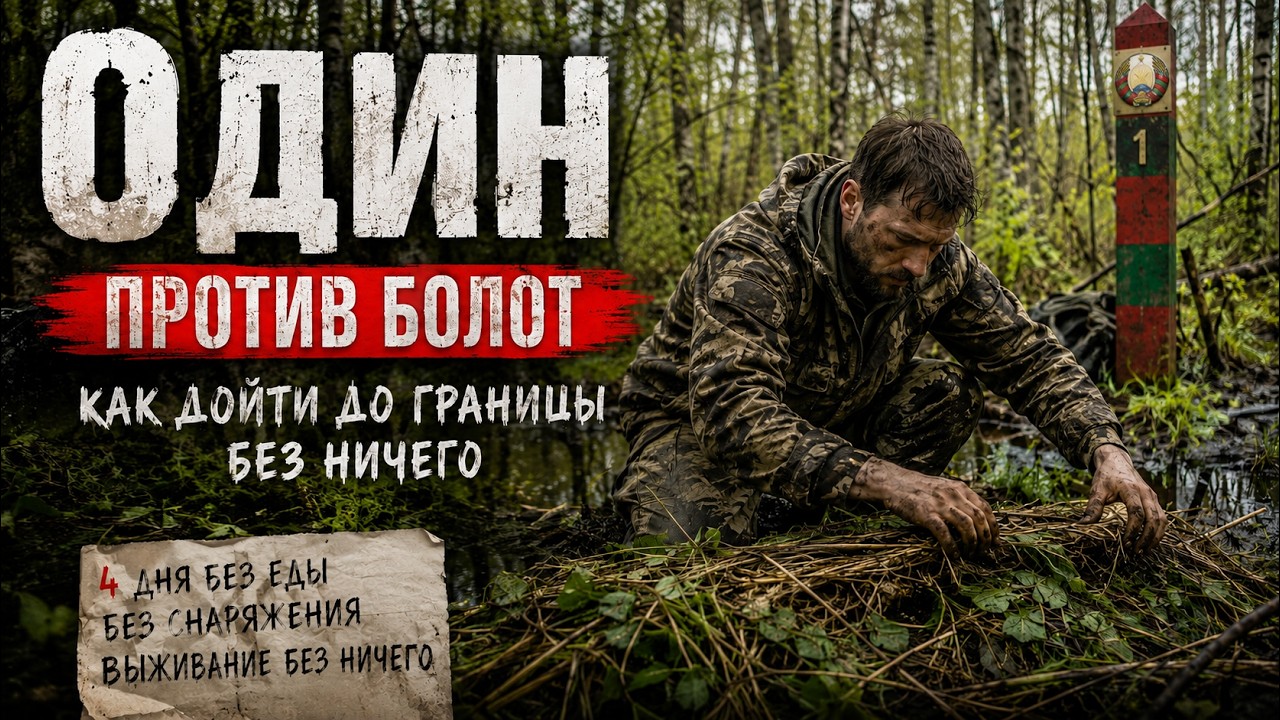
Two men from Ukraine share their harrowing escape to freedom through Moldova, detailing challenges, preparation, and survival tips.

Key Takeaways

  • Proper preparation and equipment are crucial for a successful border crossing.
  • Choosing the right route can reduce risks of capture and deportation.
  • Psychological readiness and confidence play a vital role in survival.
  • Learning from others' experiences can provide valuable insights.
  • Flexibility and quick decision-making are essential during escape.

What the video covers

  • Pavel and Andrei, from Ukraine's Khmelnytskyi region, recount their escape from military conscription and harsh conditions.
  • They describe the prison-like conditions at a distribution center and Pavel's miraculous escape.
  • The duo decided to flee due to increasing risks and the inevitability of forced conscription.
  • They chose Moldova as their escape route due to shorter crossing distance and fewer deportation risks compared to Belarus or Romania.
  • The crossing involved navigating difficult terrain, including steep slopes and the Dniester river.
  • They prepared with specialized gear like thermal wetsuits, anti-thermal socks, and a video signal scanner to detect border guards.
  • Despite challenges and mistakes, their journey was successful, and they emphasize the importance of good equipment and preparation.
  • They learned from previous escapees' experiences shared in videos and audio recordings.
  • The psychological aspect of the escape was as important as physical preparation.
  • They stress the need for adaptability, good clothing, and sturdy backpacks for survival.

Answers

Questions about this video

Why did Pavel and Andrei choose Moldova for their escape?

They chose Moldova because the crossing distance was shorter and easier compared to other routes like Belarus or Romania, which had higher risks of deportation and difficult terrain.

What kind of equipment did they use for the crossing?

They used thermal wetsuits, anti-thermal socks, a video signal scanner to detect border guards, sturdy backpacks, and good clothing to improve their chances of survival.

How did they prepare mentally for the escape?

They gained psychological confidence by gathering information, watching videos of previous escapees, and understanding the challenges ahead, which helped them stay focused and adaptable.

Full Transcript — Download SRT & Markdown

00:07
Speaker A
Greetings to free people. How are things? How are you doing in freedom? I heard you swam across the Dniester, right? Hello. Uh, yeah, everything is sort of, well, improving, let's say.
00:22
Speaker A
We are recovering, yes. Well, what's it like, generally, to breathe the air of freedom after so many years living in Ukraine?
00:32
Speaker A
Yeah. Yeah, it is certainly unusual, walking down the street, we went to the lake today, or to the park. I mean, it's certainly unusual, yes, but it's pleasant.
00:44
Speaker A
Well, it's pleasant. Exactly. Well, that's great. Since there are enough of our guys in Moldova in the private group, you can get together, go for walks, do things, and enjoy a free life.
00:59
Speaker A
Yes. Yes. So, let's get acquainted then. Tell us a little about yourself and how you ended up there. My name is Pavel, from the Khmelnytskyi region. I was working with cars, repairing automotive electronics. I was driving, well, basically until the last moment,
01:33
Speaker A
working in various sneaky ways, trying to avoid checkpoints. Yeah. Well, one fine day, someone snitched, apparently, because the day before, a friend of mine, someone I worked with, got grabbed right near his house. Yeah. And a day later, they came for me. Five
01:58
Speaker A
guys, big brutes, packed me up. Yeah. I went through the commission in half an hour, and probably two hours later, I was at a distribution center in the Ternopil region, near Ternopil. Yeah.
02:22
Speaker A
Well, I didn't stay there long. With God's help, that's 100% true, I managed to escape from there. I spent 8 hours there. Yeah. The conditions there were like in prison, basically. You arrive, a guard follows you everywhere; if you
02:43
Speaker A
need to use the restroom, they take you. Then they shoved me into a basement where 20 other "slaves" were sitting, waiting for their fate. Yeah. But by a miracle, I managed to escape from there. Two days later, I was there without a
03:02
Speaker A
phone. I ended up there, they had taken my phone. Yeah. And, well, after two days I finally reached my people, and they came for me. Yeah. And after that, they took me to a safe place. And a decision was made. I consulted with a
03:22
Speaker A
friend. He was basically working until the very end. He says, sure. Well, it was just a matter of time for him. The same thing could happen to him. And we decided that we needed to figure out how to get out of here. Yeah. So, what
03:40
Speaker A
are you saying, Andryukha? So. My name is Andrei from the Khmelnytskyi region, 45+. Uh, I worked at the market, repairing power tools there. Well, again, if I had some remote job, maybe I wouldn't have thought about anything, but since I constantly had to, well,
04:04
Speaker A
commute to work, I also kept checking the group, checkpoints, and in principle, I repeatedly ran into TCK officers. The last time was in winter; I almost got hauled off. Pasha helped me out then. They drove up, quickly picked me up in the car after an
04:24
Speaker A
hour-long conversation with them. Well, and then after he, well, escaped, we thought and wondered, and realized there was no point in stalling because, well, sooner or later they’ll force us to pay our debt to the motherland.
04:43
Speaker A
Yes. And in general, we watched the groups, uh, read, and gathered information. Uh, so, we had about two months in reserve, we had an option; we tentatively calculated it for, well, the middle of the last month of summer,
05:01
Speaker A
but it fell through with Roma—with Romania—they changed the rules a bit, and well, that didn't work for us. And then we decided, well, on Moldova.
05:17
Speaker A
And why specifically Moldova, by the way? Well, we liked it, firstly, because, well, the crossing itself isn't long.
05:25
Speaker A
That is, well, in our opinion, it’s easier to overcome. Although, honestly speaking, they said that, well, it's very hard to cross there. That is, many obstacles in terms of border guards and, well, and the like, and they catch
05:42
Speaker A
you with drones, yes. So. Well, somehow we plus we, well, honestly, we had thoughts that after all this, perhaps, well, somewhere, maybe we would have to be in Belarus, well, to spend time there. And people who go through Belarus, for instance,
06:06
Speaker A
through the RB, they get deported. So. And, well, and the route there isn't easy, walking, let's say, for a week through swamps. Well, that somehow, like, scares me a little, yes. And what about here? Uh, we have there, well, a couple
06:25
Speaker A
hundred kilometers to the Dniester, and, in principle, we get dropped off and what’s there? 2-3 km, then down, and across. That is, it’s like Although we initially planned, our first, well, thoughts were that we would drive up
06:43
Speaker A
about 20 km away, walk through some groves there and the like. But then we thought and decided it was worth the risk, actually, to just be bold—as close as possible and as fast as possible. Naturally, not everything went as we had planned, but, in
07:02
Speaker A
principle, successfully. Not bad either. Yes, yes, we definitely drew some conclusions, if it were to happen again. There were some mistakes, and of course, well yes, yes, they could have been corrected. Well, of course, it is better to be well
07:20
Speaker A
prepared. That means proper equipment. Well, let's say, don't skimp on it, because your survival probably depends on it, right?
07:33
Speaker A
I mean, definitely, well, we watched your programs, the last guys who crossed the Dniester from Donbas, right, or those three guys there, yes, we gleaned a lot of useful things from there for ourselves. Well, of course, when they talked about how they got out
07:58
Speaker A
with God's help and, uh, how everything was very difficult, and they were told it was practically unrealistic, of course, we thought about it, because, well, we had no other options, so, well, we had to.
08:14
Speaker A
Well, you communicated with them, they gave you some advice. To be honest, we didn't manage to talk to them. Yes, it didn't work out.
08:23
Speaker A
It was just that video, yes, or rather, the audio that was there, that's what we took from there. Uh-huh.
08:31
Speaker A
But didn't they talk about it at the group conference? Ah, well yes, we just didn't speak with them personally, we listened to the recording afterwards. The recording already Yes, yes, the recording was more than enough, in a way. And so we bought a
08:49
Speaker A
few extra things, for example, we bought this scanner. Honestly, we don't know if it helped us, well, it kind of supported us morally. It didn't see anything, didn't find anything. Either we were just lucky, or... well, in any case,
09:06
Speaker A
we bought a scanner that could output a video signal, that is, intercept the video signal, a little bit more expensive than the one the guys had. A cool scanner, no, it was in the mid-price range, but nevertheless, we thought it would be
09:19
Speaker A
nice to see what they see, to understand, right? Whether they are looking at you or see you, don't see you, because if they see you, that implies certain actions. If they don't see you, you can do things differently.
09:31
Speaker A
Uh-huh. We also bought anti-thermal suits. Although, well, we only used them for part of the way. Uh, meaning, wetsuits.
09:45
Speaker A
We bought wetsuits, yes, honestly, I don't know much about the thickness and, well, twos, maybe 2.5, no more, yeah, yeah, thermal insulation. But considering that even in them it was a bit chilly, it’s basically impossible without them. A very good thing. We
10:04
Speaker A
took exactly the same socks. Yes, the socks really helped out. Helped out a lot, so, well, it’s probably not worth skimping on this. With things like that, I realized you need, I don't know, good clothing, sturdy good clothing, uh,
10:21
Speaker A
a good backpack. I mean, I initially calculated it, thinking the distance wasn't that big. Well, in principle, you know, how much is it to cover 2 km, but in fact, as it turned out, well, we walked for a long, long time. It
10:39
Speaker A
turns out when we started, we quickly walked across the field, like along the forest, because it was a plain, a mown field, but when we started to descend, it took us 4 hours to go down about 600 meters. I mean, well, it was hard there
10:59
Speaker A
because of the windfalls and a very steep slope, a steep descent, hitting about 70 degrees in some places. So you just, well, slide down on your backside, plus the soil is sandy with clay, it j
11:16
Speaker A
night you can’t see anything. Using lights is good, but it’s very dangerous. minimally, some red flashlights, yes, we made red flashlights. And we tested them in the forest beforehand. I mean, we adjusted and checked the brightness so it wouldn't catch the eye
11:34
Speaker A
, but at the same time, we could see at least something in front of us, for about 2 meters. That right there, yeah, that’s important. I mean, well, without lights or with a white flashlight. Well, with a white
11:46
Speaker A
flashlight, well, it would be very conspicuous. Right. But with red ones, it’s actually okay. But you have to test all this before you go. And they need to be convenient, to turn on and off, because our flashlight lasted only
12:01
Speaker A
an hour, the battery died, we had to attach a power bank. But when you plug in a power bank, the indicator light on it starts glowing, and it’s also, well, brighter than that one, so it’s, like, a giveaway, I mean
12:14
Speaker A
decent equipment, yeah, these things, these details need to be thought through. It’s very noisy. It turns out walking in the forest at night is very noisy; there are so many broken branches, everything cracks and makes noise, and there are so many animals running
12:34
Speaker A
around. I mean, the whole time we were moving those 2 km, someone was accompanying us. I mean, you can really feel some animals off to the side, you know, maybe 10-15 meters away, moving parallel to you. Yeah, I don’t know,
12:51
Speaker A
we saw some dogs, and cats, yes, we even heard a wild boar. That was right at the entrance to the descent.
12:57
Speaker A
And it keeps you constantly on edge. Every 10 meters or so of the descent, for instance, as we were going down, you stop, check the scanner, listen to your surroundings, and look to see if there’s any light or flashlights or
13:11
Speaker A
anything like that anywhere. Because, well, we were exhausted after four hours once we finally got down. I mean, seriously exhausted, so, well, it’s not easy, like they say, we thought it would be tough, but it turned out to be
13:28
Speaker A
even tougher. First off, we initially stopped at a tree belt while driving up , changed completely, put on wetsuits, and then put our clothes and backpacks, um, dry bags on top. Well, by the time we reached the bottom, we were already
13:51
Speaker A
soaking wet. The wetsuit keeps you so warm that sweat was literally pouring out of every seam. Uh, accordingly, when we got down, we noticed posts standing at the bottom. So we had to lie low. And while we were lying there,
14:11
Speaker A
we started to freeze. So those are the kinds of moments, yeah. Another point during the descent.
14:17
Speaker A
It’s very important what we concluded . We were negligent. We didn't have a regular compass.
14:23
Speaker A
Yes. And at the very bottom, a situation arose where, about 100 meters from the fence, we walked back and forth for about an hour. Google Maps shows we're moving, but we can’t correctly determine the direction in the dark. Uh
14:46
Speaker A
, and it’s very, very difficult. In short, we were just wandering around. And only then did we take out, uh, the electronic compass on the second phone and got out in 10 minutes. That’s why it’s very important to have all of
15:01
Speaker A
this: a compass, decent phones, and proper gear. Well yeah, it turns out that at the top , when you enter from the field, you determine the azimuth right away, like, where you need to go and in which direction. It’s easier to descend.
15:16
Speaker A
You see, yes, that there is a slope, but when there's a bit of flat ground or a transition, you start navigating around all those thickets. You went that way, you can't go there, you turned slightly , and in the dark, you have no idea
15:27
Speaker A
where exactly you're headed. But once we turned on the compass, it was like, oh, we need to go this way, oh, this way. And that’s how we got out quickly. So, when we reached the fence, we laid low, started peering around,
15:43
Speaker A
and could see practically nothing. I mean, only the posts were visible. When we felt around about 30 cm in front of us, it turned out there was barbed wire there already. So, we laid there, thinking about what to do. We decided
16:02
Speaker A
to stay put and watch, for instance, the frequency of car traffic or if anyone was walking by or...
16:14
Speaker A
I mean, a car drove by in one direction , so we waited for it to come back.
16:19
Speaker A
We stayed there for a bit, sure, to see when they would head back. Basically, we started moving at 8:00 PM and arrived somewhere around 2:00 AM.
16:34
Speaker A
We had only covered 2 km that way, then we laid low to wait. We waited for about 2 hours, probably, watching, listening, and dozing off a little.
16:52
Speaker A
Then around 4:00 AM, we decided that we had to do something, because, well, dawn was approaching and it would be dangerous when everything became visible.
17:04
Speaker A
During the time we were lying there, one car drove by in one direction, and there was a boat. Plus, we could hear a drone fly over twice, but the detector didn't pick it up. I don't know why. It
17:21
Speaker A
didn't capture any video signal. Maybe it was using a different frequency range. Yeah. Although we relied on what the previous guys who came out of Donbas said about the Mavic. I just Googled what frequency it transmits the video signal on. So we bought this
17:41
Speaker A
Hunter 2 based on those specifications. I don't know if it worked or not, but it was psychological support for us.
17:51
Speaker A
You know, you take it out, check it, and there’s nothing there. Well, that's great.
17:55
Speaker A
Is it an expensive toy? It's 9,000. Oh, well, that's relatively inexpensive actually. Right? Not expensive, yeah. There were cooler ones with a wider range, better sensitivity, and so on. Yeah. But we chose this one. By the way, closer to
18:16
Speaker A
that time...When we laid down and started to freeze, we put on those thermal protection suits, you know, against drones.
18:29
Speaker A
Against thermal imagers, yes, they shield the heat. We mostly used them to keep ourselves warm.
18:36
Speaker A
Yes. Yes. They keep you warm just fine. They keep you warm quite well, but honestly, they’re very noisy. They rustle. So, we just lay low in them on the ground. And when we finally decided to take action, we started trying to
18:53
Speaker A
get through the entanglement. We tried cutting it somehow to clear a path and get through to see what was stretched between the posts. Well, in the end, we just walked over it, pressed it down, found a couple of sticks, threw them on
19:11
Speaker A
top and quietly, yes, cutting it is unrealistic because there are so many of these wires. Plus, they also hung bells there; you start pulling, and it rattles. So we felt those bells, those little fishing ones.
19:26
Speaker A
Yeah. We tore them off so it wouldn't ring. Yeah. Yes. We pressed it down to the ground. That’s how it was unhooked from the trees, well, like from the nearest bushes. Uh, there was also a moment like that. Uh, that was
19:42
Speaker A
when we got out, they said: "How did you do it?" Because there’s a pile of tripwires there. Yeah. And there was a moment where I see my comrade, uh, making his way through a more difficult path with more branches. And I see
19:56
Speaker A
there's a gap, and I think: "Let me go through here." I stood up, thought for a second, and something told me, "No, I’d better go back." I mean, it could be that they cut out places like that so you see a, well, clearer path. There
20:15
Speaker A
might even be tripwires there, as we were told, with signal flares. Well, possibly, but it just happened that we were walking along some complicated paths. Well, let's say we listened to the guys, right, about how God helps. And we also asked the
20:32
Speaker A
Almighty for this. Yeah. And it's possible that all this wandering back and forth, it all had to happen that way. I mean, this was our optimal path, which was, as if, offered to us from above. Yeah.
20:48
Speaker A
Then we reached the fence and saw that it was Yegoza (razor wire). And there were several rows, meaning taller than us, and very stretched out, very tightly stretched. It's impossible to bend it back. It means thick steel wire. Uh,
21:08
Speaker A
well, this Yegoza, yes, it's spring steel, and it's specifically, well, we brought two types of cutters. My friend took one, tried it on a welding electrode. It cuts with no problem at all, so he thinks: "Well, okay, I'll
21:26
Speaker A
take these other ones, they'll work." Yeah. And that was also, in a way, one of the moments of providence. He goes up to the salesman and says: "I need some wire cutters." They say: " Exactly the same ones, I tell them, I
21:37
Speaker A
need those." Yes. Yes. He says: "No, listen, take these instead, they're more powerful." And if he hadn't taken these, we would most likely have had to climb back up, because those others wouldn't cut through anything at all, but these
21:48
Speaker A
stronger ones managed, with some difficulty. But we did get through, or rather, my friend took the initiative, cut a hole in that Yegza fence, and that was the only way it worked out, yeah. So, you have to pay attention to
22:04
Speaker A
that. Meaning those cutters really have to be, well, actually effective. Good bolt cutters. Bolt cutters, yes. Well, without going overboard. It doesn't have to be a meter-long, massive thing, but they shouldn't just be little pliers.
22:17
Speaker A
Well, we could have taken heavier ones, our distance was short. If you're out for days, though, it's probably very important for them to be lightweight.
22:27
Speaker A
In our case, we shouldn't have skimped, but it was our first time out. And we cut a small hole near the post, off to the side between the post and the fence . So you could barely crawl through on
22:41
Speaker A
your belly. We bent back what we had cut just a little bit. We climbed out there. It catches on you very awkwardly . Well, we helped each other out, got through and started to take a look around. Yes.
22:59
Speaker A
Yes. There was another nuance, I tell Andryukha that we can see the river, but it's still about 30 meters away. So the forest leads into a tangle of wire, followed by the Yegza fence, about 2.5 meters high. From there, a road
23:19
Speaker A
descends where cars drive. That one. And from there, you still have to go, uh, to the shore itself. Meaning it's another 30 meters from this point to the bank. And it was unclear whether there was anything else there or not.
23:35
Speaker A
And I said, let's sit until morning, take a look, and then plan for the next few nights. But he says: "No way, are you crazy? I can't sit here that long, I'll go out of my mind." And so he took
23:47
Speaker A
the initiative, cut a hole, ran out there, took a look, came back, and said we should go for it. And I, well, I look off to the side, and there are lights, a car is coming. I say: "
24:01
Speaker A
Andryukha, a car!" He, well, he bolts like crazy. Back into the, well, back under the Yegza. I followed him. Just then they turned on their high beams, but they didn’t see us. So we lay low , and the car drove past. Oh, and that
24:17
Speaker A
was it. We lay there for another 30 minutes, then heard a boat. The boat went in the opposite direction. There.
24:24
Speaker A
So I say: "Well, what are we going to do? We really shouldn't just wait until morning, because the hole is already made. And if anything, they’ll see it in the morning." Yeah, true. So that’s not really an option at all. So, anyway, we decided,
24:40
Speaker A
yes, let’s get out, but a problem arose too. Anyway, we found out about it later, uh, well, basically, we were crawling through and uh, Andryukha went ahead to check if there wasn't another row of entanglement or mines under the
24:58
Speaker A
bank. He came back, and we decided, like, okay, we're going to go. I had already dragged our duffel bags and backpacks here, and suddenly a car, I mean, you could see the lights from the side. I said that, well, like, the car
25:14
Speaker A
is coming back, so we quickly ducked back, anyway, and lay low there. Oh, but in the process, we tore one dry bag . Well, a dry bag with our stuff. Yeah, we only realized later. The car drove by there in half an hour. Oh, a couple
25:31
Speaker A
of minutes later, a motorboat sailed by in the opposite direction. We had watched a video beforehand saying the water level in the Dniester was low, so we somehow thought we would just walk across, but at this spot, it turned out there was a
25:49
Speaker A
bit of water, enough even for a boat. That’s all. Then we, uh, slowly, yes, started to get out, carefully ran across the road, yes.
26:02
Speaker A
The moon was shining, everything was very well lit. It seemed convenient for us, but we could also be seen from far away. So we went single file across the road into the grass and ran into the fact that between the bank and the road
26:18
Speaker A
, this high grass was completely covered with thick dry branches. And, well, it was very hard to get through.
26:28
Speaker A
When we were crawling through, such an unreal amount of noise was made. Well yeah, everything is crunching and cracking, yes. But we were on such nerves that we were just pushing straight through, and you can already really see the other
26:40
Speaker A
bank, and you just, well, understand that that's it, there's no turning back , we have to run. We ran out to the bank, threw down our things, started, well, took off our clothes, those tracksuits, those suits. And, well,
26:57
Speaker A
whatever we had underneath, we stayed in those wetsuits. Oh, we started entering the water. And it's close.
27:05
Speaker A
There turned out to be a lot of plants here. Meaning, there was a barrier about three or four meters long in front of you. Well, they were the kind you could, like, push aside. Not that they were really tough or anything.
27:17
Speaker A
Yeah. Uh, and then, the further you go in, I don't know, we walked maybe 30 meters or more, and then it got chest-deep, so I put on my fins, and my friend, uh, started swimming. Yeah. And basically, about, roughly, half the way
27:36
Speaker A
was in the water. You could walk it on that side, on this side, yeah, and there was a bit you had to swim. All in all, it turned out to be about 170 meters or so. I estimated it based on
27:50
Speaker A
how far the water came up, thinking back on the banks later. So that’s how we swam across. In principle, it was nothing extreme at all. Well, like, on that adrenaline, you’re swimming, you have no strength left, yes, constantly waiting for a boat,
28:05
Speaker A
constantly, yeah, yeah. You keep looking back, switching from your stomach to your back. Uh, I had a small backpack with a dry bag inside for my clothes, and when it’s hanging on your back—it was made of thin rainproof fabric—when
28:21
Speaker A
you flip onto your back, it kind of supports your head. So it was very comfortable to swim. That’s a little nuance. Yeah. Well, that’s it, basically, we swam across and got out.
28:34
Speaker A
Uh, Andryukha is shouting, "Toss your fins already." I had already taken them off and walked out of the water. We climbed up a little, well, up that slope on the bank. And up there, out of joy, we shook hands and hugged each
28:49
Speaker A
other. We didn't stay long, just a couple of seconds, I said, "We need to get out of here, because if a boat pulls up now, they could definitely get out and chase us." And as we were, well, that's what we thought,
29:02
Speaker A
yeah. Who knows how it really is. Well, yeah, that’s possible. No, well, that’s right, that's right.
29:07
Speaker A
There have been cases where people were taken like that. Oh, by the way, backtracking a bit, when you were swimming, what was the approximate water temperature and what about the seaweed? What was that like?
29:22
Speaker A
There was a lot of seaweed; it makes it very hard to walk quietly, it clings to your legs, and when it’s very shallow , you try to step over it, but when it’s above your knees, well, it gathers in bunches and just makes it
29:35
Speaker A
hard to walk. But when we got to where the water was roughly chest-deep, there was almost none of it there. And when we were swimming, the water was also more or less clear. Uh-huh.
29:48
Speaker A
Approaching that bank, the seaweed started again. I pushed it away with my hands a few times, swam around it, and at some point, my foot touched the bottom. Well, I tried the first time, no bottom, then about 10 meters later I
30:03
Speaker A
tried again and hit the bottom with my foot. And from there it was easier. I realized that even if a boat appeared now, we would just run quickly. I already felt, well, more or less, that the process was more controlled than in
30:21
Speaker A
the middle of the river, yes. Uh, well, basically, there is seaweed on that bank, and, well, it creates a certain problem. If, for instance, there had been a boat and we had to do this quickly, well, difficulties might
30:39
Speaker A
have arisen. Well yeah, they get in the way a bit, yes. But as I was getting in, I was pushing them aside with my hands, and I thought, man, they're going to be like the guys described, they said they're
30:49
Speaker A
tough and prickly, but they weren't; maybe the boat ground them up or the waves pushed them here to the shore, or they are, like, already dying off in the cold. What was in September, now it's already October, but the water temperature is low. So
31:06
Speaker A
even in a suit, entering the water, well, you really feel the cold. It's just that when you're, well, a little bit overexcited, you don't really pay much attention to it. But the thought flashed that if we didn't have the
31:22
Speaker A
suits, it could have been sad. Actually, did you even have neoprene socks and gloves? Yes, yes, yes, we had neoprene socks. And, basically, they were a huge help.
31:32
Speaker A
That's a must, because you're walking along the bank, along the bottom, and there's silt and rocks, well, it would have pierced bare feet. Well, it's very much not an option at all, yes.
31:44
Speaker A
Well, maybe if we had gloves, it would have been even more comfortable. Yes. I just tried a drysuit on the river a couple of times before. My friend hadn't tried it, but I experimented. The first time, the water
32:02
Speaker A
temperature was about 14 degrees and I swam without a suit, and that was, of course, quite a sensation. So. And when it was later, a week later, the water had cooled down even more, but I was already in the suit, so it was
32:17
Speaker A
perfectly fine for me. It leaks water somewhere, because, well, it doesn't fit tightly. Maybe I didn't get the right size. So. Well, does it even retain heat, right?
32:29
Speaker A
Yes, it keeps you warm. Yeah. I mean, you definitely need a wetsuit if you're crossing at this time, maybe a 3mm or thicker.
32:40
Speaker A
A 3mm is probably the best for this time of year, but better not to go over 5mm, or it'll seriously restrict your movement.
32:49
Speaker A
Oh, that could be, yes. Yeah, anything over a 5mm is for spearfishing , for sitting in the water for hours, but you don't need that. It’s just 5 minutes and then you’re off.
33:02
Speaker A
Yeah. So, anyway, we climbed out onto the other bank and went up. There was a bit of an incline there, maybe 15 meters or so, yeah, plus or minus. A good climb, but plus or minus we got over it quickly on adrenaline,
33:20
Speaker A
yeah. Then we didn't change right away, we just took off across the field, headed straight away from the river. At night, obviously, there were no settlements visible. Specifically, no streetlights or anything. Because it was, what, about 5:00 AM roughly. Well,
33:45
Speaker A
yeah. Yeah. But we followed the barking of dogs, we walked toward the sound. We heard it and thought, "Aha, that means it's somewhere in that direction." And that was it. That’s how we got there.
33:56
Speaker A
We walked for another kilometer and a half in those wet drysuits until we were completely frozen. Yeah. And once we’d covered that distance, we decided to stop, peel them off, and put on dry clothes. Yeah. And only then
34:11
Speaker A
could we keep moving forward. We could see a car driving by in the distance.
34:16
Speaker A
We could see the taillights about a kilometer away. Then we realized that our friend's dry bag had torn, so he had to keep going in partially wet clothes. We packed as light as possible so it would be easier to carry. A
34:37
Speaker A
setback. One setback happened. Like I mentioned, when I tore the dry bag on a thorn while moving. It turns out that when that happened, my wallet fell out of the bag, which had our phones and some money in it, and Pasha also got
35:02
Speaker A
his phone wet because the bag wasn't sealed properly. And we ended up with no way to communicate at all. I mean, I lost two phones, and he soaked his. And our friends and wives were waiting for our call,
35:23
Speaker A
because they were supposed to bring us our documents and everything else. We didn't take almost anything with us, because, well, we understood that the situation could turn out in many ways.
35:35
Speaker A
Ah, so you planned to swim across first , and then they would cross the border and hand over the documents. Yes, they were waiting not far from the border crossing and, in fact, were supposed to drive to the meeting point once we came
35:49
Speaker A
out and called them. But it turns out we were left without any connection. And they were all on edge there, and we couldn't let them know that, well, that we were finished, well yes, dawn was breaking, and we
36:01
Speaker A
were supposed to have crossed it by then, we had planned to do it overnight . So. Well, it's a good thing, first of all, that the phones I lost were completely wiped. That is, they were new phones and there was nothing on
36:15
Speaker A
them, so, well, one simple button phone for connection, a backup, and one smartphone—if it was, say, my phone, well, it just had Google Maps on it and nothing else, yes, for the map and compass. That is how it was. And, anyway, well, money
36:29
Speaker A
is something you can always earn again, yes. I just in a hurry, this, well, in short, those sealable bags.
36:38
Speaker A
Small bags, yes. I put the detector in there so it wouldn't get wet, and I also threw the phone in there and probably didn't close it well. So. That is, well, because everything was so fast in that, yes,
36:52
Speaker A
that's how it happened. We reached the village in about an hour, we wandered around the village looking for someone who was awake to ask to contact our relatives, yes, to tell the border guards, yes, anyway, kind people helped us, uh,
37:13
Speaker A
we got in touch, we let them know, they were relieved and headed our way. We were, damn, chilled to the bone. When I barely took it off, in short, well, the wetsuit, I just couldn't take it off.
37:29
Speaker A
My hands were so frozen, maybe if I had had gloves, it would have been easier.
37:35
Speaker A
We were so frozen. Well, in the end, we waited by the store. It only opens at 8 o'clock in the village.
37:44
Speaker A
Uh-huh. We asked for hot tea and something to eat. Well yes, we said where we were from, and, in principle, said that we didn't have your currency, but we had, well, like a few small dollars, some hryvnia, and some euros. If you could
38:01
Speaker A
sell us some tea and something to eat, but, in principle, they gave us food for free and gave us tea. They even gave my friend some warm socks so he could change out of his wet ones. Well, the people are generally reasonable and
38:14
Speaker A
, honestly, they’re accommodating, yes, they understand what the situation is, yes, well, it was all very pleasant, really.
38:22
Speaker A
Then we met some guy near a shop. Some guy. He says: "Oh, I’ve got this friend in the border service. I’ll call them right now." So, anyway, he called the border guards for us while we finished our tea and ate all those
38:38
Speaker A
snacks. The guys arrived. The guys were also, well, generally reasonable, no rudeness or anything like that. I mean, well, we really, if you can say that in such a situation, we liked everything overall. I mean, it’s true, they took
38:54
Speaker A
us around, there was this, what do you call it, investigative experiment, right? I mean, we showed and told them everything, we were warned beforehand where we came out, yes, where we left things, they said right away: "Guys, just tell the truth and everything will
39:06
Speaker A
be fine." Yes, well, they tried, of course, to push us on whether we crossed for money. They said: "We’re treating you fine and all that, but you’re lying to us." Something like that. I say: "Come on, why would we be
39:21
Speaker A
lying?" We’re telling the truth. And the most interesting situation was, in short, when they brought us back because we had dropped some things and the wire cutters right, well, practically by the shore when we came out; they said: "Show us, we need to
39:37
Speaker A
find that spot." He says: "Okay, let’s head down." Well, they’re meticulous about it. I mean, they made us find the tracks where we came out. I mean, they walked through and looked: " Where’s the second footprint? Where did the second person come out?" I mean
39:50
Speaker A
, very thoroughly. And when we approached the shore, we saw our border guards opposite us. They were standing there with two cars and watching us.
40:00
Speaker A
Damn, anyway, chills ran down my spine, honestly. It felt pretty unpleasant inside. Yeah. I mean, literally 250 meters away or so , I don't know, you see them standing there, looking at you, realizing that just an hour ago you cut their fence,
40:16
Speaker A
ran out there, and they somehow missed you, something like that. Yes. And that was it, they put us in a car, then took us to that, what is it, outpost, their office, and processed everything there, honestly. It felt like a long time to
40:35
Speaker A
us, but it turns out it wasn't that long, yes, later on, when we talked to other guys, it seemed fast. It was 4 o'clock in the afternoon when they let us go.
40:47
Speaker A
They let us go, yes. Yes, we left that village at approximately 9:00, maybe shortly after 9:00, and spent until 4:00 dealing with all of this. Well, there was a lot of paperwork, because for each person, I don't know, there’s about a
41:03
Speaker A
half-centimeter of papers, maybe even more, the stack is quite thick, and you have to sign everything here, there, and everywhere. And you have to record a video, explaining how everything happened there. It was quite a lot.
41:16
Speaker A
Yeah, yeah. For the video, yes, there was that too, but it was fine, everything went okay.
41:21
Speaker A
Honestly, we were just happy to sit in the warmth there and get warm, because otherwise, well yes, but we had already changed clothes because our people had arrived at the village. We found the village head, it turns out. He found out about
41:38
Speaker A
the situation. They explained what happened, and it was like he made a call and looked into it. Well, they call it the primărie and the primar.
41:46
Speaker A
This head of the village. So. And they brought us some different things, you know, something a bit warmer. So we changed clothes there a bit.
41:59
Speaker A
That was it. Basically, they, let's say , took our passports and gave us two A4 sheets of paper instead, telling us to go to Bălți with them, to the migration service. So. Yeah, right. In short, we, well, we already
42:17
Speaker A
standard procedures, yes, yes, yes. We made our own way to Bălți. Well, and then, well, our people brought us here, yes.
42:26
Speaker A
So. Uh-huh. Such are the adventures. So, you haven't met those three guys from Donbas yet, have you? Yeah, we haven't met, to be honest. There’s just so much hustle and bustle here, moving from one apartment to another.
42:42
Speaker A
And, well, I really suggest you try to meet them soon, because the guys have been here longer, maybe they can help with housing or give some advice, and after all we hadn't thought about that. Well, the contacts just, well,
42:56
Speaker A
need to look for contacts and yes, where to get them? Why, why look for them? They wrote in our group on the bulletin board just like you did, that they got out.
43:05
Speaker A
Aha, I see, I understand. That shouldn't be a problem at all. So get together, stay together, as they say, there is strength in numbers, and it will be easier with housing and all the paperwork.
43:21
Speaker A
In principle, yes, we should definitely look into that, yes. We just rented a place. At first, we stayed for 2 days quickly, while our people were still there, well, it was a bit expensive per day. But now we’ve rented this place
43:38
Speaker A
for a month. Well, it’s a nice apartment with a good renovation. It has everything here, basically. It costs 350 euros here right now. Well, it’s not exactly cheap either, but I think for a month it’s manageable.
43:54
Speaker A
There were cheaper options, but the photos they sent, I don't know, well, it wasn't a dump, but still, yeah .
44:04
Speaker A
I also wanted to add, I don't know, I just remembered the guys and their stories, since almost everyone we met told them that, for example, in particular those border guards, and then the people in the village we spoke
44:23
Speaker A
with. By the way, we came out in a village that speaks, well, Ukrainian. So it was convenient for us because they understood us, let's say, because they said, "The neighboring villages are mostly all Moldovan-speaking." And basically, everyone we talked to said,
44:40
Speaker A
"That’s unrealistic.""How did you get out?""What are you talking about?" Like , it’s impossible. "It can't be, because people are constantly driving there.""There are those signal flares, yeah, and there are drones there all the time.""How did you get out?""It’s
44:56
Speaker A
unrealistic." And I remembered what the guys were saying back then, when, well, for them it was just as unrealistic, yeah. We remembered God, yeah, and something like that. Well, no, we never had any questions about belief in God from the start. I mean,
45:12
Speaker A
for us, it's objectively true that there is an Almighty, because you look at the world around you and realize that, well, it couldn't have just created itself. Meaning there is a higher intelligence that created all this with some purpose. And, in
45:29
Speaker A
principle, for each of us, He has His own goals and tasks. Well, and we, in principle, trusted Him, because, well, we were prepared for any outcome. If we were caught, we accepted it as something we had to go through,
45:43
Speaker A
as a given. Yes. Yes, as a given, because that’s just how it turned out.
45:48
Speaker A
But we didn't want that. We didn't want that, yeah. No matter how anyone perceives this, honestly, later when we analyzed the situation, there were so many coincidences— so-called accidents—that are hard to explain with common sense. I don't know
46:10
Speaker A
, let people take it however they want. Take those wire cutters we had, for example.
46:15
Speaker A
He walked up and said, "Take these, they’re stronger." They really were. I tried, but I just couldn’t cut it with those. My friend took them and cut it.
46:22
Speaker A
A lot. There was already so much of it there. Well, yeah. We were getting a vehicle inspection for driving abroad. Yeah. My check engine light had been coming on constantly before that. Somehow I just didn't pay any attention to that detail
46:41
Speaker A
at the time. Then my wife went to get the inspection; she remembered it, but she didn't pay attention either. But in the morning she says, "I'm starting it up, nothing lit up, that's interesting.
46:54
Speaker A
" I had thought the procedure was more of just a formality, like paperwork. No , you drive in, they check the chassis, they check to see if you have any leaks or other issues. I mean, they even opened the hood and took a look. It was
47:08
Speaker A
a real inspection, and the light didn't come on. The guy was checking it, revving the engine, and I thought, "That's it, it's definitely going to pop up now, and they won't pass us," and we would have taken that as a sign that we shouldn't
47:21
Speaker A
go. No, everything went fine. Those coincidences gave us confidence that we were on the right track.
47:28
Speaker A
But that doesn't mean you should let your guard down. In any case, you have to do everything you can on your end to ensure your own safety.
47:36
Speaker A
It's like the proverb: "Trust in God, but keep your powder dry." Yeah. Yeah. Therefore, well, as much as you can handle yourself, handle it, and then, if something happens, you'll get help, because you have to think about backup plans and the like.
47:51
Speaker A
And so on. Well, everything important that can save your life needs to be taken into account. Well, you need to at least try to take it into account.
47:59
Speaker A
Well, because, well, your life is not needed by anyone else in that country except for you.
48:03
Speaker A
Well, God needs it too, otherwise He still has plans for us. Well, people are different. These are our views, but someone else might think differently. But in any case, you have to think and do, and do. Don't be afraid, because, well, what are the
48:23
Speaker A
options? You have to realize that, well , there are likely no options there. Well, at any rate, for me it will only get tougher from here on out.
48:32
Speaker A
Yes. Well, yeah. Especially since it’s great that you managed to get out specifically to Moldova. You now have the green light in Moldova itself, and you can also enter Belarus without any issues.
48:46
Speaker A
Yes, yes, that's what we think too. No problem. Yes, yeah. There are many escape routes and far more prospects, so to speak. Over these few days, the euphoria has certainly worn off. That is, other tasks emerged immediately, because acquaintances had warned us
49:07
Speaker A
about this too, saying you should think ahead about what you'll be doing there and where you'll be going. And indeed, we faced the fact that it would have been good to have some kind of plan already, regarding what to do and how
49:22
Speaker A
to occupy ourselves here. Well, people are different: some have a slightly thicker financial cushion and can afford, for instance, to take a pause to think and gather their thoughts, whereas our situation is a bit simpler, so, well, other problems have arisen
49:41
Speaker A
now, and we're thinking about them. But then again, since you have access to the community, I'll repeat that we have guys in Chisinau, and in Bălți, and in Belarus, in different places, so you can ask around; they can help with work
50:02
Speaker A
and give advice in general. So I think we will take advantage of this chance. Yes, you need to use it, because getting out is just one part of the story, so to speak. And you shouldn't give up further on, while you
50:19
Speaker A
still have the resolve. After all these emotions, after everything you've been through, you need to quickly get back on your feet, so to speak, make connections, find work, housing, and basically start enjoying life and making up for lost years,
50:39
Speaker A
as you expected. Well, we have no other options, only to enjoy life. Yes, well, we really want, of course, we really want our information to be at least somewhat helpful, well, to people, because, well, just how long ago, a week ago, we were in
50:59
Speaker A
the same position, so we understand perfectly well, and so, if we can help with anything, we’ll be very glad.
51:07
Speaker A
Yes, keep in mind at night, if you’re going through the woods, it will take a very long time, but definitely take a red flashlight. It really helps out, because in the dark, well, if you're still walking through a field, then
51:18
Speaker A
there are no problems at all. Even starlight is enough without the Moon, so you can move around there. Yeah. But a red flashlight, and it needs to be dimmed, because if it's bright, you’ll be spotted from far away.
51:34
Speaker A
We’ve gone to the forest a few times, back in our region, and tested all of this. Meaning, how much you need to dim the brightness so you can see, but you can't be seen from, say, 50 meters away
51:46
Speaker A
. Yeah. So, you have to take that into account. Well, a detector, yeah. Uh, I don't know. Well, the guys took one, and it helped them. They could see that , basically, even without a screen, it definitely shows the signal level in
52:01
Speaker A
decibels. So the closer it is to zero, the closer the object is to you.
52:06
Speaker A
Meaning the further it goes, like -60, -70, that’s further away. Decibel signal. Yeah. And the closer to zero, the stronger the signal, meaning it's hovering somewhere close. And I feel like you should be able to hear it, too
52:18
Speaker A
. Nah, I think our budget is quite modest . I was listening to the guys, yeah, we were listening to those mice, theirs are, well, a cut above, basically, yeah, 1,000 dollars each for those things, uh, well, what do they call
52:33
Speaker A
them, underwater scooters, yeah. Yeah, yeah, they prepared better. Well, we had a slightly different situation, and it turned out the way it did.
52:43
Speaker A
Well, those scooters, they only really —well, if you have one, that's good. If not, basically, fins—and, well, there’s a 2-3 minute difference. On one hand, in some situations, they could be a solution and help out. But it's far from certain that such a
53:01
Speaker A
situation will happen. In some cases, they might actually get tangled in seaweed. And if, for example, your boat gets tangled somewhere, you don't want to ditch such an expensive thing worth a thousand.
53:15
Speaker A
During those, say, 5-10 seconds while you're debating whether to save the scooter and untangle it or drop it and swim for your life. You could lose seconds, and just like that, you could get caught. So here Yes. Yes. it's a double-edged sword,
53:32
Speaker A
yeah, if your budget really allows it and you still have a good safety net, then, in principle, you could get one. But again , the downsides are the weight and getting it to the right place.
53:48
Speaker A
The upside is it might save you a couple of minutes while crossing the danger zone.
53:54
Speaker A
It could save your life, right? Well, I liked how the guys said that you shouldn't get hung up on the cost of things. So, if you hit any snags, just drop them and forget about them.
54:07
Speaker A
Basically, I completely agree, you know . Well, sometimes it's still hard to come to terms with things from that past life, like money you spent or invested, yeah, but it's harder in basic training , yeah. Yes, you need to keep that in
54:23
Speaker A
mind and really not hold on to it. I mean, if something is slowing you down, part with it easily and quickly.
54:30
Speaker A
Yes, to gain something new, you have to lose something old, as they say. And especially when freedom is at stake, basically, you can, so to speak, not be afraid, yes. The most important thing is to save your life and gain
54:47
Speaker A
your freedom. And all those material things, they can be made up for very quickly, especially, yes, in a safe place, if you use your head, you can quickly, so to speak, achieve even more than you had.
55:06
Speaker A
Yes, that’s true. I agree. Starting with a clean slate, yes, I mean, for the future, such experience is actually very useful.
55:18
Speaker A
Because, no matter how dire a situation might seem, well, you can always find a way out of any situation. The main thing is not to be afraid, to take action, and everything will be fine.
55:33
Speaker A
Yes, yes, I completely agree. That's for sure. Alright, then. I think we’ll wrap things up now. Anyway, guys, I'm really glad that everything worked out for you. Congratulations on your escape. You really deserved it.
55:55
Speaker A
And again, a huge thank you for sharing your experience and your story with our viewers. I am sure this story will definitely be very important to someone . Maybe it will be exactly that little push that will motivate someone. and
56:14
Speaker A
they will also be able to start with a clean slate in a safe place, and someone's life will change for the better. I think you noticed yourselves from the experience of those other guys , they shared their stories, and gave
56:30
Speaker A
you that little push, so that you also successfully made it through. For your story, you definitely get a huge plus in your karma. Just the same as those guys.
56:45
Speaker A
Yes, thank you. Everything, we are also grateful, because, well, for your channel, because, well, if we hadn't found out, if there hadn't been your information, your connection, yes, you really do help, of course. Thank you very much.
57:01
Speaker A
We try our best. The most important thing is your feedback, that people get out and continue to share their experience. And in this business, someone's experience is worth its weight in gold.
57:17
Speaker A
Yes, yes, yes. It just so happened that we were getting ready to leave, watched the video, and then we bought the rest of the necessary things. I mean, I wasn't really planning to buy that detector. Yeah. And especially not
57:31
Speaker A
those suits. But we figured, aha, if something is flying around. So it turned out that just a short time before our departure, we came across these guys and their information. When we saw their video, we said: "They beat
57:48
Speaker A
us to it." Beat us to it. Well, it wasn't just about the gear; we gathered information , and I don't know, we gained some confidence in something, too. Well, something like that, yes, psychological too, yeah, like that .
58:05
Speaker A
We liked the way those guys went. There was probably a phrase said there about going brazenly, where they aren't expected. Something in that context.
58:16
Speaker A
Uh-huh. And when we were making our decision, we were also guided by exactly that. Meaning, let's get as close as possible, brazenly, like, well , if you can call it that. So we took a risk, and honestly, it made our
58:31
Speaker A
crossing easier, because, yes, because we had another 10+ kilometers to trek, and then hike down too. Well, we already it would have been very hard, yes, it would have been hard.
58:41
Speaker A
Well, like that. Well, once again, thanks for the help, for the information, yes, for existing and helping others, and we will be glad if we can help someone with anything, yes, as they say, you're always welcome.
58:59
Speaker A
Regardless, this cause, so to speak, must continue, and we will keep it going. Let’s hope that in the near future, maybe in the next week or two, more guys will get out and also remember you, and mention you in their
59:16
Speaker A
story. And maybe you will meet those guys later too, just like when I was leaving in '23, and as soon as this channel appeared, such diasporas of our project would gather in Moldova. They would leave and trade info, pass on
59:37
Speaker A
housing, like passing down a rented apartment from generation to generation , roughly speaking, among those who made it out. Some would get documents and leave for the next ones, and sometimes up to 40 people would gather, just our people who managed to escape.
59:57
Speaker A
And right at the moment of registration , they would stand there, register, and together, so to speak, solve all the problems and cope with all the difficulties. Truth be told, everyone lives in different countries now and is enjoying life. So
60:16
Speaker A
let's hope that this direction revives again, since it's really very promising for the future, and more people will get out there. And also, while you're getting your paperwork done, you'll meet some people, the ones you talked to at conferences, you'll meet up and,
60:34
Speaker A
so to speak, you'll break through as one big happy family, coping and exchanging information, yes, and it will be easier in the future.
60:48
Speaker A
Alright, let's wrap it up. Anyway, guys , good luck to you, hope you get your paperwork and legalization in your chosen country done quickly, and may you always be lucky in life.
61:04
Speaker A
Yes, thank you. Thank you. All the best. All of that, yes. All the best. Bye-bye .
61:10
Speaker A
Yes, goodbye.
Topics:Ukraine escapeMoldova border crossingDniester river crossingmilitary conscription evasionsurvival gearescape storyborder guardsthermal wetsuitsescape preparationfreedom journey

Get More with the SozAI App

Transcribe recordings, audio files, and YouTube videos — with AI summaries and speaker detection. 30 minutes free.

Or transcribe another YouTube video here →