Explore the fierce survival challenges in jungles, where animals and plants battle extreme conditions and competition for life.
Key Takeaways
- Survival in jungles requires extraordinary adaptation to intense competition, climate variability, and predation.
- Both flora and fauna have evolved complex strategies to cope with limited resources and environmental hazards.
- Climate change and habitat fragmentation are intensifying the struggle for survival in these ecosystems.
- Fungi play a critical role in nutrient cycling but can also be deadly parasites affecting animal populations.
- Behavioral adaptations, such as nocturnal hunting and arboreal living, are essential for many jungle species.
What the video covers
- Young orangutans face extreme challenges finding food amid unpredictable dry seasons and shrinking rainforests.
- Jaguars, apex predators of South America, adapt hunting strategies to survive intense competition and harsh dry seasons.
- Plants in the jungle compete fiercely for sunlight, with many developing toxins to deter herbivores.
- Some animals consume toxic plants and rely on clay as an antidote, risking predation while seeking it.
- Orangutans spend most of their time in trees, using energy-saving behaviors and building nests for safety.
- Jungles create their own weather cycles, but deforestation is weakening their rain-making power.
- Nocturnal animals like spectral tarsiers have evolved unique adaptations to hunt in the dark.
- Wet seasons bring intense storms and lightning, accelerating decomposition and nutrient recycling by fungi.
- Cordyceps fungi parasitize ants, controlling their behavior to spread spores and impact entire colonies.
- Forest fragmentation and climate change threaten species like lar gibbons and hummingbirds, increasing survival challenges.
Full Transcript — Download SRT & Markdown
Speaker A
[Music] Alone, inexperienced life has never been tougher for this young orangutan. She will have to go to extraordinary lengths to find enough food. A third of her kind will fall and break bones or worse in this hostile world. Only the strongest make it to the top. [Music] Torrential rain, tropical heat, and the relentless assault of insects. If you're not prepared, the jungle will eat you alive. But these conditions have created a home for more species than anywhere else on the planet. You might think it's an animal [Music] Eden, but it's more like a wildlife war zone. Now that the rains, the lifeblood of these extraordinary worlds, are becoming more unpredictable, the battle for survival has never been fiercer. Even rainforests have dry seasons. Rivers become the focus of jungle life. A jaguar, South America's apex [Music] predator. Jaguars will hunt anything from a vulture to an anaconda, but nothing's guaranteed. It's been days since she's [Music] eaten. Jaguars are the most aquatic of all big cats. She'll have more success in the water. Capybara, big opportunity. There are other [Applause] options, but there's also competition. A male, he's headed here for over a decade, taking on dangerous prey and other [Music] jaguars. Life here isn't getting any easier. As dry seasons become more extreme, competition for prey increases. Better for her to hunt in less contested waters, where prehistoric killers love waiting to drag their victims under. With each step, a trap could snap shut. With the right bite, she'll pierce skull and immobilize [Applause] it. But this caiman is much more than a mouthful. [Music] A kill this big has rarely been recorded. It will feed her for days. For other animals, finding food at the height of the dry season is much more of a struggle. Fruit makes up around 60% of this young orangutan's diet. To survive, she must form a complex mental map of where and when to find it. This takes years. [Music] Up here, there's nothing but leaves. Rainfall has dropped by a third, and droughts are more frequent. How can she predict where to find food when the world around her keeps changing? The more she searches, the more she risks. [Music] Far below on the forest floor, only 2% of sunlight penetrates. It's not water that limits life; it's light. For every 100,000 seeds, only one will survive. Fewer still will ever reach the canopy. They have to fight for their place in the sun. Just half an inch can mean the difference between life and death. Each plant has its own strategy to get ahead. This struggle makes the jungle one of the most competitive environments on Earth, a war in which every leaf matters. In the dry season, there's not much else to eat. Plants fight back with spikes and [Music] poison, loading their leaves with toxin. With each fight, their victims become sicker and sicker. There is an antidote, but to reach it, they must face the jungle's most dangerous predators. Poisoned by the plants they eat, these animals must reach the antidote, but it's a dangerous mission. Ocelot, [Music] jaguars, and pumas are waiting. A deadly game of hide and seek, and at its heart, a most unlikely cure: clay. It's rich in the minerals and salts needed to neutralize the toxins, but the longer the dry season, the more they must visit the clay. [Music] With so much danger on the forest floor, it pays to keep off the ground. This orangutan spends 90% of her time in the [Music] trees. As the heaviest arboreal species in the world, orangutans let their weight do the work. [Music] Tree swaying saves half the energy she would normally use to [Music] climb. Shortage of food in the dry season forces her to rest [Music] more. Each afternoon, she makes her bed, weaving branches into a nest that will keep us safe through the [Music] night. And these trees provide more than food and shelter. [Music] Remarkably, they also help create the jungle's weather. By the end of the dry season, the sun is at its most intense. Trees pump out more water vapor than at any other time of year. In this jungle, almost 20 billion tons every day. All this water creates the wet season here, but this jungle is shrinking, and its rain-making power is [Music] fading. Every decade, the change from dry to wet comes a week later. A mighty storm is brewing, but before it strikes, there's a killing to be made. Competition for food is so intense during the [Music] day, it has forced some creatures into the [Music] night. Spectral tarsiers thrive in the dark. They've evolved eyes bigger than their brains and the best night vision of any primate, but they still need a little help. A moon, when it's full, this family can catch more, so they hunt for twice as long. [Music] [Music] But when storm clouds obscure the [Applause] moon, others are better equipped to kill in the shadows. This python sees with heat and smells with taste. The tables turn again. Living in a group means these tarsiers can look out for each other. [Music] [Music] With no element of surprise, the python has no chance. But life is about to get tougher. The wet season has arrived, and it's hitting harder than ever before. The wet season breaks. There are more lightning strikes in jungles than anywhere else on Earth. By 2050, some estimate they will increase by a third. The storms these trees help create can also be their downfall. [Applause] The death of an emergent tree is an essential part of the cycle of life. The increased humidity during the wet season sets off a chain [Music] reaction. Fungi and slime molds race to decompose dead matter on the forest floor. Rotten decay runs rampant faster than anywhere else on Earth. In some jungles, species of fungi outnumber plants 33 to 1. As they feed on the dead, they recycle critical nutrients which the forest uses to grow. Many spread by releasing spores, up to 30,000 a second. If just one of these spores lands in the right place and takes root, it can colonize a whole new area. But not all fungi feed on the dead. Days ago, a spore landed on this ant. Now she's acting strange. A network of roots has infiltrated her muscles. Her body has been taken over by cordyceps, a parasitic fungus. It floods her brain with chemicals, drugging her, compelling her to head where conditions are perfect: just the right amount of light, just the right amount of humidity for the parasite growing inside. It forces her to clamp down in a death bite, and cordyceps reveals its gruesome nature. [Music] After three weeks of growth, cordyceps can release its own spores, infecting more ants, releasing more spores, infecting more ants, releasing more spores, infecting more ants, infecting more ants, and more and more and more. Cordyceps can wipe out entire ant [Music] colonies, but more than just ants are at risk. There are over 600 species of cordyceps spread across the world. Most are found in jungles, where they prey on a whole host of victims. [Music] The wet season brings a flush of fruit to the [Music] canopy. Lar gibbons must move fast before it's all gone. They fly through the trees at 35 miles per hour. Even with a baby on board, they can cover 40 feet to a single leap, but they don't get it right every time. This family of lar gibbons lives in a dangerous world. Their forest is being fragmented. One day, they may face a jump they can't quite make. Food is harder to find as a wet season grows more erratic, and when the rain comes, it can fall in shorter, more intense bursts. If it's too wet, it's best to sit tight. This orangutan has learned a lot from her mother—how to make a jungle umbrella. It comes in handy in the rainiest environment on Earth. For many animals, heavy rain stops activity, but for some, that's not an option. This male booted racket-tail hummingbird lives on the brink of starvation. Just two hours without nectar, and he could die. Hummingbirds have the fastest metabolisms on Earth. Some need to visit 2,000 flowers a day just to keep going. This mountainous forest is one of the few jungles that is getting wetter. Heavy rain is predicted to increase, and when you weigh less than a nickel, raindrops are a bombardment. Waterlogged feathers slow his progress. Staying airborne becomes more demanding, but he's running on empty, and the clock is ticking. Eve
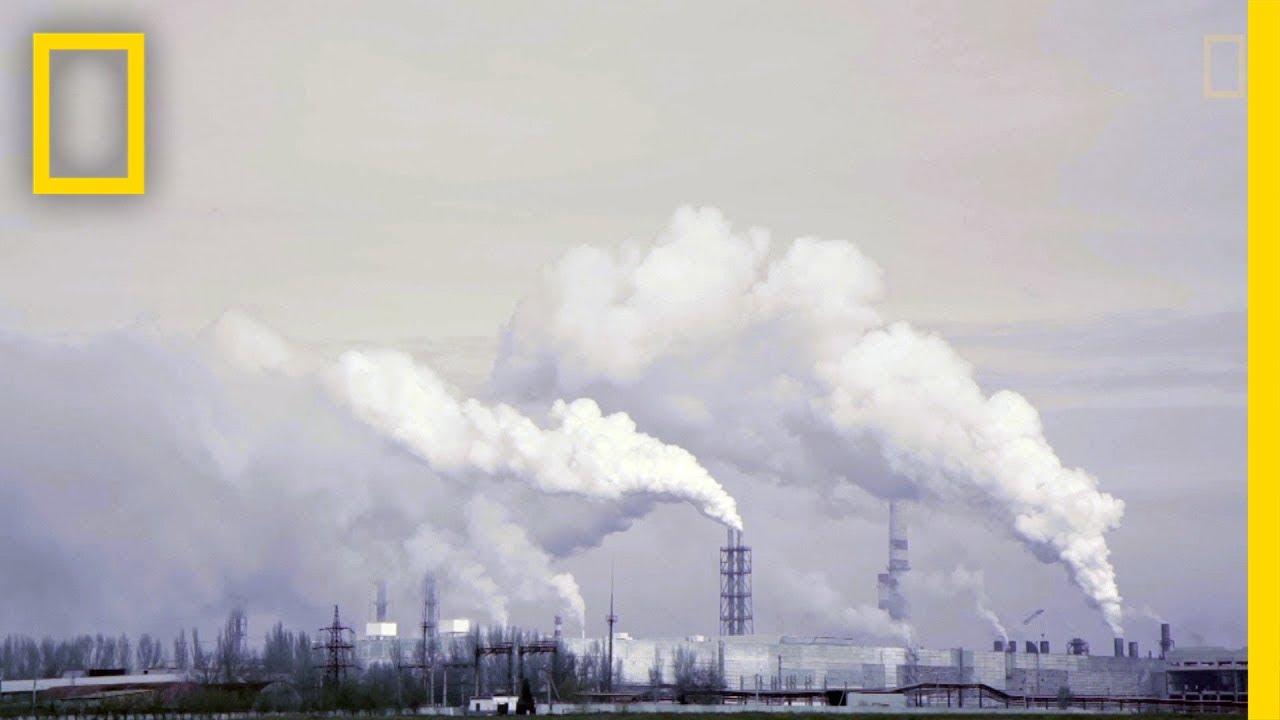
Speaker A
strongest make it to the top [Music] torrential rain tropical heat and the Relentless assault of insects if you you're not prepared the jungle will eat you alive but these conditions have created a home for more species than anywhere
Speaker A
else on the planet you might think it's an animal [Music] Eden but it's more like a wildlife war zone now that the rains the lifeblood of these extraordinary worlds are becoming more unpredictable the battle for survival has never been fiercer
Speaker A
even rainforests have dry seasons Rivers become the focus of jungle life a Jaguar South America's apex [Music] predator Jaguars will hunt anything from a vouer to an anaconda but nothing's guaranteed it's been days since she's [Music] eaten Jaguars are the most aquatic of
Speaker A
all big cats she'll have more success in the water capy bar a big opportunity there are other [Applause] options but there's also competition a male he's h Ed here for over a decade taking on dangerous prey and other
Speaker A
[Music] Jaguars life here isn't getting any easier as dry seasons become more extreme competition for prey increases better for her to hunt in less contested Waters where prehistoric Killers love waiting to drag their victims under with each step a trap could snap shut
Speaker A
with the right bite she'll Pierce skull and immobilize [Applause] it but this Cayman is much more than a mouthful [Music] a kill this big has rarely been recorded it will feed her for days for other animals finding food at
Speaker A
the height of the dry season is much more of a struggle fruit makes up around 60% of this young or's diet to survive she must form a complex mental map of where and when to find it this takes years
Speaker A
[Music] up here there's nothing but leaves rainfall has dropped by a third and droughts are more frequent how can she predict where to find food when the world around her keeps changing the more She searches the more she risks
Speaker A
[Music] Far Below on the forest floor only 2% of sunlight penetrates it's not water that limits life it's light for every 100,000 seeds only one will survive fewer still will ever reach the canopy they have to fight for their
Speaker A
place in the sun just half an inch can mean the difference between life and death each plant has its own strategy to get ahead this struggle makes the jungle one of the most competitive environments on earth a war in which every leaf
Speaker A
matters in the dry season there's not much else to eat plants fight back with spikes and [Music] poison loading their leaves with toxin with each fight their victims become sicker and sicker there is an antidote but to reach
Speaker A
it they must face the jungle's most dangerous predators poisoned by the plants they eat these animals must reach the antidote but it's a Dangerous Mission ocelot [Music] jaguas and Puma are waiting a deadly game of hide and seek and at its heart
Speaker A
a most unlikely cure clay it's rich in the minerals and salts needed to neutralize the toxins but the longer the dry season the more they must visit the clay [Music] with so much Danger on the forest floor it pays to keep off the ground
Speaker A
this arang spends 90% of her time in the [Music] trees as the heaviest arboreal species in the world orangs let their weight do the work [Music] tree swaying saves half the energy she would normally use to [Music] climb shortage of food in the dry season
Speaker A
forces her to rest [Music] more each afternoon she makes her bed weaving branches into a nest that will keep us safe through the [Music] night and these trees provide more than food and shelter [Music] remarkably they also help create the
Speaker A
jungle's weather by the end of the dry season the sun is at its most intense trees pump out more water vapor than at any other time of year in this jungle almost 20 billion tons every day all this water creates the wet
Speaker A
season here but this jungle is shrinking and its rain making power is [Music] fading every decade the change from dry to wet comes a week later a mighty storm is brewing but before it strikes there's a killing to be made
Speaker A
competition for food is so intense during the [Music] day it has forced some creatures into the [Music] night spectral R tarus to thrive in the dark they've evolved eyes bigger than their brains and the best tonight vision of
Speaker A
any primate but they still need a little help a moon when it's full this family can catch more so they hunt for twice as long [Music] [Music] but when storm clouds obscure the [Applause] moon others are better equipped to kill
Speaker A
in the shadows this python sees with heat and smells with taste the tables turn again living in a group means these tarus can look out for each other [Music] [Music] with no element of surprise the python has no chance
Speaker A
but life is about to get tougher the wet season has arrived and it's hitting harder than ever before the wet season breaks there are more lightning strikes in jungles than anywhere else on Earth by 2050 some estimate they will
Speaker A
increase by a third the storms these trees help create can also be their downfall [Applause] the death of an emergent tree is an essential part of the cycle of Life The increased humidity during the wet season sets off a chain
Speaker A
[Music] reaction fungi and slime molds raced to decompose dead matter on the forest floor rotten Decay run rampant faster than anywhere else on Earth in some jungles species of fungi outnumber plants 33 to 1 as they feed on the dead they recycle
Speaker A
critical nutrients which the forest uses to grow many spread by releasing spores up to 30,000 a second if just one of these spores lands in the right place and takes root it can colonize a whole new area but not all fungi feed on the Dead
Speaker A
days ago a SPO landed on this ant now she's acting strange a network of roots has infiltrated her muscles her body has been taken over by cord deeps a parasitic fungus it floods her brain with chemicals drugging her compelling her to head where
Speaker A
conditions are perfect just the right amount of light just the right amount of humidity for the parasite growing inside it forces her to clamp down in a death bite and ceps reveals its gruesome nature [Music] after 3 weeks of
Speaker A
growth cceps can release its own spores infecting more ants releasing more spores infecting more ants releasing more spores infecting more an infecting more an more and more and more ceps can wipe out entire ant [Music] colonies but more than just answer at
Speaker A
risk there are over 600 species of ceps spread across the world most are found in jungles where they prey on a whole host of victims [Music] the wet season brings a flush of fruit to the [Music] canopy L Gibbons must move fast before
Speaker A
it's all gone they fly through the trees at 35 M hour even with a baby on board they can cover 40 ft to a single leap but they don't get it right every time this family of lar Gibbons lives in
Speaker A
a dangerous World their Forest is being fragmented one day they may face a jump they can't quite make food is harder to find as a wet season grows more erratic and when the rain comes it can fall in shorter more intense
Speaker A
bursts if it's too wet it's best to sit tight this arang has leared a lot from her mother how to make a jungle umbrella it comes in handy in the rainiest environment on Earth for many animals heavy rain stops
Speaker A
activity but for some that's not an option this male booted racket tail humming bird lives on the brink of starvation just two hour hours without nectar and he could die hummingbirds have the fastest metabolisms on Earth some need to visit 2,000 flowers a
Speaker A
day just to keep going this mountainous Forest is one of the few jungles that is getting wor wet Heavy Rain is predicted to increase and when you weigh less than a nickel raindrops are a bombardment water logged feathers slow his
Speaker A
progress staying Airborne becomes more demanding but he's running on empty and the clock is ticking even during a downpour competition for flowers is fierce a buff tailed Coronet intent on keeping the nectar filled flowers for himself the racket tail is no
Speaker A
competition for the Coronet he must wait for another [Music] opportunity as the raid slow over 40 species fight for their neck to hit [Music] with the Coronet facing bigger battles this is a racket Tail's chance to sneaker [Music]
Speaker A
SI it takes more energy to hover than almost any other activity on Earth we'd have to drink over a can of soda a minute to keep up another racket tail evenly matched he won't back [Music] down tail Spade feet
Speaker A
forward he means business [Music] The Winner Takes all but he can't rest he still has a lot of flowers to visit and the next downpour is never far [Music] off raain fall in the Andes transforms life over a thousand miles
Speaker A
away so much water collects in the Amazon basin below that the Earth's crust sinks by 3 in a drowned Forest this extreme change takes months even so it can creep up on those who live their life in slow motion
Speaker A
[Music] moving between the trees becomes challenging she needs to find her next meal but she's surrounded creatures that spend most of the year on the forest floor now find themselves floating 30 ft above it their only Refuge is in the
Speaker A
trees but she must Brave the Deep this sloth's home is flooded to find her food she must swim defenseless against What Lies Beneath [Music] like most animals here sloths are adapted to get through this annual flood fermenting leaves fill her stomach
Speaker A
with gas that helps keep her afloat she's three times faster in water than on land [Music] when the forest floods it opens up a whole new [Music] world pink river dolphins can explore an area larger than Arizona they echolocate to hunt for fish in the
Speaker A
Merk using higher frequencies than their Marine cousins to see with superior [Music] definition recently these floods have been reaching record-breaking highs but there have also been devastating lows and as our world changes drought is the greatest natural threat to jungles
Speaker A
worldwide Australia was once covered by a jungle larger than the Amazon rainforest now barely 1% survives clinging to what little water [Music] remains and little red flying foxes cling on with it it's a 104 F just 4° more and this male will die of
Speaker A
heat shock he needs to escape the [Music] Sun but with hundreds of thousands of bats in the colony the shadiest spots a hard one [Music] exposed he's dangerously [Music] dehydrating the river is their only [Music] salvation but it can also be their
Speaker A
[Music] ruin these waters are infested freshwater crocodiles better to stay away try and hold out till Nightfall but with every breath he loses more [Music] water more and more bats give in their thirst and he won't last much
Speaker A
longer it's safer to share the risk to collect water they must dip their fur in the river but no one wants to be first [Music] [Music] safe but he must Brave this River every day until the rains arrive over the next 50 years it could
Speaker A
get too hot and dry for this colony to survive at [Music] all could this be the future for jungles around the world [Music] these amazing forests not only create oxygen and rain that nourish our planet they're also home to a greater diversity
Speaker A
of animals than anywhere else on Earth these creatures are super specialized to survive all the complexities of life in the jungle but in times of change that also leaves them highly vulnerable it takes years for Nang to learn how to find its way in these
Speaker A
[Music] forests and today's changing climate makes life even [Music] tougher and that is an all she has to contend with [Music] rainforests around the world are disappearing faster than ever before her future like that of all jungle life has never been less certain
Speaker A
[Music]
Topics:jungle survivalorangutanjaguarrainforestdry seasonwet seasoncordyceps funguspredator preyclimate changeNational Geographic


![[YTP] Jordan Peterson: Rat King — Transcript](https://i.ytimg.com/vi/0qUoznGIe1M/maxresdefault.jpg)



![Nick & Charlie ‣ their story [+heartstopper forever] — Transcript](https://i.ytimg.com/vi/p4TiW1TZM3w/maxresdefault.jpg)