Skip to content

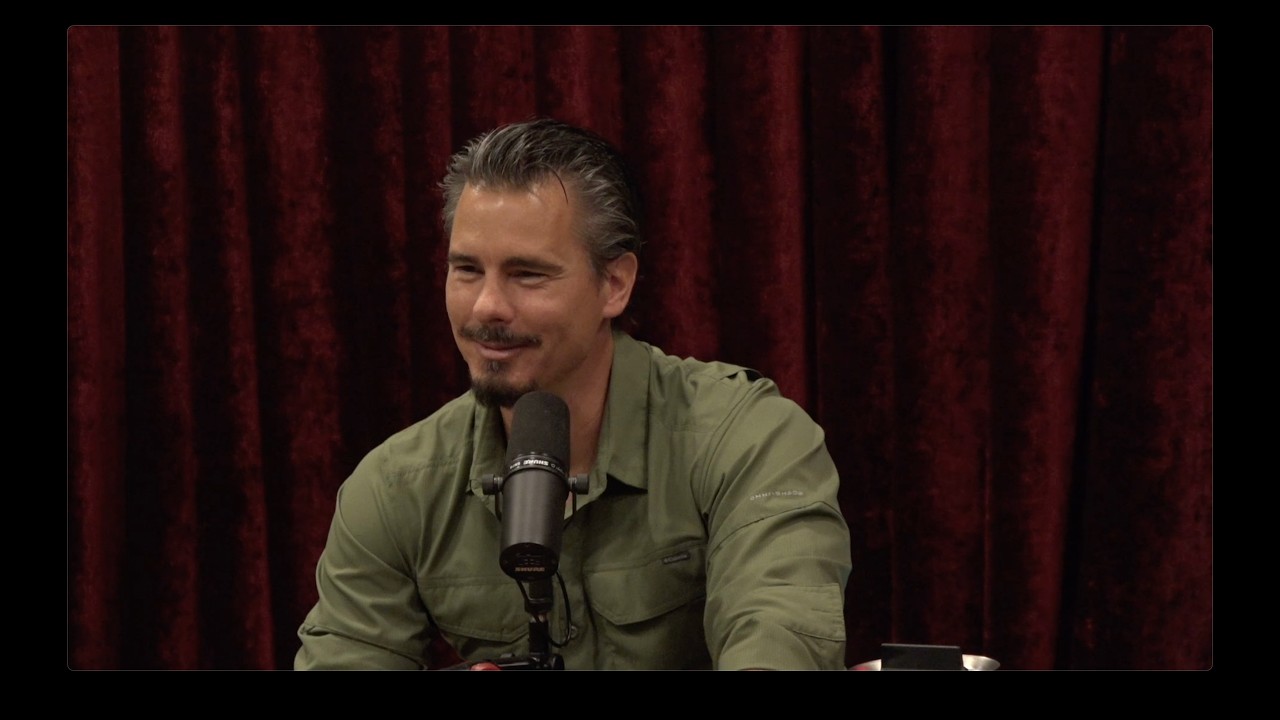
Joe Rogan Experience #1109 - Matthew Walker

Joe Rogan and Matthew Walker discuss sleep science, effects of alcohol and marijuana on REM sleep, and the importance of sleep quality.

Ask about this video. Answers come from its transcript only — with the timestamp, so you can check them.

Generated from the transcript and can be wrong — check the timestamp.

Key Takeaways

  • Sleep quality is as critical as sleep quantity for health and cognitive function.
  • Unfamiliar sleeping environments reduce deep sleep on one side of the brain as a survival mechanism.
  • Alcohol and marijuana suppress REM sleep but cause a rebound effect with intense dreams after use stops.
  • Chronic REM sleep deprivation can cause severe neurological symptoms like delirium tremens.
  • The brain has evolved complex mechanisms to ensure REM sleep is obtained for mental and physical restoration.

What the video covers

  • Sleeping in unfamiliar environments like hotels causes one half of the brain to stay lighter in sleep as a threat detection mechanism.
  • Sleep consists of non-REM and REM stages, with deep non-REM sleep crucial for body restoration.
  • Alcohol and marijuana suppress REM sleep, leading to REM rebound and vivid dreams after cessation.
  • Marijuana helps people fall asleep faster but disrupts natural REM sleep by acting on brainstem mechanisms.
  • Chronic alcohol use can cause delirium tremens due to prolonged REM sleep deprivation spilling into wakefulness.
  • Sleep quality is as important as quantity for feeling refreshed and maintaining cognitive function.
  • The brain prioritizes REM sleep so strongly that deprivation can cause mixed states of consciousness.
  • Evolution has shaped sleep mechanisms to balance rest with environmental awareness for survival.
  • Sleep deprivation impairs cognitive and physical performance similarly to being legally drunk.
  • Understanding sleep science can help improve health, productivity, and overall well-being.

Answers

Questions about this video

Why does sleeping in a hotel room affect sleep quality?

Sleeping in an unfamiliar environment causes one half of the brain to stay in a lighter sleep stage as a threat detection mechanism, reducing deep restorative sleep.

How do alcohol and marijuana affect REM sleep?

Both alcohol and marijuana suppress REM sleep, which leads to a buildup of REM sleep pressure. When the substances leave the system, this causes a REM rebound effect with intense and vivid dreams.

What causes delirium tremens in chronic alcohol users?

Delirium tremens occurs when prolonged REM sleep deprivation from alcohol use causes the brain to spill REM sleep into wakefulness, resulting in mixed states of consciousness and hallucinations.

Full Transcript — Download SRT & Markdown

00:06
Speaker A
And we're live. What's going on? Did you sleep well last night?
00:22
Speaker A
I did. I didn't sleep badly. I mean, hotels are a tough thing, and we actually know the science that one half of your brain will actually not sleep as deeply as the other when you're sleeping in an unusual room like a hotel room.
00:33
Speaker A
Really? That's what messes me up when I'm on the road. You know, I'll do three different hotels in a week because I'll do like a Thursday, Friday, Saturday with gigs, and then by the time Sunday rolls around, I'm a mess, in rough shape.
00:45
Speaker A
Yeah, is that what it is?
00:59
Speaker A
Yeah, and it's a—you mean it's a threat detection thing? I mean, if you look at other species, they can do this much more impressively than we can. So dolphins or any sort of sea-dwelling mammal can actually sleep with half a brain. So one half of that brain goes into deep sleep, the other half is wide awake.
01:13
Speaker A
That's how people at the DMV do it. Those people that work at the Department of Motor Vehicles, they're there, they work half asleep. You ever meet them?
01:28
Speaker A
I haven't. No teasing your DMV. Listening, go [expletive] you, man. Next time you're coming to get your license renewed.
01:42
Speaker A
There's my next NIH grant, I think, looking at the DMV and sleep. But yeah, we SI workers, same thing, same type of human that I've come across.
01:58
Speaker A
Yeah, damn. I'm just kidding. [Expletive] relax. So when you're in a hotel room, what is happening that half your brain is not really sleeping?
02:13
Speaker A
Yes, so there's different stages of sleep. There are two principal types. One is non-rapid eye movement sleep, or non-REM sleep. The other is REM sleep, which is also known as dream sleep.
02:28
Speaker A
Right, and non-rapid eye movement sleep is further divided into four separate stages, which are unimaginatively called stages one through four. We're a creative bunch, as much as it is true.
02:40
Speaker A
But I think it's also, although IQ, but it's the deep stages of sleep, three and four of that non-rapid eye movement, that's where a lot of sort of body replenishment takes place, brings the cardiovascular system, metabolism, all of those good things. But that's the deep sleep that half of your brain will resist going into when you're sleeping in a foreign environment.
02:54
Speaker A
So it stays in this kind of lighter stage, almost like a threat detection system, and you can imagine why. You know, it's an unusual context.
03:08
Speaker A
Evolutionarily, it would make a lot of sense to just have that sort of on-guard one half of the brain.
03:20
Speaker A
That makes so much sense, and that really for me fills in the blanks of like why even if I get, you know, seven, eight hours sleep on the road, I'm still kind of just out of it.
03:33
Speaker A
Yeah, and that's in fact probably one of the—I think the most impressive parts of new research on sleep. It's not just about quantity, it's also about quality.
03:50
Speaker A
And quality can be as detrimental if you don't get it as a reduction in total quantity. I mean, both are essential, right? But I think it speaks exactly to your point. You just don't feel like it's a refreshing sort of deep sleep.
04:03
Speaker A
Yeah, it feels totally different. It just feels like, I guess I would say, it feels like half asleep.
04:17
Speaker A
Yeah, it really kind of does feel that way. One of the things that I noticed, I did this thing with my friends called Sober October, where we didn't smoke any pot or do any drinking at all, nothing for a month. And when I did it, one of the things I found was that after about, I don't know how many days, but it was noticeable that I would have these incredibly vivid dreams.
04:31
Speaker A
And then I had read that marijuana does something to suppress heavy REM sleep. Like, what is happening there?
04:49
Speaker A
Yeah, so both of those chemicals, both of which are used as a sleep aid, alcohol and marijuana, are actually very good at blocking your dream sleep, your rapid eye movement sleep.
05:00
Speaker A
And so what happens is that the brain is quite clever in this regard. It builds up a clock counter of how much dream sleep you should have had but have not been getting, and it starts to develop this increasing appetite and hunger for dream sleep.
05:13
Speaker A
So that finally, when the alcohol actually gets out of your system—Sober October, over the name—that's all of a sudden where you get what's called a REM sleep rebound effect, where you not only get the normal amount of REM sleep that you would normally get, but that plus the brain tries to get back some of that dream sleep that it's been losing over the past maybe 11 months.
05:27
Speaker A
So you get this REM sleep rebound effect, and that's where you have these really intense dream sleep situations.
05:42
Speaker A
Yeah, the same reason that people will say, like, I had a bit too much to drink last night, maybe it was a Friday or Saturday, they sleep in late, they say, I just had these crazy dreams.
05:56
Speaker A
Mmm. What happens there is a kind of an acute version where the alcohol is swirling around in your system, and after about six hours, your liver and your kidneys have finally excreted all of the alcohol, and your brain has been deprived of dream sleep for that first six hours.
06:09
Speaker A
So then it feasts in the last couple of hours, and that's why you have these really bizarre dreams after you've been drinking a little bit too much.
06:23
Speaker A
Oh, wow. So what is happening with marijuana though, specifically? Do you know?
06:37
Speaker A
Yeah, so marijuana does help people; it puts people to sleep quicker, although I think that the question is whether it's really naturalistic sleep or not that they go into. Certainly with alcohol, it's not. That nightcap idea is a misnomer. Alcohol is actually a form of drugs that we call sedatives, and sedation is not sleep. It's very different, but we often mistake one for the other.
06:51
Speaker A
Marijuana seems to act in a physiologically very different way. It doesn't target the same receptors in the brain, so it's unclear whether this speed with which you fall asleep after having a session with marijuana is actually natural sleep. Let's assume it is. The problem, however, is that it then will start to disrupt REM sleep. It will start to block the process. We think perhaps at the level of the brainstem, which is where these two types of sleep, non-REM and REM sleep, actually get sort of worked out. That's where marijuana may actually impact dream sleep and shut it down and block it.
07:07
Speaker A
Have there been any studies on chronic marijuana smokers, like those dawn-to-dusk type characters that are just constantly high? Like, what happens to their brain from not because they must never hit REM sleep?
07:19
Speaker A
So people haven't looked at marijuana; they have looked at alcohol though.
07:34
Speaker A
Mmm, exactly that. So what happens is if you look at alcoholics, they will have something often when they come off alcohol called delirium tremens, which is where the sort of DT there. What happens is that the alcohol has been blocking dream sleep for so long, and the pressure for dream sleep is built up so powerfully in the brain, it actually just spills over into wakefulness.
07:47
Speaker A
And so the brain just says, look, okay, if I'm not going to get this dream sleep whilst you're asleep, I'm just going to take it whilst you're awake.
08:02
Speaker A
And so you start to essentially dream while you're awake. It's this sort of collision of two states of consciousness, so you get delirium.
08:17
Speaker A
Wow, I always thought the DTs were detoxing. Oh, when someone said someone's going through those three T's?
08:30
Speaker A
Okay, yeah, so it's delirium tremens.
08:44
Speaker A
Yeah, delirium tremens.
08:56
Speaker A
Yeah, I'm sort of—
09:12
Speaker A
Mmm, so what like what is going on with them when this is happening? So if they are going through this delirium during the day while they're conscious, what's physiologically happening?
09:33
Speaker A
So it's almost as though the veil of REM sleep gets pulled over the waking brain, as it were. So you have this mixed state of consciousness that you can pick up with brainwave recordings, and it just tells me, I mean, in some ways, how necessary sleep must be if that's the lengths that the brain will go to to get that which it's been missing.
09:50
Speaker A
You know, just shows you why, you know, it took mother nature 3.6 million years to put this thing called any tower sleep necessity in place, and we've come along and within the space of a hundred years, we've lopped—
10:02
Speaker A
restful minutes after that minute is over she was woken up cuz she told her partner a running partner to wake her up at a minute and she's like how long did you let me sleep and he was like one
10:12
Speaker A
minute she's like wow I feel great let's go but she was saying that she hallucinates and that she starts seeing like rabbits or talking to her and she sees things that aren't there and like mystical beings and stuff she said it's
10:24
Speaker A
really freaky but she knows that she's hallucinating because she's done this she's done a bunch of ultra marathons so she just keeps going she just keeps going and she's like saying hi to rabbits they're talking orange stuff yeah I mean and you you see these
10:38
Speaker A
reports too I mean there's a there's a race of cycling race of things bike across America you just got to go from East Coast to west coast in a shorter time as possible and that's exactly what they do to it's all about managing how
10:49
Speaker A
little sleep that you get and they will explain these wild hallucinogenic experiences on the bike if you look at world records for people who have tried to sort of go without sleep and one of the most famous examples is a radio disc
11:04
Speaker A
jockey called Peter trip back in the news back in the sort of 60s 50s 60s and he tried to break the world record he went eight days straight and yeah no sleep yeah he was broadcasting from Times Square
11:20
Speaker A
and he would do his show there and you know the scientists the psychiatrist said look this is a very bad idea based on what we know please don't do it and he said I'm gonna do it anyway and then
11:28
Speaker A
the scientists being the good scientists they said great Jemaine if we study you could it'd be a great paper to sort of you know to write up and they tracked him and by day three he was having florid delusions and hallucinations he
11:41
Speaker A
was seeing spiders in his shoes he became desperately paranoid he started to think that people were trying to poison him in his food one point it was the middle of winter some guys came in with sort of these bears in New York
11:53
Speaker A
wintertime came in with these big jackets he thought it was the Secret Service coming to get him and he ran out into the road huh you know these are strangely but so we know that that same profile of just starting to become you
12:05
Speaker A
know psychotic which is essentially what happens naturally when you dream that you are I mean all of us here you know as long as we slept last night we came flagrantly psychotic when we went into dream sleep because you start to see
12:19
Speaker A
things which are not there so you hallucinate you believe things that couldn't possibly be true so you're delusional you get confused about time place in person so you're suffering from disorientation you have wildly fluctuating emotions something that psychiatrists call being sort of
12:35
Speaker A
effectively labile and then how wonderful we both woke up this morning and we forgot most if not all of that dream experience so we're suffering from amnesia what is happening when you're having these hallucinogenic experiences like what are the chemicals that are
12:52
Speaker A
causing it do we know we do it yeah and we so we've done some of these studies where we put people into brain scanners we let them fall asleep and then we see what happens within the brain which
13:02
Speaker A
parts of the brain is switching on which parts of the brain are switching off when you go into REM sleep firstly some parts of your brain become 30% more active than when you're awake so it's you know we think of sleep as this sort
13:16
Speaker A
of you know static passive state where everything just kind of drops down in terms of activity it's quite the country but what's also interesting is that not all parts of the brain ramped up when you go into REM
13:29
Speaker A
sleep visual parts of the brain increase motor parts of the brain increase emotional centers and memory centers they all increase but the part of the brain that bucks the trend and goes in the opposite direction is the part of
13:42
Speaker A
the brain that we call the prefrontal cortex this sort of CEO of the brain that's very good at rational logical thinking that parts of that part of the brain gets shut off so it's almost as though you know that the prison guards
13:56
Speaker A
are gone and everyone runs amuck because there's no controller you know in place and so we know sort of from the patterns of brain activity why you become sort of so visual you see things why you have motor kinesthetic activity
14:11
Speaker A
why things feel it's so emotional but also why things seem utterly illogical and irrational because your frontal brain the thing that makes us most human you can say goodbye to that for the rest of dream sleep so there's no driver so
14:24
Speaker A
there's no driver yeah now why do we forget why do we forget those dreams because I I wake up and I am sure that I'm gonna remember these dreams and sometimes I do sometimes I remember and I don't think I really remember them I
14:38
Speaker A
think what it is is very much like you ever hears someone talk about a memory from a long time ago I used to think that people actually remembered things from a long time ago but now what I think is they remember
14:52
Speaker A
remembering it mmm I think they remember talking about it they remember how they described it and then they sort of remember that and repeat it and in their mind convinced themselves that that's what happened because I've heard people
15:06
Speaker A
tell stories about the past and they're they vary wildly from what is absolutely true like like factual you could check it you could research it you know what the facts are but in their mind it's very different and I think that it's
15:23
Speaker A
entirely possible that what people are doing is remembering the recollection of these memories and how they told them and then also sort of people library things that makes themselves look better or make the situation look more dramatic but with dreams that
15:39
Speaker A
doesn't make any sense so I was I'm always trying to figure out like what is it about a dream where sometimes I can remember the dream and sometimes it's so vivid when I wake up I'm like holy [ __ ]
15:51
Speaker A
that was crazy what a dream and then I forget 20 minutes later right what is that so firstly I mean one theory of dreaming is that it's just simply a reconstruction when you wake up so you have these fragments of activity and
16:04
Speaker A
what your cortex does when it wakes up is what your cortex is designed to do when you're awake normally which is try to package everything can make a good story make logical fit out of the world that's one theory I don't believe that
16:17
Speaker A
though you your point is a very interesting one do I remember my dreams that doesn't necessarily mean I forget my dreams and what I mean by that is accessibility versus availability so if you haven't had that experience where
16:33
Speaker A
you've woken up you thought I was definitely dreaming I can't quite grab it you know it just and it's gone mm-hmm and then two days later you're in the shower you said of washing yourself you see a bottle of shampoo you see the
16:45
Speaker A
label and it just triggers the unlocking of that dream memory and it sort of comes flooding back or someone says something to you you think oh that was the dream yeah what that tells me as a brain scientist is that the memory is
16:58
Speaker A
there it's preserved it's available but what happens when most of the time when we wake up is that we lose the IP address to the memory so it's present but it's not consciously accessible available not accessible if that's true
17:14
Speaker A
what it means is that this type of information we know can have non-conscious impacts on our behavior all the time there's great brain science about this non conscious memory processing it's possible that we store every one of our dreams we just don't
17:30
Speaker A
consciously have accessibility to it but nevertheless it's changing how we behave how we feel each and every day no evidence for it it's a theory I'm still wanting to test but that's possible too and it's only that anecdote where I can
17:45
Speaker A
think just don't remember the dream I forgotten it I don't think that may be true it may still be there I just need to find the keys to XOR to access that memory what's stunning to me is how
17:56
Speaker A
quickly the dream evaporates the memory of the dream in relation to an actual experience like if we went outside and we saw some lady walk up to some guy and kick him in the balls we'd be like whoa
18:09
Speaker A
we would remember that and that you needed to be able to tell your friends like yeah some lady just randomly walked us some guy and kicked him the balls like we would remember that and you would remember it ten minutes later
18:20
Speaker A
you'd remember in an hour you'd remember it yes next day you'd be telling your friends yeah she just walked right up to him I remember it like it was yesterday cuz it was right yeah but a dream gonna
18:31
Speaker A
be ten minutes ago and you wake up and dude it was King Kong and he was he was swinging from my ceiling and somehow another thief it in the room but the room got bigger and you have these crazy
18:41
Speaker A
dreams and then 20 minutes later you forget all of it like what is happening there so one-one current explanation is that the chemistry of the brain when you go into dream sleep is radically different yeah so one of the chemicals
18:56
Speaker A
called noradrenaline in the brain which downstairs in the body it's sister chemical is called adrenaline noradrenaline actually plummets to the lowest levels it's actually it's a stress chemical in the brain it's one of them that gets shut off during dream
19:10
Speaker A
sleep which is even if you're managing like what if you fall off a building well what's interesting is that that chemical is low-wealth you're having that dream but when you wake up from those and some people often wake up
19:23
Speaker A
that's when you have the spike of Norum so it's still low when you're in dream sleep but there's another chemical that goes in the opposite direction it's called acetylcholine it's the chemical that is actually an altered in Alzheimer's
19:36
Speaker A
disease and these two chemicals will change essentially the input/output direction of information flow into the memory centers of the brain so that makes sense because people take that as a nootropic they do yeah that's actually an alpha brain when when you take that
19:54
Speaker A
it's this been clinically proven to enhance memory especially verbal memory and recollection of words things like that that's right so that's happening while you're sleeping well you're in REM sleep yeah but what may be happening our current models if you sort
20:09
Speaker A
of build these neural models to sort of mimic dreaming it may be that during dreaming it's principally about the outflow of information to generate dreams and in fact the chemical profile is oppositional to input which is about saving so it's about sort of pumping out
20:26
Speaker A
information rather than committing information and so when you come out of a dream sleep you still get this sort of lingering after sort of taste of chemistry as it were in the brain that means that the dreaming brain is more
20:39
Speaker A
programmed to be outputting a narrative and an experience rather than naturally committing it to memory which is the opposite direction if that makes sense it does make sense how where are you of dimethyltryptamine I'm somewhere aware of it scientifically not not not
20:56
Speaker A
personally initially yeah yeah one of the things about the psychedelic experiences with dimethyltryptamine first of all it's endogenous your brain produces it your lungs or liver produce it but when you have a DMT experience after it's over the memory fades very
21:14
Speaker A
rapidly and it seems just like a dream in that regard where while while you're having it what's bizarre is that you're having it while you're awake yeah and then after you have it within 10 20 minutes it is just like a dream that you
21:28
Speaker A
can't remember I remember like little flashes of experiences that I've had and there's been a lot of speculation that that's one of the things that you're experiencing while you're in heavy REM sleep and that could be responsible for
21:41
Speaker A
the crazy visuals that you have that seems so vivid I mean there there's been times where I've had dreams where I was a hundred percent convinced that I was awake yeah and then something happened like I do this thing sometimes where
21:55
Speaker A
I'll if I do it consciously a lot I think I saw in one of those wacky movies like what the bleep to me no I think I saw it in that well you walk up to a door as you're walking through the door
22:07
Speaker A
you knock on the side of the door and go am i awake nope not awake or am i asleep rather you no I'm not asleep because I'm not going to the door well I did that and my hand
22:17
Speaker A
was like going right through the wall Oh sleeping and then I woke up and I was like but the feeling that I had while I was in that dream it was so vivid I mean everything seemed so real like what
22:33
Speaker A
could possibly be causing me to construct this artificial reality in my mind that at the moment at least was indistinguishable from the reality that I experience right now and I'm assuming because I just knocked on this table that I'm awake
22:46
Speaker A
yeah I really hope I'm not just a effective character in your dreams maybe we're sharing a dream yeah very inception like possible not based on the science so far but I think you know what you're speaking about there really is almost why would why
23:05
Speaker A
would mother nature create this thing called the dream experience you know what would be the function of essentially every night going into what sums up to be about two total hours of virtual reality experience and testing one possibility which is deeply
23:23
Speaker A
unsatisfying is that it's just a byproduct it's just epi phenomenal that when your brain goes into this thing called REM sleep and all of the different patterns of brain activity that we described an offshoot is this thing that we call dreaming in the same
23:39
Speaker A
way that a light bulb the reason that we construct the apparatus that's a light bulb is to produce light but when you produce light in that way you also produce heat it was never the function of the light bulb it's just what happens
23:50
Speaker A
when you produce light in that way maybe dreaming is just sort of the heat of REM sleep and REM sleep serves lots of other functions but that doesn't feel to me right though mmm why well firstly I think it's probably additionally
24:07
Speaker A
metabolically demanding to have dreams in addition to this thing called REM sleep and whenever Mother Nature burns calories it's usually for a reason because they're so precious hmm that's a good point that makes sense too yeah I read some article about the
24:24
Speaker A
lack of REM sleep with marijuana users and it was trying to say and it made me super skeptical even as a pot smoker it was trying to say that it's not bad for you because what's essentially doing is
24:38
Speaker A
bypassing the REM sleep and going directly into the deep sleep and then it's helping you in that regard does that make sense to you it doesn't make sense as a neuroscientist he says nay you [ __ ] stoners I'm sorry I'm so
24:52
Speaker A
deeply unpopular you know I'm telling you know you know don't smoke pot stay away from alcohol you know apart from a general personality which is dislikable this doesn't help me you're definitely not decidable but I don't think you're
25:03
Speaker A
saying anything wrong I think I think marijuana like most things is best used in moderation and one thing that I got out of the sober October thing wasn't just that it's fascinating to see the dreams like just ramped up and get crazy
25:20
Speaker A
but also that when you take a few days off and then smoke a little pot the pot actually has more of an impact in fact one of my favorite psychedelic authors and lectures the late great Terence Mckenna his advice was to not do
25:38
Speaker A
marijuana for long periods of time and then do as much as you could stand and he was a you know a real psychedelic adventurer and his thought was that to really get the benefit out of marijuana it's not something that should be used
25:52
Speaker A
daily and reck really recreationally it should be used as a psychedelic sacrament not should because he actually did smoke pot pretty rarely pretty regularly rather but his thought was you really want to get the full impact of it
26:06
Speaker A
you shouldn't be accustomed to it and when you're accustomed to it you build up a tolerance to it and doesn't have the same impact like it's that thing I don't know if you've ever been around pot smokers but when someone doesn't
26:18
Speaker A
smoke pot and then they get talked into smoking pot with some pot smokers it's always a terrible idea you got a bunch of people with super high tolerances and some poor person that doesn't have any tolerance and they just they just get
26:30
Speaker A
taken down a tornado rabbit hole journey into their chancellor at 16 is so paranoid and thinking about everything freaking out all these sensations that they're just never experienced before but uh the the idea that you could bypass REM sleep and go
26:49
Speaker A
straight into the deep sleep that doesn't make any sense to you no it doesn't and what we've learned over the past at a 30 or 40 years is all stages of sleep are important hmm you know when you think about sleep as a state it
27:04
Speaker A
makes no sense you know firstly you're vulnerable to predation you're not finding food you're not finding a mate you're not reproducing you're not caring for your young on any one of those grounds sleep should be strongly selected against as a
27:19
Speaker A
collective I mean it's it's almost idiotic if sleep does not serve an absolutely vital function it is the biggest mistake that the evolutionary process ever made hmm and that counts for all of the stages of sleep - again mother nature
27:36
Speaker A
wouldn't waste time putting you into a state that wasn't necessary and what we've discovered is that all of those different stages of sleep that we spoke about all have unique and separate functions so you can't shortchange any one of them you don't need to bias
27:51
Speaker A
towards one and try and sort of you know placate the other you know evolutionist has taken a long time to get the blueprint accurately correct for each physiological individual I wouldn't play around with it and think you're smarter
28:05
Speaker A
than that process when I read it I felt like it was a justification for smoking a lot of pot like man you're just getting deeper sleep man you don't need that REM sleep you're passing it up man you just go right into the deep heavy
28:18
Speaker A
necessary sleep o contra contrary potheads so what is happening to the body during REM sleep that's so critical that one particular aspect of sleep so firstly in the body the your cardiovascular system seems to do something quite strange
28:39
Speaker A
it goes through periods of dramatic acceleration and then dramatic deceleration during mind yet during REM sleep quite unpredictable - we also know that during REM sleep you brain paralyzes your body so that your mind can dream safely so Wow I mean and
28:58
Speaker A
that makes a lot of you know sense if you're thinking that you're you know this world champion mixed martial arts person and it's in the middle of the night you're not it's dark you can't see you're not perceiving your outside world
29:10
Speaker A
you're going to get popped out of the gene pool very quickly if you start acting out that experience so there is a barrier in place that mother nature locks you down in incarceration muscling car car serration that's crazy that you
29:23
Speaker A
say there because when I was fighting when I was young I would wake up throwing kicks I would kick in the middle of the night I would do it all the time I'd be sleeping and I just I would move
29:35
Speaker A
and throw a kick in the middle of the night you know I remember it waking me up like what the [ __ ] is wrong with me and then I try to go back to sleep again but I was obviously dreaming about
29:46
Speaker A
competing do you actually remember the sir when you woke up did you remember dreaming at that point or did you just have no recollection of anything going on at that point I I believe I had a recollection it's been a
29:58
Speaker A
long time but I believe I had a recollection like I would be like in bed with my girlfriend and I'd wake her up too you know because I just told like I wouldn't throw a full kick but my body
30:10
Speaker A
would move like I was going to you know like I would turn my hips and my leg would extend it was my body was it was I to the the idea that it's so extreme like the activity of fighting is so
30:22
Speaker A
extreme that my brain had kind of like hyper-charged itself to compete at this very high level you know and that this was like so unusual that it was it was almost that red alert all the time and maybe even trying to work out patterns
30:41
Speaker A
yeah while I was sleeping that's exactly the evidence that we have now so for things like motor skills or even rats running around a maze where they will learn specific sort of you know navigational pathways and even skilled motor movements what you can do
30:58
Speaker A
is you can place these electrodes in two senses of the of the brain we we work in my sleep sleep center works on humans but other people have done these studies in rats and you implant electrodes and you
31:09
Speaker A
measure the brain cells firing as the rat is running around the maze and let's say that you can sort of play little tones for each brain cell so they're running around the maze and and you can listen to the brain cells learning the
31:20
Speaker A
signature of that maze so it goes but but but bum bum bum bum what was amazing is that when you let those rats sleep but you keep listening to the brain what you hear is as if the brain is actually
31:35
Speaker A
and in fact it is it's replaying the exact same sequence they memory sequence that it was learning whilst it was awake its replaying but at a speed that is 20 times faster Wow so you know now we start to get into this Inception world
31:51
Speaker A
and I don't mean to because the scientific data it really that we're not sort of in that territory but you know that notion of time compression and time dilation that Christopher Nolan played so well within that movie we can see
32:04
Speaker A
that at the level of brain cell firing in rats as they're learning these mazes and it comes back to what you're saying which is that the better that they rehearse those skilled memories when you wake them up and test them the next day
32:16
Speaker A
that predicts how much better they are in terms of their performance so it's not just that you learn you go to sleep and you replay and you hit the Save button on these new memories you actually sculpt out those memories and
32:30
Speaker A
you improve them and we've done studies with motor skill learning critical for athletic performance and practice does not make perfect practice with a night of sleep is what makes perfect because you come back the next day and you're 20
32:45
Speaker A
to 30% better in terms of you're skilled performance than where you were at the end of your practice session the day before Wow I mean sleep is the greatest legal performance-enhancing drug that most people are probably neglecting in
33:01
Speaker A
sport Wow and not just for your physical performance but actually skill learning that's right skill learning memory and then also you know downstairs in the body all over the recuperative benefits and you can flip the coin by the way if
33:14
Speaker A
you're getting six hours of sleep or less your time to fizz exhaustion drops by up to 30% so you could spend all of your time training for a 10-round fight perfect condition but then I put you on six
33:29
Speaker A
hours of sleep the night before you're now gonna be physically exhausted by round seven rather than round ten Wow but well that's a really hard thing for fighter because they have a very difficult time sleeping the night before
33:39
Speaker A
a big fight yeah it's very very difficult cuz usually pretty and yep and I would imagine it's got to be I mean it's probably got to take a huge toll and is probably a huge benefit if they can somehow or another bypass all that
33:55
Speaker A
and just relax and learn how to relax and learn how to actually sleep I mean it's I think you know it's one of what constantly trying to hack the physiological system especially in elite sports these days because you know small
34:08
Speaker A
fractions of a percent of gain can make a huge difference well that sounds like 36 a monster huge yeah I mean your time to get if not just physically exhausting but you know the lactic acid builds up quicker the less and less that you sleep
34:20
Speaker A
your ability of the lungs to actually expire carbon dioxide and inhale oxygen decreases the less sleep that you have that makes so much sense Wow cuz when I was doing I was doing fear factor and I was doing stand-up comedy and then I was
34:35
Speaker A
also doing another television show and I was doing jujitsu I was never got a two-hour sleep I mostly got for usually got four and my cardio always sucked yeah who is terrible and I'd be like why is my cardio suck I workout so much like
34:47
Speaker A
that was probably what it was yeah it's a huge pot now how many hours of sleep should you get somewhere between excuse me somewhere between 7 to 9 hours once you get below 7 hours of sleep we can measure objective impairments in
35:03
Speaker A
your brain in your body I can show that in the last two days and I can share it show it because I basically did the same workout two days in a row the day before I had flown back from Boston very tired
35:17
Speaker A
hang out with my kids all day went to get some sleep but then I had to do some stuff at like two o'clock in the morning and I just never really got good sleep and then my youngest daughter got up at
35:29
Speaker A
5:00 she was crying then eventually my alarm went off at 8:00 so my my sleep was like 3-4 hours it was all screwy and the night before I was even less because I had flown and I had to get up early for the flight and I
35:43
Speaker A
tried to sleep on the plane and I went running and I felt like dogs shed yeah and then during the day I felt like dog [ __ ] I just didn't have like as I was running I just didn't have any extra
35:52
Speaker A
gear I was like I did it I pushed through it but then it was over I was like oh well last night last night I slept seven and a half hours woke up today lifted weights ran ran felt great
36:05
Speaker A
feel great now like two days in difference I mean that's the difference the difference is one day I got real sleep one day I didn't I did the exact same thing even more today I did I lifted weights today as well and I just
36:17
Speaker A
feel great so I could see I could see it physiologically in the difference in my performance in 24 hours yeah and that's noticeable I mean we see that too you know you're your peak muscle strength your physical vertical
36:31
Speaker A
jump height and your peak running speed all of those things correlate with sleep the less that you have the worse those outcomes are probably one of the most surprising factors there was injury risk when they've looked at athletes across a
36:44
Speaker A
season and they've just plotted you know how frequently will they get injured and then they surveyed them you know how much sleep were you getting and they bucketed them into sort of people who are getting nine hours 7 hours 6 5 4 and
36:56
Speaker A
it's a perfect linear relationship the less sleep that you have higher your injury risk so people getting 9 hours versus 5 hours there was almost a 60% increase in probability of injury risk during a season do you attribute that to
37:11
Speaker A
exhaustion or do you tribute that to a lack of recovery from the previous night's workout is it a combination of those things is it exhaustion causing you to misstep perhaps and like twist an ankle or to turn a knee yeah it's all of those
37:26
Speaker A
things all those I mean even if you look at micro balance if you look at sort of these stability muscles versus you know major muscles those stability muscles also fail when you're not getting sufficient sleep and I think we often
37:37
Speaker A
underestimate how critical they are in sport performance particularly in terms of combating and placating in risk to so if you just get someone on a stability ball you know I'm sort of just dosed them down with sleep eight hours
37:51
Speaker A
five hours you know three hours and just notice how those stability muscles help you balance just the basic active balance that deteriorates dramatically no wonder you're getting more injury risk totally makes sense now as a neuroscientist what do you attribute
38:06
Speaker A
when when people talk about visualization and visualization is it's a huge factor in improving technical skills specifically martial arts which is a big fan of obviously martial arts when you you visualize people who visualize who sit down and like go over
38:29
Speaker A
their body going through the motions and doing things though those people perform better they inform better they they they learn quicker what do you attribute that to do you think it's the same thing as what's happening when you're sleeping
38:44
Speaker A
just maybe to a lesser extent I think it's to a lesser extent but people have done those studies where they've looked at sort of whether you actually physically practice let's say on a keyboard just because it's easier to
38:56
Speaker A
sort of manage in a laboratory versus just imagining sort of typing out that sequence and just the act of physical visualization of sort of imagination of that motor skill it's it's about 50% as effective as physically performing it -
39:15
Speaker A
and it's 50% is effective what I mean there is in changing the plastic connections within the brain so even just visualization you know passive play as it were still can actually cause a rewiring of the brain beneficially Wow
39:32
Speaker A
you know learning techniques specifically martial arts techniques my good friend Eddie Bravo is a world-famous jujitsu instructor he's he's always comparing it to tying your shoe and he said do you know how like when you were a little kid and you're
39:50
Speaker A
trying to figure out how to tie your shoe it's a extremely difficult thing to do you know like how do I do this and you put that down and do loops like I'm watching my seven-year-old go through that right now but now as a
40:01
Speaker A
grown man when I tie my shoe I could just be talking you know what oh yeah we're gonna go tomorrow and I'll doing it I don't even know what I did if you tried to ask me to explain how I tie my
40:10
Speaker A
shoe I'd be like how do I like I don't even know how I do it because it's just I have it in there yes it's just and the idea with martial arts is you've got to be eat all of your techniques have to be
40:24
Speaker A
automatic someone extends the arm you instantly hook it and go into the armbar you know it's someone you you have to have these paths like so drilled in that you don't even know you're doing them until it's over yeah so automaticity is
40:37
Speaker A
one of the things that sleep actually accomplishes here I was talking about those 20 to 30% benefits in motor school performance so we did some additional studies to actually say well what how how does sleep do that you know where in
40:50
Speaker A
your skill performance to sleep give you the benefit so you're right tying a shoelace you know even driving a car with stick you know at first it's just overwhelming it's so difficult to clutch its gas pedal you know it's gig and now
41:06
Speaker A
it's just second nature you know it's shifted from conscious to automatic from conscious and unconscious if you look at performance that is conscious and not automatic it's usually very staccato it's this then it's that then it's that it's not fluid if you heard someone
41:23
Speaker A
trying to sort of play piano to begin with doesn't sound very fluid you know as someone who is a maestro it just flows out of them so we looked at this with motor skill performance again sort of like keyboard playing musicianship
41:36
Speaker A
and you learning you learning you get better and let's say that you type a sequence let's say four one three to four and people learn it but they have these problem points throughout the sequence they have four one three two
41:48
Speaker A
four four one three to four as if it's there's a sticking point it's the same thing with any skilled performance in athletics and it's the brain chunking things up a very long motor sequence gets chunked up into small sort
42:03
Speaker A
of digestible bites it's a good way to begin learning but it's not a way to create automaticity at some point what you have to do is stitch all of those things together and just flows like a sentence like a
42:14
Speaker A
sentence yeah like a piano piece like you know a sequence of movements if you've got you know in martial arts you've got you know yeah so what we found was that before sleep you've got these big problem points these gaps in
42:27
Speaker A
your motor skill learning sleep does not necessarily improve the places where you're already good sleep is intelligent it goes in finds that problem point that friction point in your motor skill sort of deficit and it smoothes it out so you
42:43
Speaker A
come back the next day and now it's just 4 1 3 2 4 4 and 3 2 4 4 it's automaticity and it's exactly what you're describing you know speak to musicians they'll say I was playing I just couldn't get that piece the night
42:55
Speaker A
before and then it came back the next day and I sat down and I could just play sleeps doing its work I've heard that too with problems and that's why people say sleep on it yeah yeah you've never been told to stay
43:08
Speaker A
awake on a problem sometimes when you're about to go to bed it's almost overwhelming you just can't concentrate on anything else but this problem whatever it is and then you go to sleep and you wake up in the morning like it's
43:21
Speaker A
alright yeah it's gonna be fine yeah I got it I know what to do and sleeps at it you know and there's lots of anecdotal evidence of sleep inspired creativity and now the shifts too one of the benefits of dreaming in fact it's
43:35
Speaker A
during dream sleep when we take all of the information that we've previously learned and we start to collide it with all of the new information that we've learned it's it's a little bit like group therapy for memories you know
43:48
Speaker A
everyone gets a name badge and you all get to speak to each other and the brain starts to seek out and test novel connections and new associations so it's almost like informational alchemy and you wake up the next morning with a
44:03
Speaker A
revised mind wide web that is now capable of divining you know incredible solutions to previously impenetrable problems and lots of anecdotes you know dmitri mendeleev came up with a periodic table of elements by way of dream inspired insight you know talk about a
44:23
Speaker A
Herculean task take all of the elements in the known universe and figure out a structure as to how they all fit together off you go his waking brain could not do it his sleeping brain solved the problem Einstein by the way if this is great
44:39
Speaker A
Einstein was suggested to be a short sleeper and we don't know if that's true but even if he was he was a habitual NAPA during the day I've got some great pictures of him on his workbench and he
44:52
Speaker A
used sleep ruthlessly as a tool for creativity and he would sit at his desk and he would have a sort of pad of paper and a pencil and he had her a chair with arm rests and he would pick up two steel
45:07
Speaker A
ball bearings and take a metal saucepan and turn it upside down place it underneath the arm of the chair and put the tool Stiebel steel ball bearings in his hand then he would rest back and he would start to fall asleep and so he
45:21
Speaker A
didn't fall too far into sleep what would happen is at some point his muscle tone would relax they would release the steel ball bearings they would crash on the saucepan wake him up and then he would write down all of the creative
45:32
Speaker A
ideas that he was her isn't that brilliant so no wonder yet you're never told to sort of stay awake in a problem and in every language that I've been quiet about today French Swahili that phrase sleeping on a
45:45
Speaker A
problem seems to exist which must mean that this benefit of dream sleep transcends cultural boundaries I should note I think it's important that the French the French translation is much closer to you you sleep with a problem.we the British you say you sleep
46:01
Speaker A
on a problem the French you say you sleep with a problem I think it says so much about the romantic difference between the British and the French you know they're the French is trying to [ __ ] everything [ __ ] their problems I
46:12
Speaker A
lose my British passport passaic that's just a joke that's fascinating that Einstein figured that out too that he literally had like a whole routine and that he would drop this ball would hit it bang and wake up and start
46:29
Speaker A
writing like saluting oh he loves to be in the room watching Einstein - that must've been fascinating oh sorry I said I'd say it's Edison my goodness I'm an idiot at oh sorry changes everything that's problem that wasn't Edison a thief
46:43
Speaker A
though didn't he steal everything from Tesla I think this made but I mean he has a lot to answer for by the way in terms of the way that we're sleeping you know he Electra he was the first person to
46:54
Speaker A
electrify society not necessarily create the the light bulb but he really you know gave shifted us from a point where now we controlled the night in terms of illumination and like we are a dark deprived society in this modern era and
47:09
Speaker A
that's one of the things that are keeping us awake at night a lack of darkness yeah not just that but also our inability to see the stars anymore the light pollution that we have at night I think it's I think it's a giant shift in
47:21
Speaker A
perspective like have you ever been to a planetarium or an observatory like one of those yeah at night there's a Keck Observatory in Hawaii's place I try to go to every year and it's it's really stunning because it's very high up
47:39
Speaker A
I think the observatory is it's somewhat it's somewhere more than nine thousand feet above sea level and then I think you go even further and then they have the telescopes but you got a visitor center and you go to the visitor center
47:52
Speaker A
they have some telescopes set up but it's you actually drive through the clouds so as you're driving up this mountain we were bummed out were like oh it's cloudy we might not be able to see anything and then you drive through the clouds and
48:04
Speaker A
then when you get through the clouds you like holy [ __ ] and you feel like you're on a spaceship flying through space and this is what our ancestors saw every night when they went to sleep with a
48:15
Speaker A
clear sky they saw all the stars they saw the full Milky Way like this and the way the Big Island has set up they use diffuse lighting all over the island because of the Keck Observatory so you don't have the same level of light
48:28
Speaker A
pollution that you have when you're in a normal city like Los Angeles which is terrible I mean LA if you look up you see like 1 or 2 stars because everything's lit up it's crazy bright that I think that perspective is that's
48:41
Speaker A
a giant factor in the way human beings look at their relationship with the universe but I think that also just the light everywhere constant light everywhere that's got to be a big fact why people sleeps a little right we know
48:55
Speaker A
it is now I mean these studies have been done you know the first part is the external light which is you know street lighting you know even if you've got curtains that can still bleed through yeah but then when you come into the home you
49:07
Speaker A
know the invasion of light into the home by way of Technology has been a big problem people looking at their phones before they go to vote well first the yeah I mean the incandescent light bulb sort of was the start of it and light
49:18
Speaker A
bulbs can suppress a hormone that's called melatonin it's the hormone of darkness and it tells your brain when it's dark and when it's time to sleep but then you add into that screen usage and they've done studies were for
49:31
Speaker A
example you know one hour of iPad reading versus just one hour of reading on a book you know in dim light that one hour of iPad reading firstly delayed the release of this critical darkness hormone called melatonin by about three
49:47
Speaker A
hours so if you read on your iPad for an hour here in California your melatonin peak is not going to arrive and it's somewhere in Hawaii time in fact it's three hours delayed it's 50% less in terms of its peak and furthermore you
50:02
Speaker A
don't get the same amount of REM sleep and when you wake up the next morning you don't feel as refreshed or restored by your sleep those studies have been done - Wow what should someone do if they have a hard time sleeping like say
50:16
Speaker A
if you're a person whose insomnia you have a hard time getting getting to bed you have a hard time staying asleep when you wake up you can't go back to bed yeah there are there strategies there are I mean I think for most people there
50:29
Speaker A
are five things that you can do just out the gate to get better sleep regularity is probably the most important thing I can tell you go to bed at the same time wake up at the same time no matter
50:39
Speaker A
whether it's the weekend weekday regularity is key we've spoken about light for example when you in the last hour before bed try to stay away from screens but also just switch off half the lights in the house you would be
50:52
Speaker A
surprised at how sup errific that is it really starts to sort of make you feel a bit more drowsy they've done some great studies where they would take people out you know into the Rockies no electric light no electricity whatsoever
51:06
Speaker A
and they started to go to bed two hours earlier than the acclaimed natural bedtime wasn't just because they didn't have anything necessarily to do it was that their melatonin was rising you know two hours earlier so keep it dark
51:20
Speaker A
the third is probably keep it cool your brain actually needs to drop its temperature by about two to three degrees Fahrenheit to initiate sleep hmm and that's the reason that you will always find it easier to fall asleep in
51:33
Speaker A
a room that's too cold than too hot I've seen people use cold pads yeah she knows you sleep on these cold pads were younger those yeah I mean their evidence is pretty good that cooling the body actually works they've you know in the
51:47
Speaker A
book I write about a series of studies where they had people in it's almost like a wetsuit but it has all of these veins running through it and they could actually perfuse warm or cold water into any part of the body hands core of the
52:03
Speaker A
body feet and so that you could exquisitely manipulate the temperature of any part of the body and what they found is that they could effectively cool the body down and it instantaneously made people fall asleep faster and it gave them deeper deep non
52:21
Speaker A
REM sleep that sort of restorative sleep for the body so and you can even look at studies where people sleep semi-naked and that also seems to improve their sleep and they get a little bit more deep sleep too so cold is better the
52:38
Speaker A
paradox here though is that you need to warm your feet and your hands to kind of charm the blood away from your core out to the surface and radiate that heat really so you should go to sleep with
52:50
Speaker A
socks and gloves on yeah or better still have a hot bath the evidence here too that I discuss where people say you know I get out of a hot bath I feel nice and toasty and relaxed and that's why I fall
53:02
Speaker A
asleep it's the opposite when you get into a bath you get vasodilation all that you sort of get rosy cheeks red skin all of the blood rushes to the surface you get out of the bath and you have this massive thermal dump of heat
53:17
Speaker A
just evacuates from the body your core body temperature plummets and that's why you sleep better so you can hack the system very easily Wow so your core body temperature plummets and that's what makes you sleep easier yeah that sounds so counterintuitive
53:33
Speaker A
yeah but it makes sense and it makes sense because that's how we would design if you look at hunter-gatherer tribes whose way of life has not changed for thousands of years and you ask how do they sleep one of the things that seems
53:46
Speaker A
to dictate their sleep is the rise and fall of temperature you know temperature is its lowest in the deep in the deer of the night you know three or four in the morning and as that temperature that climate
53:58
Speaker A
temperature starts to drop that's when they start to get drowsy as if temperature is just sort of signaling to the brain now it's time to sleep so light as well as temperature are two key triggers to help you get better sleep if
54:13
Speaker A
you look at those tribes by the way and when they go to sleep and they wake up you know they go to sleep probably at two hours after dusk sort of 8:00 to 9:00 in the evening wake up about half
54:24
Speaker A
an hour even an hour before dawn it's the rise in temperature rather than light that triggers their awakening but there's a reason you know have you ever thought about what the term midnight actually means middle of the night and
54:40
Speaker A
that's what it should be for all of us but in modernity we've been dislocated from our natural rhythms and now midnight has become the time when we think I should check Facebook last time you know I should send my lies to email
54:52
Speaker A
yeah that wasn't that is not how we were you know designed to sleep and in fact we may also be designed to sleep by physically too if you look at those hunter-gatherers they don't sleep one long bout of eight hours at night yeah
55:05
Speaker A
I've heard this recently that people that you should have to sleeps the idea of two sleeps yeah it's actually a little different than the idea of to sleep so there was a time in sort of the Dickensian era where
55:18
Speaker A
people would sleep for the first half of the night maybe sort of for hours or so then they would wake up they would socialize they would eat they would marry love and then they would go back and have a second sleep
55:30
Speaker A
if you look at natural biological rhythms in the brain and the body that doesn't really seem to be how we were designed it certainly seems to be something that we did in society but I think it's more of a societal trend than
55:44
Speaker A
it was a biological edict however we do seem to have two sleep periods the way that we were designed those tribes will often sleep about six and a half hours seven hours of sleep at night and then especially in the summer they'll have
55:58
Speaker A
that siesta like behavior in the afternoon and all of us have that sort of this what's called the post prandial dip in alertness just means after lunch and if I measure your brainwave activity with electrodes I can see a drop in your
56:13
Speaker A
physiological alertness somewhere between 2 to 4 p.m. in the afternoon but is that dependent on diet it's not people think it is you know especially after they've had a heavy lunch yeah you can actually just have people fast in
56:26
Speaker A
sort of well fasting for long periods of time actually makes you sleep much worse but you can have people abstain from lunch and you still get that drop so it's independent of food it's a genetically hardwired pre-programmed drop that suggests we should be sleeping
56:40
Speaker A
by physically but does is that dependent upon their standard diet because if if someone is on a carbohydrate carbohydrate rich diet a lot of times you do get that spike yeah then you crash crash but when people are on
56:53
Speaker A
low-carb and high fat diets they don't get that and they they tend to be more even with their energy through the day yeah so yeah that sort of more constant release of energy can actually help you sort of almost combat that low but that
57:05
Speaker A
low exists no matter what exactly so even if you don't think it exists it's there it's still present interesting so why did they do that and then the the Dickens error why did they but what is there a root cause of their double sleep
57:17
Speaker A
thing we don't know I mean it's hard to sort of really go fascinating yeah it's a new crack was a trend yeah that it was a movement did they would just wake up and do things and yeah it was because
57:28
Speaker A
they didn't have TV sounds like they did some pretty interesting switch to a nice but yeah yeah well they created a lot of art then to write a lot of writing and a lot of fascinating stuff came out at
57:40
Speaker A
that time now when you're when you're measuring people's health and when you're measuring people's health in regard to how much sleep they have like what how do you how do you do that do you just talk to people do you
57:54
Speaker A
do surveys like how do you get like a detailed analysis of people's patterns so you can do it at many different levels I mean we can start at the sort of gross high level which is epidemiological studies across millions
58:07
Speaker A
of people where you do surveys you ask them about their sleep and then you look at health outcomes the first thing from that data that's clear is an unfortunate truth the shorter your sleep the shorter your life well short sleep predicts all cause
58:22
Speaker A
mortality which is really ironic because people that want to sleep less I like you know I don't have a whole lot of time you know this life is short yes [ __ ] shorter if you sleep less yeah
58:33
Speaker A
that's that old maxim you know you can sleep when you're dead yeah well it's mortally unwise advice because we know from the data you will be both dead sooner and the quality of that now shorter life will be
58:43
Speaker A
significantly worse yeah that's counterintuitive to people the idea that you need this it's not just like you're making best use of time by sleeping less you're not you you would make best use of time by being awake less exactly which is crazy
59:00
Speaker A
I mean wakefulness firstly from a brain perspective is a low-level brain damage we know that wakefulness is yeah low like right now we're you and I are getting low-level brain damage yep that's right and it's sleep that offers a repair a
59:12
Speaker A
tree function Wow and you know I'll give you one example which is your risk for Alzheimer's disease insufficient sleep across the lifespan now seems to be one of the most significant lifestyle factors determining whether or not you'll develop Alzheimer's what studies
59:25
Speaker A
or if any have been done on people that work the third shift so people have looked at shift work in general they haven't necessarily split it down to that granular point but what we see is that shift workers have higher
59:39
Speaker A
rates of obesity high rates of diabetes but perhaps most frightening Lee cancer and in fact we now know the link between a lack of sleep and cancer is quite strong insufficient sleep is linked to cancer of the bowel cancer of the
59:53
Speaker A
prostate cancer of the breast and the association has become so powerful that recently the World Health Organization decided to classify any form of nighttime shift work as a probable carcinogen whoa yeah so jobs that may induce cancer because
60:09
Speaker A
of a disruption of your sleep wake rhythms are there other correlating factors like don't people that sleep less or work into the night don't they eat more and eat more shitty food they do both of those things yeah and we know exactly
60:23
Speaker A
the pathway so there are two hormones that control your appetite and your weight and one is called leptin the other is called ghrelin they sound like hobbits but they're not the real home the real chemical leptin is the chemical
60:39
Speaker A
that tells your brain your full your satiated you don't want to eat anymore ghrelin does the opposite it's the hunger hormone it says you want to eat more you're not satisfied with your food if I take people and these studies have
60:55
Speaker A
been done we've done some of these studies too and you just put you a group of healthy people on four or five hours of sleep for let's say one week and you look at those two hormones they go and
61:06
Speaker A
in fortunately opposite directions so leptin that says you're full stop eating that gets suppressed by a lack of sleep ghrelin the hunger hormone that gets ramped up so firstly people who are sleeping just 5 to 6 hours a night will
61:21
Speaker A
on average eat somewhere between 200 to 300 extra calories each day because of the underslept state add that up it's about 70 thousand extra calories a year it's about 10 to 15 pounds of obese mass each year which for me is starting to
61:37
Speaker A
sound familiar but what we also know is that it's not just that when you're underslept you eat more you eat more of the wrong things hmm so if and this the great scientific work if you give people this
61:51
Speaker A
sort of finger buffet and they can eat whatever they want and it contains all of the different food groups and you sleep deprived them or you give them a full eight hours of sleep yes they start to overeat by somewhere around about 450
62:04
Speaker A
calories with total sleep deprivation but what they go after is heavy in carbohydrates and simple sugars processed food and they stay away from the healthy sort of leafy greens nuts proteins etc hmm so you're not just eating more you're eating more of the
62:21
Speaker A
wrong things and that's why a lack of sleep has such a strong obesogenic profile to it and you can take a step back - and you say well if you look at the rise of obesity over the past 70
62:33
Speaker A
years it's just this upward exponential increase and if you plot on the same graph the amount of sleep that society is getting it goes in the opposite direction as sleep time has declined obesity rates have increased I'm not
62:47
Speaker A
going to sit here and tell you that the obesity epidemic is simply a sleep problem it's not it's a problem of us being sedentary processed foods larger food serving sizes if you take those factors though by themselves they cannot
63:02
Speaker A
explain the increase in obesity other things are at play is sleep one of them now we know it is it's a critical factor in the obesogenic epidemic I know from personal experience when I'm tired I always gravitate towards the worst
63:15
Speaker A
choices it's it for me it's late-night cheeseburgers yeah you know Wendy's at two o'clock in the morning or whatever what happens if you get naps like say if you only have five hours of sleep but you take a two-hour nap during the day
63:29
Speaker A
does everything make up yes and no so what you're talking about there is what we call prophylactic napping which is sort of strategically trying to help combat your deficiency of sleep naps can actually give you benefits we've done
63:45
Speaker A
some of these studies were they improve you know your learning your memory your alertness your concentration especially your emotional regulation - sleep is critical for emotional first-aid and mental health however you can't keep using naps to self-medicate sort of short sleep of you know four or
64:04
Speaker A
five hours each night we know that the system itself your your brain has no capacity to regain all of the sleep that it's lost it will try to sleep back some of that debt but what we've discovered let's say I take you tonight I deprive
64:19
Speaker A
you of sleep eight hours lost then I give you all of the recovery sleep but you want on a second third or fourth night you will sleep longer but you will only get back maybe just three or four hours of that
64:32
Speaker A
lost total eight hmm so sleep is not like the bank you can't accumulate a debt and then hope to pay it off at the weekend and so there is no credit system within the brain for sleep you can't bank it which
64:47
Speaker A
is odd by the way I would love that system do you know then you would know what you're owed you would know what you out but I could also just know when I'm going into a state of you know sleep
64:58
Speaker A
debt and I could build up some credit and there's precedent for this by the way there is a system like that in the brain it's called the fat cell because there were times during our evolutionary past where we faced famine and we faced
65:12
Speaker A
feast and so the body learned to adapt to that and said when you have feast store it up as caloric energy in these things called adipose cells fat cells and then when you go into famine you can spend that caloric credit where is that
65:27
Speaker A
in the brain why don't we have that the reason is very simple human beings are the only species that deliberately deprive themselves of sleep for no apparent reason in other words Mother Nature has never faced the challenge of coming up with a
65:42
Speaker A
safety net for a lack of sleep we've never been forced to come up with that solution that's why we get such demonstrable disease sickness and impairment when you undergo a lack of sleep so this is a recent occurrence and
65:55
Speaker A
in human beings is that we're saying yeah I mean the the only time we see it in nature is when you go into conditions of starvation the only way that you can get a species to sleep less and it's
66:06
Speaker A
very very difficult to do because sleep is just so essential is when you put them under conditions of extreme starvation there they will forego some sleep to stay awake so that they forage in a larger sort of circumference area
66:21
Speaker A
to try and find more food it's probably the reason that when people go into fasting their sleep is so terrible because the brain is receiving this ancient trigger that you're going without food you're in a state of starvation you need to stay awake and
66:35
Speaker A
hunt for food that's why your sleep gets so much worse when you're when you're indicating fasting that's fascinating I did not know that so fasting is when you're talking about multiple day fasting and not intermittent fasting we don't know
66:49
Speaker A
the evidence for intermittent fasting so you know if you're some people are doing sort of 12 hours 14 hours 16 hours there that doesn't seem to be extreme enough to trigger a change in sleep but if you fast for these long periods you know two
67:03
Speaker A
days three days four days you can really see some quite marked sleep fragmentation sleep is there you don't ask any of those people they'll tell you that's fascinating because people always cite the health benefits of multiple day fasts do you think that that's just like
67:18
Speaker A
a placebo effect I mean certainly we know that there are chemical pathways that when you go into fasting are activated that seem to be beneficial for health outcomes and if there's a big literature on sort of fasting and aging
67:31
Speaker A
with the mTOR pathway for example but you know we also know that as a species were we were not designed to have such terrible fragmented sleep and we spoke about how sleep regulates your appetite you know if you're trying not to eat
67:45
Speaker A
food and sort of control and manage your weight the last thing that you probably want to do is be shortchanging yourself on sleep because it's only going to make you even more hungry and reach for sort of worse food so I still think there's
67:59
Speaker A
room for fasting in the equation but I think those extreme fasts you know and the havoc that it plays on sleep it's still yet to be understood you've got to be very careful with playing around with and I think going beyond sensible you
68:11
Speaker A
know behavior so what does it like what is if you say if you're gonna fast for two days what switch is on that forces your your body into this haphazard sleep program so that's where that hormone ghrelin just kicks into high gear that
68:26
Speaker A
hormone that is just saying I it's a starvation hormone at that point it's not just the hunger hormone you've gone over into starvation and that will promote our alertness it promotes chemicals that try to keep you away chemicals like dopamine to sort of you
68:41
Speaker A
know force you wide awake so it's forcing you to go hunt or gather that's right yeah and this is even if your body goes into a state of ketosis that we don't know people have not tried to correlate sort
68:53
Speaker A
of you know the profile change in ketosis versus alterations in sleep I actually think it would be fascinating you know maybe there's a there's a peak where it's bad and then you sort of you crest it and then things get better you
69:06
Speaker A
know does the body acclimate to that I don't know it's we've never seen the body being able to sort of re-engage with you know cognitive function with a dose of sleep deprivation that keeps going so if I and these studies have
69:21
Speaker A
been done take people and give them two weeks of seven hours of sleep five hours of sleep three hours of sleep or no sleep you know even by sort of seven days or even 14 days of six hours of
69:34
Speaker A
sleep your cognitive performance just nosedives like a dart into the ground and it doesn't show any signs of leveling off as if there is no asymptote that it could keep going and by the way people should know that after 20 hours
69:48
Speaker A
of being awake you are as impaired cognitively as you would be if you were legally drunk Wow what about physical movement same thing yeah in terms if you're yeah alertness and reaction time but it's worse and this is where you
70:01
Speaker A
know drowsy driving comes in for every 30 seconds that we've been speaking there has been a car accident linked to sleeplessness drowsiness seems kills more people on the roads than either alcohol or drugs combined well why are why are drowsy driving accidents so
70:20
Speaker A
deathly well no I'm not endorsing those other things of course not but let's just think about why that's the case when you're underslept you start to have what are called microsleeps sometimes your eyelid does not close all the way it just partially
70:35
Speaker A
closes but the brain essentially goes to sleep for just a very brief period of time you can even see individual brain cells looks like they go to sleep during these micro sleeps at that moment if you're traveling in a vehicle on the freeway
70:49
Speaker A
you've got a one-ton missile traveling at 65 miles an hour and no one is in control one ton of you're lucky yeah yeah last time you saw it too Town Car unless you have a Miata yeah yeah or ya know McLaren p1 but you know
71:05
Speaker A
if you are even those are everything are they really yeah she was my lack of knowledge despite living them but you know I think and what happens here is that when with drugs and alcohol it's often the case of a problem of
71:19
Speaker A
later reaction mmm with with a lack of sleep it's a problem of no reaction at all so you're out of it so you're out of it so rather than breaking too late there's just no braking whatsoever they have my tip for people to if you you you
71:33
Speaker A
find yourself cold or tired and driving and you have to stay awake take either ice or ice cold water and put it in a washcloth and then rub your face with it it keeps your way looks yeah it works I
71:47
Speaker A
mean if you're forced to drive for whatever reason you have to you know you have 20 minutes to go and you're really exhausted do that is is the best take a like a wet cloth put ice inside of it
71:57
Speaker A
and just rub your face it just wakes you right up for whatever reason and it's I mean those the statistics around rise drowsy driving though you know a frightening and it's a weird thing when you're on the road you're there's
72:07
Speaker A
something about those white lines that just want to put you to sleep there's no other time or I feel more compelled to just conk out while I'm awake yeah it's probably one of the greatest sedatives known to man you know if that monotonous
72:19
Speaker A
you know behavior and the longer you go with that monotony the worse things get you know and if you look at you know teenagers that's where we see some of the greatest impact of shruti driving you know it's the leading cause of death
72:33
Speaker A
in most first world nations suicide a second wow that is crazy speaks this you know in this model of later school start times they've done these studies there was a great one that was done I think in Teton County in Wyoming they shifted
72:46
Speaker A
their school start times from seven thirty five in the morning to eight fifty five in the morning much more biologically reasonable for teenagers the only thing more impressive than the extra hour of sleep that those teenagers reported getting was the drop in vehicle
73:00
Speaker A
accidents there was a 70% reduction in car crashes the following year when they made the 7-0 hosszú the advent of ABS technology for example anti-lock brake systems that dropped accident rates by 20 to 25 % some deemed it to be a revolution
73:14
Speaker A
here's a simple biological factor sleep that will drop accident rates by 70% you know so I think if our goal is educators truly is to educate and we've spoken about learning in memory and not risk lives in the process then we are failing
73:31
Speaker A
our children in the most spectacular manner with this incessant model of early school start times why do we do that like what and not just always cool times but early work times too I was driving to the airport the other day at
73:43
Speaker A
6 a.m. 6 a.m. bumper-to-bumper traffic on the 405 I was like this is insane look at these poor [ __ ] what are we doing and if you're in the car at 6 a.m.
73:52
Speaker A
there it means that you probably woke up you know fine yeah yeah you know 30 you know average school start times you know in the u.s. some of them you know 7 725 buses for a school start time of 7:25
74:05
Speaker A
will begin leaving at 5:30 in the morning that means that some kids are having to wake up at 5:15 five o'clock maybe even earlier it's just the lunacy it is lunacy now why do they do that I mean it's just a pattern that they've
74:18
Speaker A
always done and they don't they never corrected it again it's a patent that actually has has changed over the past 30 or 40 years I mean American schools used to go to used to start around 9 o'clock and it started to shift ever and
74:31
Speaker A
ever earlier why part of it is because of work times that parents had to get to work it ever earlier so it's starting to kick yeah and then bus unions and bus schools they comply to that same time
74:45
Speaker A
frame as well and it becomes very difficult you know and I'm I don't mean to chastise school systems or the bus unions you know it's an incredibly difficult logistics problem but I have to think that you know what is our goal
74:58
Speaker A
here if our goal is to keep our kids safe and to get them well educated and get information into the brain and nurture them and you know create them to be the next generation early school start times you know are not the thing
75:10
Speaker A
to do there's a lot of lazy kids out there they're going yes well preach on dr. preach I mean the data you know they look at these academic things too you know one of these another example comes from Edina in Minnesota and they shifted
75:25
Speaker A
school start times from I think it was 725 to 8:30 in the morning and they looked at SAT scores and in the year before they made the time to change the top 10% performing students got an average SAT score of
75:40
Speaker A
1288 which is a great score the following year when they were going to school now at 8:30 rather than 7:25 the average SAT score was 1500 that's a 212 point increase which is non-trivial Wow that's gigantic yeah yeah I just yeah I
76:01
Speaker A
think it's the school time in correlation with the work time yeah it's very difficult to get people off of that yeah I mean and that's part of what you know modernity has done were were working longer hours and also were
76:14
Speaker A
commuting for longer durations of time so therefore people having to wake up earlier they come home later and the one thing that gets squeezed sort of like vice grips is this thing called sleep you know and the decimation
76:29
Speaker A
of sleep throughout industry eyes nations as a consequence is having a catastrophic impact on our health and our wellness and the safety and the education of our children silent sleep loss epidemic Wow now other than making the room cold and warming up your hands
76:48
Speaker A
your feet and things along those lines Oh what about diet is it or even time that you eat is there a specific time before you go to bed that you should eat how much time should you give yourself
76:58
Speaker A
to digest your food so the general advice right now is don't go to bed too full and don't go to bed too hungry again if you're going to bed too hungry you can get that sort of that signal of
77:10
Speaker A
I'm starting to go into low level sort of starvation and that can keep people awake at night the evidence in terms of diet composition and sleep is quite unclear it's not particularly well researched area right now what we do
77:23
Speaker A
know is that diets that are high in sugar and sort of heavier starchy carbohydrates and low in fiber those diets tend not to be good for sleep you tend to have less deep sleep and your sleep is also more
77:39
Speaker A
mented throughout the night so that's sort of right now the best advice so you should eat several hours before you go to bed but not five hours that's right yeah like two hours maybe and it's different for different people and you
77:53
Speaker A
will know it you know if you're sort of starting to wake up with really severe hunger pangs what about supplements like melatonin supplements or things on those lines melatonin is efficacious it's useful when you're traveling between time zones
78:09
Speaker A
hmm so at that point your body clock your internal clock is out of sync with the actual real time in the new time zone and let's say I fly from Los Angeles over to London back home you know my melatonin spike is going to be
78:24
Speaker A
eight hours in the past you know in sort of back in time it's not going to arrive with me for eight hours so I can take some melatonin and I can fool my brain into thinking oh my goodness it's
78:35
Speaker A
actually dark when despite in California it's still daylight once I've arrived through airport so you can use melatonin strategically for jetlag once people however are stable in a new time zone melatonin does not seem to be efficacious for helping sleep that
78:53
Speaker A
said though if people out there are taking melatonin and they think it helps I would tell them to keep taking it because the placebo effect is the most reliable affecting all of Pharmacology so if it works for you no harm no foul
79:06
Speaker A
he's taking it interesting so the people that take melatonin nightly they're like this is what gets me go to bed really they're just playing a trick on their mind yeah unless you're an older individual where you're sort of 24-hour
79:19
Speaker A
rhythm it's got your circadian rhythm starts to get blunted and it's not as strong anymore that's where night nightly use of melatonin actually has been demonstrated to be efficacious but if you're young healthy and you're taking melatonin it's
79:34
Speaker A
unlikely that it's actually helping your sleep that's probably the placebo so it really should just be just for traveling yeah or weird situations where your sleep is interrupted that's right and you need to kick it into gear bring it
79:47
Speaker A
back on yeah so it's almost like a hack yeah it's definitely you know that's one way that you can hijack like I mean there's no you'll forget like but there's actually lots of ways that you can hack jail like
79:56
Speaker A
are there any other vitamins or nutrients or particular foods that enhance the sleepy effect I mean there's always the thing about tryptophan everybody thought the tryptophan was in Turkey yeah what I read was that was [ __ ] and what was really going on
80:14
Speaker A
was that you just ate a gigantic meal and it's filled with stuffing and mashed potatoes and all those carbohydrates cost you to just crash and it's usually it's the time then everyone goes back through instead of the living room you
80:26
Speaker A
lie down yeah most people chronically sleep-deprived run finally you get the opportunity to sort of just rest and no one's doing anything because there's no plans what do you think the numbers are of sleep deprived people in this country
80:39
Speaker A
so we know those numbers actually almost one out of every two adults in America are not getting the recommended eight hours of sleep almost one out of every three people that you pass on the sleep on the street are trying to survive on
80:53
Speaker A
six hours of or less of sleep back in 1942 Gallup did a poll and what they found was that the average American had built was sleeping seven point nine hours of sleep a night now that number most recently is down to six hours and
81:08
Speaker A
31 minutes for the average adult during the week in America that's the average by the way that means that there's a huge swath of people well below that average and what about the people that say that they sleep they go to bed they
81:19
Speaker A
sleep five hours they wake up and they feel great yeah so [ __ ] we have the number of people who can survive on six hours of sleep or less without showing any impairment rounded to a whole number
81:33
Speaker A
and expressed as a percent of the population is zero zero and one of the big problems with a lack of sleep by the way is that you don't know you're sleep deprived when you're sleep deprived so your subjective sense of how well you're
81:52
Speaker A
doing with a lack of sleep is a miserable predictor of objectively why you're doing so it's I can show you dry man right yeah right especially yeah a perfect example you know you're at the bar you've had six or seven tons of time
82:05
Speaker A
I can drive home I'm fine and your response is I know that you think you're fine strive subject objectively trust me you're not it's the same way with sleep deprivation mmm that's fascinating so but you're not drunk so even though you're impaired you
82:20
Speaker A
don't feel like you're impaired yes and you probably have a couple espressos or when these caveman coffees you feel fine right you get juiced up you're ready to go and you're trying to accomplish things you're trying to succeed right
82:34
Speaker A
you're trying to get ahead in this life yeah honey to sleep and it's you know that's completely country to attend whites on the data we know that people are more productive you know it and they we've seen so many studies in the
82:47
Speaker A
workplace where you look at firstly underslept employees will take on fewer work challenges overall they end up taking the the simple ones like listening to voice messages rather than actually digging into deep project work hmm they produce fewer creative solutions to
83:03
Speaker A
challenges that you give them they also slack off when they're working in groups it's called social loafing where they just ride the coattails of other people's hard work the less sleep that you have the more willing that you just
83:15
Speaker A
sort of don't pull your weight furthermore it goes all the way up to the top so the more or less sleep that a business leader has had from one night to the next the more or less charismatic the employees will rate that business
83:29
Speaker A
leader despite them knowing nothing about the sleep of that CEO it's evident in their behavior well because they're short with you know they're short with their temper they're quicker to get upset about things or less charismatic and social with their conversations are
83:46
Speaker A
just more okay I got it I got it I got it let's go to work work for it yeah you know I mean less sleep does not equal more productivity and it's always struck me as strange you know why do we sort of
83:57
Speaker A
over value employees that undervalue sleep mmm and if you look at your workforce you know trust me everyone's gonna be looking busy but it's like stationary bikes everyone's looking like they're working hard but there's no forward progress the
84:11
Speaker A
scenery never changes that's what an under septic workforce will be for you now what about the amount of time that people spend at work I mean no this is not related to to sleep but I've always felt like people work too
84:24
Speaker A
much I feel like you probably get more done with less time there yeah so efficiency is what we're talking about and that's another one of those things with sleep deprivation and I think many people when they haven't had a good
84:37
Speaker A
night's of sleep that you know they're looking at this report and they realized I've just read this paragraph a third time and I still can't quite get it was your head scrambled yeah efficiency you know productivity but I would feel like
84:51
Speaker A
when people are working eight hours a day I don't think that you could work at peak capacity for eight hours at least I don't think the average person can you can't sustain that yeah and so you're kind of bleeding these people you're
85:02
Speaker A
getting blood out of a rock in the last couple hours and it's yeah and it's not you know either a creative way to work in creativity you know it's supposed to be the engine of you know business and
85:13
Speaker A
an ingenuity but why would you you know take twice the amount of time to boil up you know a pot of water on half heat when you could do it in half the time if you just put it on high
85:25
Speaker A
well that's sleep you know it's interesting though there are certain writers who use sleep deprivation as a strategy for creativity they literally don't start like the writers for a sitcom I was on news radio they wouldn't start writing till like 2:00 3:00 in the
85:39
Speaker A
morning they would just play video games and [ __ ] around and then late at night they would really start writing and they would write till like 7:00 in the morning they would be they would stumble into the set like barefoot delirious
85:50
Speaker A
hair all [ __ ] up with hilarious scripts and it's like they had used being silly and overtired as a strategy almost like they were doing drugs right they weren't doing any drugs I mean it comes back there well I we didn't we
86:05
Speaker A
don't know in that scenario you know it has me to sleep but what we have found at least in in our scientific studies is that that prefrontal cortex region that we spoke about before that sort of rational logical mud of the brain that's
86:17
Speaker A
one of the first things to go when you're sleep-deprived so that area of the brain just gets sort of switched off right the more that you are sort of lacking in your sleep an emotional deep emotional centers of the
86:29
Speaker A
brain which are normally controlled and kept in check by that prefrontal cortex they just erupt in terms of their activity so you're all emotional gas pedal into little regulatory control brake which for the most part very bad but you know
86:45
Speaker A
one possibility is that if you want to try and get a little bit sort of you know crazy loosey-goosey you know maybe that's not bad for that type of sort of comedic writing that you you know you become a bit more childlike and yeah I
86:59
Speaker A
say that affectionately because the last part of the brain to mature in development is the prefrontal cortex so you revert back to almost a more childlike State but I wouldn't I honestly would not condone that sort of you know undergoing sleep just based on
87:14
Speaker A
the mortality and you know risk of Alzheimer's and cancer by itself you just don't want to under slab even in short doses I give a couple days a week like here's the if sleep is not a renewable resource like what is the
87:27
Speaker A
effect of say if you have three nights a week where you sleep eight hours and then the next night two hours and then the next night eight hours how much of a bump or how much of a dip does that two
87:39
Speaker A
hours give you in your overall health it's bad it's bad so I'll give you two examples that there's a study where they just took individuals and they just gave them four hours of sleep for one night and what they saw was a 70% reduction in
87:53
Speaker A
critical anti cancer fighting immune cells called natural killer cells these are wonderful immune assassins that target malignant cells so today both you and I have produced cancer cells in our body what prevents those cancer cells from becoming the disease that we call
88:11
Speaker A
cancer is in part these natural killer cells and after one night of four hours of sleep that is a remarkable state of immune deficiency and that's one of the reasons why insufficient sleep predicts cancer I could also speak about your
88:26
Speaker A
cardiovascular system though and all it takes is one hour because there is a global experiment that's performed on 1.6 billion people across 70 countries twice a year and it's called daylight savings time hmm now in the spring when we lose an hour
88:41
Speaker A
of sleep we see a subsequent 24 percent increase in heart attacks what in the fall in the autumn when we gain an hour of sleep there's a 21 percent decrease in heart attacks so it's bi-directional that's how fragile
88:55
Speaker A
and vulnerable your body is to even just the smallest perturbation of sleep an hour one hour yeah wow that is you're blowing my [ __ ] mind it's Friday I mean you can go even further by the way you know Wow
89:11
Speaker A
insufficient sleep will even erode the very fabric of biological life itself your DNA code so in one study they took a group of healthy adults and they limited them to six hours of sleep for one week and they compared the profile
89:27
Speaker A
of gene activity relative to when those same people were getting eight hours of sleep and there were two critical results the first was that a sizeable 711 genes were distorted in their activity caused by one week of six hours
89:42
Speaker A
of sleep which is highly relevant by the way because we know that many people are trying to survive on six hours of sleep during the week Wow this is second sorry No please go I was gonna say the second sort of perhaps
89:55
Speaker A
more interesting result was that about half of those genes were actually increased in their activity the other half were actually suppressed those genes that were switched off by six hours of sleep for a week were genes related to your immune response many of
90:09
Speaker A
them so you become immune deficient those genes that were increased or what we call overexpressed were genes that were related to the promotion of tumors genes that were related to long term chronic inflammation within the body and genes
90:24
Speaker A
that were associated with stress and as a consequence cardiovascular disease this is unbelievable you know what's really disturbing to me in my youth from age probably I guess I was probably 18 when I started I delivered newspapers I
90:43
Speaker A
used to drive around and throw newspapers out of my car and I did it for years and I would have to be up at five o'clock every morning and I never never went to bed early yeah ever and I worked 365 days a year
90:58
Speaker A
hello I think I started when I was 18 I might have been 17 whenever I started driving I drove at 16 but I don't think I started right away delivering newspapers but I was trying to find a good
91:10
Speaker A
part-time job I think I was like either in my senior year of high school or after I think right after my senior year of high school so it's probably 18 okay and the reason I asked by the way is
91:20
Speaker A
because as you go through into they're sort of later stages about license sensitive early adulthood your biological rhythm moves forward in time so you want to go to bed later and wake up later so even if you went to bed sort
91:31
Speaker A
of conscientiously at that time let's say like 10 o'clock or 9 o'clock we wouldn't be able to sleep because it's biologically impossible yeah no I didn't sleep in on Saturday even worse one day a week Saturday night I'd have to get up
91:44
Speaker A
at 3 or 4 in the morning because I had to deliver Sunday papers and the Sunday papers were enormous and so I had a pack of van filled with excited 350 people that I would deliver papers to so I'd
91:56
Speaker A
had to do multiple trips so I'd start work at you know I'd start delivering somewhere around 435 depending on when the papers got in and I was done by like nine you know 9:30 then I try to crash
92:10
Speaker A
but I was a wreck yeah I mean and it it [ __ ] me up for years for years I did that and I stop and think about that now listening to you listening to this conversation like what kind of [ __ ]
92:21
Speaker A
damage that I do to myself over those years yeah I won't tell you about the stuff without Simas Tennant although I'd protein and I feel okay now it's been it's been several decades did I mention that your subjective sense of how well
92:33
Speaker A
you're doing with insufficient sleep wasn't no no wow I'm sure you did and I'm sure that there's a factor there what's stunning to me is that six hours is so detrimental I would have thought that would been fine the six hours is
92:46
Speaker A
good like you get six hours I that's good that's normal for me yeah like six hours is normal like literally the minimum is seven yeah seven to nine hours of sleep seven you need yeah anything under seven is [ __ ] yep for
92:59
Speaker A
the for the average there is there is a small fraction of one percent of the population that has a special gene that allows them to survive on about five hours of sleep and most people when I tell them this
93:13
Speaker A
they say I love that I'm one of those people are the chances of you being you know you're much more likely for example to be struck by lightning in your lifetime the odds of which I think about 1 in 12,500 then you are to have this
93:27
Speaker A
incredibly rare gene that means you can survive on something around five hours of sleep really yeah what is the gene well it's a gene that seems to promote sort of again wakefulness chemistry within the brain that allows you to sort
93:42
Speaker A
of maintain wakefulness in a more sustained way and so we're only trying to understand right now what the actual biochemical mechanisms are of in terms of the consequence of that gene that gene mutation but certainly it seems to
93:58
Speaker A
exist that there are some of those quote-unquote short sleepers by the way you know we hear of these business leaders and even actually heads of state and up in to name any names but I'll give you right now but I'll give you two
94:10
Speaker A
examples of the past Margaret Thatcher and Ronald Reagan both were vociferous in their statement and their declaration of how little sleep that they would get both them said four or five hours a night and I think in part it was to
94:23
Speaker A
paint this heroic ironclad status yeah and many people would say to me Tom but you know Margaret Thatcher your lifetime well sadly and tragically Thatcher and Reagan both ended up getting Alzheimer's disease you know and we now know because
94:39
Speaker A
of its during deep sleep at night that there is a sewage system in the brain that kicks into high gear and it cleanses the brain of all of the metabolic toxins that have been built up throughout the day this low-level brain
94:51
Speaker A
damage one of those toxic sticky proteins that builds up us were awake it's called beta amyloid beta amyloid is one of the leading causes of underlying the mechanism of Alzheimer's disease so the less sleep that you're having across
95:05
Speaker A
the lifespan the more of that toxic amyloid is building up night after night year after year and I don't think it's coincidental that both of them ended up progressing into tragically into a state of Alzheimer's disease so it's good night sleep clean in that
95:22
Speaker A
way in terms of of deep sleep that's that is stunning are there anything is there anything you can do in terms of how you eat or supplements you can take that could potentially at least somewhat mitigate the effects of having no sleep we
95:38
Speaker A
haven't found any good countermeasures have you tried diet pills so people have tried things like epidural they fell Amin amphetamines you know I mean caffeine has been used strategically by the military for years and caffeine can help you get over the basic reduction in
95:58
Speaker A
your alertness so basic response times you can you can dose with caffeine and still maintain some degree of a fast response under conditions of sleep deprivation what about provigil or new vigil you study yes a modafinil yeah is sort of
96:13
Speaker A
the underlying chemical there and it's debated who actually came up with it may have been the French military who actually ended up being the generators of that that seems to work through a pathway at least right now as we
96:25
Speaker A
understand it for a chemical called dopamine and dopamine is principally known as pleasure drug it's the chemical that a lot of drugs of abuse will target to sort of ramp up but it also is a basic alertness drug that when you get
96:38
Speaker A
an increase in dopamine you tend to actually get an increase in your alertness and your wakefulness don't you get an increase in happiness as well you can - although modafinil tends to come with the alertness component of that equation
96:50
Speaker A
and less so with the euphoria that's why it has a lower prevalence of sort of addiction and abuse boy I know a lot of people who I wouldn't say they abuse it but they say they have to use it like
97:03
Speaker A
all the doctor says doctor cells are gonna use it and I'm always suspicious because they seem pretty normal other than the fact that they they're exhausted if they don't take this what's essentially a stimulant I've taken it a
97:16
Speaker A
few times I've taken it when I have to drive like long periods of time like I'm driving from San Diego to California or two while Los Angeles and maybe I have a gig my gigs done at like 11:30 I know
97:28
Speaker A
I'm gonna be on the road late at night I might take one and it's fine but it gives you this weird feeling it's a weird state and I know a lot of tech people yeah a lot of Silicon Valley
97:40
Speaker A
is on this stuff and they pop it like candy so much so that Tim Ferriss when he was writing his book the 4-hour body he didn't want to include it anyone include this particular drug because he felt like people were just gonna eat it
97:53
Speaker A
all the time yeah I mean and it's right throughout student populations rook as well as yeah yeah and I draw you know I'm one of the interesting things is that if you look at the the profile of what sleep deprivation is cognitively
98:08
Speaker A
you know reduced alertness impulsivity lack of ability to concentrate difficulties with learning and memory difficulties with behavioral problems if I were to describe those features to a pediatrician and say what disorder is this probably say it's it's ADHD yes but
98:26
Speaker A
what we now know is that there is some portion of children out there who are diagnosed with ADHD who either one or just under slept or to actually have sleep disordered breathing because of perhaps tonsil problems where they're
98:39
Speaker A
not getting sufficient sleep and when you treat the sleep disorder when you do a sort of you know remove the tonsils they start sleeping normally and the ADHD disappears Wow so there is an issue here I think within
98:52
Speaker A
that sort of the explosion of ADHD not all people are you know sort of privy to this sort of sleep problems simply masquerading as ADHD but some people are that one of the other problems too though is that ADHD kids tend not to
99:05
Speaker A
sleep very well and what we end up giving them is a drug that is a stimulant which will combat sleep and fight back against sleep so I think we need to have a bit more of a strategic approach as to when we think about at
99:20
Speaker A
least the dose of those that medication in terms of when sleep should be X sort of expected during the day because you know taking it in the middle of the day in the evening and if it's a stimulant
99:30
Speaker A
it's a wake promoting drug need to be very careful to sleep as part of that it was that's terrifying because I don't know if the people that are prescribing these things have the sort of deep education and sleep and the necessity of
99:42
Speaker A
it that you do they don't and you know it's not that it's always either you know and in fact I've started to try and Lobby doctors to start prescribing sleep and don't make the mistake that that's me suggesting you know prescribing sleeping
99:53
Speaker A
pills that's a separate story sleeping pills are associated with significantly higher risk of death and cancer and and I'm happy to speak about that - it was the one chapter in the book that I think the the legal team of my publisher took
100:06
Speaker A
took a very long long look at but I think doctors to come back you to your point they on average only have about two hours of sleep education in the medical curriculum so 130 hours two hours one third of the this podcast has
100:22
Speaker A
been two hours yeah that's [ __ ] crazy so isn't that frightening that's terrifying and I bet you probably have laid things out better in this podcast than you would get in those two hours of education I I don't know about that but
100:35
Speaker A
I don't I'll give you that credit if they could if they could increase that you know I'm that's really appealing for this you know it's a third of their patients life but they only get two hours of Education
100:46
Speaker A
and but the other problem is the medical industry itself by the way you know their residents that data you know junior residents working a 30 hour shift of four hundred and sixty percent more likely to make diagnostic errors in the
101:01
Speaker A
intensive care unit relative to when they're working 16 hours if you have elective surgery you should ask your surgeon how much sleep they've had in that past 24 hours if they've had six hours of sleep or less you have a 170
101:14
Speaker A
percent increased risk of a major surgical error such as sort of organ damage or hemorrhaging relative to that same surgeon if they had been well rested and then the irony here by the way is that when a resident finishes a
101:31
Speaker A
30 hour shift gets back into their car to drive home there is a 168 percent increased risk that they will get into a car accident because of their under sub state being ending up back in the same emergency
101:44
Speaker A
room where they just came from but now as a patient from a car crash you know it's we need to radically rethink the importance of sleep in education in in business in the workplace and in medicine - why do they do that
102:00
Speaker A
it's a fascinating story so there's there's a chapter here in the book on this - it's a guy called William holstered and he set up the first resident surgical program in the United States at Johns Hopkins University and
102:14
Speaker A
he was known for being able to stay awake for these heroic lengths of time days on end there is incredible like superhuman strength turns out that in later years after he died there was a dirty secret that he was actually a cocaine addict
102:33
Speaker A
that's son of a [ __ ] and here's what happened it wasn't his fault yeah early in his career he was examining the anaesthetic capacities of cocaine so you know if well I'm not gonna save you know you may have heard from perhaps
102:48
Speaker A
colleagues that when you snort cocaine you get an unfeasible ox nerves like I said from colleagues I've actually never done cocaine I have I've know quite a few people who have and they will you know they'll have this sort of numbness
103:06
Speaker A
it's the reason is because cocaine is also a nerve blocking it yeah like lidocaine lidocaine intercept we talked about this yesterday ironically on the podcast and about doctors becoming drug addicts the initial doctors who started doing lidocaine pulsed it was one of
103:18
Speaker A
them became an accidental cocaine addict Wow he was up for days and he structured a program where he expected his residence to match him to go toe-to-toe with him but remained a weird yeah it sounds like what a cokehead would do
103:36
Speaker A
come on man stay awake unbelievable and I think the story was that he actually knew that there was a problem he went to rehabilitation checked in under a different surname and one part of the regiment for him coming off cocaine was
103:49
Speaker A
to prescribe morphine and at the end of the rehabilitation program he came out with both the cocaine addiction and a heroin addiction oh my god and so now there's rumors you know that he would get his shirts laundered in Paris you
104:06
Speaker A
know in France and you know they would come back and it wasn't just the white starched you know shirts that we're in the box that we were other white substances too but that's you know you ask a great question where did that
104:19
Speaker A
come from where's that history the legacy seems to date back to William Halsted who is an accidental cocaine addict and there we have then maintained that inhumane practice in medicine which is like so critical to be awake and
104:36
Speaker A
aware and to be sharp you're cutting people open you can operating on people and think back to what we said you know about being awake you know you would never accept treatment from a doctor who started you know looking at your child
104:48
Speaker A
who's sick with an appendicitis at 3:00 a.m. in the morning who then swings some whiskey and says yeah I'm gonna do the operations fine you would you would go ballistic well why do we accept treatment you know after 20 hours of
105:00
Speaker A
being awake you're as impaired it's you would be if you were legally drunk so unfortunately we placed young residents in this position yeah of you know acting and operating in decision-making under conditions of insufficient sleep one in five medical residents will make a
105:17
Speaker A
serious medical error due to insufficient sleep one in 20 medical residents will kill a patient because of a fatigue related error craze and right now you know there are well over 20,000 medical residents if you have a hundred
105:32
Speaker A
of them five we're gonna kill people accidental deaths think about that number that's insane if we were to solve the sleep loss epidemic in medicine you know we could start saving lives and I don't know what it is is it just a you know an old boys
105:46
Speaker A
network where we said well we went through it yes so you've got to go through it you know and that the data now is so prolific you know I write all about that and try to make a builder an
105:56
Speaker A
evidence-based you know emotional ascoli for sleep in medicine a sleep prescription for medicine as it were well most people don't realize the requirements of residents have no and and they are they are literally you know beyond human capacity thinking that you
106:15
Speaker A
know hubris and some degree of hours on the job is going to be able to allow you to sort of you know cut short what took three and a half million years to sort you know get in place which is an
106:29
Speaker A
eight-hour night of sleep that's just thick-headed you know it's and I think the medical profession it may be at the stage where it's my mind is made up don't confuse me with the facts Wow that that this has blown me away I just don't
106:43
Speaker A
understand how the very people that are working on the health of patients and fixing them and repairing injuries and taking care of diseases those are the people that are ignoring one of the primary factors of disease and errors
107:00
Speaker A
and cognitive function its its impairment it's a travesty I have a friend who's an ophthalmologist and he tells the story about during his residency he was is his back in the 80s and he had a pager he was on the toilet
107:13
Speaker A
with a tray of food on his lap because he didn't have time to eat and go to the bathroom so his eating food and he fell asleep and then his pager went off he's like [ __ ] my life how many warnings
107:29
Speaker A
how many warning bells do you need to tell you that you're in a dilatory state if you sleep with your trousers around your ankles with food or your face and yet you're in the deeper stages of non REM sleep and he's a guy who's working
107:41
Speaker A
on people's eyes yeah it's crazy yeah I mean it's you know sleep is equally absent for the patient in the hospital you know setting we know that somewhere between 50 to 70% of all ICU alarms are either unnecessary or ignore you know
108:01
Speaker A
and the one place where you desperately need the Swiss Army knife of health that is a good night of sleep is the one place where you get at least which is on a hospital ward we could we could exit
108:12
Speaker A
people out of hospital beds earlier the data is already there for the neonatal intensive care unit they used to leave bright lights on 24/7 right and that would prevent sort of the signaling for sleep and wake and sleep and wake and
108:26
Speaker A
that cycle is critical if you regularize sleep sorry if you regular eyes light in the neonatal intensive care unit those infants ended up having higher levels of oxygen saturation because they were sleeping better their weight gain was drum
108:40
Speaker A
ethically increased and they ended up exiting the neonatal intensive care unit five weeks earlier whoa simple things you know why don't we do something like this in medicine when you come into a hospital ward you get this on an
108:55
Speaker A
international flight travel for free earplugs face masks even just that by itself could help people to start get better sleep next on the hospital admission form tell me when you normally go to sleep and when you normally wake
109:07
Speaker A
up and to the best of our ability we as doctors will try to sort of you know manage your healthcare around your natural sleep tendencies if we could do that you know sleep is is the elixir of life it is the most widely available
109:24
Speaker A
democratic and powerful healthcare system I could ever possibly imagine why aren't we leveraging that and taking it that's one of the greatest hacks that medicine could actually you know inflict stunning how is this being received like but by doctors are they reluctant to
109:41
Speaker A
listen to you I mean what would it what is happening with all this data and you're you're passionate cry for extra sleep or more sleep or the proper sleep I should say it's starting to happen I mean when the book came out which was
109:55
Speaker A
sort of the hub back came back out in back in October and and some people started to give push back sort of in the medicine realm you know there was some concerns about continuity of care that if you keep switching residents out
110:08
Speaker A
every 16 hours that you wouldn't have continuous patient care and that was a problem well there are other medical training systems for example France Sweden New Zealand they do this all the time they do not allow their residents to undergo
110:24
Speaker A
anything longer than either a 14 or a 16 hour shift they train their residents in the same amount of time or less and if you look at the rankings of their medical health systems around the world they rank far higher than the United
110:37
Speaker A
States so you can't tell me that longer work hours for residents for example are necessary to train good doctors the evidence just isn't supportive so I've had some pushback there but for the most part I think people are receptive once
110:52
Speaker A
they know the information and I think I'm the I've been the someone who's been to blame here I've known this evidence for you know I've been doing sleep research now for 20 or so years we are with sleep where
111:05
Speaker A
we were with smoking 50 years ago we had all of the evidence about the deathly carcinogenic cardiovascular disease issues but the public had not been aware no one had adequately communicated the science of you know smoking to the
111:20
Speaker A
public the same I think is true for sleep right now that's part of the motivation for why I wrote the book why I've been doing or trying to do a lot of publicity I'm a very shy person and I
111:30
Speaker A
don't like being in the spotlight but I feel as though there is a mission that whose voice has not been actually gifted yet and I wanted to try and help and be a sort of a sleep diplomat I mean that's
111:40
Speaker A
why I chose the handle on social media trying to be there as an ambassador for sleep and now once people start to understand the science as we've spoken about for two hours then people start to actually realize it's not the third
111:53
Speaker A
pillar of good health alongside diet and exercise it's the foundation on which those two other things said you know for example if you're dieting but you're not getting sufficient sleep seventy percent of all the weight that you lose will
112:06
Speaker A
come from lean body mass muscle and not fat your body becomes stingy in giving up its fat when it's underslept so once you get this information out there things are starting to change I've started to have some discussions with
112:21
Speaker A
the World Health Organization they seem to be very interested now in getting getting to grips with sleep I'd love to speak to first world governments though when was the last time you saw any first world nation have a government supported
112:34
Speaker A
public health campaign around sleep I don't know any we've had them for you know drink-driving for risky behaviors you know for drugs for alcohol for healthy eating sleep should be a part of that equation you know I wanted Lobby
112:50
Speaker A
governments to start to instigate this and it will save them millions of dollars the RAND Corporation did an independent survey two years ago on the demonstrable cost of a lack of sleep to global economies what they found was
113:03
Speaker A
that a lack of sleep costs most nations about two percent of their GDP the gross domestic product here in America that number was four hundred and eleven billion dollars caused by insufficient sleep solve the sleep loss epidemic you could almost double the
113:17
Speaker A
budget for education and you could almost half the deficit for health care Wow what studies if any have been done on people who live in the northern hemisphere or they experience these long days like Alaska and Siberia places like
113:35
Speaker A
that it's really tough for the regulation of the circadian rhythm yeah and what they a lot of people they're not all but a lot of people will suffer from what's called seasonal affective disorder which is the winter blues yeah
113:47
Speaker A
and you know it's an unfortunate acronym you know sa D u doctor comes along you say look I'm not feeling good it's the wintertime well you're sad no I know no I'm sorry it's a medical show it's called SAT
113:58
Speaker A
season life it's called seasonal affective disorder and that data is is quite powerful too and you end up having to use melatonin strategically to help you fall asleep to sort of signal darkness in the summertime when it's really light all almost all day and then
114:14
Speaker A
in the winter time you reverse engineer the trick and in the morning you sit and you have your breakfast or you're working at your terminal and you have one of these big light boxes that sits next to you strong looks power light to
114:26
Speaker A
try and sort of fool your brain into thinking that you're getting a lot of daylight when it's you know it's not going to be light for the next four hours so they have to undergo treatment do they have to do vitamin D
114:36
Speaker A
supplementation as well some of that too yeah because of lack of exposure for the skin what do you V like listen man you I think you just open up a lot of people's minds you certainly did mine you mean
114:48
Speaker A
this this podcast blew me away I thought I knew a little bit about sleep I knew nothing thank you so much welcome tell people how they could read your book where can they get it what's your website yes so I'm all over social media
115:05
Speaker A
and web pages matcom and the book is called why we sleep and it is out now on Amazon and all major booksellers and that's probably the best way that they can learn all about sleep and frightening the living daylights out of them thank you
115:22
Speaker A
so much Matt I really really appreciate it very last chip sleep well thank you you too Thanks [Music]
Topics:sleep scienceREM sleepnon-REM sleepsleep qualityalcohol effectsmarijuana effectsdelirium tremenssleep deprivationMatthew WalkerJoe Rogan Experience

Get More with the SozAI App

Transcribe recordings, audio files, and YouTube videos — with AI summaries, speaker detection, and unlimited transcriptions.

Or transcribe another YouTube video here →