Skip to content

The Freedom Prison

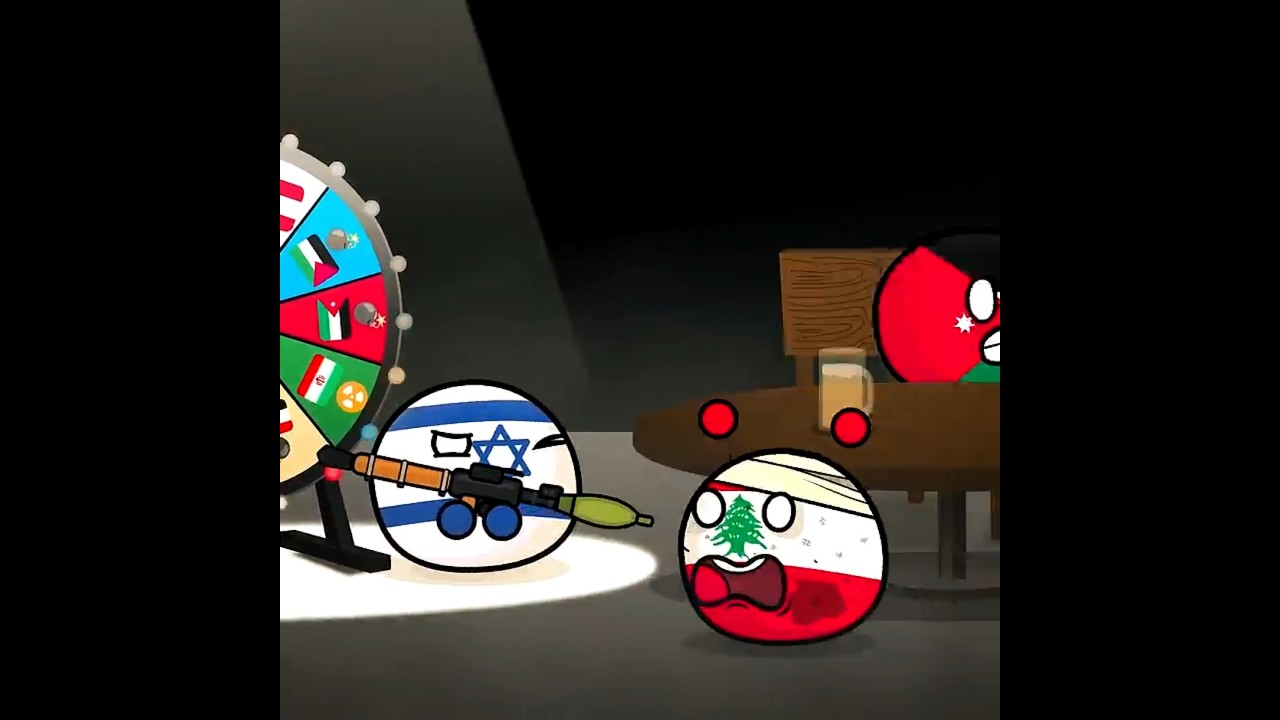
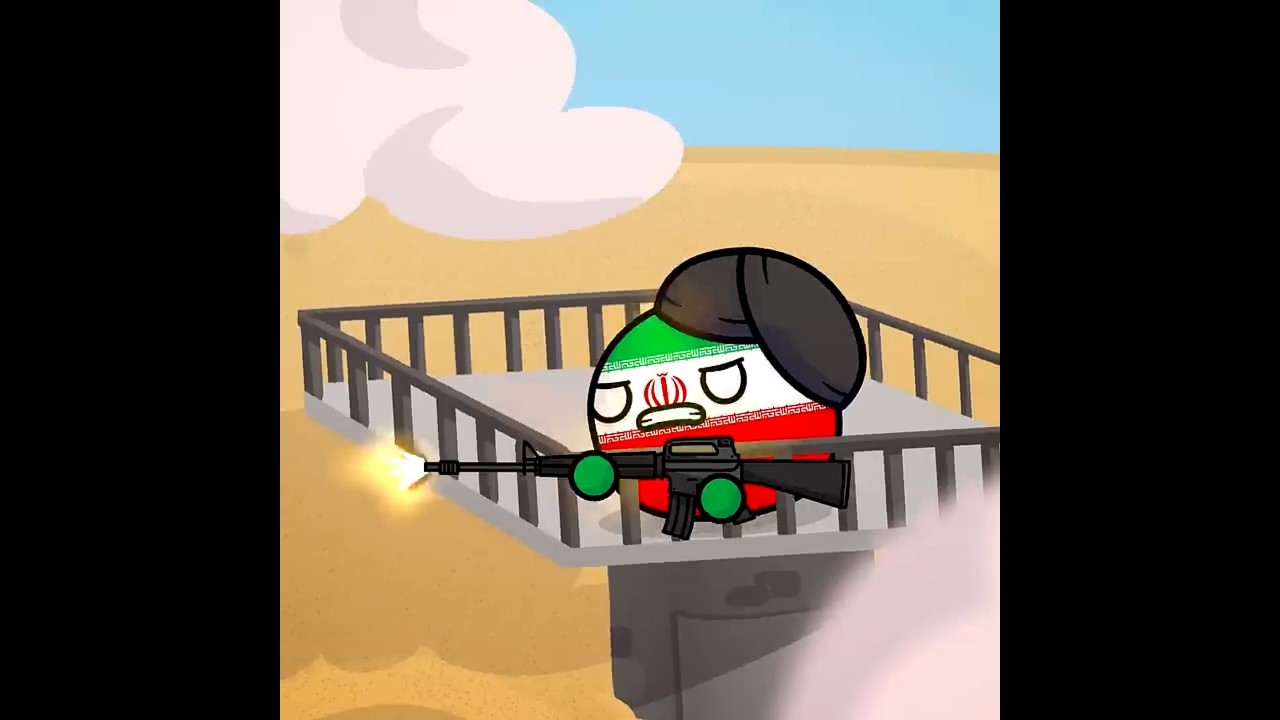
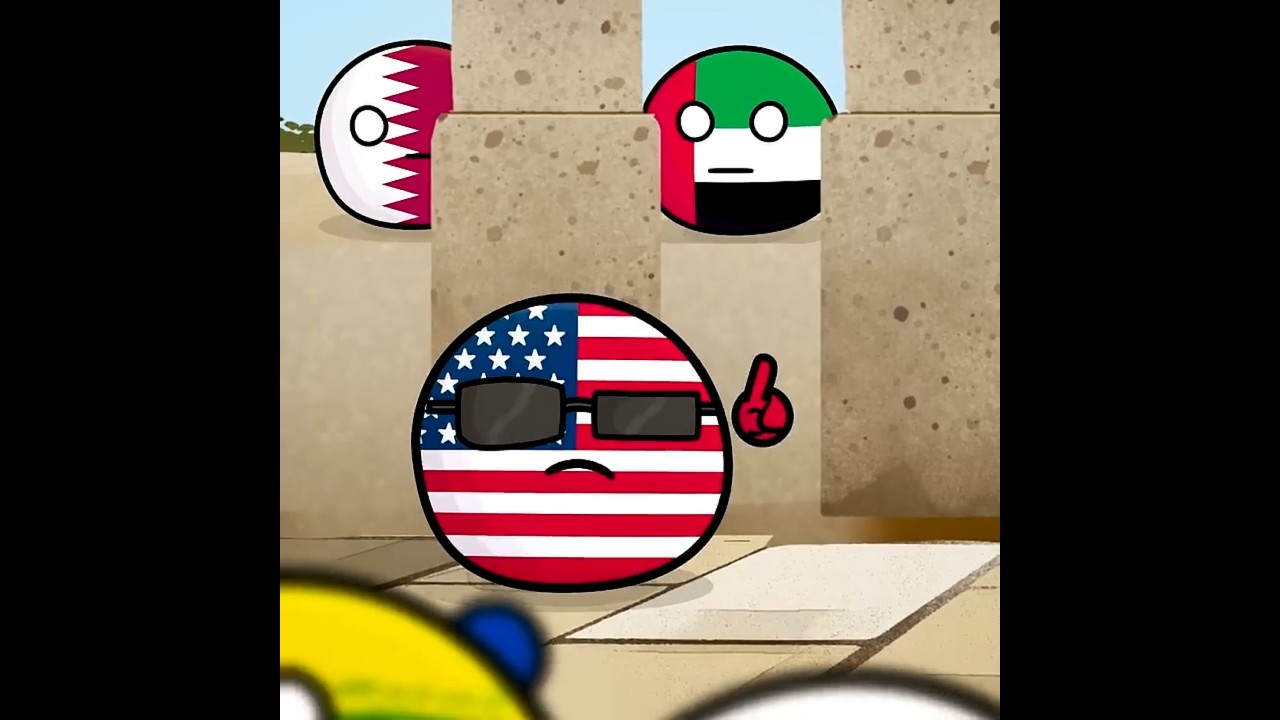
A satirical take on surveillance, censorship, and thought control in a 'freedom prison' setting.

Ask about this video. Answers come from its transcript only — with the timestamp, so you can check them.

Generated from the transcript and can be wrong — check the timestamp.

Key Takeaways

  • Surveillance systems can paradoxically imprison freedom by monitoring and censoring thoughts.
  • Algorithmic censorship can suppress dissenting or radical content under the guise of security.
  • Geopolitical conflicts are used as examples to illustrate biased information control.
  • The dual role of observer and prisoner symbolizes the loss of personal freedom in surveillance states.
  • Humor and satire effectively expose the dangers of thought policing and digital authoritarianism.

What the video covers

  • The video depicts a surveillance system that monitors thoughts and censors radical content.
  • The narrator experiences being both the observer and the prisoner simultaneously.
  • There is a critique of algorithmic control over information and thought crimes.
  • References are made to geopolitical events, including Israel's actions and Russia's invasion of Ukraine.
  • The system enforces censorship by altering algorithms to eliminate dissenting views.
  • The narrator questions the paradox of freedom under constant surveillance.
  • Humor is used to highlight the absurdity of the surveillance and censorship mechanisms.
  • The video explores themes of freedom, control, and the impact of digital monitoring.
  • It raises concerns about the suppression of free speech and thought.
  • The dialogue suggests a dystopian environment where privacy and autonomy are compromised.

Answers

Questions about this video

What is the main theme of 'The Freedom Prison' video?

The main theme is the critique of surveillance and censorship, highlighting how freedom can be compromised by thought policing and algorithmic control.

How does the video use geopolitical events in its narrative?

The video references Israel's actions and Russia's invasion of Ukraine to illustrate biased information control and the suppression of dissenting views.

What role does humor play in the video?

Humor is used to emphasize the absurdity of constant surveillance and censorship, making the serious themes more accessible and engaging.

Full Transcript — Download SRT & Markdown

00:04
Speaker A
This freedom prison surveillance system is awesome. Thanks. Yeah, baby. You see everyone without them seeing me. Oh, no more warning, thought crime detected.
00:18
Speaker A
What? Who? Who is it this time? We must report Israel's actions like we did with Russia's invasion of Ukraine.
00:25
Speaker A
Well, sounds like someone's been scrolling a little too freely. Let's change this. No more radical content.
00:35
Speaker A
Algorithm altered, thought crime eliminated. Israel has the right to defend itself. Damn right it does. Wait, what? What? What's that?
00:50
Speaker A
Oh, that's me. How am I there and also in here? Oh, what the—oh, I'm supposed to be the prisoner.
00:58
Speaker A
So, are you like watching the playoffs later? Ha, good one. I watch everything. [Clears throat] What's going on?
Topics:freedom prisonsurveillancethought crimecensorshipalgorithmdigital monitoringsatiregeopolitical conflictIsraelRussia Ukraine invasion

Get More with the SozAI App

Transcribe recordings, audio files, and YouTube videos — with AI summaries, speaker detection, and unlimited transcriptions.

Or transcribe another YouTube video here →