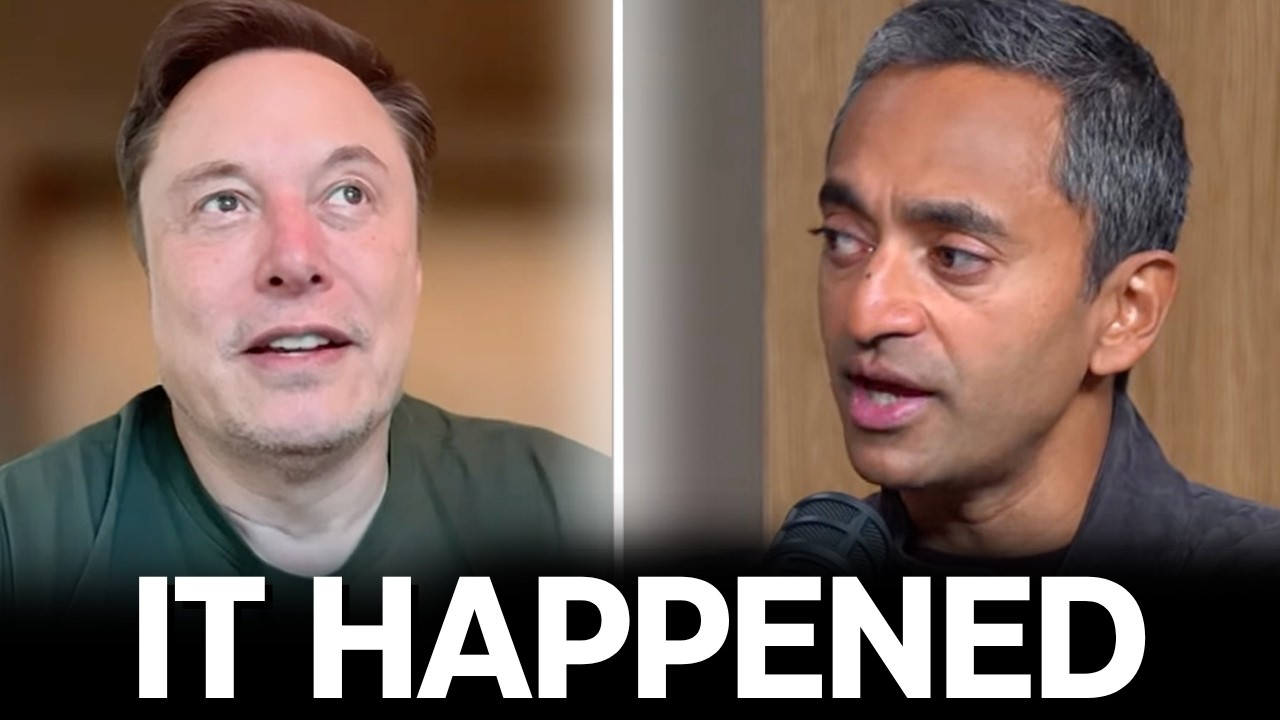
Profile of Freddie Foreman, South London criminal who worked with Billy Hill and the Krays, served prison time, and died at 94. Covers his code and career.
Key Takeaways
- Foreman's reputation rested on loyalty, discretion, and avoiding publicity, which set him apart from the Krays.
- His career shows how London organized crime connected postwar black markets, boxing, and the Hill and Kray eras.
- Despite evading conviction for long periods, Foreman ultimately served significant prison time.
What the video covers
- Freddie Foreman, born 1932 in Battersea, grew up poor in South London and was shaped by the black market and wartime opportunities.
- He trained as a boxer before turning to professional crime as a working thief in the 1950s, doing wages snatches and lorry hijacks.
- Foreman was loyal to Billy Hill, the self-described boss of Britain's underworld, rather than to the Kray twins, whom he viewed as reckless.
- He owned The Prince of Wales pub in Southwark, which served as his business base and alibi.
- Foreman was tried alongside the Krays in 1969 but was acquitted on some charges, and his public image stayed low-profile.
- The video contrasts Foreman's careful, invisible style with the Krays' showmanship and violence, such as the Cornell shooting and the McVitie killing.
- Foreman was convicted of handling Security Express money in 1990 and sentenced to 9 years.
- His personal code of loyalty and silence cost him years in prison, and he died at 94 with his family present.
- The narration frames Foreman as the last surviving link to the 1950s to 1990s London underworld.
Chapters
Full Transcript — Download SRT & Markdown
Speaker A
The Kray twins are the most famous criminals in British history. There are films about them, books about them, walking tours of the East End that stop outside the Blind Beggar, and almost everything in that legend was built by the twins themselves.
Speaker A
the twins themselves. Two men who wanted to be famous more than they wanted to be rich. The man who did the actual work never wanted to be famous at all. His name was Freddie Foreman. He wanted the money, the respect, and a quiet pub in
Speaker A
Two men who wanted to be famous more than they wanted to be rich. The man who did the actual work never wanted to be famous at all.
Speaker A
screen, the man. He was the last man alive who sat in the dock with the Krays. The last man alive who shook hands with Billy Hill. The last man alive who could tell you from the inside how London's underworld actually ran
Speaker A
His name was Freddie Foreman. He wanted the money, the respect, and a quiet pub in Southwark. He got all three. He got 16 years in prison, too.
Speaker A
Let's start in Battersea. Frederick Gerald Foreman was one of five brothers born in March 1932 in Sheepcot Lane, a street that doesn't exist anymore, in a part of South London that the rest of the city preferred not to
Speaker A
And he died on Saturday at 94, with most of the country having no idea who he was.
Speaker A
Then the war arrived, and for a boy like that, the war was an education.
Speaker A
So, who was Freddie Foreman, really? Not the nickname, not the legend his son put on screen. The man.
Speaker A
Fred and his brothers learned the economics early. The black market paid better than any honest job in Battersea, and the police had bigger things to worry about.
Speaker A
He was the last man alive who sat in the dock with the Krays. The last man alive who shook hands with Billy Hill. The last man alive who could tell you from the inside how London's underworld actually ran between 1950 and 1990.
Speaker A
trainers can't teach, which is that he didn't mind getting hurt. In the end, he took those skills into the other career, the one that paid immediately.
Speaker A
[music]
Speaker A
their mouths shut. Foreman could do all four. And that reputation reached the man who ran London. Billy Hill called himself the boss of Britain's underworld, and in the 1950s, he more or less was.
Speaker A
And he told it in his own time, on his own terms, after making sure the law could never touch him for any of it.
Speaker A
him. Hill picked a handful. Foreman was one of them. And this is the first thing you need to understand about who Freddie Foreman really was. He was not a Kray man. He was a Billy Hill man.
Speaker A
Let's start in Battersea. Frederick Gerald Foreman was one of five brothers, born in March 1932 in Sheepcot Lane, a street that doesn't exist anymore, in a part of South London that the rest of the city preferred not to think about.
Speaker A
Hill was a businessman who happened to use violence. The twins, when they came along, were showmen who happened to make money.
Speaker A
His father, Herbert, was Irish and poor. The Foremans grew up in two rooms. There was a tin bath, a shared toilet, and a constant, grinding shortage of everything.
Speaker A
By the early '60s, he had his own firm, his own territory, and his own pub, The Prince of Wales on Lant Street in Southwark, a few hundred yards from the river.
Speaker A
Then the war arrived, and for a boy like that, the war was an education.
Speaker A
He was a licensee, a businessman with a name over the door. And when the police came calling, he was a publican who had never been convicted of anything that stuck.
Speaker A
Battersea got bombed. The power station was a target. The railway yards were a target. And every raid left shops open to the sky and lorries abandoned in the street.
Speaker A
Foreman knew them. Everyone did. But, he kept a distance. The Richardsons were loud, erratic, and increasingly reckless. And Foreman, who had been raised by Billy Hill, could see where that ended.
Speaker A
Fred and his brothers learned the economics early. The black market paid better than any honest job in Battersea, and the police had bigger things to worry about.
Speaker A
Instead, he had made a different alliance, an unlikely one, with the East End. Why would a South London man throw in with the Krays?
Speaker A
He also learned to fight. Boxing was the way out for a South London kid in the '40s, and Foreman was good enough that for a while it looked like a real path. He was quick, he was heavy-handed, and he had something trainers can't teach, which is that he didn't mind getting hurt.
Speaker A
threat. Foreman gave them a partner on the other bank, a man with his own firm and his own manner, who could be trusted and who was not going to try to take over.
Speaker A
In the end, he took those skills into the other career, the one that paid immediately.
Speaker A
After the Richardsons were jailed, there was a famous series of meetings between the Krays, Foreman, the Nash brothers, and Joey Pyle about carving up London's rackets between them.
Speaker A
By his early twenties, he was a working thief. Not a street mugger, not a burglar. The jobs that mattered in the '50s were wages snatches, lorry hijacks, and smash-and-grabs, and they needed men who could plan, drive, hit, and keep their mouths shut. Foreman could do all four.
Speaker A
Reggie by most accounts. He was wary of Ronnie who was by then seriously unwell and getting worse and he knew better than they did that the twins hunger for attention was going to bring the whole thing down.
Speaker A
And that reputation reached the man who ran London. Billy Hill called himself the boss of Britain's underworld, and in the 1950s, he more or less was.
Speaker A
Evans believed George had been sleeping with his wife. George survived barely. In that world a shooting like that was a declaration of war and it couldn't be answered with a warning.
Speaker A
Hill had pulled off the East Castle Street mailbag robbery in 1952, the biggest cash job the country had seen, and he had fought a public war with his rival Jack Spot for control of the West End. Young villains wanted to be near him. Hill picked a handful. Foreman was one of them.
Speaker A
Evans went to prison for the attack on George. Foreman went on with his life.
Speaker A
And this is the first thing you need to understand about who Freddie Foreman really was. He was not a Kray man. He was a Billy Hill man.
Speaker A
He waited three weeks. He did it on the other side of London and he was not charged for a decade.
Speaker A
He came out of an older, colder school of London crime, one where the point was to be invisible, where you didn't pose for photographs, didn't open nightclubs, and didn't let journalists buy you drinks.
Speaker A
had to get rid of him. In October 1967 Reggie stabbed Jack McVitie to death at a party.
Speaker A
Hill was a businessman who happened to use violence. The twins, when they came along, were showmen who happened to make money.
Speaker A
That is the central puzzle of Freddie Foreman's life. He was smarter than the twins. He was more careful than the twins. He despised the way they operated and yet every time they lit a fire, he showed up with the bucket.
Speaker A
Foreman spent the '60s standing between those two worlds, and he never had any doubt which one he belonged to.
Speaker A
Foreman's own code, which he talked about for the rest of his life, was built on exactly that, loyalty. You don't grass. You don't leave a partner with a body on the floor.
Speaker A
By the early '60s, he had his own firm, his own territory, and his own pub, The Prince of Wales on Lant Street in Southwark, a few hundred yards from the river.
Speaker A
The twins had been untouchable because nobody would talk. Read's insight was that if you locked the twins up first, the witnesses would come.
Speaker A
This mattered more than it sounds. The pub was his office, his bank, and his alibi.
Speaker A
Foreman was arrested and stood alongside the twins at the Old Bailey in 1969. The press barely mentioned him. He was described as a 36-year-old publican. On the Mitchell charge, the jury acquitted him because Donoghue was himself a participant and because there was no
Speaker A
He was a licensee, a businessman with a name over the door. And when the police came calling, he was a publican who had never been convicted of anything that stuck.
Speaker A
Think about that from his point of view. He had spent nearly 20 years being careful and he went down not for his own work, but for cleaning up after somebody else's. He never complained about it in public, but if you want to know why he
Speaker A
South London in those years belonged, on paper, to the Richardson brothers, Charlie and Eddie, who ran a scrap metal empire out of Camberwell and became infamous for what they did to people in the back of it.
Speaker A
He came out in the mid-70s into a London where the money had moved. Protection was finished. The future was armed robbery, big, planned, professional. And Foreman was exactly the right age and temperament for it.
Speaker A
Foreman knew them. Everyone did. But he kept a distance. The Richardsons were loud, erratic, and increasingly reckless. And Foreman, who had been raised by Billy Hill, could see where that ended.
Speaker A
He went back to work. On Easter Monday, 1983, a gang hit the Security Express Depot on Curtain Road in Shoreditch. They got in through a side door as the guards changed shift, took the staff hostage, and to open the
Speaker A
When the Richardsons went down in 1967, in the torture trial that shocked the country, Foreman wasn't anywhere near it.
Speaker A
They left with close to 6 million pounds, at the time the largest cash robbery in British history.
Speaker A
Instead, he had made a different alliance, an unlikely one, with the East End. Why would a South London man throw in with the Krays?
Speaker A
By the time Scotland Yard had worked that out, he had gone where every sensible London villain went in the '80s Spain.
Speaker A
The answer is that the twins needed him more than he needed them. Ronnie and Reggie had the East End locked down, but their reach stopped at the river. They had no presence south of it, and they knew the Richardsons were a threat. Foreman gave them a partner on the other bank, a man with his own firm and his own manner, who could be trusted and who was not going to try to take over.
Speaker A
by pools, opening bars, buying villas with cash. Foreman was the elder statesman of the whole scene. Younger faces came to him for advice. He played golf. His wife Maureen and the children came out.
Speaker A
What he got in return was access: the Krays' clubs, their West End connections, their long-firm frauds, and their share of the protection money.
Speaker A
It ended in July 1989, and the way it ended told him something about how the world had changed.
Speaker A
After the Richardsons were jailed, there was a famous series of meetings between the Krays, Foreman, the Nash brothers, and Joey Pyle about carving up London's rackets between them.
Speaker A
There was no extradition hearing because, technically, he was not being extradited. He was being deported as an undesirable.
Speaker A
Ronnie Kray talked about a federation. It was the closest the London underworld ever came to a board of directors, and Foreman was on it.
Speaker A
He called it a kidnapping for the rest of his life. In 1990, a jury convicted him of handling the Security Express money, and he was sentenced to 9 years.
Speaker A
It was also, from Foreman's side, a working relationship rather than a friendship. He liked Reggie by most accounts. He was wary of Ronnie, who was by then seriously unwell and getting worse, and he knew better than they did that the twins' hunger for attention was going to bring the whole thing down.
Speaker A
He was 63 when he walked out in 1995, and the London he had known was gone.
Speaker A
Then there was the feud. In December 1964, a safe blower called Jimmy Evans knocked on the door of Foreman's brother George in Battersea and shot him in the groin with a sawn-off shotgun.
Speaker A
What Foreman did next is what makes him different from every other gangster of his generation.
Speaker A
Evans believed George had been sleeping with his wife. George barely survived. In that world, a shooting like that was a declaration of war, and it couldn't be answered with a warning.
Speaker A
He did it calmly, in detail, and with an understanding of the law that most lawyers would admire.
Speaker A
Three weeks later, a man called Ginger Marks was shot dead on a street in Bethnal Green while walking beside Evans, and his body was never found.
Speaker A
And the truth was now worth money instead of prison. When he repeated the admissions on television in 2000, police arrested and questioned him, and then had to let him go.
Speaker A
Evans went to prison for the attack on George. Foreman went on with his life.
Speaker A
From that point on, Foreman became something new, not a gangster, the custodian of the gangster era.
Speaker A
We told that story in detail in the last video, so I won't repeat it, but you need it here because it shows you something about the man.
Speaker A
He sat for every documentary. His son Jamie became a successful actor, playing hard men in Layer Cake and EastEnders. And in 2018, made a film about his father simply titled Fred, which showed the old man in his 80s,
Speaker A
He waited three weeks. He did it on the other side of London, and he was not charged for a decade.
Speaker A
This is where the real Foreman gets hardest to pin down, because he was so good at it.
Speaker A
The Krays, by contrast, couldn't wait three minutes. In March 1966, Ronnie walked into the Blind Beggar and shot George Cornell in front of witnesses. In December that year, they sprang Frank Mitchell from Dartmoor as a publicity stunt, and then had to get rid of him. In October 1967, Reggie stabbed Jack McVitie to death at a party.
Speaker A
He told The Guardian in 2018 that you didn't prove you were a hard man by stabbing someone, and he meant it as a criticism of modern London.
Speaker A
Each time there was a problem to be made to go away, it was Foreman who was called, and each time he went.
Speaker A
So, who was he really? Not the Godfather of British crime, a phrase his publishers put on his book covers.
Speaker A
That is the central puzzle of Freddie Foreman's life. He was smarter than the twins. He was more careful than the twins. He despised the way they operated, and yet every time they lit a fire, he showed up with the bucket.
Speaker A
Not simply a thug, either. The thugs of his generation died young or died in prison. Foreman died at 94 in a West London care home with his eldest son Greg at the bedside, having served his time, kept his family together through
Speaker A
Why? The honest answer is probably money and obligation, in that order. The partnership was lucrative, and in that world, once you have taken a man's money, you are bound to him.
Speaker A
The nearest thing to the truth is that Freddie Foreman was a professional. He treated violence as a trade with rules, hours, and a pension plan. He was loyal to his partners, which cost him 10 years, and ruthless to his enemies,
Speaker A
Foreman's own code, which he talked about for the rest of his life, was built on exactly that: loyalty. You don't grass. You don't leave a partner with a body on the floor.
Speaker A
And he outlived everyone who could have argued with his version of events. That is who he was.
Speaker A
He kept the code, and the code cost him 10 years. It ended on the 8th of May, 1968, when Detective Superintendent Leonard "Nipper" Read's squad went through East London at dawn and took the Krays out of their beds.
Speaker A
If you knew him, or knew the family, or you were around Lant Street or Battersea in those years, or out on the coast in the '80s, I'd rather hear your version than repeat the official one. Put it in
Speaker A
The twins had been untouchable because nobody would talk. Read's insight was that if you locked the twins up first, the witnesses would come.
Topics:Freddie ForemanKray twinsBilly HillLondon organised crimeBatterseaRichardson gangSecurity Express robberyBritish gangstersOld BaileyEast End crime history