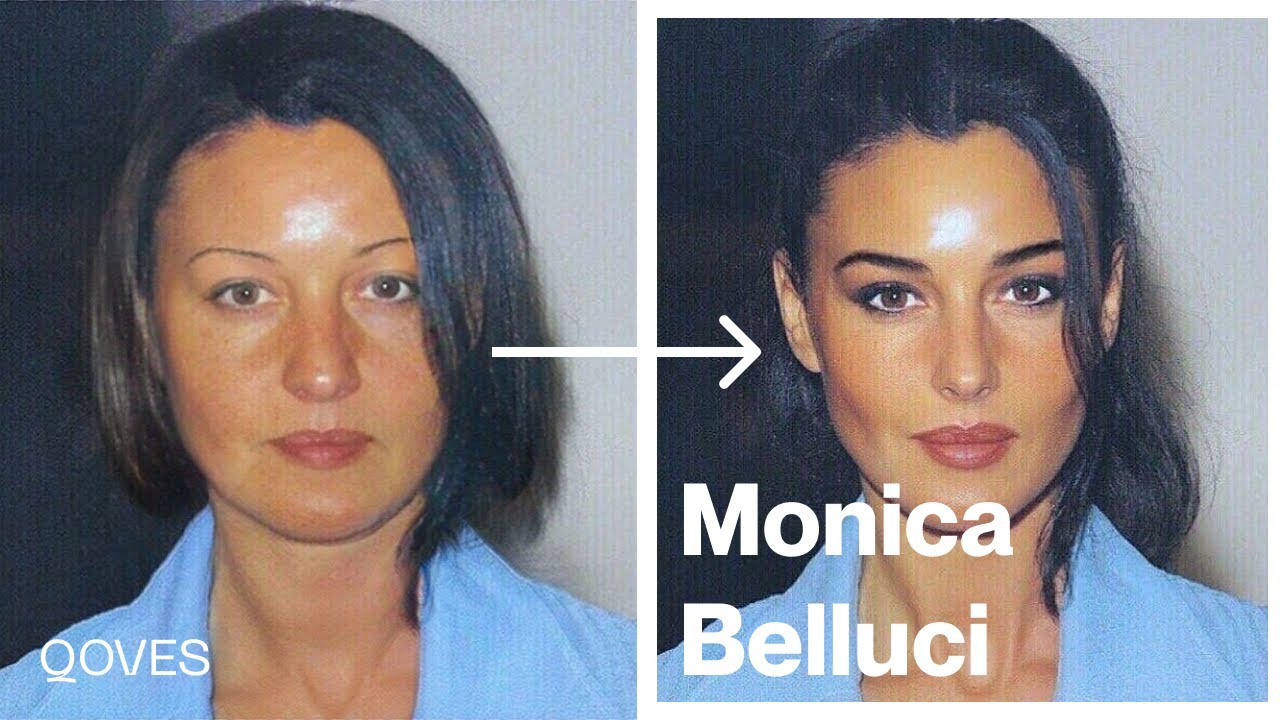
Explores how body fat changes facial shape, from jawline and cheekbone definition to neck angle, and how it affects perceived attractiveness and apparent age.
Key Takeaways
- Body fat strongly shapes facial structure, with fat loss revealing jawline and cheekbone definition.
- Moderate, healthy body fat levels tend to maximize facial attractiveness rather than extreme leanness.
- Neck angle and midface volume are important, often overlooked factors in how a face is perceived.
- Pursuing extreme thinness for appearance can backfire and carries health risks.
What the video covers
- Facial fat (subcutaneous fat, especially in the buccal/cheek region) changes face shape much like belly fat changes abs: bones like the jawline and cheekbones become more visible as fat is lost.
- Even moderate fat gain or loss noticeably alters facial contours, jaw definition, and the midface.
- Losing facial fat can make the eyes appear wider set and larger, since interpupillary distance makes up a larger share of facial width.
- Submental cervical angle (neck-to-jaw angle) is an important factor in perceived attractiveness and is strongly tied to body fat levels; hanging neck skin is associated with aging and fat gain.
- 3D depth and contours of the midface, cheekbones, and jaw are key to perceived attractiveness, even though photos are usually 2D.
- Research by Rule and colleagues found adiposity is strongly correlated with facial attractiveness, with lower body fat generally rated more attractive, though nuances exist.
- Extremely low body fat can make faces look gaunt, signaling illness or fragility, so the most attractive level is not necessarily the leanest.
- Suggested body fat ranges that maximize facial attractiveness are roughly 9-12% for men and 17-20% for women.
- Attractiveness is a stronger motivator for weight loss than health benefits, and the video cautions against extreme leanness or eating disorders driven by beauty ideals.
Chapters
- 00:00Introduction: How Body Fat Shapes the Face
- 00:51Why Fat Loss Reveals Bone Structure
- 02:073D Facial Contours and the Midface
- 02:58What Is Facial (Subcutaneous) Fat?
- 04:30Case Studies: Weight Gain and Loss Effects
- 06:40Neck Angle and Side Profile Changes
- 08:00Research on Adiposity and Attractiveness
- 10:00Ideal Body Fat Ranges and Closing Thoughts
Full Transcript — Download SRT & Markdown
Speaker A
How body fat influences facial attractiveness.
Speaker A
completely change your look. What is facial fat/body fat? First, let's briefly explain what facial fat is. Just like the fat found around your belly, adipose tissue gain is a natural process that results from an increase in energy intake, aka food. The body
Speaker A
Qoves/Facial Fat 101.
Speaker A
we lose that extra adipose tissue. In the same way that losing belly fat causes the abdominal muscles to ‘pop’, the exact same thing applies to the face. The difference is, it is mostly the bones like the jawline and cheekbones that we quickly see ‘popping’, instead of a muscle. But this
Speaker A
[In this episode…]
Speaker A
Even though we usually see photos from a 2-D view, we can still pick up on that ‘depth perception’.
Speaker A
We will be taking a look at why facial fat, and body fat percentage as a whole, make such a noticeable difference in facial shape, perception, and attractiveness.
Speaker A
discuss the importance of considering the 3-Dness of the midface region. How does bodyfat affect face shape? Even moderate amounts of fat gain can completely change your face shape and attractiveness. Taylor Lautner loses a lot of the angularity around his mid-to lower face. These are some of the more obvious effects of weight gain:
Speaker A
It is not a stretch to say that facial fat can completely change your look.
Speaker A
region. A lean face will have more contours and be more shapely and angular. This is most easily seen in the mandible as you lose weight, but the same concept applies to all areas of the face.
Speaker A
What is facial fat/body fat?
Speaker A
attractiveness improved a lot as a result. We can see that his face just lacked angularity, and now it is a lot more striking. Like we mentioned earlier, there is a 3D aspect to his face that is also night and day. His buccal region was a lot more ‘plump’ beforehand; the loss
Speaker A
First, let's briefly explain what facial fat is.
Speaker A
Chris’ Facial Width to Height ratio went down a considerable amount as his cheeks slimmed down.
Speaker A
Just like the fat found around your belly, adipose tissue gain is a natural process that results from an increase in energy intake, aka food.
Speaker A
Playing around in liquify, we can sort of manipulate the weight loss/gain just by altering the facial width and facial contours; it is not perfect, though.
Speaker A
The body fat we want to focus on is subcutaneous fat, because that is the type of fat found under the skin.
Speaker A
change. The eye spacing changes a decent amount, in that the interpupillary distance, or distance between the eyes, now makes up more of the facial width after weight loss. In essence, losing facial fat makes the eyes appear wider set, and larger. Derek, from more plates more dates also achieved a
Speaker A
This applies not only to places like the stomach, but the face holds subcutaneous fat as well, especially around the buccal, or cheek region.
Speaker A
An overlooked aspect of facial attractiveness is retaining a wide jaw and compact midface appearance, despite the actual face being slimmer. That comes down to bone structure, whereas most people can achieve a wide jaw and midface if they just gain a lot of fat. This guy
Speaker A
When we eat less food or exercise more, we lose that extra adipose tissue.
Speaker A
losing weight may help offset it. Conversely, gaining weight may help offset overly wide set eyes. This guy made some drastic improvements in all parts of his face. His jaw got way more tapered, with a now discernable jaw frontal angle, whereas his jaw was round beforehand.
Speaker A
In the same way that losing belly fat causes the abdominal muscles to "pop," the exact same thing applies to the face.
Speaker A
buccal region and infraorbital region, or simply put, the midface, just appear way less pudgy; ‘pinchable cheeks’ are a real thing. Since fat really likes to go in these areas, they are also one of the last areas to lose fat. Will Smith’s cheeks looked a lot more defined even after 20lbs
Speaker A
The difference is, it is mostly the bones like the jawline and cheekbones that we quickly see "popping," instead of a muscle.
Speaker A
by as most people won’t venture that low. How does gaining fat affect the side profile?
Speaker A
But this general idea of "depth" and 3D-ness is what makes an attractive face.
Speaker A
Beyond that, his submental cervical angle, or the angle his neck makes with his jaw, completely changes. This is actually quite an important feature when it comes to perceived attractiveness, probably because it is strongly correlated with body fat levels and forward growth
Speaker A
The abs seem to have a lot more "depth" as you lose body fat, and so do the cheekbones, midface region, and jawline.
Speaker A
lower this measurement by a good amount, even up to 20 degrees. An increase of this angle resulted in lowered perceived attractiveness. Usually hanging neck skin/fat is associated with both aging and body fat gain, so it makes sense. A study by Coleman et al. talks about the aging
Speaker A
Even though we usually see photos from a 2D view, we can still pick up on that "depth perception."
Speaker A
‘droop’. Since a defined jaw, and firm neck region are youthful features, fat gain can actually make you look older if the region below your jaw becomes too undefined. On top of this, a leaner face just looks more youthful in general. Being at a healthy body fat percentage will optimize
Speaker A
A face with more facial fat just lacks those contours in the 3D context.
Speaker A
Well, it is actually not that simple. In a paper by Nicholas Rule and Daniel E. There were some interesting nuances found with how weight affects facial attractiveness. The simplest thing to note was that adiposity(aka your body fat levels) is strongly correlated with facial attractiveness.
Speaker A
Coleman et al. discuss the importance of considering the 3D-ness of the midface region.
Speaker A
This does kindof make sense, as facial fat may be one of the last places to go.
Speaker A
How does body fat affect face shape?
Speaker A
‘runway’ look, but may not always maximize facial attractiveness. To appear lighter, a subject only had to lose about 1.3 BMI, but to appear more facially attractive it was about 2.5 BMI. But the paper did not extend outside of the scope of North America, and it is well researched
Speaker A
Even moderate amounts of fat gain can completely change your face shape and attractiveness.
Speaker A
Basically, facial fat can add some masculinity if a man looks overly gaunt or emaciated; we do seem to prefer defined, masculine faces in the West, but an overly gaunt face can signal illness, lack of food, and fragility, all of which are not attractive. Sometimes, losing weight is not the
Speaker A
Taylor Lautner loses a lot of the angularity around his mid-to-lower face.
Speaker A
state and reasons for losing weight. It is well researched that improving one's attractiveness is a much larger motivator when it comes to weight loss than the actual health improvements. There is nothing wrong with that really, but if you are tunneled in on the attractiveness part, you can
Speaker A
These are some of the more obvious effects of weight gain: an overall poofier face with rounded cheeks and jaw.
Speaker A
the difference is not make or break, and certainly not worth developing an eating disorder over. This is an issue within the modeling industry where models, and even ourselves, have been conditioned to associate these extremes with beauty. While, yes, being lean maximizes facial attractiveness,
Speaker A
The zygion is the widest part of your face, where your cheekbones are.
Speaker A
than others despite being higher body fat. Losing body fat is probably one of the most worthwhile looks maxes, especially for those that are overweight. The 9-12% range for men and 17-20% for women generally maximizes facial attractiveness, while a bit above that will also do a comparable
Speaker A
When you gain body fat you lose whatever contours you had in that region.
Speaker A
If you would like to get your face assessed, discover how your body fat percentage affects your face or just get an indepth look into your face, order a QOVES facial evaluation over at our website, performed by our in-house team of doctors and dentists to help you achieve that next big
Speaker A
Usually there will be a slight "dip" right above and below the cheekbones at the temporal region.
Topics:facial fatbody fatfacial attractivenessjawlinecheekbonesfacial aestheticssubmental angleweight loss and facelooksmaxxingQOVES