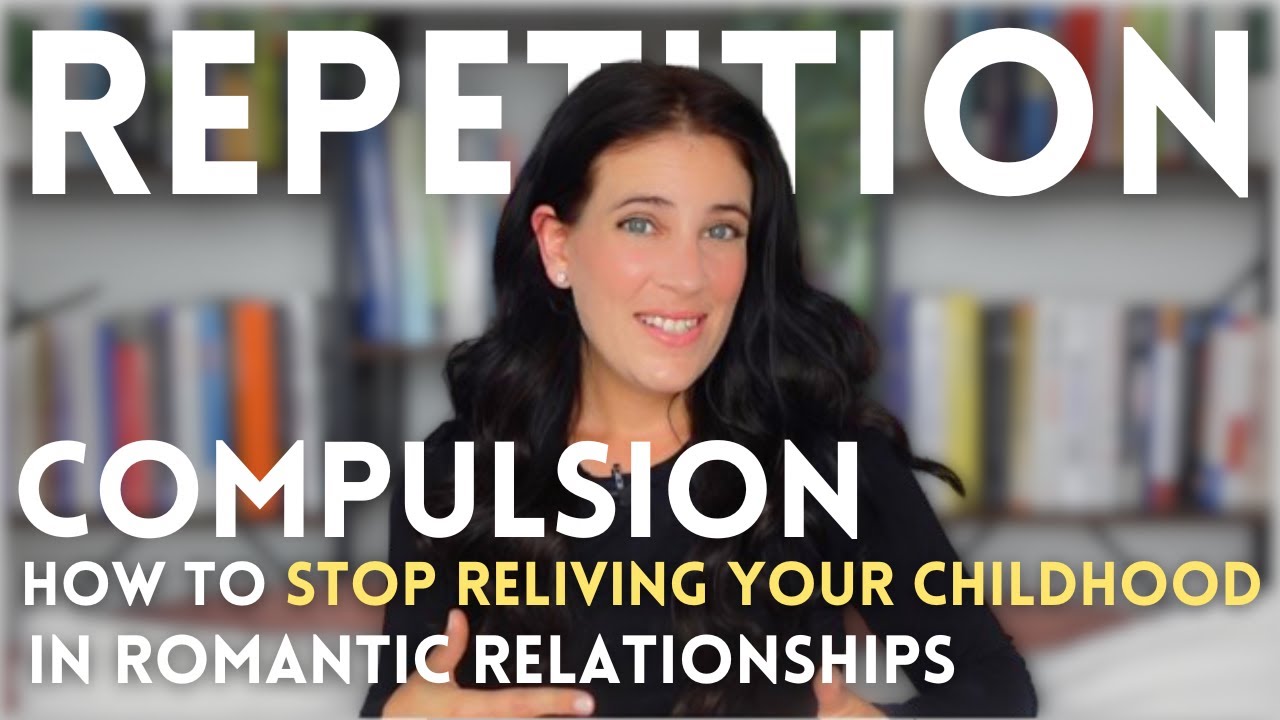
Heidi Priebe explains how childhood emotional neglect creates conflict challenges in adult relationships, including emotional blind spots, relational skills gaps, and unspoken conflicts.
Key Takeaways
- Emotional neglect can produce relationship difficulties even without overt childhood trauma
- Feelings can be valid even when the other person did not intend harm
- Congruence between words and body signals is essential for resolving conflict
- Learning to voice needs and feelings in relationships is a teachable skill
- Repairing ruptures and surfacing unspoken conflicts supports long-term connection
What the video covers
- Emotional neglect, not only overt abuse, can cause insecure attachment and C-PTSD-like patterns in adulthood
- Children who learn to explain away adults' emotions may dismiss their own feelings as adults
- Understanding why something happened does not cancel out the emotional impact it has
- Feeling incongruent (saying 'I'm fine' while the body reacts) is picked up by attuned partners and makes conflict harder to resolve
- Relationality means having feelings-based negotiations, which many people with neglect histories lack skills for
- Avoidant attachment often leads people to assume requests for change are assaults on autonomy
- Leaving a relationship early may be a reaction to unaddressed conflict that the partner never knew about
- Freeze, fight, flight, and fawn responses can be triggered quickly during conflict
- Unspoken conflicts and repressed needs can build pressure over time until a rupture occurs
- Healthy relationships involve an ongoing dance of compromise that sustains attraction, which avoidance can block
Chapters
- 00:00Introduction and Emotional Neglect Overview
- 01:48Why Understanding Doesn't Cancel Feelings
- 05:22Emotional Congruence in Conflict
- 08:00Relationality and Feelings-Based Negotiation
- 10:00Avoidant Patterns and Leaving Relationships
- 13:00Fight, Flight, Freeze, and Fawn Responses
- 21:00Unspoken Conflicts and Repressed Needs
- 26:40Compromise and Ongoing Relational Dance
Full Transcript — Download SRT & Markdown
Speaker A
Hey guys, I'm Heidi Prib. Welcome back to my channel or welcome if you're new here. This month on this channel, we've been talking about rupture, self-reovery, and repair. And today in particular, I want to talk about some of
Speaker A
the challenges that you might face with conflict if you grew up with early emotional neglect. So, I did make a video that's linked in the description of this one going over some of the signs that you may have experienced emotional
Speaker A
neglect in childhood. But one thing I want to reiterate from that video that's relevant here is that I think a lot of people assume that the only way to end up with insecure attachment or even things like CPTTSD type wounding is to
Speaker A
have gone through some form of severe abuse in early childhood when in reality emotional neglect so simply growing up in an environment where the adults in our lives or whoever was responsible for taking care of us wasn't really able to
Speaker A
respond to our emotions adequately. ly can lead to a lot of things like insecure attachment or CPTTSD. So, it doesn't have to be something that explicitly happened that was traumatic for us. It can be something that did not
Speaker A
happen that did not equip us with the tools we need to navigate human relationships effectively that goes on to cause a lot of problems that we end up facing later in life. So the reason I want to make that clear once again is
Speaker A
just to center for all of us that this is in a lot of cases what people are struggling with when they can't quite figure out why it is that they're facing so many issues in close relationships despite feeling like there was never
Speaker A
anything overtly bad that happened to them as children or inside of their relationship. So it's just a spot that we might want to check in on if that's a confusion we have. All right, that being said, what I want to go over today are
Speaker A
some of the things that you might struggle with as an adult, especially inside of intimate relationships when it comes to conflict if you grew up in an emotionally neglectful environment. And to give credit where credit is due, a
Speaker A
lot of the points that we're going to go over today were either taken from or inspired by a course that I was taking through Dr. Janice Webb's website. So, she's the one who wrote Running on Empty and Running on Empty No More, which are,
Speaker A
in my opinion, two of the best books on emotional neglect that are out on the market right now. And there was a course I was taking on healing emotional neglect inside of partnerships. So, basically, how to work with a
Speaker A
relationship where one or both people are dealing with early emotional neglect and what might happen in the relationship as a result. So, I do have that course as well linked in the description of this video if you want to
Speaker A
check it out. But without further ado, we're going to get into some of what these problems might be, how they might show up in a relationship, as well as what you might need to do to start becoming aware of the blind spots that
Speaker A
you have and switching your approach where it makes sense to do that. So the first thing that you might struggle with in conflict if you have early emotional neglect and/or an avoidant attachment style is thinking that if you can
Speaker A
understand something, if you can understand the reasons why a thing is happening in your relationship or in a given situation, then you must not feel anything about it and that those things are in fact kind of incompatible. And so
Speaker A
I'll explain where this comes from before we go into how that's going to show up. So at a very young age, if our emotions are not really tended to by the people around us, so if we're not taught
Speaker A
to be present with our feelings and experience them as meaningful pieces of data about our inner world, one of the ways that we can learn to contain our feelings and to regulate ourselves is to get really curious about what led to the
Speaker A
situation that ended up hurting our feelings. This is a way of convincing ourselves that things were not personal, which does genuinely soothe us in a lot of ways. So, if at a young age you learn to identify things like, "When mom is
Speaker A
grumpy with me, it usually happens after she's had a tough day at work," you can convince yourself that it's not personal why your mom is upset with you.
Speaker A
Therefore, in your mind, there's no reason for you to feel upset about it. And this pattern of thinking for most people who have that pattern of early neglect extends well into their adult years. So if your partner comes home one
Speaker A
day and is really snappy at you, but you know that they're under a lot of stress at work and it's not really about you, the story you tend to tell yourself is some version of, well, I shouldn't have
Speaker A
any hurt feelings about that, right? Cuz I know it's not personal. Even in situations where your body is actually kind of responding with some form of emotional pain. So maybe you do kind of wse internally every time your partner
Speaker A
speaks to you unkindly, even if you know why they're doing it, and even if you know that it's not personal, but what you're going to do in this situation very quickly and instinctually is tell yourself some version of what I'm
Speaker A
feeling is incorrect. Like my body must have just logged the wrong emotion because really I know what's actually happening, which is that my partner's just stressed and this has nothing to do with me. So this is the first major
Speaker A
blind spot that we want to surface if we want to start working with emotional neglect patterns in adulthood is this blind spot around the fact that we can understand why something happened and still feel emotions as a result of it.
Speaker A
So even if we understand someone's intent and even if that intent was not malicious towards us, it does not mean that the impact that thing had on us was wrong or fake or not real. We can be hurt by things that do not happen in bad
Speaker A
faith towards us. The same way we can be hurt when we stub our toe despite the fact that the table we stubbed our toe on did not mean to do something hurtful to us. Right? So the emotional impact
Speaker A
things have on us and the reasons why they happened do not always perfectly line up. This is actually a really huge healing arc that a lot of people with avoidant attachment styles have to go through. They have to be able to look
Speaker A
back over their histories and accept things like, "Even though I have undying respect and love for my mother, who may have been working three jobs to try to keep the family afloat after my dad left, I can also feel hurt and anger
Speaker A
that I think I shouldn't feel over the fact that I didn't get to spend a lot of time with her. She doesn't have to be doing the wrong thing or operating in bad faith for my feelings to be heard."
Speaker A
Right? And this does not mean that we have to switch our parents in our heads into these evil monsters so that we're able to feel anger at them. We can just hold two things as true. People can be
Speaker A
trying their best and operating in good faith and our feelings can get hurt. And so what does this have to do with dealing with conflict in adult relationships? If we are constantly kind of dismissing our own emotional experience because we think that it
Speaker A
doesn't make sense for us to feel a given way, what's going to happen is we're going to become more and more inongruent. And a lot of the time, especially in really close intimate connections like partnerships, our partners are actually going to be able
Speaker A
to pick up on that inongruence. So, we might be sitting there going, you know what, I get why you did everything you did and I'm not mad. But if we actually kind of are mad, we just think that we
Speaker A
shouldn't be. Any partner who is reasonably emotionally attuned is going to be picking up on what we're not saying, but what our bodies are communicating. And it's going to make the conflict really hard to resolve until we're able to get congruent about
Speaker A
it and say things that are more akin to, I feel like I shouldn't be mad about this because I get it and I get that you didn't mean to hurt me and also I do feel some anger and maybe I wish I
Speaker A
didn't feel it, but I do. Right? This is where we get back into secure connection because we're able to marry what's authentically happening inside of our systems with those cognitive thoughts that we're having about it. Secure connecting is about being able to value
Speaker A
both things, not just one at the expense of the other. But this is the first blind spot that it often really helps to surface if we're trying to heal those wounds of early emotional neglect is the realization that the impact of something
Speaker A
can hurt us even if the intention behind it was pure. Which leads us to the second thing that a lot of people with that early neglect experience in conflict in adulthood, which is that they expect their partners to be
Speaker A
operating under that same premise. And so when they go into conflict, when something comes up that's been hurtful towards the person they're close with, they assume that explaining why they did that thing is going to be enough to soo
Speaker A
that person's hurt and return them back into a comfortable connection. And the blind spot that's happening in this case is that we are assuming that other people hold that same way of reasoning as we do, which is that if I can
Speaker A
understand something, I must not be hurt by it. And because we're not recognizing that that is in fact a distortion, it's in fact a way of reasoning that is ignoring what's happening inside of the system, we're going to get really
Speaker A
confused when other people are insisting that we take any sort of accountability for the way that they feel if we did not intend to hurt them. So, this is once again where we have to get real with ourselves about the fact that we can
Speaker A
cause harm to other people without meaning to. Sometimes the way that we say something or the things that we do in a relationship even if they are in complete and total good faith and we are genuinely trying to be a good partner
Speaker A
are still going to land in a place for our partner that's hurtful. And so if we go into conflict refusing to stay present with the feelings that are there and instead eternally going back to trying to explain to our partners why we
Speaker A
did what we did thinking that that will actually make them feel better about it.
Speaker A
We are very likely to get stuck in kind of endless loops where we think we are helping, our partner thinks they're being dismissed, and so nothing is actually getting resolved. Third thing you might struggle with in adult conflict if you grew up in an
Speaker A
environment that was emotionally neglectful is you don't really have an awareness of relationality as a concept.
Speaker A
So when I say relationality, essentially what I mean is the capacity to have negotiations inside of a relationship that are feelings based. So, you might be really good at negotiations that are in the realm of things like what kind of
Speaker A
house do we want based on what is important to both of us, but you're probably less aware of the fact that you can have something you don't like inside of a relationship and have options other than accepting that thing completely or
Speaker A
leaving the relationship. A lot of people, especially those who air on the avoidant side of the attachment spectrum, don't really know that there's an option to bring in what they feel and what they're unhappy with inside of the
Speaker A
relationship and talk about it and ask for change. Usually because they were raised in environments where there wasn't a lot of emotionalbased cooperation, right? Everyone was kind of doing their own thing and giving each other big buffers of space in order to
Speaker A
make sure that they weren't stepping on each other's toes. And so there wasn't a lot of experiences that ever even happened where people would kind of step on each other's toes and then need to talk it out. But in intimate
Speaker A
relationships, that is a huge thing that happens like all of the time, right? Our partners are going to do things that maybe annoy us. And if we aren't aware of the fact that we're allowed and able to bring in the fact that something they
Speaker A
do either annoys us or we want it to be different, even if again they're not doing anything objectively wrong, we're going to just default to that assumption that we have to accept everything exactly as it is or get out. And this is
Speaker A
why I think a lot of anxious attachers get really frustrated with their avoidant partners and they go, "Why didn't you just talk to me about things rather than opt out of the relationship entirely?" And usually it's because the
Speaker A
avoidant detacher truly does not know that it's an option. They believe it's a true assault on someone else's autonomy to ask them to change anything on their behalf. But in adult relationships, a lot of people are actually quite happy
Speaker A
to make changes to accommodate another person as long as it's mutual. And so this is what the realm of secure relating actually looks like. people are bringing things to each other and making negotiations based on what's going to
Speaker A
allow the relationship to keep going at the right level of closeness. Right? So, you're not asking your partner to give up all of their rights and all of their autonomy if you want them to make some concession to make you
Speaker A
more comfortable. More likely, what's going to be happening is you're asking your partner for something and that gives them the space to also ask you for something. And as long as you're both connected to yourself in this process
Speaker A
and really checking in on am I okay with making this compromise because it's worth it for this relationship to keep working well in other ways then nobody is doing anything that they're not comfortable with right it's like any
Speaker A
trade-off sometimes we don't want to wake up before sunrise and drag ourselves to work but we do want that paycheck that comes at the end of the month and the same can be true in relationships. asking for things and
Speaker A
making accommodations for each other is often a trade-off that people are really willing to make because they like what they get out of being in a close connected relationship. So, the more that you can make yourself aware of that
Speaker A
and start bringing what you're struggling with into the relationship rather than assuming that you're going to step on someone's toes and it's better to leave than to do that, the better a sense you're getting of how secure relationships function in
Speaker A
adulthood. So, that's just something to keep in mind. Check in with yourself if you're thinking of leaving a relationship, especially in the early stages, on whether your partner knows what it is that you're struggling with inside of the relationship and whether
Speaker A
you have asked them in any way to work on that with you. You might be really surprised at what happens when you start bringing those things in. I'm almost embarrassed to tell this story because it feels so basic to me. But there was a
Speaker A
time where I was in a relationship with someone I really liked and it was going well on a lot of levels. But then they said something that made me really uncomfortable. And my brain got right into that patterning of I either have to
Speaker A
be comfortable with what this person wants from me or I need to leave the relationship. And so I broke up with them. But because I really liked this person, I got really depressed after I broke up with them. I missed them. I had
Speaker A
regret that I'd let them go. And so I reached out and I got back in touch with them after talking to my therapist and my close friends about this. And I said, "Hey, I want to talk to you about why
Speaker A
that breakup happened because I wasn't 100% honest at the time." And then I told them the real reason. I went, "I was uncomfortable with this thing you said and I just did not know how to bring it up." And this was truly a
Speaker A
moment that I think like repatterned something deep inside of me because they just listened to what I was uncomfortable about and then went that makes sense. And then we talked about how we could navigate situations around that thing differently if it came up in
Speaker A
the future. And it truly shocked me like down to the core that I could bring discomfort up about something that my partner wanted and they could care about that and adapt to it as opposed to me needing to either adapt to them or just
Speaker A
get out. And so again, it sounds so simple, but the problem is that it doesn't occur to us to do this, right?
Speaker A
Our brains go automatically to that worldview of you can't step on anybody's toes. And you often have to be very intentional with yourself if you have that early emotional neglect in reminding yourself. The average person actually finds it more hurtful or
Speaker A
offensive if I just disconnect from them and don't even give them the opportunity to work with me on something. Okay, so this is another thing where we repattern it slowly over time and it does really take a while sometimes for our nervous
Speaker A
systems to get used to the fact that there is a different way we could do this. Fourth thing you might struggle with conflict-wise if you've experienced early emotional neglect is feeling really frozen or panicked in the face of
Speaker A
someone else's strong emotions. So a lot of the time our comfort zone is our competent zone, right? So we feel like we are only okay and good and worthwhile as people if we know how to handle something well. And so when someone
Speaker A
comes to us with a ton of emotion that we do not know what to do with, how to contain, how to work with, it can instantly put us into this kind of freeze shame response because we are both a outside of our area of competence
Speaker A
and b are kind of lacking the meta skill that a lot of other people can reach to when they're outside their zone of competence of knowing how to communicate that and ask for help or ask for what we
Speaker A
need to feel more comfortable with the interaction. And I think there's often a couple of things going on here. One again is that kind of freeze response where we instantly lose our embodiment and might instinctually start going to,
Speaker A
okay, what's the right thing to say in this circumstance? And then end up coming across just really inongruent and weird in our energy, which tends to make things worse, unfortunately. And two is that the exact skills that are needed to
Speaker A
navigate things like this well are often the things that we have instinctively learned to inhibit and kind of cringe at inside of ourselves. So the kind of blind spot here is that we often think when someone is disregulated or upset,
Speaker A
we have to find the perfect thing to say or do to fix the way they're feeling.
Speaker A
When really what people want from us when they're upset or disregulated is usually our honesty.
Speaker A
And that doesn't mean that we're making the whole thing about us, but again, a lot of the time people get increasingly disregulated the more they experience us as inongruent.
Speaker A
So actually just being with whatever is there for us and being willing to say, you know, I really want to fix this and I don't know how and I feel really overwhelmed right now, but I care about you and if I've hurt you, I want to fix
Speaker A
it. Something like that is counterintuitively, and it really does feel counterintuitive to a lot of us in this situation, going to take us infinitely further in the realm of real secure connecting than anything that chat GBT or the internet or our
Speaker A
reasoning skills might be able to come up with about what the right thing to say in that circumstances. And there's an art form here, too, right? We want to allow enough of that vulnerability in that they're able to see what's actually
Speaker A
happening for us. But it's going to require a lot of us who have learned from the time we were young not to bring our feelings of kind of panic or freeze into a connection to start allowing some of that stuff in which is in some cases
Speaker A
going to require us to barge past that part of our internal patterning that goes h disgusting don't say that. Right?
Speaker A
Resolving conflict is going to feel kind of icky and uncomfortable and embarrassing for a lot of us who grew up with emotional neglect and learned to cover a lot of our more vulnerable feelings with self- disgust. Fifth thing
Speaker A
you might struggle with in the realm of adult conflict if you grew up with early emotional neglect is figuring out how to rightsize a conflict. So what do I mean by that? If you grew up in a home
Speaker A
environment where, let's say, everything that was less than a nine out of 10 on the scale of intensity got swept under the rug, what might happen anytime a partner comes to you with an issue is that you're going to assume they are
Speaker A
feeling n out of 10 about that issue or else they wouldn't have brought it up, right? Whereas in more secure connections, people very frequently bring up things they're struggling with at like a three or four out of 10. But
Speaker A
you might have a certain kind of emotional blueprint for what happens when it's time to deal with conflict.
Speaker A
And that blueprint might come with the prerequisite. If something is being brought up in the first place, it means it's a humongous deal. And so it's time to brace myself for a humongous fight.
Speaker A
And that might flip us very quickly into one of those four F responses: fight, flight, freeze, or fawn. So we might end up reacting with a 9 out of 10 response.
Speaker A
So nine out of 10 anger and defensiveness or nine out of 10 fawning and completely giving ourselves over to what that person wants without even thinking about what we want or nine out of 10 flight. So completely disconnecting from the situation or n
Speaker A
out of 10 freeze. So just go into complete shutdown or dissociation. When in reality, the fundamental mistake that's getting made inside of our nervous system is we are assuming that our partner is bringing something in at a 9 out of 10 when really they're at
Speaker A
like a three. And so, if we're responding with this really intense reaction to their three out of 10, it's going to make conflict go sideways really fast in a way that's probably going to feel very confusing for both
Speaker A
partners. So, what we want to get better at doing is learning to properly identify what level a conflict exists at. which might even be something we can just overtly bring into our relationships. Right? So asking our partners, hey, I'm feeling really
Speaker A
defensive and I'm wondering if you can tell me on a scale of 1 to 10 how big of a deal you're holding this as. And maybe their answer is two. And in that case, the next thing we're responsible for is
Speaker A
fighting the part of our programming that goes, "Oh, well, if it's a two, forget about it. Let's push it under the rug and keep going." Now, what we're responsible for doing is figuring out how to respond to a 2 out of 10 problem,
Speaker A
which is likely what we have never been taught. And so, like all of the above, this is a learning arc, right? It's going to take time and communication if we can manage that communication to develop new tools. But the next very
Speaker A
related thing that we want to start watching out for, so issue number six that you might have in conflict if you had early emotional neglect is that you need to start being aware of the conflicts that you are not having
Speaker A
because they have not reached that threshold where you believe a conflict is worth having and how those unhad conflicts are impacting your relationship dynamic. So very often what this looks like is as a relationship goes on, you have a lot of those moments
Speaker A
where you kind of shove your feelings under the rug. You tell yourself that you must be wrong about what you're feeling, that you or your partner is just being dramatic if they're bringing something up in a situation where
Speaker A
neither person meant to harm the other. And then what ends up happening is because the nervous system nonetheless stores all of that stuff and does not let go of it when it's not resolved, the first time a conflict comes to the
Speaker A
surface that you feel like it is justified to have, all of that past resentment is going to come out through this one tiny spout. Okay? Because there's a lot that you've been keeping in if you're consistently dismissing your emotions. And so this can lead to
Speaker A
another one of those situations where a conflict that's actually kind of a five out of 10 for you. You might be responding to with the anger and frustration of like 50 repressed things that happened at level two, which is a
Speaker A
105 level conflict. Now that is really hard to resolve. And so a kind of reframe on small petty annoyances that I found it was really useful for myself to adopt at one point in time was the idea that it is actually a kindness to the
Speaker A
people that we're close with to not allow ourselves to grow resentful towards them. So, if there is some boundary that I feel like I want to set in order to keep myself feeling okay in the relationship, but I think I
Speaker A
shouldn't set it because it's maybe not nice to that person, for me to need so much time to myself or whatever it is, I try to reframe that as it's actually kinder for me to set whatever boundaries I need to set in order to continue to go
Speaker A
into that relationship with that person feeling good and non-resentful of them every time I see them than it is to not set that boundary because I think I shouldn't need to have it and then go into my relationship with resentment.
Speaker A
The resentment hurts more than the boundaries much of the time. It also makes people trust us less when we are not being clear about what our actual needs and boundaries are. And so as counterintuitive as it seems, the more
Speaker A
that we can attune ourselves to the very small things that in our mind might seem so petty and inconsequential and figure out how we want to deal with those things in our relationships, the better a chance we are giving ourselves
Speaker A
at not growing resentful and not getting to the point in a relationship where there's so much stuff piled up under the rug that we could never possibly pull it all out and vacuum it. and the relationship just ends up ending when it
Speaker A
didn't need to. And of course, if you're in a relationship with someone who's not open to talking things out at a low level, this is going to be a lot more challenging. But the idea here is that we want to start reframing dealing with
Speaker A
things as they come up in small chunks as the thing that is in fact kinder to both people and that in the long term gives your relationship a much better chance of actually working out. And last but not least, the seventh thing that I
Speaker A
think is really challenging for those who dealt with early emotional neglect in adult relationships is that your relationships might just start losing passion over time because passion gets built through the process of going through rupture and repair. So of the
Speaker A
relational dynamic becoming kind of pressurized until something has to give and then both people taking the opportunity to reconnect with themselves figure out okay in what way was I maybe repressing myself to stay in connection with that person and can I go back into
Speaker A
the connection with less self-russion and if the answer is yes and the relationship dynamic actually has the opportunity to incorporate more of both people what happens is that those people do not lose their align tideness, right?
Speaker A
The whole of themselves stays online inside the relationship and so you don't lose that edge that you had in the beginning. A lot of what attracts people to each other is their differences. But if we are trying to squash all of our
Speaker A
differences to avoid conflict, what ends up happening is that that edge and that intrigue and that passion that comes from two people with strong definition observing each other gets lost. And so after a long enough period of time, it
Speaker A
might also feel like why even bother resolving conflicts, right? We're not attracted to each other anymore. We're not really excited by the relationship.
Speaker A
And it might just kind of feel like over time you randomly start losing attraction to a lot of your partners.
Speaker A
when in reality what might actually be happening is that you're not going all the way through to the other end of those conflicts that allows you to see each other as independent people again which is what keeps that passion alive.
Speaker A
This is what healthy relationships are like for the entirety of the time that they exist. Right? Both people in small or large ways are always finding new ways to keep attached to their independent identity inside of the relationship and also make reasonable
Speaker A
compromises for the good of the relationship. And it's this ongoing dance and the dance itself is what creates that attraction and that intrigue long term. And if we are refusing to engage in that dance because we think there's something wrong or bad
Speaker A
about having any sort of conflict or asserting any sort of differences in a relationship, we're going to very quickly find that that intrigue is getting lost. And so again, a lot of this work, any of these seven things are
Speaker A
going to require us doing some questioning of the rules we internalized at a very young age about what it means to be a good person in relationship. And that doesn't mean that we're not allowed to keep a lot of the awesome stuff that
Speaker A
we did internalize, like respecting each other's autonomy or being able to self-regulate really well through understanding a situation for multiple sides. All of those are good things. And if we can round them out with deep connection to our emotional selves and
Speaker A
the emotional selves of our partner, now we're building a relationship that has real legs to stand on.
Speaker A
All right, I'm going to leave it at that for today, but any questions that you have coming up as you've gone through this video or anything else that you would like to share, please leave it in the comments section below. And again,
Speaker A
if you want to check out Janice Web Stuff, I've also put some links in the description of this video. Her work, in my opinion, is really getting to the heart of something that I think is totally left out of the wider
Speaker A
conversation about things like insecure attachment and relational wounding. Emotional neglect is at the heart of so much of this stuff. so much more than we might realize. And it can be insidiously hard to point at because we're trying to
Speaker A
point at something that didn't happen rather than something that did. So again, any questions that you have about this, any comments, please leave them below. I love you guys. I hope you're taking care of yourselves and each other, and I will see you back here
Speaker A
again really soon. [music]
Topics:emotional neglectattachment styleavoidant attachmentrelationship conflictC-PTSDemotional regulationrepaircongruencehealingintimate relationships