CDIS 441L SHROC Observation #39 — Transcript

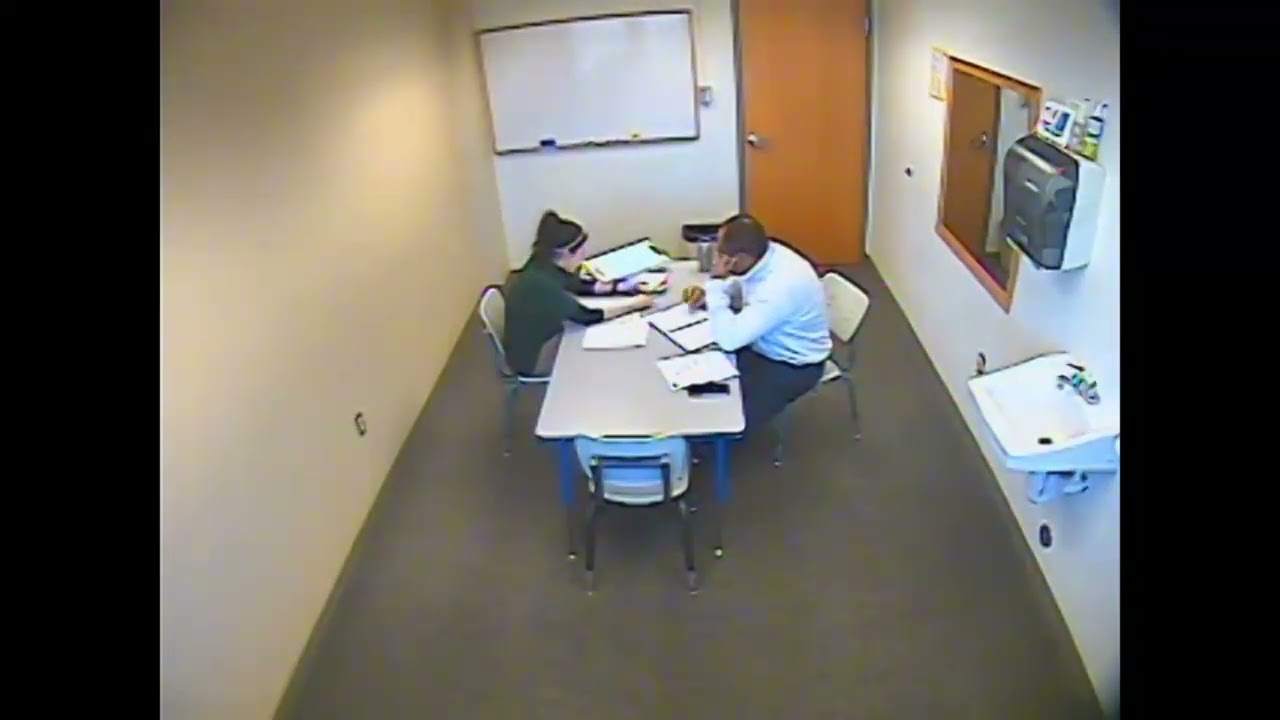
Speech therapy session focusing on diaphragmatic breathing, voice control, and relaxation techniques to improve breathing and speech.

Key Takeaways

  • Diaphragmatic breathing improves oxygen intake, reduces muscle tension, and supports voice control.
  • Deep breathing activates the parasympathetic nervous system, helping to alleviate stress and anxiety.
  • Consistent practice can increase breath capacity, allowing longer, clearer speech without voice breaks.
  • Environmental factors like allergies and dust can affect breathing and voice quality.
  • Relaxation and pacing during speech are crucial to prevent vocal strain and improve communication.

Summary

  • The video captures a speech therapy session emphasizing diaphragmatic breathing and voice exercises.
  • The therapist guides the client through tongue and breath control exercises, focusing on relaxation.
  • Detailed explanations of the diaphragm's role in breathing and its impact on voice and stress relief are provided.
  • The session includes reading practice to improve breath control and reduce voice breaks.
  • Discussion about environmental factors affecting breathing, such as allergies and air quality.
  • The therapist encourages deep breathing to stimulate the parasympathetic nervous system and reduce stress.
  • The client reflects on improvements in breath control and voice endurance during reading and speaking.
  • The session incorporates conversational practice to apply breathing techniques in natural speech.
  • Future goals and personal aspirations are briefly discussed to encourage relaxed, sustained speech.
  • The therapist monitors tension and advises on pacing to prevent vocal strain.

Full Transcript — Download SRT & Markdown

00:12
Speaker A
Okay, that was a little bit better. Okay, don't push, don't push your tongue back. I know, I like you're pushing your—oh, okay, just keep your tongue kind of relaxed. Okay, try again. We'll do it one more time.
00:38
Speaker A
Okay, no, can't. My T just M. Yeah, well, when you open your mouth, it is going to move a little bit, but okay, that's fine. Okay, let's do the M again. Okay, just holding, just add a regular steady—okay.
00:58
Speaker A
Okay, we'll do it twice. Okay, okay, you ready? Did that sound—did you sound a little bit forced at the end? Were you forcing it or running? I don't—I don't know if I just—I don't think I forced it.
01:24
Speaker A
I just felt like I was like that end, you know, like when you push your breath out and that's all you have. Where I—I don't know. Okay, okay, try again. Ready? Wait, let me just start over. Sitting there, you go.
01:43
Speaker A
Good, good. All right. All right, okay, that's all it. We're going to read. Do you have anything to read? No? No. Okay, your favorite? I figured this is the easiest one. Keep reading it over and over and over. We're
02:11
Speaker A
just going to read a little bit and then we're—we're just going to talk. We're going to ask you questions and we're going to talk. We're going to really focus on your breathing. Okay?
02:28
Speaker A
Okay. Mhm. So whenever you're ready, the diaphragm is a shelf of muscles that extends across the bottom of the rib cage. It responds to various signals of the nervous system. When we inhale, the diaphragmatic muscles contract, they shorten and tighten, and the diaphragm moves downward in the
02:49
Speaker A
body. As the diaphragm depresses, it creates a vacuum in the lungs and air rushes out to fill that vacuum. During exhalation, the diaphragm relaxes and rises, and lung volume decreases, creating a positive pressure difference and air rushes
03:10
Speaker A
out. The air expelled from the lung rises up through the trachea or the windpipe and filters out through either the nose or the mouth. Good. Yeah, you—how do you think you sounded? Good? Good. You didn't feel
03:24
Speaker A
like you were speaking in residual? I don't think so. Okay, I think you did good. Good job. Okay, cool. I just want to clear my girl. The AC sometimes makes—I know when I have it on, sometimes it makes you want—
03:38
Speaker A
you feel that tickle in the back of—yeah. Yeah, so you—that's something you think about. Now it's going to get warmer, they're going to be running the air. So, and I sleep with my fan on. Do you? Mhm. I
03:50
Speaker A
wonder if—I don't think I clear my throat in the middle of the night. I don't know. You might cough though. I might, 'cause like with allergies, like I know my daughter coughs like when she has allergies, she gets a
04:03
Speaker A
cough. Oh, I hate coughing. Yeah, you know what would be good too is to make sure that there's like all the dust cleaned up off your fan. Oh yeah, when it spins. So that might help you at night not to cough 'cause
04:18
Speaker A
right, you might be coughing that night. Okay, there are many benefits that come from diaphragmatic breathing. Diaphragmatic breathing relieves muscle tension in the neck and body. Deep breathing naturally releases the mind and body. Breathing deeply is the fastest way to stimulate the
04:41
Speaker A
parasympathetic nervous system, which makes you feel relaxed. Stress is the core of most diseases and most of us live stressful, busy lives, which is commonly accompanied by shallow breathing. When we breathe shallowly, the body does not
04:58
Speaker A
receive as much oxygen as it needs. You're running out of air there a little bit and it makes our muscles contract. You can almost feel the tightening when you are stressed or tense. The sympathetic nervous system is triggered when we feel stressed for
05:19
Speaker A
anxiety and sends out spikes of cortisol and adrenaline. It is the parasympathetic nervous system which counteracts this, and breath is the fastest way for these systems to communicate. With deeper breathing, you can turn the switch from high alarm to
05:36
Speaker A
low in seconds. Remember, if you feel anxious, to breathe deeply. Pay attention and you can feel peace coming in and the tension being released as you simply but deeply breathe in and out. Good. How'd you do? I think good. I mean, there's a few times I
05:54
Speaker A
get to the end of the sentence, my voice would break, but I still felt like I had air. You still had air? Good. Like, 'cause then I would let it out, like my voice would break and I would still let air out. I
06:03
Speaker A
was just at the—my voice would break. Okay, so you're doing good with your breathing. I can tell you're really focusing on it, taking your time. Okay, we'll do a couple more sentences and then we're—I'm just going to ask you
06:15
Speaker A
questions and you're going to talk and we're going to work on that, okay? Okay. When a strong deep breath is taken, the cells in the body receive more oxygen and the lungs and heart are strengthened. Deep breathing expands the lungs and
06:32
Speaker A
makes them work more efficiently. It also brings in more oxygen to the blood, which gets sent to the heart but makes it—okay, I'll just start over. Mhm. Good. It also brings in more oxygen to the blood, which gets sent to the heart
06:53
Speaker A
and makes it so that the heart does not have to work so hard to deliver oxygen to the tissues. Also, with the lungs working a little harder, pushing out oxygen into the blood, it eases the pressure needed by the
07:06
Speaker A
heart to pump it through the body. This improves your circulation and gives your heart a bit of a break. The blood flow of muscles is increased and blood pressure is lowered. Diaphragmatic breathing slows your heart rate, improves your
07:22
Speaker A
concentration, and allows a person's mental function to slow down and relax. I think I did really good because there were times when I could get through two sentences whereas before I couldn't get through two of them. Good, that means your
07:35
Speaker A
breathing is getting better. Cool, good. Okay, take a little break. We'll do some M's again, like just the regular M. I'm not going to time you, just to kind of relax, and then I'm going to ask you questions and you're just going to
07:48
Speaker A
answer questions for me. Okay? Yep. You're about to throw it clear. M, take—like, I know, but sometimes I feel like I drink and I still have the—like, you still have the sensation. Yeah, it's probably just my allergies. It's probably
08:06
Speaker A
allergies. Yeah, and the—I think I tell you, I swear. Okay, do some M. We'll do three times. Good. Stop and sit up straight. You're kind of there. We go.
08:34
Speaker A
I like that. That was a long one. That was long, especially because I didn't stop when you told me to. It was like stop going.
08:56
Speaker A
Okay, I don't know. Ran out of breath. All right. I don't think I ran out of breath. I think it's like as soon as I hear that
09:55
Speaker A
sound, I'm like, "St—bless, let everyone's ears take a break from"—
10:15
Speaker A
that. Okay, let's try that again. That was weird. You just had some break. It's all right. Okay.
10:25
Speaker A
Okay. Okay. All right, some more water? Yeah.
10:41
Speaker A
Go. I like L P. I do that a lot too. All right. Wait. Okay. Okay, so like I said, I'm just going to ask you questions and I just want you to talk, answer your questions and talk, but really focus on breathing. It's going
10:58
Speaker A
to be a little bit different 'cause you're so used to reading. You're doing really good with the reading. Okay, and so you can do it with talking. So my first question is, where do you see
11:16
Speaker A
yourself in 10 years? Like, where do you think you'll be? Yeah, I think I'll live in New Mexico still. I would like to live in Las Cruces, New Mexico. Okay.
11:33
Speaker A
Oh, okay. This is what I'm going to do every time I see you tensing up, so I don't—I don't—I don't want to interrupt you, but at the same time, I want you to—yeah, stop and take a breath so you don't, 'cause that just causes more abuse if you continue.
11:46
Speaker A
Okay. Okay, so I would hope to be in Las Cruces just 'cause my family will still be in TC. Hopefully a SPE somewhere in or not in TC, in Las Cruces. I don't know. That's where I see myself. As in Cruces, in M Cruces, New Mexico, being a SPE therapist. Okay, maybe having
11:58
Speaker A
kids. I don't know. We'll see what—um, like, what setting do you—do you have you really thought about it? You're still not too sure? I don't know. Sometimes I think medical and then other T I think birth of three or in the
12:10
Speaker A
schools. I have no idea, to be honest. Yeah, that was good. You took a nice deep breath and you—you talked on that, brother. I feel like it's so wei—
12:22
Speaker A
okay but that's what you need to do okay sorry I have a little blister I have minion bandes don't judge me right I have princess and Minion and everything all of them H yes on the moon that's right okay so another question would if
12:41
Speaker A
you could travel anywhere in the world where would you like to go and why I feel like I'm in a pageant like you know when they ask these questions okay or heavy seen it all I'm sorry I don't think I've seen it all but I would
13:02
Speaker A
like to go overseas somewhere like Paris England Germany I don't know I've been to I've been a lot of places short shallow breath okay sorry okay um I think overseas somewhere cuz I've been like to Hawaii New York Florida I've been a lot
13:27
Speaker A
of places in the United States I've been in Mexico me but I would like to go I don't know in Europe somewhere okay and just cuz I've never seen it that's why I'd want to go there how do you feel
13:40
Speaker A
about like going to a different country where you didn't know the language like do you feel comfortable like going somewhere no I don't think so I don't think I would be comfortable enough to like communicate with someone else what
13:54
Speaker A
would you what so like Germany you would have to I mean that's a hard l page I know I don't know what I would do what would you do write it down text it I don't know you never thought that far no my mom and
14:11
Speaker A
dad said that when I then my brother and I um graduate with our master's degree that they'll take us wherever we want well that's awesome so and now you guys going to do like the same place or yeah
14:23
Speaker A
we'll go like all together yeah so they won't like be like car wants to go here and he wants to go here and just do what we'll go to like Scotland that's kind of like where we're both thinking oh really
14:33
Speaker A
M that'll be cool yeah couple of years I know well we went to for his graduation we went on a cruise to Mexico and then for my graduation like from high school mhm so so you guys each you did the same thing
14:51
Speaker A
you each had to pick mhm that was two years apart and I think our master's degrees I don't know how long apart they'll be cuz he graduates in a year M so what is your brother studying Sports Administration okay
15:05
Speaker A
you're doing a really good job of breathing okay my voice sounds weird but that's okay yeah but you're breathing right so don't worry about your voice right now you're breathing you're taking good breaths okay and you have been
15:19
Speaker A
talking a lot so I should probably give you a little late that's okay no but you do talk all day long I do all day long never end so it's important just to work on your breathing okay okay um tell me
15:33
Speaker A
about some of your hobbies I know you I know some of them but go ahead and just tell okay just pretend like I don't know you okay well I coach cheerleading and I play golf oh you're not regularly but I
15:48
Speaker A
did it in high school um I like anything on the water like water skiing wakeboarding tubing behind the bat I think that's so fun I don't know I guess that's all I really do is like just cheer that's like
16:09
Speaker A
my whole life and go to school and do homework homework stress about homework yeah homework is my hobby so like most of your stuff is during the summer huh so during the winter but cheerleading is it's like year round it is year round as
16:25
Speaker A
I say it's during winter but no I guess not cuz we'll go in April and then we'll have tryouts like 3 weeks later and then we just start all over and we have summer practices but they're not mandatory but we encourage them how many
16:39
Speaker A
show up do most of them are they pretty good yeah most of them show up but some trying work at the same time so sometimes we have like scheduling conflicts um so are you going to do that cheer thing this summer or no no I can't
16:57
Speaker A
cuz I'm going to do our tick in class and then I was thinking about maybe working in the clinic over the summer but then I don't know cuz then I want like a part 10 job so I can make
17:09
Speaker A
money cuz I don't make money at all well I mean I do cuz I coach cheerleading but Inc yeah so what are you thinking about doing my mom wants me to do all three but she's crazy she doesn't know what college is
17:25
Speaker A
like she went to college for like a semester so I don't know what I'm going to do I'll probably work in the clinic I'd like to get some more hours in and I think it'd really like help me be a
17:36
Speaker A
better clinician if I work in my clinic if you weren't to work in the clinic what kind of job would you look for like what are you thinking oh no it would just be like practicum oh so no it
17:47
Speaker A
would just be like an extra hour of practicum I wouldn't like work for money it would just be practicum okaying that's good I mean I might as well I'm going be here yep that would be nice but then I don't know if I'm going to do
18:01
Speaker A
it it's a lot I'm like stuck in between it's like hard for me to decide too because I want to see like what I'm capable of and what okay and um I don't know just how school goes before
18:18
Speaker A
I make another decision on top of like cuz School needs to be number one that's right and then the others come I don't know so you'll see so when you think you'll decide like after midterms see how good
18:34
Speaker A
I am at midterms and then decide and so it'll be just that one the language the the one class the slave class I'm only taking her tick just cuz I don't want to take two classes and be so overwhelmed
18:48
Speaker A
that's what I'm going to do too do the TIC too are you okay good are you going to do it in class yes I think it would be the best yes I need like interaction too I get real distracted me too I don't
19:01
Speaker A
know how you do it online cuz so I get distracted I to I have to make sure that nobody's around like my kids can't be around like even when we do when we Skype in like to do sometimes
19:13
Speaker A
multitasking oh my gosh me too it's so hard and then like the other night when we were meeting um the parents had to come pick up something for the apartment and so they would like come in and knock on the door and I'm like hold
19:27
Speaker A
on like I couldn't even talk to them I would just be like and then I would hand them their stuff and I'd be like okay bye cuz I'm on the phone yeah luckily it was only like 10 minutes but still yeah
19:37
Speaker A
it's a lot so you're having to deal with parents too all the time but my dad has an Inver like those tie blankets and so my dad embroidered their names and PHS cheer on every single blanket oh my way
19:58
Speaker A
and so they coming to pick them up by this week did you hear you're running out of then you're forcing it's okay try again okay so yeah they knock on my door at night to pick up their material every
20:14
Speaker A
night I'm trying to get them out of my house by Friday yeah we're hoping for Friday so your dad's already embroidered it mhm and now they just have to like tie it because it's only one it's on that tie
20:27
Speaker A
it so he embroidered like the solid color and then they have like a pattern on the other side oh that's cool and they're all different and the girls have no idea oh so the parents are doing parents are doing oh when do they even
20:39
Speaker A
give it to them um like we're going to go to State and we're going to practice at a allar gym and while we're at practice the parents are going to go put them on their bed and so they'll come back and
20:50
Speaker A
they'll see them on their bed that's exciting a cool idea was that your idea mhm they have like a bunch of surprises like um we're going to give them their blanket get and then I always get them sunglasses and then on the second day
21:04
Speaker A
they get a T-shirt and a t-shirt a hanger and a bow on the second day and they're going to do that while we're at practice too it's like they're just going to keep getting surprises and then before we leave the
21:19
Speaker A
bus is going to be decorated and they have like snack baskets with a t-shirt in it they're spoiled rotten that's all I have to say they're spoiled rotten and so how do you plan this without them knowing just that the parents parent
21:32
Speaker A
meetings and then I like tell them that it's about their behavior I like lie to them and then they're worried but it's just about like and then the parents like now we're done with parent meetings so now they meet on
21:45
Speaker A
their own without us coaches there because we don't need to be there anymore so you talk to every parent individually or do you have like some of them because some of them kind of make the meeting okay so like there's like a
21:57
Speaker A
meeting of maybe like 12 parents and then I had to contact 13 parents on my own it's a lot it's crazy I'm not joking you it's like full-time job yeah it is freezing in here I'm soorry it's getting
22:10
Speaker A
really cold I wore long sleeve just cuz last time I was cold okay let's give you a break cuz I feel like your voice is starting to do you feel does your voice feel tired yeah I don't yeah I don't you're probably
22:23
Speaker A
used was used to whatever it is for the day yeah so you did you did a lot better with your reading you had less res yeah so you did it just twice that I noticed there was a couple of times when
22:40
Speaker A
I feel like you caught yourself you were about to do it and you caught yourself so you did good you had more when you were talking okay and I'm we're going to get used to this I know it's hard like
22:52
Speaker A
like me trying to interrupt you so like I just want you to kind of keep watching just think about it and watch for my hand okay just you know to kind of yes I feel like well and like reading at first
23:04
Speaker A
I was bad and so now like it's getting better with yes that's how we need to work on that and I know like I know you had the hardest time reading like you just thought it was so award now not so
23:15
Speaker A
weird but you're doing really good with your reading like yeah I like I said I got those like two sentences in when I couldn't even do that the last time and so we'll work we're just going to keep
23:25
Speaker A
working on both reading just so you can it helps your breath just in General and then we're going to keep working on just talking in conversation because that's what you do the most and that's when I think when most of the views happens
23:38
Speaker A
okay you know is when you're doing that continue with your with your chart you're doing really good about meeting your requirements it's hard to log it I know but you that's something you have to have to do it's hard I I get it like
23:54
Speaker A
it's CU it's always it's always going to be on your head like trying to think keep have of that right but it's just you've got to get used to it I should created you should my thing maybe there's out there
24:10
Speaker A
it probably is get out maybe there's some kind of like calendar app or something where you can quickly just cuz I know like on like a nutritional app you can log your out like your water so maybe I should just
24:24
Speaker A
do that yeah if that makes it easier and then just put it in at the end cuz it is hard for like I said I may not drink 24 ounces at 6:00 a.m. it may have been like more at 8:00 a.m. but I'm just like
24:35
Speaker A
logging it because I'm not looking around this time but as long as you're getting out water throughout the day it's really important and at the in the morning especially since you say you sleep with the fan on try yes try to get
24:50
Speaker A
some get some water and then especially like
Topics:speech therapydiaphragmatic breathingvoice controlbreath exercisesstress reliefparasympathetic nervous systemvoice therapybreathing techniquesspeech improvementrelaxation

Frequently Asked Questions

What is the main focus of the therapy session in this video?

The session focuses on improving diaphragmatic breathing and voice control through exercises and relaxation techniques to enhance speech clarity and reduce vocal strain.

How does diaphragmatic breathing benefit speech and overall health?

Diaphragmatic breathing increases oxygen intake, reduces muscle tension, stimulates the parasympathetic nervous system to lower stress, and supports better voice control and endurance.

What strategies are suggested to prevent voice breaks during speech?

The therapist advises pacing speech, taking deep breaths, relaxing the tongue and muscles, and avoiding tension to prevent voice breaks and maintain steady airflow.

Get More with the Söz AI App

Transcribe recordings, audio files, and YouTube videos — with AI summaries, speaker detection, and unlimited transcriptions.

Or transcribe another YouTube video here →